Weekend Buzz:1-2 August 2026
Top News
ChinaJoy Opens in Shanghai, Focusing on AI Integration With Games
ChinaJoy opened the 23rd China Digital Entertainment Expo, with a focus on the integration of artificial intelligence with game development. At the four-day event, visitors will be able to try more than 1,000 games and explore the latest products and applications in artificial intelligence, smart hardware, humanoid robots, new energy vehicles and collectible toys. Participating companies include Tencent Games, NetEase Games, Blizzard Entertainment, PlayStation and Bilibili Games. For the first time, the event will include a "Vision Future" technology zone. Another new exhibition area is dedicated to the integration of digital technology with the animation, comics and gaming culture. There will also be the debut of the ChinaJoy Academy Games Show, which will bring together 80 student teams from universities in China and abroad to demonstrate self-developed games.
Musk Dismisses Report He Might Sell China Business
Tesla Chief Executive Elon Musk debunked a report he called "fake news" that he might be considering selling the carmaker's business in China ahead of merging Tesla with his SpaceX company. The Wall Street Journal said Tesla advisers have been discussing those possible options. "This has never even come up in a discussion – ever," Musk posted on his X account. Tesla operates a mega car-production factory in Shanghai.
Trump Backtracks on Patriot Pledge to Ukraine
President Donald Trump did an apparent U-turn on an earlier pledge to grant Ukraine licenses to produce Patriot missile systems, dashing one of Ukraine's priorities in its war with Russia. Advanced military technology is "a hard thing to give away," Trump told a Cabinet meeting, noting that a recipient country could "turn on you someday." The shift came just days after US media reports surfaced about the war in Iran burning through US stockpiles of weaponry, including Patriots. Even if the Patriot licenses were granted, it would be years before Ukraine could build and use the systems.
FIFA 0, Football's 'Soul' 1
FIFA scrapped a controversial plan to sell a 20 percent stake in its sports empire to outside investors, who included Trump in-laws, following a revolt by football organizations in Europe, Asia and Latin America. The deal would have raised about US$4.2 billion and created a private business arm valued at US$20 billion. The proposal, apparently hatched by FIFA president Gianni Infantino without consultation, drew an immediate threat of a World Cup boycott by the UEFA, which accused FIFA of trying to sell the sport's "soul." A senior adviser to Infantino resigned in protest of the plan.
Top Business
ByteDance, MiniMax Release New AI Video Models
ByteDance released its next-generation Seedance 2.5 AI tool, which can generate high-quality 30-second video clips in a single run and supports multiple rounds of extension. The model also optimizes shot transitions and scene transitions to maintain better continuity in long videos. The model improves image, audio and motion quality, while effectively reducing the commonly seen "greasy" effect in AI-generated videos. Seedance 2.5 supports up to 30 images, 10 video clips and 10 audio clips in a single input as reference materials. It also strengthens multiple editing functions such as green screen editing, perspective editing and reference editing, meeting more professional and complex creative needs in film, television and advertising scenarios. The new tool is being rolled out on platforms such as Jimeng AI and Doubao Professional Edition, while services will also be launched on Volcengine Ark in the near term.
Shanghai-based AI startup MiniMax released its new H3 video-generation model that can process text, images, video and audio, ramping up competition in the fast-growing market led by rivals ByteDance and Kuaishou. The Hong Kong-listed company, often called one of China's "AI tigers," said the new model can generate videos of up to 15 seconds in 2K resolution with native stereo sound. It can also edit existing content and transfer movements from one video to another using instructions and reference material supplied in different formats.
Unitree Poised to Begin Shanghai IPO
Hangzhou-based Unitree Robotics will begin taking subscriptions for its initial public offering in Shanghai in the coming week, with the sale of 40.45 million shares to be priced after book-building opens on August 5. Media reports said Unitree may seek 4.2 billion yuan (US$620 million) at an implied valuation of 42 billion yuan. After the listing on Shanghai's STAR market, Unitree founder Wang Xingxing will hold 31.3 percent of the company with 65 percent of its voting rights. The IPO comes after the US announced a ban on the imports of Chinese humanoid robots. Unitree led global shipments of humanoid robots last year with 5,500 units, with the US accounting for 13 percent of revenue. The company has forecast first-half revenue will rise up to 45 percent to 1.1 billion yuan, with profit as high as 283 million yuan.
Anthropic Reveals Hacking by AI Models
As US President Trump threatens new regulations on AI, Anthropic has revealed that some of its AI models, during routine tests, accessed the internet and hacked into the systems of three separate organizations, which it didn't identify. It said it didn't notice at least three breaches until an internal review prompted by recent news that an agent from rival OpenAI went rogue and hacked into several companies. OpenAI itself has discovered more instances of rogue agent behavior, Reuters reported. All these disclosures have reinforced fears of AI cybersecurity breaches where algorithms can escape human control and run amok.
China Approves Four New Nuclear Power Projects
The State Council, China's cabinet, approved four new nuclear power projects to be built in Liaoning, Zhejiang, Guangdong and Shandong provinces. Total investment is estimated at more than 170 billion yuan (US$24 billion), The Paper reported. China currently operates about 60 nuclear power units .
Economy & Markets
Whipsawing Tech Shares: South Korea Stocks Stage Big Rally
Volatility in tech shares can produce bruising selloffs as well as record rallies. South Korea's stock market pivoted to the latter from the former Friday, with the Kospi index reversing days of selloffs and soaring 18 percent, led by its two market heavyweights, chipmakers Samsung Electronics and SK Hynix. Samsung shares surged 27 percent, and SK Hynix skyrocketed 30 percent.
The reversals followed a rebound in tech stocks on Wall Street after a six-day slump, largely driven by strong earnings from major technology companies like Microsoft and Amazon. The recovery in tech shares redeemed the fortunes of China's Zhongji Innolight, after its shares fell 2 percent below their IPO offer price in their Hong Kong trading debut on Thursday. On Friday, the shares surged 7.1 percent above their offer price. The US$6.8 billion IPO by the world's largest producer of optical transceivers used in AI data centers, was the largest in the city in seven years.
China's Factory Activity Contracts in July
China's factory activity contracted in July for the first time since February, as domestic orders slumped and typhoons disrupted production, according to the official manufacturing purchasing managers' index published by the National Bureau of Statistics. The index this month dropped from 50.3 in June to 49.2. The 50-mark separates expansion from contractions. The July figure ended a four-month stretch where the index was 50 or above, driven largely by export growth. Its new orders sub-index fell to 48.5 this month, while construction slumped to a 47 reading. However, indices tracking companies' future expectations held strong, indicating the July contraction may be a blip.
Separately, China's state-owned companies reported a 2.5 percent aggregate rise in profits for the first half to 2.25 trillion yuan (US$333 billion) despite a 2 percent decline in revenue. Their debt ratio stood at 65.6 percent at the end of June, 0.5 percentage point higher than a year ago.
Swire Reports Sales Growth at Chinese Mainland Shopping Malls
Hong Kong-based developer Swire Properties reported second-quarter sales at six Chinese mainland shopping malls rose by double digits. Sales at Taikoo Li Sanlitun mall grew 60 percent, while those at HKRI Taikoo Hui surged 80 percent from a year earlier, the developer said, without giving figures. Swire said malls are rolling out marketing campaigns during the mainland's summer shopping season and upcoming Mid-Autumn Festival and the National Day holidays. In residential businesses, the company said it has seen record-breaking prices at Shanghai's Lujiazui Taikoo Yuan Residences.
US Keeps China Engine Duties in Place
The US International Trade Commission decided to maintain anti-dumping and countervailing duties on imports of large vertical shaft engines and parts from China, citing risks to the domestic industry. The penalties were first imposed by the US government in 2021 and were about to expire. The measures cover vertical shaft engines with displacements of 225-999cc used in applications including outdoor power equipment.
Hong Kong Economic Growth Estimated to Slow to 4.3 Percent
Hong Kong's economy in the second quarter slowed to a GDP growth of 4.3 percent from 5.9 percent in the first three months of the year, according to preliminary city data. The government said it expects steady growth in the second half of the year, backed by improving business conditions and stable internal demand.
Bank of Japan Keeps Rates Steady, Yen Rises
The Bank of Japan kept its main interest rate at 1 percent but warned that core inflation could exceed its 2 percent target in the current half-year. The yen jumped to a two-month high against the US dollar after the government intervened in currency markets to prop it up again. The yen closed New York trading on Friday at about 158 to the dollar after recently dropping to a 40-year low.
Deep Dive
A Headline Drug Deal Is Only the Tip of a More Complicated Drive for Profit
China's biotech companies have learned how to sell drugs to the world. The harder part is proving the deals will create lasting value.
China Carmakers Expanding Overseas Need to Win Consumer Trust
Chinese automakers' next challenge is no longer technological or operational. It is emotional and will be determined by how much global consumers genuinely trust and actively choose their brands.
Corporate
Alibaba's Qwen AI to Be Tested in China-Made Teslas
Alibaba's Qwen AI model has reportedly entered a deep testing phase for use in Tesla's in-car infotainment system in China. In real vehicle environments, Qwen has demonstrated its ability in complex semantic understanding, vehicle controls, navigation and multi-step task execution.
Neither Alibaba Cloud nor Tesla China has officially commented on an exact launch date.
Xiaomi Unveils SkyNomad, a Family SUV
Chinese carmaker Xiaomi launched an SUV series called SkyNomad on Thursday, expanding its electric vehicle lineup into the large-family segment, Reuters reported. Ahead of plans to launch its first models in Europe next year, the Beijing-based company is seeking to lift sales on the Chinese mainland, where first half deliveries met only a third of its 2026 sales target. Xiaomi also makes smartphones and home appliances, but its car business is emerging as a major revenue driver. Its flagship N90 Max, a seven-seat SUV that Xiaomi describes as "a house on wheels," combines a 76-kilowatt-hour battery with a 1.5-liter turbocharged range extender and a 60-liter gasoline fuel tank used as an onboard generator to recharge batteries.
Meitu Flags Profit Surge, Driven by AI Productivity Tools
Chinese AI company Meitu said it expects up to a 40 percent year-on-year increase in net profit, with revenue from core imaging and design products growing 31 percent to up to 1.8 billion yuan (US$270 million). The company said it had a record 18.4 million paying subscribers and 33 million monthly active users from productivity applications as of June 30. The company will release interim results on August 26.
China's Telecom Giants Ban Third-Party Online SIM Sales
China Telecom, China Mobile and China Unicom announced a major policy shift, restricting online sales of SIM cards exclusively to their official apps and websites. Third-party platforms, key channels for purchases by younger users, can no longer offer those services. China's three largest telecom companies cited privacy risks from fraudulent vendor cards used to collect user data.
Sinochem Sells 14 Percent Stake in Italy's Pirelli
China's state-owned Sinochem sold a 14 percent stake in Italian tire maker Pirelli to Czech billionaire Michal Strnad as Sinochem pares back its holding amid tensions with the Italian government. The sale reduces Sinochem's holding to 20.1 percent, becoming Pirelli's second-largest investor. The value of the stake sale is estimated at about 987 million euros (US$1.14 billion). The government has been seeking to curb Sinochem's influence in Pirelli amid fears it will hurt the tire maker's access to the US market.
Kingboard Laminates Flags Tripling of Profit
Hong Kong-listed Kingboard Laminates, a supplier of electronic fiberglass yarn, electronic fiberglass fabric and copper foil to China, forecast its first-half profit will triple from a year earlier to more than HK$2.8 billion (US$357 million). It cited strong demand for its products in a tight market.
Editor: Lu Feiran
In Case You Missed It...

 Aug 1, 2026
![[ICYMI] Answer This Week's Quiz and Win a Copy of the Coolest Shanghai Book](https://obj.shine.cn/files/2026/07/31/fe81348e-b5ea-4e00-9a64-37577b5b9afc_0.jpg)
![[Decades Club] 20 Years in China Propelled Laurianne Gidrol's Career](https://obj.shine.cn/files/2026/07/31/4260a6b9-ea3a-4a53-a689-4ba28bd27e33_0.jpg)
Popular Reads
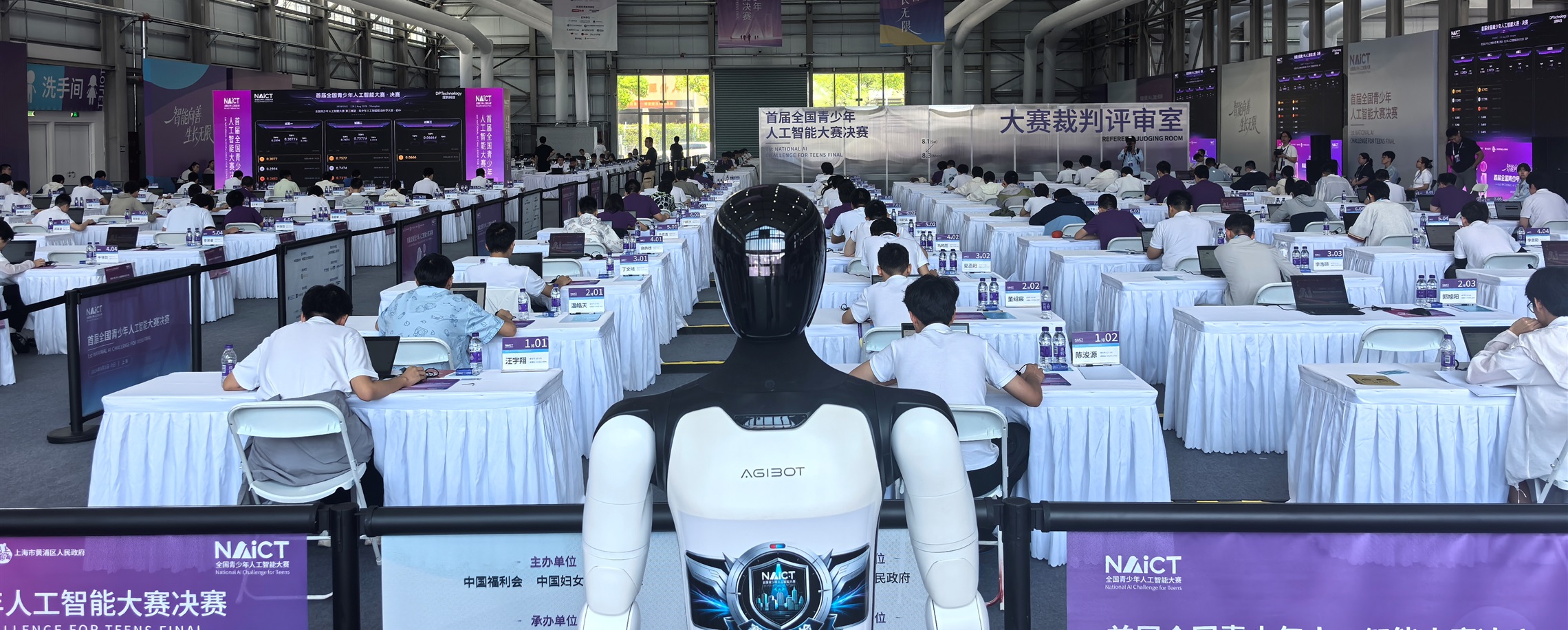
Debut National Teen AI Competition Lands in Shanghai: Inclusive Tech Education and Early AI Exploration Advocated for Youths
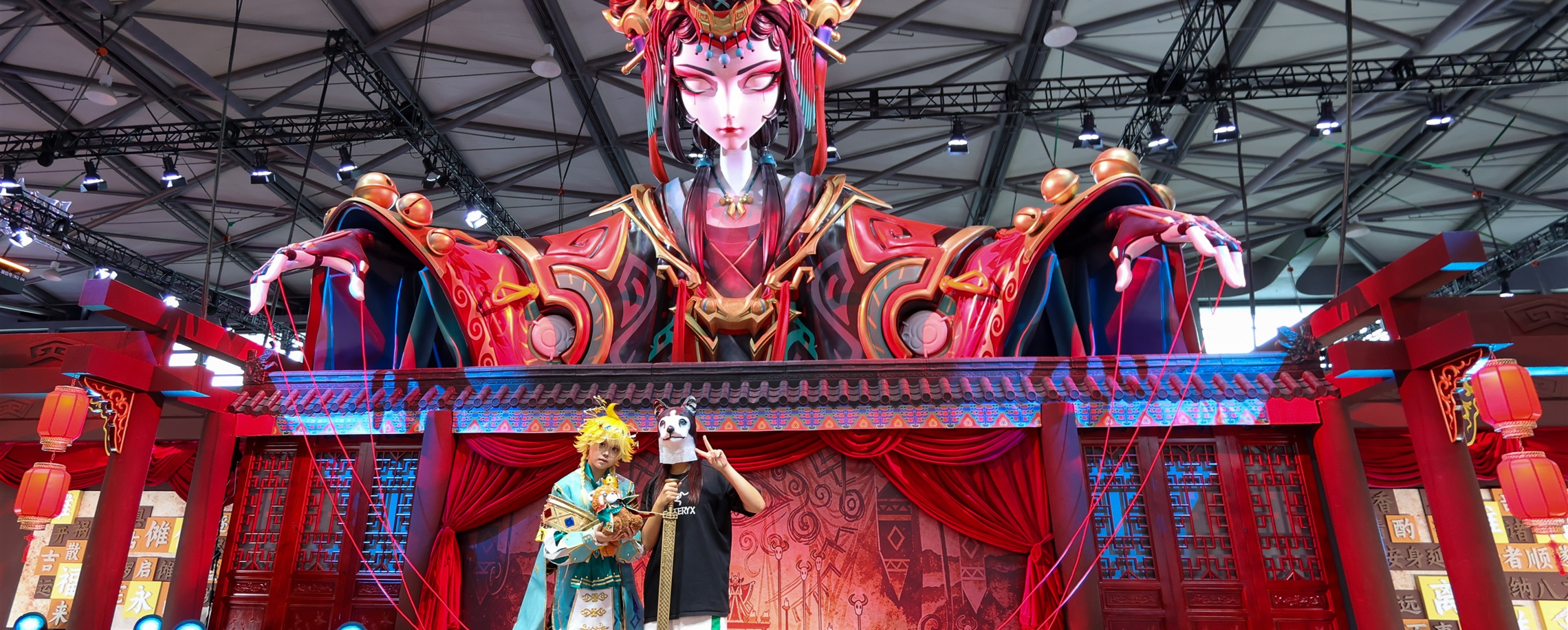
Beyond Gaming: AI Innovations Shine at ChinaJoy 2026
Tsinghua Graduate, 38, Wins Place in Peking University Medical Program After Three Years of Gaokao