China Regulators Warn Domestic Automakers to Play Fair in Overseas Markets
A joint directive from China's commerce and industry authorities and top market watchdogs has sent a clear message to the nation's auto industry: Compete rationally overseas and in compliance with foreign standards.
Behind this regulatory advisory lies a complex web of challenges that Chinese automakers and their supply chains are encountering abroad.
The scale of China's automotive expansion is undeniable. Customs data shows that China in the first half exported nearly 5.1 million vehicles, a two-thirds increase from a year earlier. Export revenue reached US$91.8 billion, up 54 percent. Leading exporters like BYD, Chery and Geely are penetrating key markets across Europe, Southeast Asia, Latin America and the Middle East.
However, mounting risks cast a shadow over these impressive figures. Domestically, some carmakers have grown accustomed to capturing market share through relentless price cutting. Exporting this cutthroat model directly to foreign markets can undermine the value of local supply chains and ultimately harm consumer trust.
The fallout is already visible. The Russian market is one example. Consumers there have complained about after-sale services of Chinese cars, and the major reason is that vehicle prices don't give much profit margin to dealers.
"Dealers originally wanted to improve services, but Chinese automakers are dropping prices too fast," said Li Feng, deputy secretary-general of the Russia-China Chamber of Commerce. "Dealers are under immense pressure, struggling with thin margins, making it difficult to provide quality service."
Another case appeared in Thailand with BYD. In 2024, BYD slashed vehicle prices in Thailand by up to 340,000 baht (US$9,300), triggering significant consumer backlash and a government probe.
The Thai Office of the Consumer Protection Board investigated Rever Automotive, an authorized distributor and partner of BYD, over allegations of deceptive marketing. Although the distributor was ultimately cleared of legal wrongdoing, new guidelines urged automakers to base prices on costs and market demand in what amounted to a major warning sign.
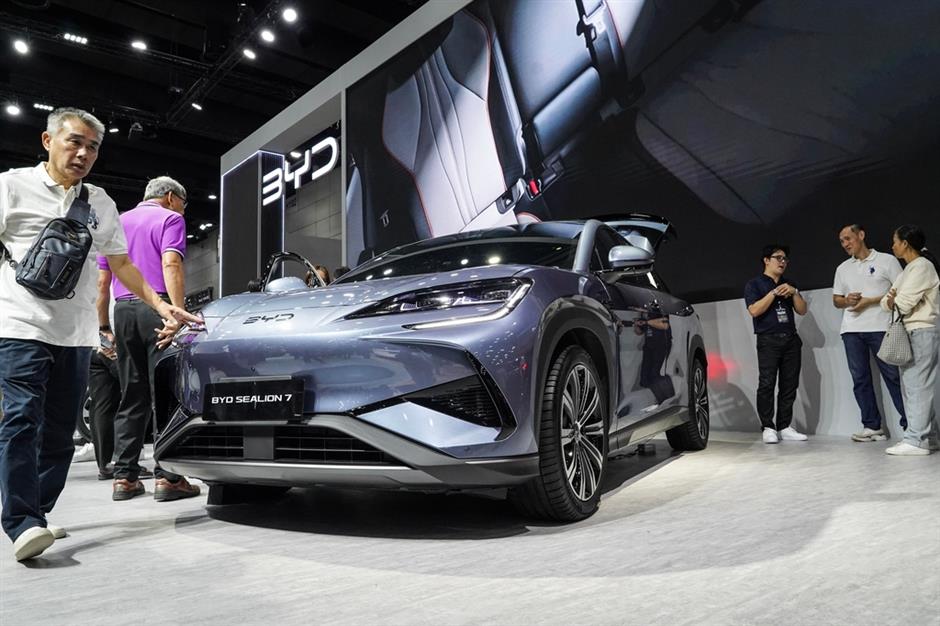
"Frequent, deep price cuts damage brand integrity and consumer trust, and manufacturers must respect dealers' autonomous pricing rights," the Chinese directive to automakers said. "When running overseas promotions, including prize campaigns, free test drives, discounts, giveaways or vehicle-financing offers, companies must comply with local laws, observe regional business and cultural norms, and honor all contractual commitments."
The guidelines also warn that winning foreign government or public transit bids at below-cost prices, which often leads to paralyzed after-sales services due to a lack of funds or operational capacity, could stamp an entire brand as "unreliable."
The industry has learned this harsh lesson before. Around 2000, Chinese motorcycles captured up to a 90 percent market share in Vietnam through extreme price wars. However, as brands engaged in a vicious race to the bottom, the average price per motorcycle plummeted from US$800 to US$200. The ensuing collapse in product quality and severed after-sales support led to China's market share plunging to less than 1 percent by 2018.
No one wants the same situation hitting the current new-energy vehicles market, but some red flags have already appeared.
In Europe, inadequate after-sales infrastructure and non-compliant competition of Chinese automakers are threatening to derail brand loyalty. With repair networks lagging, a growing number of European insurers are refusing coverage or charging exorbitant premiums for new Chinese electric and hybrid vehicles.
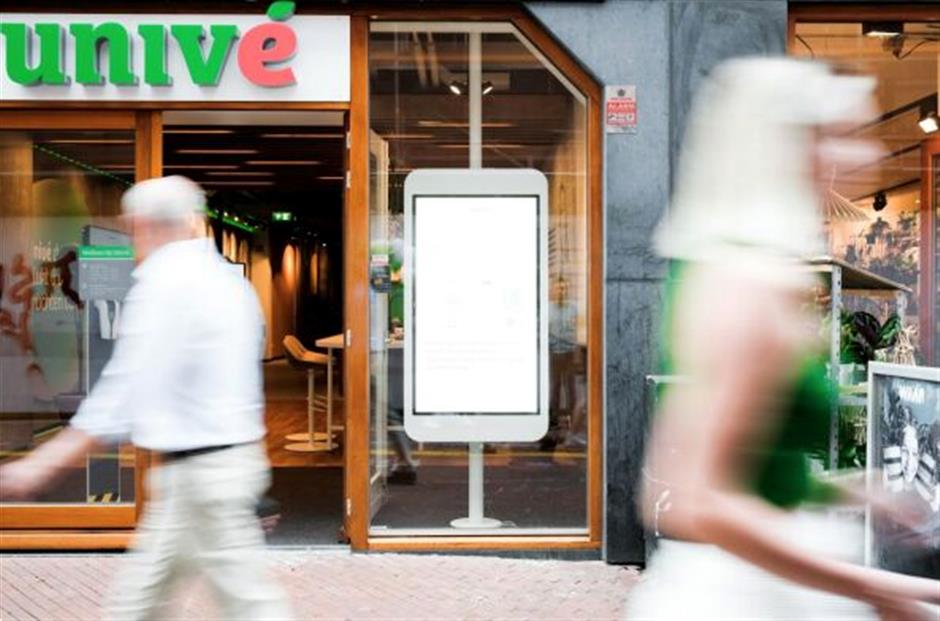
Last month, Univé, one of the Netherlands' largest insurers, fired a warning shot by overhauling its policies based on the quality of local after-sales networks. It stopped offering comprehensive insurance for Nio, Zeekr and Dongfeng, restricting them to bare-minimum third-party liability coverage. For newer entrants with severely deficient service networks, such as Leapmotor, Hongqi, Changan, Voyah, Jaecoo and Omoda, Univé stopped accepting new policies entirely. Brands like BYD, MG, Xpeng and Lynk & Co were spared, for now.
A similar trend is emerging in the UK. According to a report in The Guardian, insurance giants including Axa, Direct Line and Admiral remain extremely cautious regarding coverage for certain Chinese models. An investigation in May by automotive platform Carwow found that half of requests for insurance quotes under identical conditions for models like China's Jaecoo 7 and Xpeng G6 were rejected by insurers.
Building a robust network is non-negotiable. Automotive critic Liu Tengbo said BYD, China's largest maker of new-energy vehicles, should set an example for all Chinese automakers. BYD's service network spans 15 European countries, featuring 24-hour roadside assistance and multilingual customer service hotlines, with plans to double its European outlets to 2,000 by the end of this year, covering over 90 percent of the market.
"This coverage is essential as insurance companies need to know that if an accident happens, there is a facility to take the car and the capability to get it back on the road quickly," Liu explains. "Insurers fundamentally rely on data. As long as you can run your vehicle sales, after-sales, claims and repair cycles through a system, insurers are much more likely to continue coverage."
The release of the joint Chinese guidelines marks a definitive turning point. The "wild west" era of China's automotive overseas expansion has drawn to a close. For Chinese automakers, transitioning from exporting internal price wars to embracing rules-based, value-driven global expansion is the lifeline they must secure to survive.
Editor: Yao Minji
In Case You Missed It...
 Sep 19, 2026