Fuel Vehicles Evaporate From China's Top 10 Bestseller List
The shift toward electric mobility in China has crossed a historic milestone. For the first time, traditional internal combustion engine (ICE) vehicles have been wiped out from the top ten monthly passenger vehicle sales rankings, according to May retail data released by automotive sales platform Dongchedi.
Every spot in the top ten is now occupied by new energy vehicles (NEVs), including battery-electric, plug-in hybrid, and extended-range electric models.
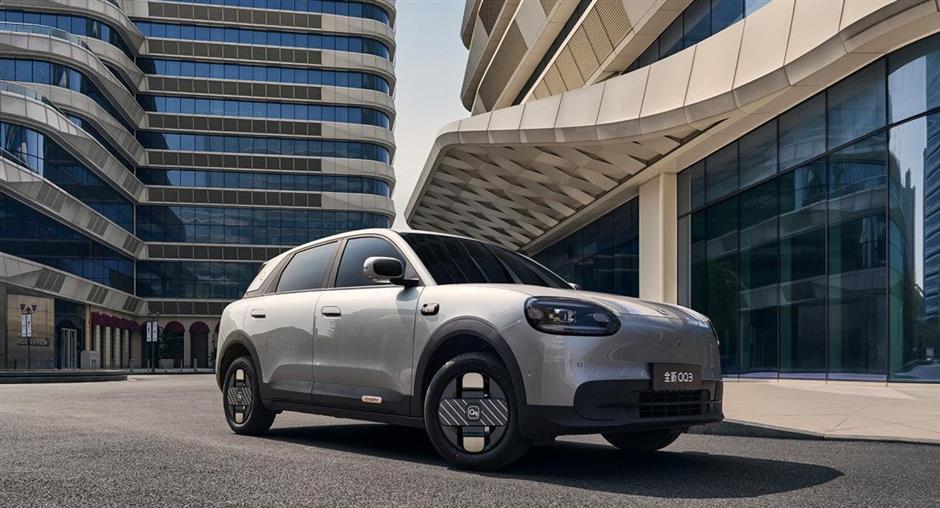
Topping the May charts was the Geely Xingyuan micro electric car, which saw 38,751 units sold, followed by Tesla's Model Y in second place with 28,911 vehicles. The Xiaomi SU7, Leapmotor A10, and Li Auto i6 rounded out the top five.
This complete erasure of gas-powered cars highlights a fast shift in consumer preferences. Just five months ago in January, traditional fuel vehicles held seven of the top ten spots. That number dropped to five in March, dwindled to a single model by April, and hit zero in May, marking a total collapse in less than half a year.
Data released by the China Passenger Car Association (CPCA) corroborates this massive structural turnaround. In May, the wholesale penetration rate of NEVs among manufacturers topped 60 percent for the first time, hitting 61 percent. Meanwhile, the retail penetration rate in the consumer market climbed to a record high of nearly 63 percent.
"High fuel prices and a fundamental transformation in consumer habits are the primary catalysts driving buyers away from gas engines, leaving the domestic market defined by collapsing internal sales for traditional cars, aggressive dominance by electric models, and resilient export growth," said Cui Dongshu, secretary general of the association.
Despite the booming popularity of electric cars, the broader automotive market is facing a tough climate. Cui said that the domestic market faced pressure in May and fell short of achieving a comprehensive recovery, describing the current rebound as a structural repair where electrification and overseas exports serve as the core pillars for long-term growth.
Because of these broader headwinds, the CPCA has revised downward its forecast for China's total domestic passenger vehicle retail sales growth this year, cutting the outlook from an initial projection of negative 1 percent down to negative 11 percent.
Editor: Yao Minji
In Case You Missed It...
 Jul 27, 2026