Top News
Chinese Stocks Rise on Expanded Government Support
Chinese mainland stock markets rose on Monday as China's financial regulators unveiled a package of measures to stabilize prices after the markets' worse selloff in a decade last month. The measures include a liquidity operation, cheaper financing for corporate share buybacks and plans to ease restrictions on margin lending. The People's Bank of China today will conduct its third swap facility for securities, funds and insurers, with 31 financial institutions seeking more than 100 billion yuan (US$15 billion). The swap tool, introduced in October 2024, allows eligible financial institutions to pledge assets such as stocks and bonds as collateral for highly liquid government bonds and central bank bills. They can then use those securities to raise cash in the market to invest in stocks or equity exchange-traded funds.
The central bank's two previous uses of the tool together amounted to 105 billion yuan, with the annual swap fee at 0.2 percent in the first round and 0.1 percent in the second. Market participants are expecting it could drop to 0.05 percent today. The lower the fee, the lower the financing cost for institutions to increase their equity holdings. The central bank has made its stock-buyback relending facility permanent and cut the rate charged to banks from 1.25 percent to 1 percent.
The Shanghai Composite Index rose 1.1 percent, the Shenzhen Component Index gained 1.6 percent and the CSI 300 Index that tracks top stocks on both exchanges edged up 0.8 percent after tumbling 8.5 percent in October. Investors will be waiting to see whether the new support measures will be enough to offset a tech selloff in New York that continued overnight.
Oil Prices Plummet As Hopes for End to Iran War Spring Anew
Crude oil prices fell sharply as investors succumbed again to hopes for a settlement in the eight-month Middle East conflict that has roiled global energy supplies and prices. The US and Iran signaled openness to a diplomatic solution, though neither has pledged no renewal of fighting. Global benchmark Brent crude futures fell about 8 percent in New York to around US$104.77 a barrel. President Donald Trump said Iran wants to make a deal, but he has said that before. Iran said a deal is possible if Washington "demonstrates goodwill," but Tehran has said that before. However, it's not clear what progress may be possible in a stalemate over US sanctions, Iran's nuclear weapons program and disputes about control over the Strait of Hormuz.
Russia, Ukraine Say Emergency Warnings Systems Hacked
Russia and Ukraine said their emergency warning systems were hit by cyber-attacks, though it isn't clear if they were the result of a third party or tit-for-tat operations. Moscow said a "massive cyber-attack" on its alerts app enabled hackers to send false information but its public alert system was functioning normally. That announcement came shortly after Ukraine's air raid warning app sent out false warnings about possible nuclear or chemical attacks following an apparent hack. Kiev blamed the Kremlin for the hack while Moscow hasn't said whom it blames.
Separately, supermarket chains in at least seven European countries dumped contents refrigerators and freezers after fresh cyber-attacks raised temperatures to as high as 50 degrees Centigrade. Christophe Hansen, EU food and agriculture commissioner, said the repeated cyber-attacks are a "deliberate attempt to disrupt our food supply chain and undermine consumer confidence." The incidents follow an attack in France last month in which hackers seized control of cooling units in as many as 700 supermarkets.
Top Business
Apple Beats Earnings Forecasts But Not for China Sales
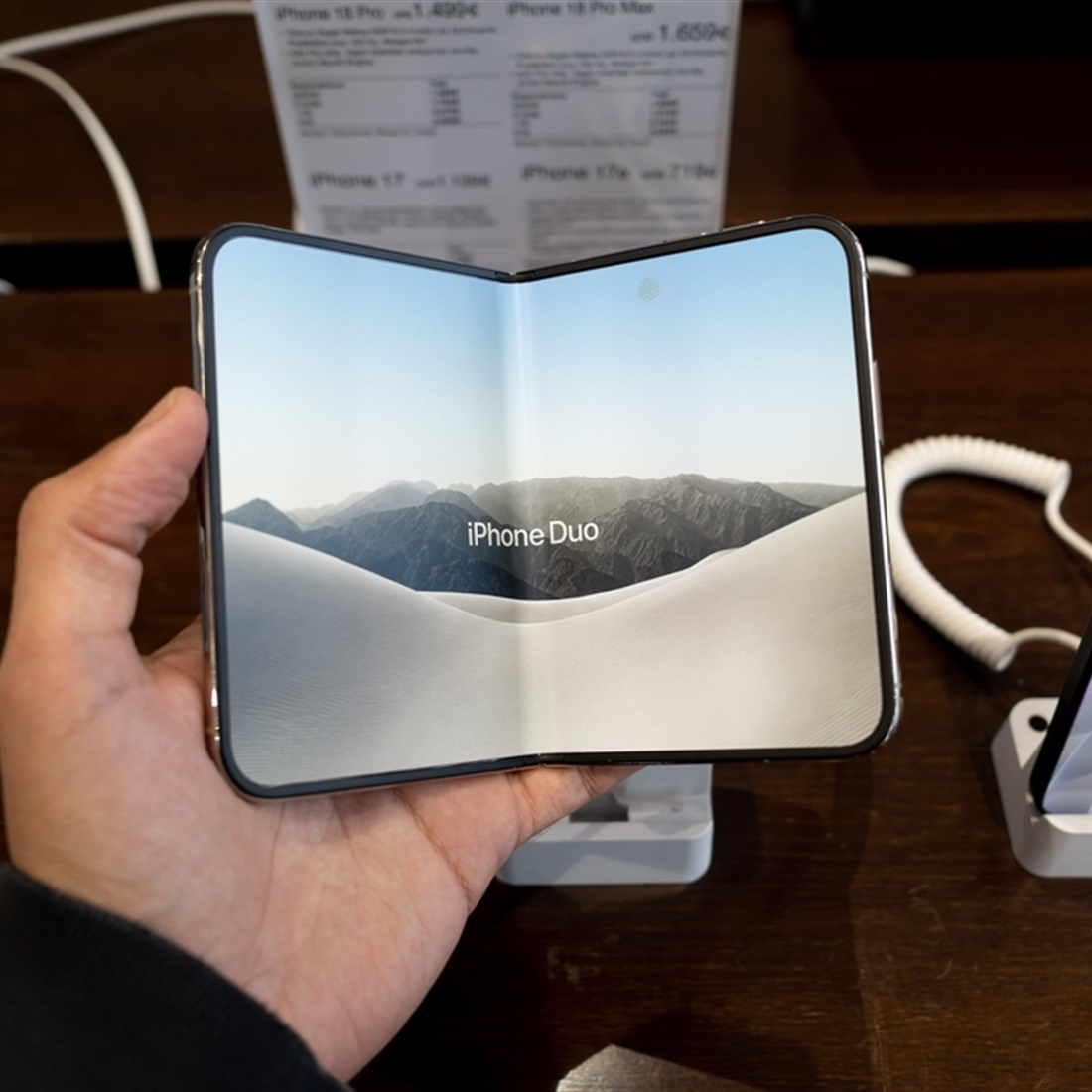
Apple beat Wall Street earnings expectations as demand for its iPhone 18 Pro lineup and price increases helped offset rising costs of memory chips. Revenue in its fiscal fourth-quarter rose 12 percent from a year earlier to US$114.5 billion, with sales in China rising 21 percent to US$17.5 billion but falling about US$1 billion short of consensus forecasts. Net income increased 11.8 percent to US$30.7 billion. Revenue from iPhone sales, including the first eight days of iPhone 18 Pro sales, came in at US$57.6 billion. Sales of its iPad missed forecasts. The company has raised prices on iPhones, which accounted for about half of Apple sales, by about US$100 to address higher memory chip costs. The company ended its fiscal year with US$137 billion in cash and marketable securities, and US$80 billion in total debt. Its shares fell 2.7 percent in after-hours trading in New York after revenue guidance for the current quarter missed expectations.
Chinese tech giant Alibaba over the weekend announced a partnership with Apple to integrate its Qwen AI model into Apple Intelligence. The Qwen-powered feature will be available for testing in the latest iOS developer beta test starting on November 4 and roll out to Chinese users with the official iOS 27.3 release in December.
Anthropic Reports Loss, Slowing Revenue Growth
AI giant Anthropic, in an amended prospectus filing in New York, reported a loss of US$23.3 billion in the third quarter on a 47 percent increase in revenue to US$17 billion. The revenue growth rate slowed from 144 percent in the second quarter and 132 percent in the first. For the first nine months of the year, Anthropic reported a US$104 billion loss, widening from US$25 billion a year earlier. Revenue surged 13-fold to US$33 billion. Computing and infrastructure expenses in the three quarters increased 329 percent to US$18.8 billion. The five-year-old company begins a roadshow with investors next week to promote its initial public offering, scheduled later in the month. Pricing details for the IPO haven't been released yet, but it's widely expected to be the largest in world history.
Global Financial Titans Meet in Hong Kong to 'Rethink the Playbook'
Hundreds of global finance leaders have converged in Hong Kong this week to discuss whether traditional investment strategies remain viable given geopolitical tensions and the rapid rise of artificial intelligence, The South China Morning Post reported. The fifth annual Global Financial Leaders' Investment Summit convenes as US President Donald Trump threatens a new round of strikes on Iran after Tuesday's mid-term elections and after recent selloffs in technology stocks heightened concerns about the sustainability of the AI investment boom. The three-day summit is themed "Rethinking the Playbook." Vice Chinese Premier He Lifeng will deliver the opening keynote address by video link. Participants are expected to share their views on economic headwinds, higher inflation and rising interest rates, and calls for tighter regulatory scrutiny of AI.
Huafa Group Runs into Credit Squeeze, Misses Some Repayments
Zhuhai-based Huafa Group, a property developer owned by the Guangdong provincial government, has run into serious credit and liquidity strains, missing payments on two trust products and seeking debt-maturity extensions from multiple banks. As of March, the group has about 413 billion yuan (US$62 billion) in interest-bearing liabilities, including bank loans, trust loans and bonds. Huafa missed payments on two trust products – though it has since made partial repayments to some investors on one of them – and has asked at least three banks to extend loan maturities. The group reported a 16.9-billion-yuan loss last year, citing the prolonged downturn in China's real estate sector. Fitch Ratings placed the company on its negative" rating watch list.
Meituan Unveils New AI Model Trained on Chinese Chips
Meituan, China's largest food-delivery service, released LongCat-2.5, a new AI model trained entirely on domestic computing infrastructure, as Chinese developers expand their use of locally produced chips. The 1.6-trillion-parameter model combines visual understanding with coding capabilities and is designed to handle extended, multistep tasks, including complex software development. Meituan said improvements to its infrastructure increased training and inference efficiency. The company reported competitive results against leading international models on selected benchmarks, though those claims haven't been independently verified.
'Phantom Blade Zero' a Smash Game Hit on First Day of Launch
Beijing-based S-Game's new "Phantom Blade Zero," an action game inspired kung fu, shot to the top of the global best-selling chart of digital distribution platform Steam on its first day, with its success likened to Game Science's 2024 hit "Black Myth: Wukong." AAA-rated "Phantom Blade Zero" was launched on Windows and Sony's PlayStation, with players on Steam peaking at 723,876. The game builds a fictional world that blends elements of martial arts heroes, chivalry and justice with steampunk aesthetics. Tech giant Tencent Holdings is one of S-Game's key investors and provided funding assistance for the game's development.
World Internet Conference Opens in Scenic Watertown
The 2026 World Internet Conference, China's leading event for the internet industry, opened in the scenic watertown of Wuzhen in Zhejiang Province. Running through November 5, this year's summit brings together global tech leaders, policymakers and industry pioneers. Over 1,000 cutting-edge products, including satellite internet and 6G technology, are on display.
Economy & Markets
China Central Bank Injects Cash into Banking System
China's central bank injected cash into the banking system on Monday, as it formally shifts its main policy rate to an overnight lending rate, a move analysts say will ease funding costs and support the economy. The People's Bank of China injected 541 billion yuan (US$81 billion) through overnight reverse repurchase agreements at 1.25 percent, according to a statement. The central bank said it will start conduct overnight reverse repos every day and switch the seven-day operations to multiple rates from a single fixed one. Analysts said the change effectively lowers the floor of China's interest-rate framework by 15 basis points, reducing borrowing costs for financial institutions.
China's Private-Sector Factory Activity in Expansion for 11th Month
Chinese private manufacturing sector activity in October slipped 0.1 percentage point from September but remained in expansion territory with a reading of 52, according to the purchasing managers' index compiled monthly by the Shenzhen-based independent research company RatingDog China. It was the 11th month of expansion, shown by any reading above 50. Output growth was the fastest since April, new orders rose for a 17th consecutive month and new export orders climbed for a fourth month. The figures were stronger than official purchasing managers' index figures issued a day earlier by China's National Bureau of Statistics, which showed factory activity falling into contraction with a reading of 49.3 percent. The disparity in the numbers arises from different sampling. RatingDog mainly looks at activity in smaller, private company, and the official figures are biased toward large, mostly state-owned companies.
Corporate
Guangzhou Automobile Loss Widens
Guangzhou Automobile Group said its third-quarter loss widened 42 percent from a year earlier to 2.5 billion yuan (US$375 million) on intense domestic market competition and increased spending on new models under its subsidiary Aistaland. Revenue rose 18 percent to 28.4 billion yuan. In the first nine months, its loss expanded to 7 billion yuan from 4.3 billion yuan on a 12 percent increase in revenue to 74.5 billion yuan. GAC has joint ventures with Honda and Toyota.
Optical Module Maker Cambridge Industries Triples Profit
China's Cambridge Industries, a global telecommunications and networking equipment manufacturer specializing in high-speed optical modules, photonics and broadband, said third-quarter profit more than tripled from a year earlier to 432.9 million yuan (US$65 million) on a 67 percent increase in revenue to 2.2 billion yuan. For the first nine months of the year, profit nearly tripled to 760.6 million yuan, with revenue rising 46 percent to 4.9 billion yuan. Spending on research and developed jumped 28 percent to 327 million yuan.
Gaozheng Civil Explosives Plans Major Restructuring
Shenzhen-listed Gaozheng Civil Explosives announced a major asset restructuring plan under which it will acquire a 51 percent stake in Ziyuan Copper and 100 percent of Shengyuan Mining from controlling shareholder Tibet Geological & Mineral Group by issuing shares and raising matching funds from up to 35 investors. Ziyuan Copper is engaged in mining, exploration, processing and sales. Shengyuan Mining is a holding platform for 10 percent of Julong Copper and 27 percent of Laguo Resources.
VW China Unveils Locally Developed Integrated Technology Stack
Volkswagen China launched the Vega integrated technology stack developed by its engineering team, making VW the only foreign carmaker in China with a complete in-house tech matrix. Vega has three core components: a compact main platform, China electronic architecture, and advanced driver-assistance systems. It's designed to support market-specific vehicle development and accommodate a range of powertrains, including new energy vehicles, combustion engine vehicles and hybrids. Vega marks a big shift in product decision-making from VW headquarters in Germany to the Chinese unit in a move to recapture market share in China.
Unitree Robots Dominate Inaugural Mountain-Climbing Contest
Unitree-backed robots swept top honors at the inaugural World Robot Mount Tai Climbing Competition sponsored by China Media Group. Mount Tai, a 1.545-meter-high sacred mountain in Shandong Province listed as a UNESCO World Heritage Site, is noted for its steep staircase of 3,100 steps. Unitree's Beijing Lingyi team won the quadruped racing title with an A2 robot dog in 43 minutes, 41 seconds. Shanghai Gaoyi secured two silver medals with A2 and B2 models.
Editor: Wang Xiang
In Case You Missed It...
 Oct 30, 2026