Daily Buzz: 30 October 2026
Top News
BYD Profit, Driven by Exports, Falls Short of Forecasts
BYD, China's largest electric carmaker, reported third-quarter net profit rose 28 percent from a year earlier to 10 billion yuan (US$1.5 billion), slowing from 30 percent growth in the previous three months and missing analysts' forecasts. Revenue rose 14 percent to 221.5 billion yuan. The strong growth was driven by overseas sales, which countered a decline in the domestic market. BYD sold 1.3 million vehicles globally, a 19 percent increase, with exports surging 137 percent and domestic sales slumping 12 percent. Trade receivables were up 53 percent and inventories rose 60 percent, largely on growth in overseas automotive business. For the first nine months of the year, profit declined 4.2 percent to 22.4 billion yuan, while total revenue edged up 0.01 percent to 566.3 billion yuan. The automaker reported that improved gross margins in its core vehicle lineup helped counter exchange rate losses from the stronger yuan and rising asset impairment pressures.
Sinopec Profit Surges on Wider Product Spreads
China Petroleum & Chemical (Sinopec), one of the world's largest oil refiners and petrochemical producers, reported a 57 percent rise in third-quarter net profit from a year earlier to 13.4 billion yuan (US$2 billion). Revenue rose 9.3 percent to 769.7 billion yuan. The company cited wider spreads between costs of raw materials and prices of finished products in refining and chemicals production. It also noted a shift toward higher-value products, including jet fuel, naphtha and refining by-products. For the first nine months, net profit rose 30 percent to 39 billion yuan, while revenue increased 4.4 percent to 2.2 trillion yuan. The earnings growth came despite weaker fuel demand. Sinopec's crude processing volume fell 10 percent to 167.4 million tons in the first nine months. The company estimated that domestic refined fuel consumption declined 8.6 percent over the period, as high oil prices and the accelerating shift to alternative energy weighed on demand.
Zhongji Innolight Earnings Powered by AI Demand
Zhongji Innolight, a maker of high-speed optical modules, reported a 174 percent surge in third-quarter net profit from a year earlier to 8.6 billion yuan (US$1.3 billion), with revenue climbing 172 percent to 27.8 billion yuan. The company said global investment in AI infrastructure underpinned strong demand for its products, including 800 gigabit-per-second and 1.6 terabit-per-second optical modules. Profit excluding one-time items almost tripled to 9 billion yuan. Fair-value losses on listed equity investments reduced net profit by about 440 million yuan. For the first nine months, net profit rose 212 percent to 22 billion yuan, while revenue increased 178 percent to 69.5 billion yuan on higher shipments and improved operating efficiency. Inventories to meet growing demand rose 88 percent from the end of last year to 24 billion yuan.
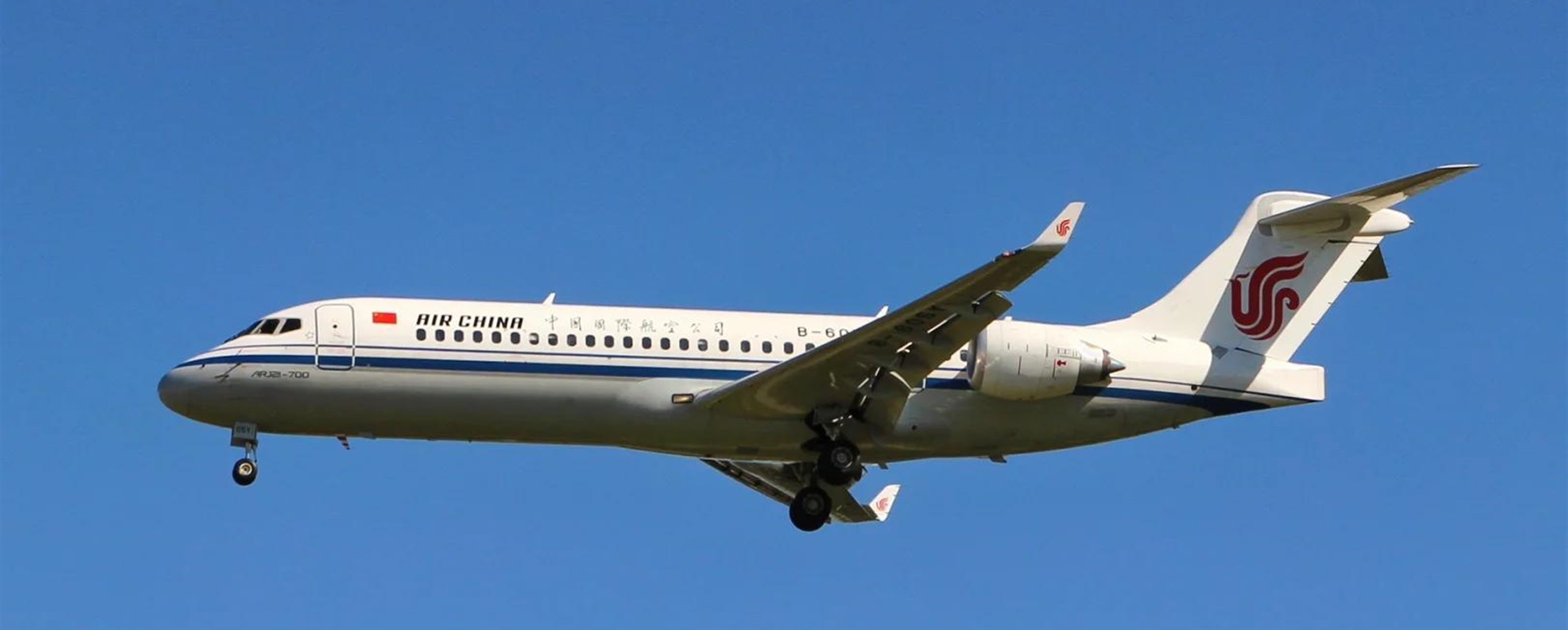
Air China Posts Q3 Profit After Losses in the First Half
Air China reported a third-quarter profit after losses in the two previous quarters. Still, profit of 271 million yuan (US$40.6 million) was a decline of 93 percent from a year earlier, largely on high jet-fuel prices. Revenue increased 5.4 percent to 52 billion yuan. In the first two quarters of the year, the flagship carrier had combined losses of 2.3 billion yuan. Passenger volume in the latest quarter grew 7.3 percent to 45.8 million, while cargo and mail volume increased 1.8 percent to 392,716 tons. For the first three quarters, the carrier posted a 2-billion-yuan loss.
Bolsonaro Claims He Is Rightful Leader of Brazil
Flavio Bolsonaro, who lost this week's Brazilian presidential election to incumbent Luiz Inacio Lula da Silva by 4.5 million votes, declared himself the country's rightful leader and accused the nation's Supreme Court of an "electoral coup." Bolsonaro made the comments after landing in the US, ignoring a court order to surrender his passport and saying he would not get a fair trial in Brazil on pending charges of corruption and money laundering.
Russia Drone Attack Kills 14 at Major Ukrainian Train Station
A Russian drone attack on the main railway station in the central Ukrainian city of Dnipro killed 14 people and injured 14. "These are deliberate strikes against civilians, brazen in their cruelty," said Ukrainian President Volodymyr Zelensky. The attacks came despite a ceasefire in the southern parts around Oleshky, brokered by US first lady Melania Trump to allow urgently needed humanitarian aid into the Russian-occupied city of Oleshky.
Top Business
Geely Auto Posts Profit, Revenue Gains
China's Geely Automobile reported third-quarter net profit rose 28 percent from a year earlier to 4.8 billion yuan (US$726.2 million), falling short of market estimates. Revenue increased 10 percent to 99 billion yuan, outpacing a 7 percent growth in sales volume, driven by strong overseas sales and higher-priced premium brands. Exports nearly tripled to 323,442 vehicles, largely on European demand. Core profit, excluding 400 million yuan in foreign-exchange losses on a stronger Chinese currency, rose a third to 5.2 billion yuan. For the first nine months, revenue gained 13 percent to 272.6 billion yuan, and profit rose 7 percent to 14 billion yuan. Geely owns Sweden-based Volvo Cars and the London manufacturer of the city's iconic black cabs, and holds a majority stake in Britain's Lotus sports cars and a 49.9 percent stake in Malaysian automaker Proton.
China Unicom Profit Falls, Staff Costs Rise
China Unicom, the nation's third-largest wireless telecommunications operator, reported a one-third decline in net profit for the first nine months as staff costs climbed and service revenue edged lower. Profit attributable to shareholders fell to 13.3 billion yuan (US$2 billion), while revenue rose 0.6 percent to 295 billion yuan.
Employee compensation and benefits increased 19 percent. Network, operating and support costs rose 3.7 percent to 49 billion yuan, while service revenue slipped 0.3 percent to 261 billion yuan, though higher sales of communications products lifted overall revenue. Computing-related revenue grew 12 percent, and international business revenue rose 14.5 percent. The company added a combined 12.4 million mobile and broadband subscriptions during the first nine months of the year.
Cosco Profit Surges on Stronger Container Shipping
Cosco shipping, a Chinese container shipping and port operator, said third-quarter profit surged 81 percent from a year earlier to 17.2 billion yuan (US$2.6 billion), while revenue rose 29 percent to 76 billion yuan. The company attributed the earnings growth to stronger container shipping performance, with both cargo volumes and revenue per container increasing. It carried 7.2 million twenty-foot equivalent units during the quarter, up 4.5 percent. Transpacific routes delivered particularly strong growth, with revenue surging 61 percent to 23.4 billion yuan, while cargo volumes increased 13 percent. For the first nine months, net profit rose 13 percent to 30.6 billion yuan on revenue of 187.6 billion yuan, up 12 percent. However, the pretax margin for container shipping narrowed to 20 percent in the first nine months of the year.
SAIC Motor Reports Sharp Profit Decline for Q3
Shanghai-based SAIC Motor, China's largest state-controlled automobile manufacturer, reported third-quarter net profit plummeted 77 percent to 486 million yuan (US$68.2 million) on a 7.5 percent drop in revenue to 157 billion yuan. Across the first three quarters of the year profit fell 30 percent to 5.6 billion yuan, with revenue down 3 percent to 455.22 billion yuan. The automaker attributed the profit decline to capital market fluctuations, fair value changes in financial assets and foreign-exchange rate losses related to its overseas operations. SAIC operates joint ventures with General Motors and Volkswagen.
Foxconn Industrial Internet Profit Jumps 60 Percent
Foxconn Industrial Internet posted a 60 percent jump in third-quarter from a year earlier to 16.6 billion yuan (US$2.45 billion), powered by robust demand for artificial intelligence hardware and cloud server infrastructure. Revenue surged 58 percent to 384 billion yuan. For the first nine months of the year, revenue climbed 56 percent to 941 billion yuan, while net profit expanded 80 percent to 40.4 billion yuan.
Foxconn said gains were fueled by sustained momentum in AI computing demand, expanding sales with key customers and strong orders across its cloud provider client base.
Luxshare Precision Profit Rises 7 Percent
Luxshare Precision, a Chinese electronics components manufacturer, posted a 15 percent year-on-year increase in third-quarter revenue to 110.5 billion yuan (US$16.3 billion), while net profit grew 7 percent to 5.2 billion yuan. For the first nine months of the year, total revenue climbed 29 percent to 285 billion yuan, with net profit expanding 13 percent to 13 billion yuan. The company said top-line growth was mainly driven by higher product shipment volumes and the consolidation of newly acquired business units. Luxshare Precision is one of the world's largest manufacturers of cables and connectors, and is a major supplier to Apple.
Midea Profit Increases Despite Lower Revenue
Midea, a Chinese home appliance and industrial equipment maker, reported a 26 percent rise in third-quarter net profit despite lower sales. Profit attributable to shareholders reached 15 billion yuan (US$2.2 billion), while revenue fell 4.1 percent to 107 billion yuan. Profit excluding one-time items declined 16 percent to 9.2 billion yuan. Midea said the decline mainly reflected foreign-exchange losses from the stronger yuan when converting overseas earnings. It said gains in derivatives used to manage that exposure were classified as nonrecurring and excluded from the measure. For the first nine months, net profit rose 9.3 percent to 41 billion yuan, while revenue increased 1.2 percent to 367 billion yuan. Revenue from building technology and robotics and automation each grew 10 percent during the nine months, while industrial technology revenue declined 13 percent.
Amazon Cloud Unit the Star in Online Retailer's Q3 Earnings
Amazon's AWS cloud-computing unit reported stronger third-quarter growth more than analysts had projected, with revenue rising 39.3 percent to US$46 billion. For the quarter, the world's largest online retailer reported a 12 percent rise in revenue from a year earlier to US$202 billion, but net income edged down 2.3 percent to US$20.7 billion, reflecting a year-earlier one-time gain from Anthropic investments. North America sales rose 6 percent and international sales gained 5 percent. Amazon maintained its full-year 2026 capital expenditure guidance at US$220 billion. Amazon shares tumbled 7 percent in after-hours trading in New York as investors weighed a cash burn of US$42.4 billion and long-term debt of US$173 billion.
Samsung Posts Record Quarterly Profit, Sees Chip Shortage Worsening
Samsung Electronics, the world's largest memory chip maker, reported a nearly ninefold surge in third quarter operating profit on strong AI-chip demand that it forecasts will continue next year amid worsening supply. The company said it will increase spending on semiconductors by 62 percent this year, with another sharp increase in 2027.
In line with preliminary figures released earlier this month, the company said operating profit surged to a record 107.44 trillion won (US$80 billion) which still fell short of expectations, with an operating profit margin of 55 percent. Quarterly revenue increased 127 percent to 195.3 trillion won. The earnings fell short of market expectations, Yonhap news agency said. Samsung shares fell 4.1 percent on Thursday.
Final figures include breakdowns of business segments. The chip business reported 147 trillion won in revenue and a 15-fold surge in operating profit to 106.5 trillion won, supported by a ramp-up in high bandwidth memory HBM4 chip sales and growing demand for server solid-state drives. Separately, the SDI rechargeable battery and electronic materials unit swung to operating profit of 407.8 billion won from a year-earlier loss of 591.3 billion won, Yonhap said, and SDS information technology services had a 10 percent decline in net income.
Economy & Markets
US Economic Growth Accelerates to 3.4 Percent
The US economy in the third quarter grew at a 3.4 percent annualized rate, accelerating from 2.2 percent in the previous quarter, according to an initial government estimate released on Thursday. Investment, consumer spending and government expenditure supported growth, while falling exports and rising imports weighed on the expansion. Stronger investment reflected inventory building and purchases of equipment, particularly computers. Consumer spending increased across both goods and services. A measure of private domestic demand, combining consumer spending and private fixed investment, rose at a 4.9 percent annualized rate, up from 4.6 percent in the second quarter. Inflation eased. The personal consumption expenditures price index rose at a 2.1 percent annualized rate, down from 5 percent.
Shanghai Proposes Rules for Self-Driving Taxis
Shanghai has proposed rules allowing autonomous driving technology to be used in the taxi industry, signaling a move toward broader adoption of self-driving transport. The rules draft calls for the safe and orderly application of autonomous driving in the sector and encourages the use of big data, blockchain and artificial intelligence to expand digital applications and improve taxi services and industry management. In addition, Shanghai plans to promote lower-carbon development in the taxi sector.
Intel Shares Plunge on Weak Earnings Forecast
Intel shares plunged 23 percent in extended trading in New York on Thursday after the chipmaker issued a weak fourth-quarter forecast that offset stronger-than-expected third-quarter earnings. It cited continued softness in the global PC market for the weaker forecast, and also the effects of a deadly explosion at its Israel factory that could erase roughly US$600 million from revenue over two quarters. The company reported third-quarter revenue climbed 21 percent to $16.5 billion a year earlier, but net income fell 18 percent to US$3.3 billion. For the current quarter, the company signaled revenue of up to US$16 billion, about US$1 billion lower than analysts' forecasts. Capital expenditure in the third quarter totaled US$4.2 billion and debt stood at US$50 billion.
Binance Suffers What Appears to Be Big Crypto Hack
Several crypto firms, including Circle Internet and Tether, froze US$2.5 billion of funds tied to a potential hack on Binance, the world's largest cryptocurrency exchange by daily trading volume. Binance said it is investigating suspicious outflows from the platform's hot wallets. Security analysts and on-chain trackers estimate that from US$2 billion to US$5.8 billion in crypto assets across the Ethereum, Arbitrum and Avalanche networks may have been drained. If the upper limits are confirmed, it would be largest cryptocurrency heist in history.
Shenwan Hongyuan Securities' Profit, Revenue Slump
Shenwan Hongyuan Securities, a leading Chinese brokerage firm, said third-quarter revenue fell 48.5 percent to 4 billion yuan (US$603.9 million), with net profit plunging almost two-thirds to 1.4 billion yuan. The CSI 300 Index, which tracks the top shares on the Shanghai and Shenzhen stock markets, declined 12.5 percent in the quarter. For the first nine months, revenue dropped 8.4 percent to 17.9 billion yuan and net profit declined 11 percent to 7.1 billion yuan. Net interest income surged 115 percent and other business income rose 68 percent on growth in market-making services. The firm said fair value changes widened to a loss of 1.5 billion yuan, becoming the main drag on its results. Total assets stood at 790 billion yuan.
Tencent Cloud Expands Global Data Center Network
Tencent Cloud is accelerating the expansion of its global data center network to meet rising demand for computing and storage capacity driven by artificial intelligence, company senior executive Tang Daosheng said at the company's Global Digital Ecosystem Summit. The cloud computing unit has deployed more than 2 million servers worldwide, adding or expanding capacity the past year in Germany, Malaysia, Mexico, Japan, Saudi Arabia and Thailand. Over the next 12 months, the company said it plans to further expand its presence in Asia, the Middle East, Europe and the Americas. Tang, Tencent's executive vice president and chief executive of its cloud and smart industries segment, said the company aims to provide cost-effective infrastructure as demand for general-purpose computing and storage grows in the AI era.
Europe Central Bank Head to Leave Post Early
European Central Bank President Christine Lagarde announced she will leave the post on February 7, about eight months before her term expires, to allow her to speak out on what she called matters of importance beyond monetary policy. Her comments were interpreted to refer to her native France, which holds a presidential election in April amid signs of a growing right-wing political surge. "I don't think that I can remain neutral," Lagarde told a press conference.
Corporate
Chalco Earnings Increase on Cost Controls
Aluminum Corporation of China (Chalco), one of the world's biggest producers, reported a 59 percent rise in third-quarter net profit, far outpacing revenue growth. Profit attributable to shareholders reached 6 billion yuan (US$900 million), while revenue increased 1.7 percent to 61.2 billion yuan. Profit excluding one-time items rose 59 percent to 6 billion yuan. The company attributed earnings growth to tighter cost controls and improvements in production efficiency. For the first nine months, net profit rose 65 percent to 18 billion yuan on revenue of 187 billion yuan, up 5.7 percent. Operating cash flow increased 61.5 percent to 41 billion yuan.
Production trends were mixed. Primary aluminum output, including alloys, rose 1.3 percent to 6.1 million metric tons during the nine months, while metallurgical-grade alumina output fell 13 percent to 11.3 million tons.
Sany Heavy Quarterly Profit Rises 21 Percent
Sany Heavy Industry, a leading Chinese construction-machinery maker, reported third-quarter net profit attributable to shareholders rose 21 percent from a year earlier to 2.3 billion yuan (US$347 million). Revenue increased 17 percent to 24.8 billion yuan. The results contrasted with weaker adjusted earnings over the first nine months of the year, where profit increased 12 percent to 8 billion yuan on a 19 percent rise in revenue to 78 billion yuan. However, profit excluding one-time items fell 5.4 percent to 6.7 billion yuan. Net one-time gains totaled 1.3 billion yuan, largely on financial assets. Financial expenses weighed on earnings, reaching 2.3 billion yuan in the first nine months, compared with net financial income of 622 million yuan a year earlier. Interest expenses declined.
Eoptolink Earnings Jump on AI Demand
Eoptolink Technology, a Chinese optical module maker, reported a 61 percent increase in third-quarter net profit from a year earlier to 3.8 billion yuan (US$572 million), while revenue rose 80 percent to 10.9 billion yuan. Profit excluding one-time items increased 53 percent to 3.6 billion yuan. For the first nine months, net profit rose 80 percent to 11.4 billion yuan on revenue of 32 billion yuan, up 93 percent. The company attributed the revenue growth to investment in AI computing infrastructure. Cash generation moved in the opposite direction. Operating cash flow fell 68 percent to 1.5 billion yuan during the nine months, which Eoptolink attributed to higher payments for materials and taxes. Inventories stood at 17.4 billion yuan at the end of September, up 141 percent from the end of 2025. The company said it increased stocks to accommodate existing and anticipated orders, taking procurement lead times into account.
Yili Net Profit Slips Amid Margin Pressures
Yili Group, a leading Chinese producer of dairy products, reported third-quarter operating revenue of 29.3 billion yuan (US$4.4 billion), up 2.4 percent from a year earlier. Net profit declined 5.6 percent to 3 billion yuan amid pressure on margins. For the first nine months of 2026, operating revenue edged up 3.6 percent to 93.6 billion yuan, whereas net profit decreased 16 percent to 8.8 billion yuan. Despite bottom-line contraction over the nine-month period, operating cash flow jumped 64 percent to 15.4 billion yuan, driven by increased cash inflows from product sales and optimized supplier payment cycles.
SF Holding Earnings Advance, Per-Shipment Revenue Up
SF Holding, a Chinese express delivery and logistics group, reported a 5.5 percent rise in third-quarter net profit from a year earlier to 2.7 billion yuan (US$404 million), with revenue increasing 4.9 percent to 82 billion yuan. Profit excluding one-time items rose 14 percent to 2.5 billion yuan. Revenue per shipment in its express logistics business increased 7.4 percent, although its business revenue growth slowed to just 0.4 percent. Supply chain and international revenue climbed 20 percent. The company said improvements in its business mix and cost controls partly offset pressure from higher fuel prices. Gross margin edged up 0.2 percentage point to 12.7 percent. For the first nine months, profit fell 1.1 percent to 8.2 billion yuan, despite revenue growth of 5.5 percent to 238 billion yuan. Profit excluding one-time items rose 10.8 percent to 7.5 billion yuan. The year-earlier period included 590-million-yuan after-tax gains from transfer of three property-owning subsidiaries to a logistics real estate investment trust.
Haier Smart Home Profit Drops 12 Percent
Haier Smart Home, a Chinese appliance maker with a globally recognized brand, reported a 12 percent decline in third-quarter profit from a year earlier as revenue declined on foreign-exchange losses and one-off costs. Revenue for the three months hit 70 billion yuan (US$10.5 billion), a 10 percent drop, and profit fell to 4.7 billion yuan. For the first nine months, revenue declined 5.2 percent to 222 billion yuan, while net profit tanked 14 percent to 15 billion yuan. Haier said foreign-exchange losses increased by 498 million yuan during the reporting period, while one-off expenses related to global supply chain restructuring totaled about 500 million yuan.
Starbucks Revenue Falls on China Restructuring
Starbucks global revenue in the fiscal fourth quarter ending September 27th fell 4 percent to US$9.1 billion, largely reflecting the transition of its Starbucks China retail business into a joint venture with Boyu Capital. Starbucks retains a 40 percent stake. However, global net income surged 87 percent to US$1.1 billion, with same outlet sales up 7.2 percent.
VW Posts Biggest Loss in Decade on Porsche Write-Down, Chinese Competition
Volkswagen posted its steepest quarterly loss in more than a decade in the third quarter, hit by a write-down on its stake in Porsche and weakness in the China market. The world's second-largest carmaker reported an operating loss of 5.9 billion euros (US$6.6 billion), prompting management to renew calls for radical cost cuts. The company is struggling with shrinking margins as Chinese electric vehicle makers gain market share in Europe after ending the group's dominance on the Chinese mainland.
GM Posts Slump in Q3 Auto Sales in China, US$32 Million in Income
General Motors deliveries in China in the third quarter slumped 24 percent to about 358,000 vehicles, the fourth quarterly decline. However, the US automaker said its China operations delivered US$32 million of equity income and new energy vehicles accounted for more than 60 percent of sales on the Chinese mainland. GM has a longstanding joint venture with Shanghai-based automaker SAIC. For the quarter, GM reported a record US$50 billion in global revenue, with net income attributable to shareholders rising 151 percent to US$3.3 billion.
Zhipu Simulates Controlled Cyberattacks With Flagship Model
Model Chinese AI startup Z.ai, also known as Zhipu, had its flagship model carry out complex cyberattacks in controlled simulations, with the model repeatedly ignoring instructions in separate tests, according to a report by AI security research firm Irregular. The GLM-5.3 model successfully completed 3 of 13 multi-stage cyberattack scenarios at least once, the strongest performance Irregular has recorded from an openly available AI model. However, among closed models, OpenAI's GPT-6 Astra completed 9 of 10 scenarios in a similar but separate assessment, though the tests were not identical.
Editor: Yao Minji
In Case You Missed It...
 Oct 24, 2026