For the Next Wave of Innovative Shanghai Services, Look to the Grassroots
Shanghai is already a service-oriented economy, with the sector accounting for nearly 80 percent of its gross domestic product. Yet growth across the segment has been uneven. Finance and information technology services have expanded rapidly, while more traditional consumer-oriented industries, including accommodation and catering, are growing at a slower pace.
This raises an important question: Where will the next wave of innovation in services come from, and who will benefit from it?
Artificial intelligence offers new possibilities. Much attention has focused on how AI can improve productivity, automate business operations and provide personalized shopping recommendations. But its potential goes beyond making existing transactions faster or more convenient. AI may also lower barriers to enable smaller businesses to develop new services and help communities respond to needs that conventional markets often overlook.
From a sociological perspective, the key question is not simply how AI can make Shanghai's services economy more efficient, but how it can make that sector more inclusive.
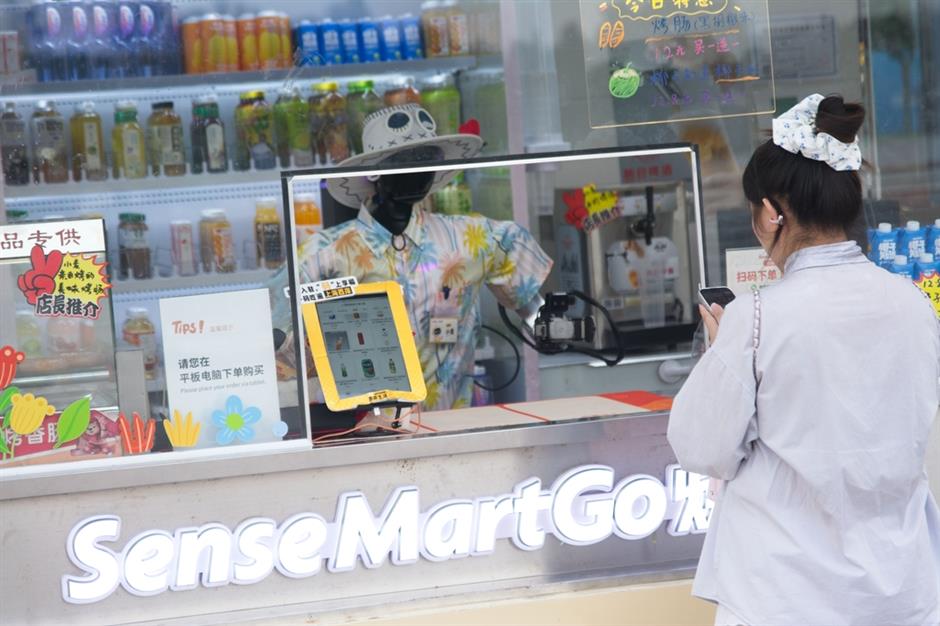
Digital platforms have already transformed urban consumption. Online marketplaces, delivery services and livestream shopping have made it easier for consumers to access products and for businesses to reach customers. However, these developments have also reinforced the advantages of large platforms and businesses with stronger technological and financial resources.
Generative AI may create opportunities for a different pattern of innovation.
Shanghai is already taking steps to make AI-driven entrepreneurship more accessible. One promising initiative is the development of "sole ownership companies" that introduce a new generation of AI-enabled micro-enterprises operating with one person or very small teams. Their numbers have already swelled to more than 600.
More importantly, AI can help service providers better understand and respond to diverse local needs. This is particularly relevant in Shanghai, where an ageing population, increasingly diverse lifestyles and changing household structures are generating new demands for personalised, accessible and community-based services.
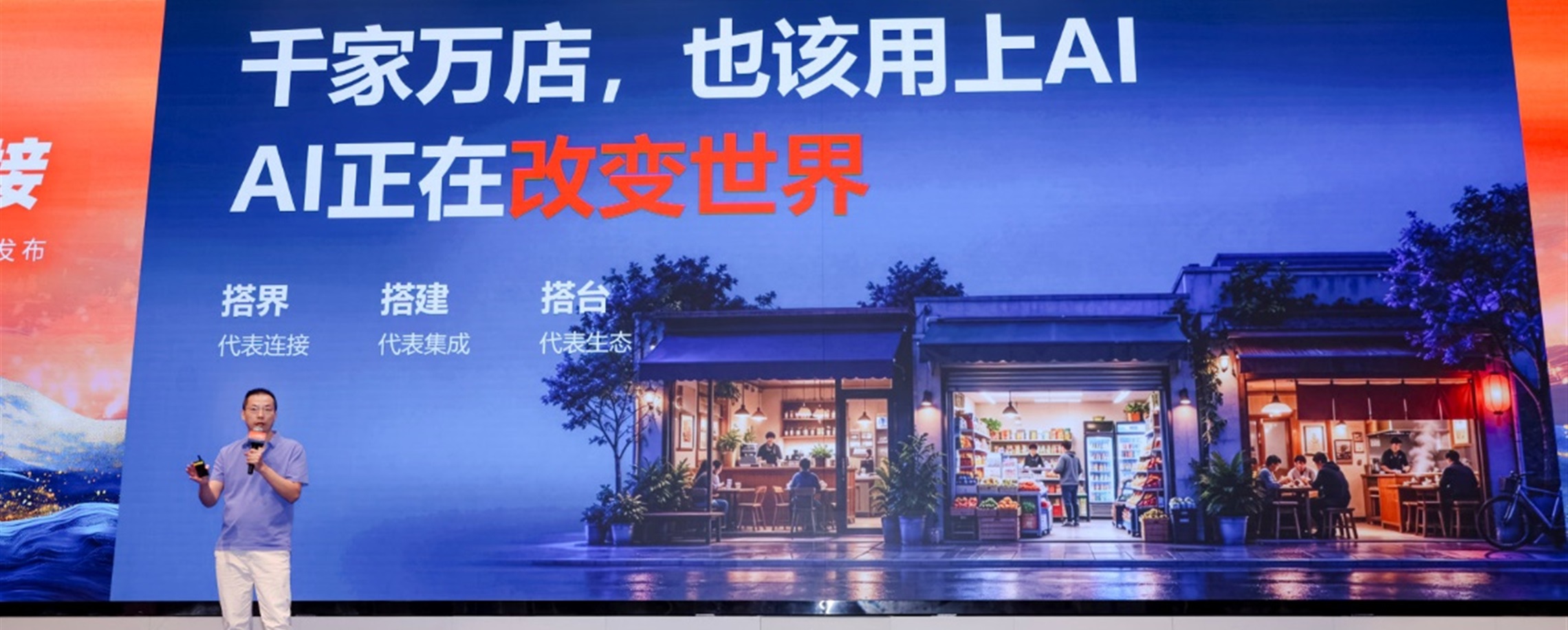
Alipay's "Popular Neighborhood" initiative has brought digital payments, targeted discounts and smart marketing tools to neighborhood markets and small shops, making everyday consumption more convenient and helping local businesses attract customers.

Some emerging experiments in Shanghai's neighbourhoods illustrate how AI can connect consumption, entrepreneurship and community participation.
In the Dongming Road subdistrict of Pudong district, a community-based initiative has explored the use of AI to support neighborhood restaurants and community canteens. Local businesses have developed digital recipes and learning materials based on their signature dishes, while AI-assisted nutritional analysis has been introduced to support personalized meal planning. The initiative also connects local merchants with social workers and volunteers to provide meals for older residents living alone.
What makes this example interesting is not the technology itself, but the relationship it creates between commercial services and social needs. Local restaurants are not merely selling meals; they are exploring new ways to participate in community care. Residents, merchants and community organisations become part of a shared service network.
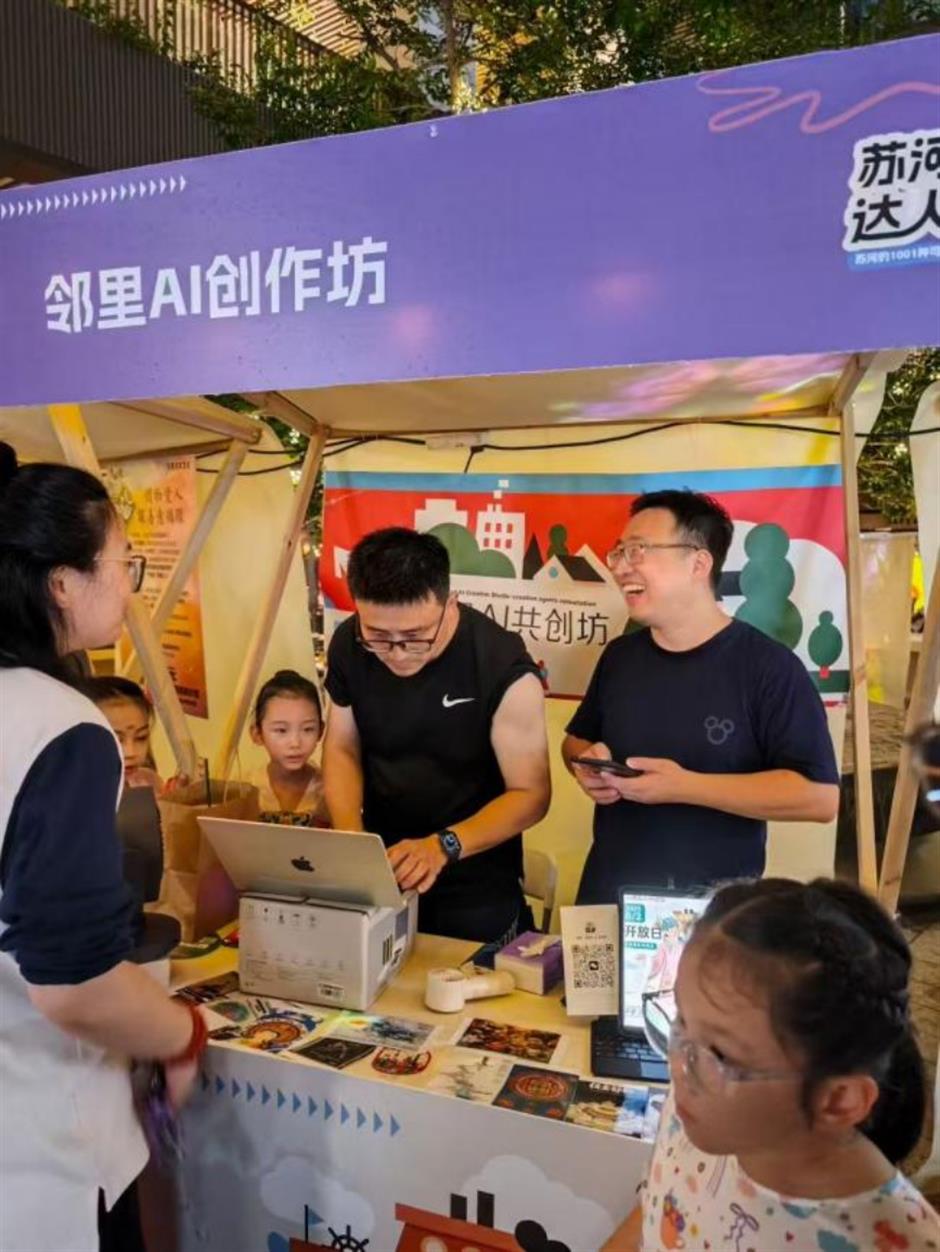
A second example comes from Tianzifang, one of Shanghai's best-known cultural and commercial neighborhoods. AI-assisted multilingual menus and digital storytelling there have been introduced to help small businesses communicate with international visitors and promote local cultural experiences. By lowering language barriers, these tools allow traditional shops and independent merchants to participate more efficiently in Shanghai's growing international tourism.

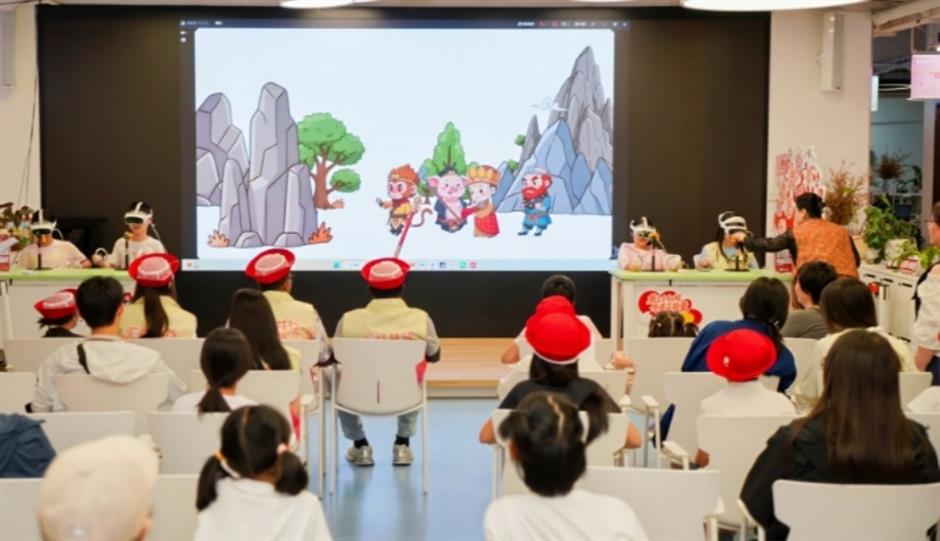
AI is also opening opportunities for young entrepreneurs in cultural services. In community projects involving traditional Chinese shadow puppetry, for example, young creative teams from Shanghai Jiao Tong University have worked with heritage masters to combine AI, augmented reality and interactive performances. Participants can design characters and transform them into digital puppets, creating new possibilities for cultural education, entertainment and creative products.
These initiatives remain relatively small-scale experiments. Their long-term economic and social impacts require further evaluation. Nevertheless, they suggest that AI-driven innovation need not be confined to technology companies or major commercial districts. It can also emerge from neighbourhood shops, cultural workshops and everyday community life.
Neighborhoods are becoming the grassroots of change, bringing together economic activities, social relationships and everyday needs.
Unlike large digital platforms, which primarily organize services through transactions and algorithms, communities can unveil needs that are difficult to capture through purchasing data alone. Older residents may require not only food delivery but also social interaction. Small merchants may need not only digital marketing tools but also access to professional support and collaborative networks. Young entrepreneurs may have creative ideas but lack opportunities to test them in real-world settings.
AI alone cannot resolve these challenges. Its value depends on how technology is embedded in local community businesses, organizations, educational facilities and social car services. This points toward a model of community-based inclusive innovation, in which residents are not simply consumers of new technologies but also participants in tailoring them to local problems or aspirations.
Inclusion should be assessed through tangible outcomes. Are small businesses grasping opportunities? Are the needs of residents being met with better services? Can talented young people find an outlet for their creative ideas? Are groups with limited digital capabilities part of service delivery?
For Shanghai, the policy challenge is to move from isolated technological applications toward a broader ecosystem. In that respect, three priorities deserve attention.
First, AI capabilities should become more accessible to small and medium-sized service providers through affordable tools, practical training and shared support networks.
Second, neighborhoods and community service facilities can provide real-world environments for testing new services that connect entrepreneurs with residents and encourage collaboration across commercial and social divides.
Third, the success of AI innovation should be measured not only by productivity, revenue or transaction volumes, but also by service accessibility, participation and the distribution of benefits.
The real promise of AI is not simply to encourage people to spend more on services or access them more efficiently. Rather it is to create an environment where more people participate in creation, delivery and shared benefits of better services.
(The author is an associate professor with the Institute of Sociology, Shanghai Academy of Social Sciences.)
Editor: Liu Qi
In Case You Missed It...

 Oct 16, 2026

![[Weekend Escape] Wuzhen Turns Into a Giant Stage, Just 90 Minutes From Shanghai](https://obj.shine.cn/files/2026/10/16/8b78eac0-d8a4-41a1-a902-d65b71bd185b_0.jpg)


![[Quick News] Payment App Wise Now Works in China](https://obj.shine.cn/files/2026/09/18/67ff807a-4a17-4b7c-95c2-f698c212ba80_0.jpg)