Forging a Shanghai Model of Integrated Manufacturing and Services Through Deep Synergy
Editor's note:
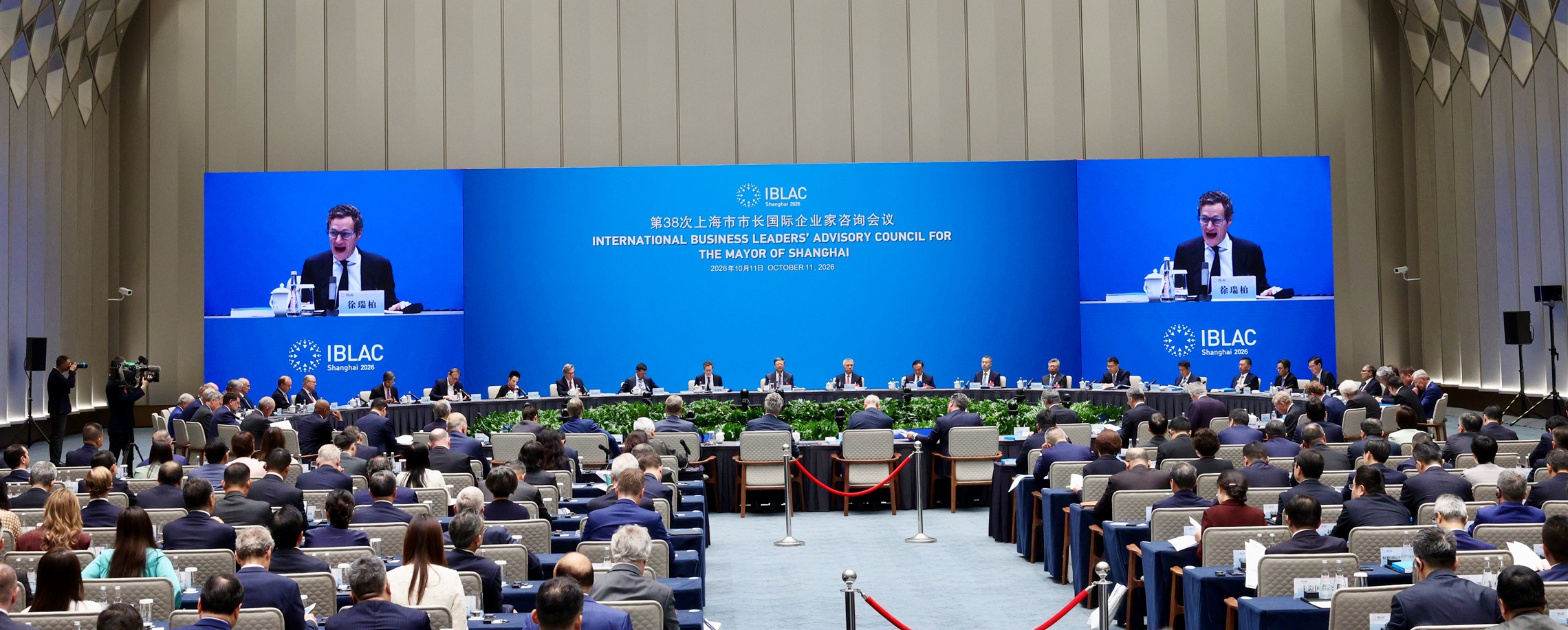
The International Business Leaders' Advisory Council for the Mayor (IBLAC) brings together top executives from leading multinationals to exchange insights on Shanghai's development strategy. Each company brings forward a paper that draws from their global practices and local insights. Shanghai Daily has selected and summarized some of the astute suggestions to this city.
The global economy is undergoing profound realignment. A new wave of technological revolution, represented by digital technologies, the Industrial Internet, and artificial intelligence, is fundamentally reshaping the value creation model of manufacturing.
Products are no longer limited to physical goods; they are becoming platforms that carry data, services and continuous value creation. Against this backdrop, the deep integration of advanced manufacturing and modern services (the "integration of the two sectors") has become a key pathway for industrial upgrading.
China, with its comprehensive industrial system, resilient supply chains and rich application scenarios, has built a solid foundation for this transformation. Shanghai, one of China's most developed service economies, with a strong headquarters economy and a highly internationalized professional services ecosystem, is uniquely positioned to lead the way.
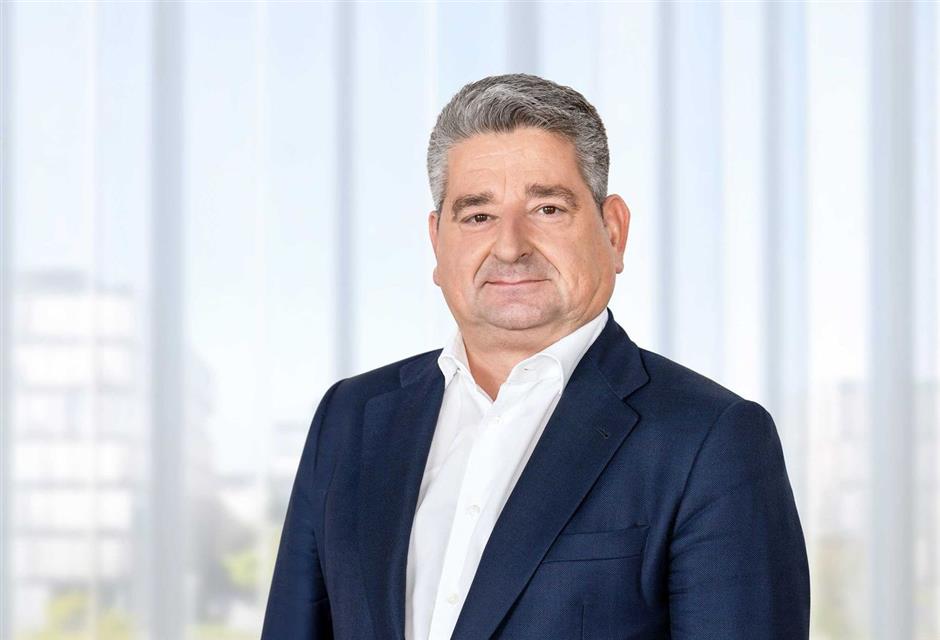
Based on thyssenkrupp's long operational experience in Shanghai and the Yangtze River Delta, we propose three recommendations:
1. Strengthen channels for the commercialization of intellectual property from industry-academia-research collaboration.
Information asymmetry between enterprises and universities persists, and patents fragmented across different rights holders hinder the smooth circulation of intellectual property.
Shanghai could upgrade its One-Stop Platform for Science and Technology Achievements Commercialization with intelligent matching functions and integrated enabling services such as legal support and IP valuation. In addition, patent trading pools could be established for strategic industries, such as new energy vehicles, green chemicals, hydrogen energy, and high-end equipment, consolidating core patents so that intellectual property turns from static "paper assets" into tradable, properly priced, and efficiently allocated resources.
2. Foster a shared understanding of "service value" and develop a high-quality industrial services market.
The mindset of "valuing products over services" remains widespread, and price-based competition is eroding service quality and the competitiveness of manufacturing itself. Shanghai could promote the concept that professional services are not a cost, but an investment; introduce tiered certification for service providers and value-based procurement mechanisms based on total lifecycle cost; and encourage diversified service models, for example, build-operate-transfer arrangements, so that quality services receive returns commensurate with their value. At the same time, strengthening the recognition and protection of service professionals would attract more young talents into industrial services.
3. Enhance supply chain services for "procurement from China, enabling global manufacturing."
China's supply chains are globally recognized, yet local suppliers still face hurdles in going global – from international certification and foreign exchange risks to dispute resolution. Shanghai could establish a Global Procurement One-Stop Service Center providing a single interface for policy consultation, customs coordination, and compliance guidance; launch supplier capability development programs with subsidies for first-time international certifications; and improve cross-border financial services and fast-track dispute resolution, clearing the "last mile" for China's supply chains to serve the world.
The integration of manufacturing and services is the inevitable direction for the industry's future. Shanghai is fully capable of taking the lead in institutional innovation and enabling enterprises to become true "engines of the ecosystem." Thyssenkrupp is ready to bring its global experience in the service-oriented transformation of manufacturing and work with the government and partners to build a replicable and scalable "Shanghai model."
Editor: Liu Qi
In Case You Missed It...
 Oct 10, 2026
![[Fashion Files] Beyond the Runway: Shanghai's Fashion Ambitions](https://obj.shine.cn/files/2026/10/09/36f592c5-63eb-4ee5-abe1-7d6c79ca9b62_0.jpg)