Promoting the Global Expansion of Private-Sector Entities and Leveraging Financial Functions
Editor's note:
The International Business Leaders' Advisory Council for the Mayor (IBLAC) brings together top executives from leading multinationals to exchange insights on Shanghai's development strategy. Each company brings forward a paper that draws from their global practices and local insights. Shanghai Daily has selected and summarized some of the astute suggestions to this city.
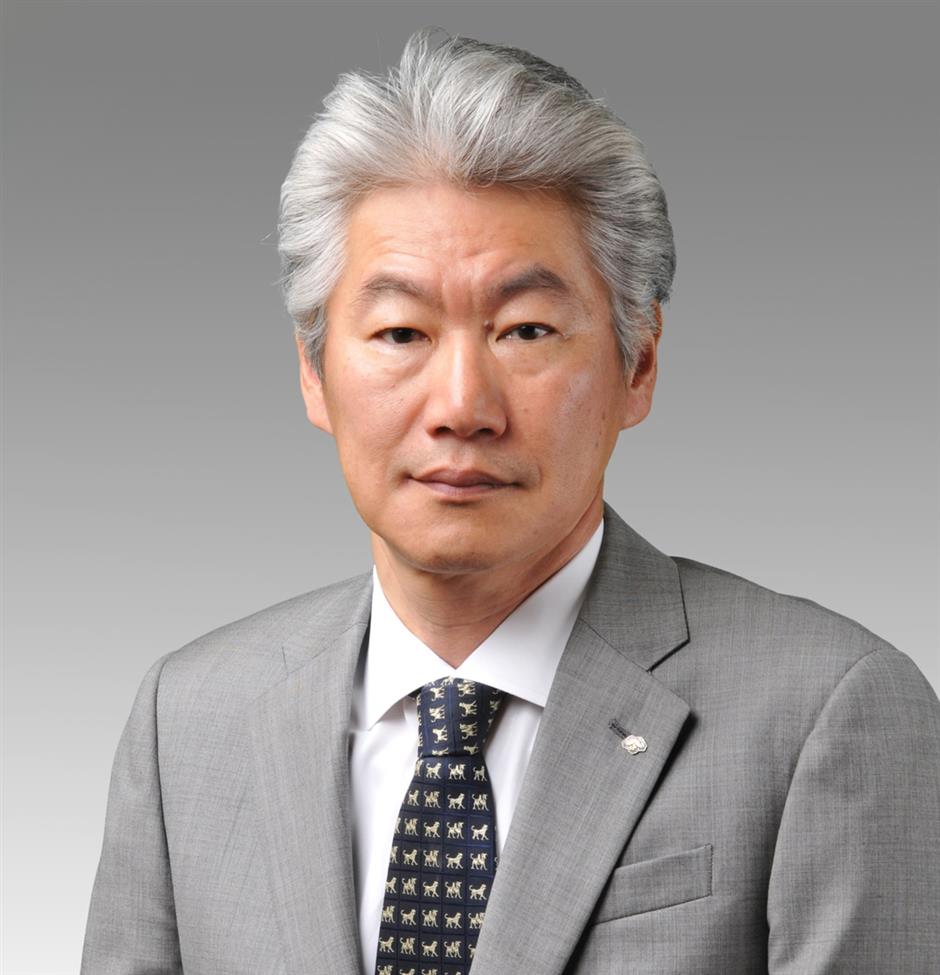
We propose measures to foster innovation-driven development in Shanghai's service sector by helping Chinese enterprises expand globally. This is particularly important in 2026, the first year of China's and Shanghai's 15th Five-Year Plan (2026-2030), which calls for a comprehensive support system for outward investment, integrated trade and investment, and the orderly international deployment of industrial and supply chains.
Shanghai's overseas expansion is increasingly led by private enterprises and is becoming more geographically diversified. In 2025, private enterprises accounted for 48.8 percent of Shanghai's exports, while ASEAN and the EU became major destinations. However, Chinese enterprises face growing challenges, including protectionism, tariffs, investment screening, political risks, regulatory differences, and potential supply-chain disruptions arising from instability in the Middle East.
Drawing on the experience of multinational corporations, particularly Japanese companies, the report recommends shifting from export-driven expansion toward outward direct investment, local production, partnerships, and cross-border M&A. Such approaches can reduce trade friction, provide faster access to overseas customers, talent, licenses and sales networks, and strengthen companies' global competitiveness.
The proposals are organized into three areas:
Support for private enterprises' global expansion
Shanghai should establish an open, transparent and predictable regulatory framework and reduce the procedural burden caused by overlapping reviews. Enterprises should be encouraged to use globally connected legal, accounting, and financial advisers.
Shanghai should encourage enterprises to utilize facilitate foreign-currency bond issuance, dim sum bonds, cross-border syndicated loans, and simplified guarantee and collateral procedures. Partnerships between Chinese and global financial institutions should be promoted to support financing and capital management.
International expansion of China-originated innovation
Shanghai should strengthen cooperation between Chinese and overseas enterprises by using the China International Import Expo as a business-matching platform for international market development. Cross-border M&A should be promoted as a means of accelerating market entry.
Financial institutions in Shanghai should receive broader licenses to provide buy-side and sell-side advisory services, while rules for cooperation between foreign-funded institutions and their overseas parent companies should be clarified. A regulatory "green channel" for qualifying cross-border M&A should also be considered.
Creation of an enabling business environment
Shanghai should improve global cash management through integrated cross-border RMB and foreign-currency cash pools, particularly within the free trade zone. It should support seminars on overseas laws and regulations, enhance insurance coverage for political and emerging sanction risks, and develop products suitable for high-tech SMEs.
Finally, Shanghai should establish a monitoring framework, similar to Japan's JETRO, to collect and analyze information on overseas investments, financing, disputes, regulatory needs and market withdrawals.
By leveraging its service-sector strengths and international financial-center functions, Shanghai can build a comprehensive ecosystem that enables Chinese enterprises to globalize sustainably while reducing trade friction and managing international risks.
Editor: Liu Qi
In Case You Missed It...

 Oct 11, 2026