Blurring the Line Between Heritage and Innovation
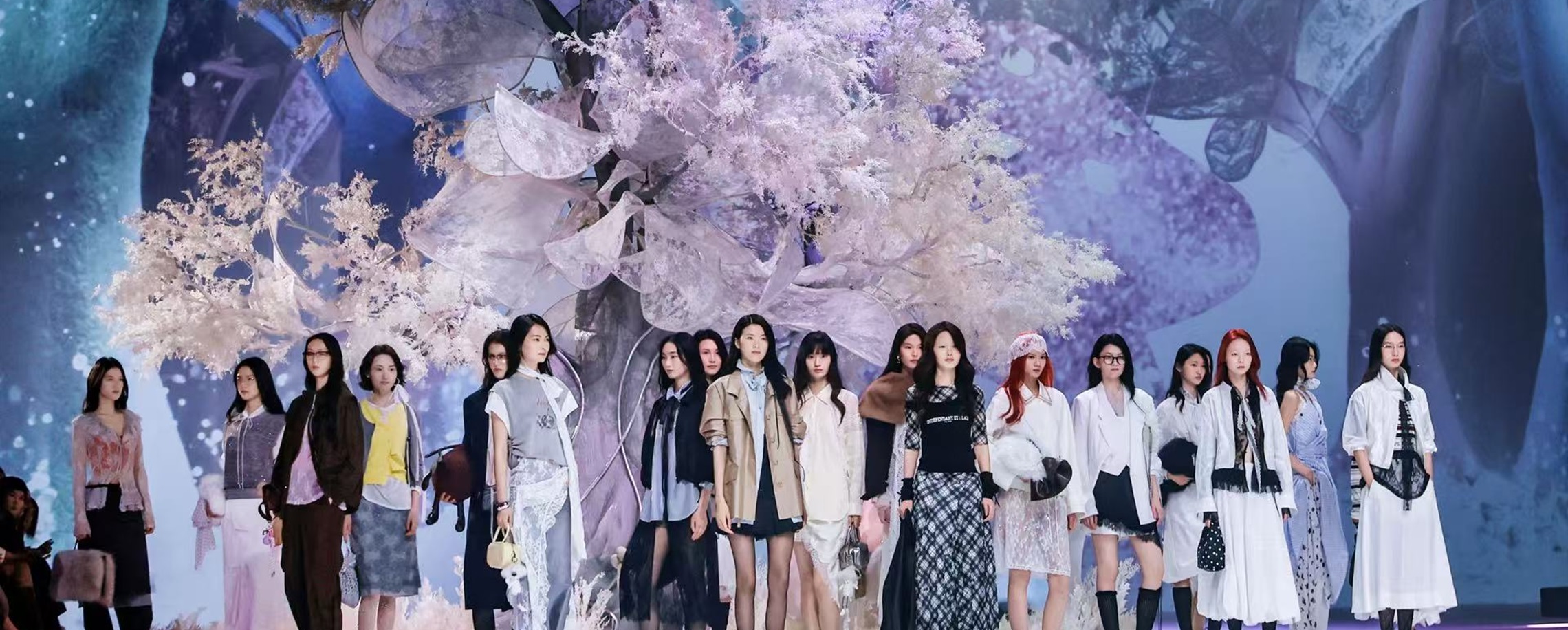
The runway at Shanghai Fashion Week resembled a continuous negotiation between heritage and modernity, as well as identity and global reach, rather than a series of isolated shows.
This tension was particularly evident in last night's presentation by EP YAYING.
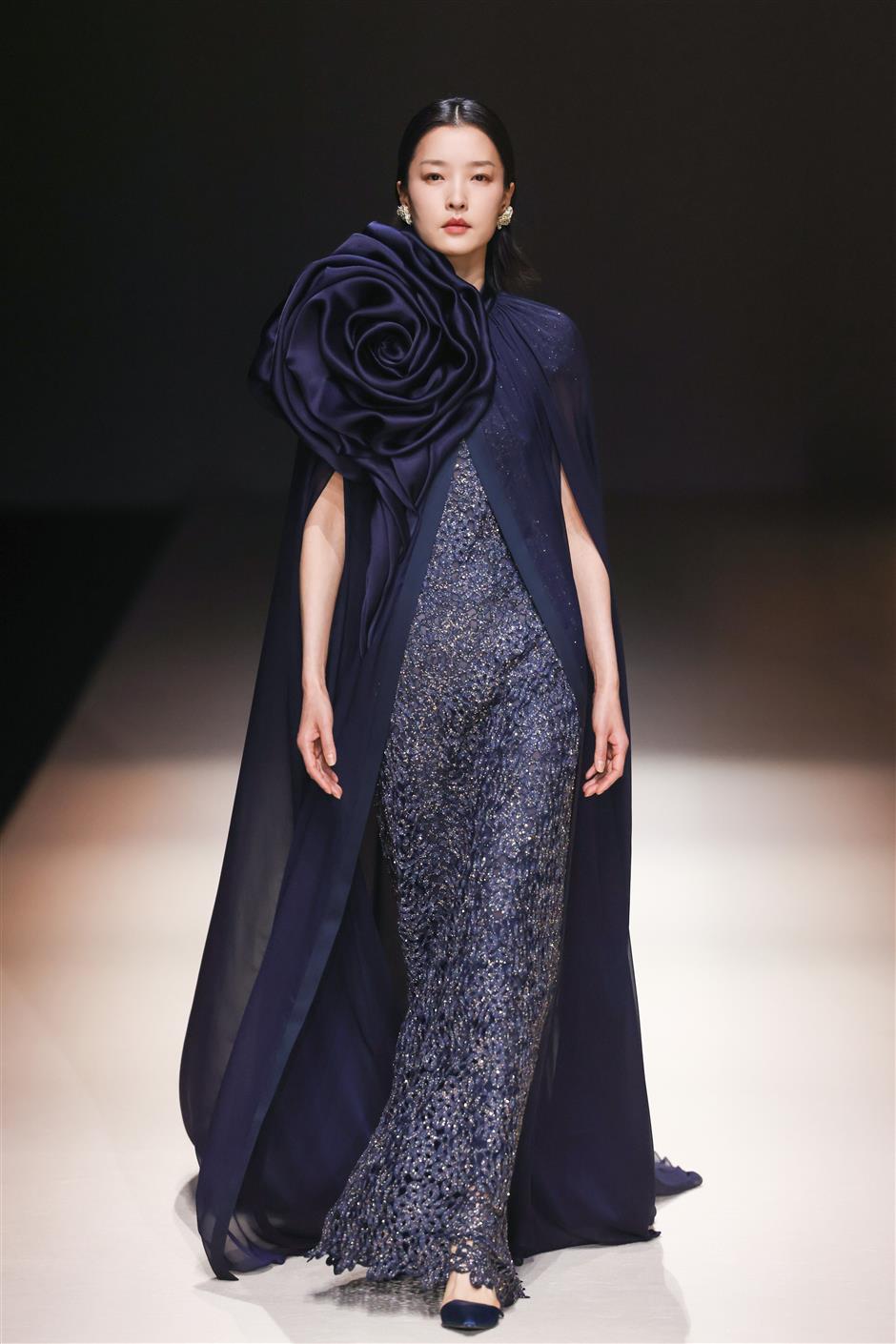
The show was a controlled, almost architectural composition rooted in Chinese aesthetics but tailored to modern audiences. Embroidery, silk, and tailored silhouettes were reconfigured as structural elements with precision and restraint.
The collection moved beyond nostalgia to a quieter, more measured expression by distilling traditional cultural motifs.
The staging reinforced this sense of flow and continuity. Inspired by classical gathering and circulation, the runway flowed almost processionally to a live musical score that blended Eastern tones with improvisation.
The effect immersed the audience in movement, sound, and clothing without overwhelming them.
The spectacle had a systemic feel. After the runway, the brand customized and converted products for retail, shortening the gap between presentation and consumption. This highlighted a larger shift: fashion is now designed to circulate rather than be staged.
If EP YAYING provided a point of clarity at the close, the week began from a different angle.
At the season's opening, HPLY approached femininity through contrast. Lace, once associated with delicacy, was placed against structured tailoring, leather, and architectural silhouettes, creating a dialogue between softness and control.
Rather than emphasizing fragility, the material was recontextualized, becoming a subtle layer within more assertive forms.
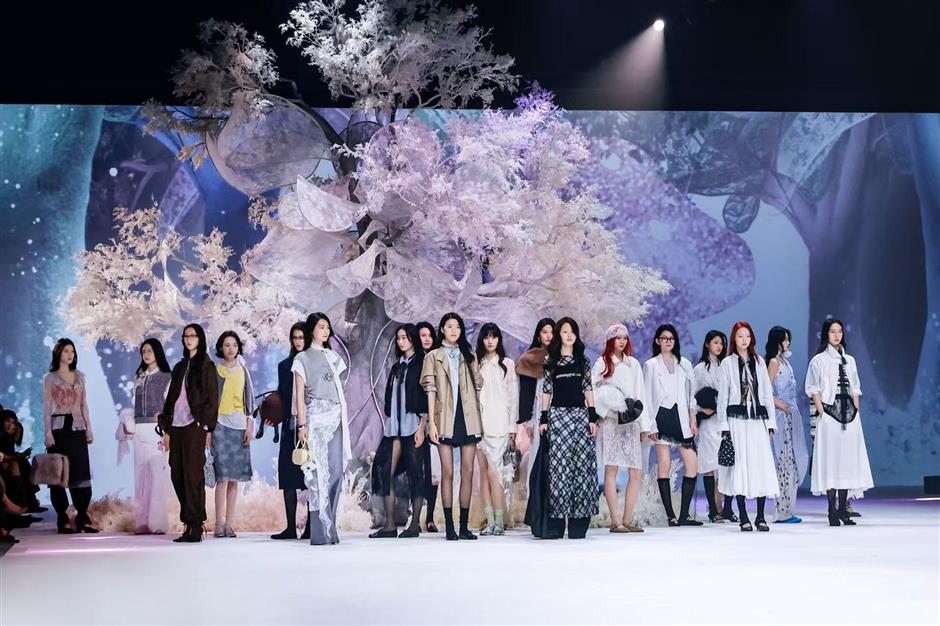
The show's visual language leaned into this tension. The presence of lace softened clean white tailoring, oversized outerwear, and sharply defined lines, sometimes visible, sometimes embedded as texture or detail.
The interplay between materials and silhouettes suggested a recalibration of womenswear, where balance replaces exaggeration, and nuance carries more weight than overt statement.
Between these two anchors, the rest of the week expanded across multiple directions.
Some designers looked outward. At Stivanano, references to 1960s and 1970s Italian fashion were translated into contemporary forms, bold yellows, reworked checks, and sculptural collars rendered with a modern clarity.
The collection drew on a period of cultural transformation when fashion became a medium for personal expression and reinterpreted it through today's lens.
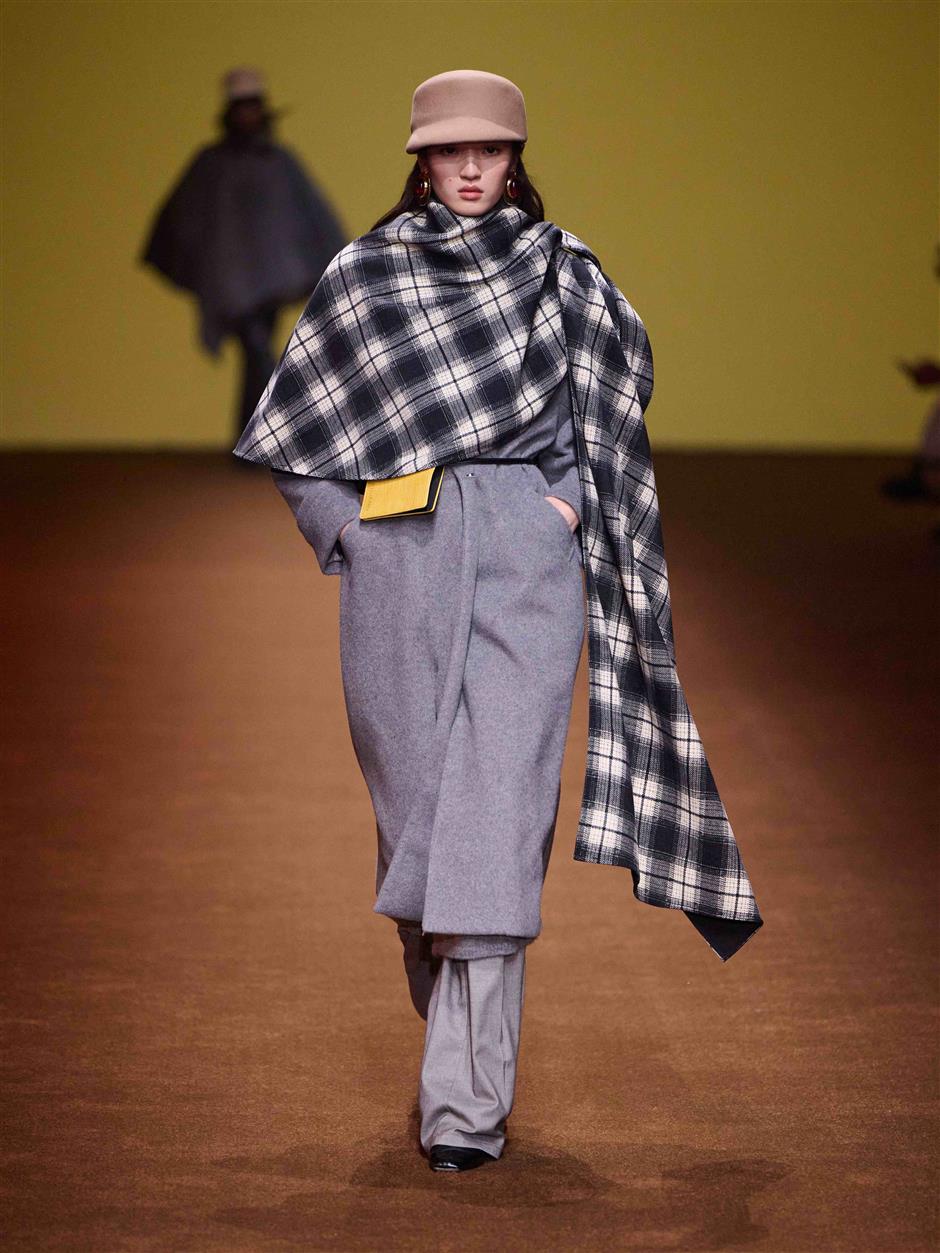
Material innovation and construction played a central role. Leather-like textures were engineered for flexibility, allowing structured silhouettes to retain movement, while traditional elements such as ruffled collars were reshaped into more architectural forms.
The result was a collection that balanced retro references with technical refinement, producing a visual language that felt both familiar and current.
Elsewhere, a more lifestyle-oriented direction emerged. MOUTION approached the runway not as a platform for singular statements but as an extension of everyday scenarios. Set within a soft, pastoral-inspired environment, the show emphasized ease, movement, and adaptability.
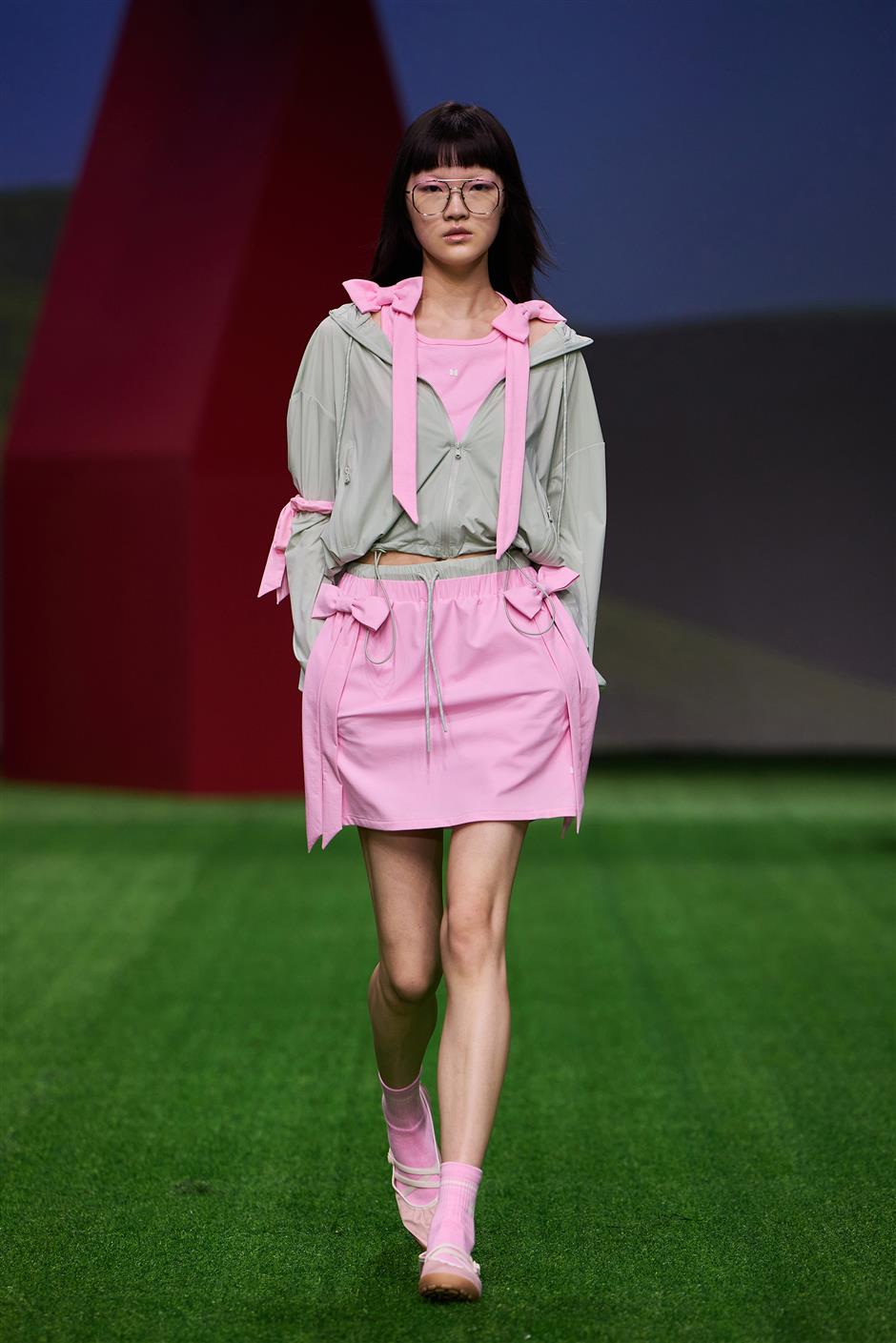
Lightweight, sun-protective fabrics were seamlessly integrated into relaxed silhouettes, while playful elements, such as bows, layered styling, and sports-inspired accessories, introduced a sense of lightness. The collection embedded functionality within a broader aesthetic, suggesting clothing designed to move fluidly between urban routines and outdoor settings.
Taken together, these approaches did not point to a single narrative but to a field of possibilities.
Heritage was being refined for structure. Femininity was being rebalanced through contrast. Global aesthetics were being adopted as a shared language. And functionality was being reframed as part of style itself.
In that sense, Shanghai Fashion Week offered not a definitive statement but a set of coordinates: an evolving system in which design, identity and commerce continued to be negotiated in real time.
Editor: Yao Minji
In Case You Missed It...
 Apr 1, 2026