Shanghai Makes Strides Towards 'Zero-Waste' City
Shanghai is implementing best practices in waste sorting, biodegradable materials, recycled aluminum industrial applications, and sustainable livestock farming to build a zero-waste city.
The city's Zero-Waste Index rose 1.23 points to 86.96 in 2025, marking three years of steady growth. The index evaluates solid waste management across seven waste categories, including source reduction, full resource utilization, harmless treatment, and digital governance.
This progress relies on legislation, technology, and public participation.
Shanghai passed China's first provincial zero-waste development law in June 2024. Three months later, it released an official evaluation system with 18 indicators for household, industrial, hazardous, construction, medical, agricultural, and municipal sludge.
The framework made "zero waste" a citywide goal.
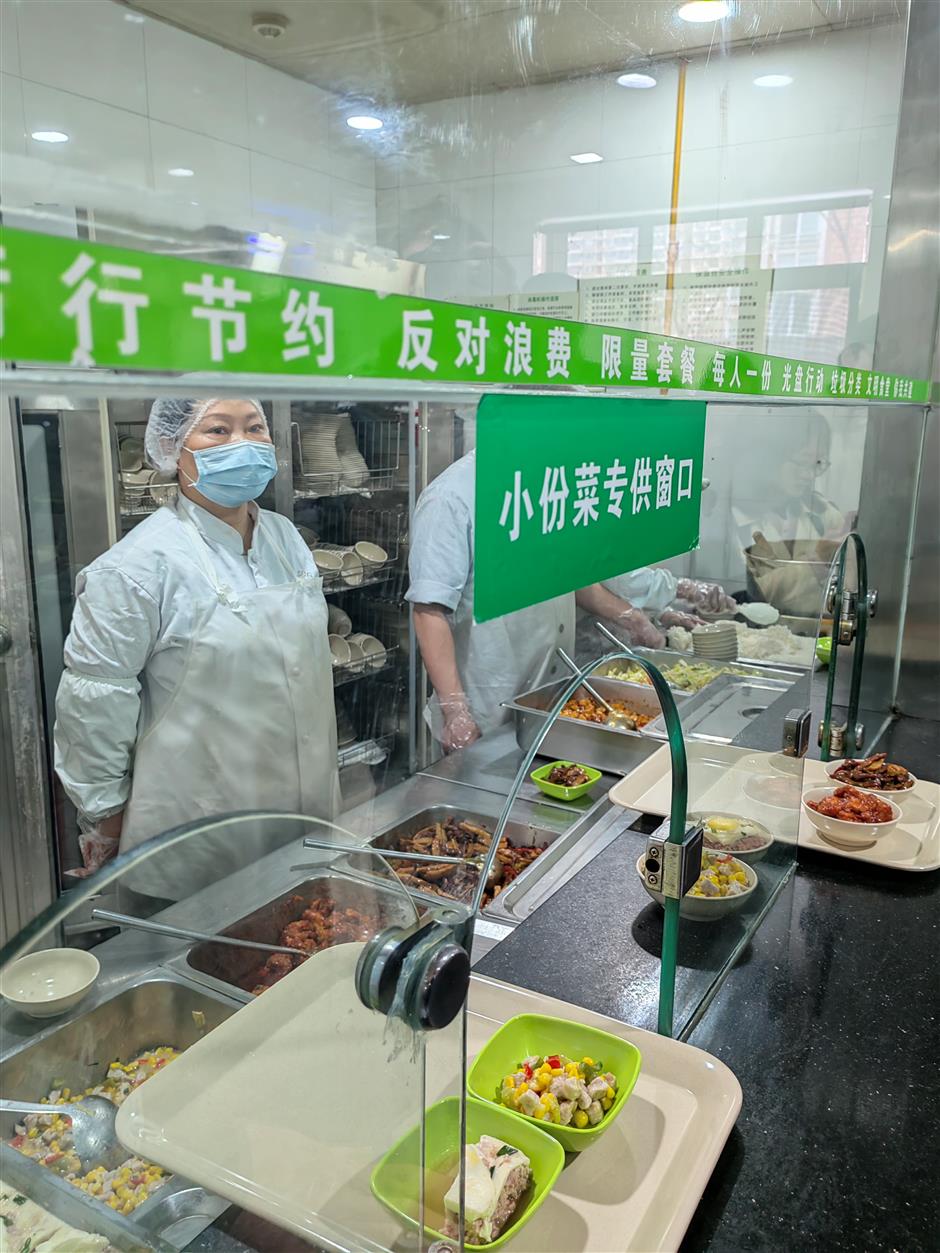
Small portions, reusable trays, and recyclable takeaway containers have reduced food waste by 80 percent at Jiaxing Road Subdistrict Community Canteen in Hongkou District since 2024. Packing leftovers in eco-friendly containers can significantly reduce waste.
A nearby underground waste storage facility has been converted into a smart food-waste processor that turns scraps into organic fertilizer for community gardens, eliminating odors and reducing waste.
It was put into use on Tuesday after the fourth International Zero Waste Day.
Modern biotechs like Bluepha, which select and nurture microorganisms that break down waste oils, were needed to recycle kitchen waste.
According to senior engineer Li Shenghui, the technology could also be used to make biodegradable materials.
Li said these microorganisms can make recyclable straws, knives, forks, and possibly high-value products like medical devices.
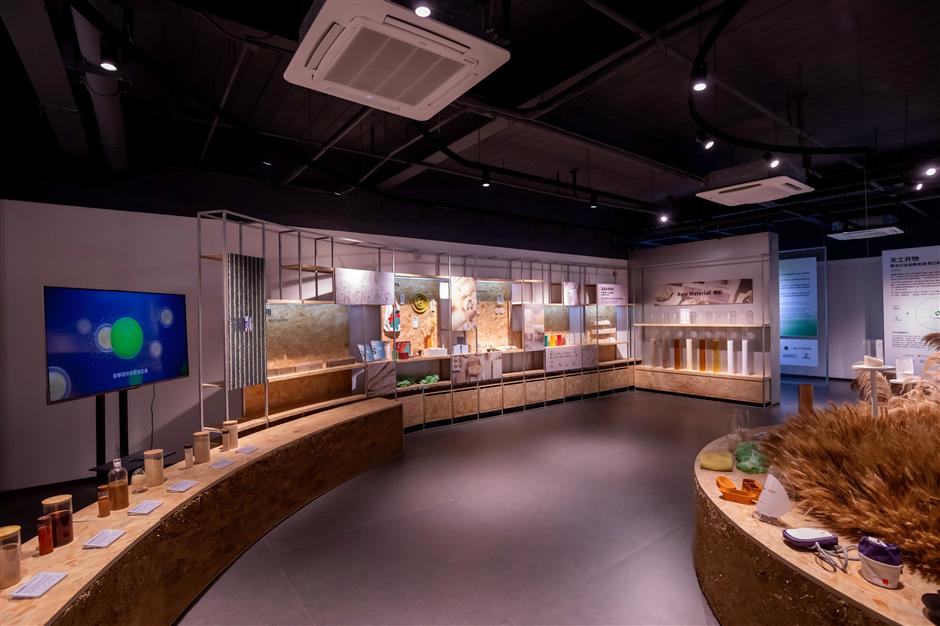
Last year, the recycling rate for household waste in the city increased from 43.2 percent to 45.3 percent, with more food waste recycled and turned to productive use.
Similar to food waste, residual waste can also be put to profitable use, with one ton of it in Shanghai capable of generating 420 kilowatt-hours of electricity.
Nor is recycling restricted to daily life settings only. Industrial recycling is equally ambitious.
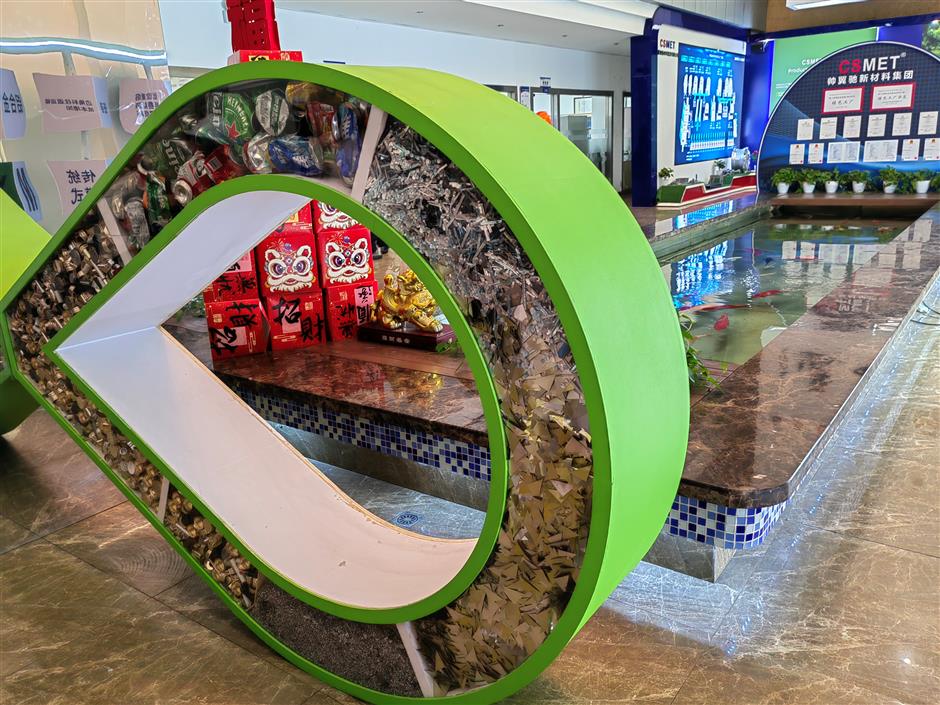
At CSMET in Jinshan District, waste aluminum is recycled into low-carbon alloys – a process that drastically cuts emissions. Aluminum's durability and resistance to corrosion make it highly valuable, especially as demand surges for electric vehicle manufacturing.
Digitalization is driving smarter, cleaner farming, too.
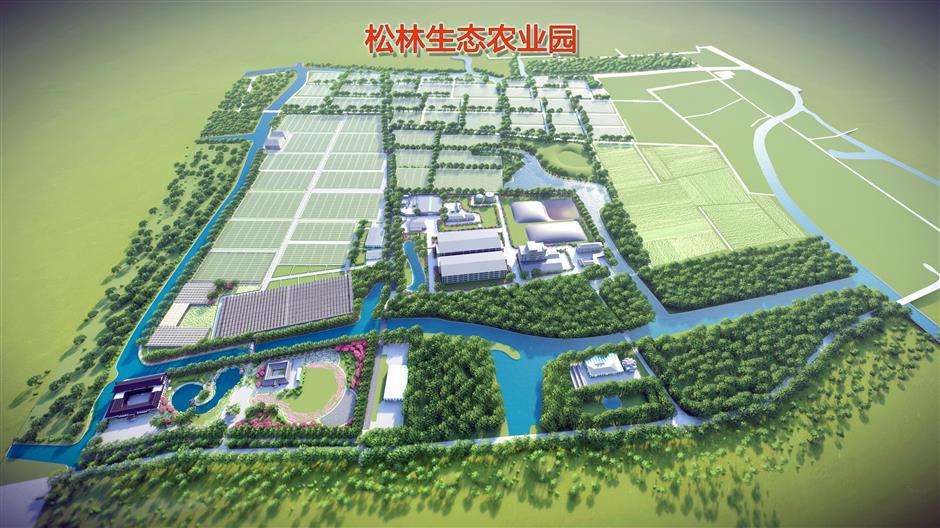
At Songlin Food Group's large-scale pig farm in Jinshan, real-time monitoring systems track every barn. Manure is processed into organic fertilizer and natural gas, with odor control fully compliant with EU standards.
The organic fertilizers could be marketed at a profit or used on the adjacent farm that produces organic vegetables and rice.
Shanghai has built a medical waste system serving all 16 districts, ensuring safe collection and disposal from more than 2,000 community clinics and dental offices – closing the "last mile" in hazardous waste management.
Supported by a national digital platform, the Yangtze River Delta region now runs end-to-end digital supervision of hazardous waste across jurisdictions.
For Shanghai, zero waste is not a slogan. It is a citywide movement – supported by policy, powered by innovation, and sustained by every community.
Editor: Yang Meiping
In Case You Missed It...
 Sep 22, 2026