It's a Dog-Eat-Dog Sphere in the Pampered Pets Industry
Revisiting a story I wrote last year on emerging business models in pet food, clothing and even hotels, I found a market of winners and losers in the throes of change.
Liu Yaoru, a young Anhui Province entrepreneur in the pet garment business whom I interviewed last year, has not only survived but also thrived as she increased her business by overseas expansion and a sideline business to help fledgling entrepreneurs start their own companies.
"We have now expanded into the UK market and partnered with some local shops for consignment sales," Liu told me recently. "Our clothing style leans toward a British aesthetic, so it is highly popular there."
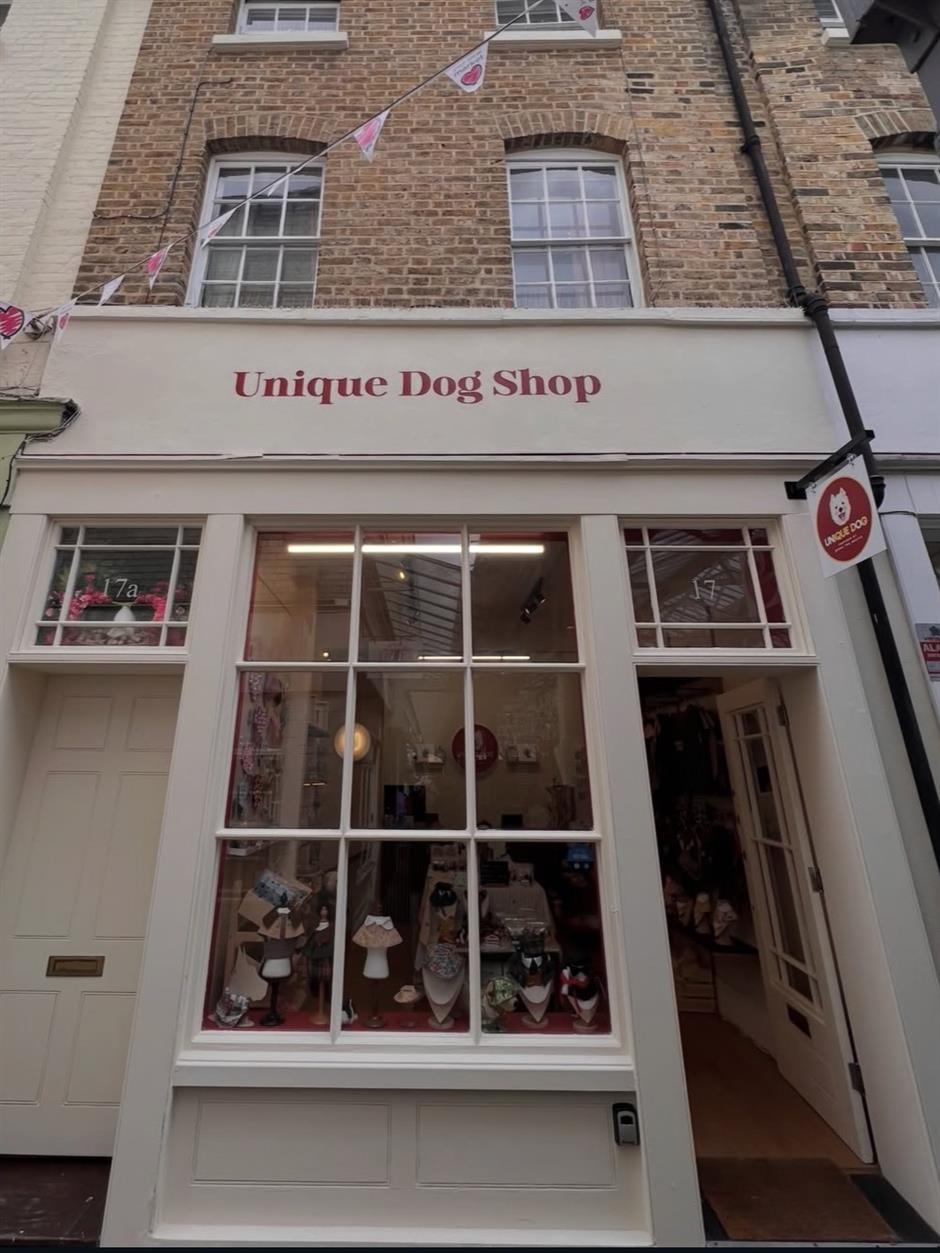
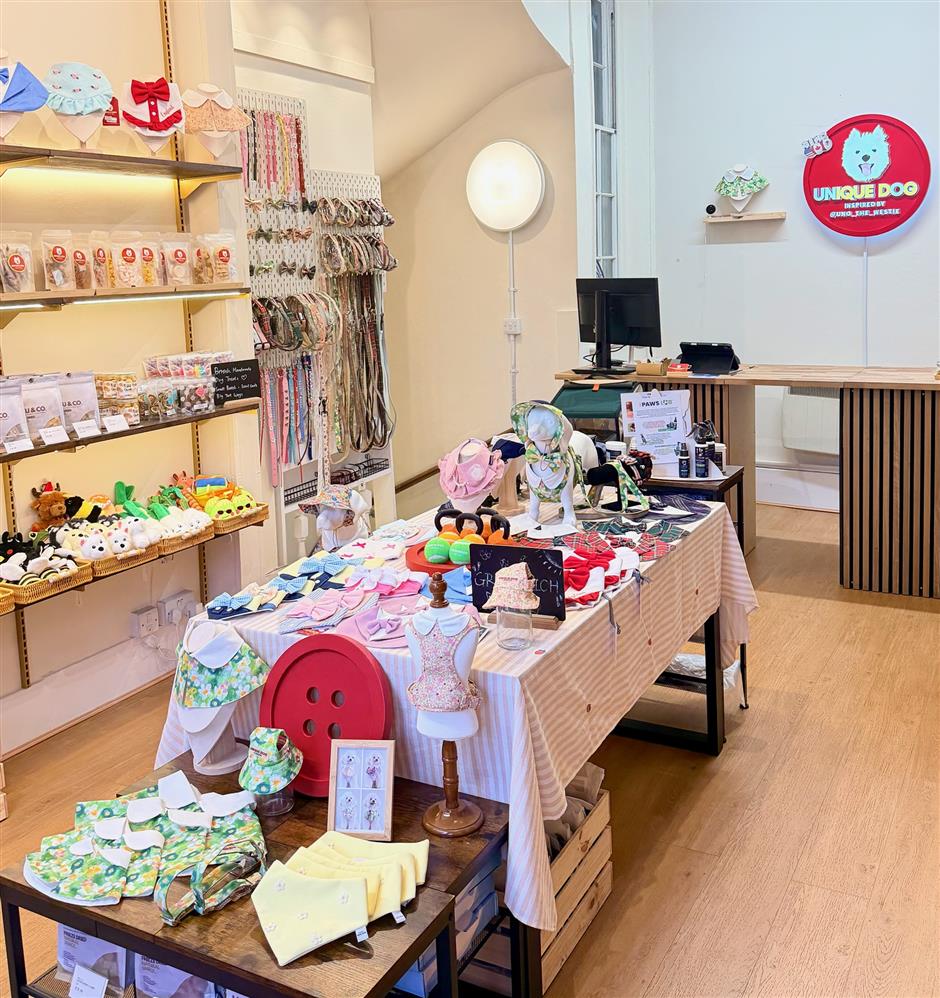
She said cross-border collaboration has been steadily generating over 100 overseas orders per month.
"Original brands like ours face an initial problem of finding suitable factories to produce our goods," she told me. "Most handle only large volumes and won't take small-batch orders. And even if you can find a few that accept orders, their professionalism is often poor."
Her accumulated supply chain resources have helped Liu overcome manufacturing bottlenecks.
"New brands usually dare not stockpile inventory," she said. "Sometimes, they want only a stock of five or 10 items per design to see how they sell. Assuming a single item's processing cost is 50 yuan (US$7), a tiny order of a few hundred yuan doesn't interest traditional large-scale factories."
In contrast to her booming business, those in the pet food segment are struggling.
Pet First, a fresh pet food restaurant chain featured in last year's article, has now shut its doors, and the original entrepreneur can no longer be reached. It had two outlets in major malls, offering specialty menus for cats and dogs.
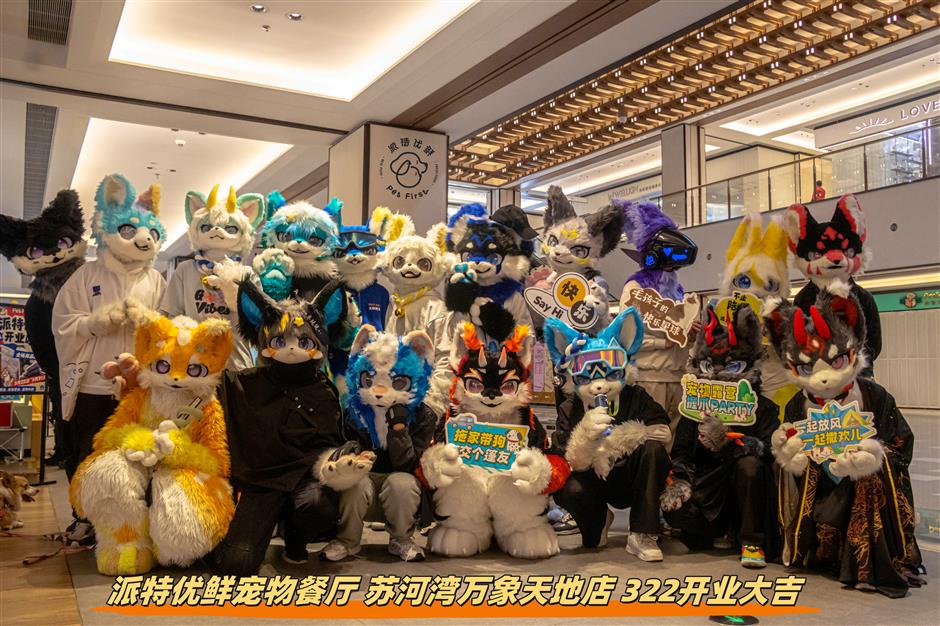
The closure is not an isolated case. Pet Fresh, a pet fresh food supermarket venture launched by Freshippo co-founder Hou Yi after he stepped down, closed all its stores less than nine months after opening its first location.
Why is the concept of specialty food services aimed at cherished dog and cat family members having such a rough time?
Sun Jiyong, a veteran entrepreneur deeply rooted in the catering industry, said that the business logic has fatal flaws.
"The target audience for dine-in pet fresh food is simply too narrow," he said. "A heavy-asset, high-wastage store model is incredibly difficult to sustain. Consumers may come in once for the novelty, but sustaining them as repeat customers is difficult."
Former Pet Fresh insiders also revealed big operational pressures. A 200-square-meter store could require monthly rent of up to 100,000 yuan (US$14,755), and food preparation by qualified chefs can push labor costs up 50 percent higher than those of regular pet shop employees.
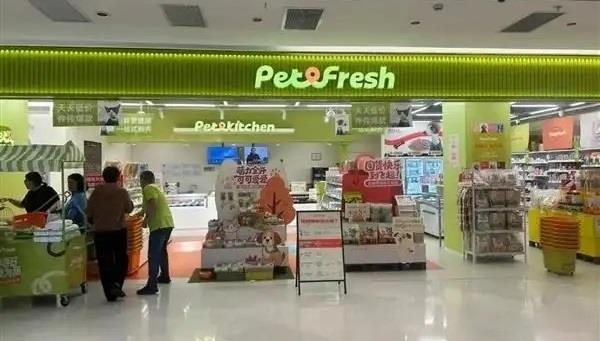
Add to that the high wastage of fresh ingredients and the cost of cold-chain equipment. A single outlet could require more than 250,000 yuan in monthly revenue just to break even, but the actual average intake may be only about 120,000 yuan.
In the pet-boarding industry, fierce competition has emerged. B&M, a high-end pet boarding hotel that featured in last year's story, is currently relocating and undergoing renovations.
"The market is still there," said Annie Chan, the operator. "But we encountered some malicious online reviews and other issues. We still want to persevere and develop the pet hotel into a multi-functional facility that integrates boarding, vacations and more."
The 2026 China Pet Industry White Paper estimated there were 53.4 million pet dogs and 72.9 million pet cats in China last year, noting that many young professionals prefer a furry pet to the idea of having children. People born in the new millennium comprised 26 percent of pet owners, the fastest-growing segment. The profile of pet owners found that younger people aren't particularly price conscious in the pursuit of healthier pet foods, better veterinary care and top-quality grooming products, the report found.
A recent report from KuRunData, a Shanghai-based digital consumer market research firm, valued the 2025 Chinese mainland pet market at more than 312.6 billion yuan, a 4 percent increase from a year earlier. The annual average spending per dog reached 3,006 yuan, and for cats, 2,085 yuan – both record highs.
Behind this colossal market scale is strong local government backing for the pet industry. At least seven jurisdictions, including the cities of Chengdu, Nanjing and Suzhou, and Jiangxi Province, have formulated plans aimed at bolstering the pet economy.
Nanjing, capital of Jiangsu Province, set a goal of pushing industry scale past 10 billion yuan by 2028, with the industrial chain encompassing pet medicine, food, cross-border trade and talent training.
Many companies are closing watching trends in the industry, including consumer demand for "scientific" pet-raising solutions and technological innovations.
Anhui Petpai Intelligent Technology recently developed Cute Pet Quotes, an AI interactive smart collar. The device uses multidimensional data computing, such as voice prints and behavior, to identify emotional needs like hunger, anxiety or physical discomfort, attempting to translate pet behavior into visual information for owners.
But how many innovative ideas associated with pet care can ultimately survive?
Once making it through the initial investment frenzy of the past few years, business models that rely solely on gimmicks without core competitiveness will inevitably be eliminated by the market. Those that truly understand the desires of mostly young, highly educated pet owners and build a solid commercial moat around their services stand a chance of survival.
Editor: Liu Qi
In Case You Missed It...

 Jul 27, 2026
![[Hai Lights] Creative Souvenirs Are Going Viral in Shanghai. We Want Them All!](https://obj.shine.cn/files/2026/07/22/afe220e1-bedb-4c2c-9ede-2a7f82550147_0.jpg)
![[Only In SH] Seven Things That Made a Day in Old Shanghai](https://obj.shine.cn/files/2026/06/17/ff8520d3-b01d-4d5e-8fb5-4198c6dd3408_0.jpg)