Runways in China's Knitwear Capital Signal a Stylish Economic Shift
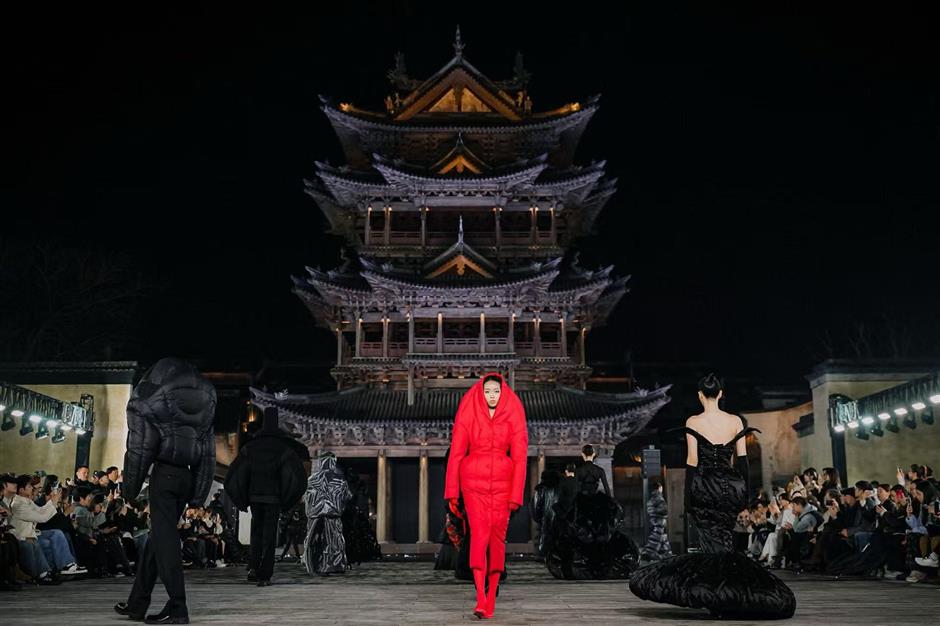
In Puyuan Town, Zhejiang Province, it is hard to find a family untouched by the knitwear trade.
The town ships nearly 700 million woolen sweaters annually to more than 20 countries and regions. It has built its economy on volume and speed as one of China's largest hubs for sweater production and wholesale.
Now, it is trying something different: a high-end fashion week.
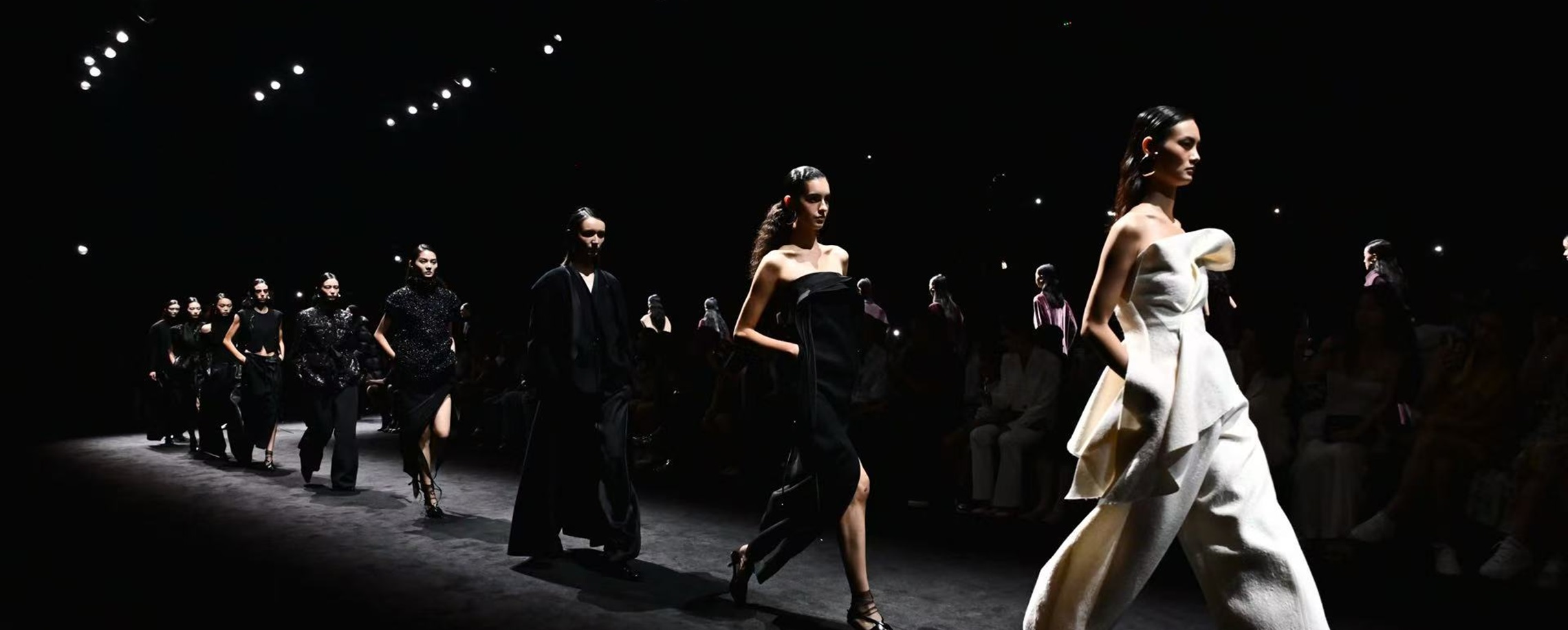
Over the past four days, Fashion Week has brought runway shows, exhibitions, and industry forums to the ancient town. Six shows were scheduled across Puyuan's historic landmarks, with venues ranging from courtyards and plazas to converted cultural spaces.
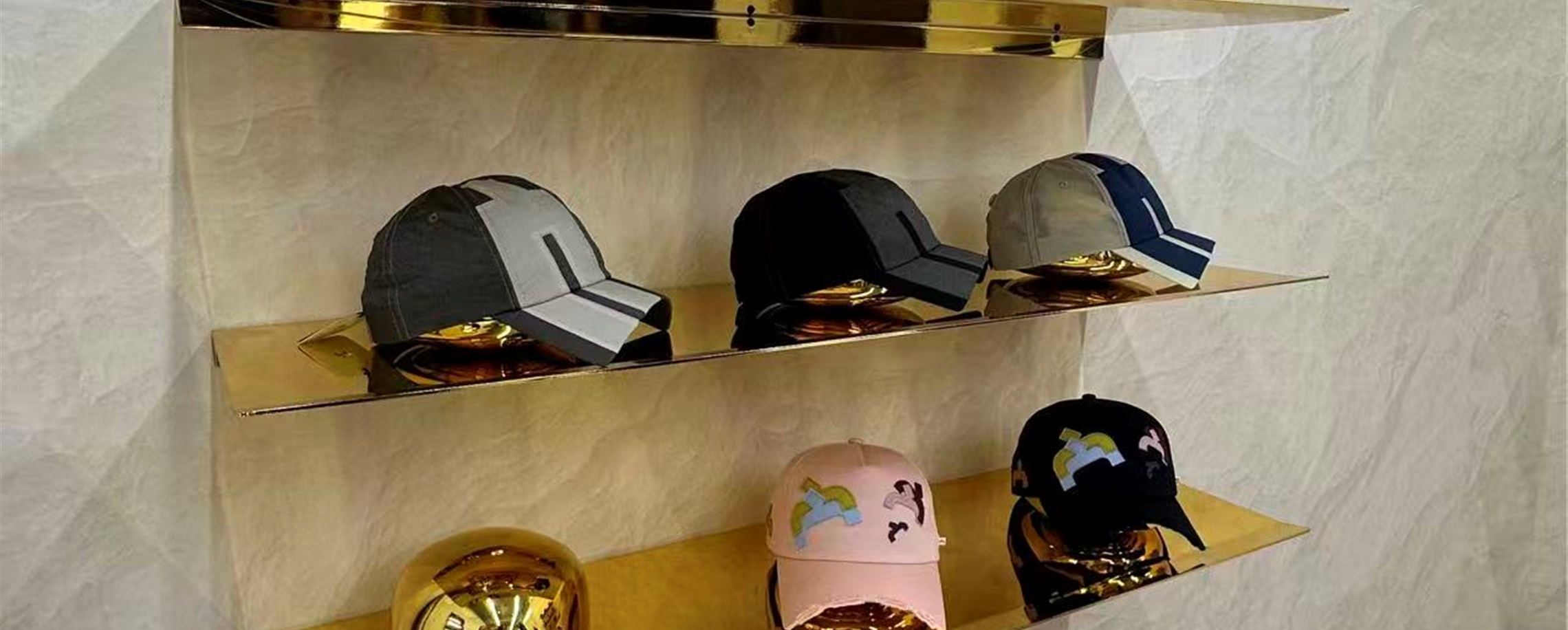
International labels like Saiid Kobeisy, Peet Dullaert and YANINA Couture showed alongside Chinese designers like MASHAMA and CHENPENG, who have appeared on red carpets and TV galas. A retrospective also highlighted Pierre Cardin's legacy and early ties to China.
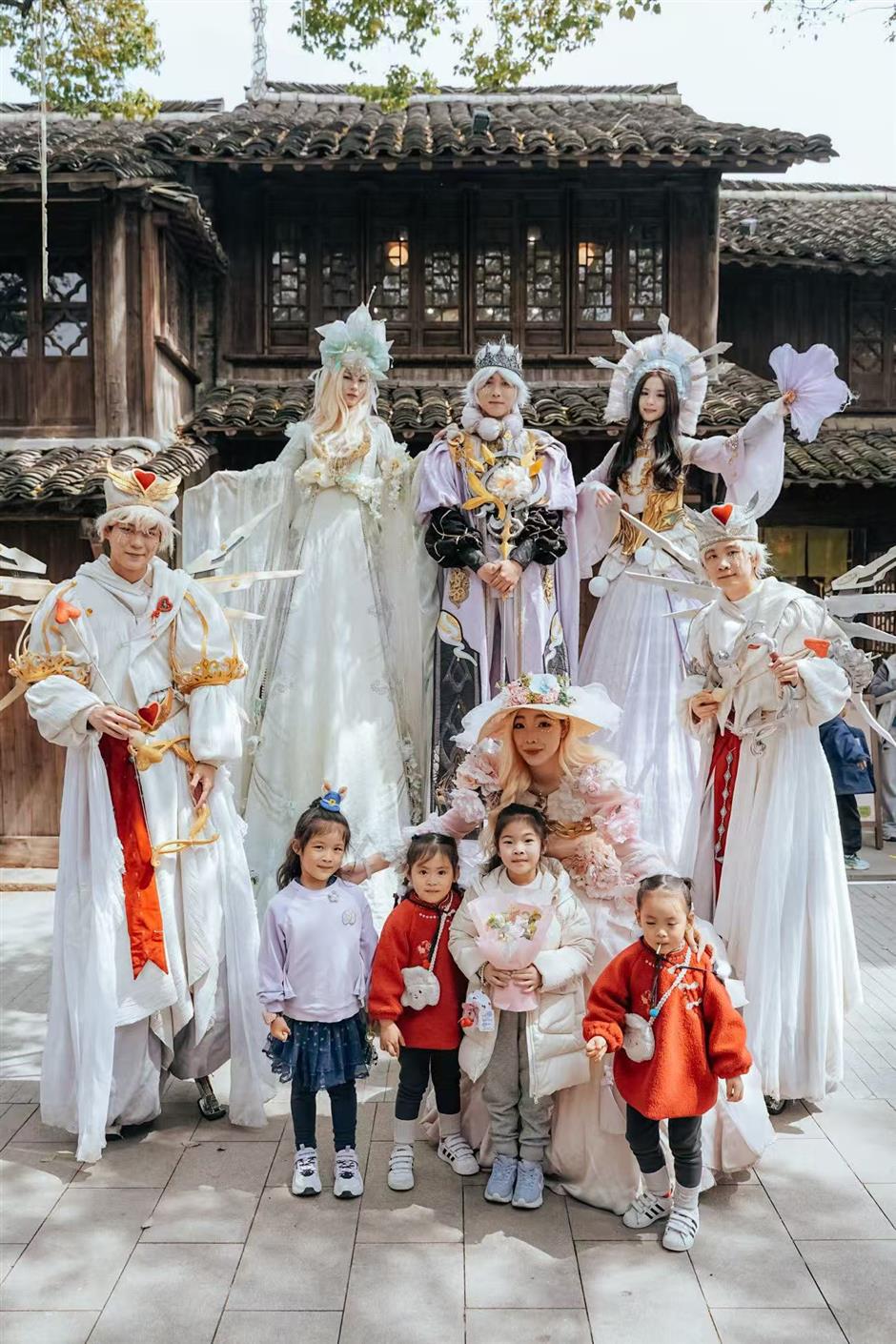
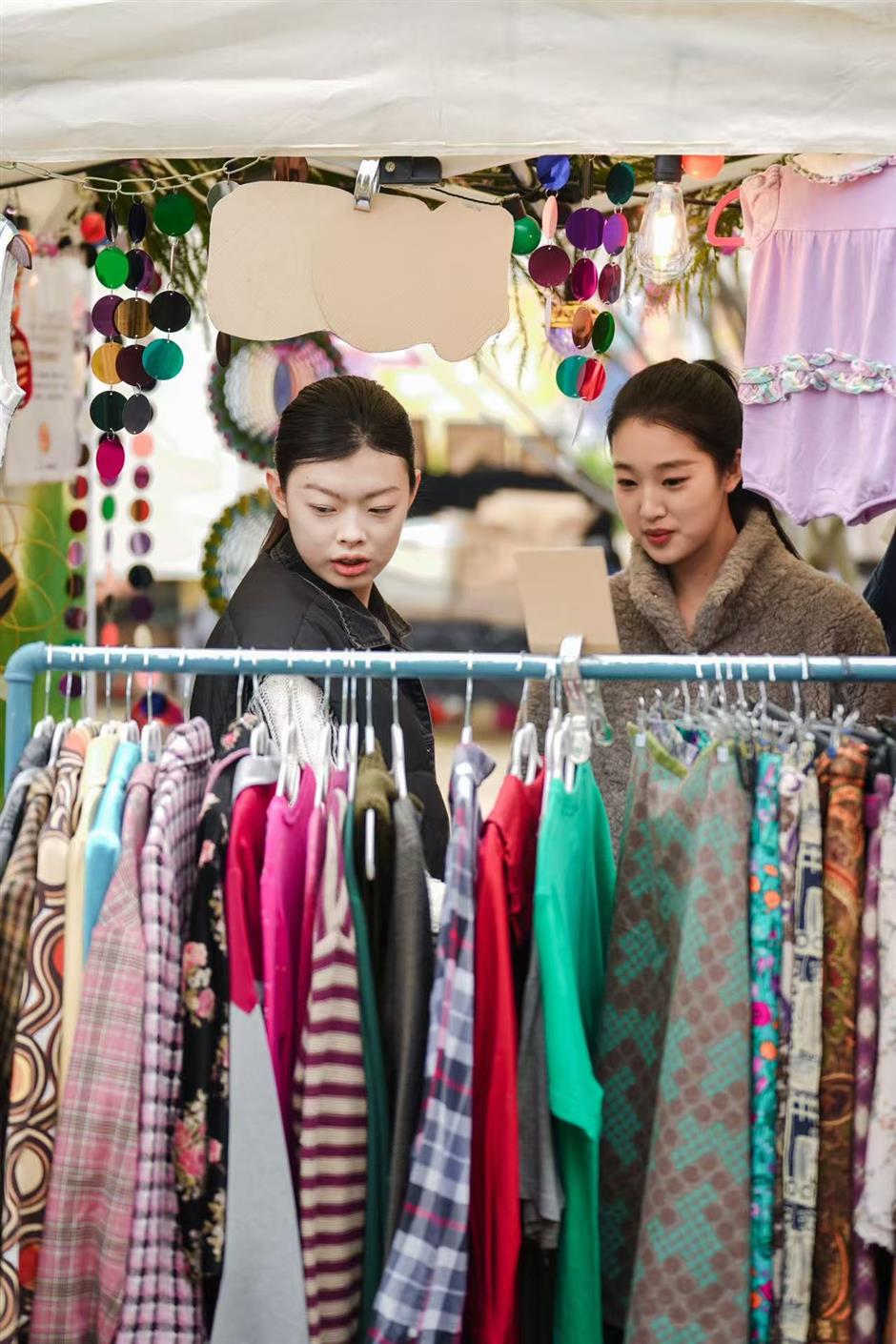
Pop-up markets, design competitions, and public events have increased town traffic outside industry circles.
For organizers, however, the goal goes beyond short-term traffic.
"Puyuan has factories, production capacity and sales channels," said Yao Jie, an executive at Puyuan Fashion Ancient Town. "What Puyuan lacks is sufficient design and originality."
The fashion week is, in part, an attempt to fill that gap and to see whether design can translate into something the town has long lacked: higher margins.
Puyuan's scale helps explain the urgency. The town handles 70 percent of the world's knitwear wholesale business, and its woolen sweater market reached 139.3 billion yuan (US$20 million) in 2025, up 6.2 percent from the year before.
Yet, for all that volume, much of the industry remains locked in low-margin production, which is still engaged in OEM and ODM manufacturing, supplying products that are sold under other brands rather than their own.
That constraint is not unique to Puyuan.
Across China, many industrial clusters have built their strength on manufacturing but struggle to move beyond it. "We have too many supply platforms," said Sun Jie, dean of the Fashion School at Donghua University. "What's missing is the ability to create value through design."
In his view, Puyuan can no longer afford to think of itself as a contract-manufacturing base.
"If you hold on only to production, your future is limited," he said. "The industry needs to break away from the logic of private-label manufacturing."
That ambition is already shaping how the fashion week is being designed.
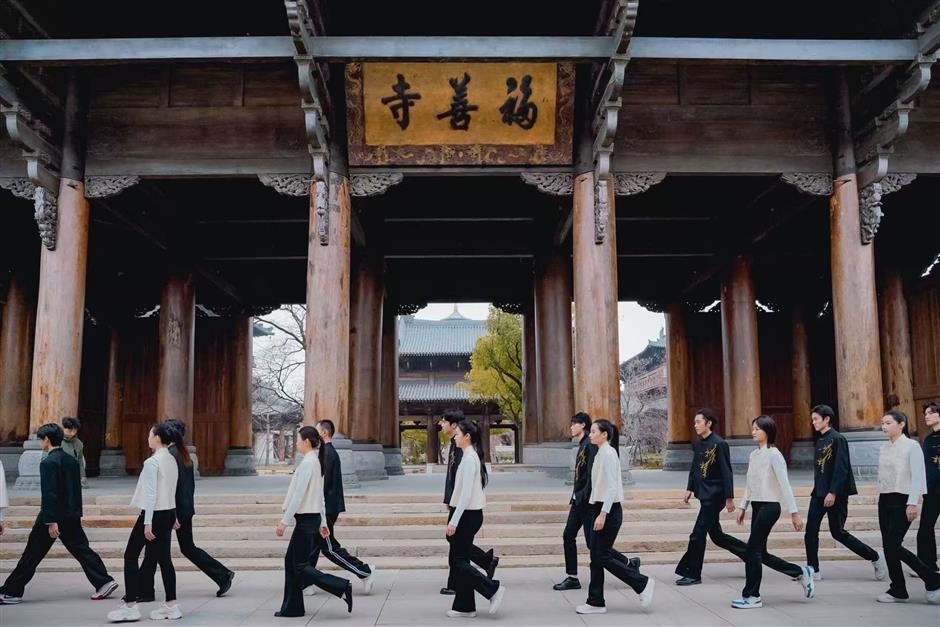
Runway shows are spread across the town's multiple historic sites, from Pufuma Mansion and Lianyi Plaza to the Zen Art Museum and the narrow grid of old streets. Roaming performances run throughout the day, while dozens of lifestyle stalls line the streets.
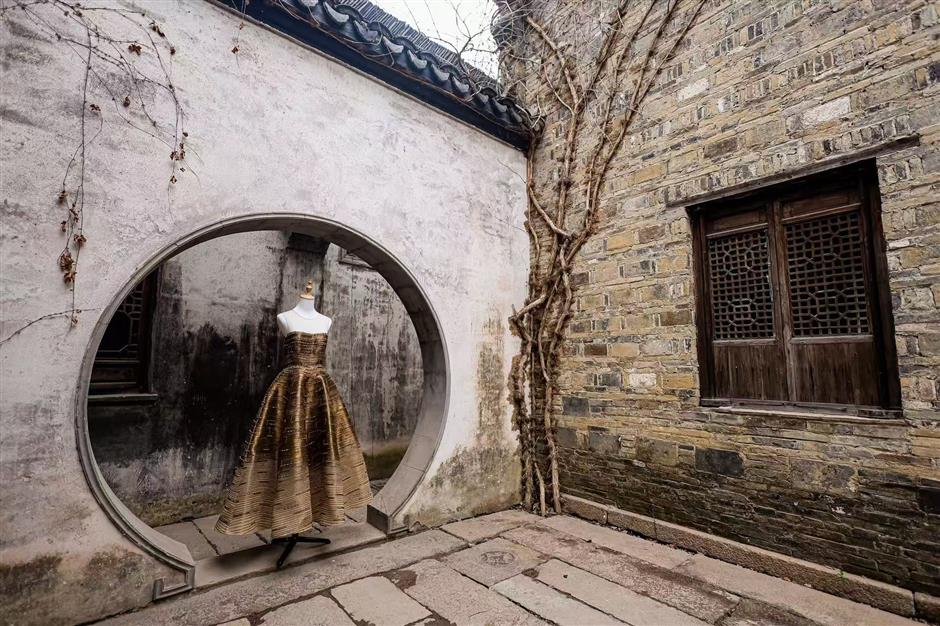
Last year, over 1,000 merchant groups attended a two-day buyer event in Puyuan during the fashion week, generating over 40 million yuan in orders. Two months later, a follow-up order fair raised 325 million yuan in four days.
"We are not doing this as a one-off event," Yao said. "If there is no market mechanism behind it, it won't last. The goal is to commercialize innovative design, not just stage shows.
In Puyuan's markets and workshops, woolen sweater companies are expanding into cashmere and other high-end apparel with their brands.
Some companies use AI-assisted designs to speed up development. Tasks that took two to three days can now be completed in a day, speeding up style turnover in a market driven by changing consumer preferences.
The shift is incremental, but it marks a departure from the model that has long defined Puyuan – one built on scale and thin margins.
Whether the fashion week can accelerate that transition and help local players capture more value through design remains to be seen.
"We don't want to follow a standardized model," Yao said. "We want to build something different, a non-standard town, with its own positioning and identity."
One that relies less on volume and more on value.
Editor: Liu Qi
In Case You Missed It...
 Apr 1, 2026