Chinese Smartphone Brands Race to Build AI-Powered Operating Systems
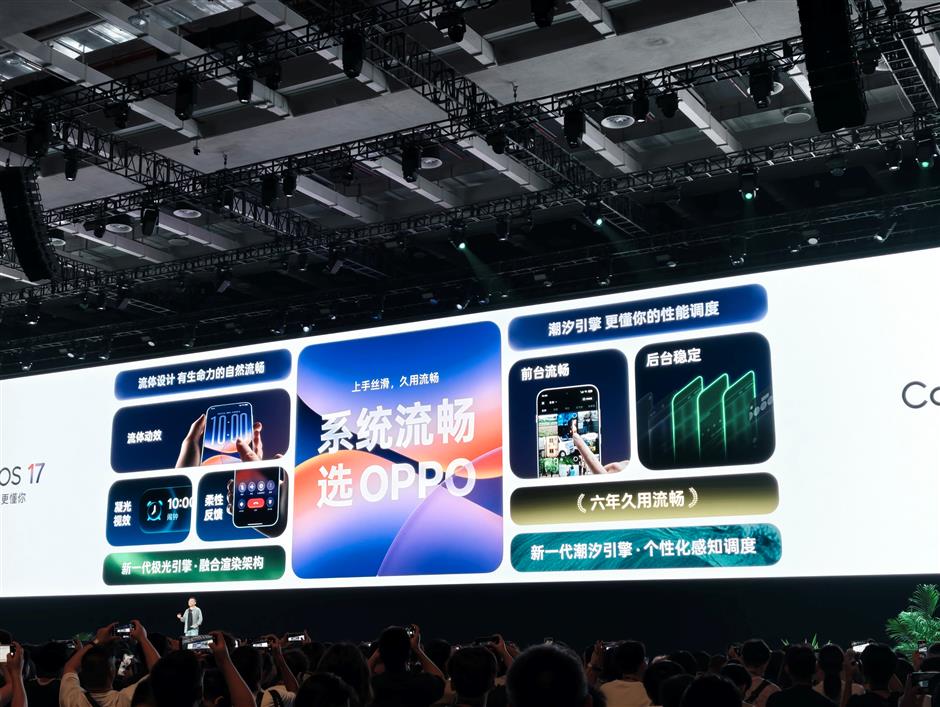
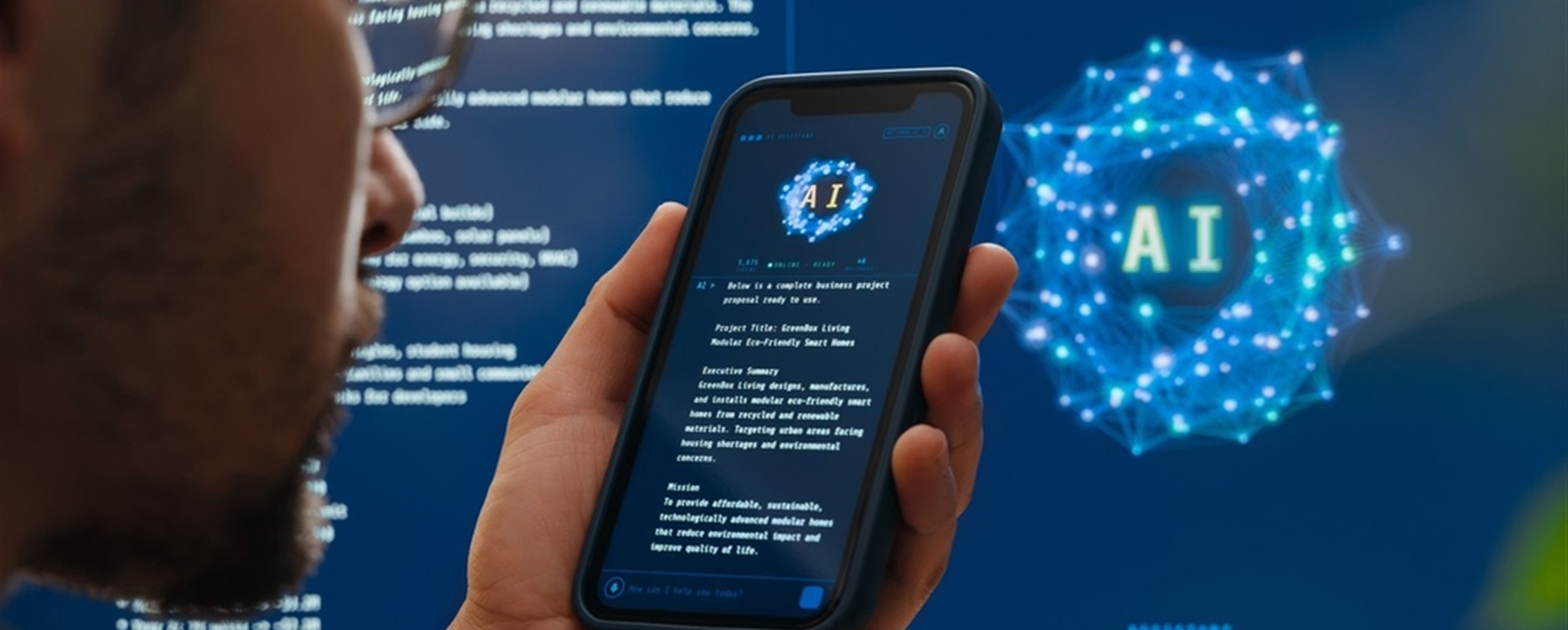
Chinese smartphone brands, including OPPO and Vivo, are overhauling their operating systems with advanced and customized AI services designed to serve well over one billion users globally.
On Thursday, OPPO rolled out its latest ColorOS 17 update to its 770 million users across the OPPO, OnePlus and Realme brands.
"In the AI era, operating systems should better understand users and provide customized and safe services," said Tang Kai, head of OPPO's software division.
OPPO's on-device AI reduces memory usage by nearly half and improves energy efficiency by 55 percent with improved privacy controls, faster response times, and native support for a 128K context window.
To understand user habits, the new Persona X memory-symbiosis engine records, forgets, and reflects over time. This efficiency maximizes work efficiency for high-capacity memory demands, reducing hardware costs amid rising memory chip prices.
Vivo, which boasts nearly 600 million users and robust overseas sales, is likewise upgrading its chip and operating system architectures.
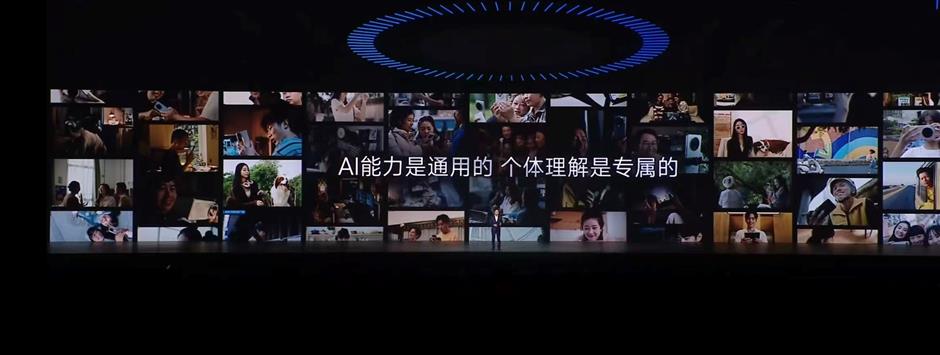
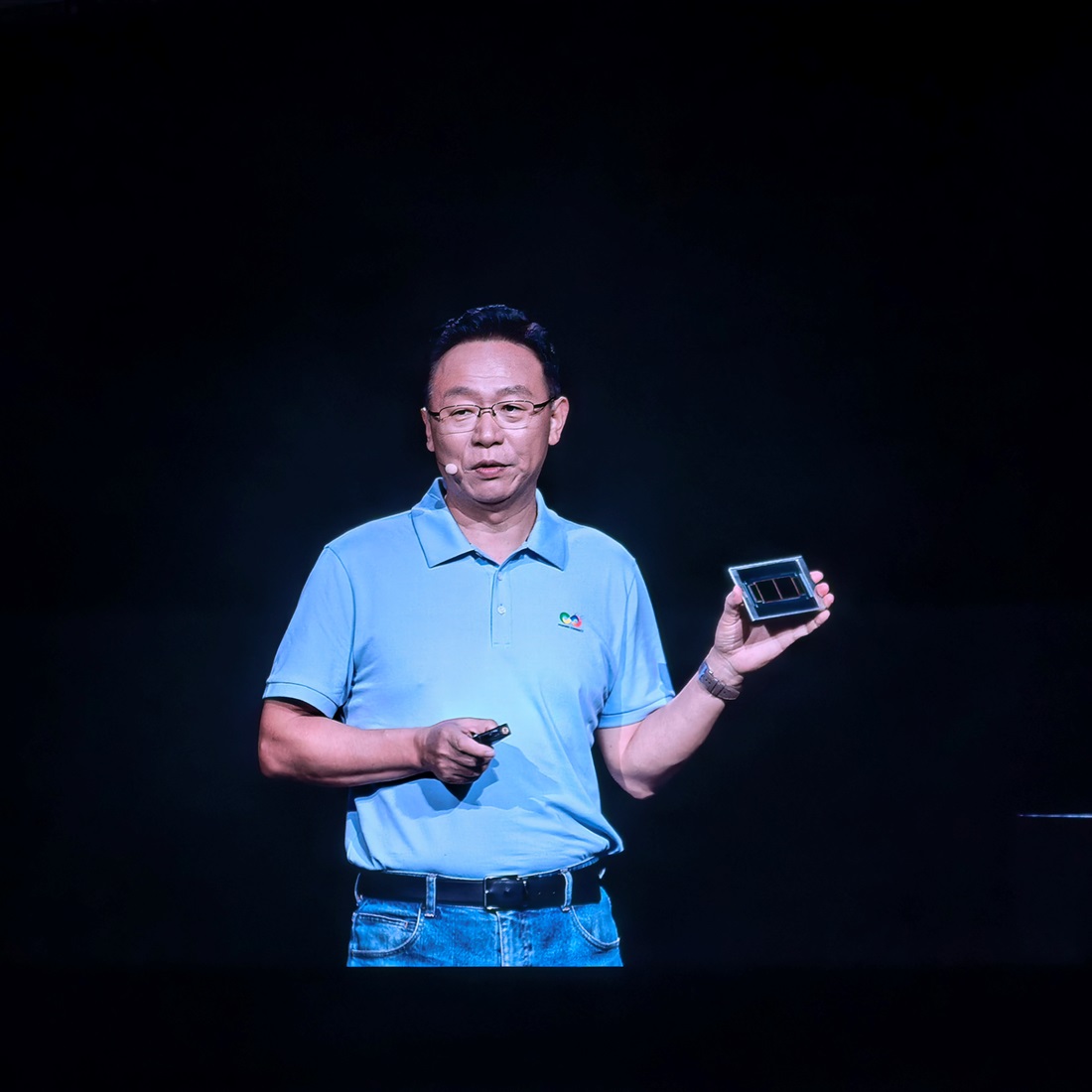
Shi Yujian, senior vice president and CTO of Vivo, said that the company is reshaping user experiences through "personalized intelligence" – enabling AI to interpret user intent, recall preferences and perceive context.
Vivo has upgraded its on-device model, BlueLM, to handle real-time perception and personal memory. By aggregating data from screens, images, videos, text and files, the system builds a comprehensive profile of user habits.
Its cloud-based large model manages complex cross-device and multi-application tasks. The new ecosystem transforms over 6,000 software "skills" into tools that AI agents can access, enabling them to support more than 10,000 task types.
These updates transform a traditional general-purpose operating system into a personalized "intelligent system." For example, an AI calendar can automatically integrate to-do items from notes and meeting recordings, scheduling tasks based on the user's existing agenda and daily habits.
Adding to the industry-wide momentum, Huawei also highlighted the explosive growth of on-device AI on Thursday.
According to Huawei, the parameter capabilities of mobile AI models have scaled rapidly from 3 billion in 2024 to 30 billion today, with eyes firmly set on the 100-billion-parameter milestone in the near future.
Editor: Wang Xiang
In Case You Missed It...
 Sep 17, 2026

Popular Reads
Chinese Smartphone Brands Race to Build AI-Powered Operating Systems

HYROX Winner Apologizes, Saying She Should Have Stopped After Soiling Herself in Beijing

AI Couture, 500 Brands, Free Entry: World Design Cities Conference Returns To Shanghai This Month