Sino-French Salon Blends Floral Art, Heritage, Urban Exchanges
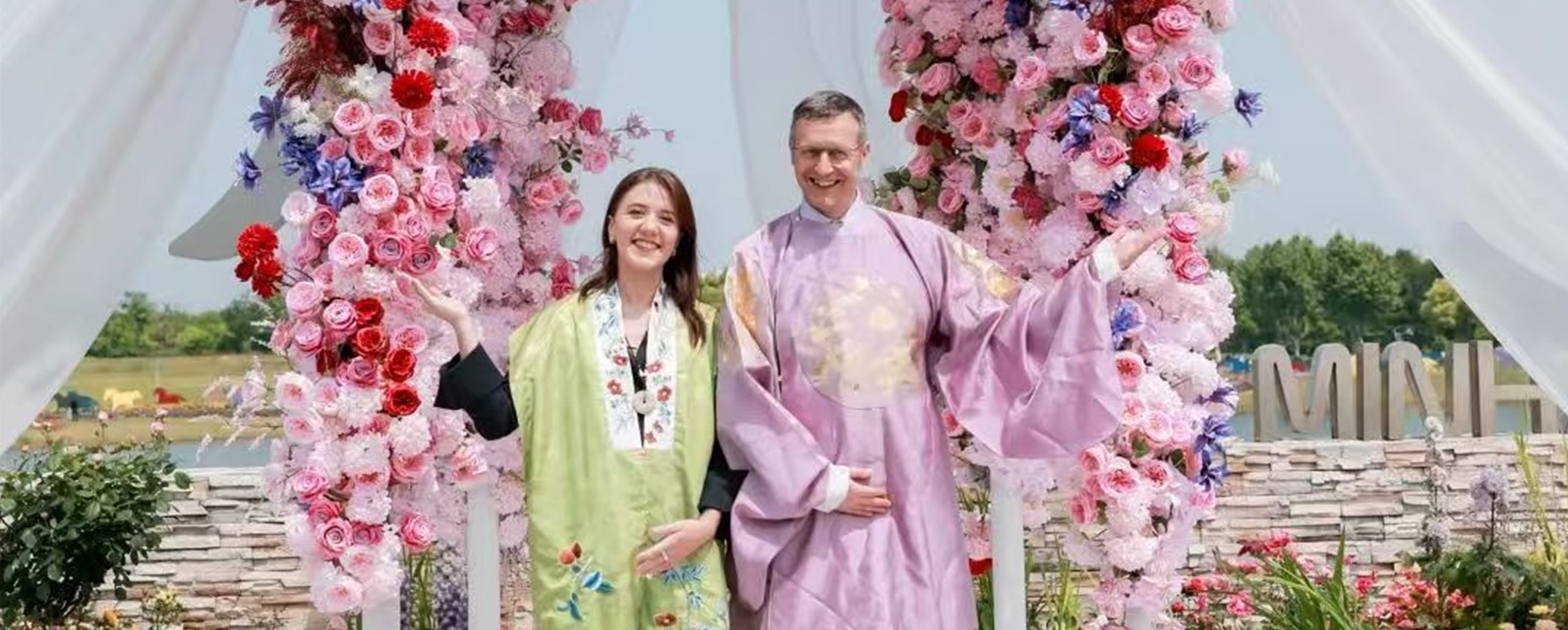
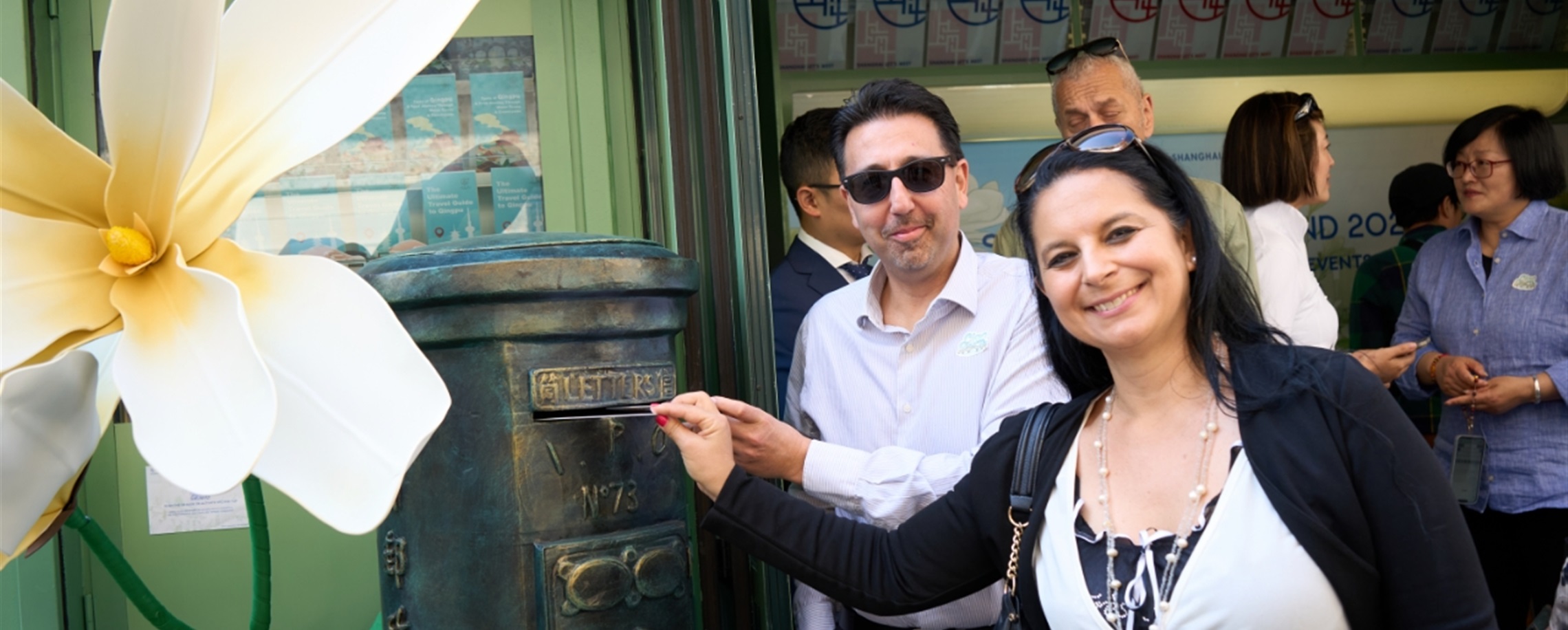
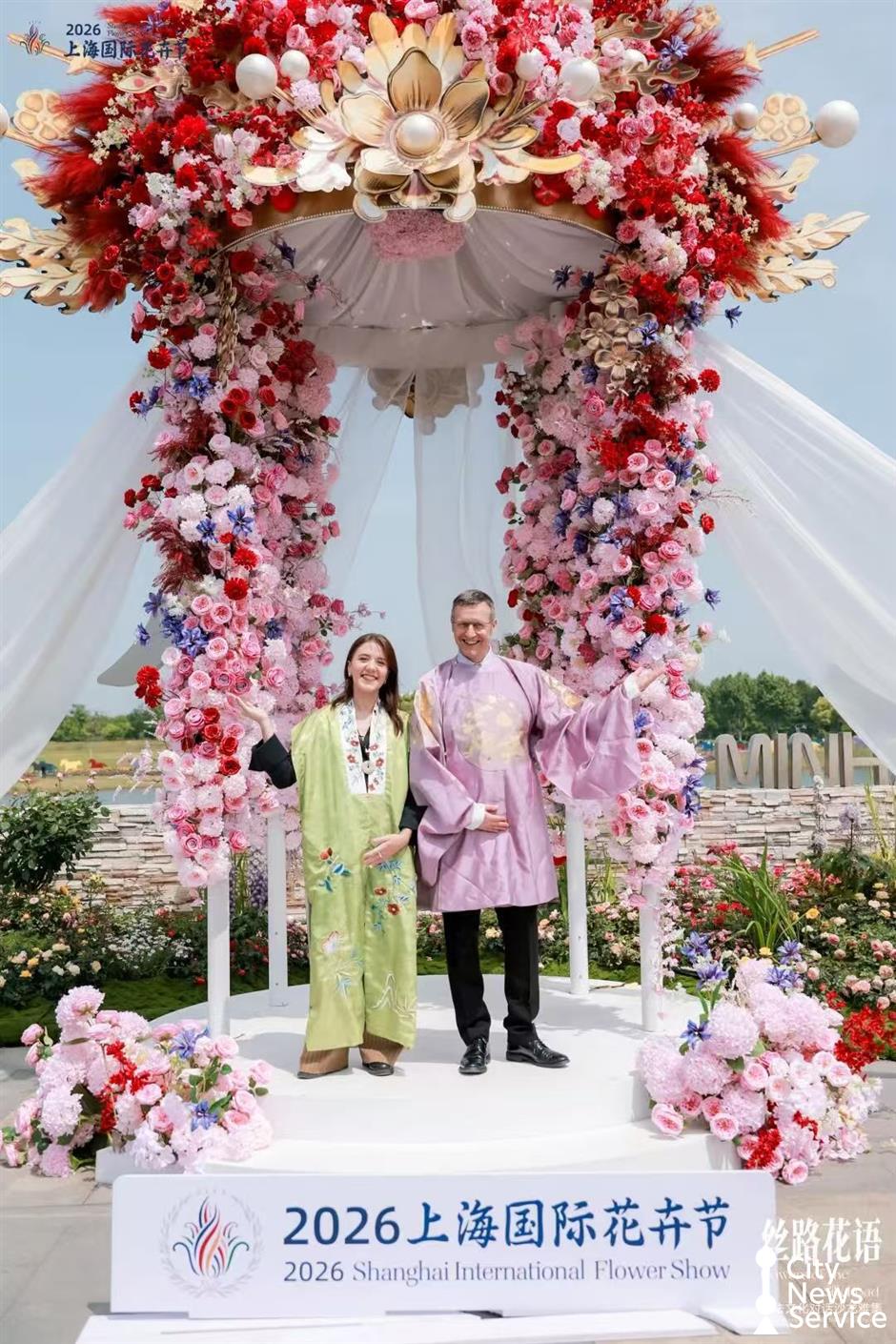
Chinese and French experts gathered in Shanghai yesterday for a cultural salon combining floral art, heritage and urban dialogue, as the city's 2026 International Flower Show expanded its global focus.
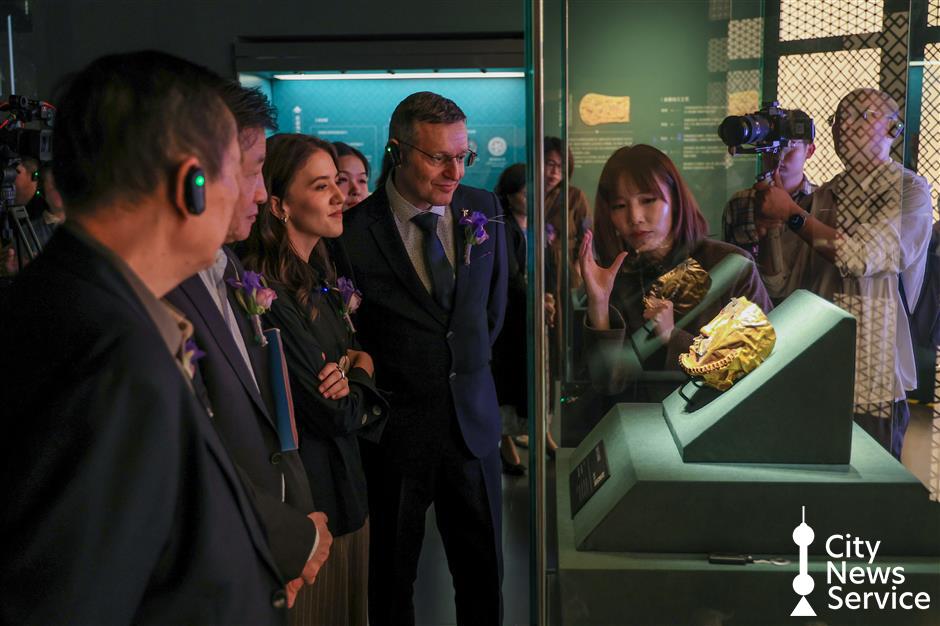
The event, titled "Flowers of the Silk Road," brought together figures from culture, design and urban planning at Minhang Museum for talks, exhibitions and keynote speeches aimed at strengthening people-to-people ties.
A key highlight was the launch of an initiative to promote ancient town culture. It supports two-way cultural exchange, helps ancient towns in Jiangnan (regions to the south of the lower reaches of the Yangtze River) reach global audiences, and brings French cultural resources to Shanghai.
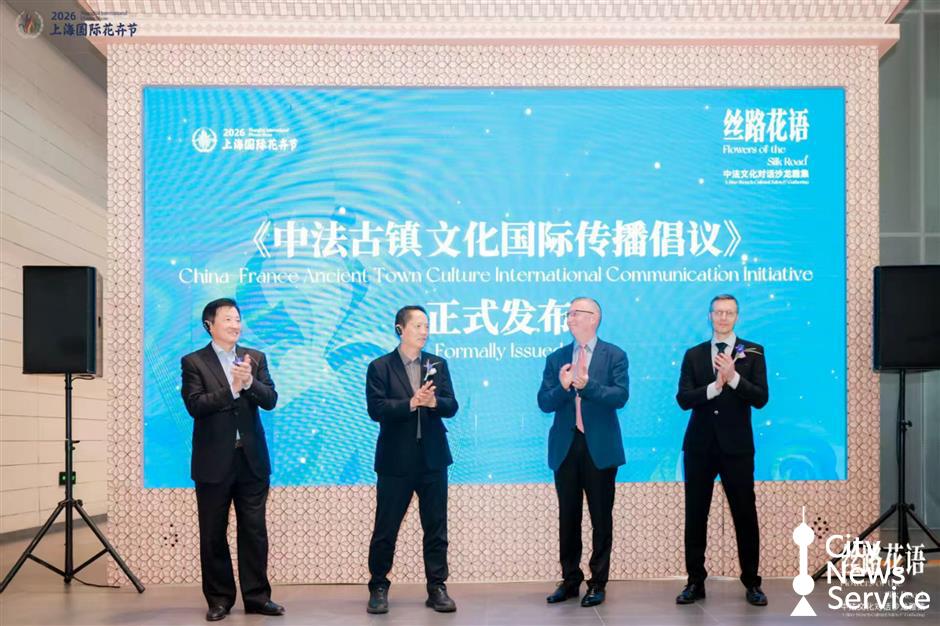
Guided by the Shanghai Public Relations Association and co-organized by the Shanghai Society for Urban Studies, the salon centered on flowers and aesthetics as universal cultural carriers.
Sha Hailin, chairman of the association, said China and France share deep-rooted civilizations and a long history of exchanges.
The salon uses culture and art as a bridge, carrying forward the Silk Road spirit while promoting people-to-people ties and mutual learning between the two countries, he added.
In a congratulatory letter, Jérôme Viaud, mayor of Grasse in southern France, said his city, widely known as the world's "perfume capital," shares close links with Shanghai in floral culture and tourism. He said he hoped to deepen cooperation with Minhang District and Qibao Ancient Town in floriculture, design and cultural travel.
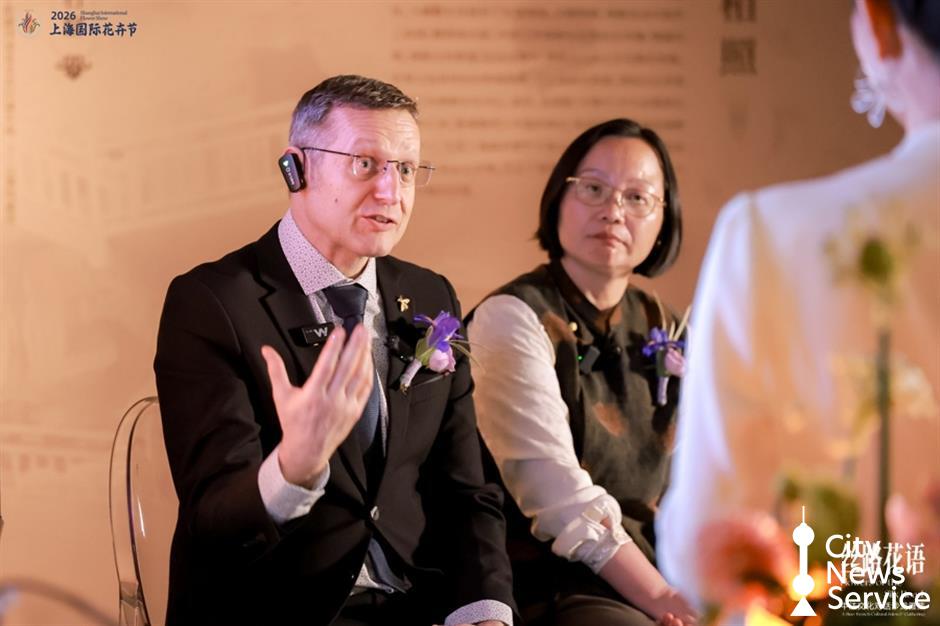
The salon also explored heritage preservation, innovative design, botanical culture and urban renewal. Three dialogue sessions paired Chinese and French speakers alongside immersive Silk Road-themed exhibitions.
Yan Wei, director of Shanghai Botanical Garden, spoke on how botanical aesthetics can shape urban development during the "Design and Daily Life" session. In "Cultural Heritage and Craftsmanship," Paris conservator Anaïs Diez discussed shared approaches to preserving historic sites in China and France.
Editor: Liu Qi