Beijing-Shanghai High-Speed Railway To Lift Price Ceiling By 20 Percent
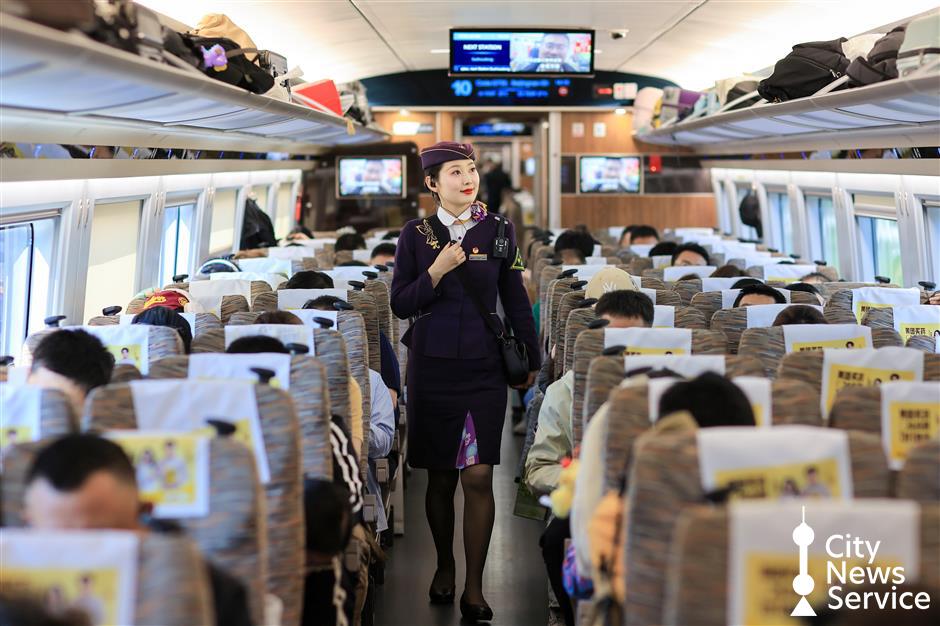
The Beijing-Shanghai high-speed railway operator announced that it will raise its official ticket price ceiling by 20 percent starting May 26, marking a significant adjustment to fares on one of the country's busiest rail corridors.
The increase will affect high-speed train services operating on both the Beijing-Shanghai and Hefei-Bengbu railway lines, according to a statement released by Beijing-Shanghai High-Speed Railway Co.
The company stated that this move aims to enhance a market-oriented pricing system, enabling ticket prices to vary based on passenger demand. Officials stated that the revised pricing mechanism aims to provide a more accurate representation of travel patterns and operational conditions.
Tickets under the new pricing structure are available for purchase on the official 12306 platform starting today. During the initial phase of this adjustment, actual ticket prices will remain the same.
Currently, the most expensive second-class seat on a high-speed train between Beijing and Shanghai is priced at 673 yuan (US$99). With the 20 percent increase to the price ceiling, the maximum fare for these seats could exceed 800 yuan, surpassing the cost of some discounted flight tickets between the two cities.
"The goal is to better meet the diverse travel needs of passengers and to improve the efficiency of ticket resource allocation," the company stated.
"The adjustment ensures that published prices more accurately reflect the relationship between market supply and demand."
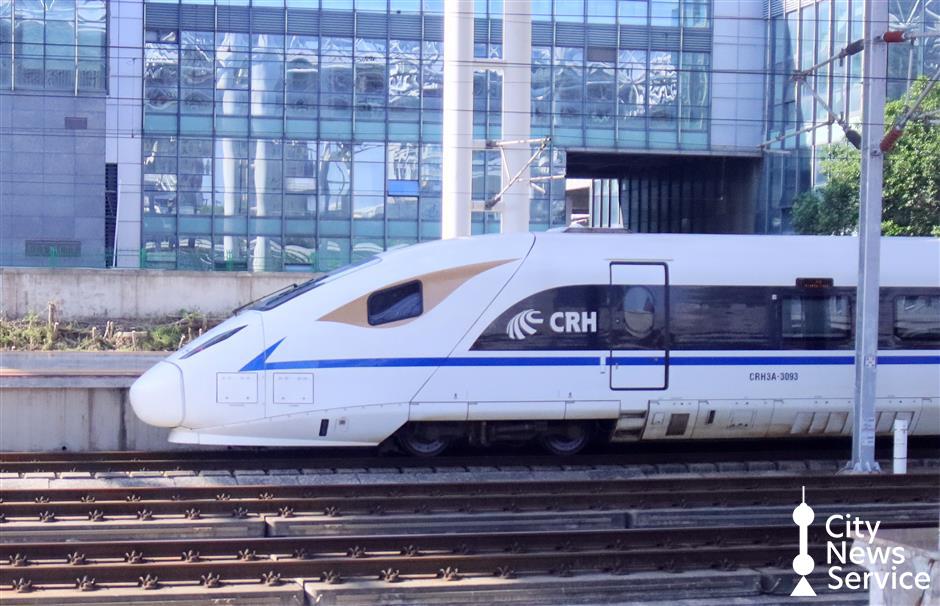
Published prices and discounts
The railway operates with a dual pricing system: the "published price" and the "execution price." The published price serves as the official base rate and acts as a strict maximum limit. The execution price is the actual amount a passenger pays after discounts.
Under the new rules, the railway will offer varying discounts based on the season, day of the week, travel time, and train speed.
Passengers can expect higher prices for popular trains during peak hours. Slower trains with more stops or those running during off-peak periods will offer deeper discounts.
For example, some trains that take longer than five hours already offer discounts of up to 20 percent off the current base rate.
The Beijing-Shanghai line is often called "China's most profitable railway" because it connects the nation's two largest economic hubs.
The listed company reported a net profit of 3.14 billion yuan in the first quarter of 2026, a 6.03 percent increase from the previous year. Total revenue for 2025 reached a record 43.06 billion yuan.
Despite strong profits, the company faces competition from cheap airline flights and the increasing use of new energy vehicles for long-distance travel.
The railway first introduced floating prices in late 2020. Several other major lines in China, such as the Beijing-Guangzhou and Shanghai-Kunming routes, have already implemented similar flexible pricing strategies with discounts of up to 45 percent.
Editor: Yang Meiping