Shanghai Opens 130 Commercial Buildings to Global Investors
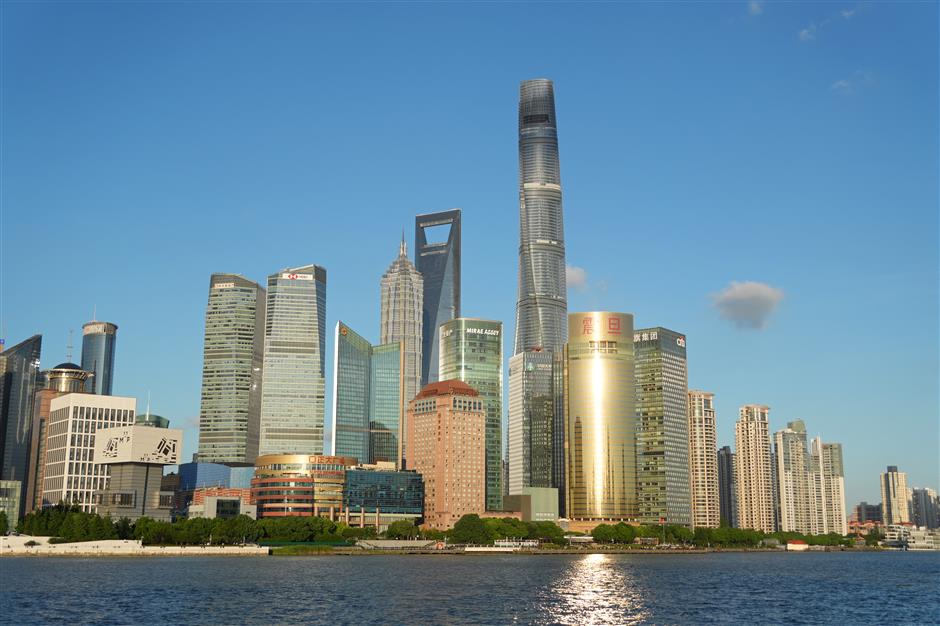
Shanghai has opened 130 commercial buildings to global investors, while launching a citywide renovation campaign to revitalize its aging office towers.
To support the overhaul, the city has rolled out an upgraded digital platform. The "One-Stop Service Platform 2.0" offers project matching, policy tools, and simplified approval processes for companies looking to renovate or lease space.
The campaign includes major properties like the Hongqiao The Gate, Xujiahui Center, and Zhangjiang Science Gate.
About 150 companies have registered on the platform, and 100 renovation projects have applied for services, according to the Shanghai Commission of Housing and Urban-Rural Development.
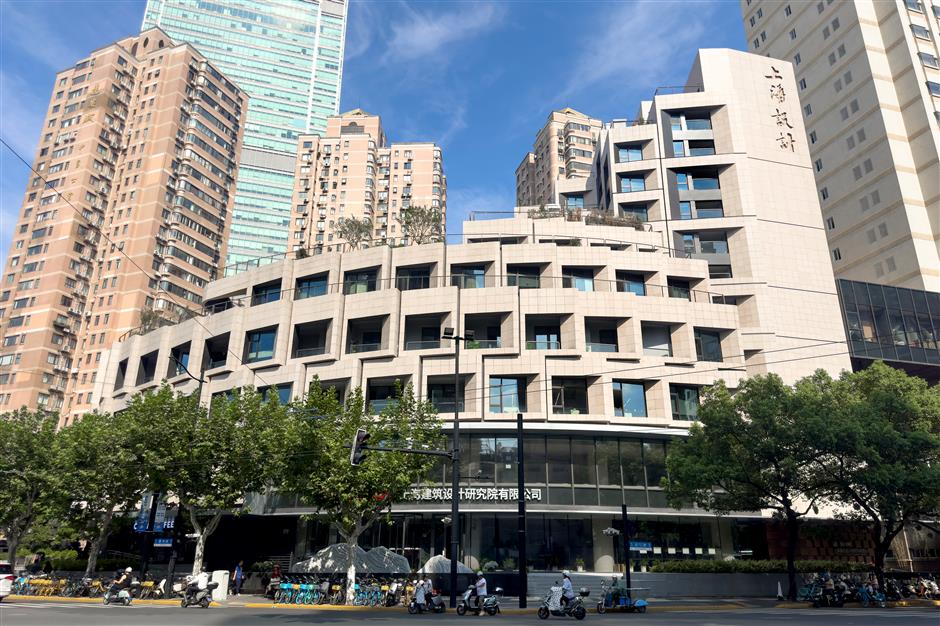
The Zhongganghui Huangpu building illustrates the trend. Originally built as a hotel in 2007, the property faced declining occupancy.
Developers cut half the hotel rooms to create office space tailored for life science companies, capitalizing on a nearby major hospital.
Following the renovation, the office occupancy rate jumped from 14 percent to 85 percent. The building now generates over 100 million yuan in annual tax revenue.
"Building updates are not just about improving hardware. They require precise transformations for specific industries," said property developer Zhang Tao.
"With a large supply of new office buildings in Shanghai, old buildings will not attract tenants without differentiation."
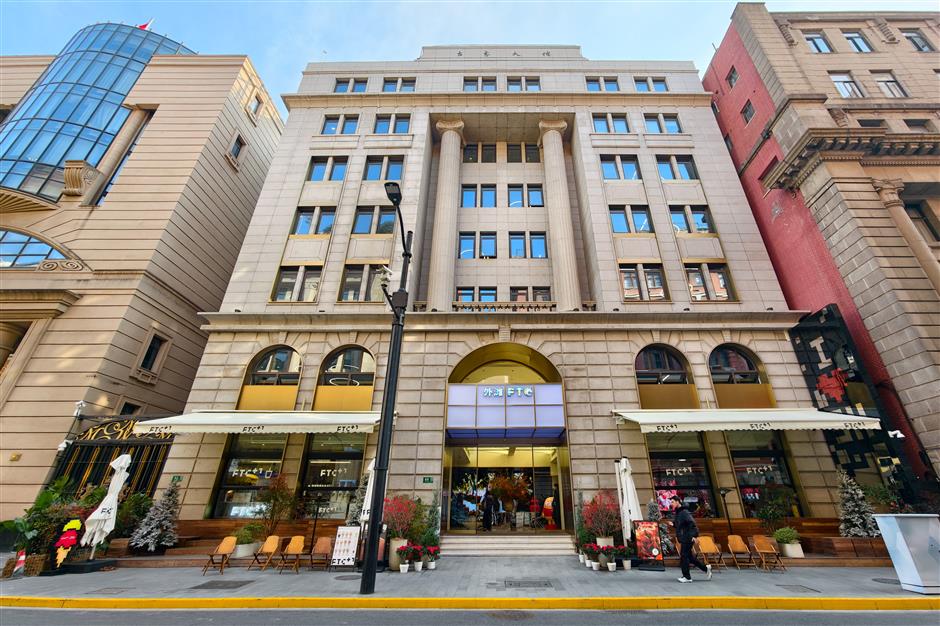
Another project, the Bund FTC, took a different approach. The historic 1936 building underwent a 25-day light renovation.
Developers kept the exterior intact and installed modular workspaces to serve internet content creators and financial technology firms. By March, the hub had attracted 95 companies.
"At the Bund FTC, you meet professional investors and tech veterans," a startup founder said. "For companies, this means opportunity."
The shift comes as global office markets face a period of adjustment. In cities like New York and London, vacancy rates have risen as companies adopt remote or hybrid work schedules. This change in work habits has forced landlords to rethink the purpose of traditional office towers.
In response, Shanghai became the first city in China to allow commercial buildings to flexibly adjust their internal business functions.
The policy helps owners lower costs when converting empty offices into laboratories, creative hubs, or rental housing.
The move follows a global trend in major cities where developers are converting traditional offices into labs, creative hubs, or residential units.
Shanghai's updated platform includes a policy toolbox that provides information on financial support, tax incentives, and technical standards for these transformations.
Editor: Yang Meiping