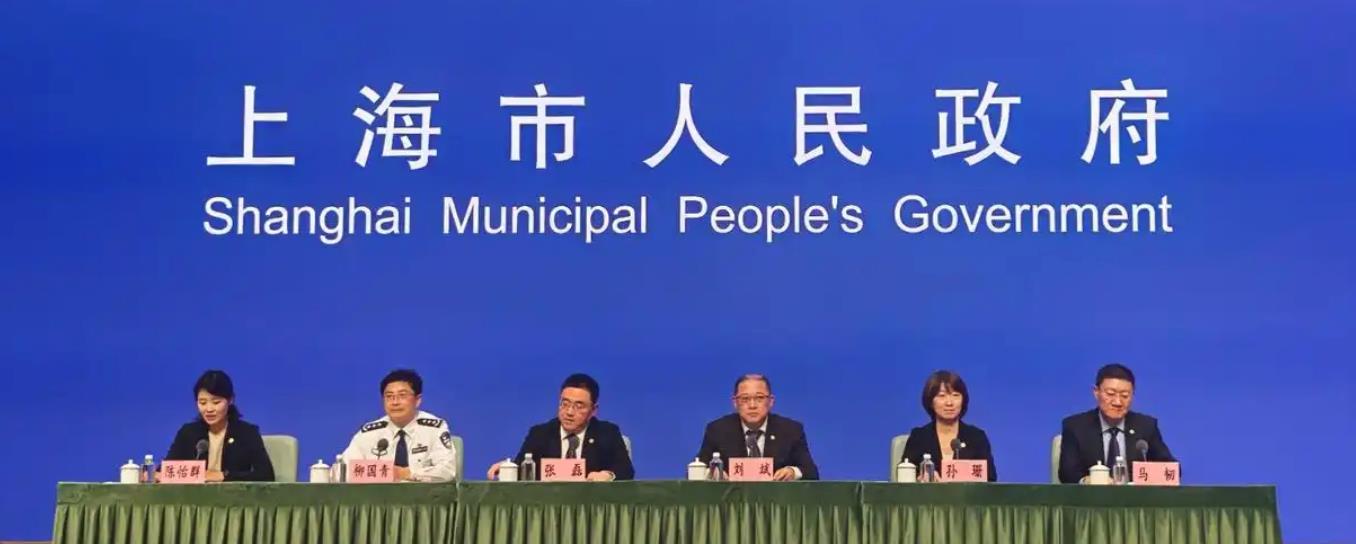
Shanghai Maps Out Blueprint for a Safer, More Resilient City Through 2030
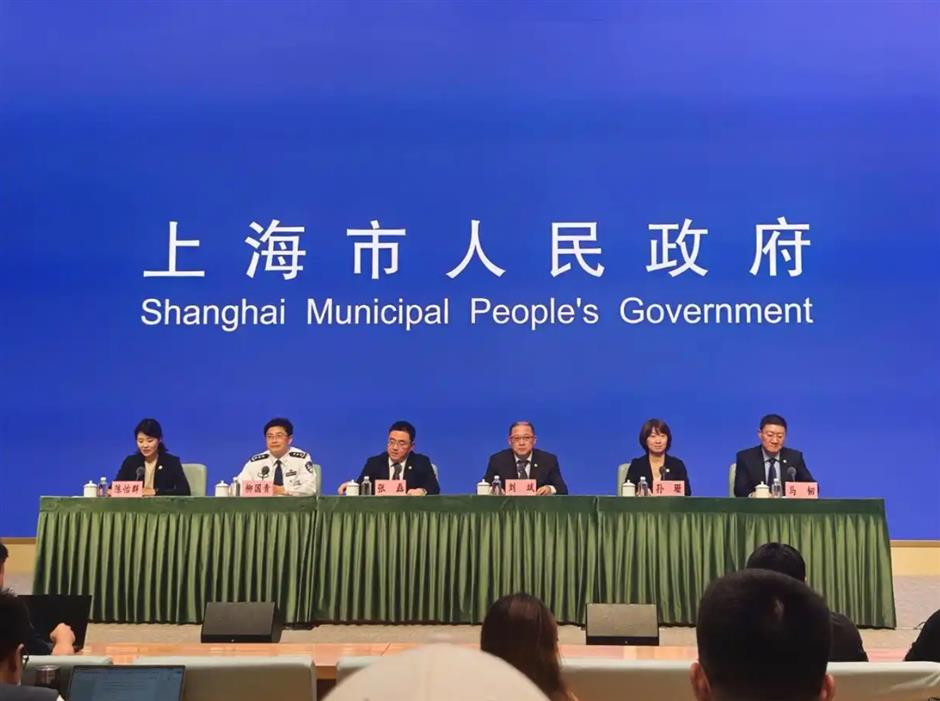
Shanghai has unveiled its 15th Five-Year Plan for building a safer, more resilient city, setting a goal of becoming a national leader and a globally recognized model for urban resilience by 2030.
The "resilient and safe city construction" plan sets an overall goal, six supporting objectives and 13 key indicators during 2026-2030.
Its overarching goal is to build a comprehensive public safety system with stronger built-in resilience and enhanced public security by 2030.
The six supporting objectives focus on spatial resilience, infrastructure protection, social governance, risk prevention, emergency response and technology-enabled safety.
The 13 indicators include five mandatory targets and eight aspirational ones, balancing minimum safety standards with high-quality development.
The plan outlines seven major tasks grouped into three priorities.
The first priority is to strengthen the city's safety foundation by optimizing urban planning, improving water security networks and upgrading critical infrastructure, including water, electricity, oil and gas, transportation and telecommunications.
The second priority is to build stronger lines of defense by improving the emergency response and healthcare systems, encouraging public participation in safety governance, and expanding coordination across the Yangtze River Delta region in areas such as risk prevention, policing and disease control.
The third priority focuses on enhancing practical capabilities. Shanghai will strengthen prevention and control measures for natural disasters, workplace accidents, public health risks and public security threats. Safety inspections and rectification efforts will target high-rise buildings, warehouses, hazardous chemicals and electric bicycles throughout their entire life cycle.
The city will also upgrade its emergency response system with improved early warning capabilities, better equipment deployment and stronger rescue teams. Digital governance will be reinforced through an integrated urban operations platform, using artificial intelligence to improve safety management and public service responsiveness.
Editor: Liu Qi
In Case You Missed It...
![[Quick News] Shanghai Braces for More Downpours as Typhoon Dolphin's Remnants Linger](https://obj.shine.cn/files/2026/08/14/15fa5a2e-994f-4943-819e-bea9a421a6f0_0.jpg)
 Aug 14, 2026
![[Quick News] Shanghai Metro Back to Normal Tomorrow As Dolphin's Warning Drops to Blue](https://obj.shine.cn/files/2026/08/10/37eb55db-7030-4c5d-9f54-67ac2ebc4ac0_0.jpg)

![[Quick News] Metro Services Resume as Flights, Trains Also Back on Track](https://obj.shine.cn/files/2026/08/10/b9020002-0dbc-442f-9470-7323aa762d83_0.jpg)