JD's 7Fresh Opens 24-Hour Robot Coffee Shop in Beijing
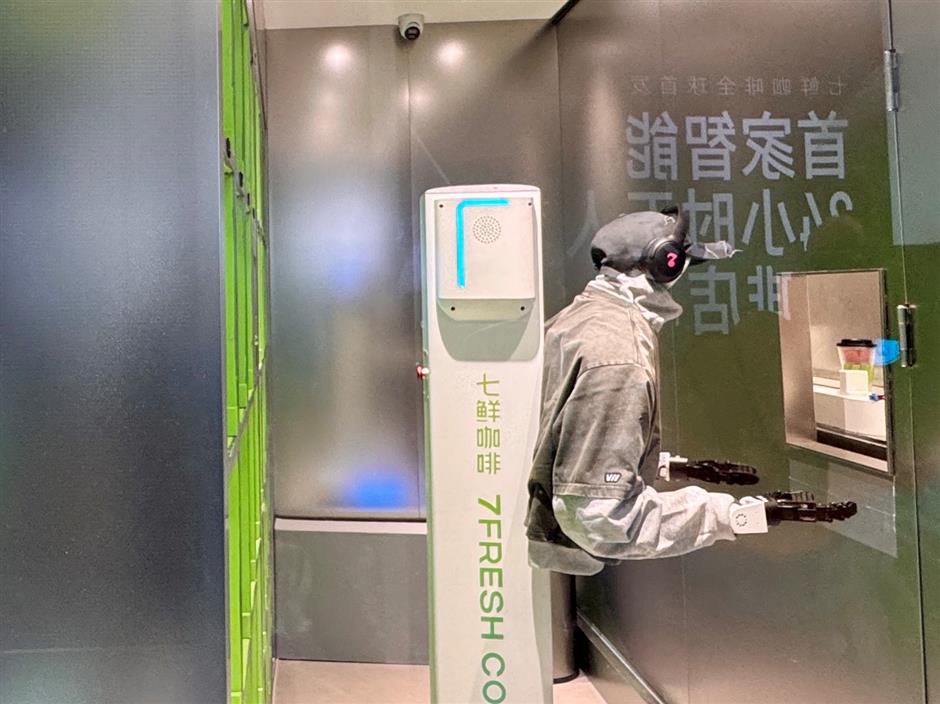
JD.com's 7Fresh Coffee has opened a 24-hour unmanned robot coffee shop in Beijing, marking a new push by the Chinese e-commerce giant to bring artificial intelligence and embodied robotics into physical retail, National Business Daily reported.
The store, located on the B1 floor of Tower A at Galaxy SOHO in Chaoyang District, officially opened on August 16. It is billed by JD as 7Fresh Coffee's first 24-hour intelligent unmanned coffee shop globally.
The wording matters. Fully automated coffee kiosks and robotic-arm baristas are not new. Cafe X in the United States was serving coffee with a Mitsubishi industrial robotic arm in San Francisco as early as 2017. Ella by Crown Digital in Singapore began operating as a robotic barista kiosk around 2020, and China's COFE+, developed by Haidun Robotics, has also put enclosed automated coffee kiosks into commercial use.
What makes JD's new shop significant is not that it invented the robot cafe, but that it combines round-the-clock operation, full-process drink production, self-service ordering, real-time production display and robotic handoff inside a mainstream retail setting.
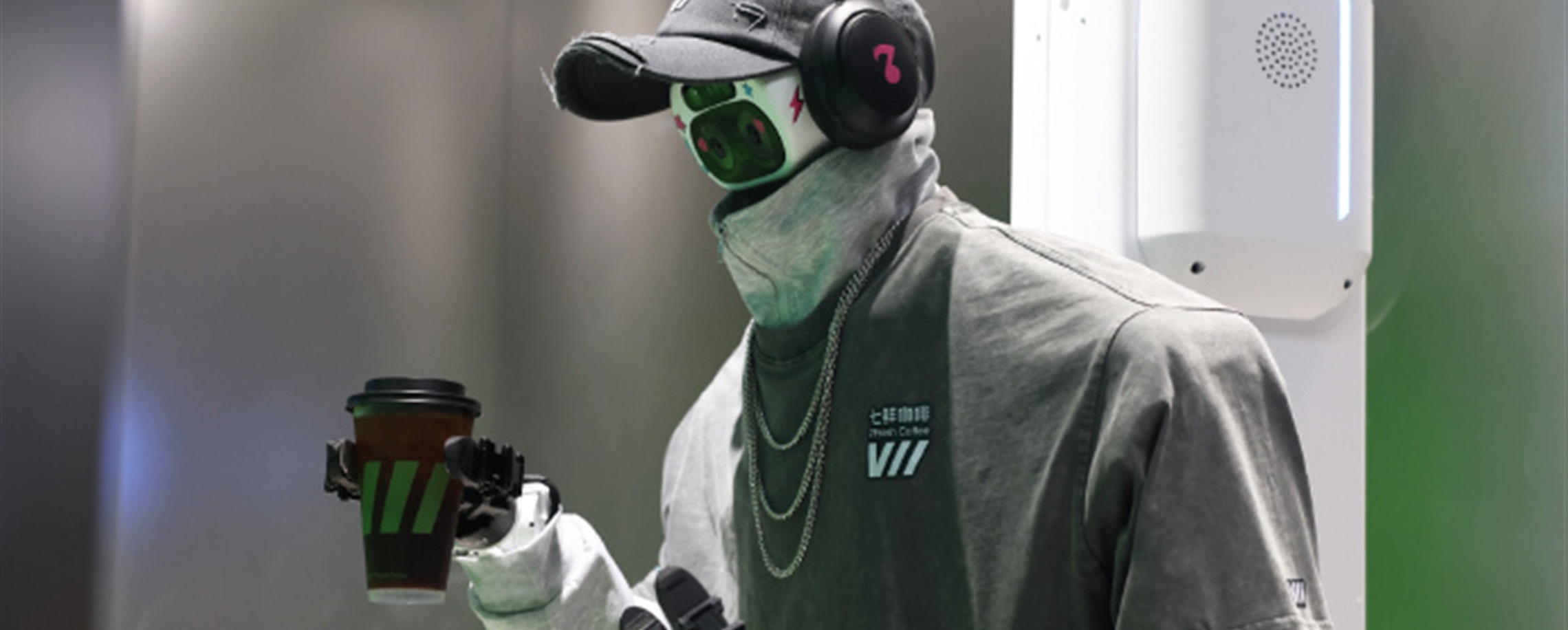
According to Chinese media reports, the Beijing shop runs without human baristas. After customers place orders through a self-service system, the drink-making process is handled by machines from start to finish, including bean grinding, extraction, mixing, cup handling, drink dispensing and placement into pickup cabinets.
A smart display inside the store shows each order as it moves through production, from cup release and ice addition to preparation and cabinet delivery. JD said the setup keeps the production line free of human contact while allowing customers to monitor the process in real time.
The company said a single drink can be made in about 30 seconds. On opening day, the store also staged a 24-hour livestream of robot coffee production and successfully challenged the Guinness World Records title for the most cups of coffee served by a robot coffee shop in one hour. It received official certification after serving 202 cups in 60 minutes.
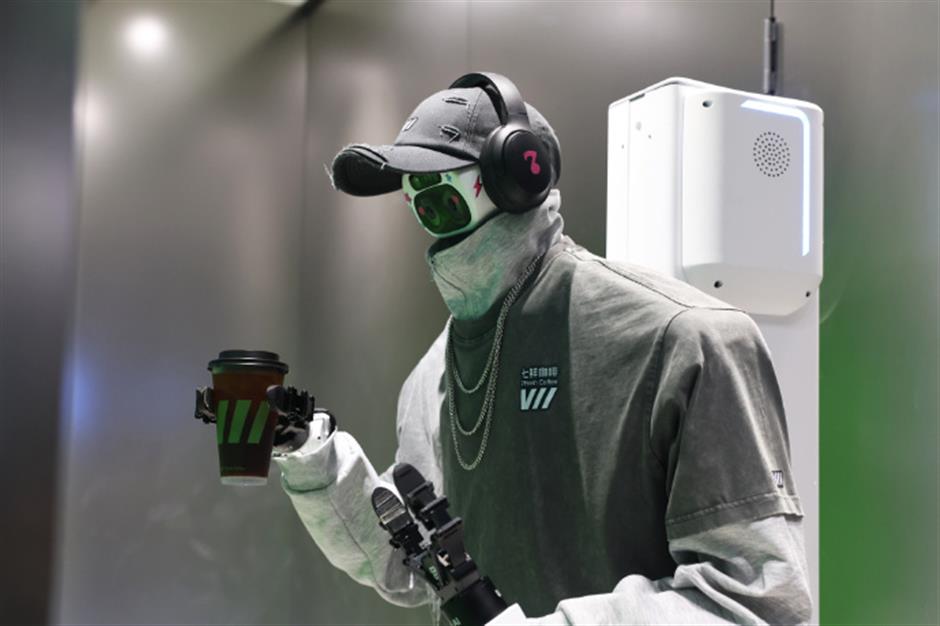
Broader choices
The shop continued operating for 19 hours on its first day and produced more than 1,900 drinks, according to the reports. Its menu extends beyond coffee to include tea drinks, sparkling water and probiotic fruit beverages, giving the system a broader test than a simple espresso-only machine.
Customization is another part of JD's pitch. Before placing an order, customers can adjust sweetness, coffee strength and juice concentration on a scale from 1 to 100 percent. After creating a drink, they can name it and generate a personalized card for sharing.
JD said the store will later add AI-powered recommendation functions, including suggestions for daily caffeine intake based on a customer's health profile. The company also plans to use AI analysis to spot popular drink trends and support new product development, shifting part of the process from staff experience to data-driven decision-making.
The launch comes as China's dining and retail industries increasingly experiment with automation. In cities such as Beijing and Shanghai, smart restaurant concepts already use specialized robots for cooking, noodle-making, serving and automated checkout. JD has also tested robotic retail formats overseas, including its Ochama pickup shops in Europe, where robots help prepare and sort online orders.
In that context, the 7Fresh Coffee shop is less a standalone novelty than another sign of how Chinese retailers are trying to reduce labor intensity, extend operating hours and turn offline stores into data-generating service nodes. The model could be especially attractive in high-rent commercial areas, transport hubs, office districts and late-night consumption scenes, where stable service, speed and low staffing costs are increasingly important.
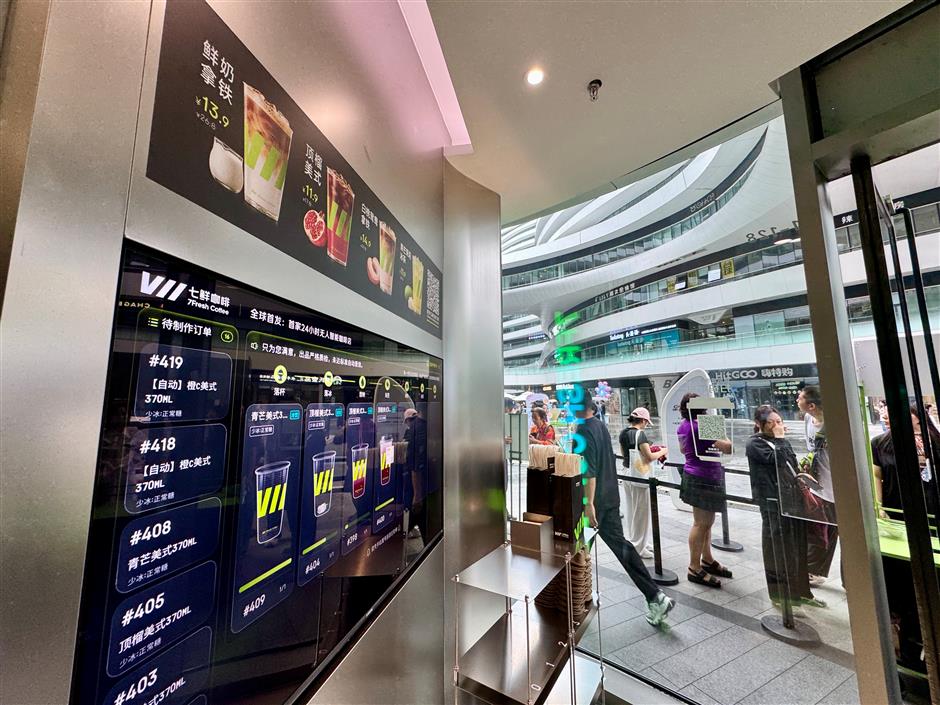
24-hour model
The 24-hour model is aimed partly at customers who do not fit normal cafe schedules, including late-night office workers, people working across time zones and others seeking freshly made drinks after regular business hours. Galaxy SOHO, a large commercial complex in central Beijing, gives the concept a high-traffic setting where convenience, speed and novelty can all be tested.
For JD, the store is also a showcase of a broader strategy. The company has been framing AI large models and embodied intelligence as tools for upgrading offline retail, logistics and service operations. A robot coffee shop gives that strategy a consumer-facing form that is easy to understand: Order, watch the robot work, collect the drink.
7Fresh Coffee has been experimenting with other scenarios as well. In March, it partnered with BYD to open coffee services at the automaker's fast-charging stations, linking the wait for electric-vehicle charging with fresh beverages.
The Beijing opening therefore sits at the intersection of several retail trends: unmanned service, personalized ordering, transparent production, 24-hour convenience and AI-assisted operations. Earlier robot cafes may have proved that automated coffee could work. JD's test is whether it can be folded into a larger retail ecosystem and run as a practical daily service, not just a futuristic attraction.
Editor: Wang Xiang
In Case You Missed It...
![[First in Shanghai] New Names, New Flavors: Shanghai's Latest Arrivals](https://obj.shine.cn/files/2026/08/17/d95f52a6-6951-438f-ae40-c7220354fb90_0.jpg)
 Aug 18, 2026
![[Current Trends] Yes, There ARE More Tourists in China](https://obj.shine.cn/files/2026/08/11/061ee7c9-9a21-4c57-a69e-d785f3baf269_0.png)