World Cities Day Focuses on Better Housing Through Urban Renewal
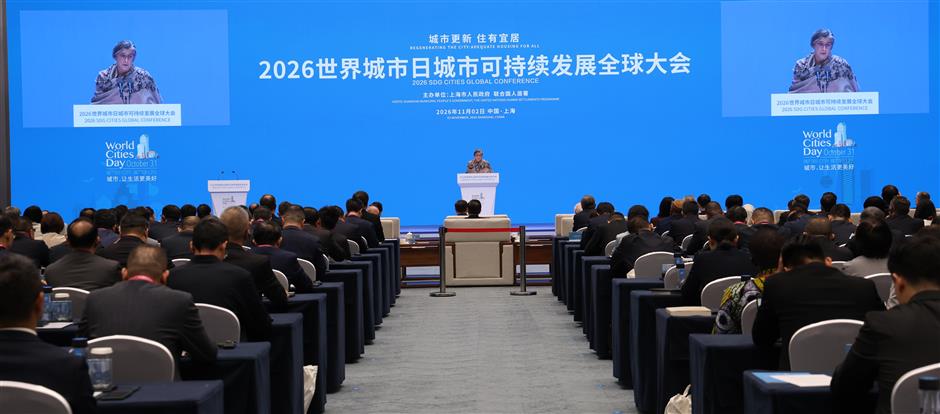
Shanghai's World Cities Day conference opened today with a focus on how cities can renovate aging neighborhoods and improve housing for residents.
In downtown Putuo District, three generations of Xing Meifang's family used to share a 20.8-square-meter apartment in Caoyang No. 1 Village. When the family of five got the keys to their renovated home in 2021, they had 30 square meters with a kitchen and bathroom of their own.
The Caoyang Community is one of 23 case studies from 19 countries and regions in the 2026 Shanghai Manual, a guide to how cities tackle problems such as inadequate housing and limited access to green space.
Its Chinese edition was released at the conference, hosted by Shanghai and UN-Habitat, the United Nations agency for housing and urban development.
Construction began on Caoyang in 1951 to house industrial workers and their families. A school, a market and a clinic were within walking distance.
When renovations began in 2019 in the oldest part of the neighborhood, planners worked with residents on a design for each household. They found extra space inside the apartments by reworking stairwells and recesses at the back of the buildings, preserving the red-tiled roofs and the original street layout.
Residents who moved out during construction received monthly rent allowances of over 3,600 yuan (US$542). All the original households in the project returned, according to the case study.
"Where people live decides whether they can reach a job, a school, a hospital, or simply a public space that is theirs," said Anacláudia Rossbach, under-secretary-general of the United Nations and executive director of UN-Habitat.
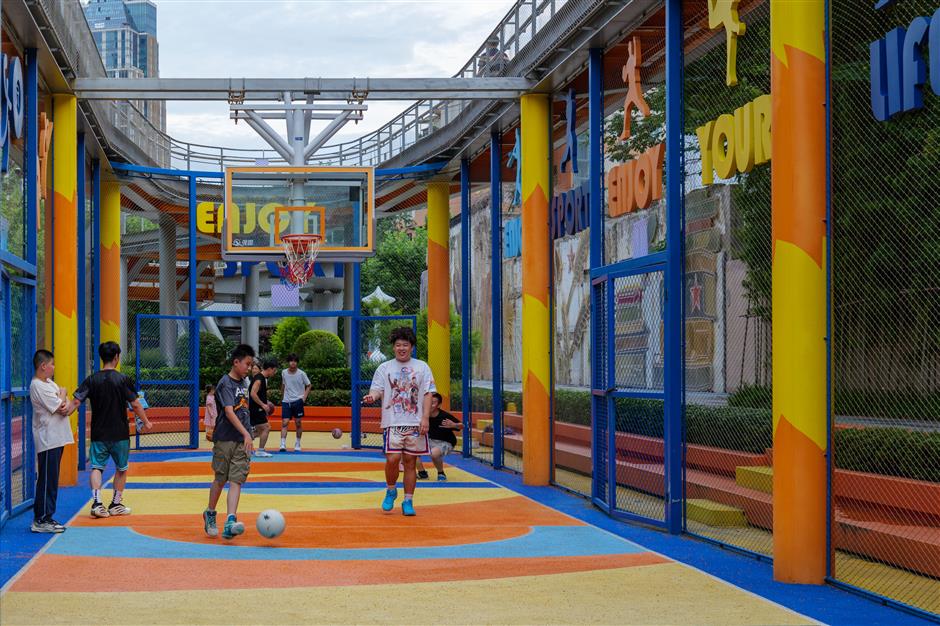
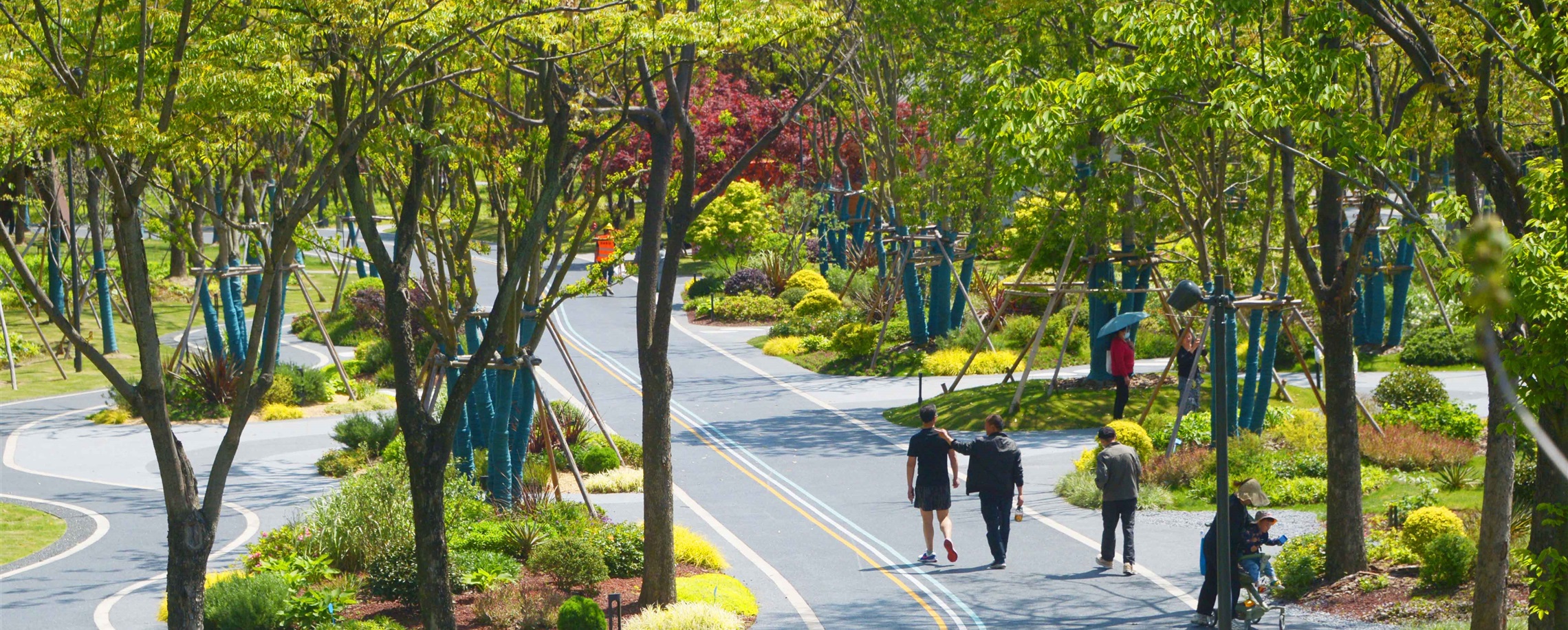
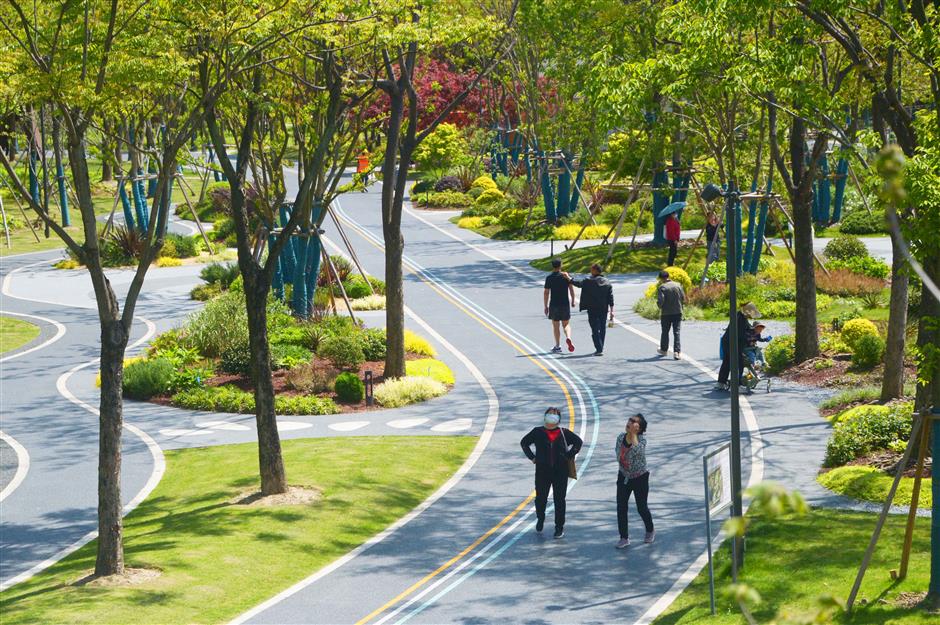
The manual's second Shanghai case looks at public space along the Outer Ring Road. The city is opening up a belt of trees planted in the 1990s as a buffer around the urban area.
In Changning District, residents can now walk or cycle for 6.25 kilometers through the trees without sharing the route with motor vehicles.
The conference also released the Chinese edition of the 2026 report on the Shanghai Adapted Index. Developed by UN-Habitat, China's housing ministry and the Shanghai government, the index combines city statistics with residents' survey responses to track how living conditions change over time.
This year's report applies the index to urban renewal, climate resilience, city governance, health and innovation.
For urban renewal, it examines whether residents have better housing, public services and access to green space after a neighborhood is renovated. For climate resilience, it looks at how well a city withstands and recovers from heat waves and heavy rain.
Five cities received this year's Shanghai Award on October 31 in Fuzhou, southeast China's Fujian Province, which hosted the global World Cities Day observance.
Shanghai and UN-Habitat established the award to recognize cities for progress in sustainable development. Among the winners is Santiago de Cali, Colombia, where housing upgrades include helping residents secure legal rights to the land they occupy.
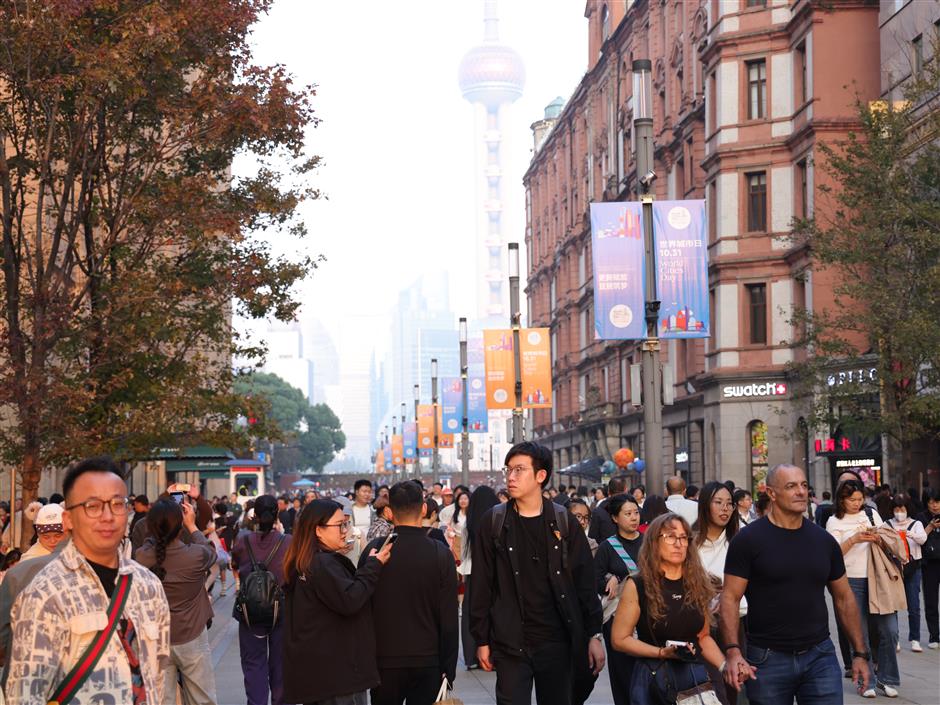
October 31 was the closing day of the 2010 World Expo, hosted by Shanghai. The Shanghai Declaration issued that day proposed an annual World Cities Day to carry forward the Expo's theme, "Better City, Better Life." The UN General Assembly designated the date in 2013, and Shanghai hosted the first observance in 2014.

Editor: Liu Qi
In Case You Missed It...

 Nov 3, 2026