[Chef's Table] How Linc Li's 'La Pomme de Terre' Went Viral
![[Chef's Table] How Linc Li's 'La Pomme de Terre' Went Viral](https://obj.shine.cn/files/2026/03/18/02a887a6-d86e-428f-9338-0971e5dd4f0a_0.jpg)
Chef's Table isn't your average Q&A. We swapped the notebook-and-recorder routine for something considerably more enjoyable: dinner. The conversation you're about to read happened over a real meal, and those food photos between the questions? That's what we actually ate, together, at the same table. No scripts. No fluff. Just the food, the drink, and whatever spills out when a chef relaxes. (Occasionally more than just the wine.) Got a chef we should be eating with? Name drop in the comments!
Linc Li didn't expect the hardest part of opening a restaurant to be the Internet.
![[Chef's Table] How Linc Li's 'La Pomme de Terre' Went Viral](https://obj.shine.cn/files/2026/03/18/803919e8-6404-4ae9-9c75-4f96ca9e143f_0.jpg)
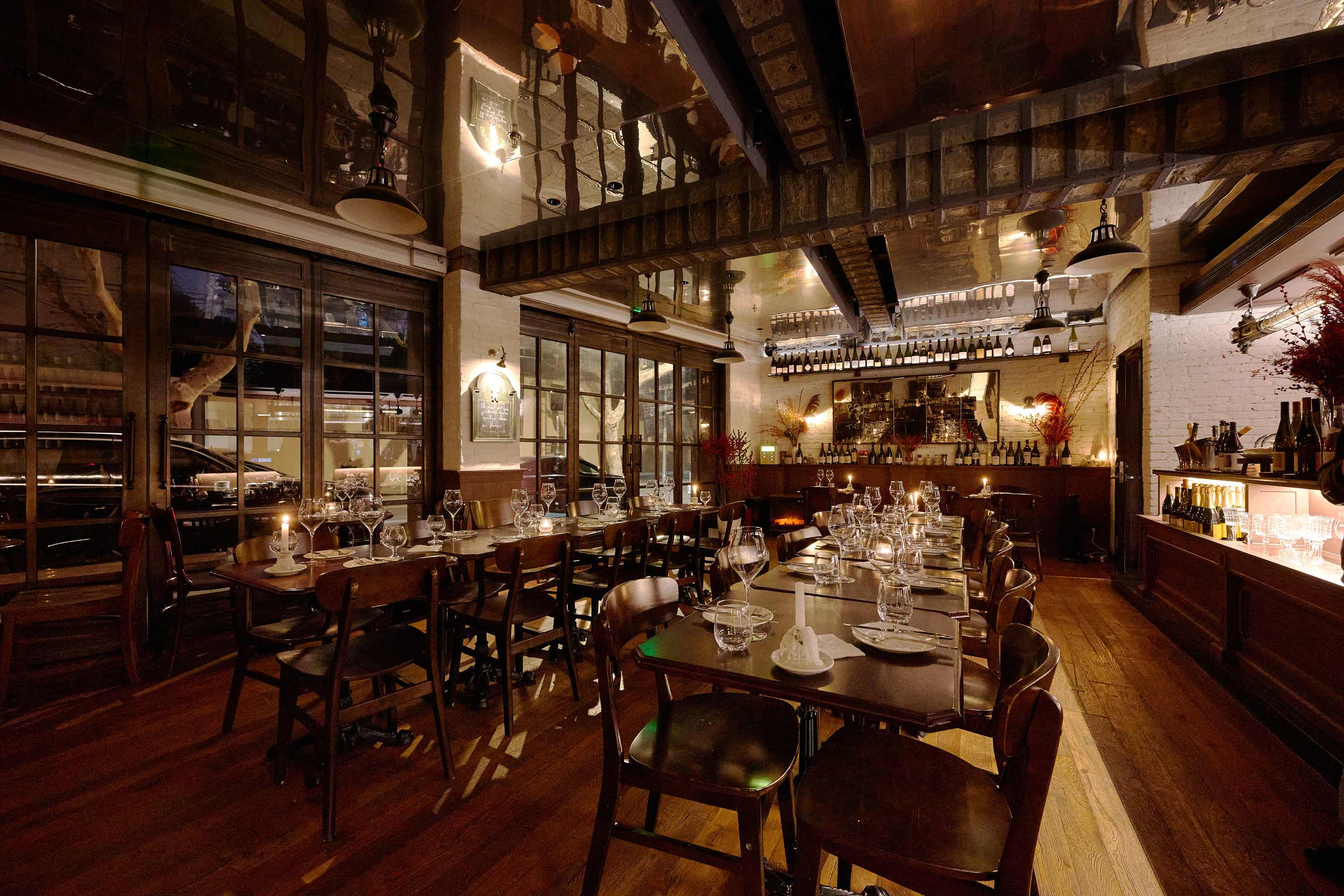
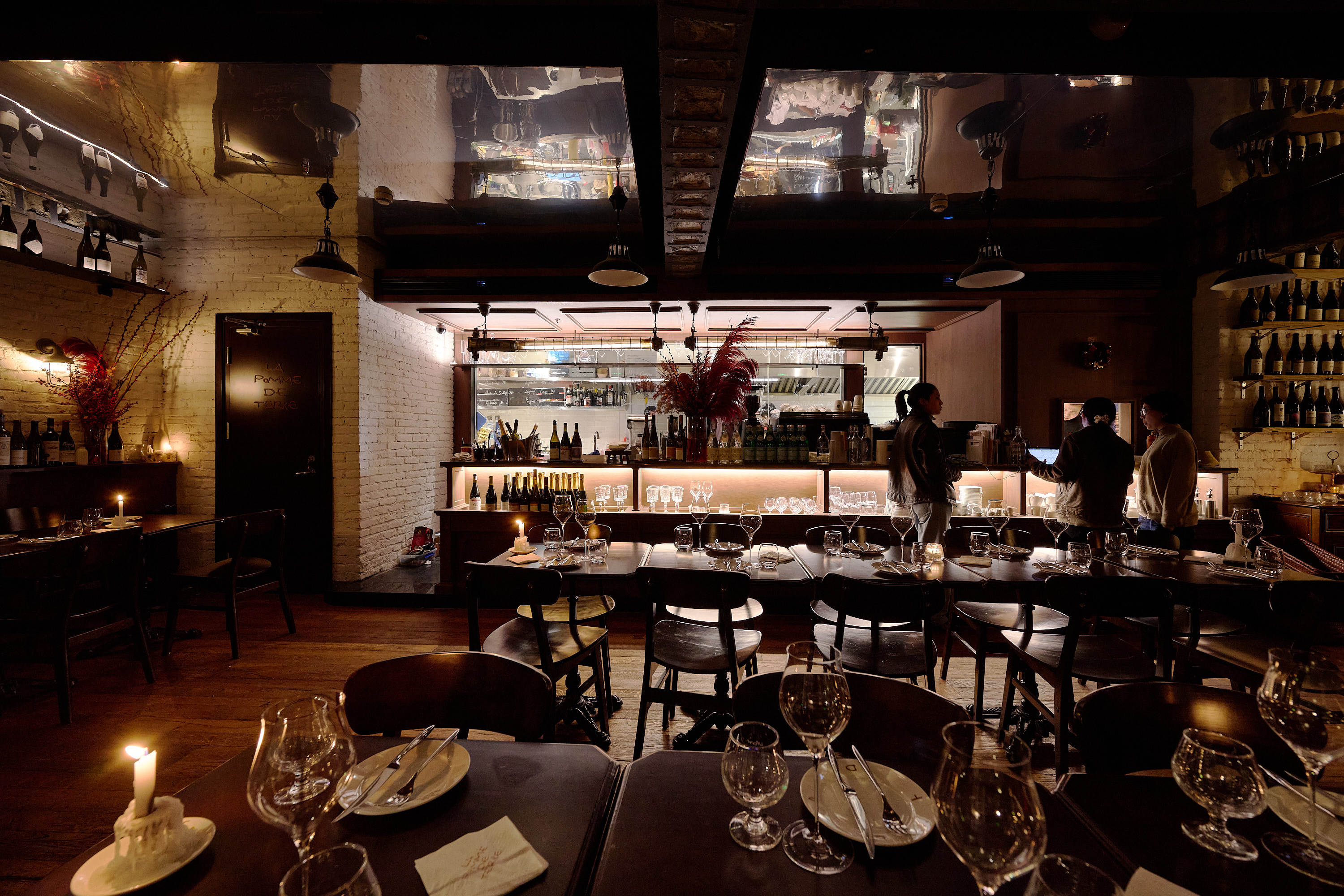
Just months after opening La Pomme de Terre, his softly-lit Yongfu Road French-Canadian bistro (right below Nono's) had already been tested by two forces shaping Shanghai's dining scene: the brutality of Dianping reviews and the unpredictable power of Xiaohongshu virality.
Li had never run a restaurant before. He didn't come from kitchens, hospitality groups or years in the industry. Instead, the Shenyang native – who spent nearly 12 years in Toronto before returning to China three years ago – took the leap largely on instinct.
Here, he tells CNS what he's learned about being a first-time restaurant owner in a dining culture increasingly mediated by online platforms.
CNS: What made you decide to open a restaurant, especially at a time when many in the industry are feeling pessimistic about its prospects?
Linc: I had never done F&B before, but I always had the idea that one day I wanted to open a restaurant. I love hospitality. I like hosting people. But when I came back to Shanghai, everybody says that this is not a great time to do F&B business because the market is still at a low pace, everybody is trying to recover from the COVID time.
Even so, I was looking for a location, talking to people in the industry. For two years, nothing really happened. There was never a place that felt right. Then I found this space. The minute I saw it, I thought: If not now, when? So I just pushed myself and signed the lease first. Everything else we can figure out later.
CNS: Did you already have the concept in mind?
Linc: Yes. Potato is something that no matter how rich you are, no matter what age, from what kind of family, what kind of country, we all eat potato. I wanted a restaurant where, maybe you don't love everything on the menu, but at least there's something you can eat and feel good about – something comforting, familiar.
![[Chef's Table] How Linc Li's 'La Pomme de Terre' Went Viral](https://obj.shine.cn/files/2026/03/18/e334fd28-6ff9-4162-a555-e417b11e424f_0.jpg)
CNS: How involved were you in creating the menu?
Linc: I had what I wanted in my mind already, a long time ago. I want to do two menus – one for brunch, which is what I eat every single day when I'm in Canada. Avocado toast, all-day breakfast, omelette. For dinner, I want to do something more French-Canadian.
CNS: How would you describe French-Canadian food? It's not exactly common in Shanghai...
Linc: Since the beginning, I wanted to do Canadian. But everybody was asking, what is Canadian food? I was struggling to answer. You have things like poutine or beavertails, but after that it's hard to define. What I remember were the small French restaurants in Montreal or Toronto – places that weren't strictly French, but multicultural. Multicultural food that still looks good on the plate, looks pretty, the vibe is right.
![[Chef's Table] How Linc Li's 'La Pomme de Terre' Went Viral](https://obj.shine.cn/files/2026/03/18/dd17be0d-29ff-4bee-aaf2-b97a182d1733_0.jpg)
CNS: So, pretty plating, vibe – aesthetics are very important to you.
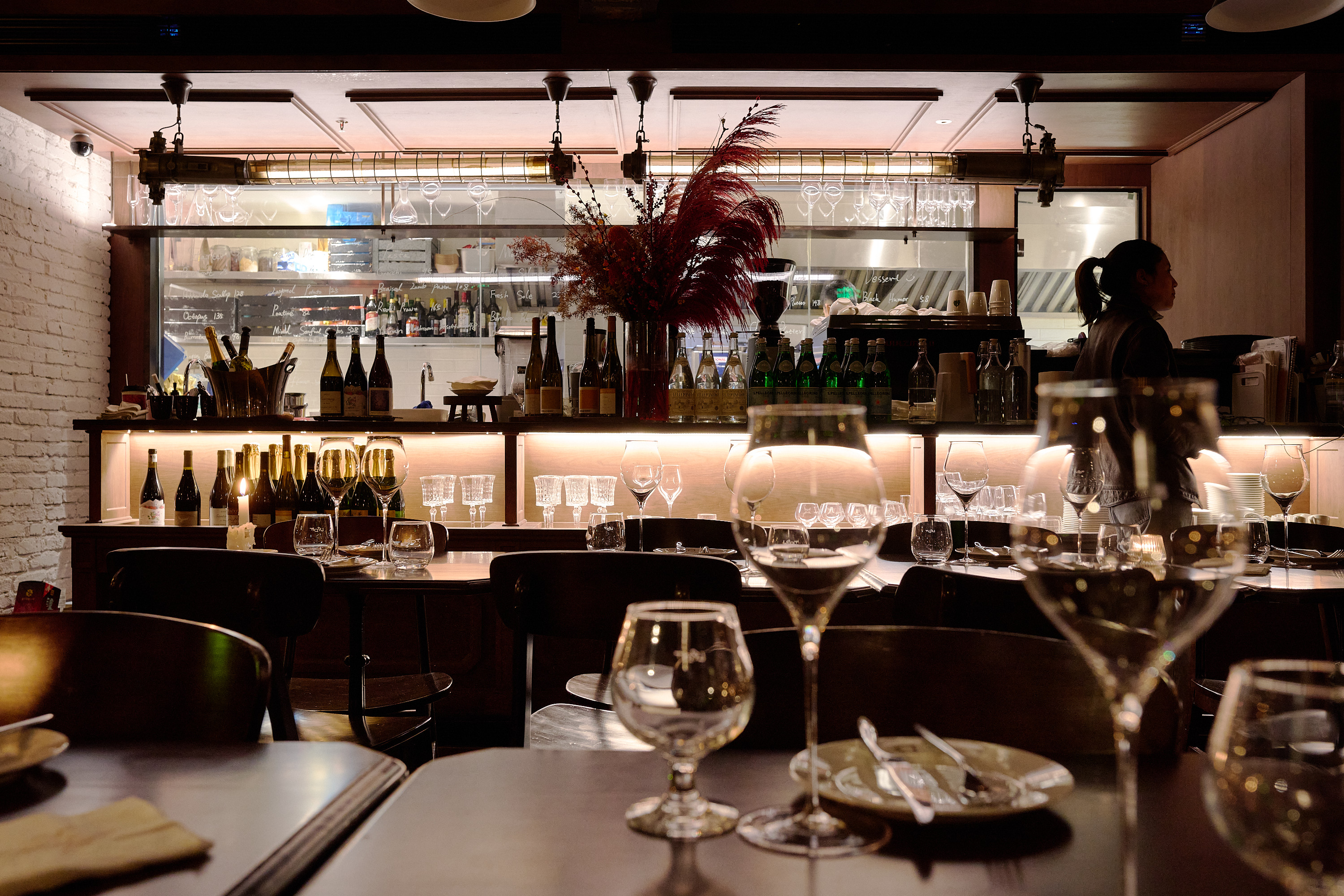
Linc: I like pretty things. I like places that feel beautiful: flowers, candles, small details. I like to be pretty, walk my cats in a beautiful place. All the flowers I did, the setting up, the little candles, the plates. The idea is that everything in the restaurant should match the image in my head. If I feel good in the space, hopefully the guests will too.
CNS: You mentioned earlier that you took time assembling your team. How did you meet your chef and sommeliers?
Linc: I trust my gut. The moment I meet someone, I can usually tell if we're going in the same direction. I wasn't looking for the most famous or most technically-perfect people.
Because I'm a newbie myself. What matters more to me is the vibe. Are they friendly? Are they willing to grow together? That kind of thing. Maybe that's the Canadian influence – I expect people to be friendly.
![[Chef's Table] How Linc Li's 'La Pomme de Terre' Went Viral](https://obj.shine.cn/files/2026/03/18/61ffe96a-cbd8-452c-ba5c-6af56afde63c_0.jpg)
CNS: You mentioned earlier that when you were networking in Shanghai's F&B scene, people weren't exactly encouraging.
Linc: People are nice, but people are also telling me that this is hard. I don't see much of the positive suggestions, to be honest, within the past two years. They all say that this is hard, you may need more professional logic, you've never done it. It's going to be just losing money and energy. But I really met more encouragement the minute I got this spot. They told me – do it, you'll be OK. I don't think there's any other people who are going to do it with this kind of drive.
CNS: You've been open for five months now. What's been the most surprising challenge?
Linc: Online reviews. I never thought the review platforms can really turn you upside down. Back in Canada, we have Yelp, we have the booking stuff, but people still just take a look at it for location and phone number. The reviews don't really make or break you.
But in Shanghai, I feel like the reviews can affect you a lot. Sometimes they can do you good. But now I feel like the platform is scaring people off by a little number rating.
![[Chef's Table] How Linc Li's 'La Pomme de Terre' Went Viral](https://obj.shine.cn/files/2026/03/18/52dd8e9b-70de-4d72-9c63-98e7271e772f_0.jpg)
CNS: Are you talking about Dianping?
Linc: Yeah. People are being really mean on Dianping. When people write a negative comment, others reply to it, and with that kind of engagement, they think, OK, what I say means something. But they don't care how it's going to affect restaurants and the people behind it.
CNS: How did it feel to see your first negative review?
Linc: I feel so bad. There are people who come to try our place, and they said, oh my God, you guys have some horrible reviews. But it's a free space. You've got to be flexible. I'm an entrepreneur. I want to survive. It's all part of the learning.
But you know, recently somebody DM'd me a photo they took of the restaurant while it was snowing. They were like, this is so pretty, I want to share it to you. And then I realized that hate reviews are so loud. But the people who love you usually don't speak up as much. Maybe four months later they send you a photo. So gentle, so touching. I could cry. So there are people who love us, maybe they're just not as loud speaking.
![[Chef's Table] How Linc Li's 'La Pomme de Terre' Went Viral](https://obj.shine.cn/files/2026/03/18/3cd557d6-9ed3-43d8-9abd-7b3148ac7fea_0.jpg)
CNS: The negative comments that you have received, do you feel any of them are fair?
Linc: To be honest, 50-60. Some of the bad reviews are fair. When we first opened, there were things we hadn't figured out yet with service, operations. That happens in the beginning.
But the platform makes it look worse than it is. A place open three years might have 4,000 good reviews and 100 bad ones and still look fine. We're new, we have maybe a few hundred good reviews and 50 bad ones – the negative reviews showed up first, so suddenly it looks terrible.
We try to fix everything – apologize, offer refunds, ask what they want. They say it's OK. Then the next day, online, it's not OK.
![[Chef's Table] How Linc Li's 'La Pomme de Terre' Went Viral](https://obj.shine.cn/files/2026/03/18/73e45c5f-042d-4a9b-bfcf-5a18f3838a90_0.jpg)
CNS: Even so, your restaurant reached wanghong (Internet-famous) popularity pretty early on. Did you expect that to happen?
Linc: No, I didn't. I thought it was going to be step by step. Then, one photo on Xiaohongshu, and over the past one or two months, they all came. It was so packed.
That photo was a popular poster, she was wearing a fur coat, holding a glass of wine, by the window. Now many customers also do it – fur coats, wine by the window. It wasn't at all what I expected, but I was happy because they are enjoying us.
CNS: What are some things you purposely decided NOT to do that you see everywhere in Shanghai restaurants?
Linc: You see the menus outside with photos, it's very commercial – I didn't want to do that. I also didn't want to do scanning QR codes. No little phone banks.
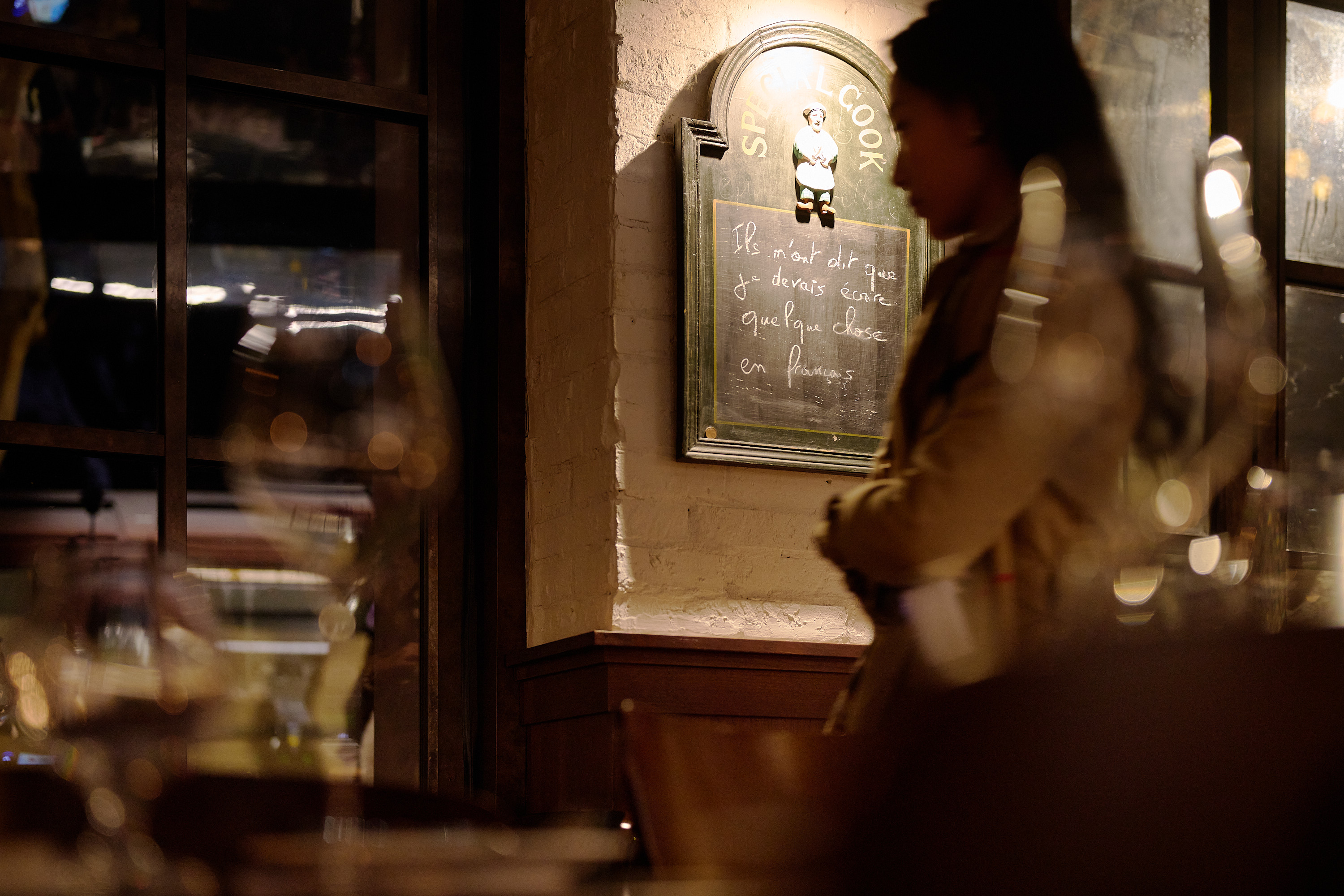
We have these handwritten notebooks to take your orders by hand. This is what I remember back in Canada. The whole interaction is part of the service you're enjoying. So every single step needs to be presented in alignment.
![[Chef's Table] How Linc Li's 'La Pomme de Terre' Went Viral](https://obj.shine.cn/files/2026/03/18/40b1b582-3a8b-41f3-8417-cc4ba010cb5b_0.jpg)
CNS: Where do you like to eat and drink in Shanghai?
Linc: I really like this quiet cocktail bar Tribeca, at this little street right beside INS. Another one is Bar Rock. It's Tibetan style. You take off your shoes. It's dark. It's cozy. You don't want to leave.
For restaurants... I love hotpot, of course. Recently, I keep going to Xinjiushi, a Beijing-style lamp hotpot place in iapm. I eat it when I feel so stressful and I don't want to socialize. I want to enjoy my food and have my me time. If I'm hanging out with my friends, for brunch, I like RAC.
![[Chef's Table] How Linc Li's 'La Pomme de Terre' Went Viral](https://obj.shine.cn/files/2026/03/18/c999aff3-9e8e-454a-8c7a-394bed876817_0.jpg)
CNS: What does success look like for you, a year or two from now?
Linc: I'm already looking for another location. Maybe in a mall. This one is for my love, for my drive, the first-time drive. Next one is for the money. Because if the industry gets difficult, I want something stable to support us.
Before, I was always looking for an excuse to run away or hide behind something. But when you open a restaurant, you can't do that anymore. Now if something goes wrong, I'm the one who has to say, I've got this. I'll fix it.
Impressions from the Table
At the table, the cooking shows confidence and control. A handful of dishes hit the French bistro brief with real conviction, while the rest of the menu casts a wider, crowd-conscious net. That's intentional. Linc has been clear he wants something for everyone. The result is a menu that can feel a little scattered at times, but is consistently well-executed. The by-the-glass wine list is short but serviceable, and priced in a way that can quickly push the bill upward.
As for the space, La Pomme de Terre often feels as much like a set as a dining room. Phones are out, angles are negotiated, and at times the line between dining and documenting blurs. It's not necessarily a flaw (for many, it's the draw) – but it does shape the experience. If you're after something more low-key, brunch or earlier dinner hours might be better.
Linc himself is almost always somewhere in the mix, checking in on diners and surveying the room. He's gregarious, open, and, notably, willing to take feedback on the chin and adjust. You get the sense he's building this place in real time, in earnest, without the usual layers of industry polish or defensiveness – and that sense of it being real comes through.
If you go…
La Pomme de Terre (土豆餐厅)
Opening hours: 11am-5:30pm (brunch), 6pm-11pm (dinner)
Average price: 300 yuan/per person
Tel: 1561-8527-609
Address: 47 Yongfu Rd, near Wuyuan Rd
永福路47号(近五原路)
![[Chef's Table] How Linc Li's 'La Pomme de Terre' Went Viral](https://obj.shine.cn/files/2026/03/18/d87b9feb-1628-48ec-9b70-1f77621f038f_0.jpg)
Editor: Liu Xiaolin
In Case You Missed It...

 Sep 18, 2026
![[See & Be Seen] Spot Your Friends @ The BritCham/NZ Weekend BBQ](https://obj.shine.cn/files/2026/09/15/214ad5f7-5692-499d-9bd4-478e60c2c833_0.jpg)
![[Current Trend] Inbound Tourism Booms in China, But Overseas Spending Lags](https://obj.shine.cn/files/2026/09/17/451f067c-84eb-4593-8b87-0c982bdbba77_0.jpg)