City Enhances Community-based Healthcare
Community-based healthcare now accounts for more than one-third of the city's total medical service volume, indicating that Shanghai has built a comprehensive community-oriented healthcare system and channeled high-quality medical resources to the grassroots level.
A tiered healthcare network has been established in the city. For common and chronic conditions, patients are referred to community health centers, while city- and district-level hospitals form medical clusters for complex diseases. Rehabilitation and long-term health management are handled in the community after surgery.
"Shanghai has built a convenient 15-minute neighborhood health service network, accessible to residents on foot or by bike within 15 minutes," Wen Daxiang stated at a press conference held by the National Health Commission on primary health care.
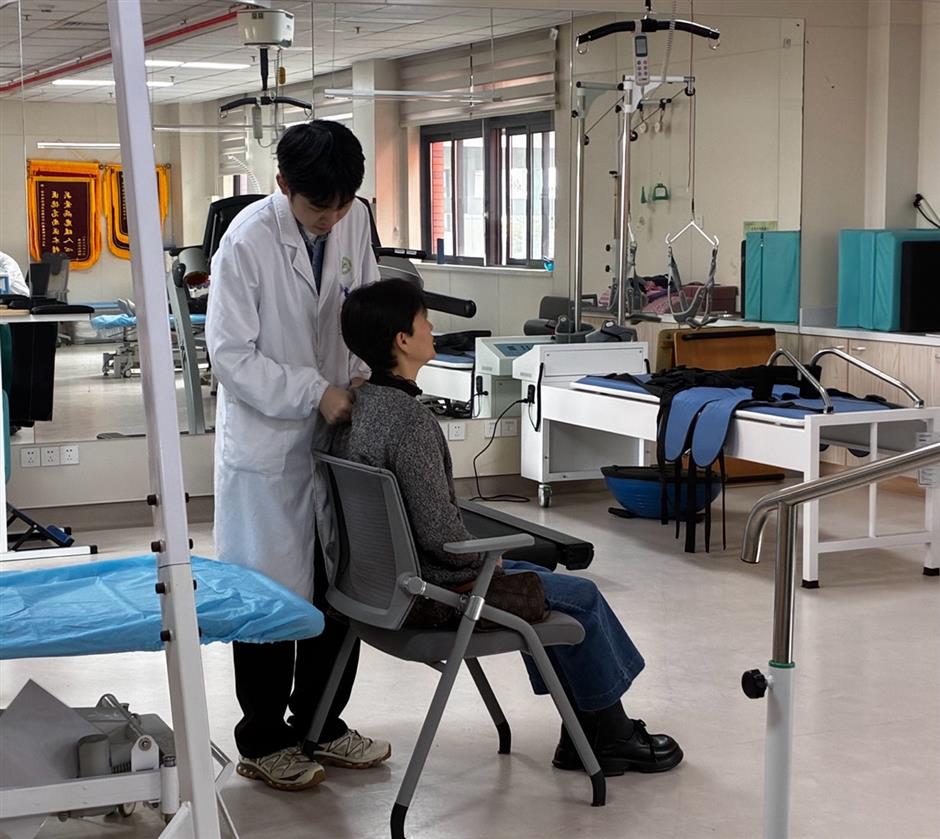
"Community health centers are actively developing on-site rehabilitation centers, nursing facilities, health management centers, standardized dental clinics and outpatient operating rooms while expanding services in pediatrics, dermatology, ENT, and mental health.
"These centers now offer medications for more than 140 chronic diseases, and all city- and district hospitals reserve half of their outpatient quotas for community-referred patients as priority."
Shanghai now provides general practitioner services in schools, offices, and industrial parks. Health officials have improved pediatric care, hospice care, home-based hospital beds, weight management, and intelligent health monitoring for the elderly and children.
Expatriates living in the city are also welcome to visit the community-based health centers for convenient, high-quality and price-friendly service, health center officials said.
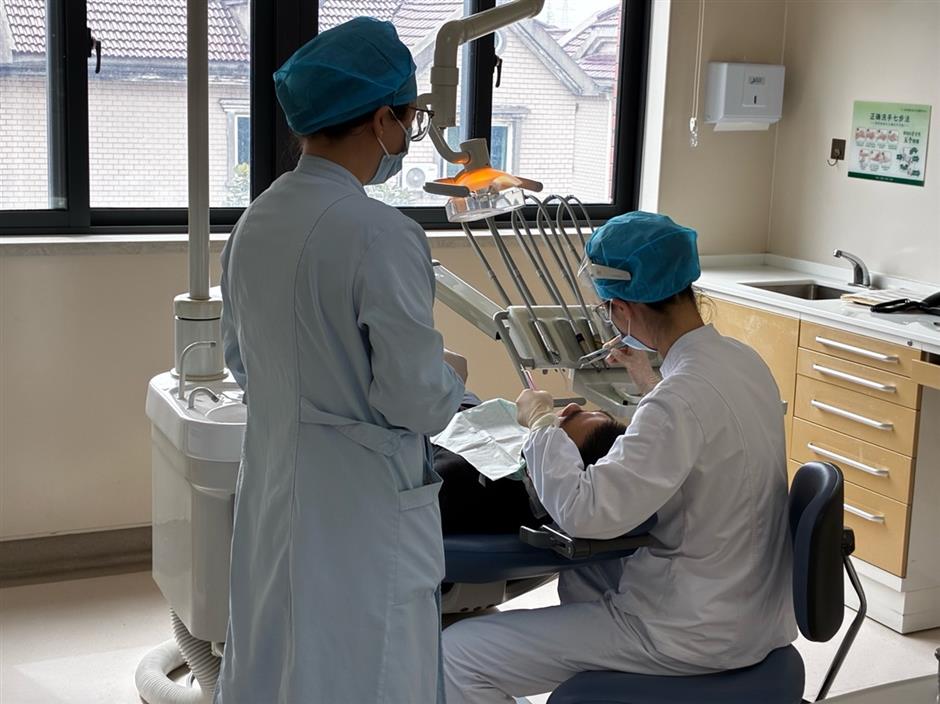
Anting Community Health Center in Jiading District offers dental, physical, vaccination, and TCM services. It is both a treatment facility and a health promotion hub, advising residents on prevention and screenings.
The center proactively sends reminders to local residents to attend scheduled health check-ups. "Many elderly residents are reluctant to undergo screenings, viewing them as inconvenient and dismissing discomfort as normal signs of aging," explained center director Shen Zhiping. "We send monthly reminders and educational materials to highlight the convenience and affordability of these tests, encouraging them to participate."
The free BrainHealth Initiative tests motor skills, memory, and logic. AI identifies high-risk patients with Parkinson's and Alzheimer's. After preliminary screening, at-risk patients are referred to higher-level hospital specialists for diagnosis and treatment within two weeks.
Anting Community Health Center has combined TCM and Western medicine to create unified, personalized treatment and rehabilitation plans to enhance services. Clinicians arrange care for patients who choose their therapy. Elderly TCM-favoring patients really like this model, which makes them more likely to seek medical care.
Editor: Fu Rong
In Case You Missed It...

 Aug 26, 2026
![[Chef's Table] A Secret Door on Yongkang Road Leads to 'Eight'](https://obj.shine.cn/files/2026/08/26/6848f4ef-0121-4b58-b741-5697291196a9_0.jpg)

![[SH Transit] How Shanghai's 'Air Express Lines' Speed Up Domestic Connections](https://obj.shine.cn/files/2026/08/25/39f368b4-c3fe-4776-853e-4d14e19ca50a_0.jpg)