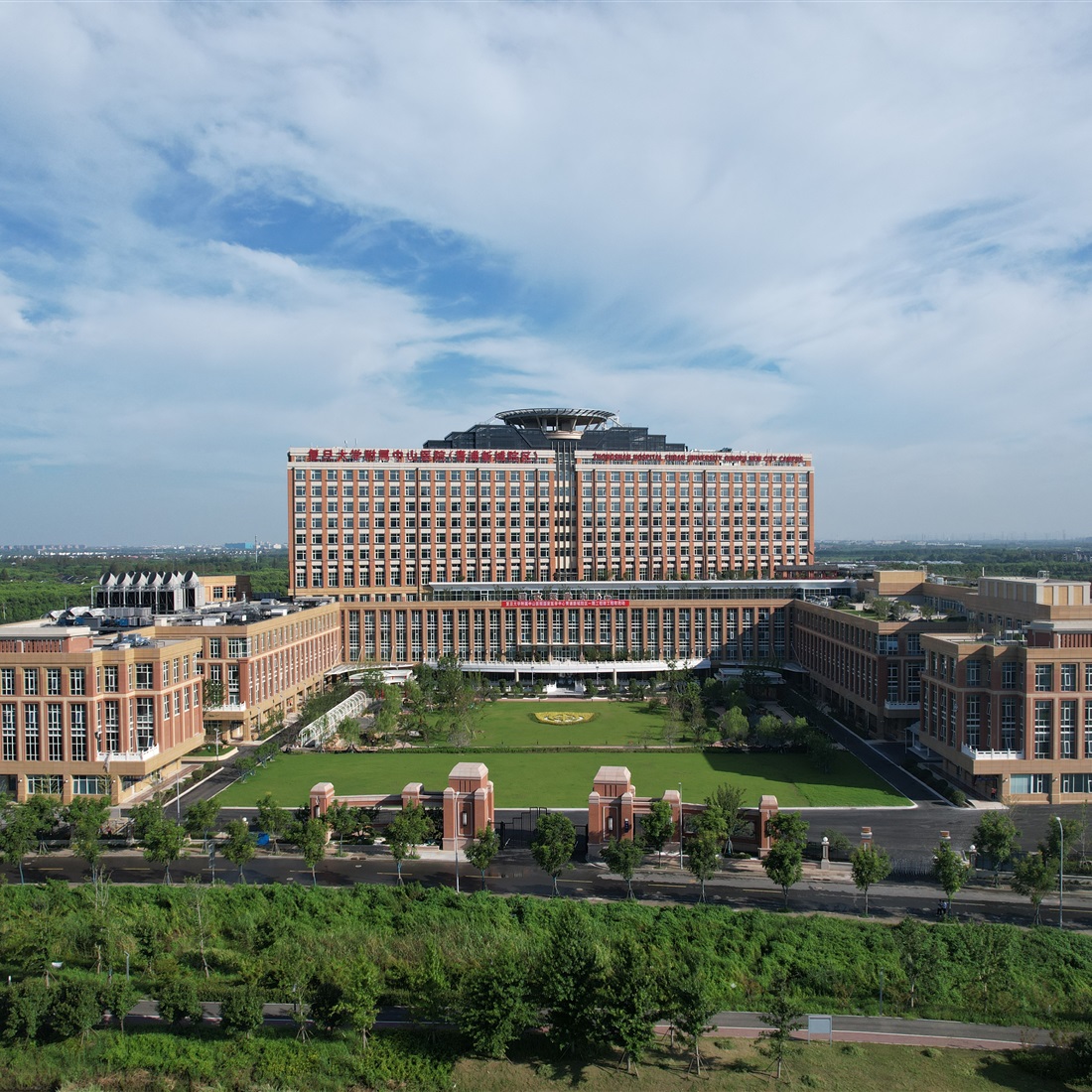
Shanghai Sixth People's Hospital Emergency: World-Class Trauma Care for International Patients
As Shanghai advances its ambition to become a globally competitive international medical hub, the Emergency Department of Shanghai Sixth People's Hospital stands out as a core public-hospital provider delivering high-volume, streamlined emergency and trauma services tailored for expatriates, international travellers and global residents.
Its integrated workflows and rapid turnaround compare favorably with emergency systems across Europe, North America and other major global cities, forming a key part of Shanghai's layered international medical ecosystem.
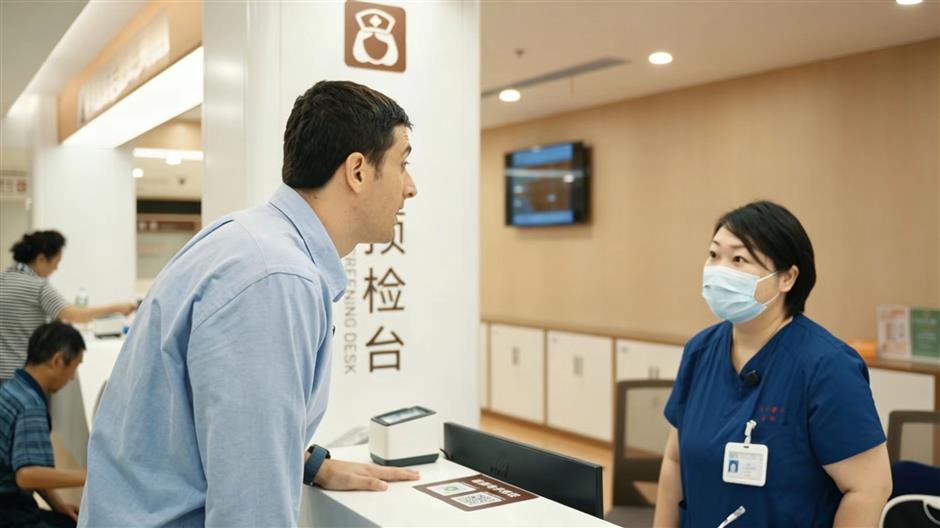
The city has rolled out the International Medical Service standard and launched public-hospital international care pilot programs, building a diversified healthcare network spanning public tertiary centers and specialized international medical facilities to meet the rising demand from a multinational population.
Within this landscape, Shanghai Sixth People's Hospital brings a unique edge: a world-renowned trauma center capable of handling complex, time-critical injuries, a clinical strength highly sought after by visitors and foreign workers in the metropolis.
"Our emergency unit handles 1,500 to 1,600 visits daily, among which 400 to 500 are trauma cases. It is widely recognized locally for unmatched expertise in fractures and traumatic injuries. A dedicated acute pain service is embedded directly into the emergency workflow: pain is formally managed as the fifth vital sign," said Ma Xin, president of Shanghai Sixth People's Hospital.
"Clinicians deliver timely analgesia while patients await imaging, reduction or surgery, easing distress and stabilizing physiological status – a patient-centered benchmark aligned with top global emergency medicine standards. Our hospital is also the first public hospital to offer pain management in the city."
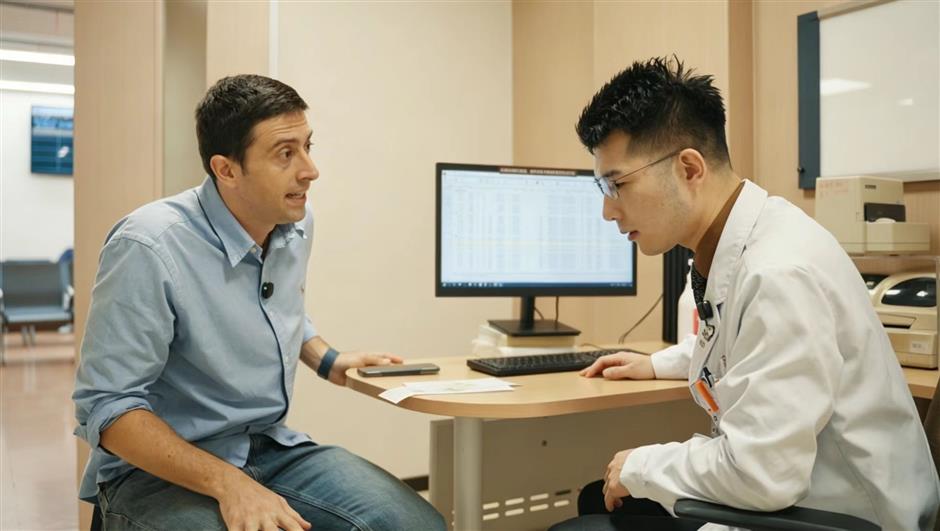
Its biggest competitive advantage for overseas patients is the one-stop hybrid trauma suite. Unlike many Western emergency pathways, where patients often move sequentially between triage, radiology, separate resuscitation bays and distant operating theatres – creating long transfer delays – critically injured patients here stay in the same resuscitation space without repeated shifting.
They receive a rapid whole-body CT scan, supported by AI-powered instant analysis to identify brain injury, internal bleeding, pneumothorax and visceral rupture. Orthopedics, neurosurgery, thoracic surgery and general surgery specialists converge on-site immediately for MDT (multidisciplinary team) rounds to rank surgical priorities.
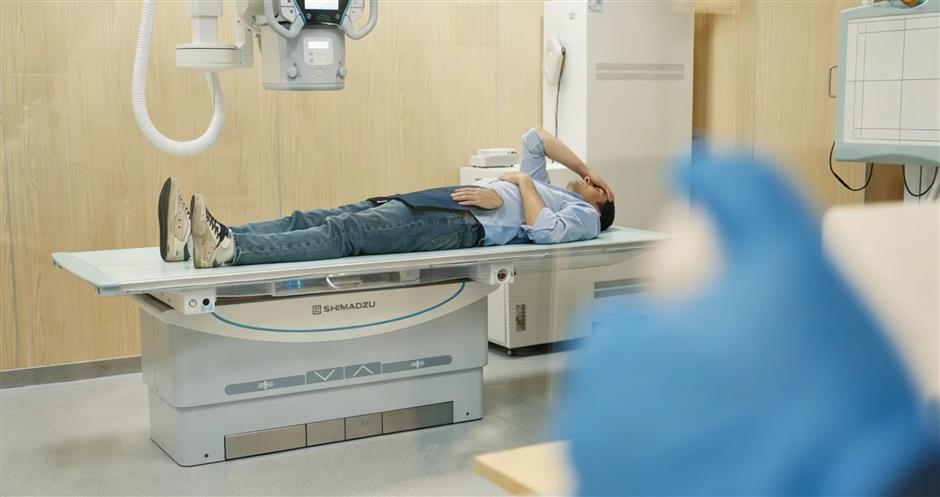
Nearly 70 percent of severe pelvic fractures across Shanghai are managed at this center. Pelvic trauma carries catastrophic bleeding risks.
Inside the hybrid room, DSA (digital subtraction angiography) endovascular embolization can be performed first to halt life-threatening hemorrhage, followed by staged fracture fixation and visceral repair, all within the same unit. This parallel, integrated model can get severely injured patients from arrival to initial life-saving intervention in as little as 40 minutes, well ahead of the widely cited international "golden hour" trauma target.
By contrast, many busy emergency departments abroad face prolonged triage, administrative, insurance and inter-department handover delays; severely injured patients frequently wait hours for cross-speciality coordination and access to hybrid theater capacity.
Strong bilingual clinical capacity underpins its international service.
"A large cohort of attending physicians and nurses at our hospital speak fluent English and are experienced in caring for foreign travellers and residents," Ma said. "Many international patients remark on the stark difference in turnaround speed: rapid triage, same-day imaging and definitive surgery within six hours for time-critical injuries. In numerous Western settings, even urgent orthopedic and trauma cases can face multi-hour waits for scans, specialist review and operative slots. Overseas visitors often describe this level of responsiveness as 'China's medical speed'."
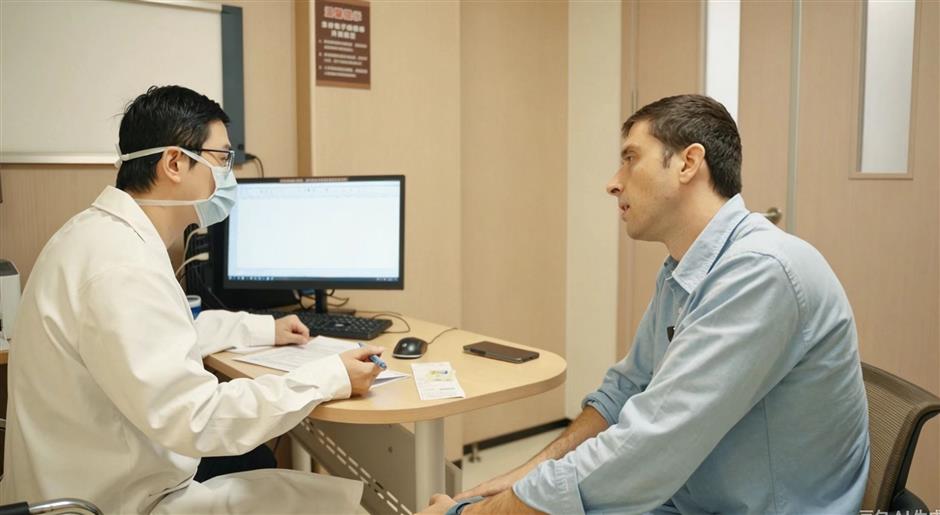
Many of the hospital's surgeons have completed advanced training overseas. They combine global clinical frameworks with deep, high-volume experience built from the center's enormous caseload of complex polytrauma. Imaging quality, surgical standards and clinical outcomes are internationally comparable, while the overall cost of care remains far more accessible for self-paying international patients.
"Beyond emergency trauma, our hospital expands flexible access, including noon, evening and weekend clinics at the outpatient department, catering to busy office workers, students and as well as expat visitors and tourists," Ma added.
"Our team openly acknowledges areas for continuous refinement, yet remains committed to delivering international-standard, compassionate trauma and emergency care for all patients, reinforcing Shanghai's reputation as a trusted destination for high-quality, efficient emergency and trauma treatment."
Editor: Li Qian
In Case You Missed It...
 Nov 2, 2026