Shanghai Hospital Launches Pioneering Emergency Pain Relief Service
Shanghai Sixth People's Hospital has launched an innovative emergency waiting-period analgesia clinic, introducing a people-centered pain management model for patients suffering from acute pain – a long-awaited upgrade to emergency medical services.
As the first of its kind in Shanghai, this specialized emergency service enables patients with orthopedic trauma, accidental injuries, and other pains like severe toothaches and intense headaches to receive timely pain relief before surgery. It also allows them to rest comfortably while waiting for further diagnostic treatment the next day, according to hospital authorities.
Serving as a top-tier urban trauma center and home to the National Center for Orthopedics, the hospital's emergency department treats hundreds of patients with accidental injuries, fractures, and soft tissue damage on a daily basis. Most of these patients endure severe acute pain throughout pre-examination and pre-treatment waiting procedures.
"Most patients with fractures or dislocations experience excruciating pain. Prolonged waits for imaging scans and specialist consultations not only cause severe physical and mental distress but also trigger tachycardia and elevated blood pressure. This increases the risk of cardiovascular emergencies and inflammatory responses, while compromising postoperative recovery outcomes," explained Dr Wang Xiaofeng, an anesthesiologist at the clinic. "Timely and targeted pain control calms patients, improves medical compliance, and optimizes overall treatment efficacy."
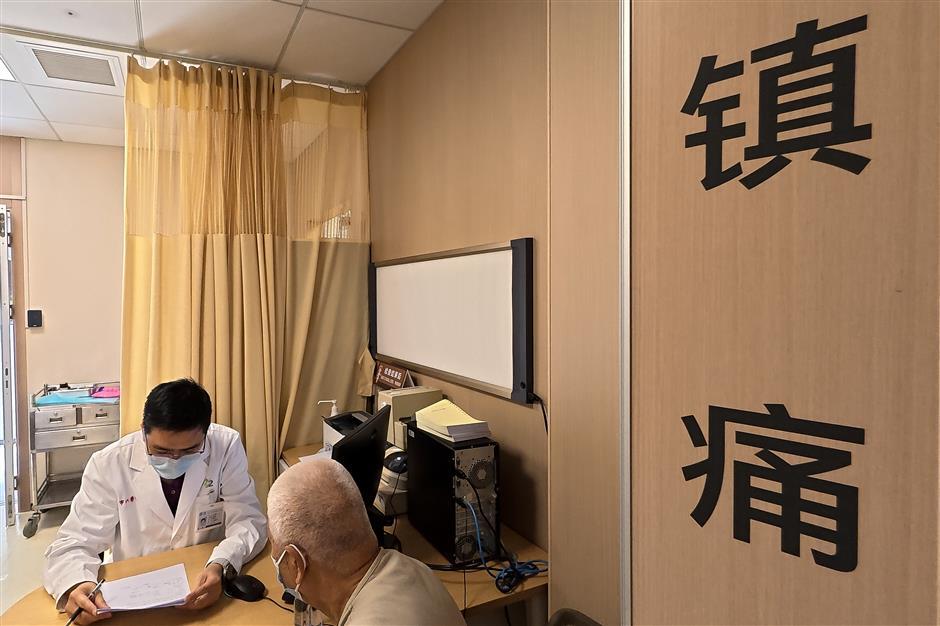
At the dedicated analgesia clinic, anesthesiologists conduct rapid patient assessments and administer personalized pain relief regimens. This pioneering initiative transforms emergency care from passive pain tolerance to active, early pain intervention.
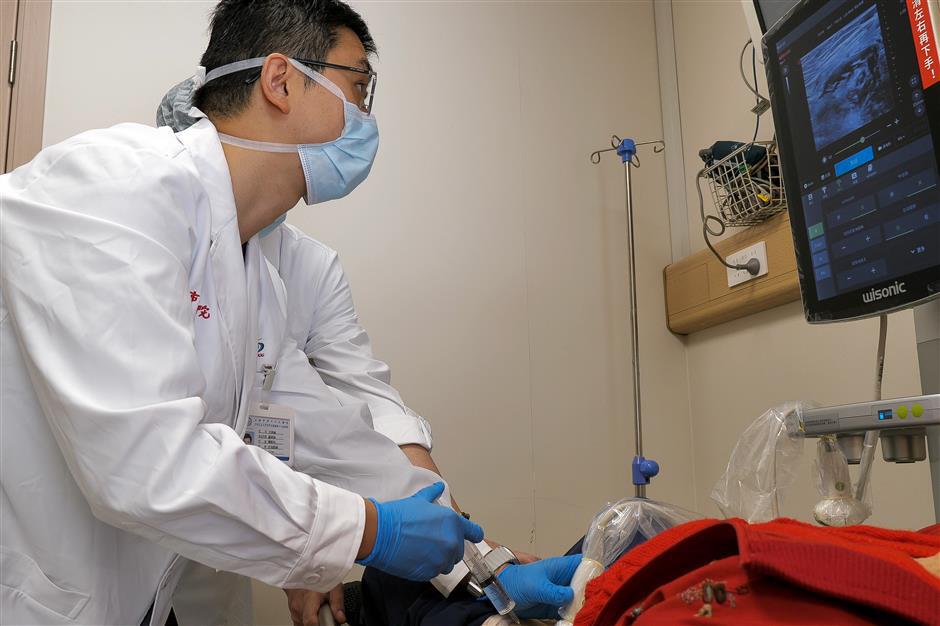
"For elderly patients with femoral neck fractures, we deliver targeted regional nerve blocks to avoid interfering with underlying conditions and daily bodily functions. This method effectively alleviates more than half of acute pain symptoms," Wang noted. "For patients fitted with analgesia pumps, pain intensity can be reduced by up to 90 percent."
Appropriate preoperative pain stabilization sustains vital sign stability, eases negative emotions, mitigates inflammatory responses, and significantly lowers the incidence of postoperative delirium and cognitive dysfunction among elderly patients. It also lays a solid foundation for safer surgery and faster postoperative rehabilitation, doctors explained.
Dr Ma Xin, president of Shanghai Sixth People's Hospital, pointed out that pain has been globally recognized as the fifth vital sign, alongside body temperature, blood pressure, pulse and respiration. Nevertheless, traditional emergency care has long neglected patients' acute pain during preoperative waiting stages.
"Our hospital receives hundreds of trauma patients with severe pain from fractures and dislocations every day. Unmanaged acute pain, especially among the elderly, can lead to delirium, unstable vital signs and additional medical complications," Ma said.
"Leveraging our strengths in anesthesiology and pain management as a municipal-level pain treatment center, we have integrated multidisciplinary resources to implement early and proactive pain intervention. For patients with a pain score exceeding 4 (on a 0-10 scale), standardized multimodal analgesia is administered to deliver sustained pain relief for over ten consecutive hours."
Initially designed for orthopedic trauma patients awaiting fracture reduction or surgery, the service has now expanded to cover urgent acute pain conditions, including severe toothaches and migraines. It provides interim pain control to ensure safe waiting periods for subsequent specialist treatment, he added.
The pilot program has yielded remarkable clinical outcomes. Extending pain-free medical services from inpatient wards to the emergency department, the hospital has broken the outdated medical mindset that "pain must be endured".
"We adopt evidence-based multimodal analgesia instead of simple single-dose painkiller injections. The protocol prioritizes nerve block techniques and non-steroidal anti-inflammatory drugs, reducing opioid reliance and effectively minimizing common side effects such as nausea, vomiting and respiratory depression," Ma added.
Early and standardized pain intervention stabilizes patients' vital signs, facilitates better cooperation with preoperative preparations, shortens average hospital stays, and reduces long-term risks of chronic pain and post-traumatic stress disorders.
"This practice aligns with international medical standards. It accelerates our hospital's transformation from disease-centric treatment to humanistic, patient-oriented care," he emphasized.
"We aim to raise widespread awareness that trauma-induced pain requires urgent intervention, rather than being regarded as an inevitable part of medical treatment. Ultimately, we are striving to enable all patients to receive safe, comfortable and humane medical care."
Editor: Fu Rong
In Case You Missed It...
 May 18, 2026
![[PETAL Insights] A Clot's Confession: What Actually Keeps It Away](https://obj.shine.cn/files/2026/05/14/55317f8d-b24e-4d7e-88f9-40f8090a932b_0.jpg)