[First in SH] Neo Young 6, K-Pop Debuts, and the Mall Wars
![[First in SH] Neo Young 6, K-Pop Debuts, and the Mall Wars](https://obj.shine.cn/files/2026/05/11/04eba1f8-8810-49a3-b46e-0b8d4b4abac5_0.jpg)
First in Shanghai is a column about Shanghai's "debut economy," which emphasizes being first, fast and everywhere. The policy project has become a citywide phenomenon combining economic planning and cultural spectacle. This series will examine how local and international companies are using Shanghai to launch goods and create experiences. Its retail is ritual, and commerce is an event, and we're here to explain what it all means. Here are some of the latest "first stores" to launch in the city.
The former Pacific Department Store site in Xujiahui has been many things to many Shanghainese over the past 30 years, most of them fond. It closed in August 2023, did the full renovation thing, and reopened on April 22 as Neo Young 6, which is what the Shanghai Sixth Department Store is now calling itself.
The headline feature is a naked-eye 3D screen spanning over 1,000 square meters, running in 8K, and generating exactly the kind of crowds you'd expect from something that large and that shiny dropping into a district that already sees half a million visitors a day. It's become a talking point. That part is working.
Spatially, the old department store layout (rigid, dated, the usual) has been ripped out and replaced with what they're calling a "nine-level spatial gradient," which sounds like marketing but apparently involves warm wood tones, soft beige palettes, and enough reflective terrazzo to make the whole thing feel genuinely open. Whether that translates into a mall worth going back to more than once is the real question. First impressions, at least, suggest they've put serious thought into not just making it look good on your phone.
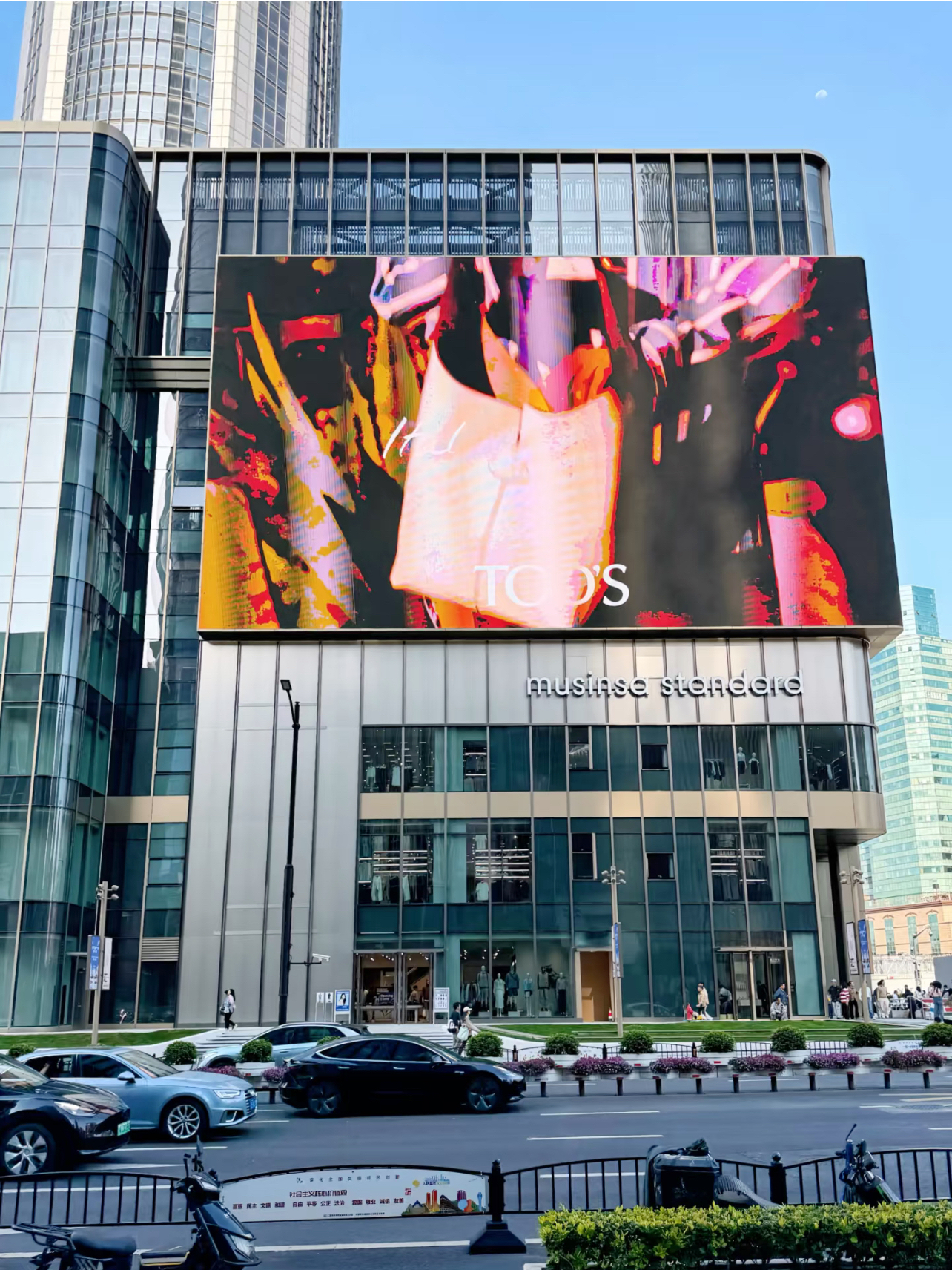
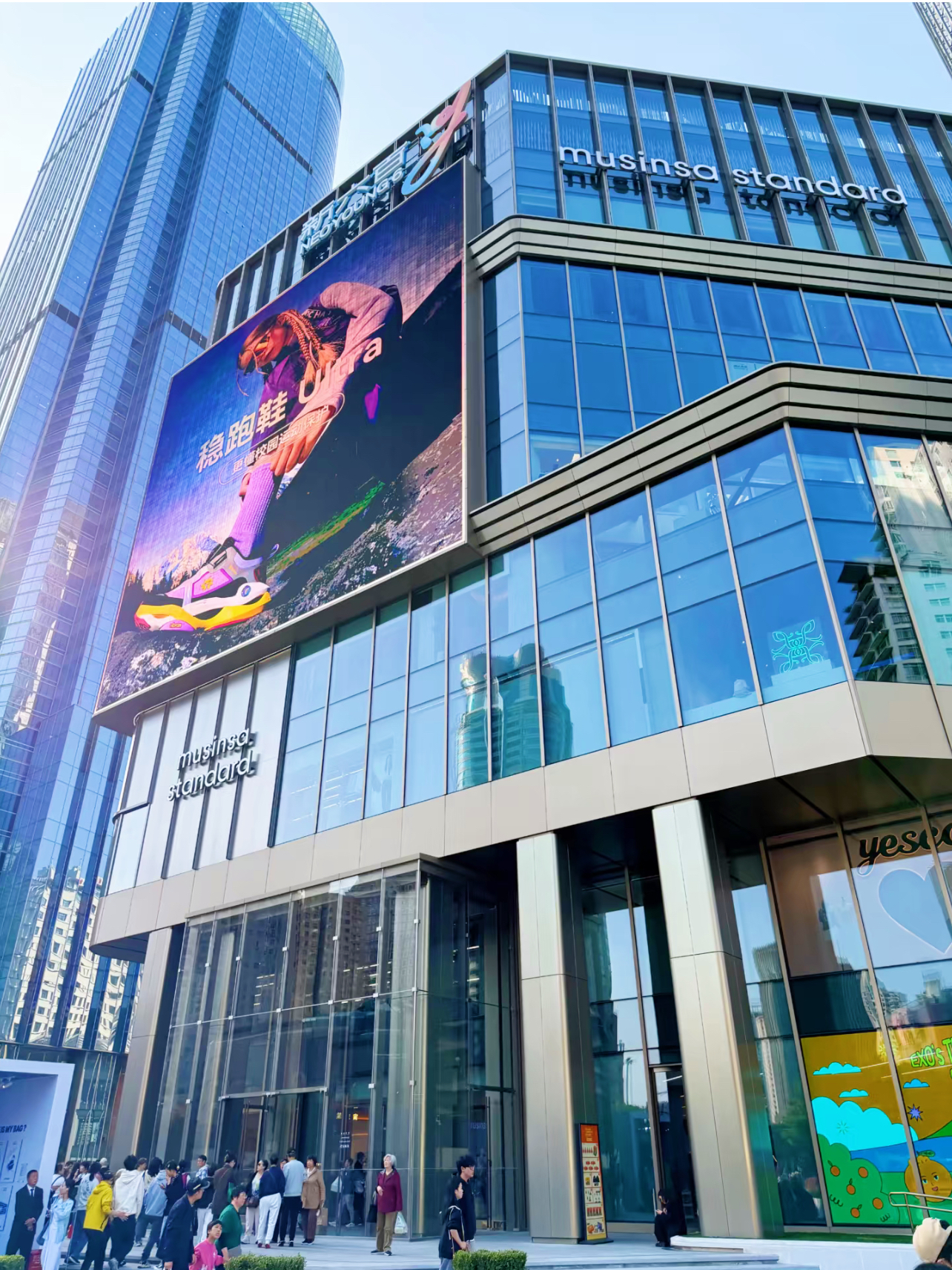
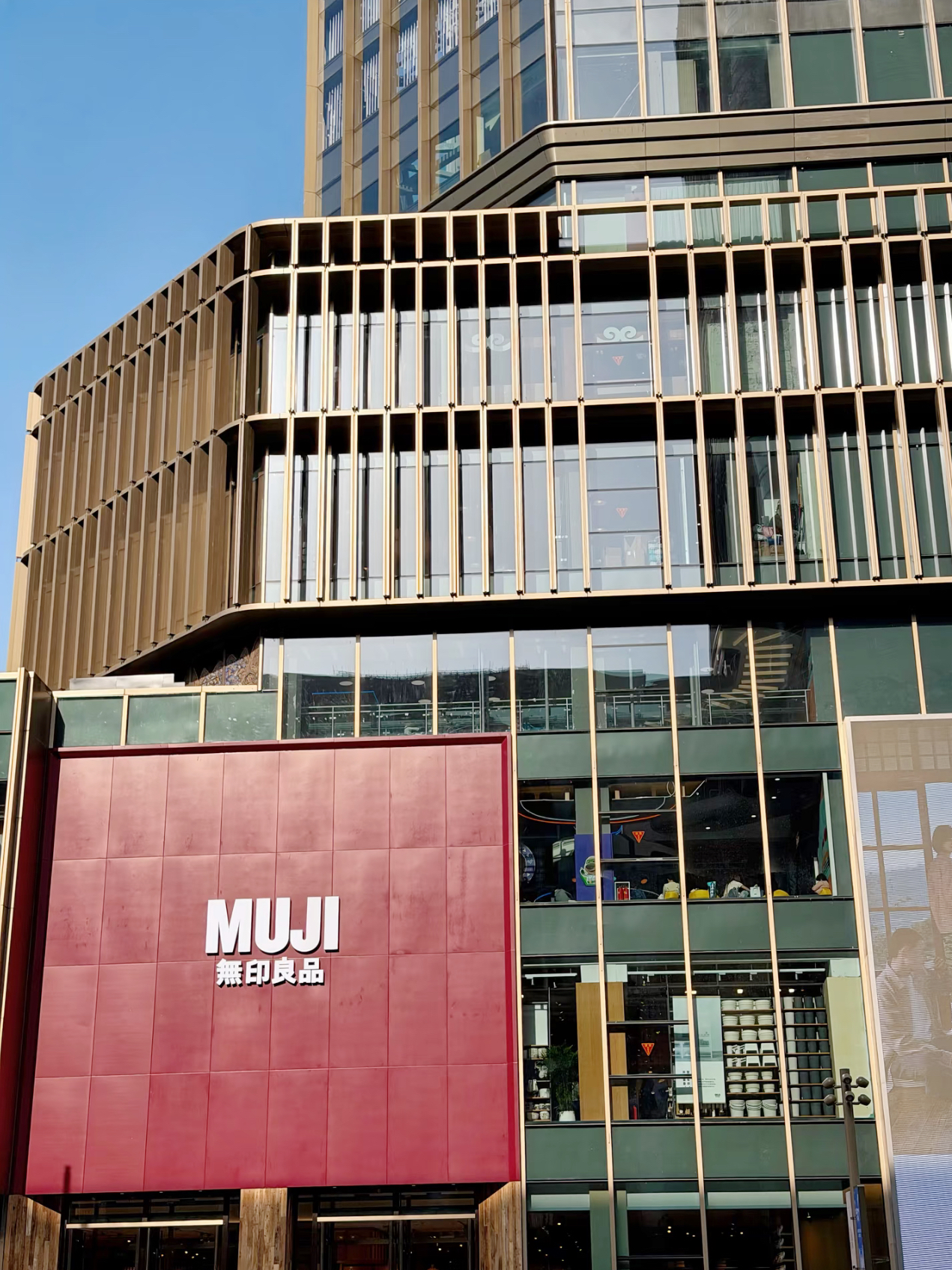
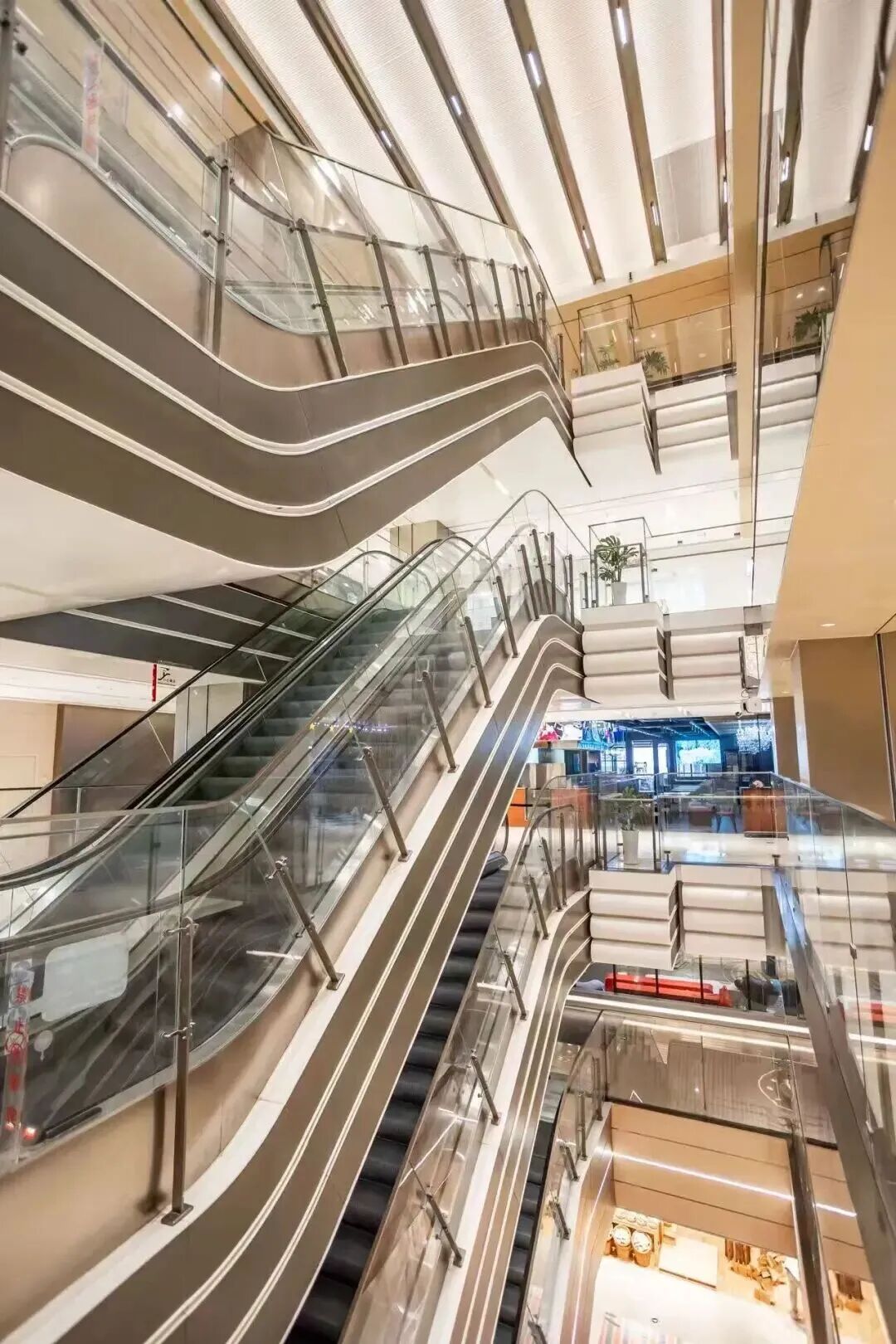
The themed zones (an "urban playground," a "family co-living hub," an "urban social space") are the kind of names that feel slightly exhausting to type but make sense once you're inside a 32,000-square-meter building that needs to be all things to all people.
The location helps enormously. Xujiahui is not a neighborhood that needs explaining to anyone who's spent time in this city, and 500,000 daily visitors moving through its transport network means the footfall problem is essentially solved before a single tenant signs a lease.
What's actually notable here is the tenant mix. Over half of Neo Young 6's shops are either first stores or flagship locations, which, according to Eastday, is still relatively rare for Shanghai's recent commercial redevelopments. The pitch is "fan economy plus family-friendly experiences," which covers a lot of ground but broadly means: things that make younger consumers feel like they got there first, and things that give parents a reason to stick around.
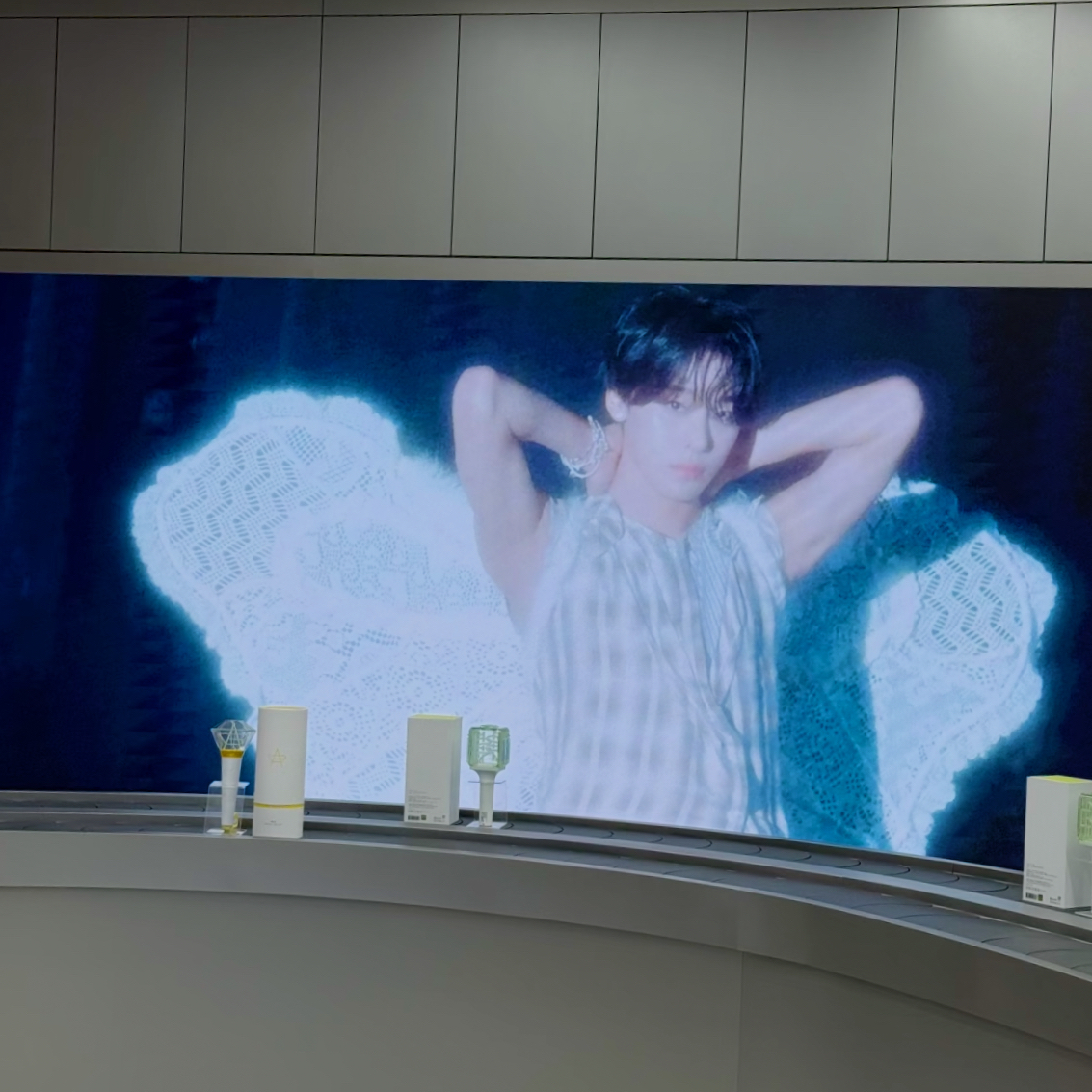
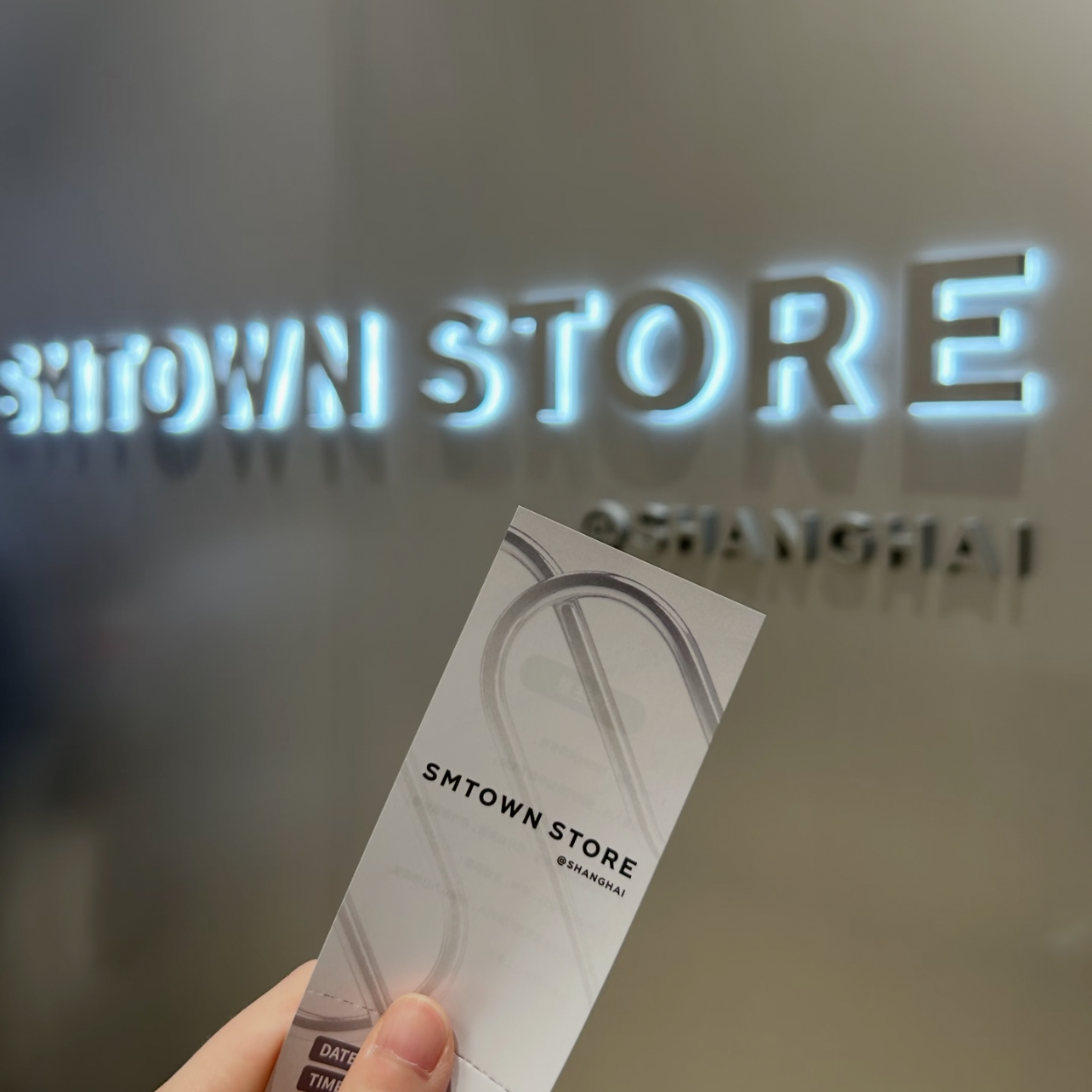
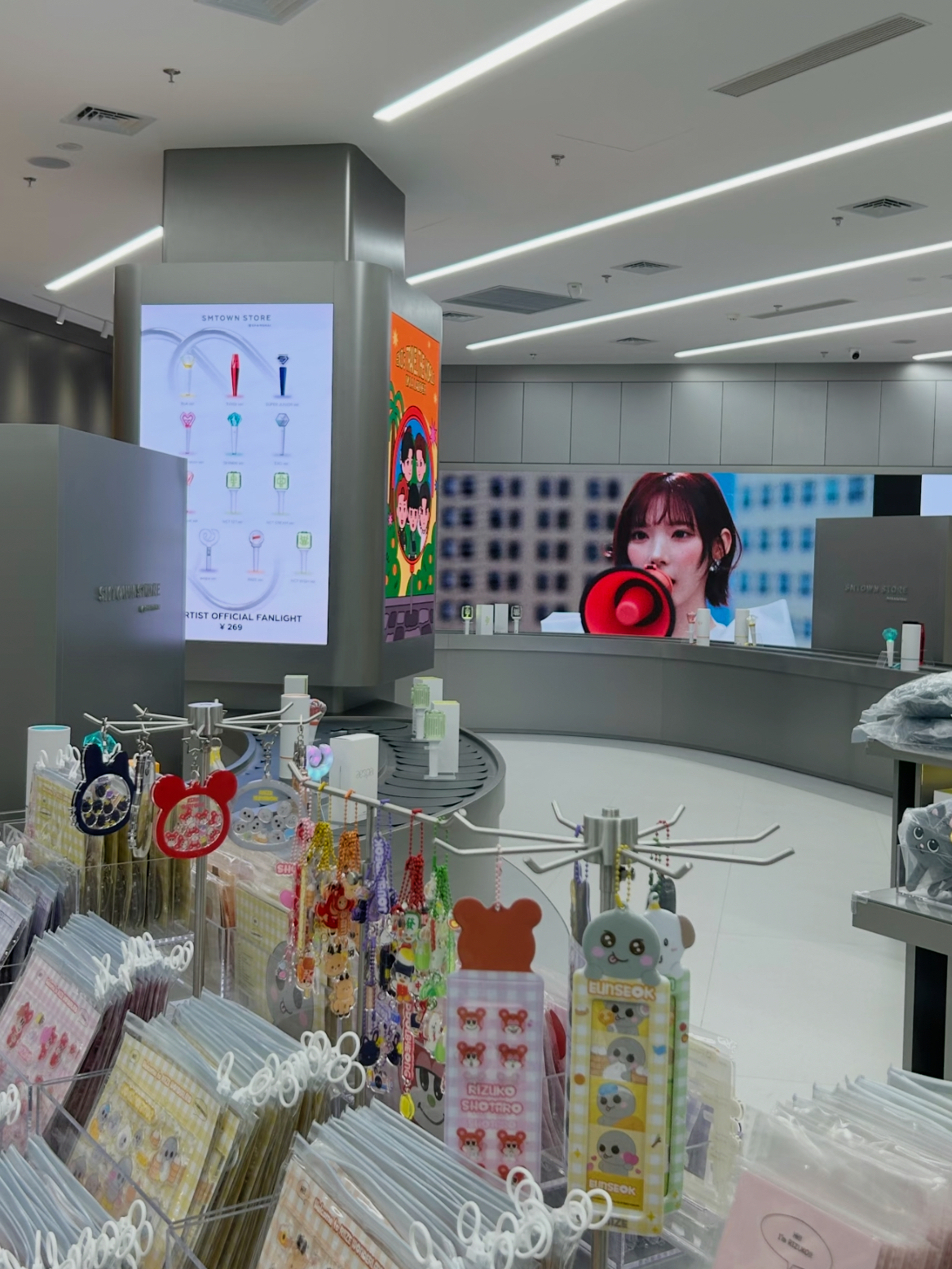
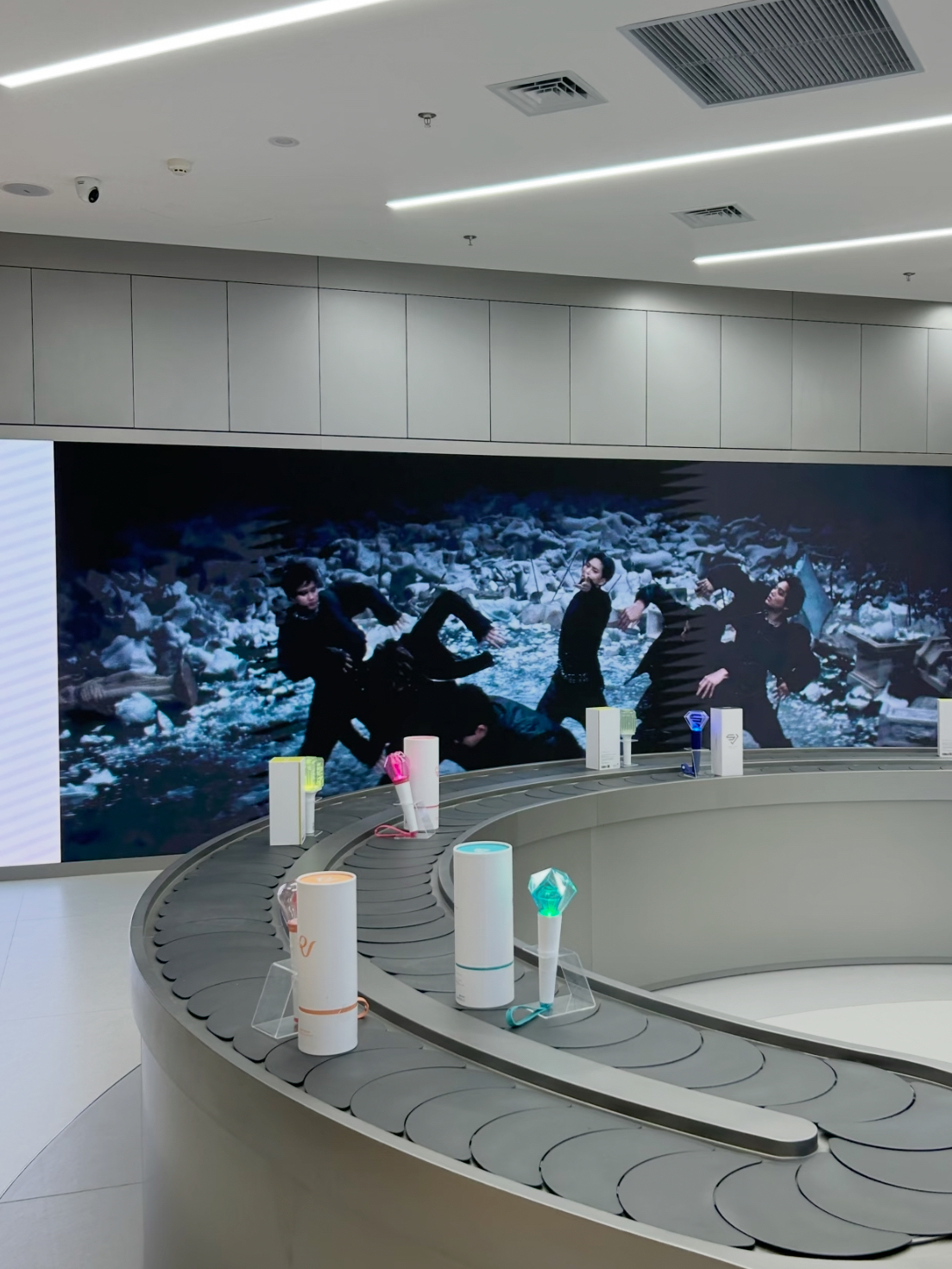
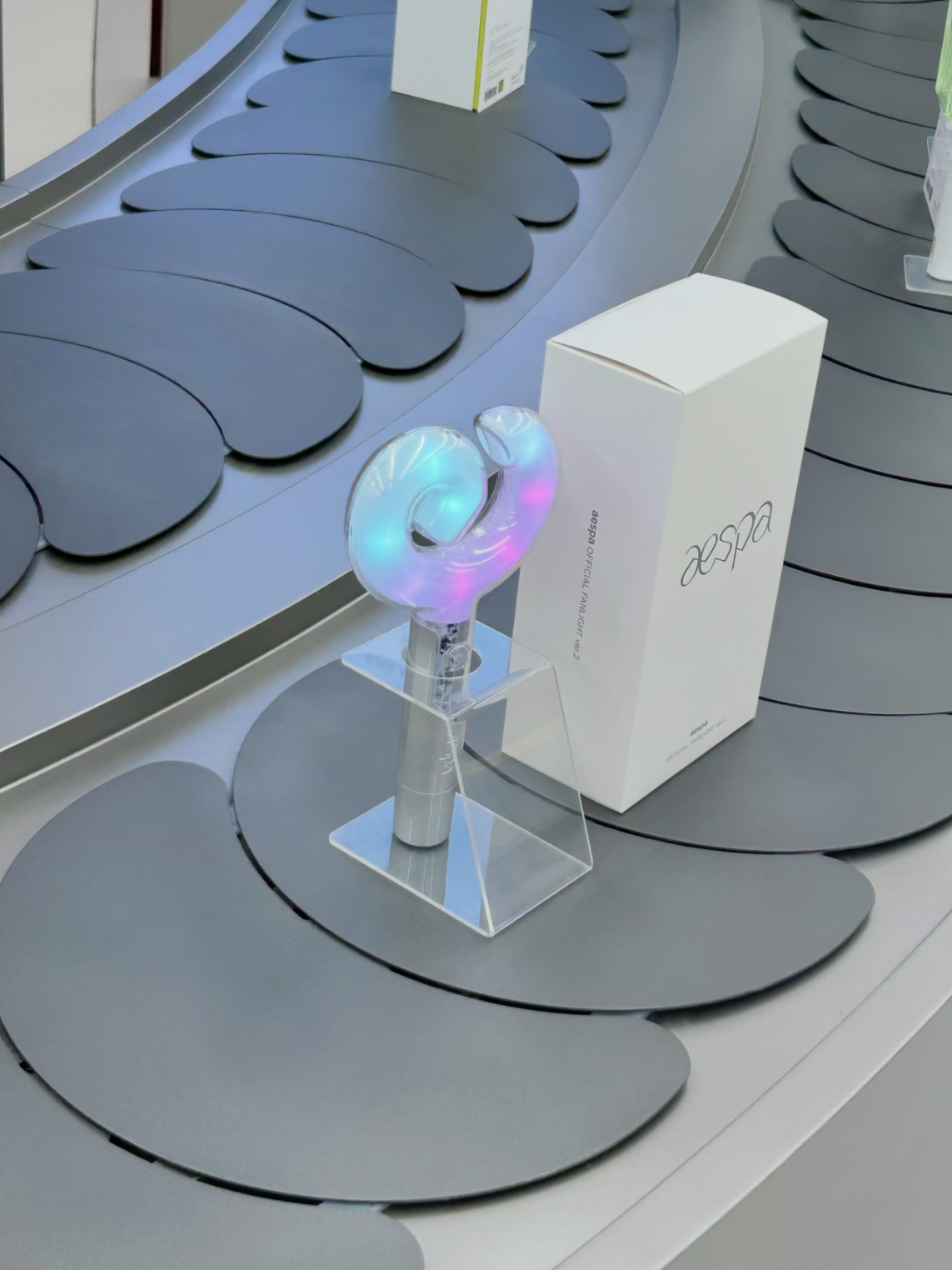
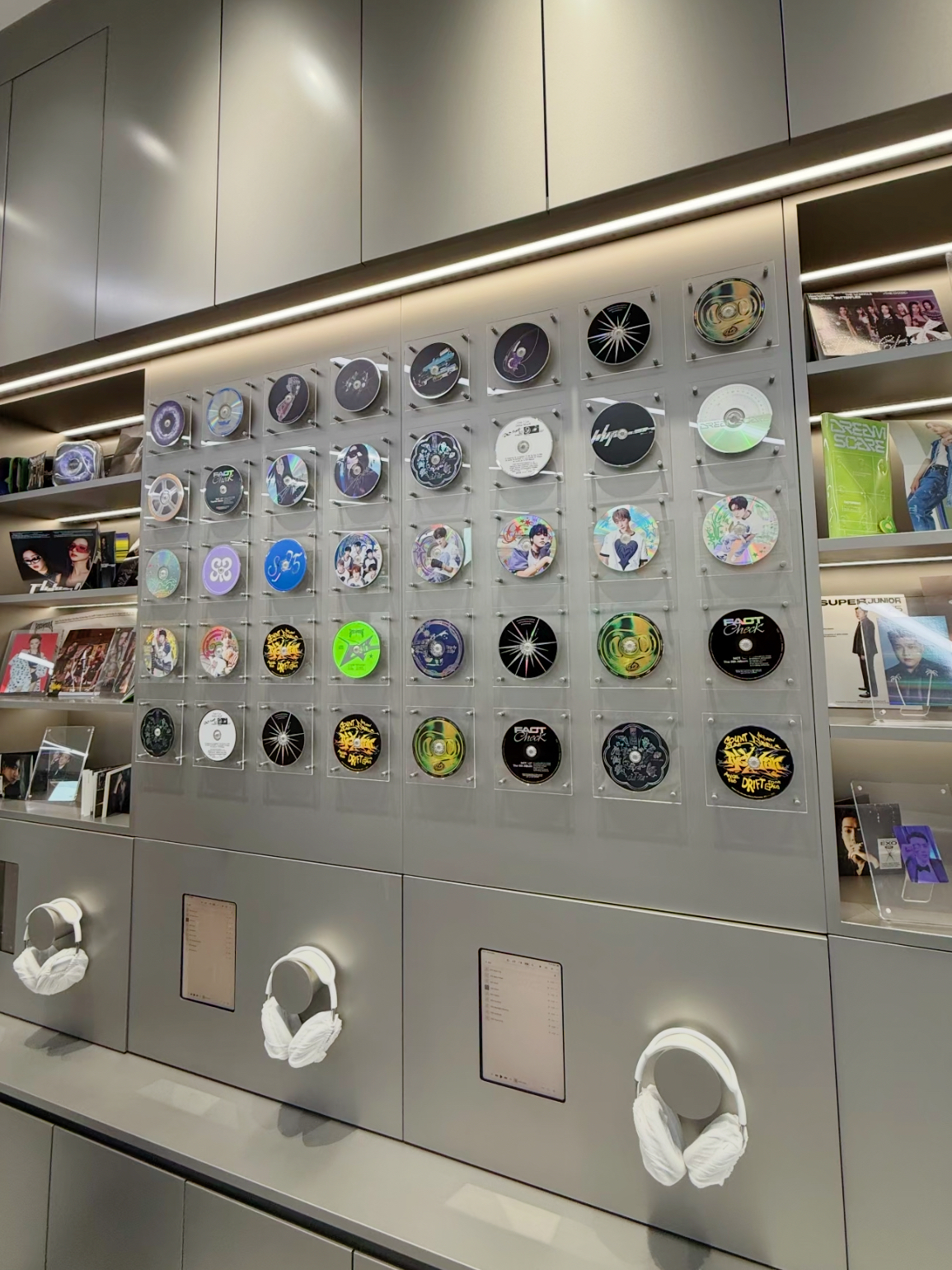
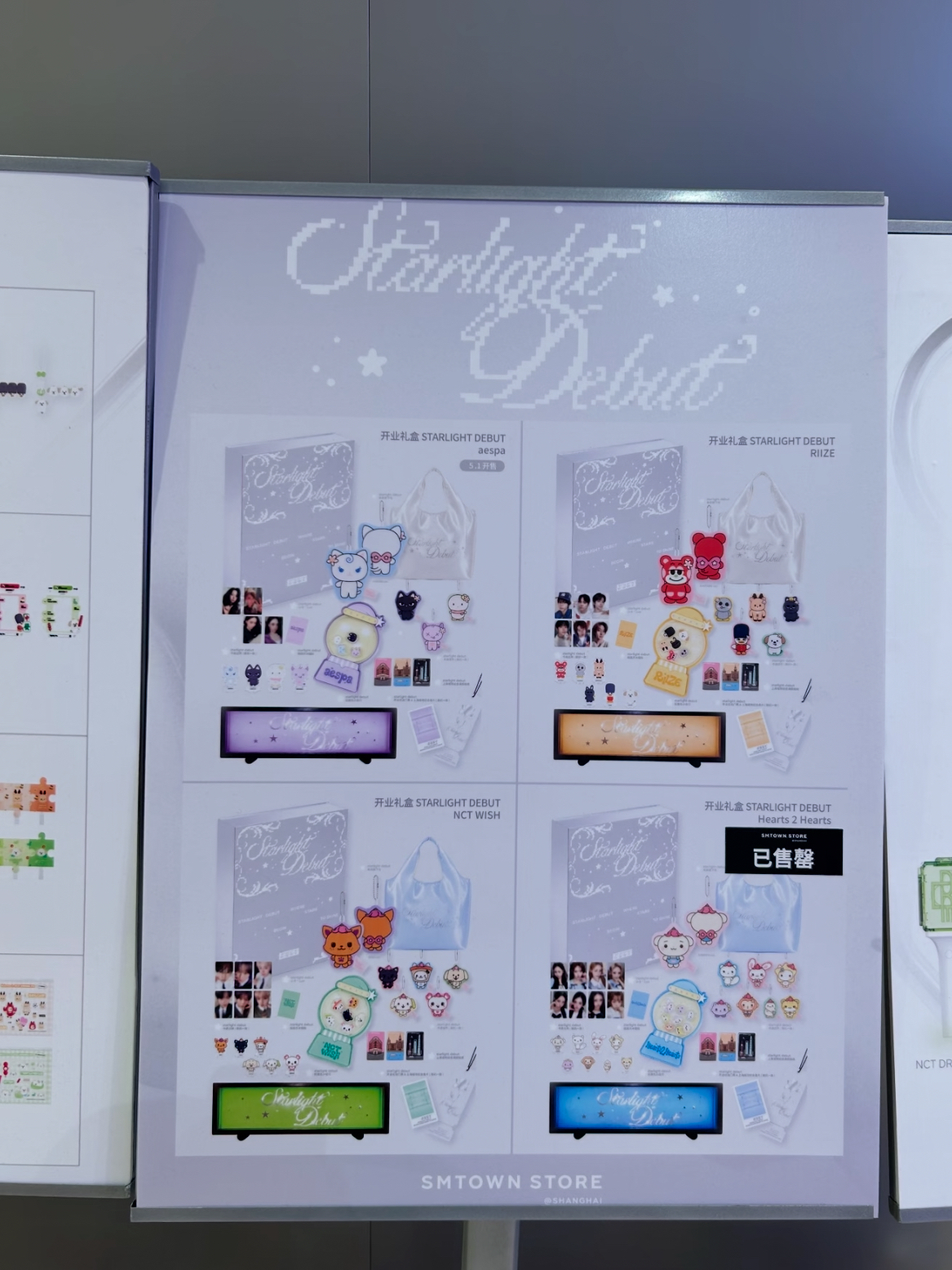
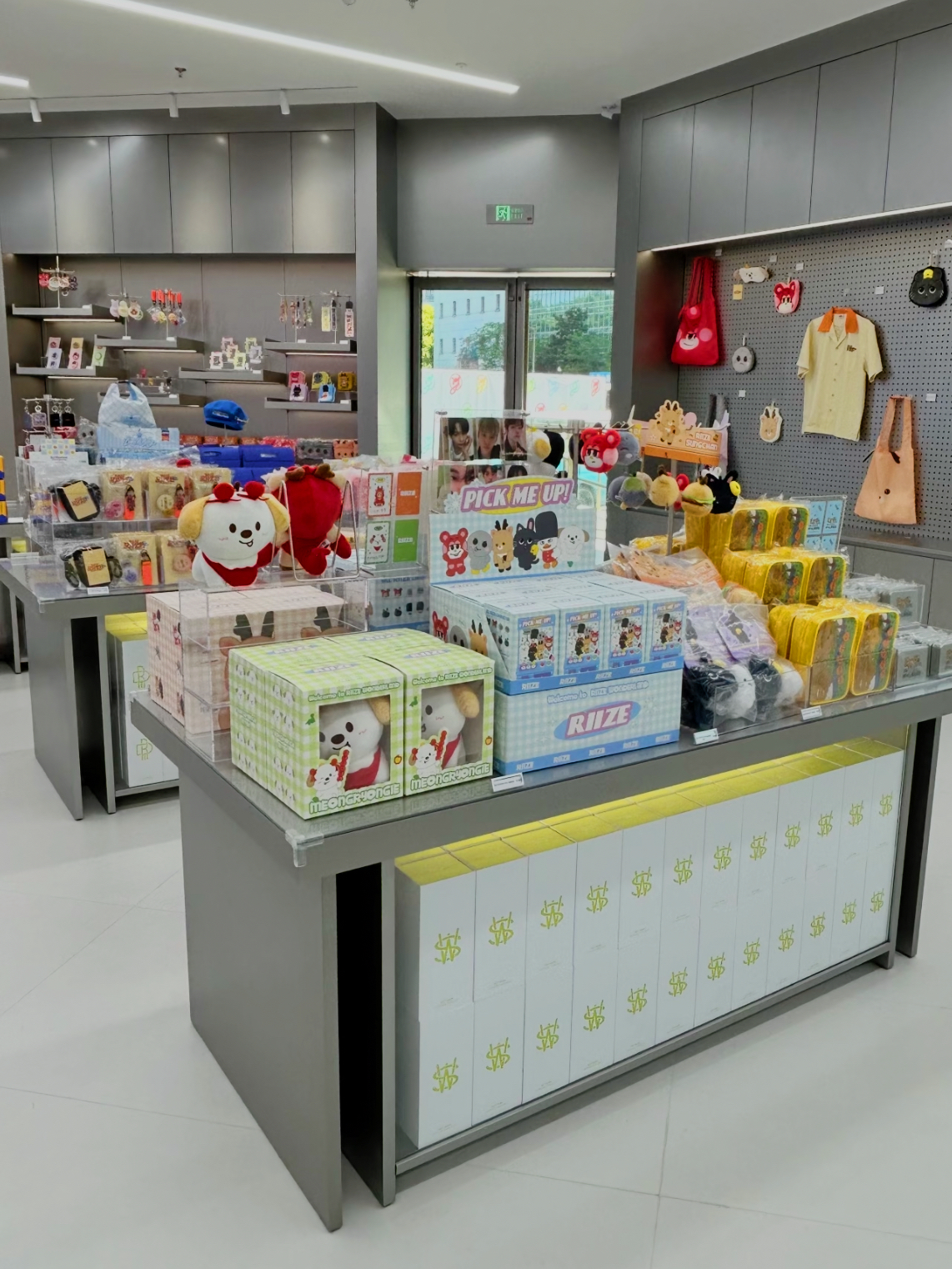
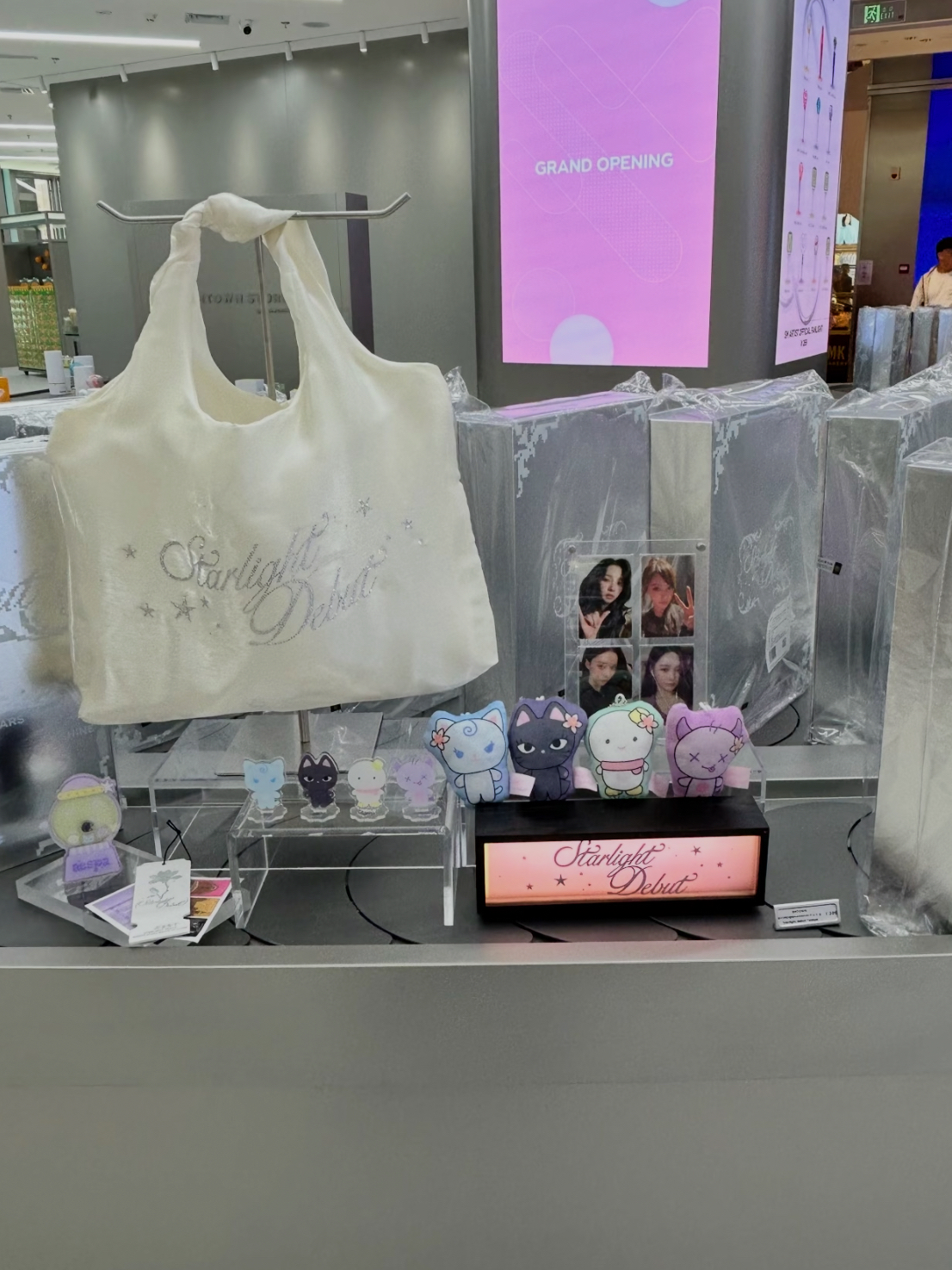
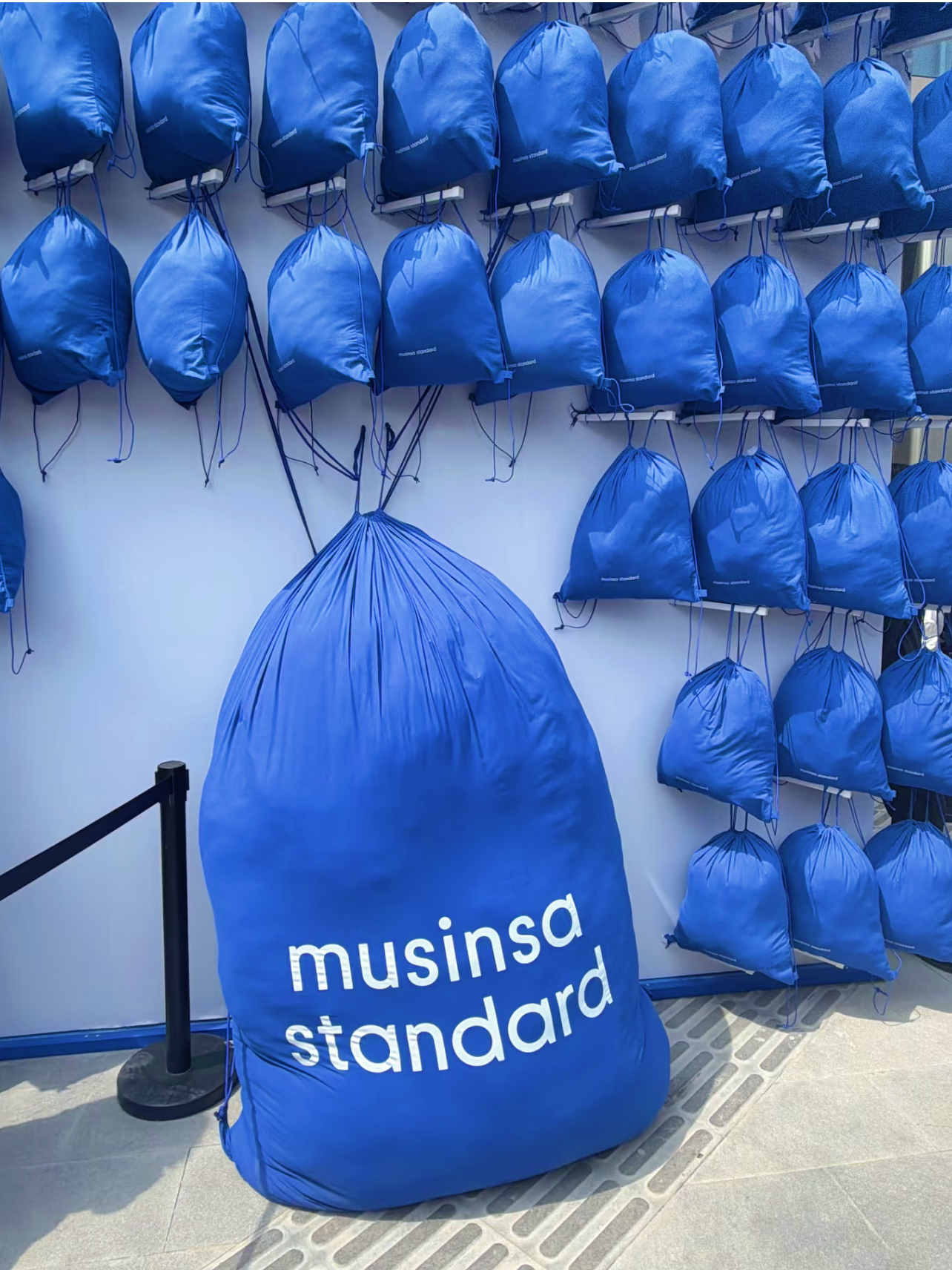
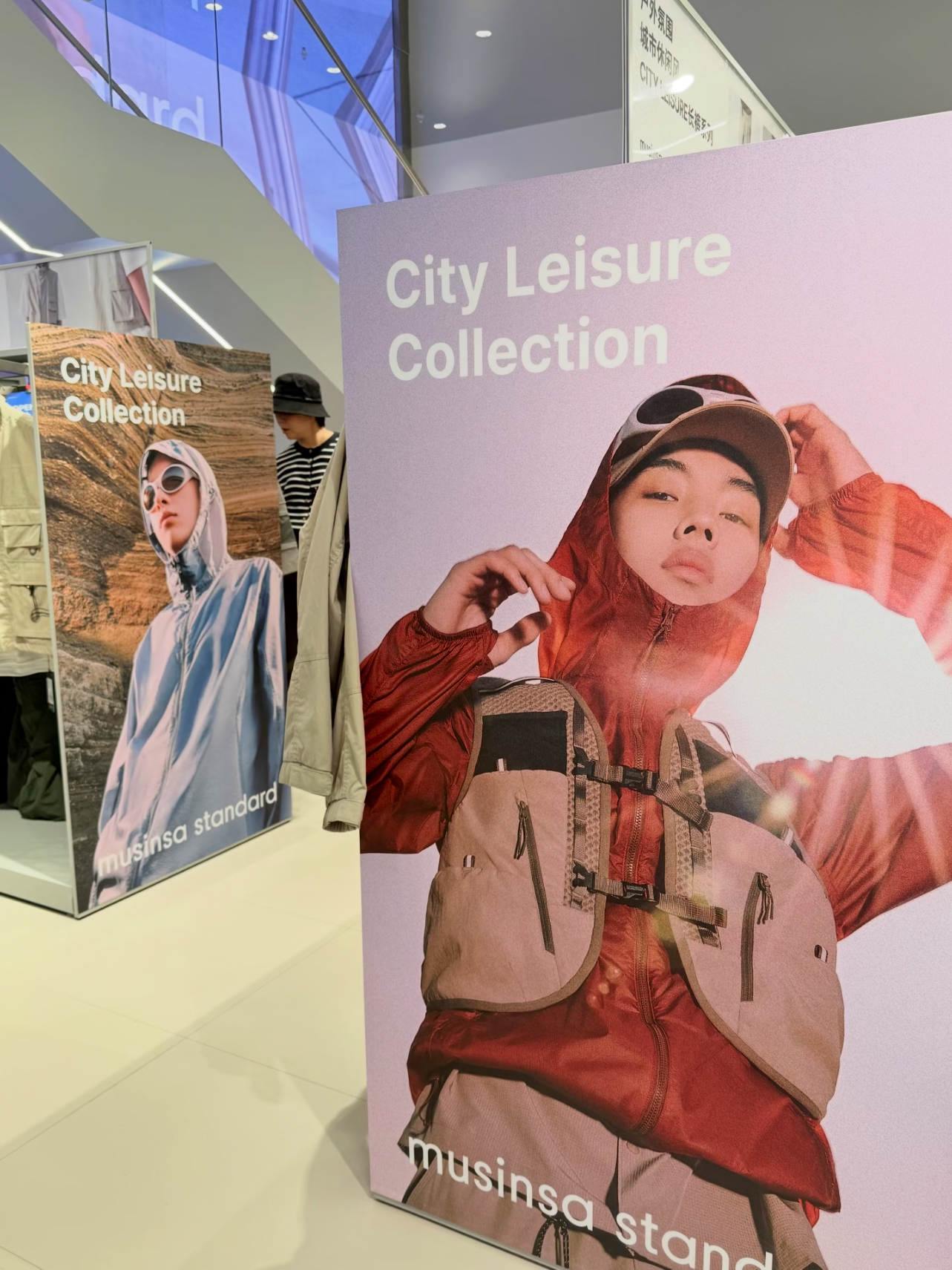
The two names generating the most noise are MUSINSA Standard and Smtown Store, both making their China debut here. MUSINSA is a serious force in Korean fashion retail. Smtown is backed by SM Entertainment, which is as close to a Korean pop industry mothership as you can get. Together they're the kind of additions that turn a mall opening into an event, and both had been generating online buzz since their arrival was announced last year. Also worth noting: Bloom and Root, an overseas children's multi-brand retailer, is making its national debut here too, which rounds out the family end of that "fan economy plus family" equation nicely.
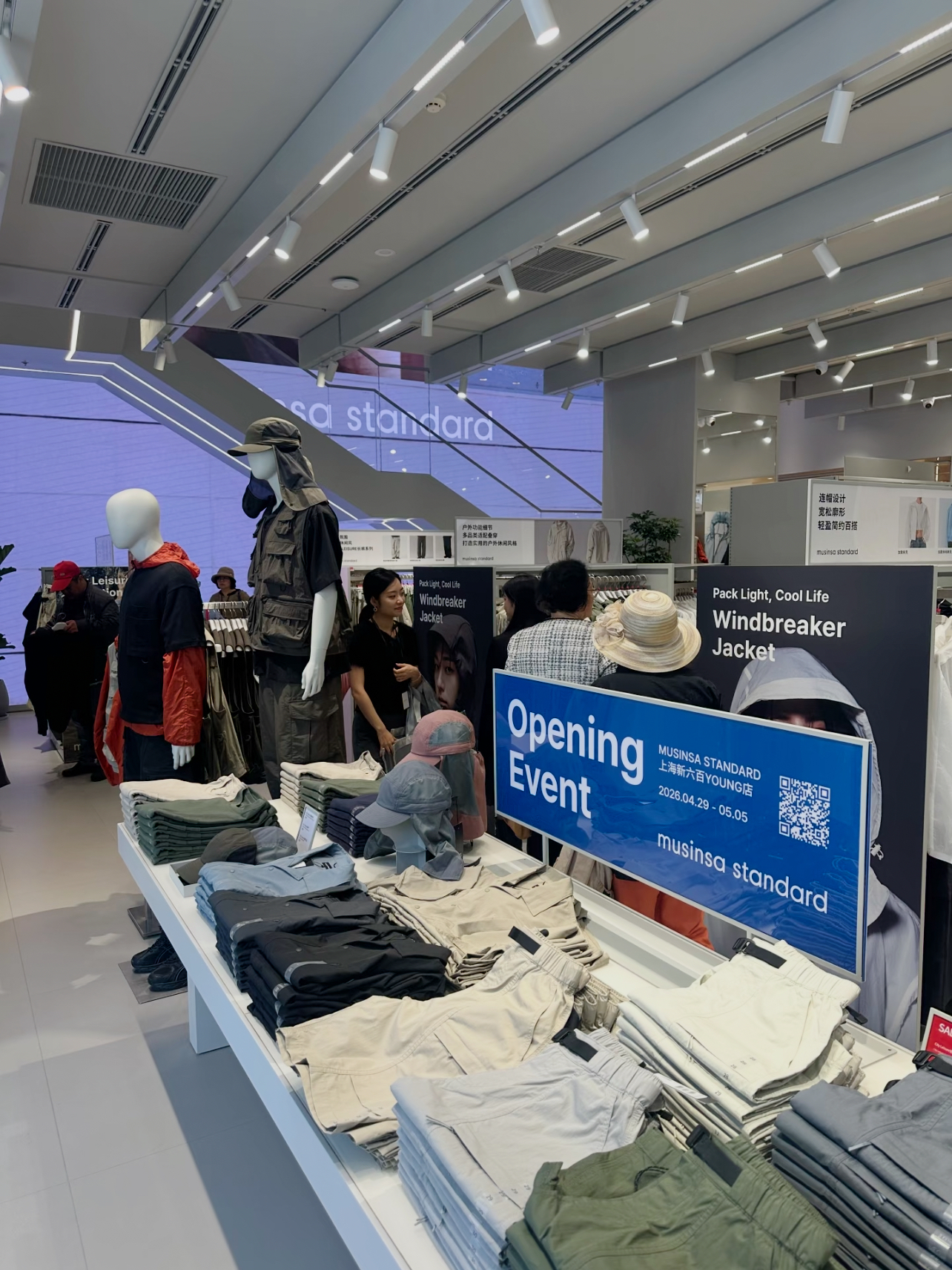
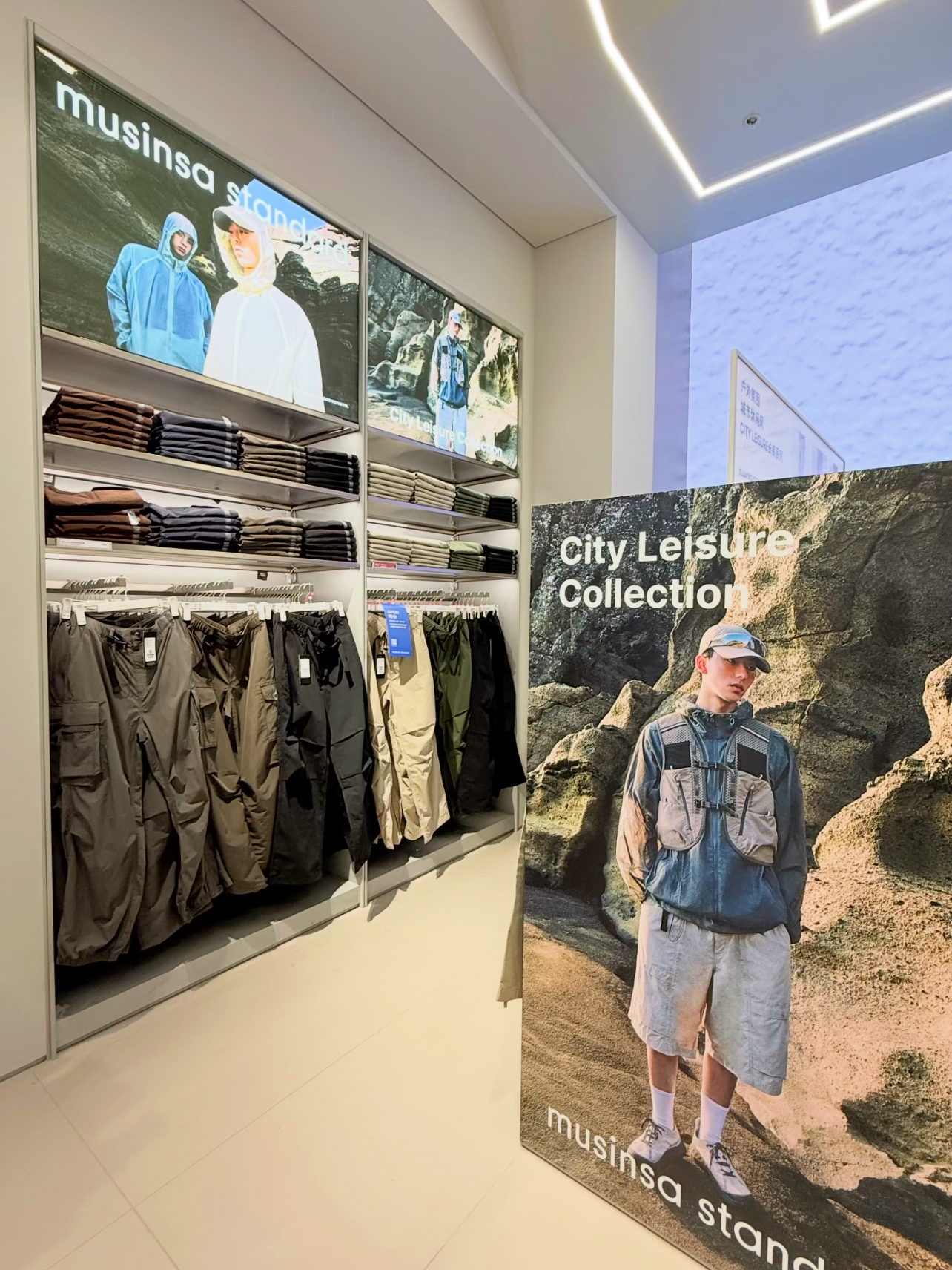
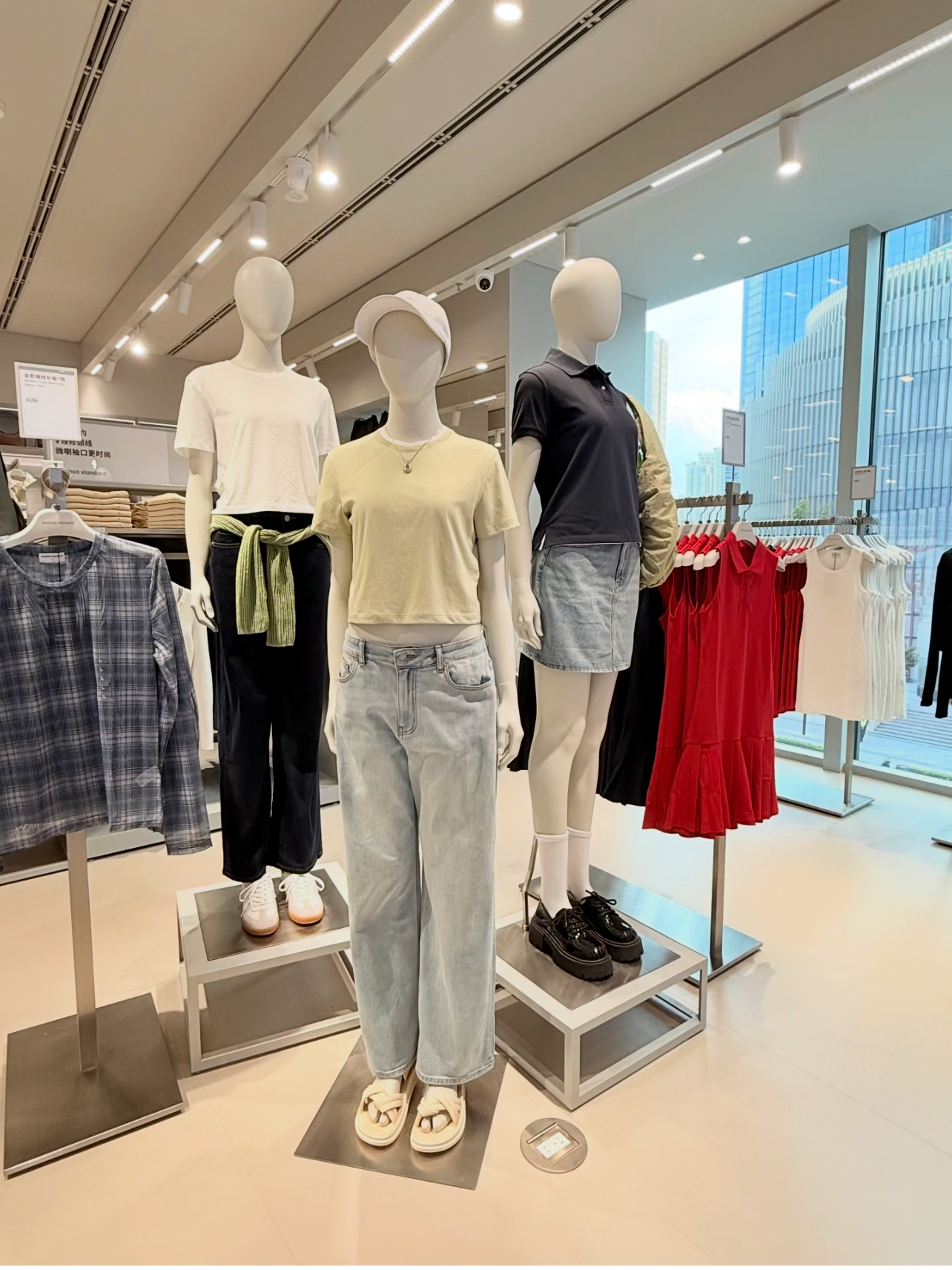
Shanghai's first-store economy keeps growing
Neo Young 6 is a good example of the strategy, but it's far from the only mall running it. Neo Young 6 is a good example of the strategy, but it's far from the only mall running it.
The "first-store economy" has become a genuine pillar of how Shanghai thinks about commercial development: not just a retail metric but a signal of where the city sits globally. When an overseas brand picks Shanghai as its China debut location (which they still do, consistently, over Beijing and everywhere else), it means something. It's a vote of confidence, a statement about the consumer base, and increasingly a preview of what's coming to the rest of the country six to twelve months later. The clustering effect is real too: first stores pull foot traffic, foot traffic pulls F&B and hospitality, and the whole thing compounds into something that looks, at its best, like a functioning commercial ecosystem rather than a half-empty mall with a 3D screen on the outside.
So which malls in Shanghai are doing this best right now? A few are worth looking at.
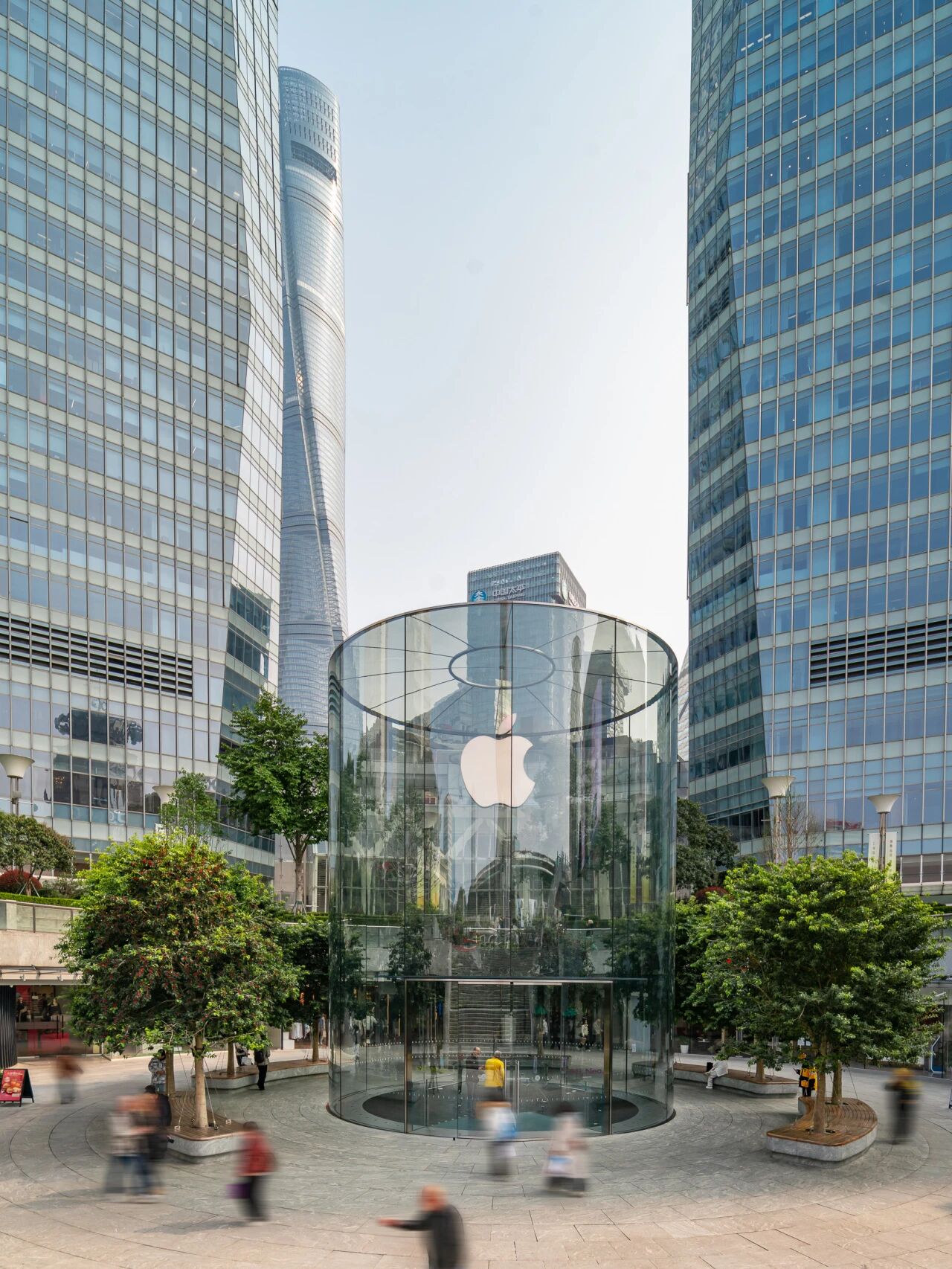
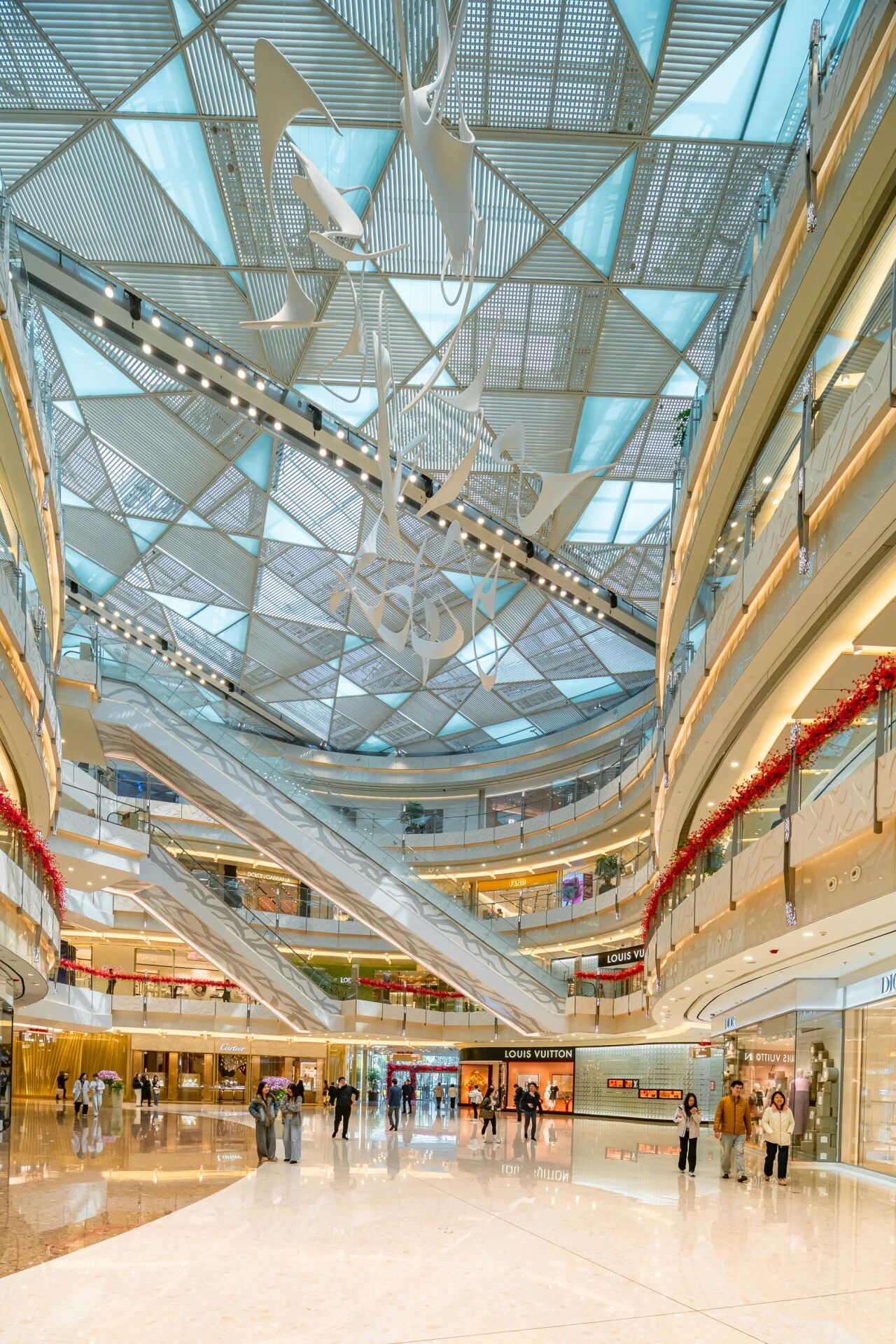
Jing'an Joy City's Youth Appeal
One of the strongest contenders is Jing'an Joy City.
Positioning itself as a "hub for youth culture," the mall has introduced 23 premium first stores, including the national debut of Toys "R" Us trendy flagship store, Deli World stationery flagship store, the SameE, and Joyouth, lifestyle retailer Zakkami, Australian womenswear label Doopa, and Korean beauty brand Unny Club. Through its precise focus on younger consumers and diversified tenant mix, the mall has demonstrated strong commercial appeal among Gen Z shoppers.
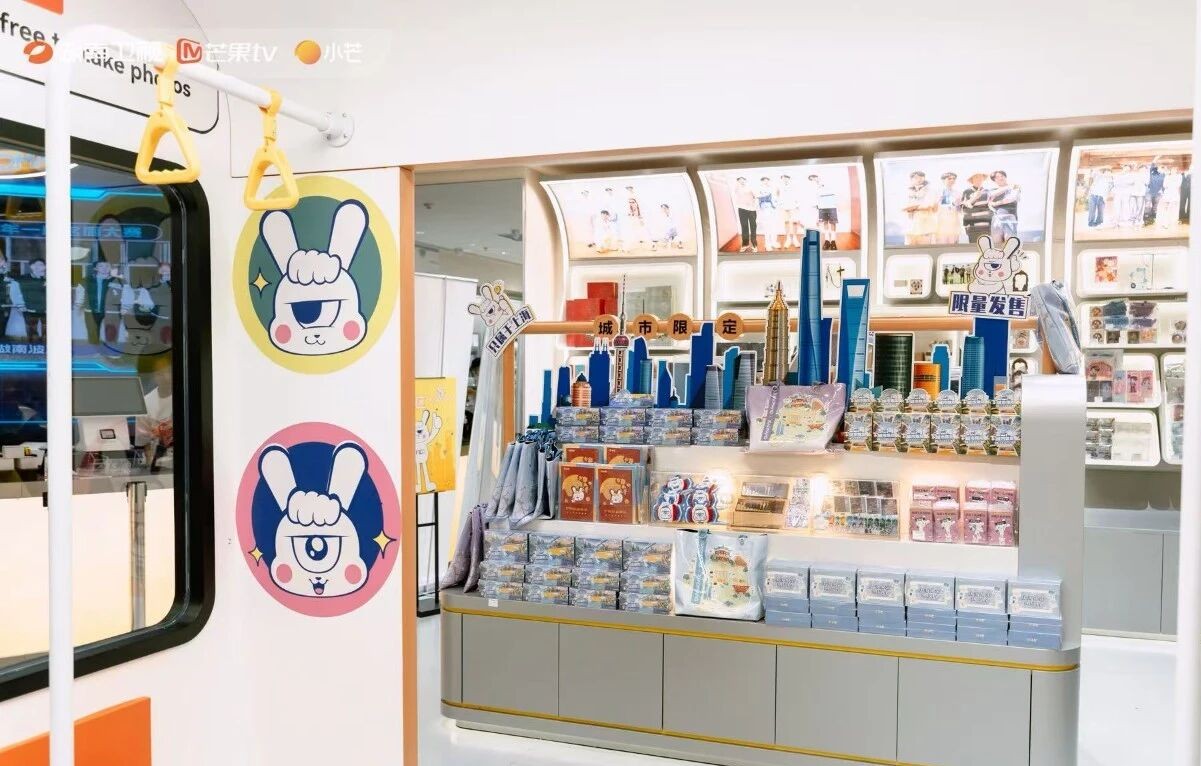
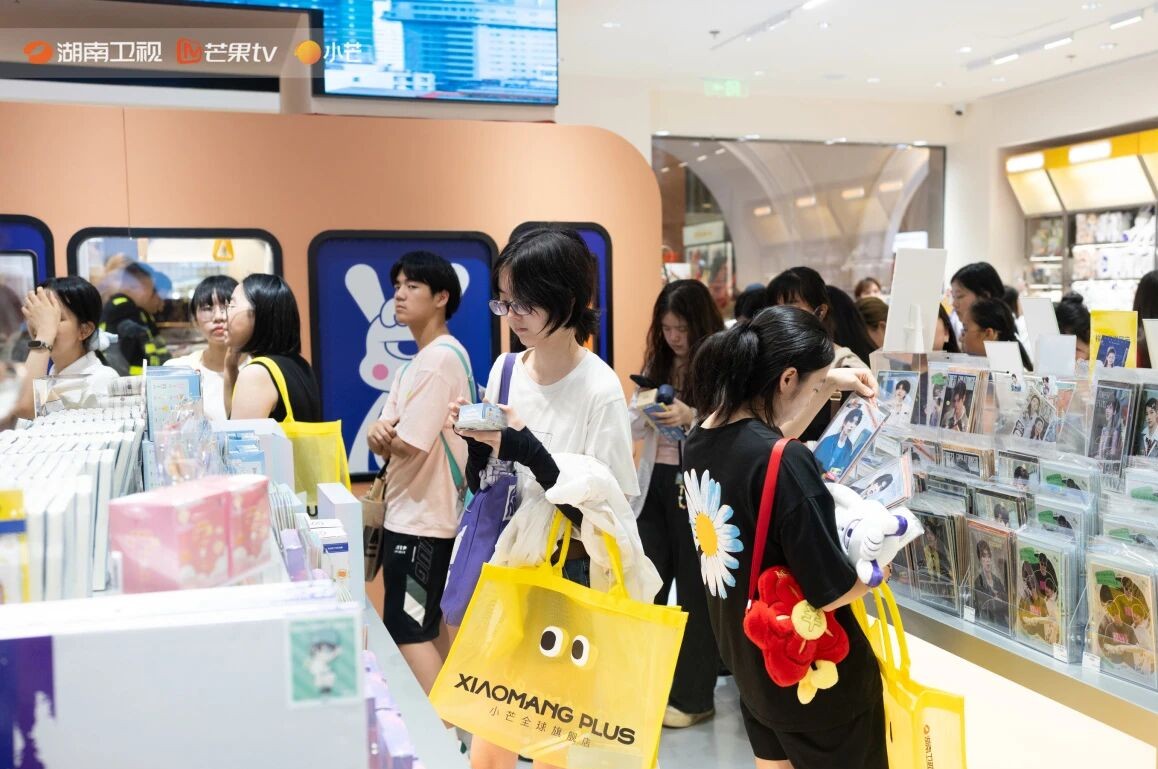
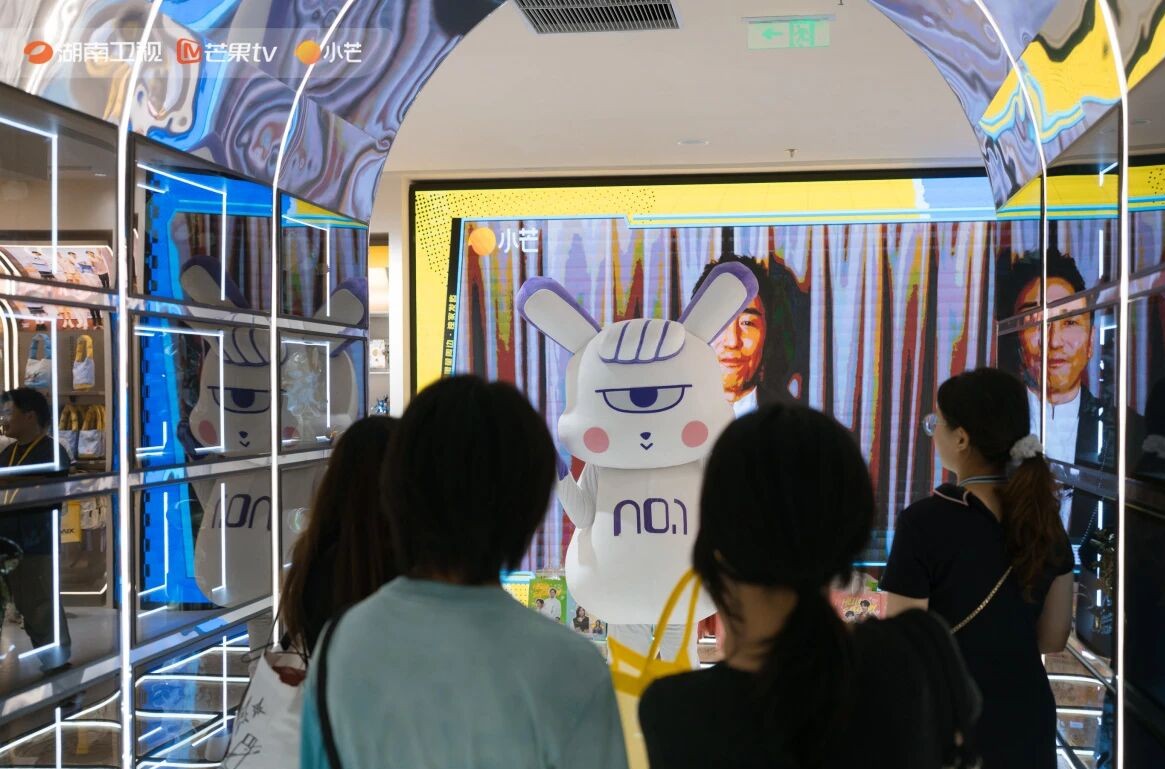
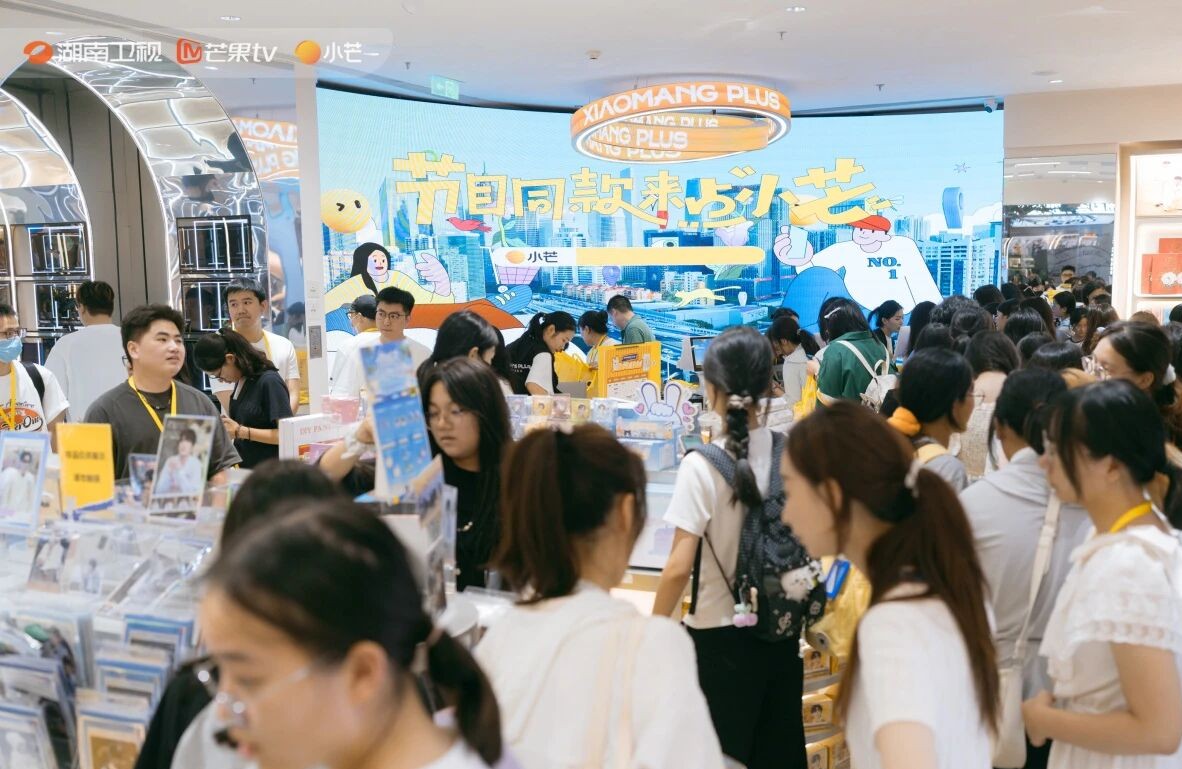
Particularly noteworthy is the national flagship debut of Xiaomang Plus global flagship store, the first flagship retail window dedicated to Mango TV merchandise. Combining cultural experiences, social interaction, and IP co-creation, the space regularly hosts artist fan signings, one-day shop manager events, limited-edition launches, and themed exhibitions, making it a popular social-media check-in spot for Gen Z consumers.
![[First in SH] Neo Young 6, K-Pop Debuts, and the Mall Wars](https://obj.shine.cn/files/2026/05/11/a20d8221-07b3-440b-9d63-071727941936_0.jpg)
![[First in SH] Neo Young 6, K-Pop Debuts, and the Mall Wars](https://obj.shine.cn/files/2026/05/11/c8cc5162-ce3d-4e7a-9b79-4e45b26403a5_0.jpg)
Grand Gateway 66 Premium Positioning
Grand Gateway 66 is doing what Grand Gateway 66 does: pulling in premium and luxury brands and giving them a home in Xujiahui that feels appropriately serious.
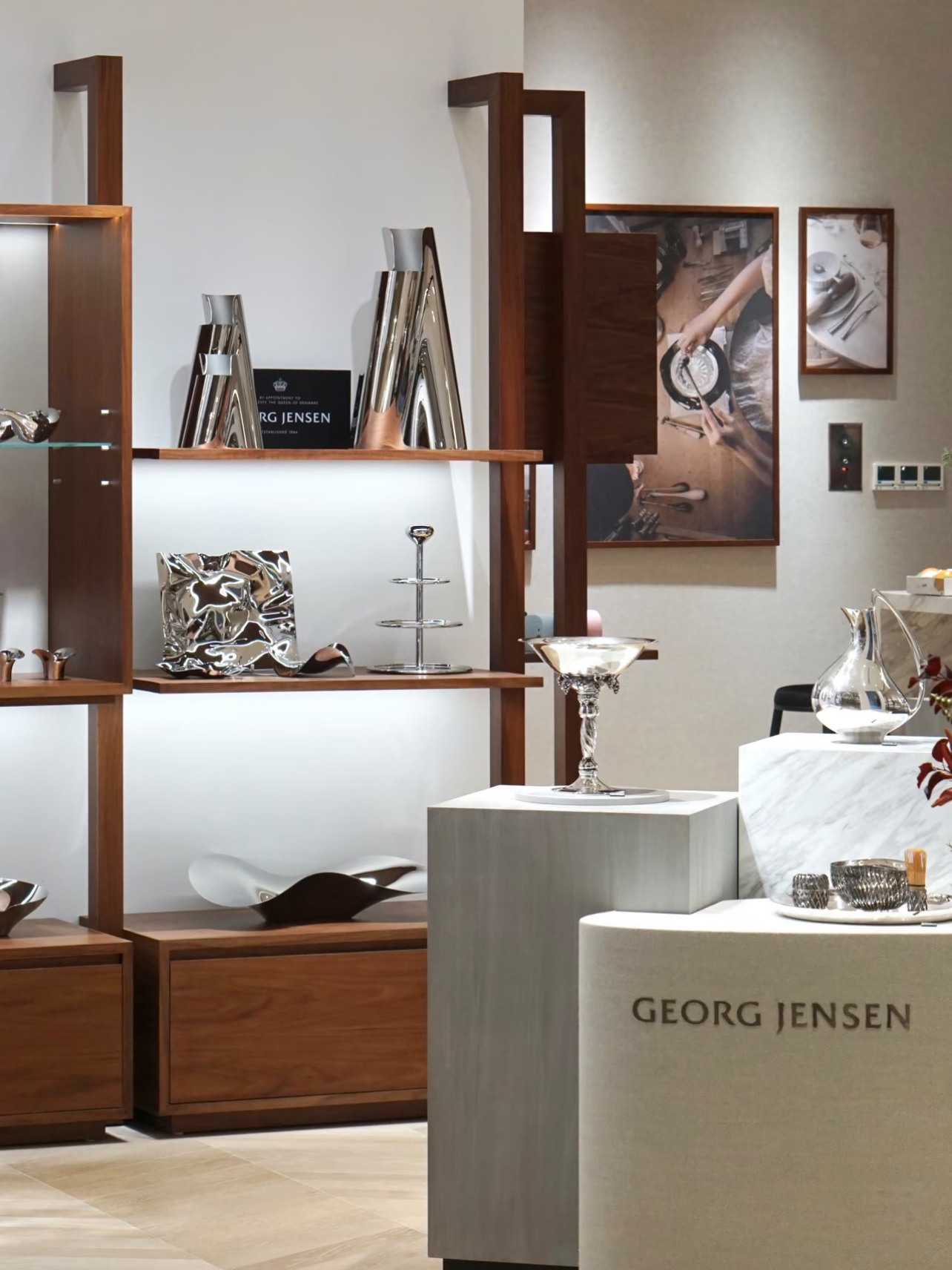
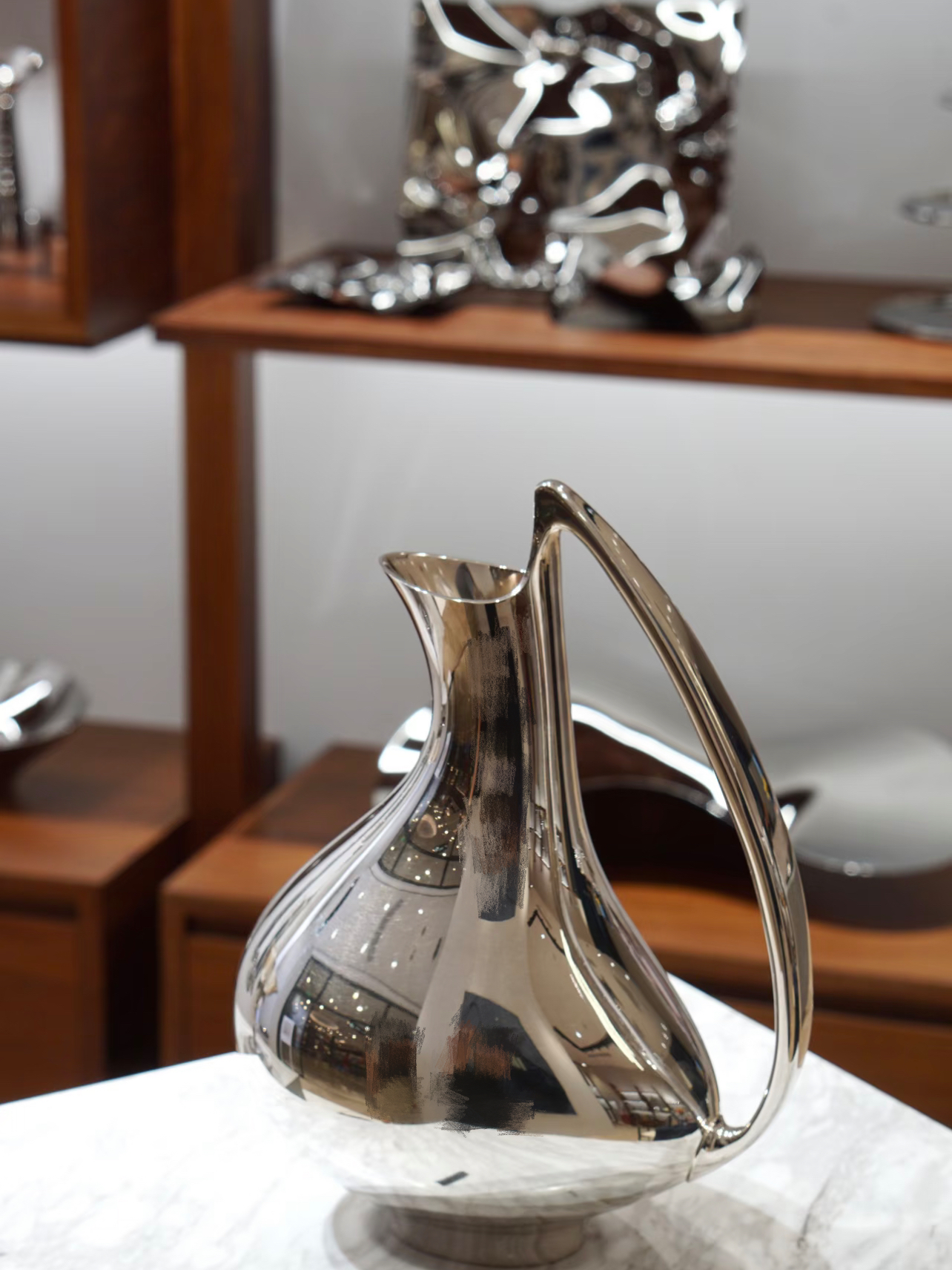
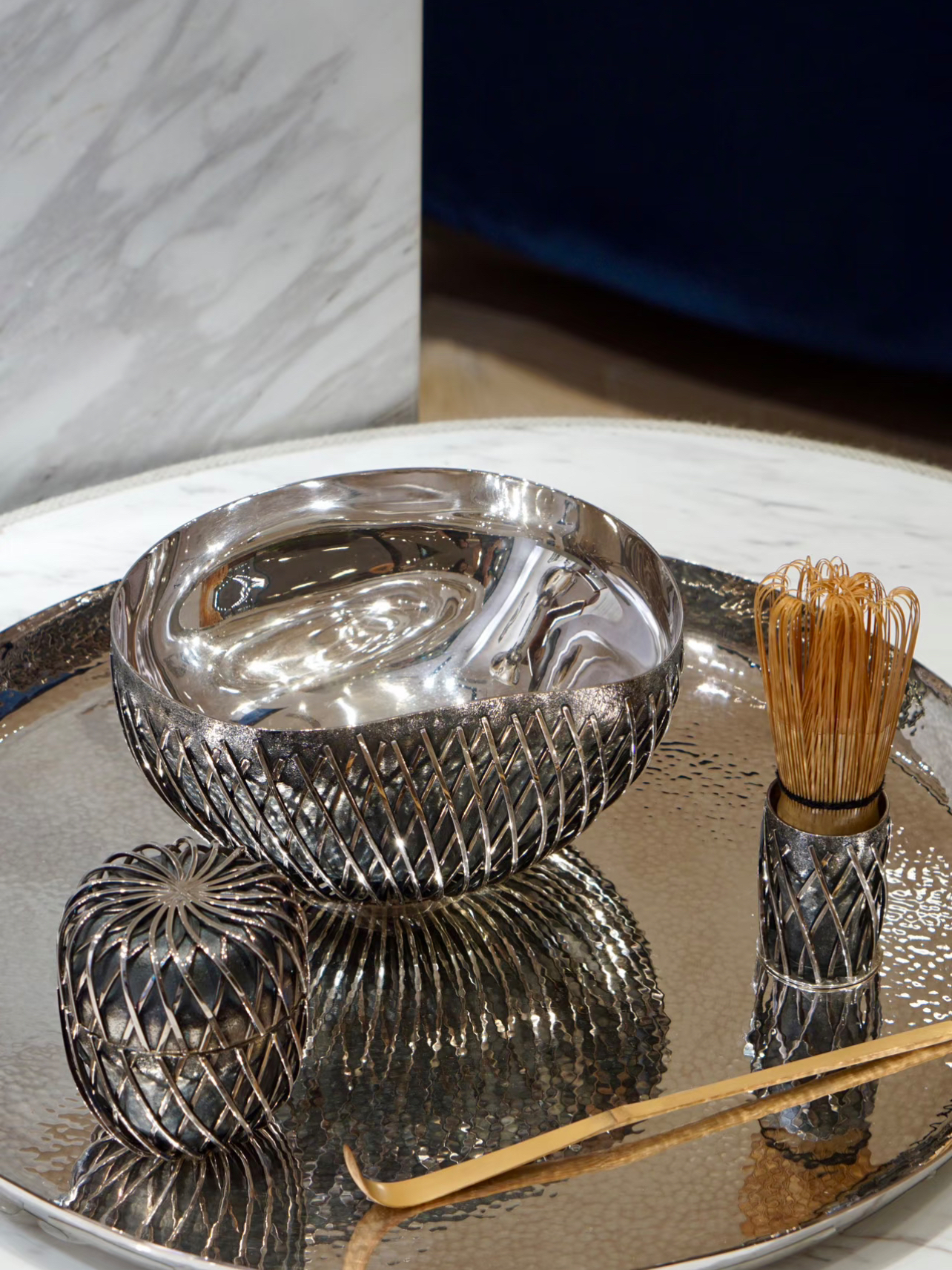
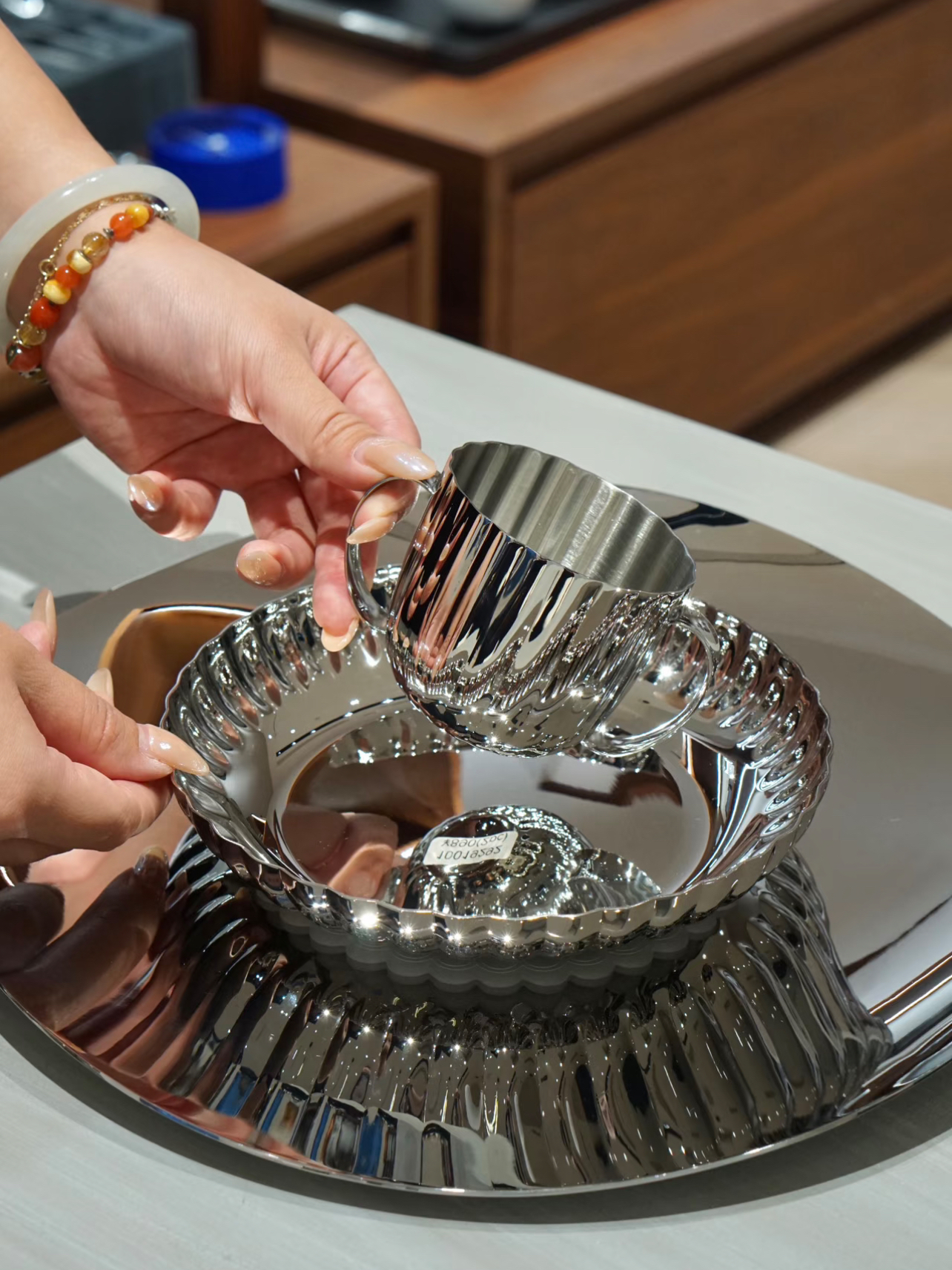
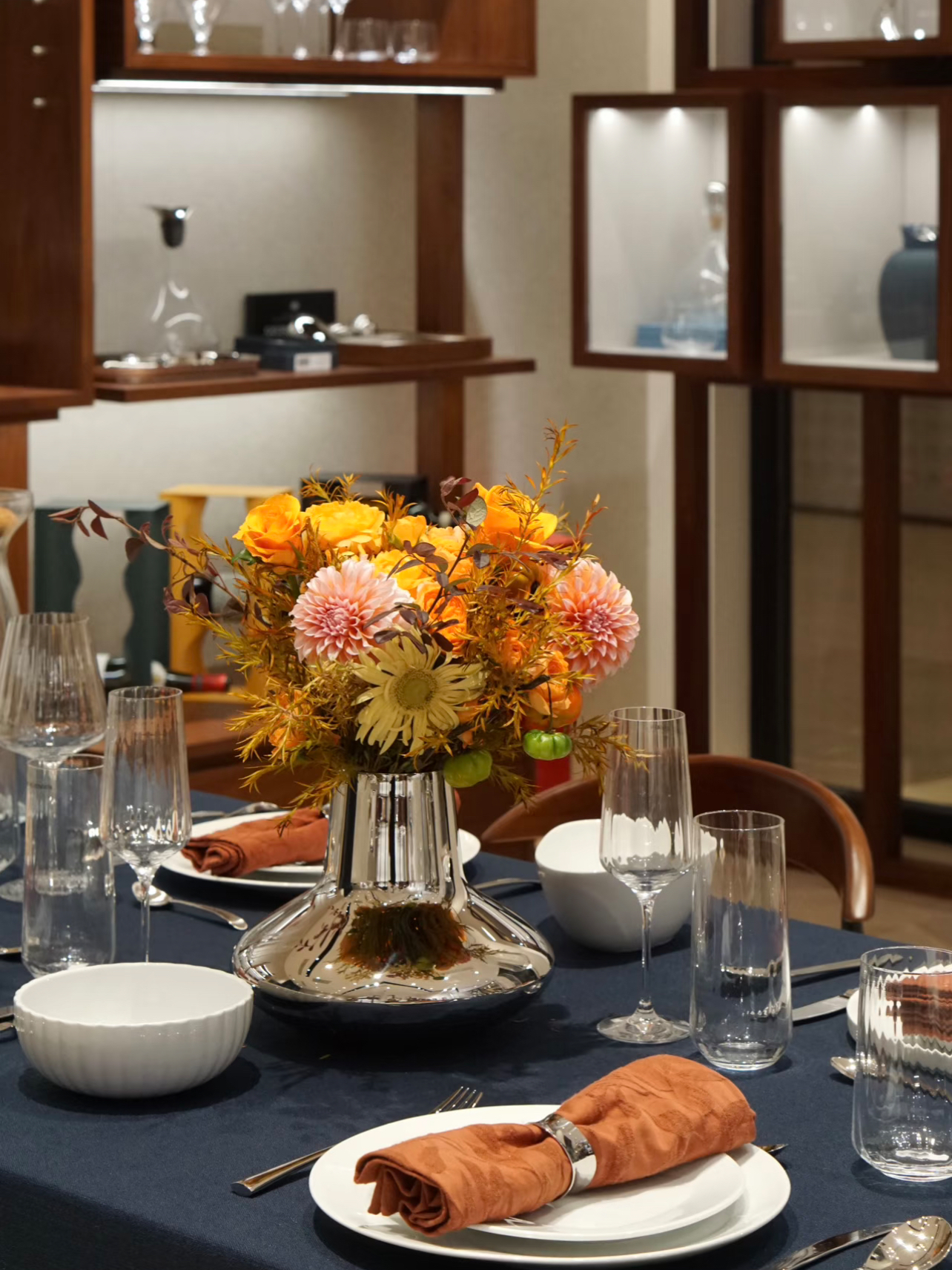
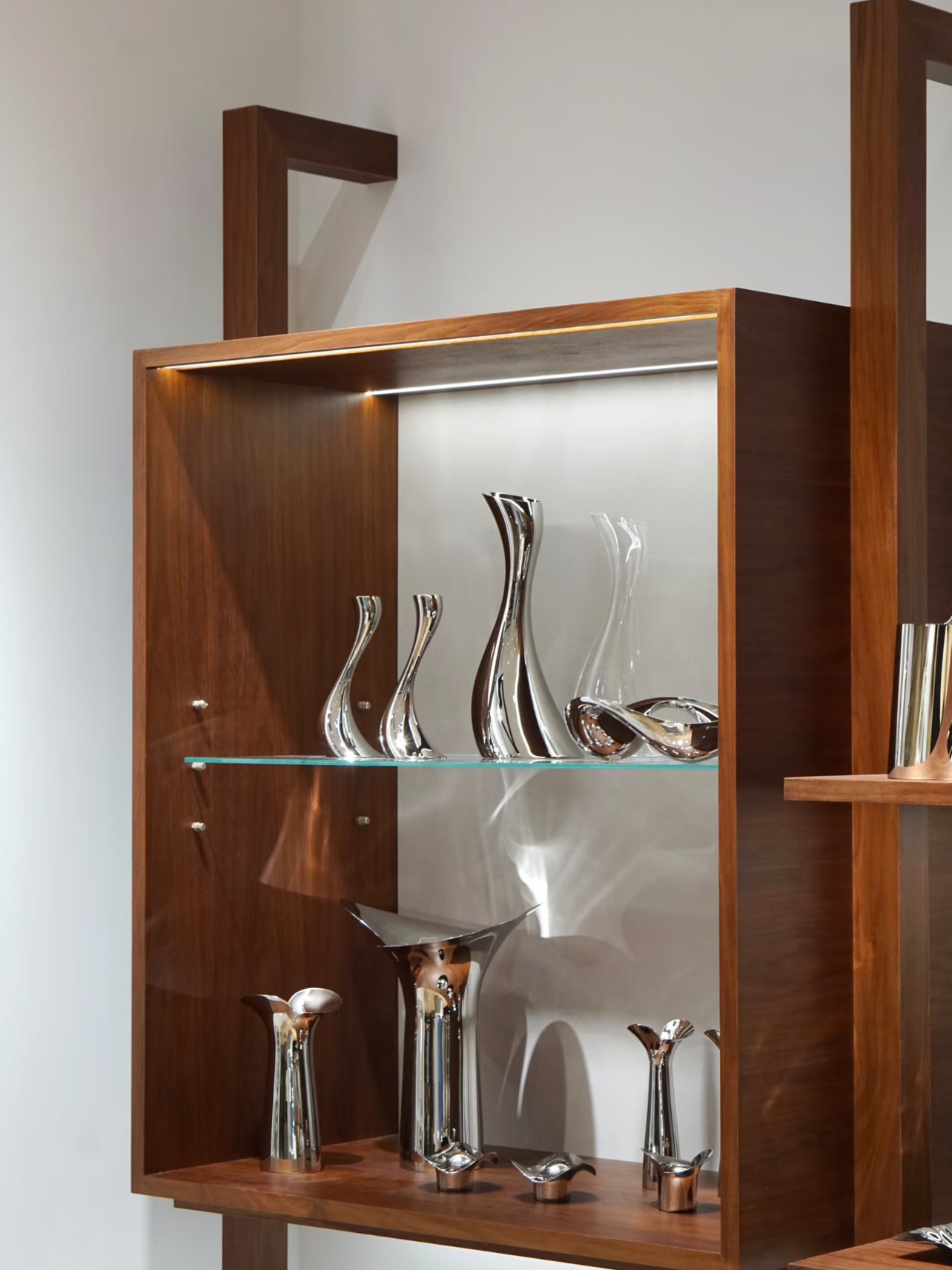
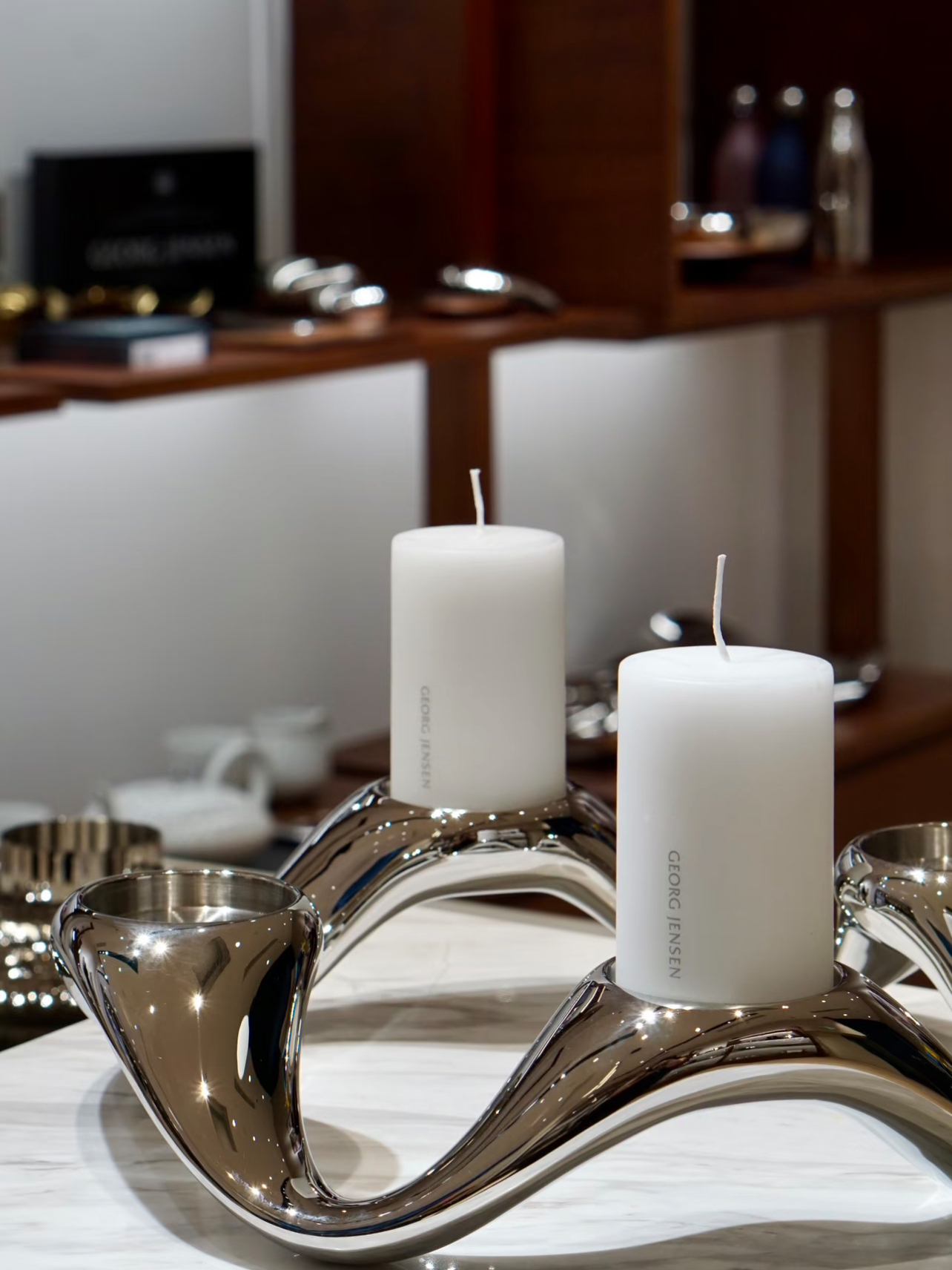
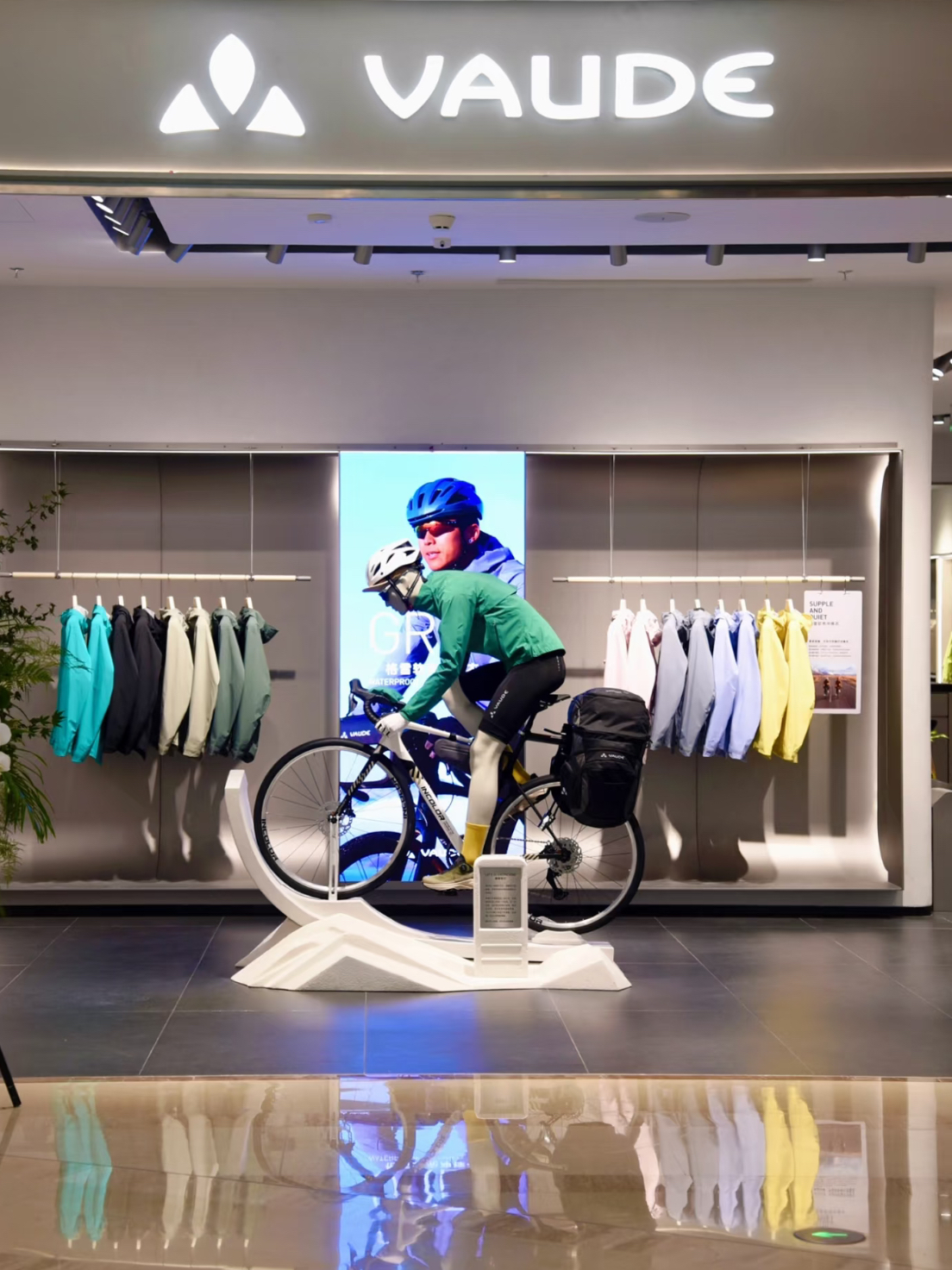
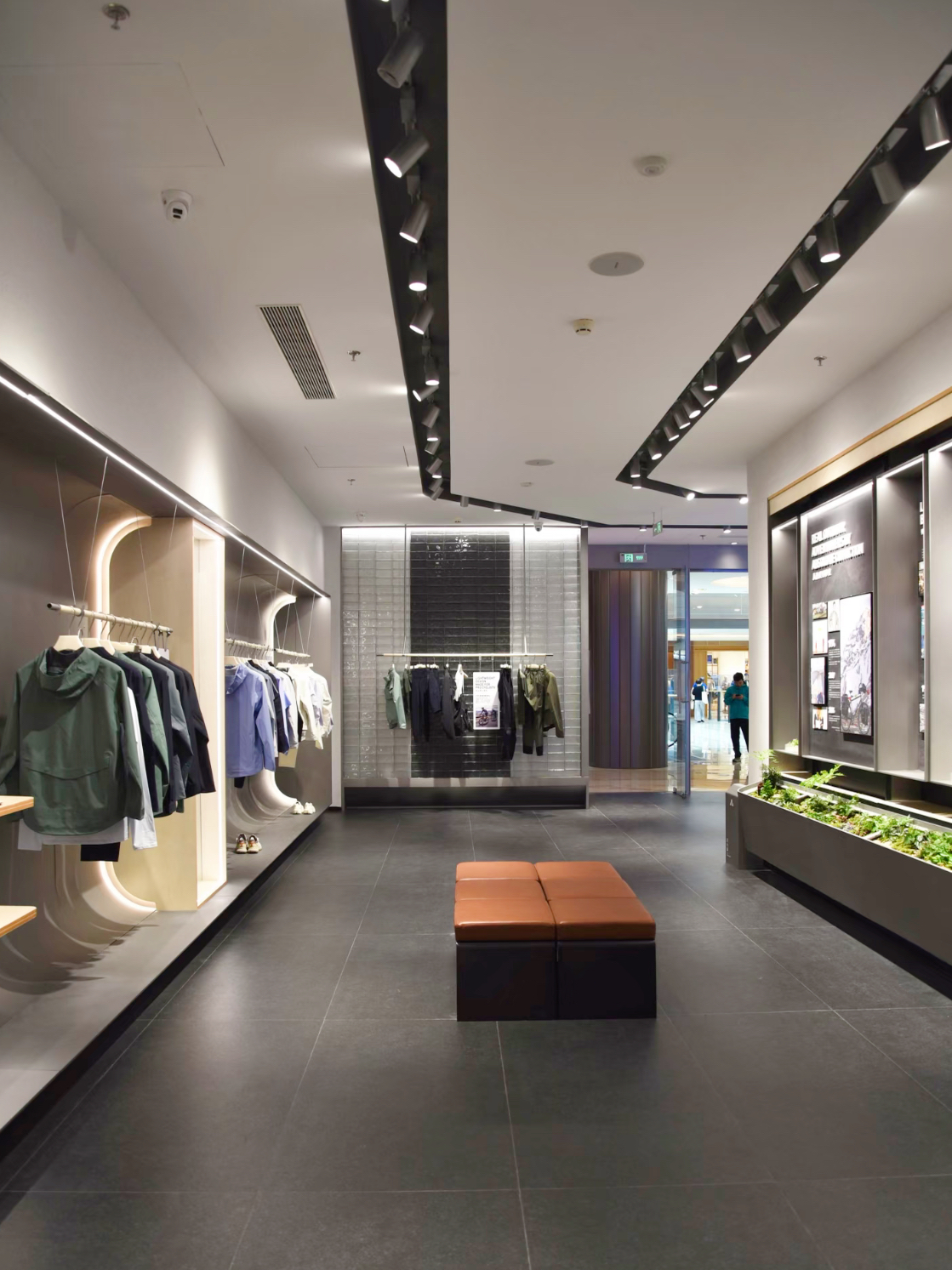
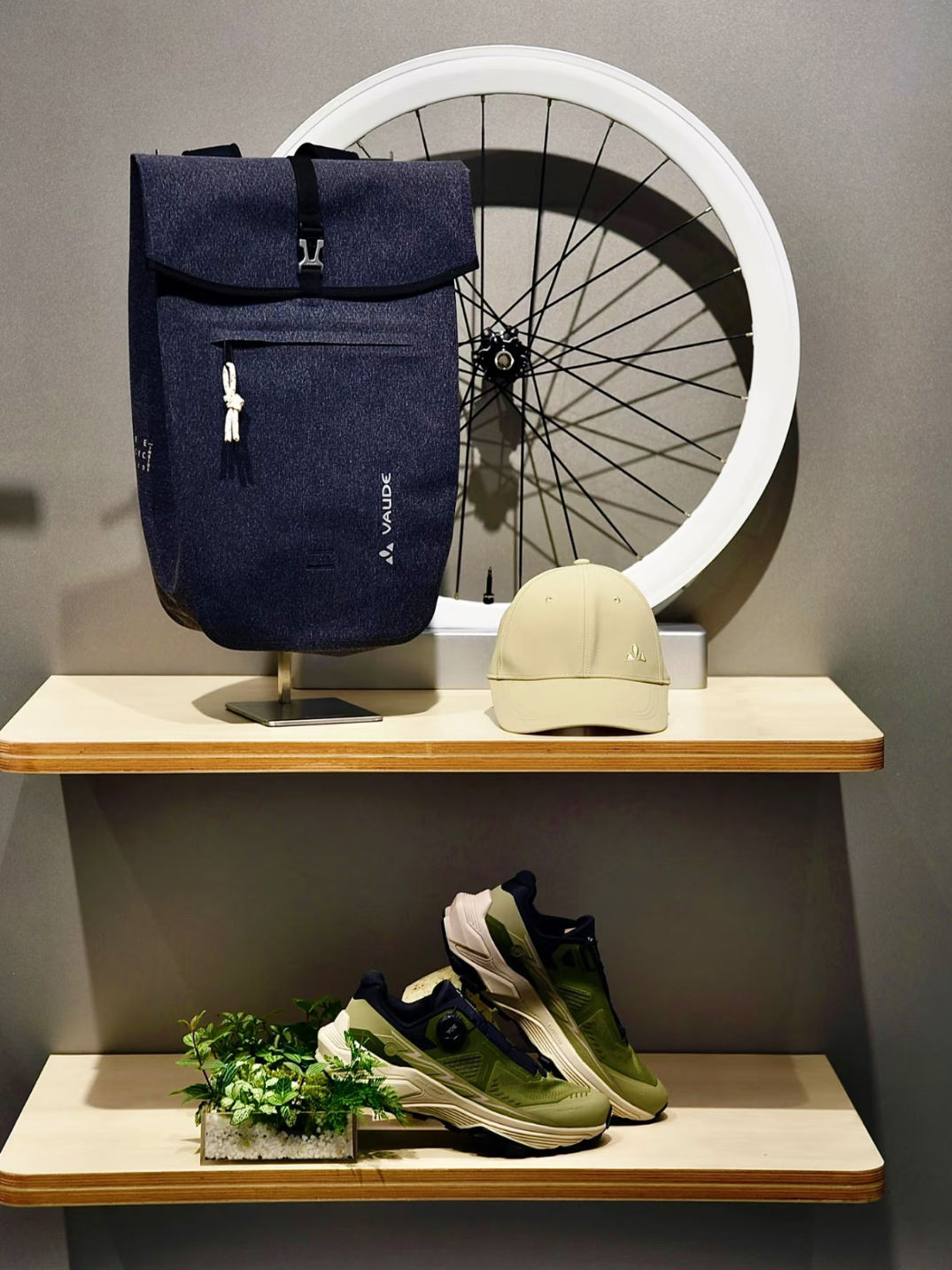
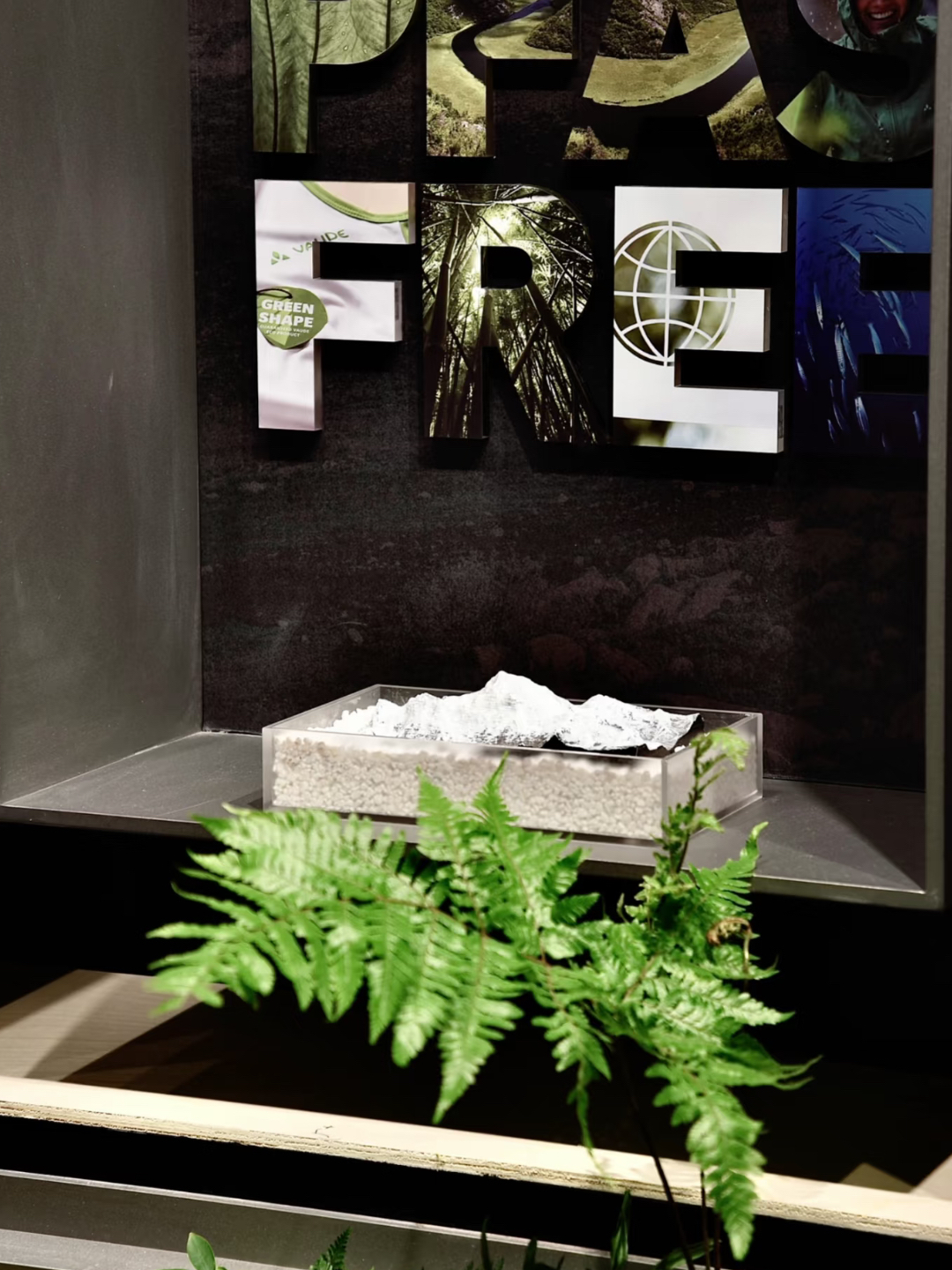
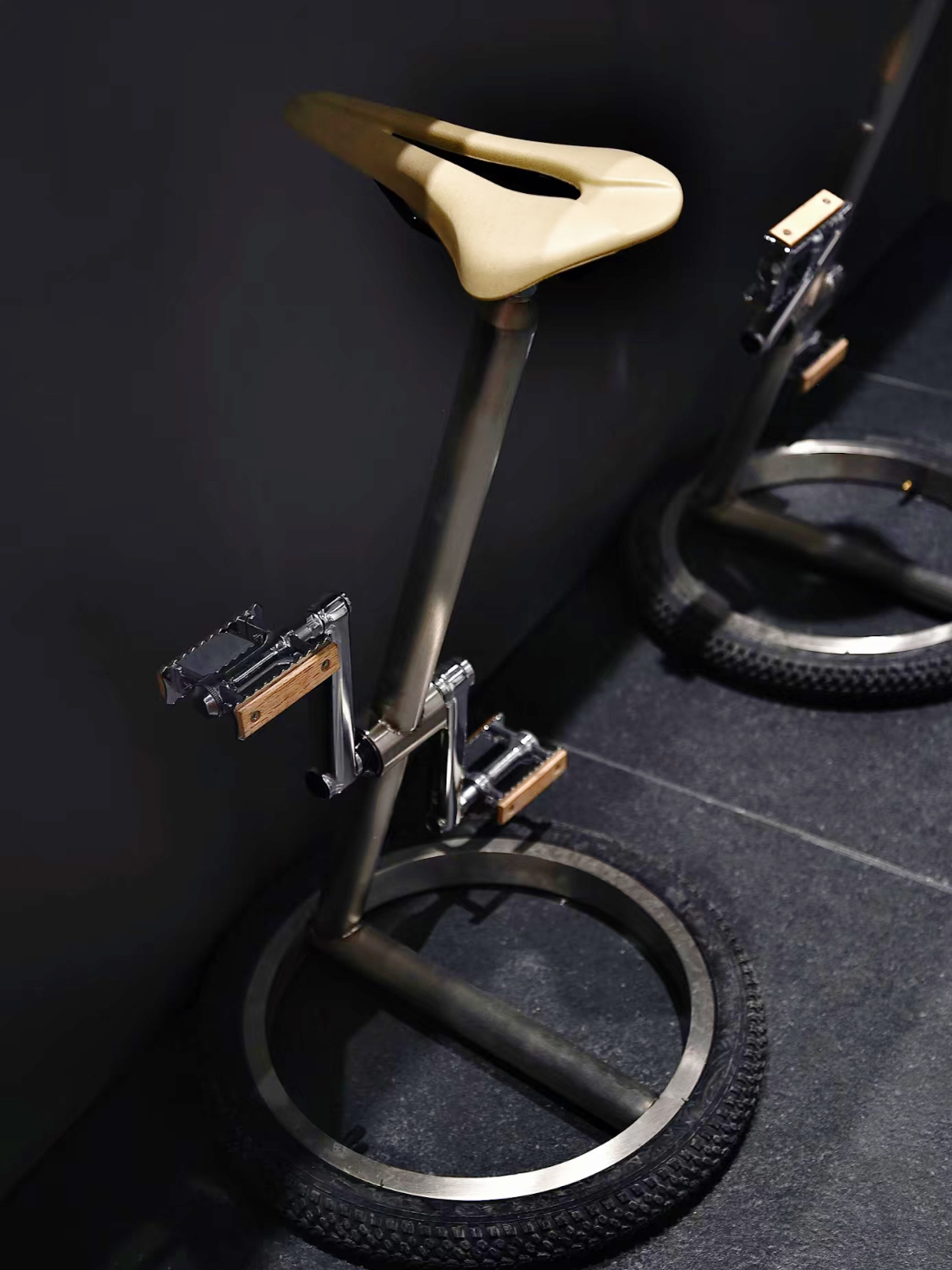
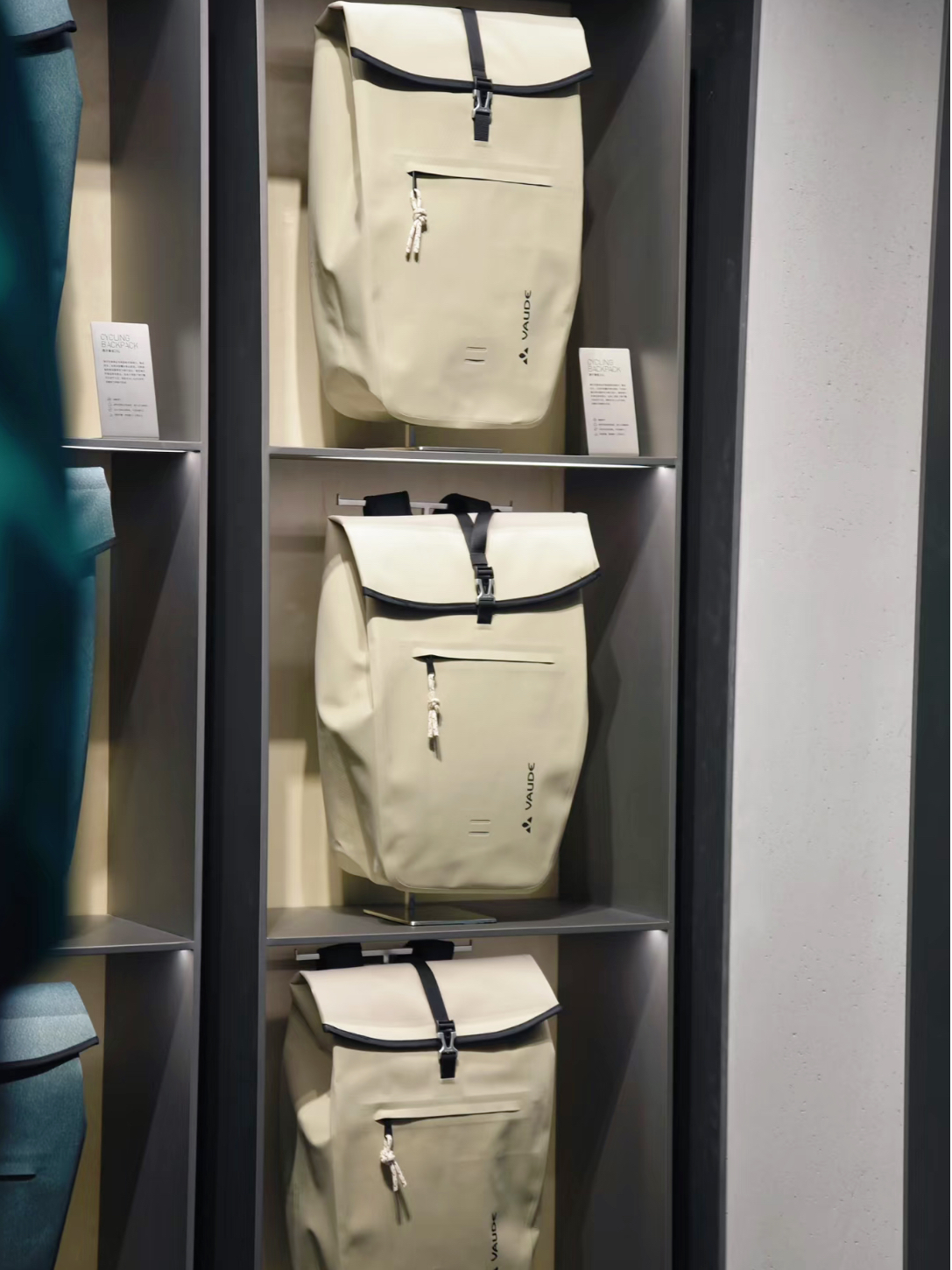
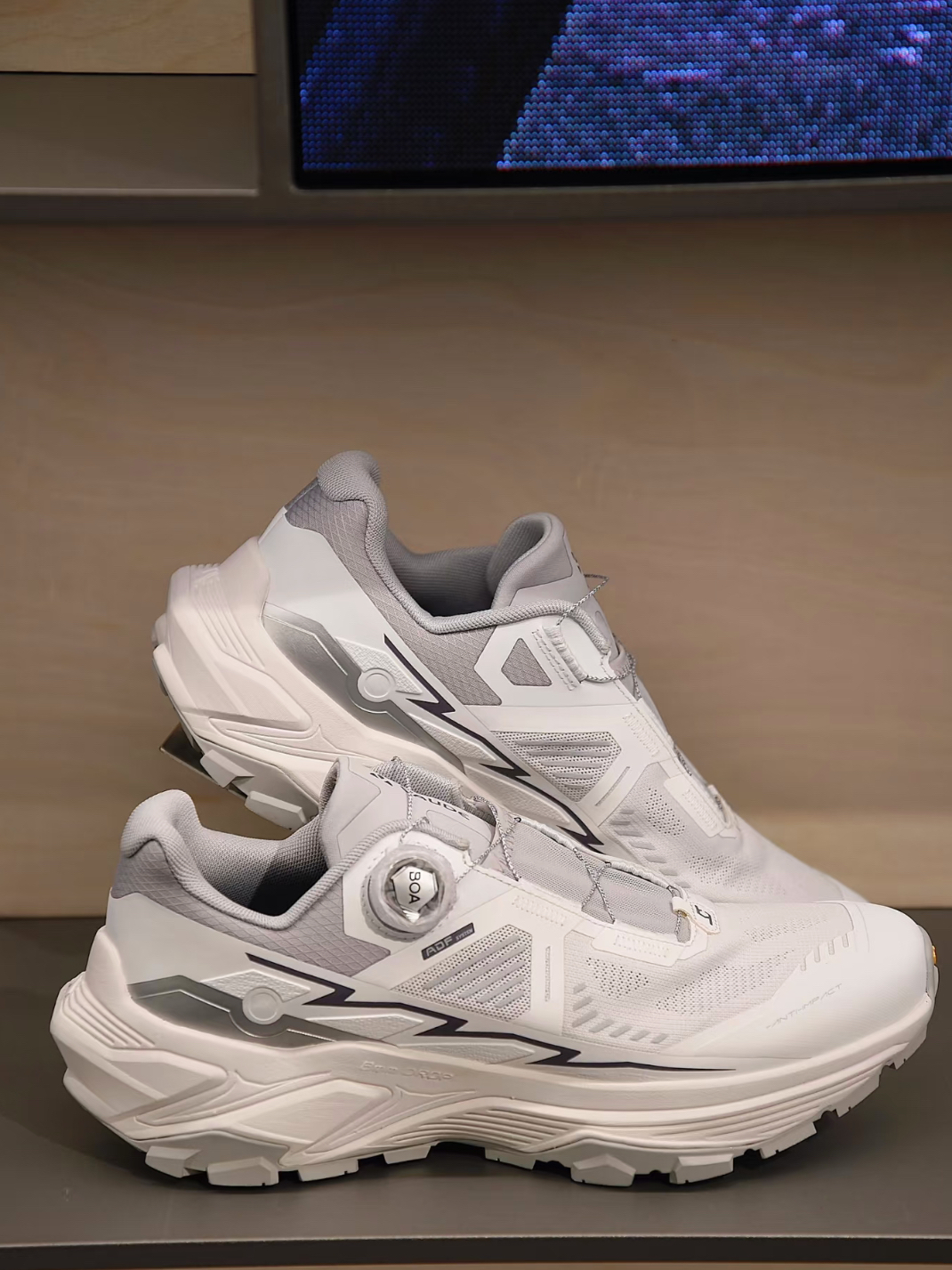
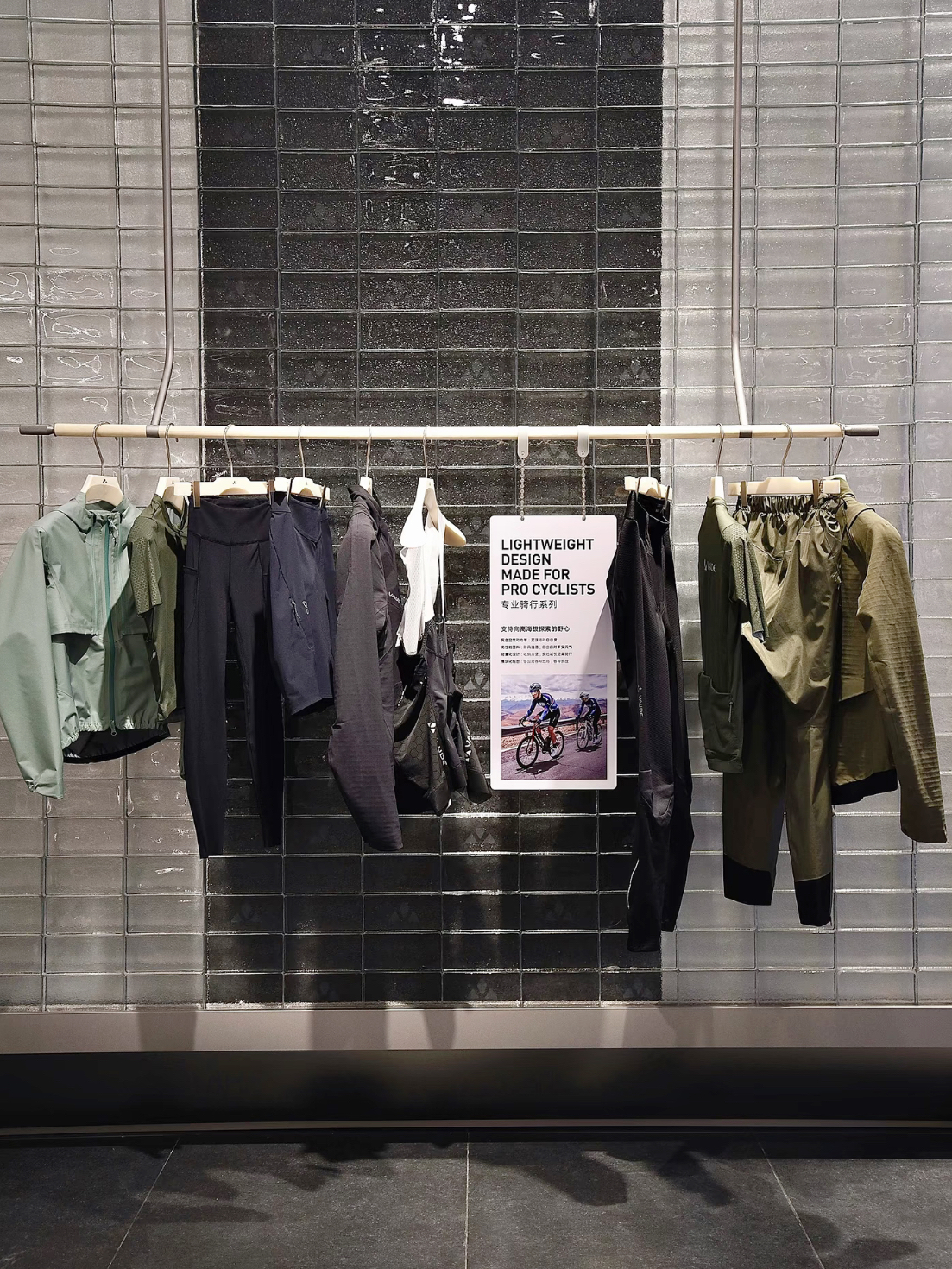
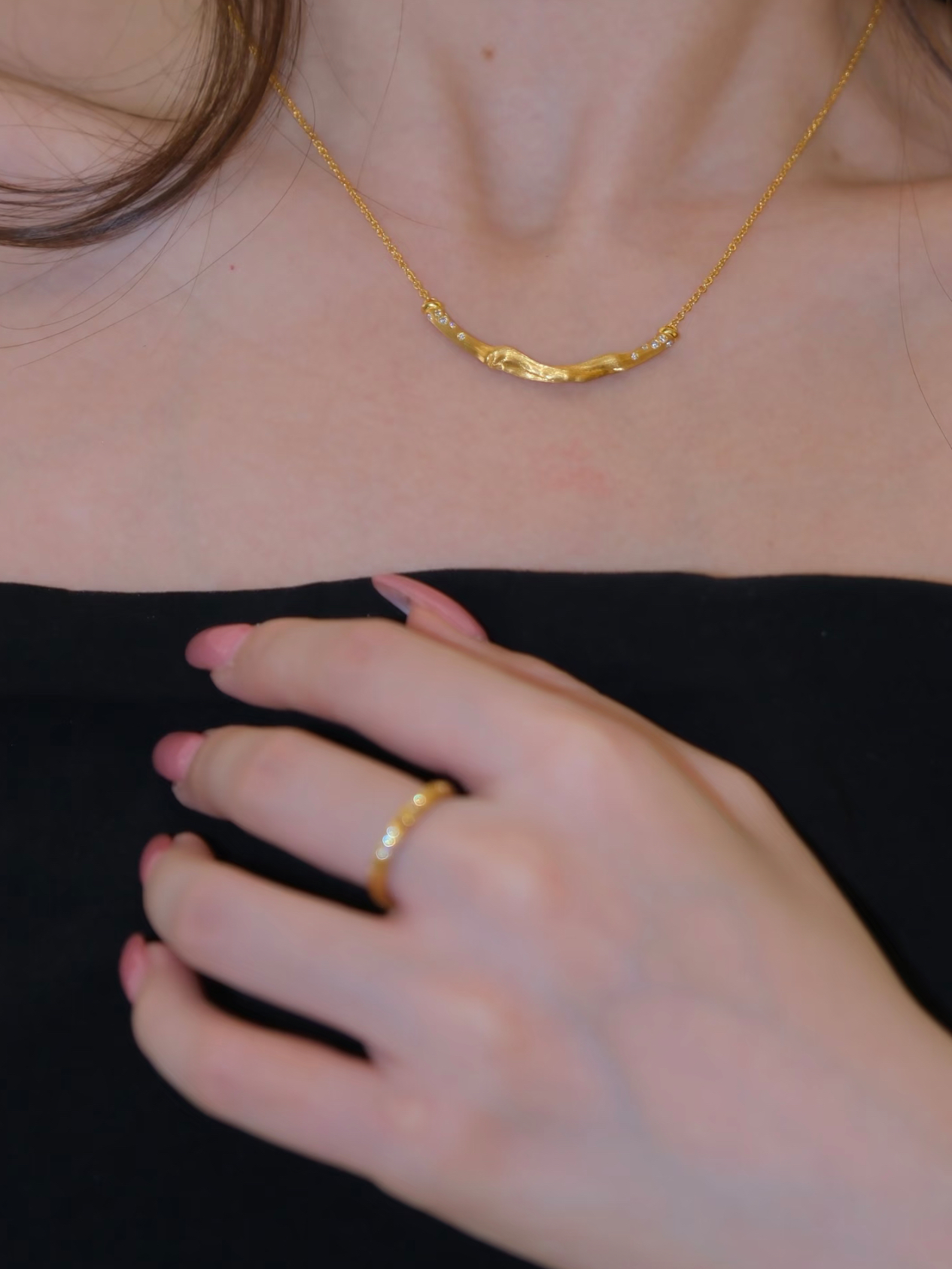
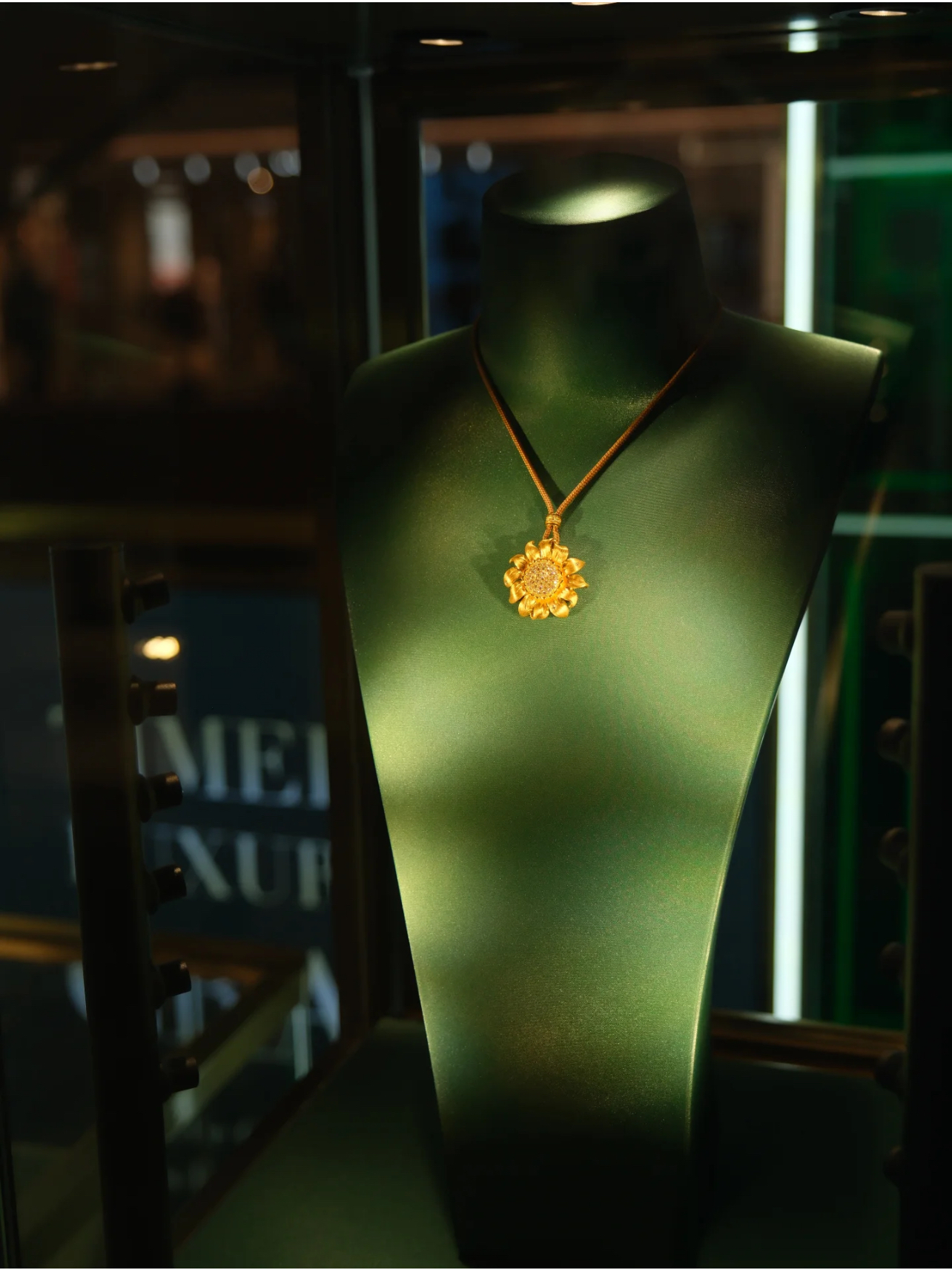
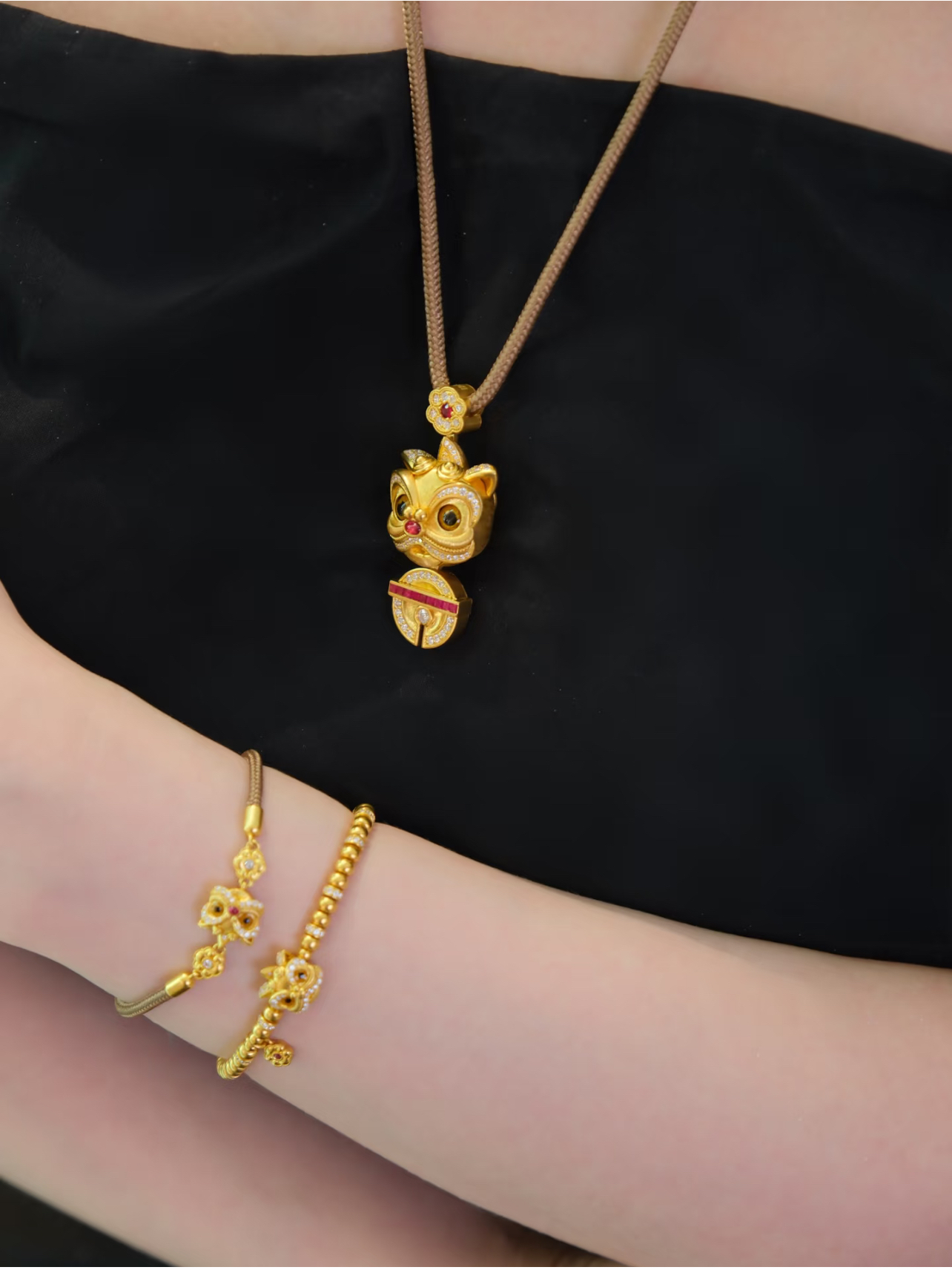
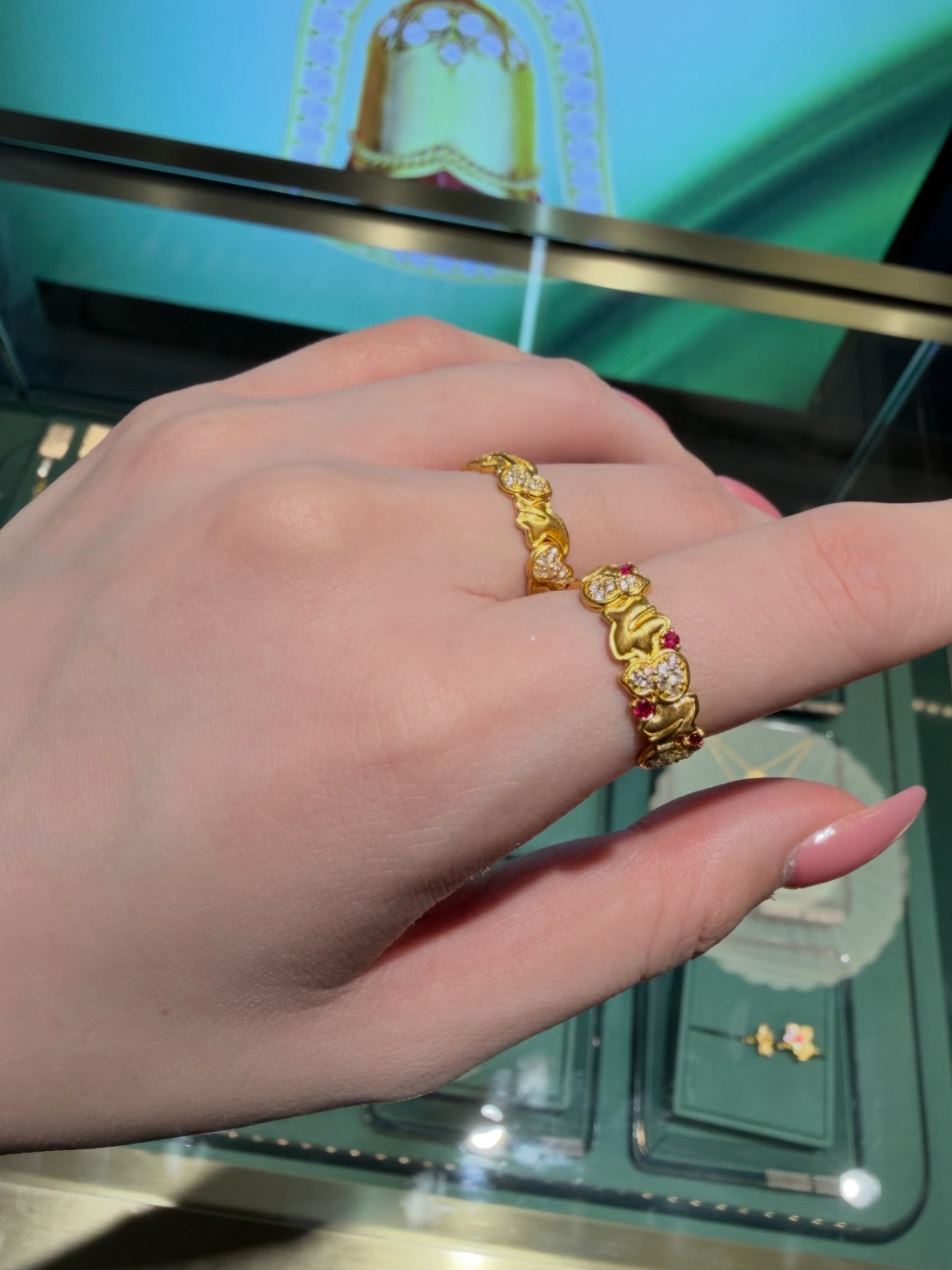
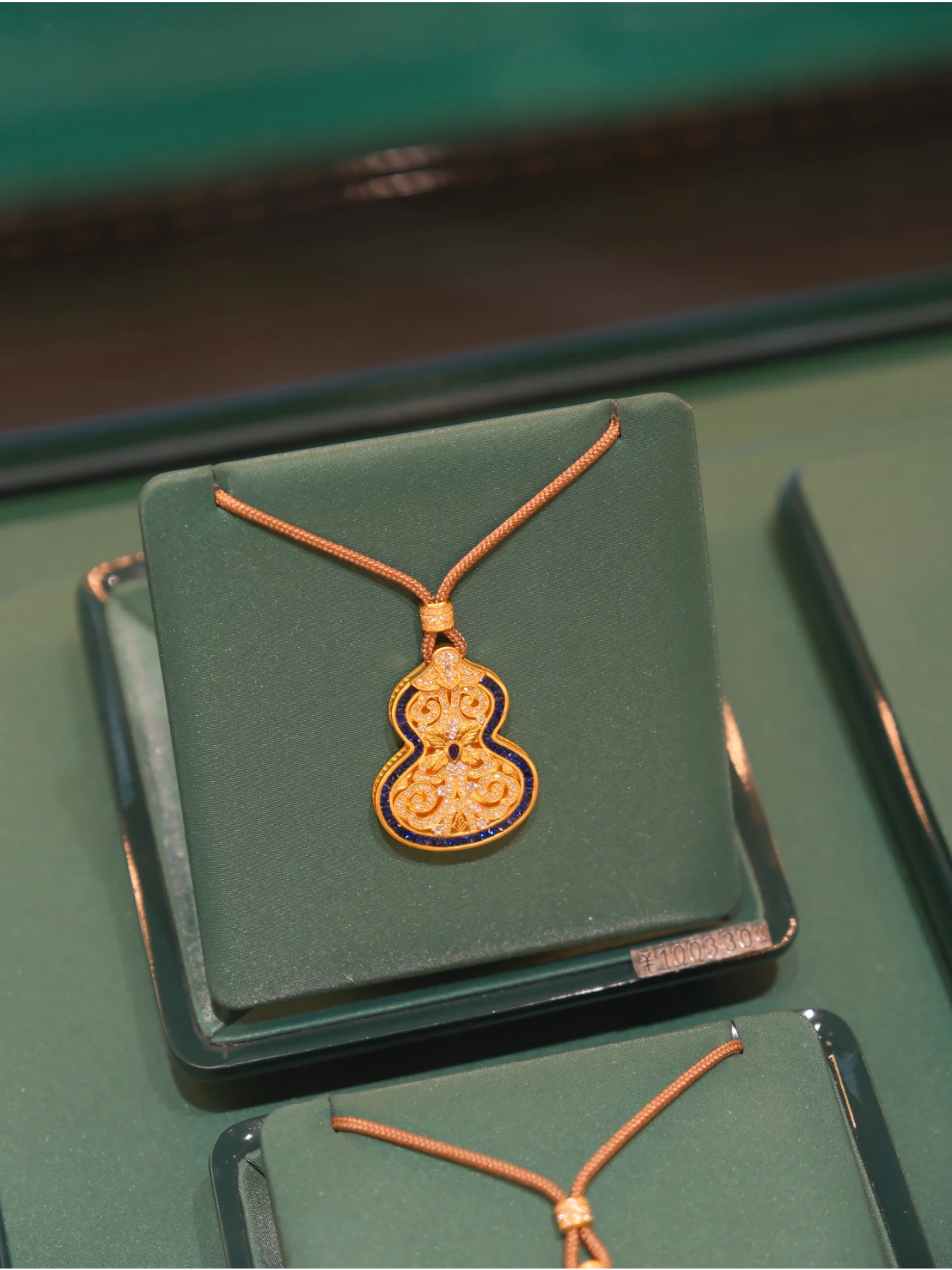
The recent additions are a decent cross-section of what "premium debut" looks like right now. Georg Jensen (Danish silverware and jewelry, the kind of brand that has been supplying Scandinavian royalty for over a century) is opening its national debut home boutique here. French beauty brand Chantecaille is doing its Chinese mainland debut. Belgian fine jewelry label Moneta, American outdoor brand Gregory, and German outdoor label Vaude are all making either Shanghai or national debuts. Kenzo Kids (French children's fashion, for the Xujiahui parent demographic) and Avocado Tree (healthy dining) round it out on the lifestyle end. Chinese beauty brand Florasis also picked Grand Gateway 66 for its Shanghai debut, which is notable given how carefully that brand manages its retail footprint.
It's a varied list, and the outdoor brands (Gregory, Vaude) alongside the jewelry and beauty names are a slightly unexpected combination. But that's the point, really: Grand Gateway 66 isn't chasing a single customer, it's positioning itself as the kind of place where a brand with serious intentions comes first.
![[First in SH] Neo Young 6, K-Pop Debuts, and the Mall Wars](https://obj.shine.cn/files/2026/05/11/0f85769e-8f03-41f8-b1d0-e9693b8fd589_0.jpg)
![[First in SH] Neo Young 6, K-Pop Debuts, and the Mall Wars](https://obj.shine.cn/files/2026/05/11/3f4756bb-18b0-43bf-b6d5-a4ea725bd693_0.jpg)
Hongqiao Qianwan Incity MEGA Makes a Strong Entrance
Out in Hongqiao, Incity MEGA has had a strong opening year.
The mall sits in Minhang District, which is not the first place most people think of when they think about Shanghai's retail scene, but Incity MEGA has done a reasonable job of making the case for western Shanghai as a destination worth the commute. It's a large-scale project, it opened with genuine ambition, and the brand mix across retail, dining, sports, and entertainment is varied enough that it doesn't feel like it's trying to be one thing to one type of person.
Whether it sustains that momentum is the question every new mall faces around the 18-month mark. For now, the first-store lineup is doing the work.
![[First in SH] Neo Young 6, K-Pop Debuts, and the Mall Wars](https://obj.shine.cn/files/2026/05/11/14df0e6a-e26a-4d3b-b519-f7ef6c78d13d_0.png)
The Mitchell & Ness Shanghai debut on the ground floor is, genuinely, a good get.
If you're not familiar: Philadelphia, 1904, heritage sportswear, the brand that basically invented the officially licensed throwback jersey as a cultural object. The store leans into that history hard, with industrial interiors and a vintage sports museum atmosphere that either works for you immediately or leaves you completely cold depending on your relationship with 1990s American sports nostalgia. The Hardwood Classics range covers NBA, NFL, MLB, and NHL, with recreated jerseys from Jordan, Kobe, Iverson and the rest done with enough attention to fabric, embroidery, and silhouette that they hold up as actual garments rather than just memorabilia. The vintage T-shirts, baseball jackets, and snapbacks inspired by 90s American street culture have been moving well among the younger crowd, which makes sense: this is exactly the kind of brand that plays well with a generation that wasn't there for the originals but has very strong feelings about them anyway.
![[First in SH] Neo Young 6, K-Pop Debuts, and the Mall Wars](https://obj.shine.cn/files/2026/05/11/39b504e0-1844-4d44-832d-f263a06df202_0.jpg)
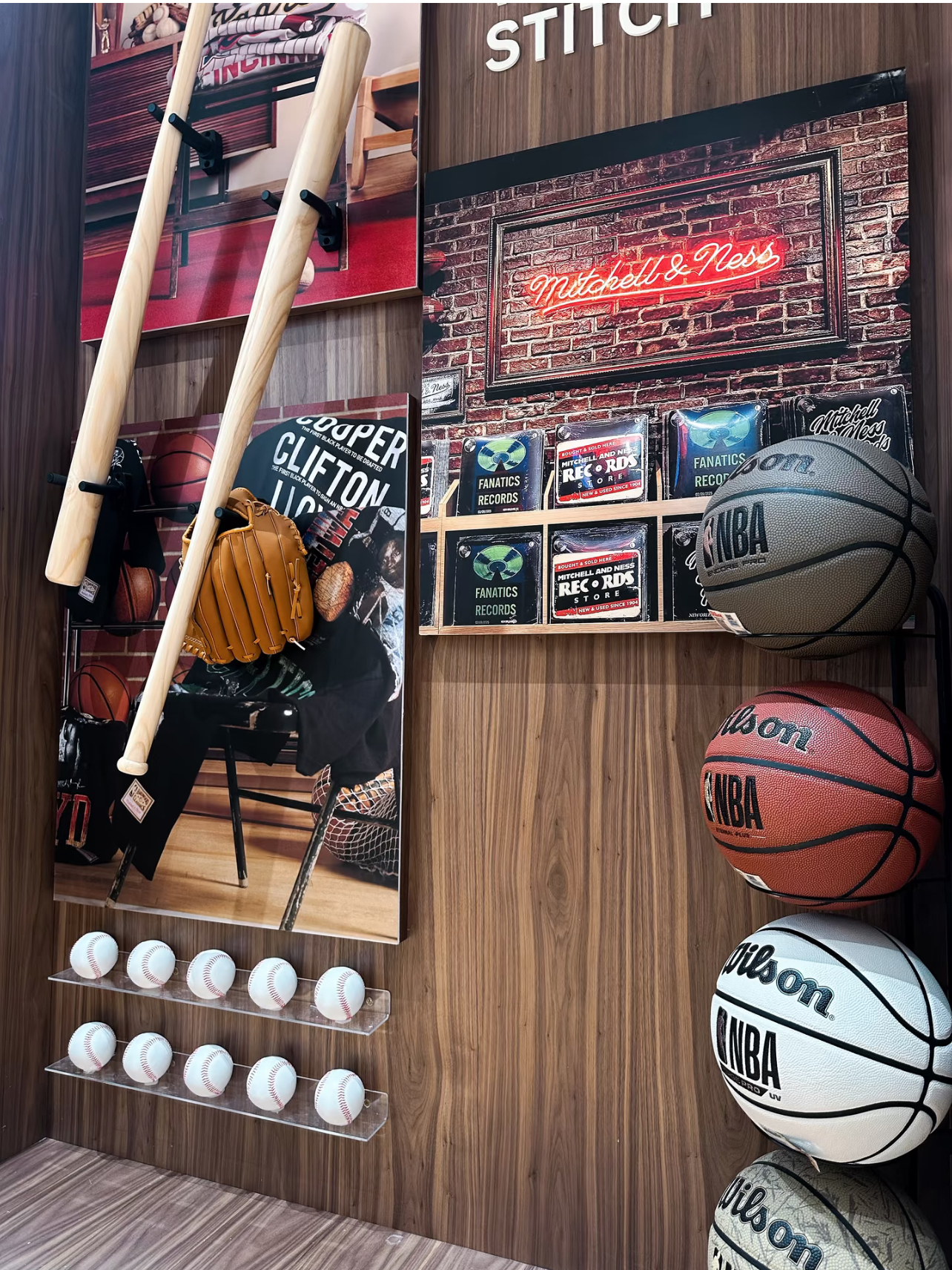
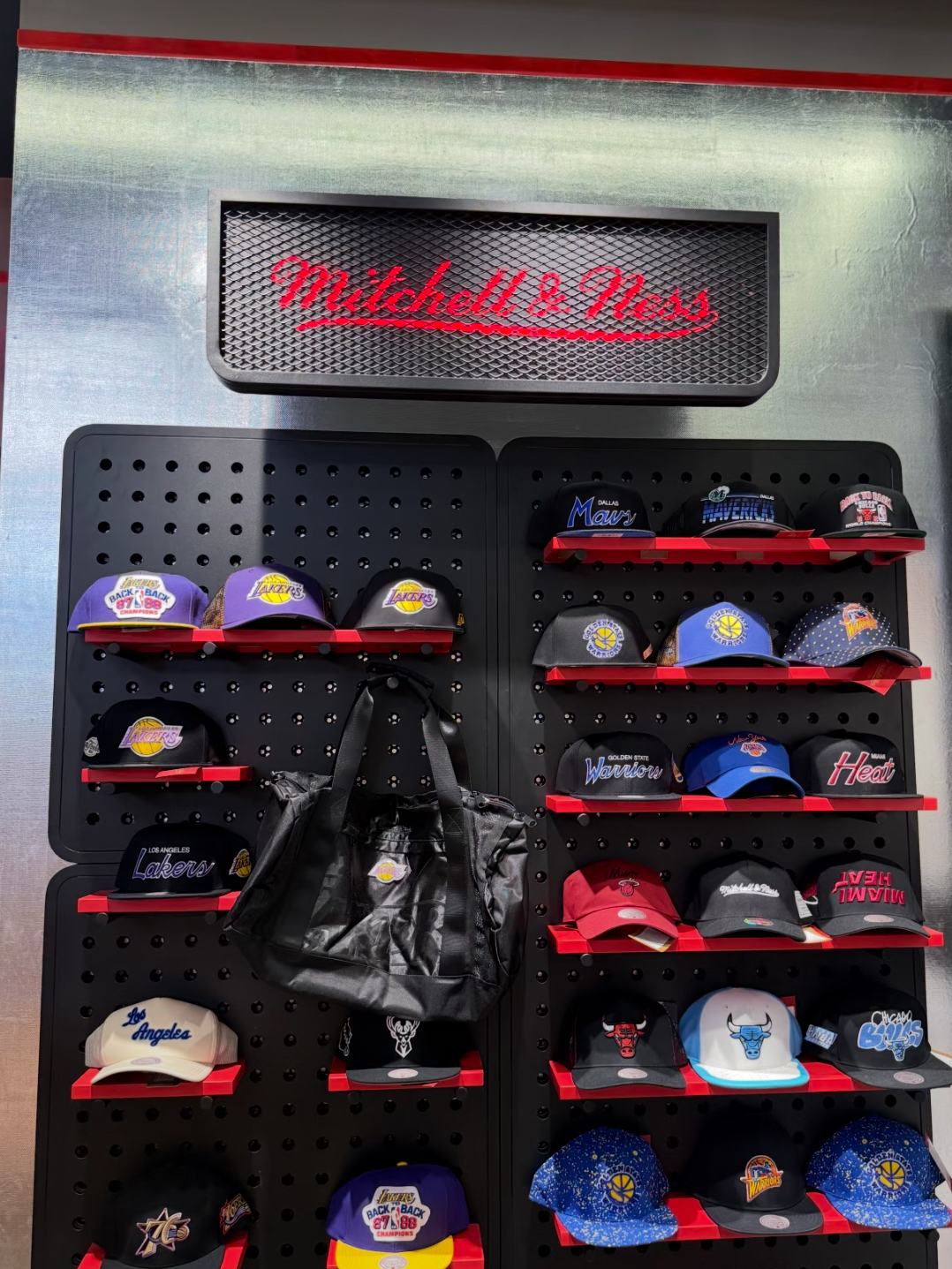
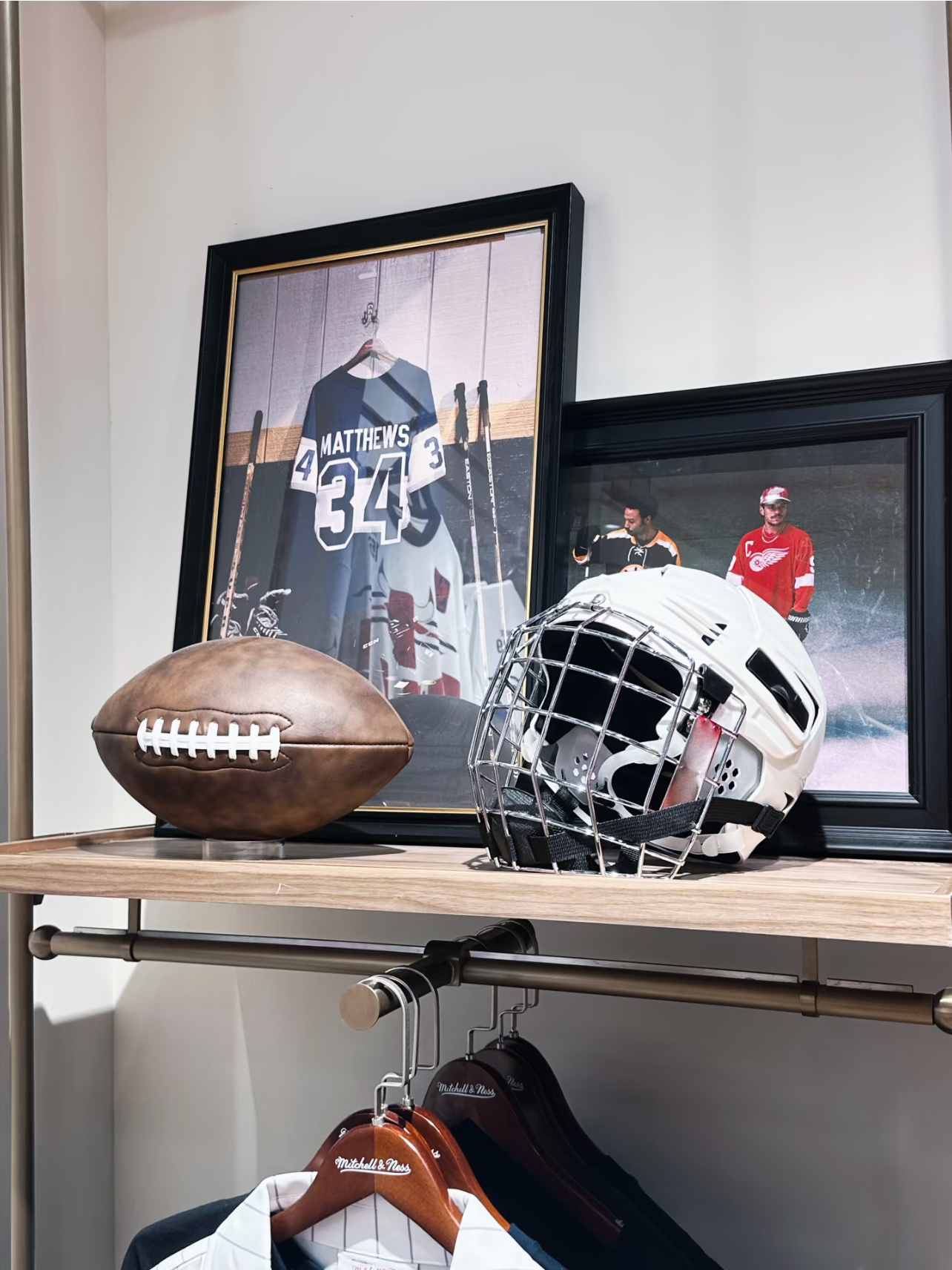
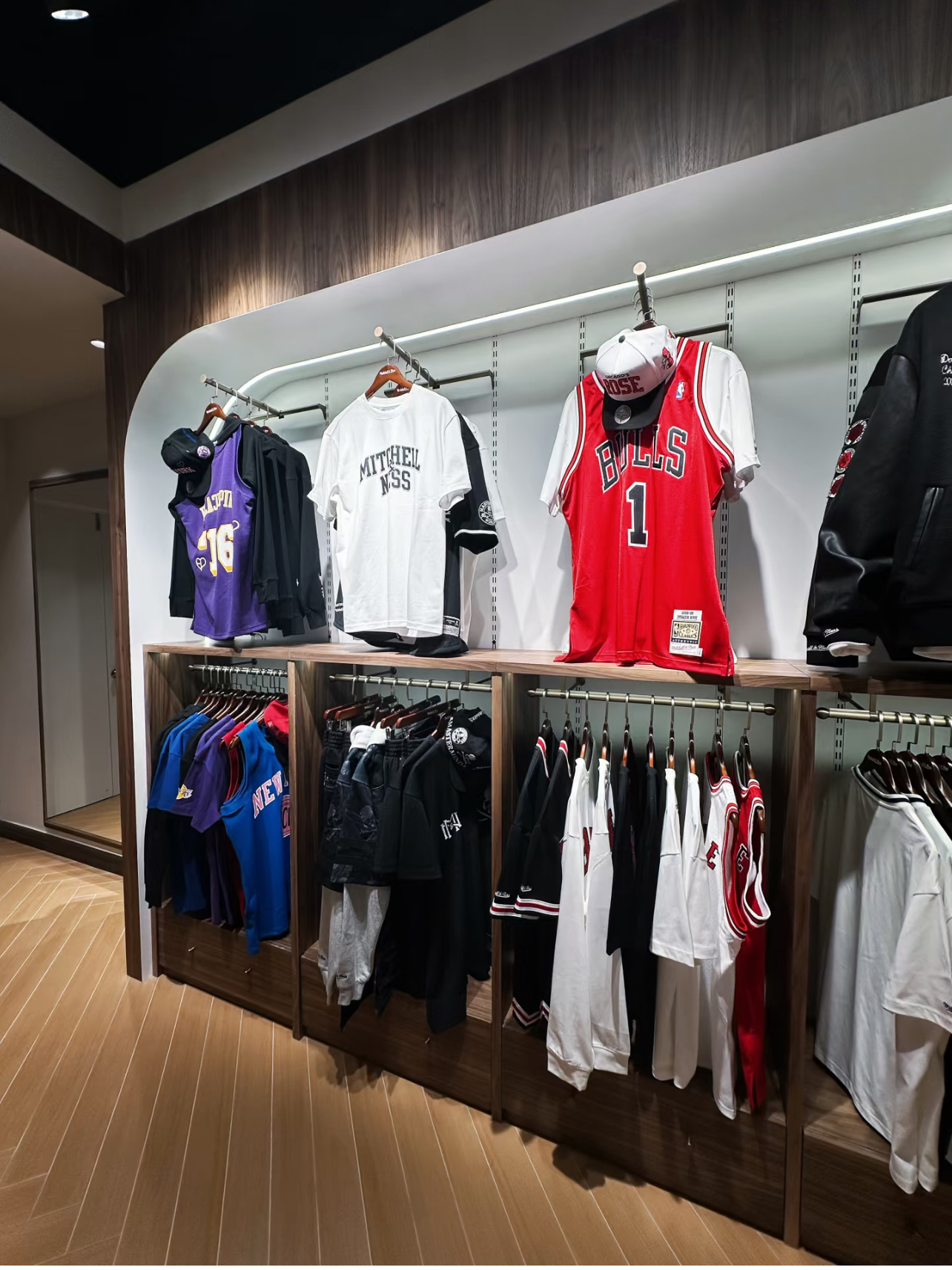
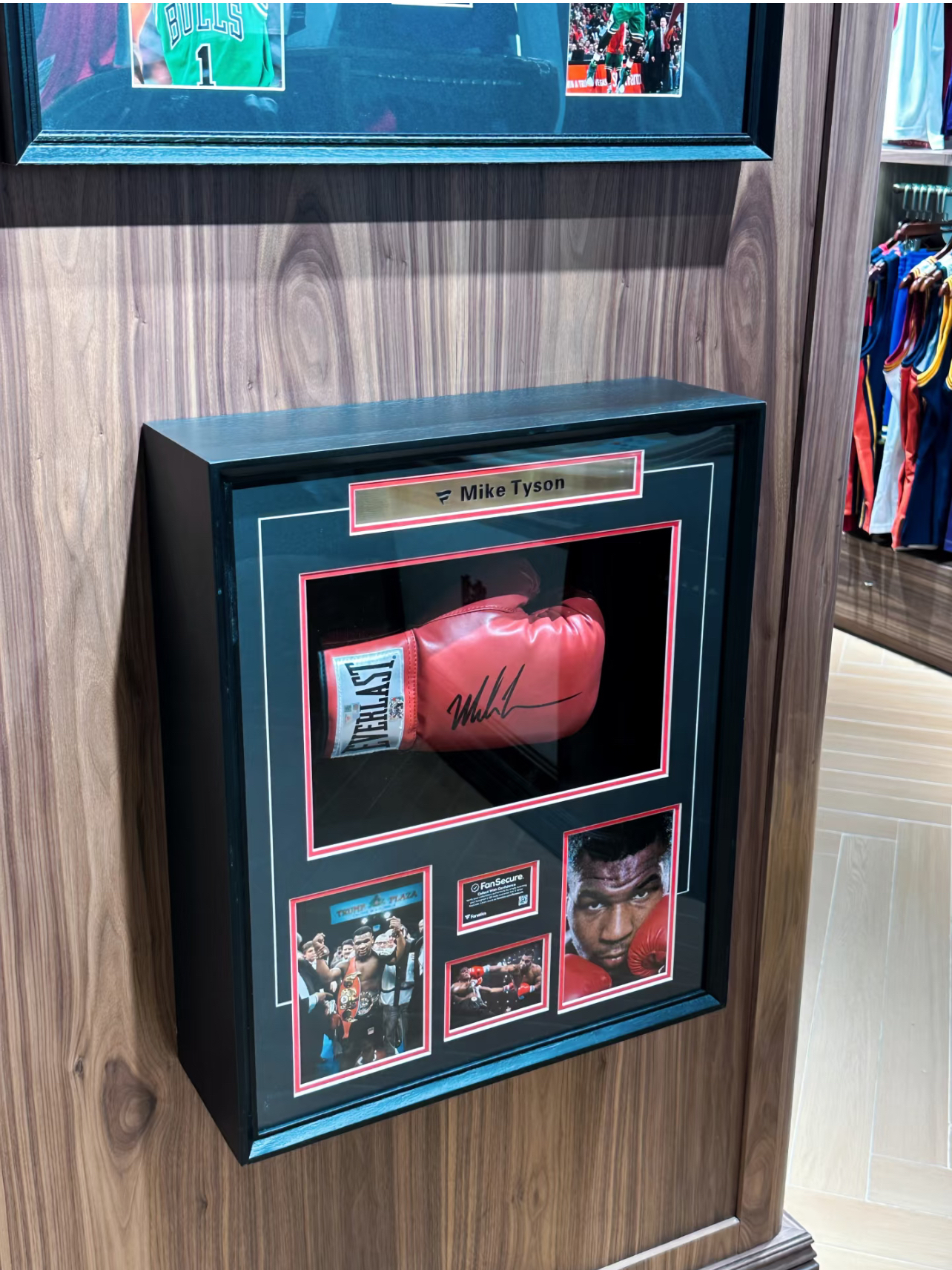
Also on the floor: Miss Saigon, which is about as different from Mitchell & Ness as you can get without leaving the building.
This is a French-Vietnamese restaurant, opened in February, and the sister concept to Thai Gallery (the long-running spot near Jing'an Park, currently closed while the park renovation runs through to September 2026). Where Thai Gallery does Thai, Miss Saigon is taking Vietnamese street flavors and running them through a French technique filter, which is a combination that has enough culinary logic behind it that it doesn't need to be oversold. Quieter room, more considered atmosphere, the kind of place that earns its place in a mall by being genuinely different from everything around it.
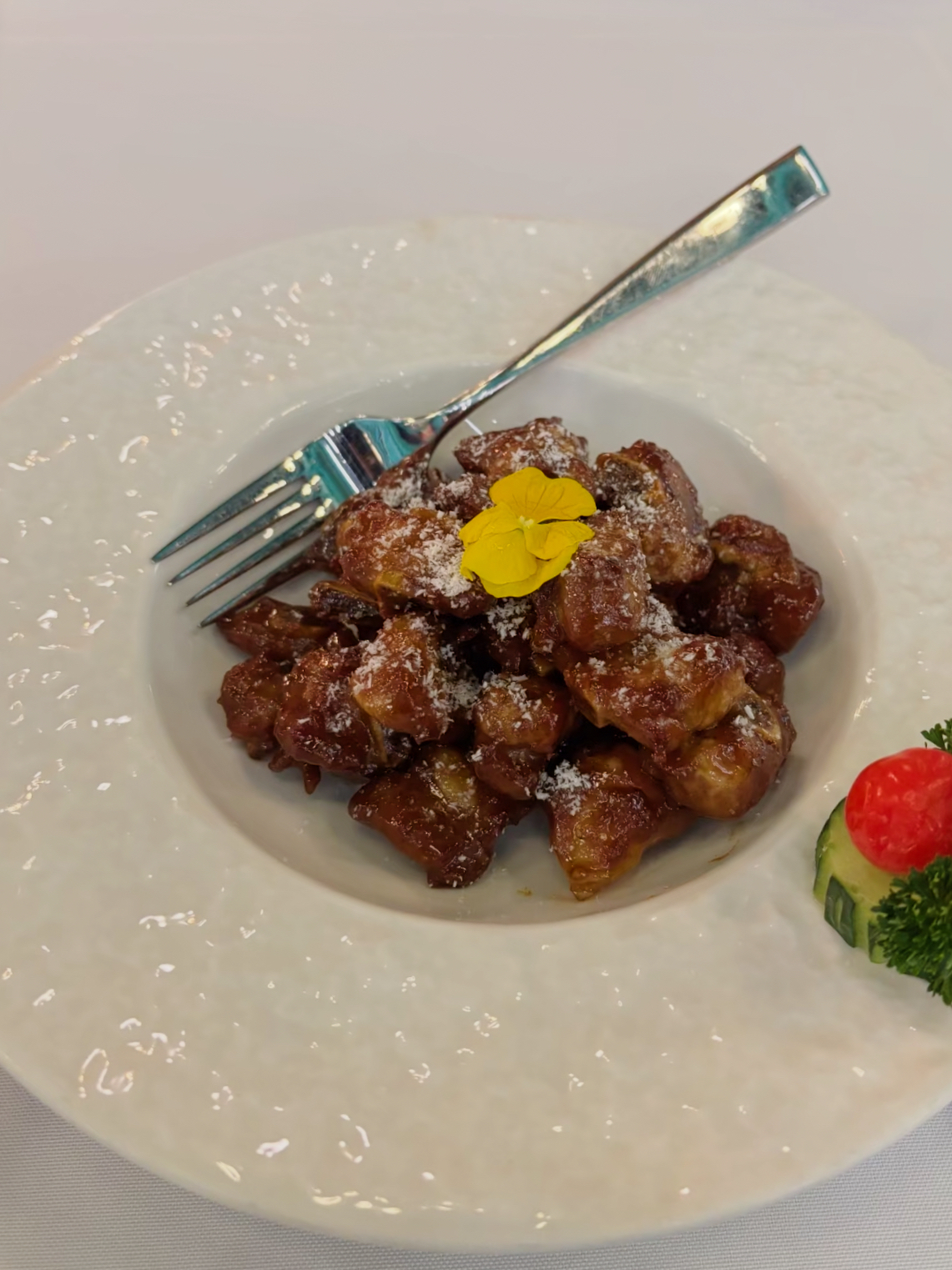
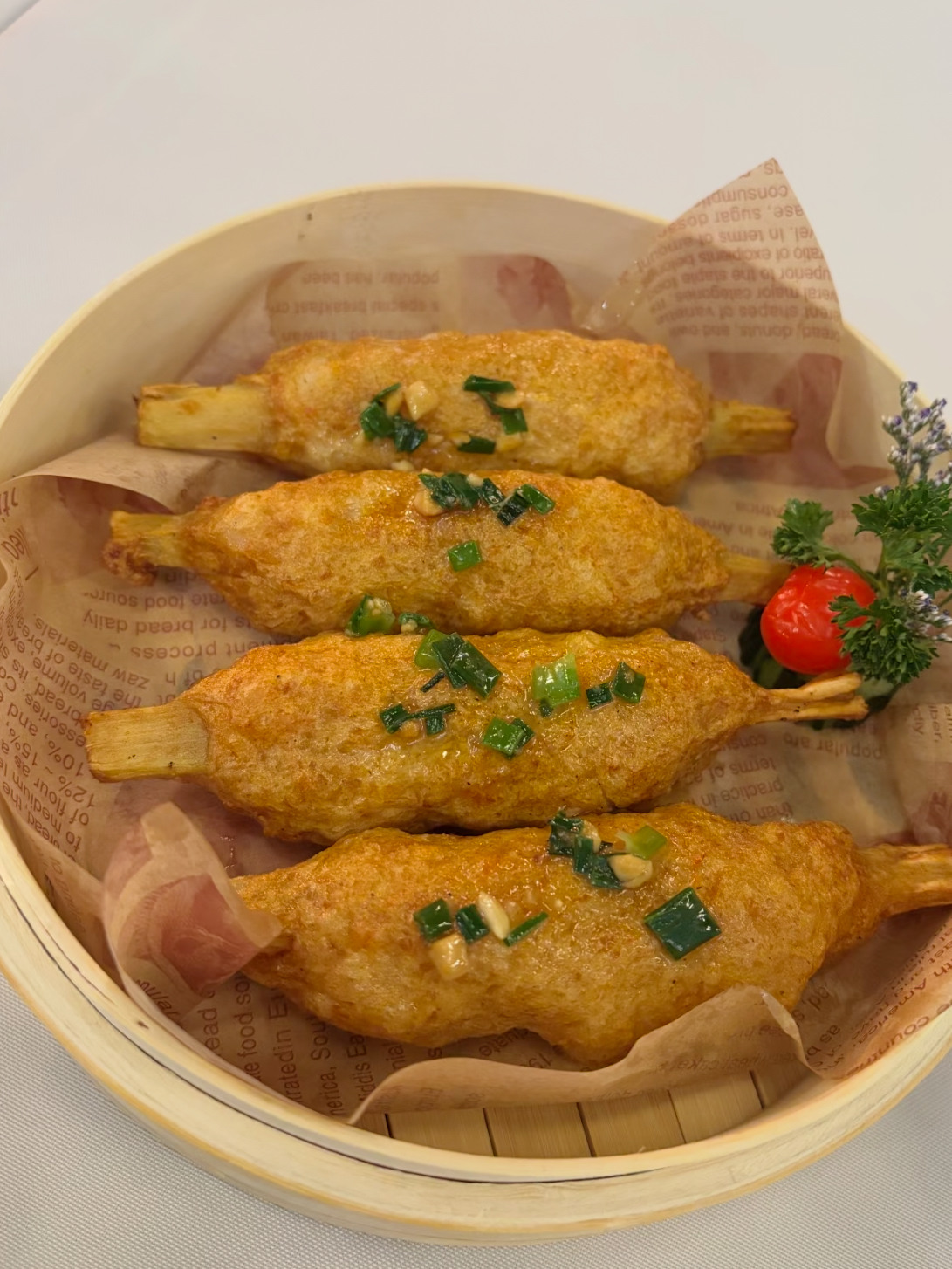
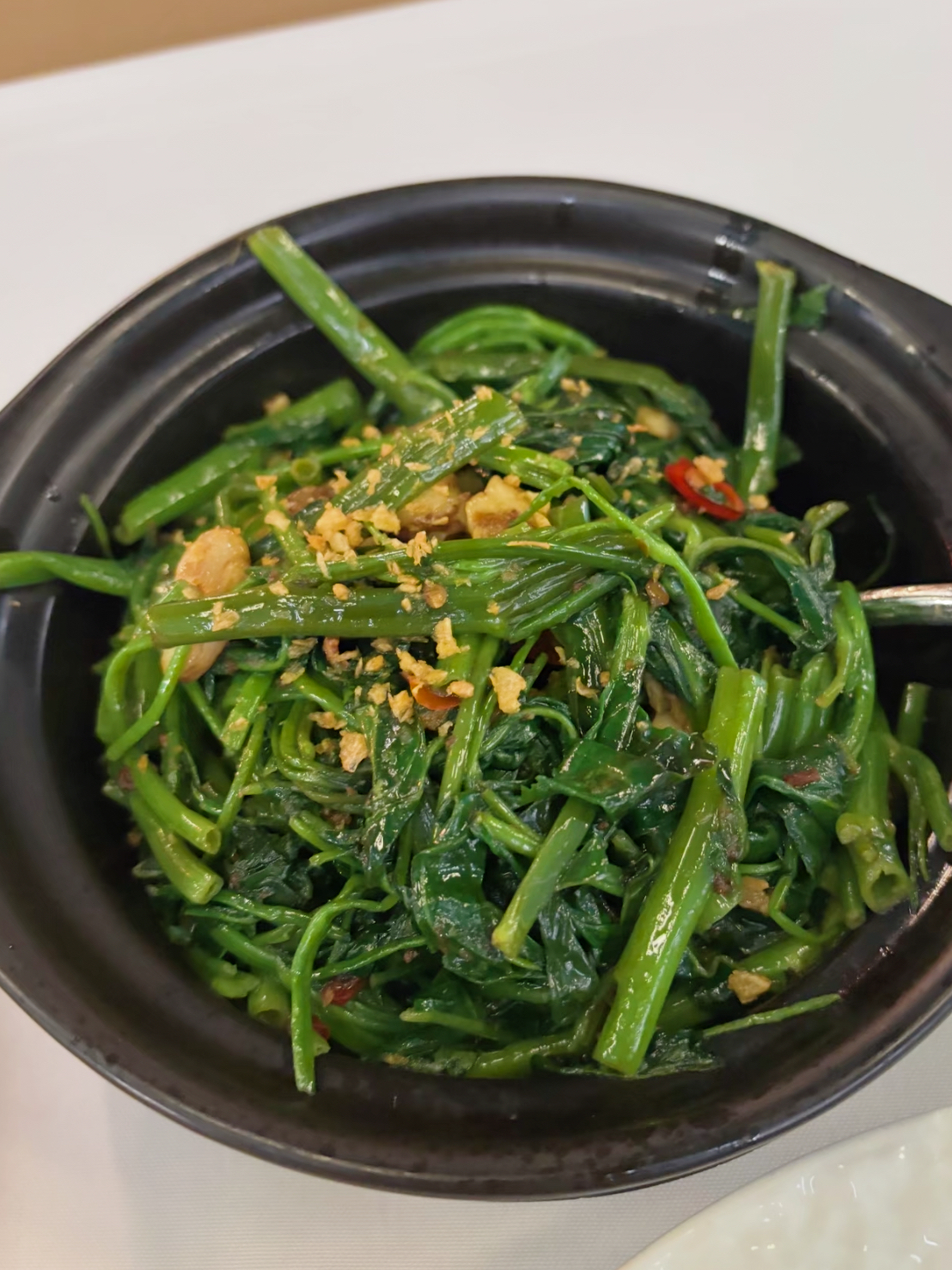
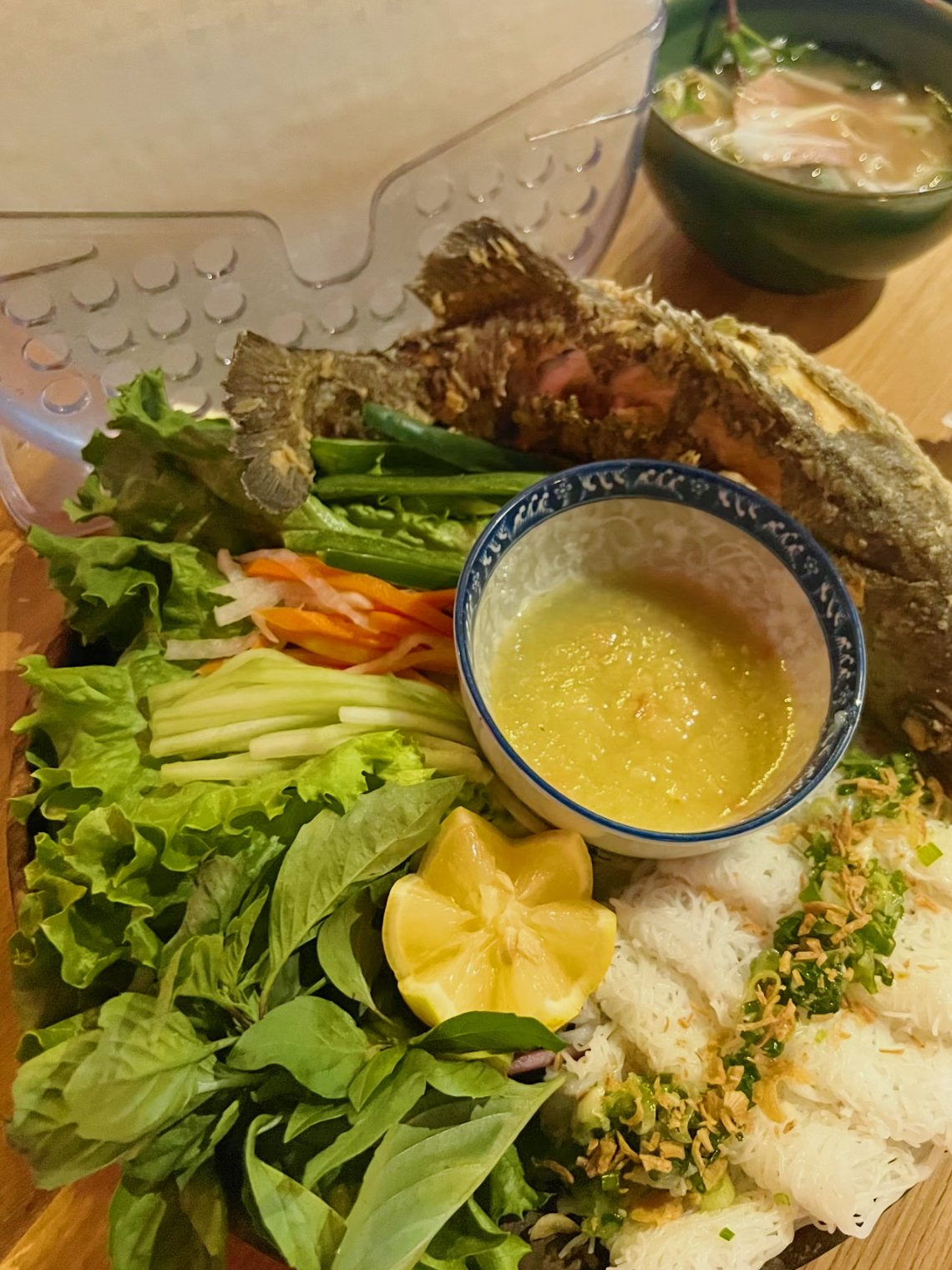
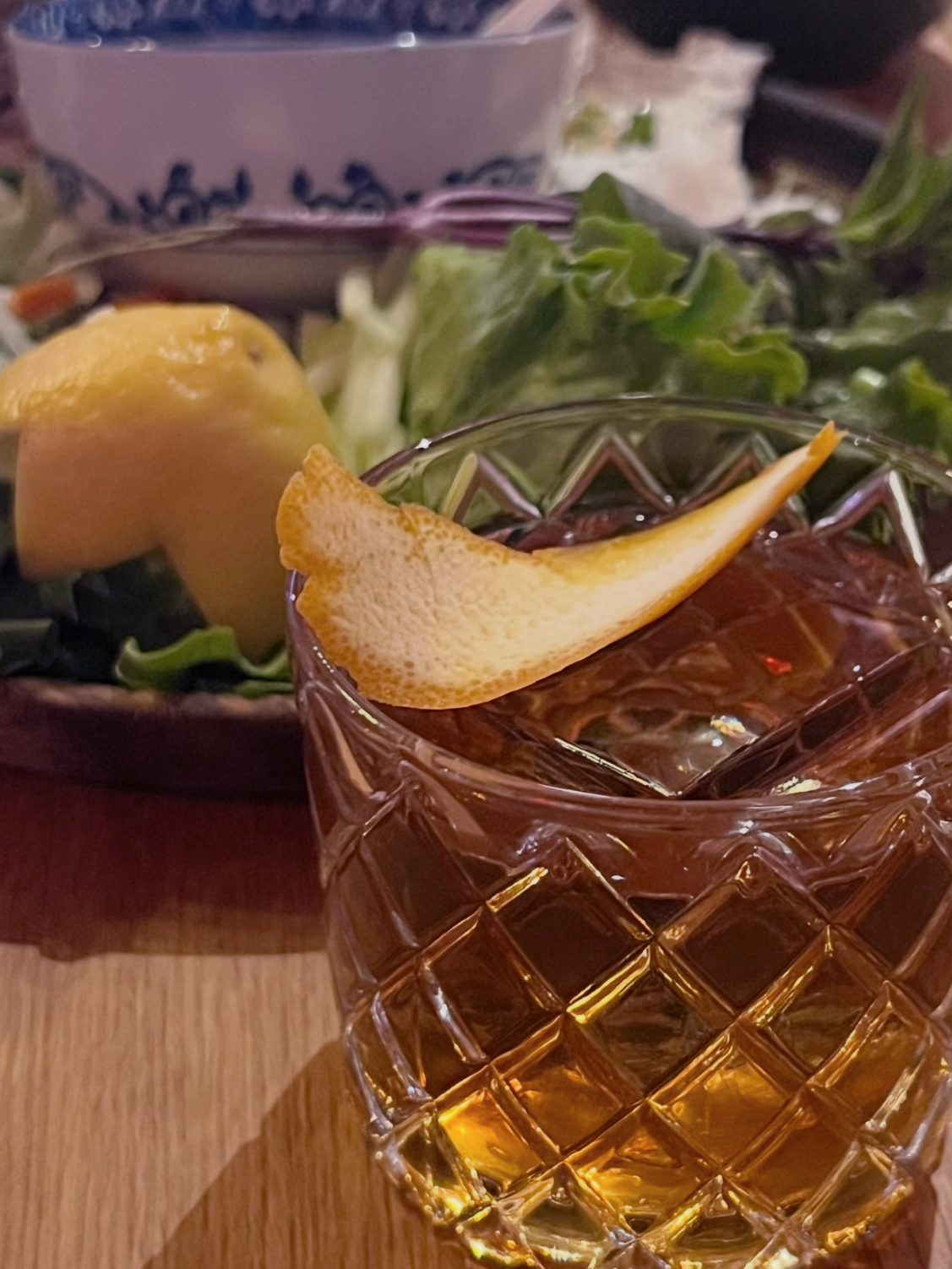
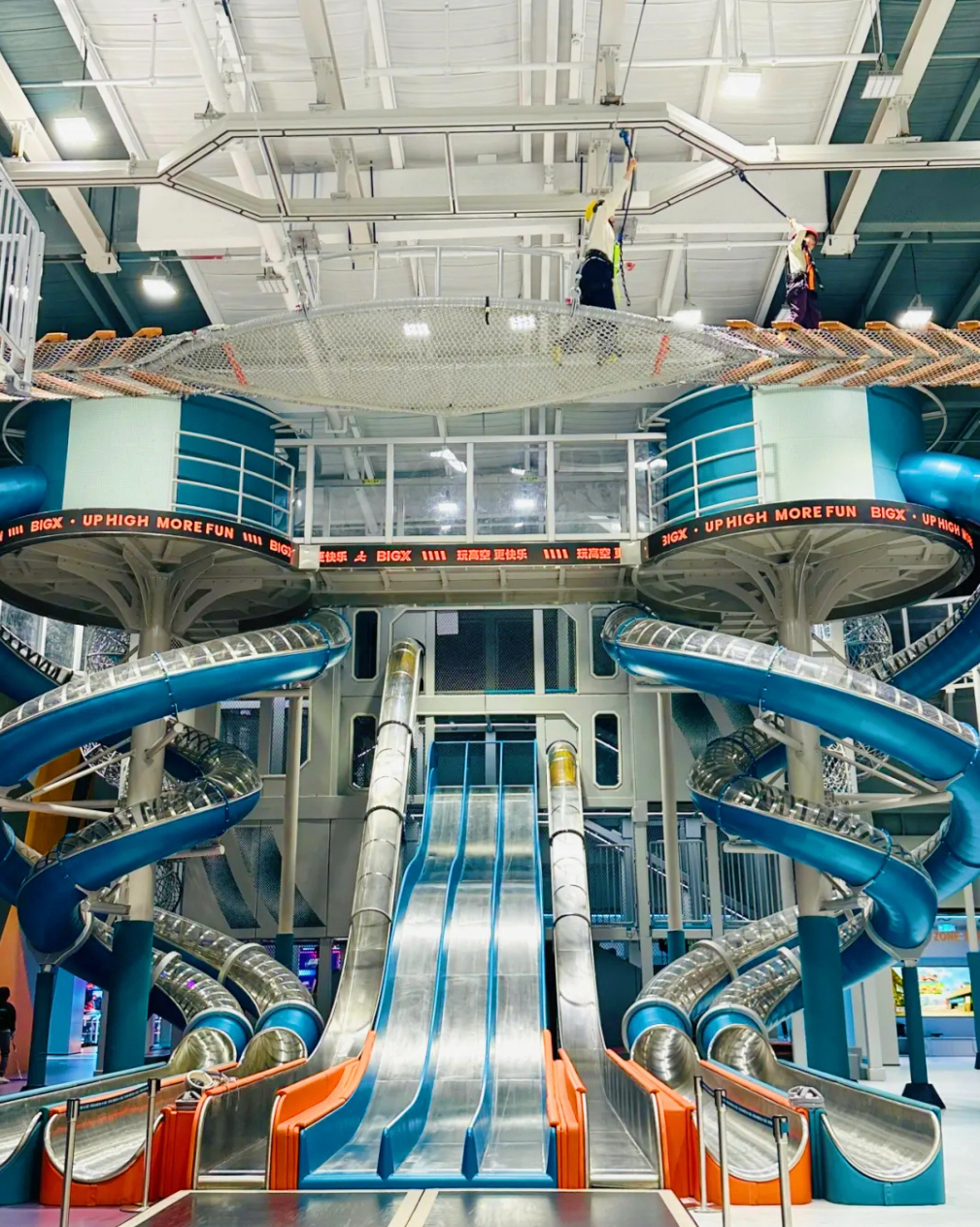
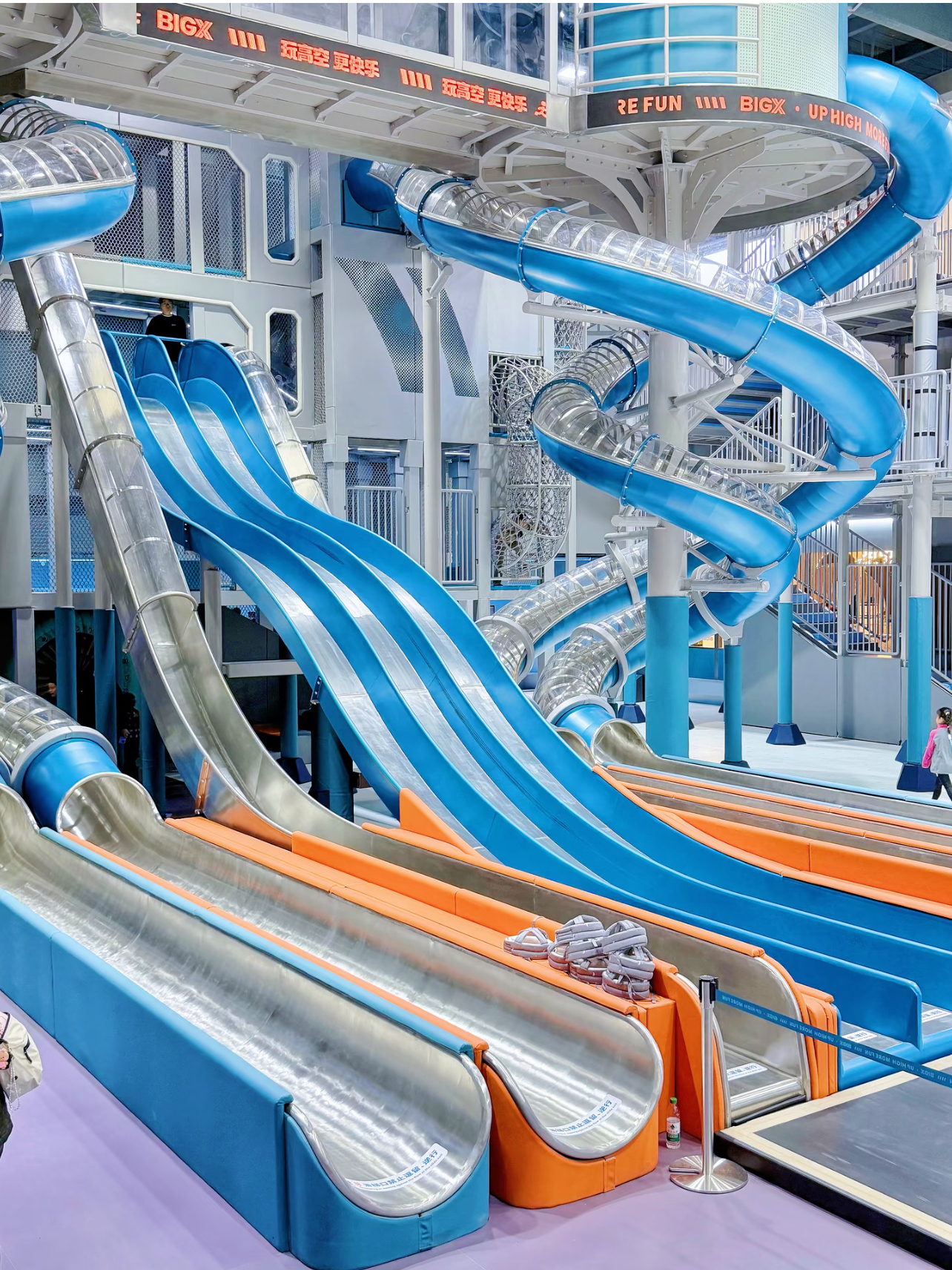
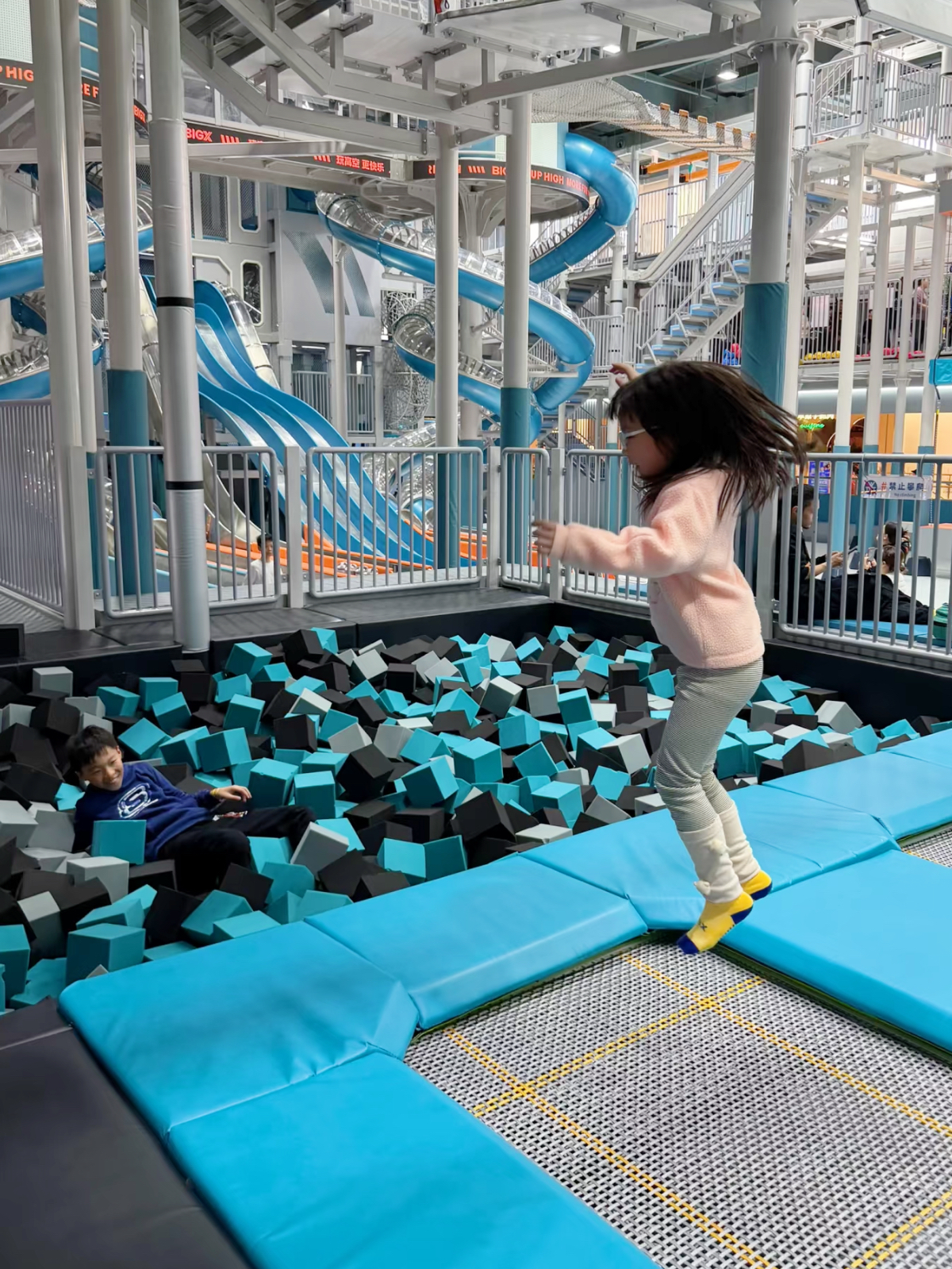
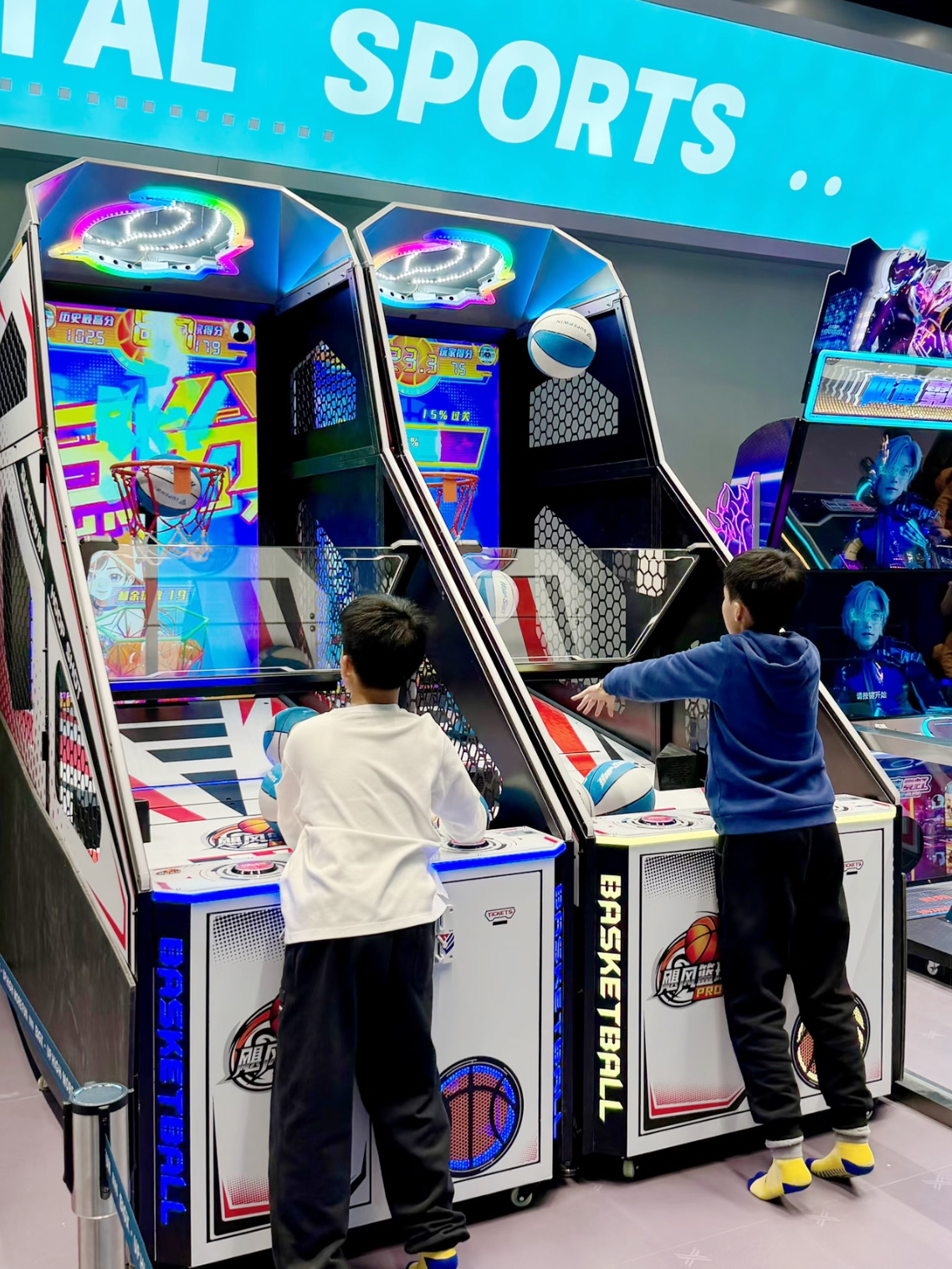
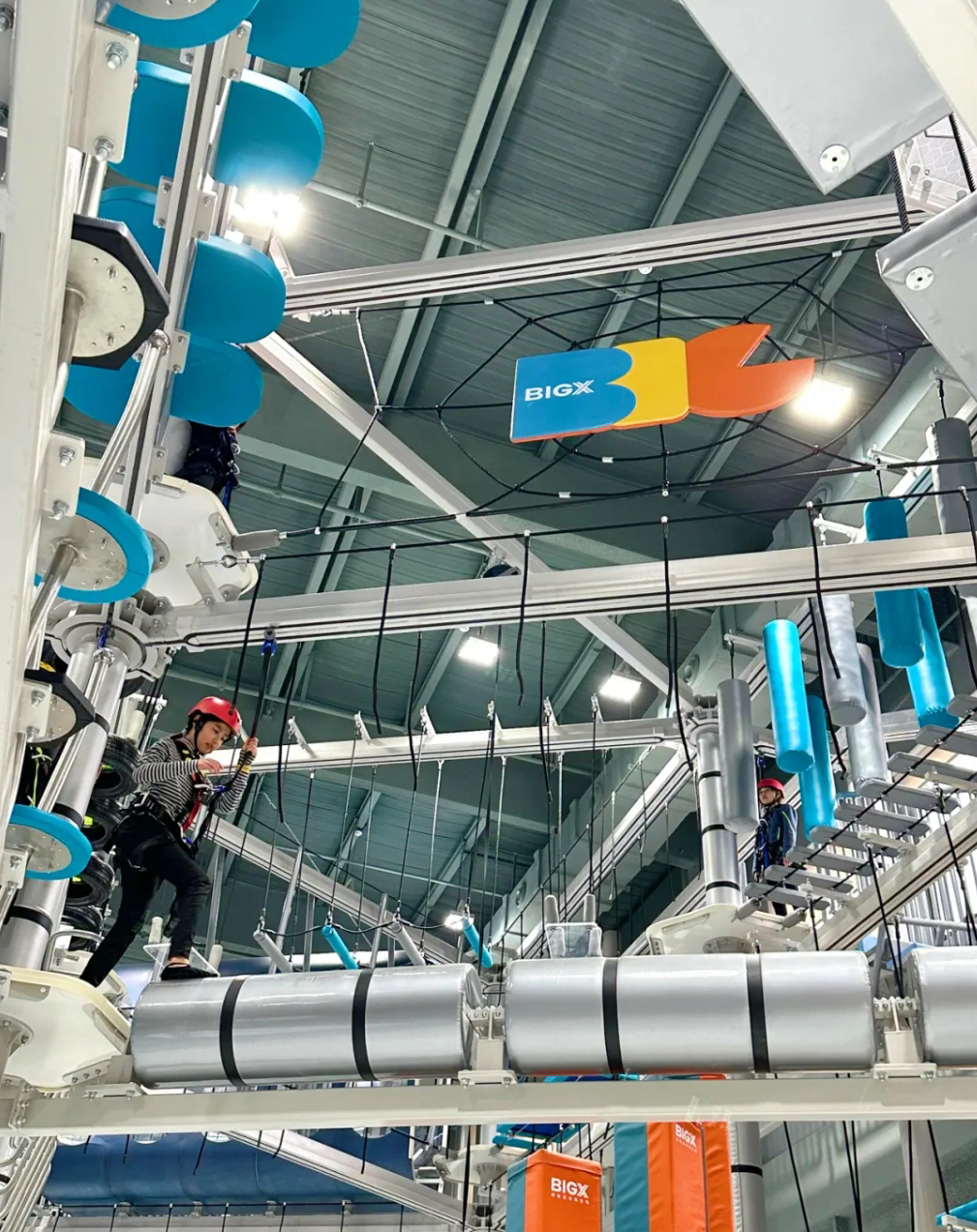
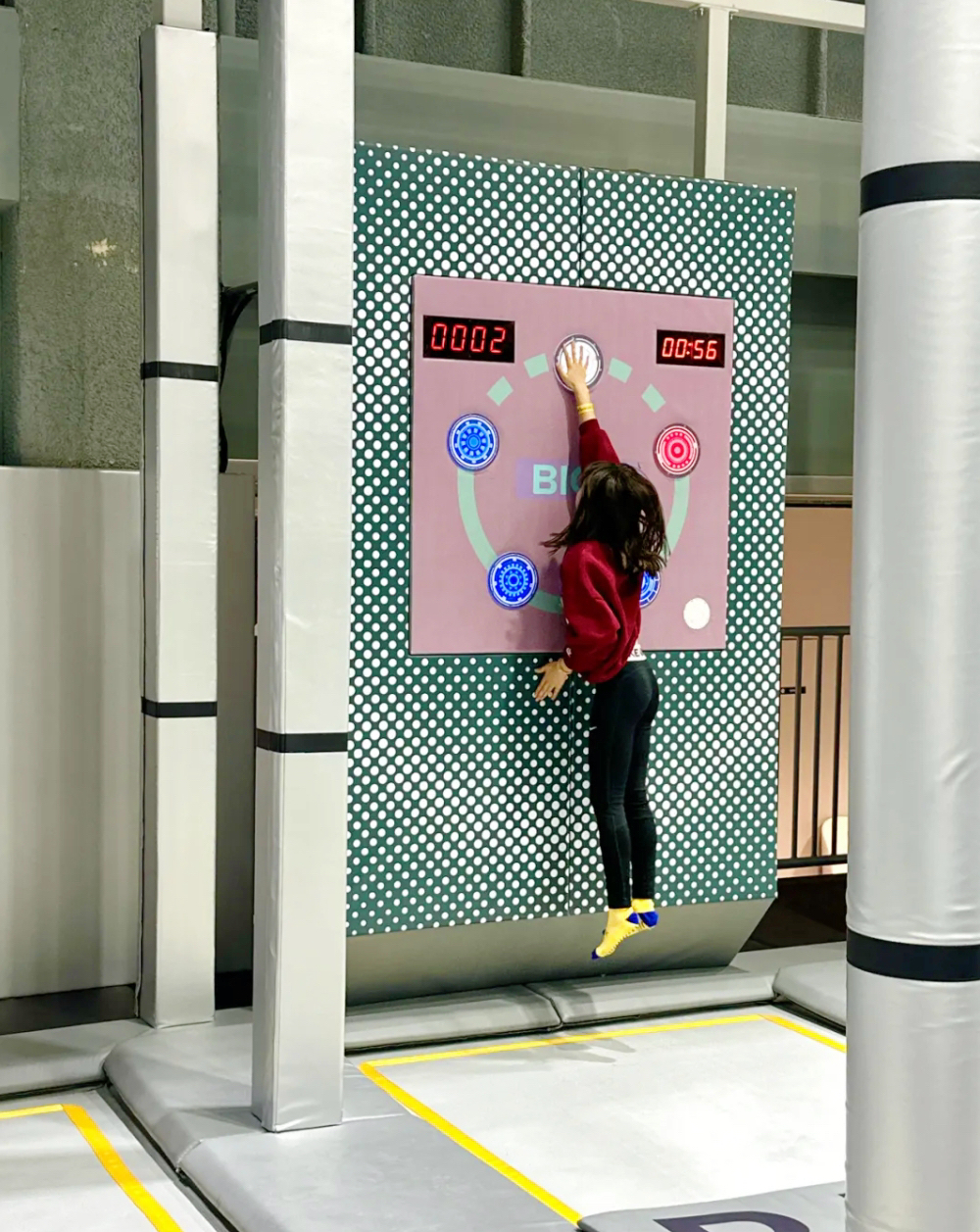
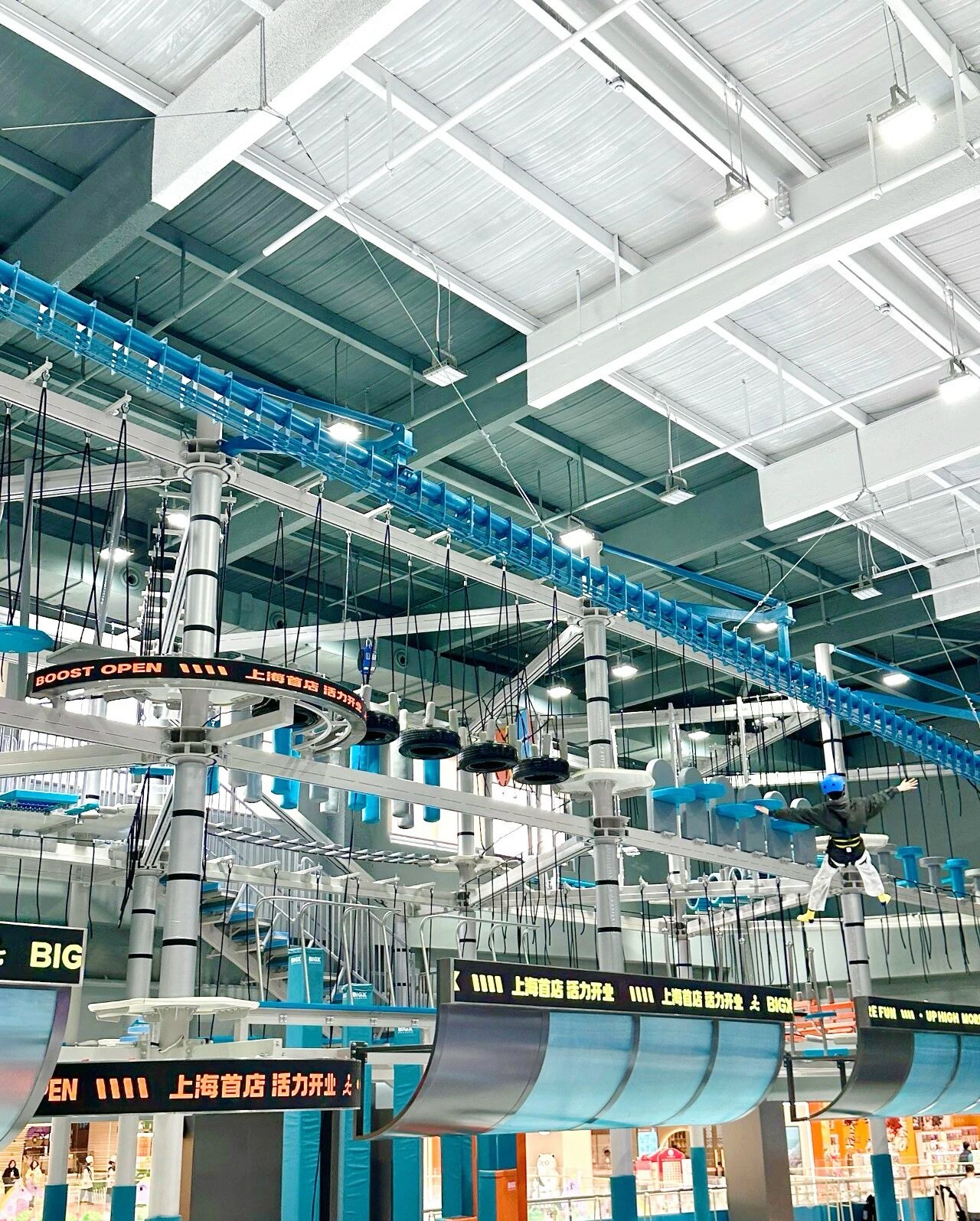
Bigx Land is the other big draw, making its national flagship debut here with a mix of sports, interactive gaming, and social spaces that's aimed squarely at the families-and-young-consumers bracket. It's the kind of anchor that justifies a trip rather than just a browse.
Rounding out the first-store lineup: outdoor fashion label Crying Center and phone accessory brand Umuycase, both opening Shanghai debuts. Neither is going to generate the same headlines as Mitchell & Ness or Miss Saigon, but that's not really the point. The cumulative effect of having enough first stores across enough categories is what turns a mall visit into something that feels like discovery rather than obligation, and Incity MEGA seems to understand that.
More commercial hubs betting on first stores
Other shopping centers may not be quite as high-profile, but they remain important players in Shanghai's first-store landscape.
These include:
- Longemont City Life Center
- Ruihong Xintiandi
- Hopson One
- Shanhgai Wujiaochang
- GATE M West Bund Dream Center.
These are seen as key commercial anchors in their respective districts, these malls continue strengthening their appeal through ongoing upgrades and tenant adjustments.
Non-standard commercial spaces join the competition
Beyond traditional malls, many of Shanghai's non-standard commercial spaces are also aggressively introducing first stores.
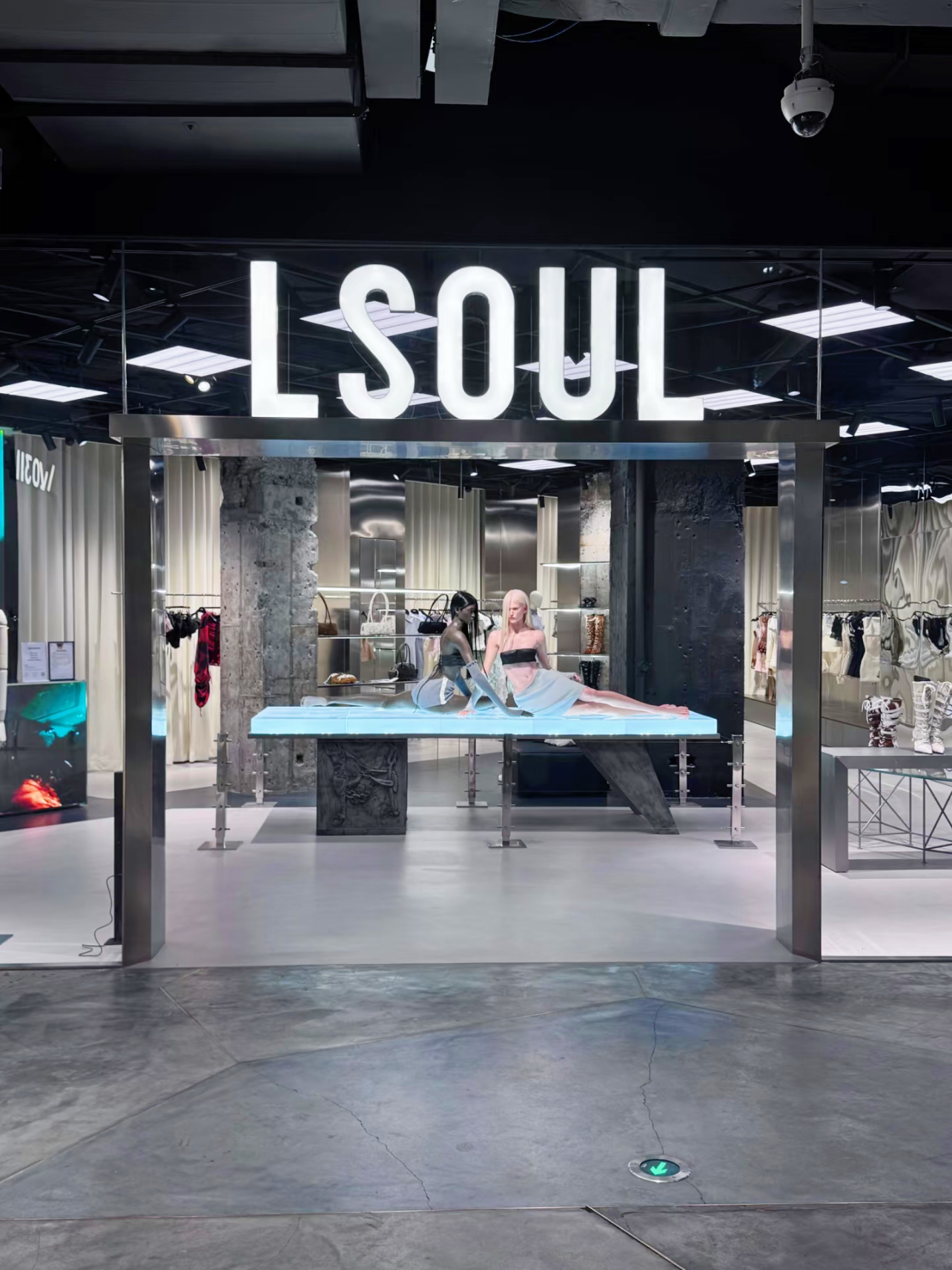
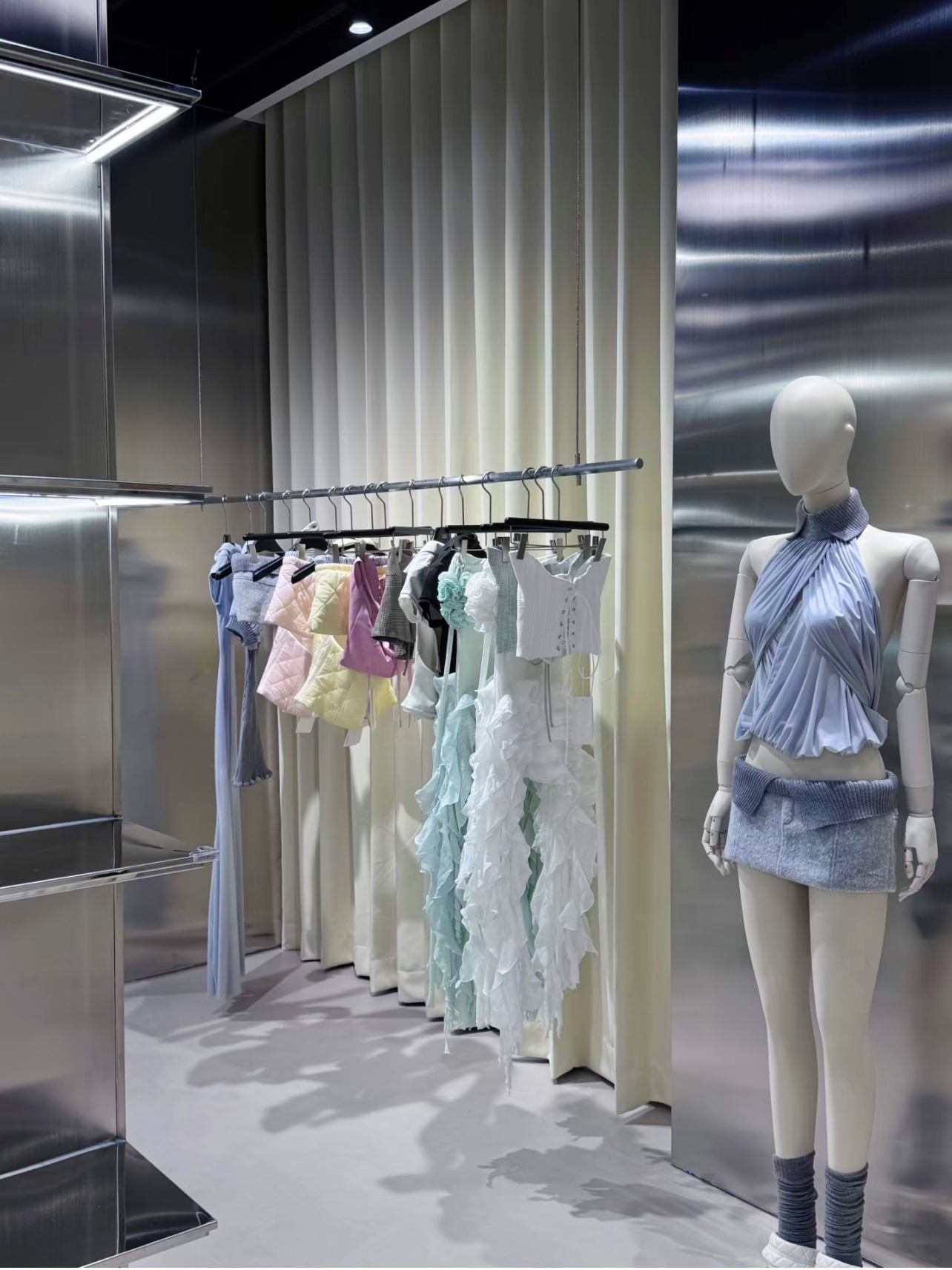
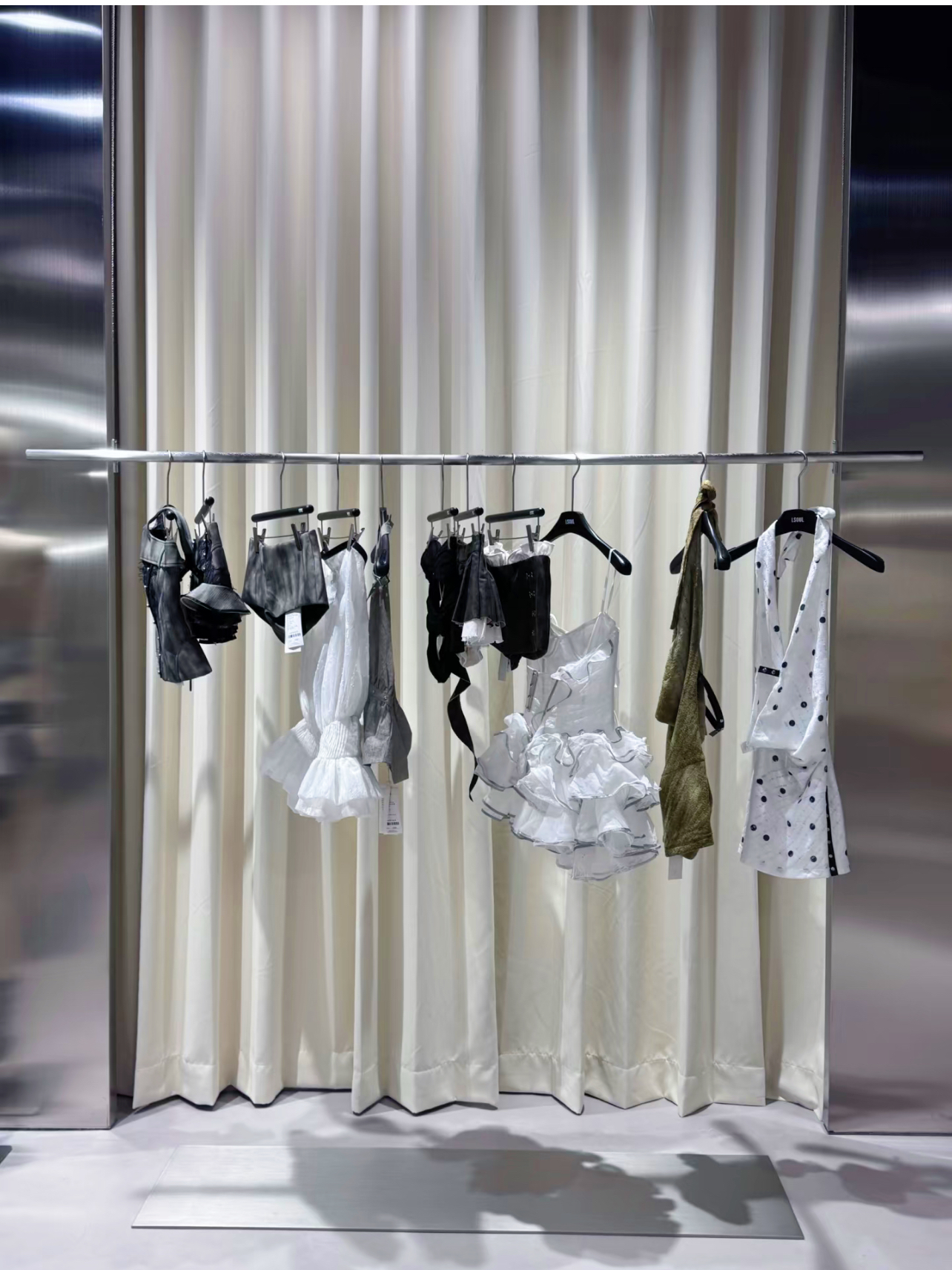
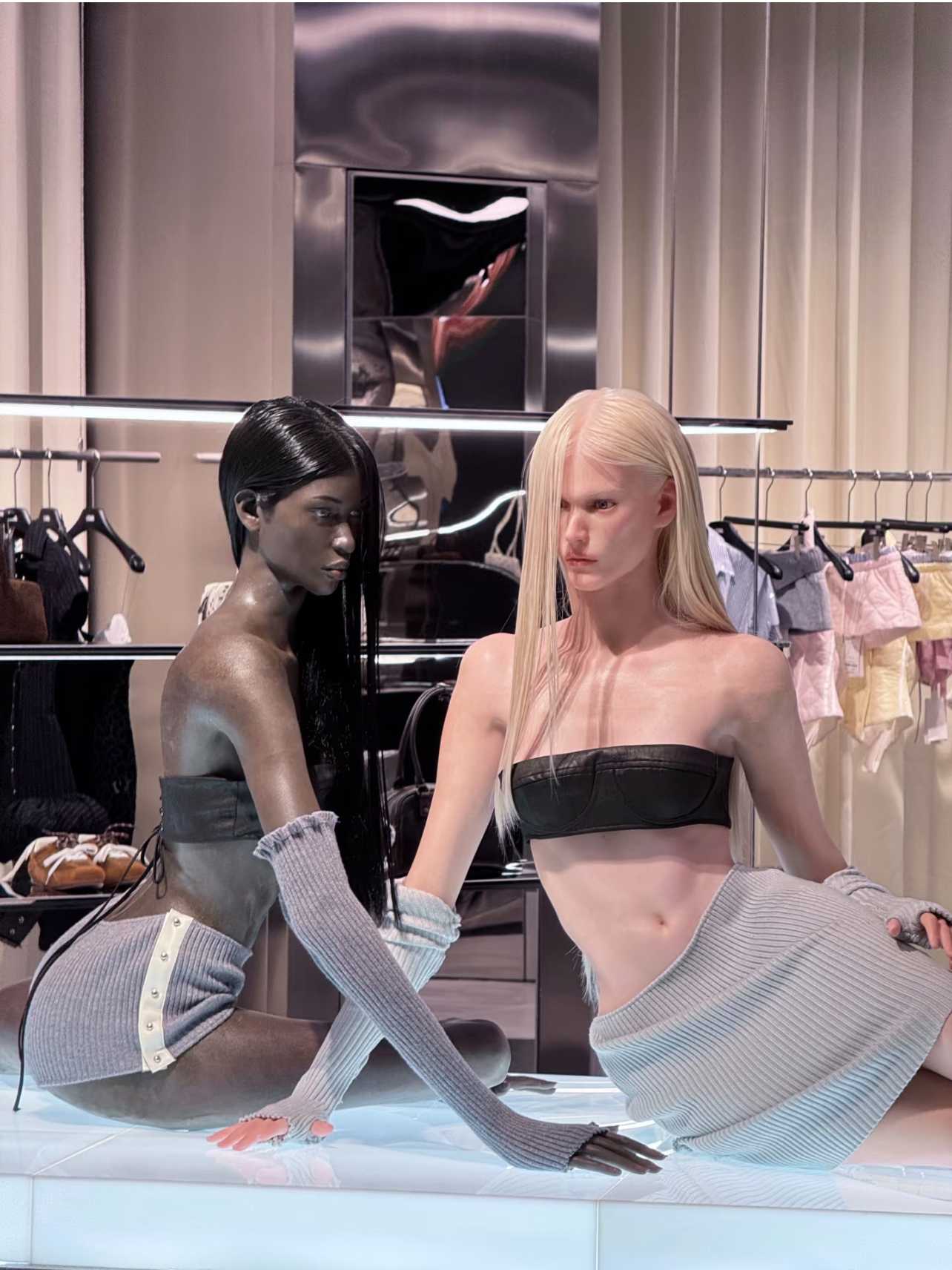
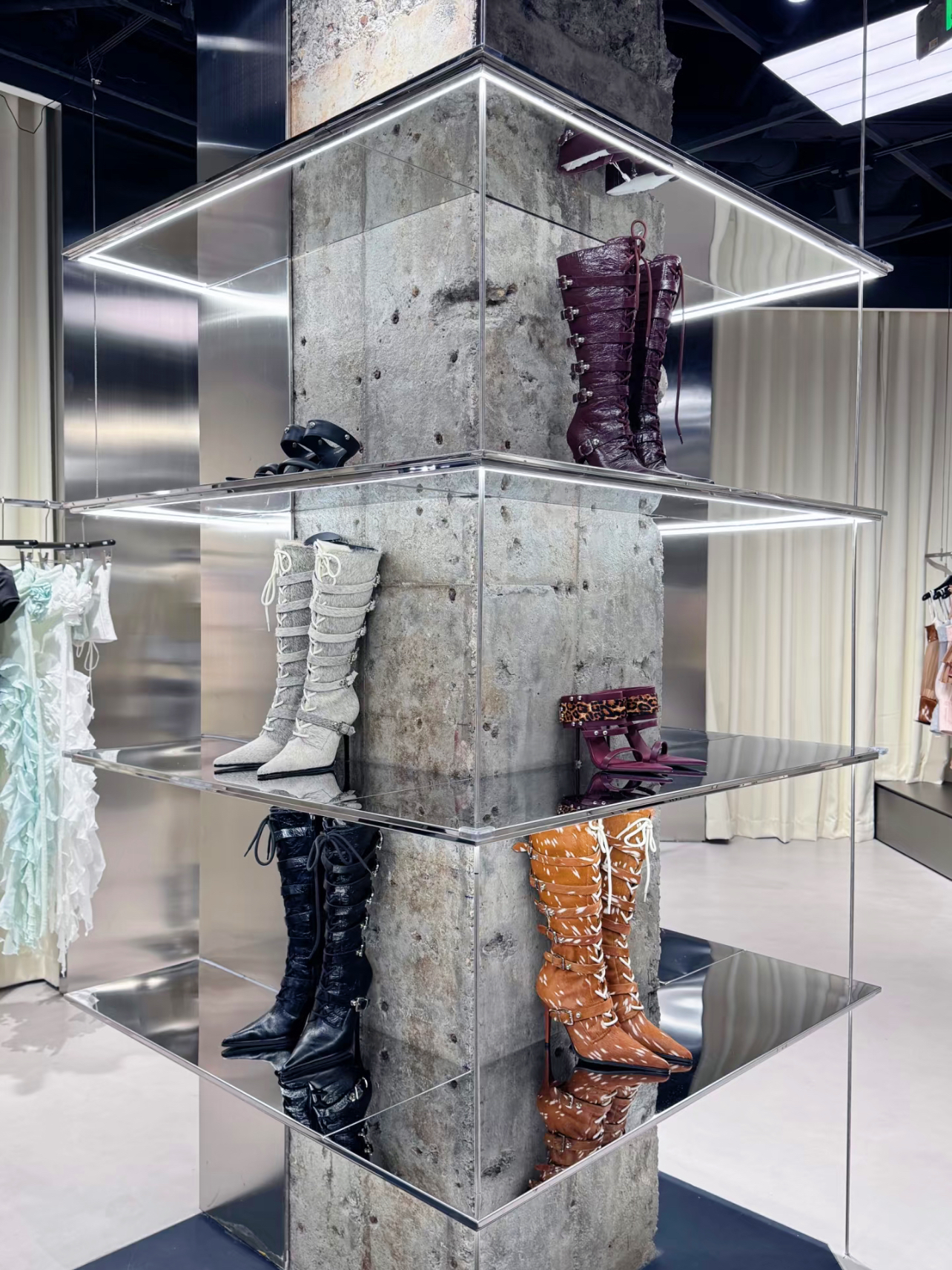
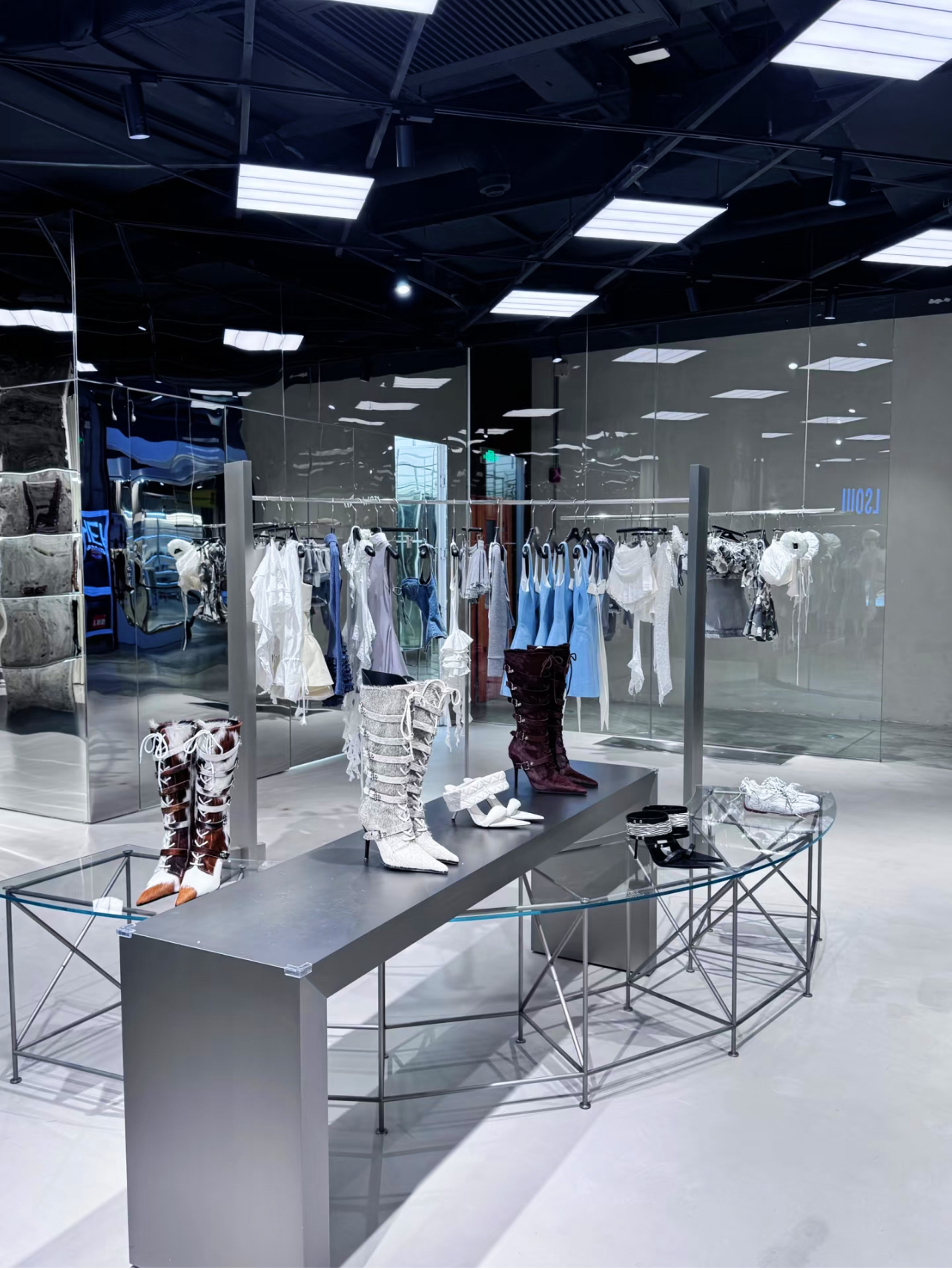
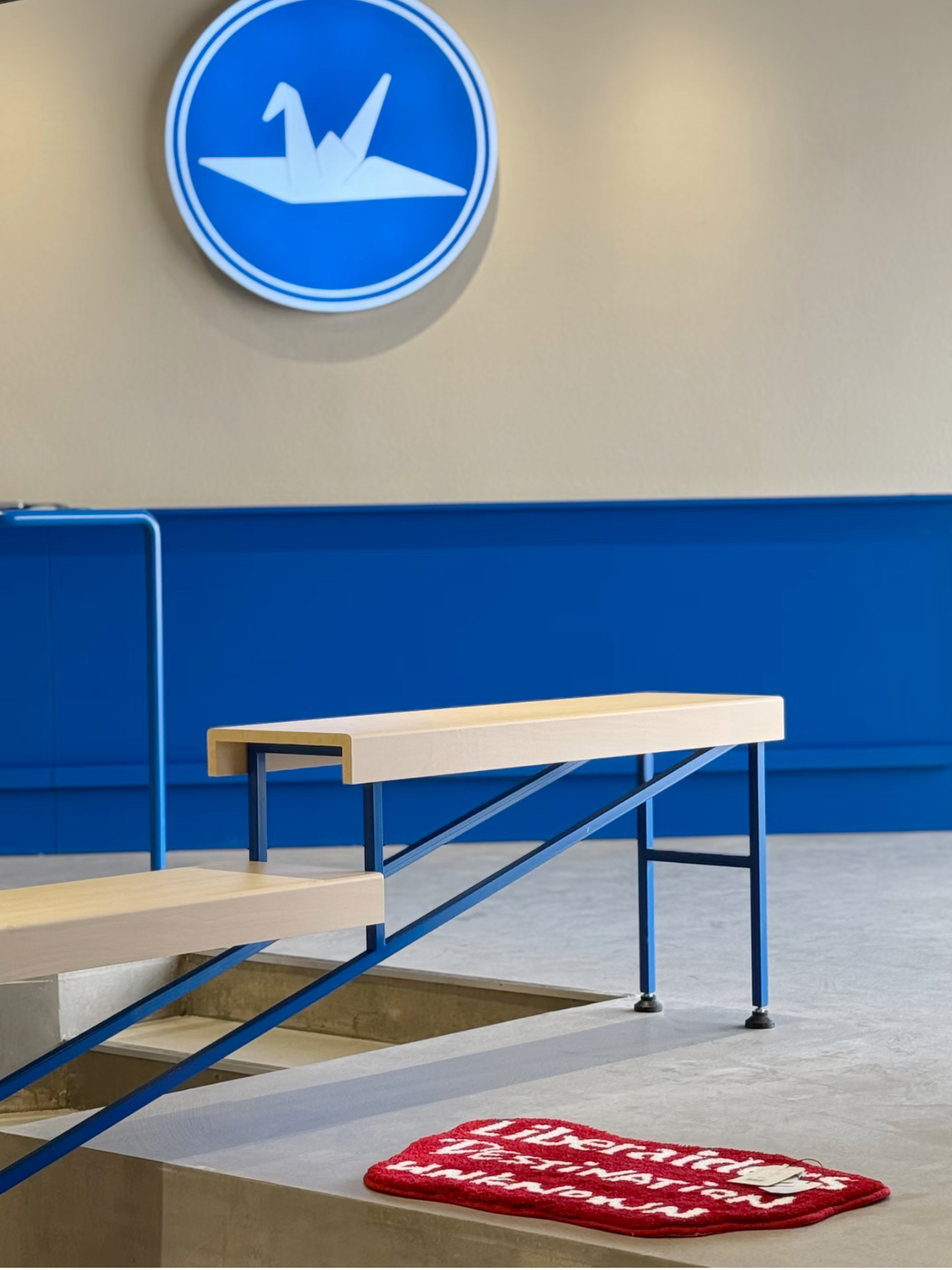
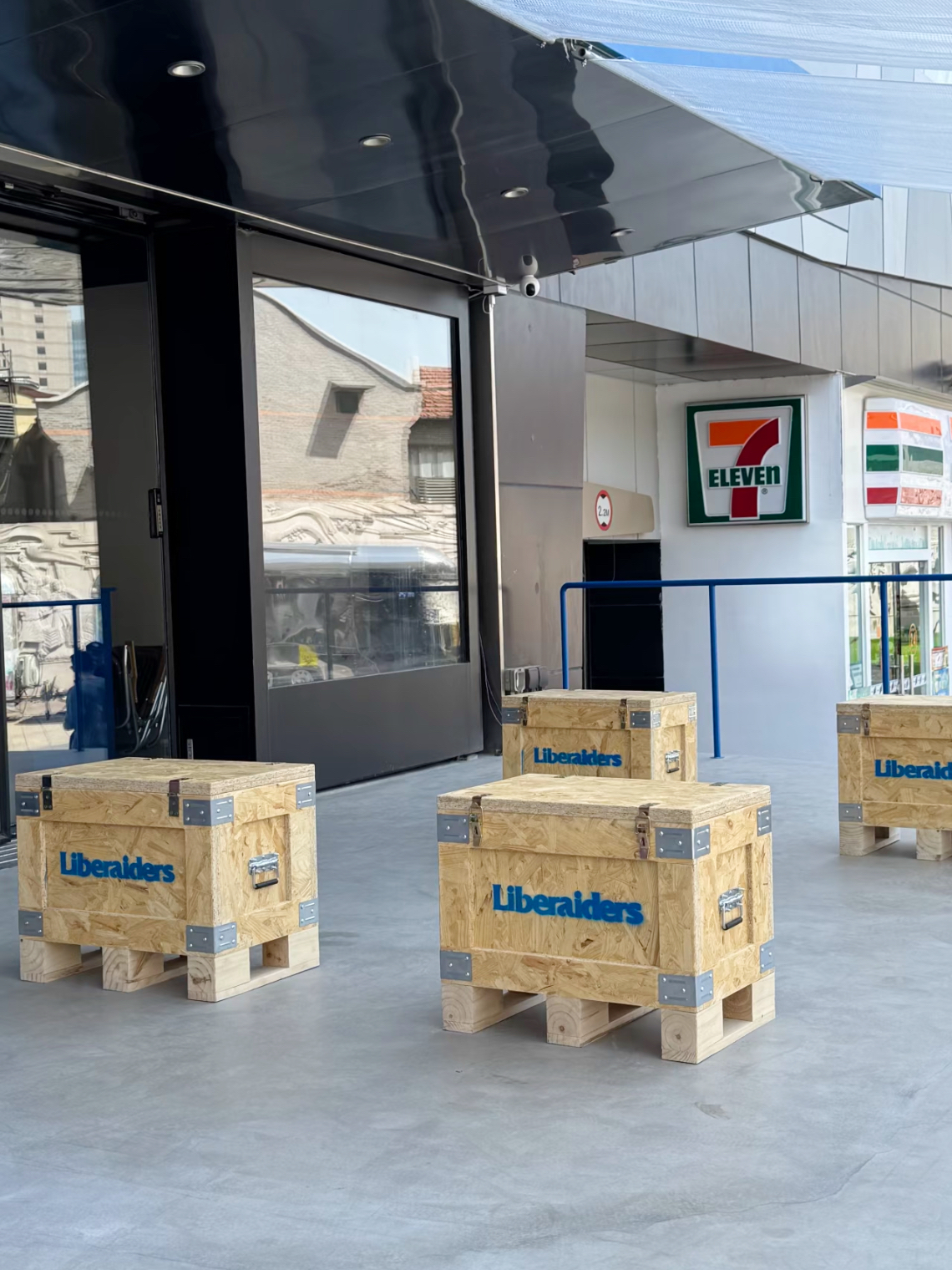
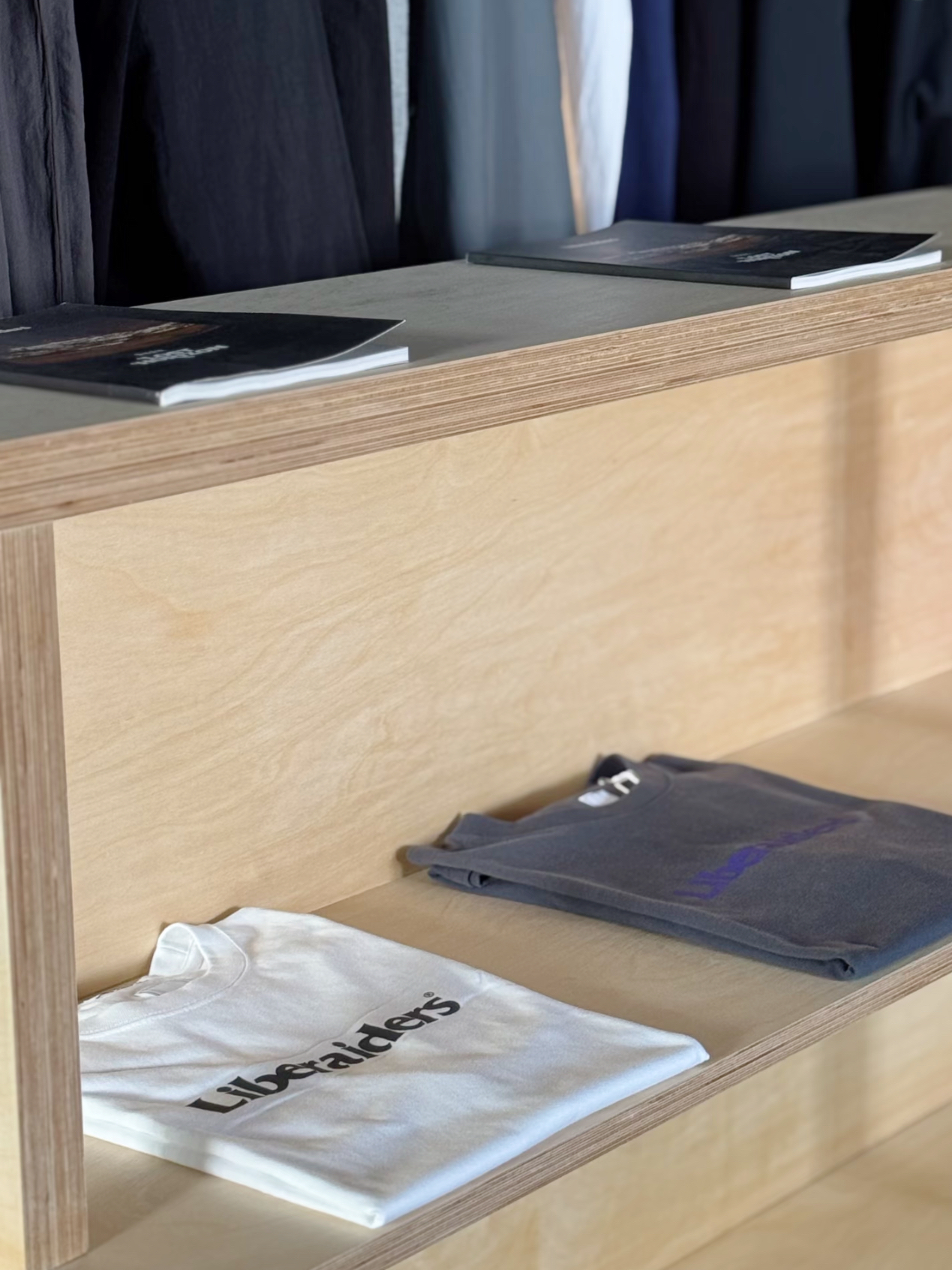
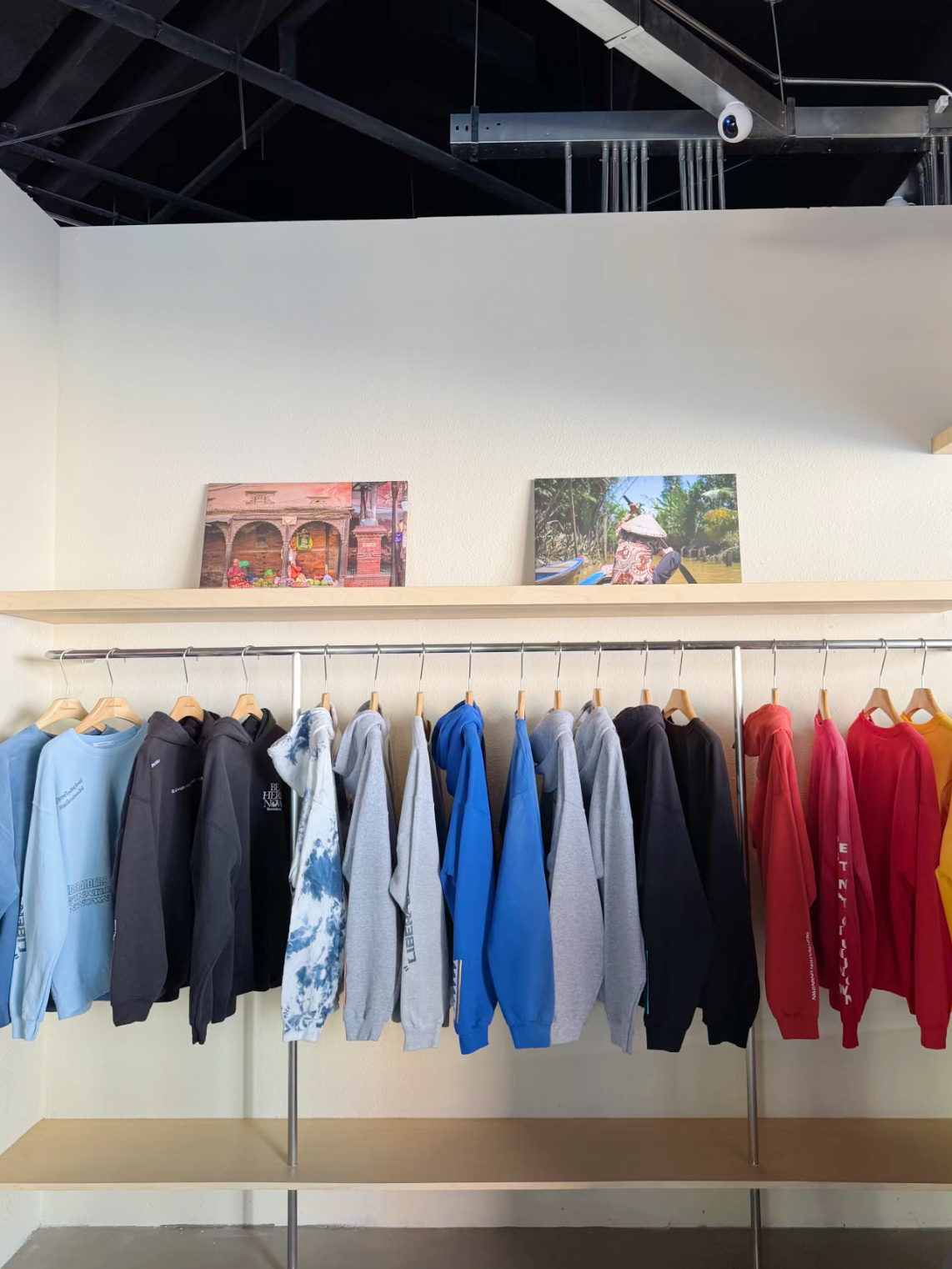
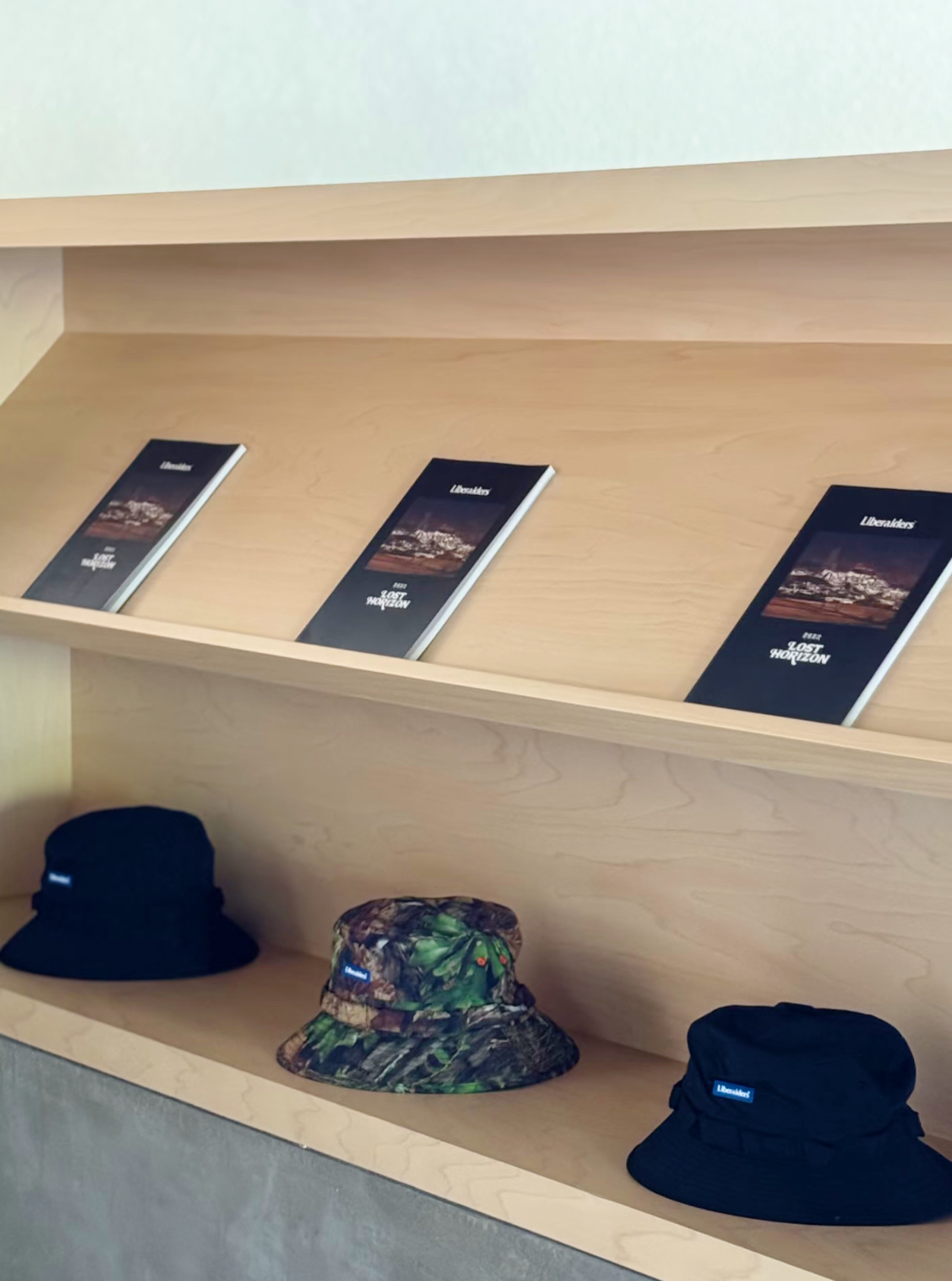
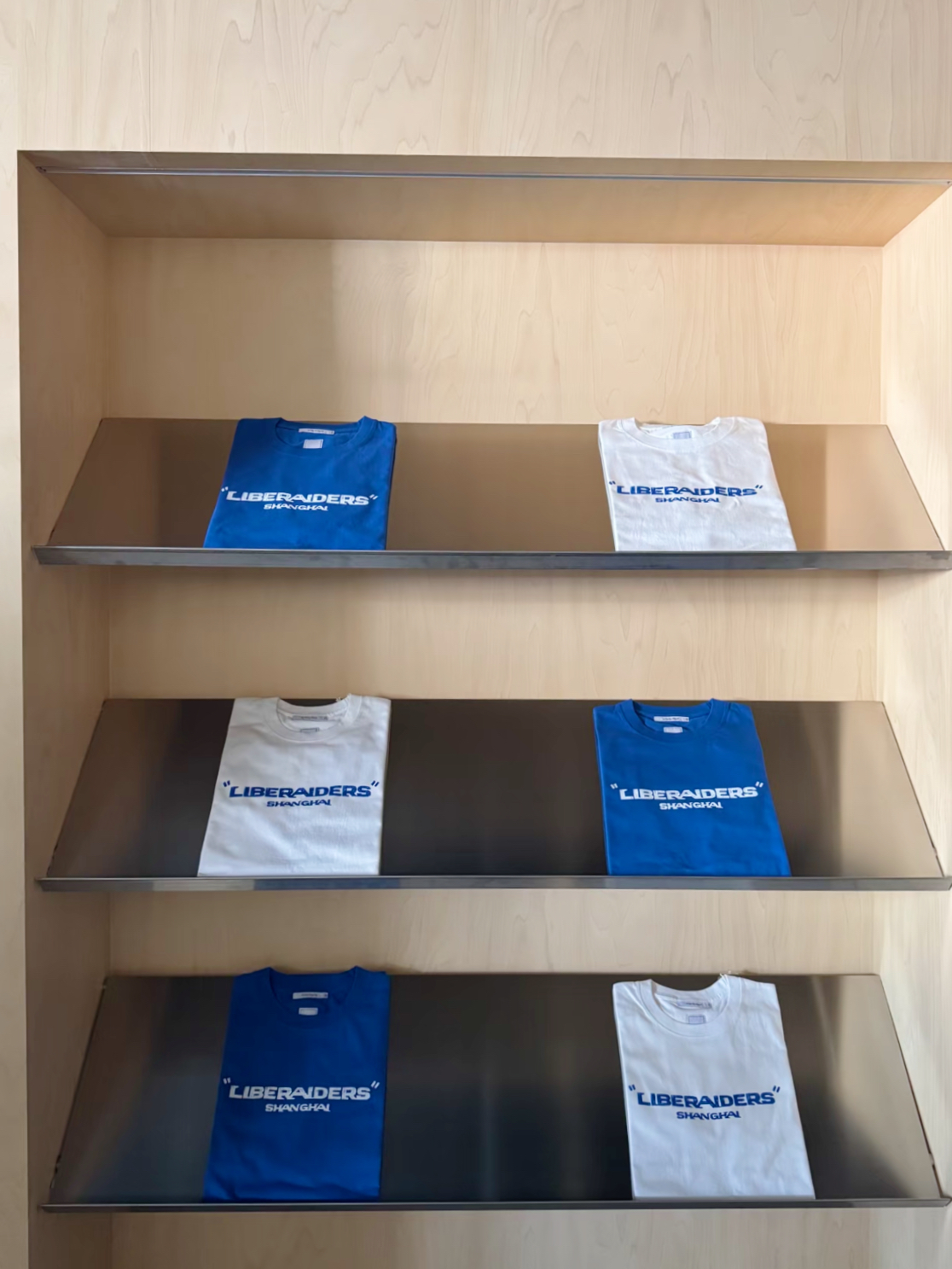
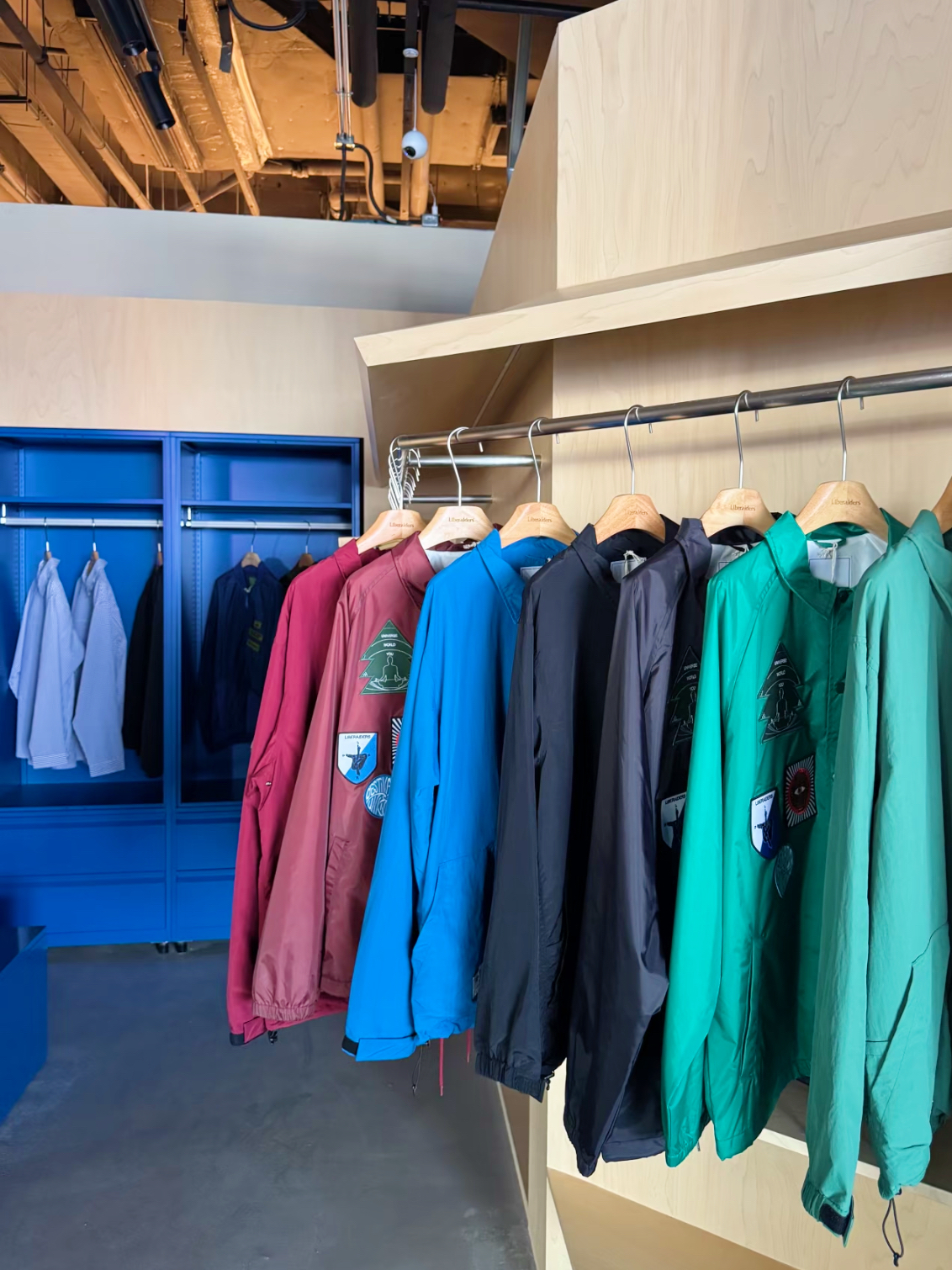
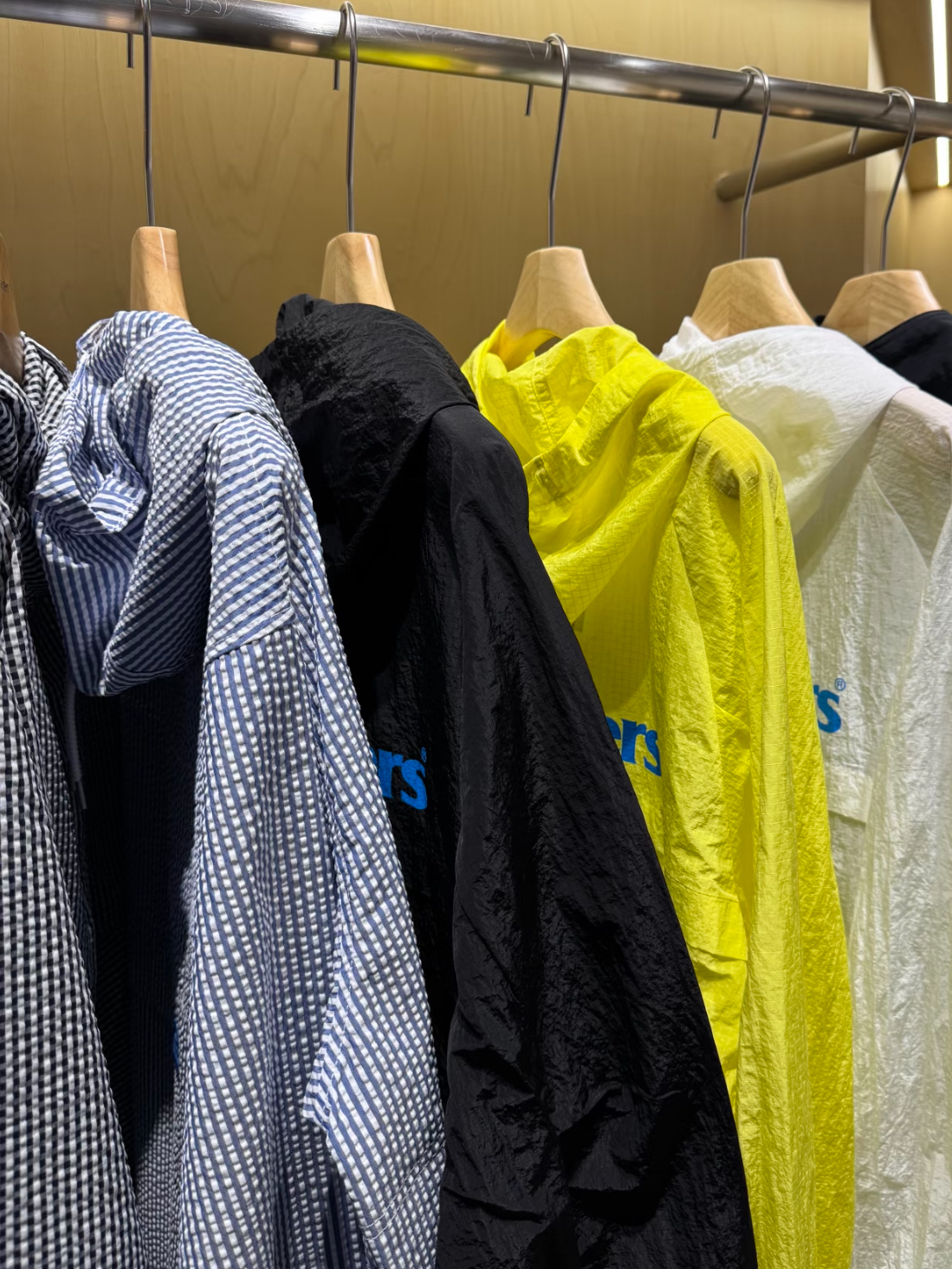
For example, TX Huaihai has attracted a series of high-profile first stores, including the national debut of Vietnamese luxury fashion label Lsoul, the China debut of Korean streetwear brand Conect X, Tekablu's Shanghai debut, Liberaiders' national debut, Kangol's Shanghai debut, and Pin Sktbs' Shanghai debut.
The project continues to reinforce its position as one of Shanghai's leading destinations for international fashion retail.
![[First in SH] Neo Young 6, K-Pop Debuts, and the Mall Wars](https://obj.shine.cn/files/2026/05/11/5693c033-5981-4af2-b454-80d2386d2bd8_0.jpg)
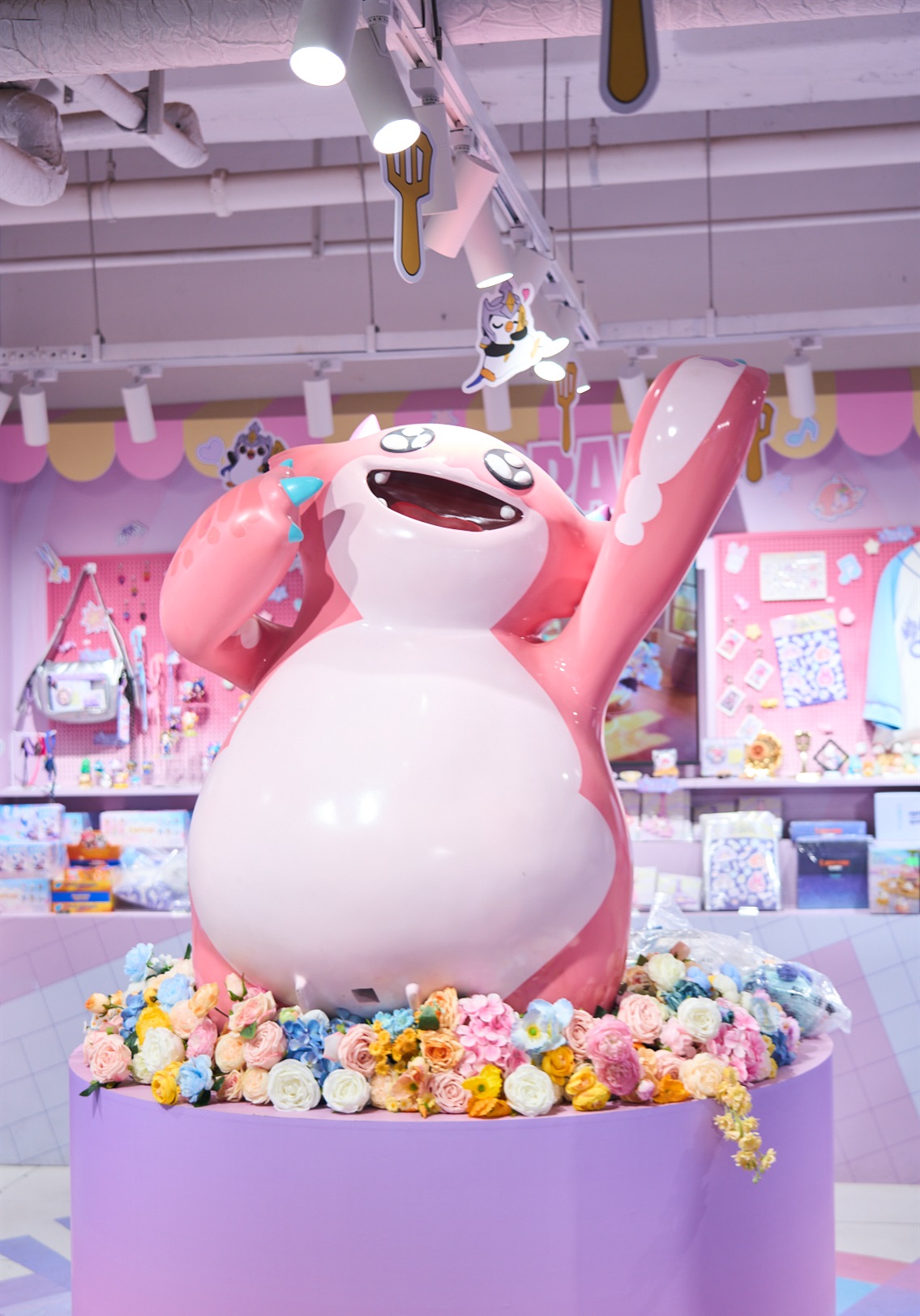
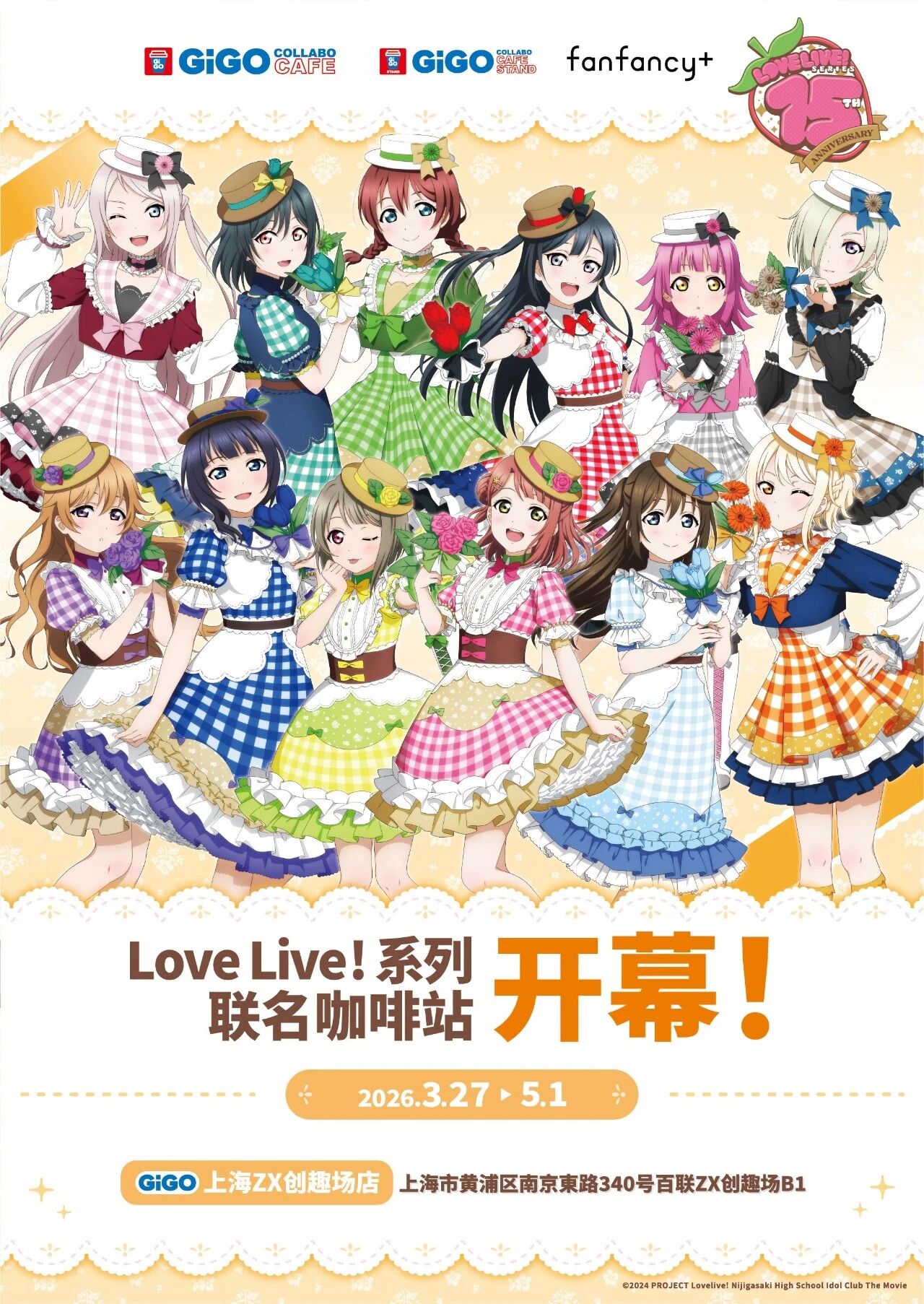
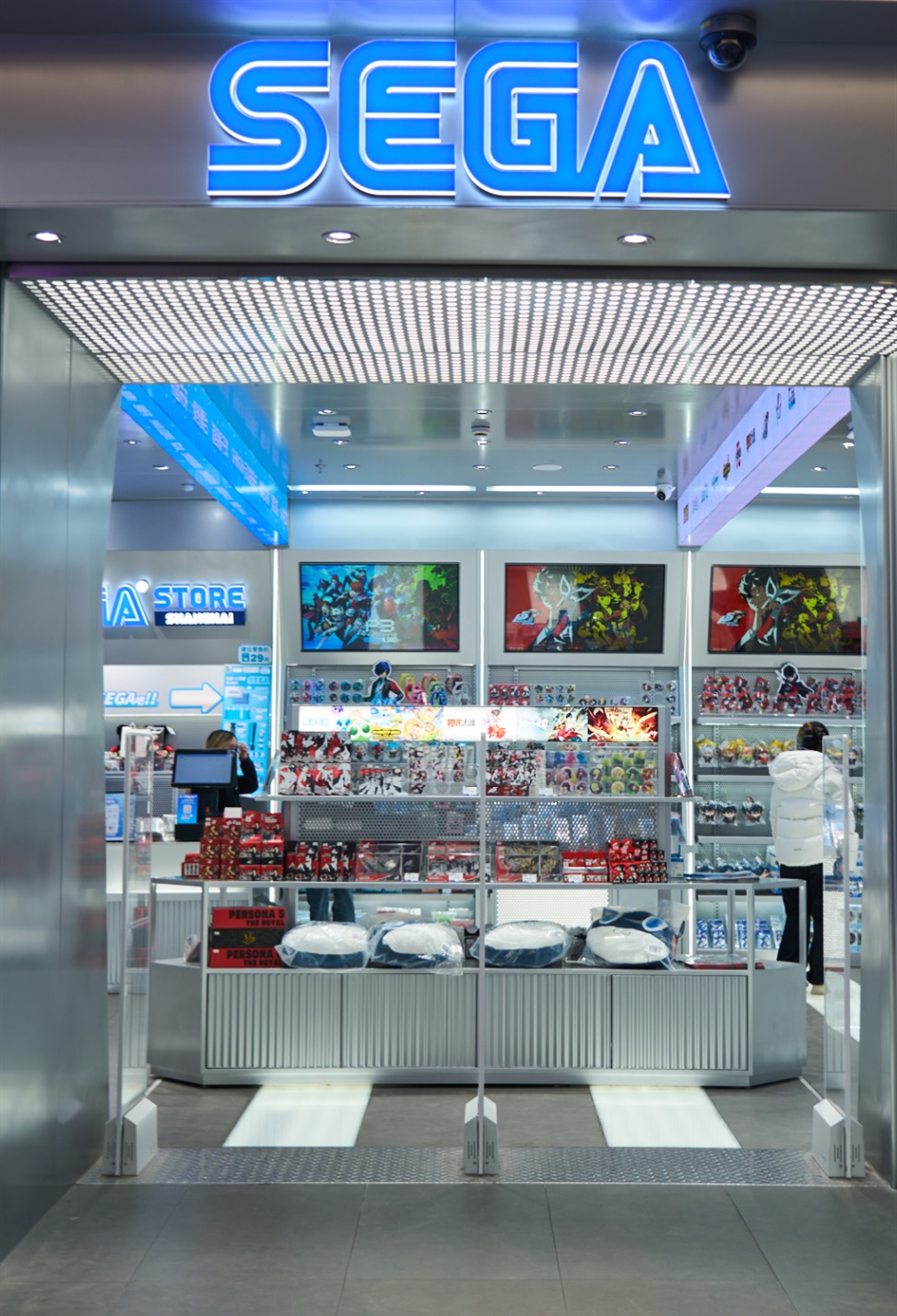
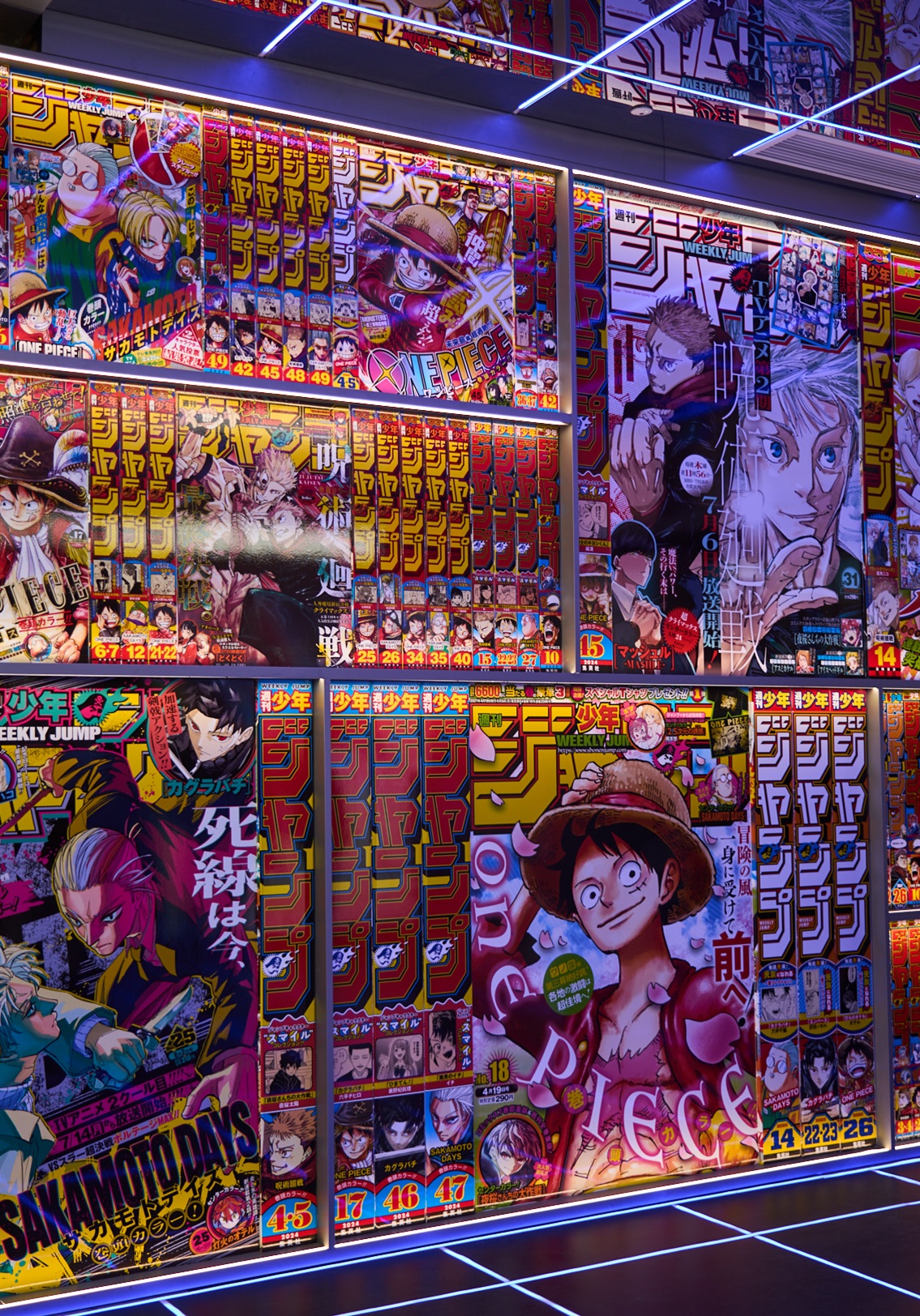
Meanwhile, Bailian ZX – China's first vertical commercial complex dedicated to anime and ACG culture – has also become home to numerous first stores, including the global debut of Japanese IP-themed store I.G&WIT, the national debut of the One Piece Mugiwara Store, Sunrise Pop's Shanghai debut, and Cosbi's Shanghai debut.
The arrival of these high-quality IP-themed first stores has further cemented Bailian ZX's position as one of China's leading destinations for anime and pop-culture consumption.
Editor: Yang Meiping
![[First in SH] Neo Young 6, K-Pop Debuts, and the Mall Wars](https://obj.shine.cn/files/2026/05/12/5396b5c2-9d47-4c33-9358-bd01e9afcca3_0.jpg)

![[Health Byte] Heart Health and Heart Safety You Must Know](https://obj.shine.cn/files/2026/05/07/3e26fefd-2c04-422c-84ef-9cdeadf98896_0.jpg)