[Only In SH] Why Shanghai Loves Its Plane Trees Even When They Make the City Sneeze
Editor's Note
Everyone knows the Bund. Fewer people know the sound of mahjong echoing through a Shanghai lane at dusk.
This Only In SH series explores the side of Shanghai that often escapes travel guides – the old alleyways, neighborhood eateries, fading shop signs, strange local habits, forgotten stories and everyday rituals that continue to shape the city beneath its modern image.
Each city has a tree that evokes its past.
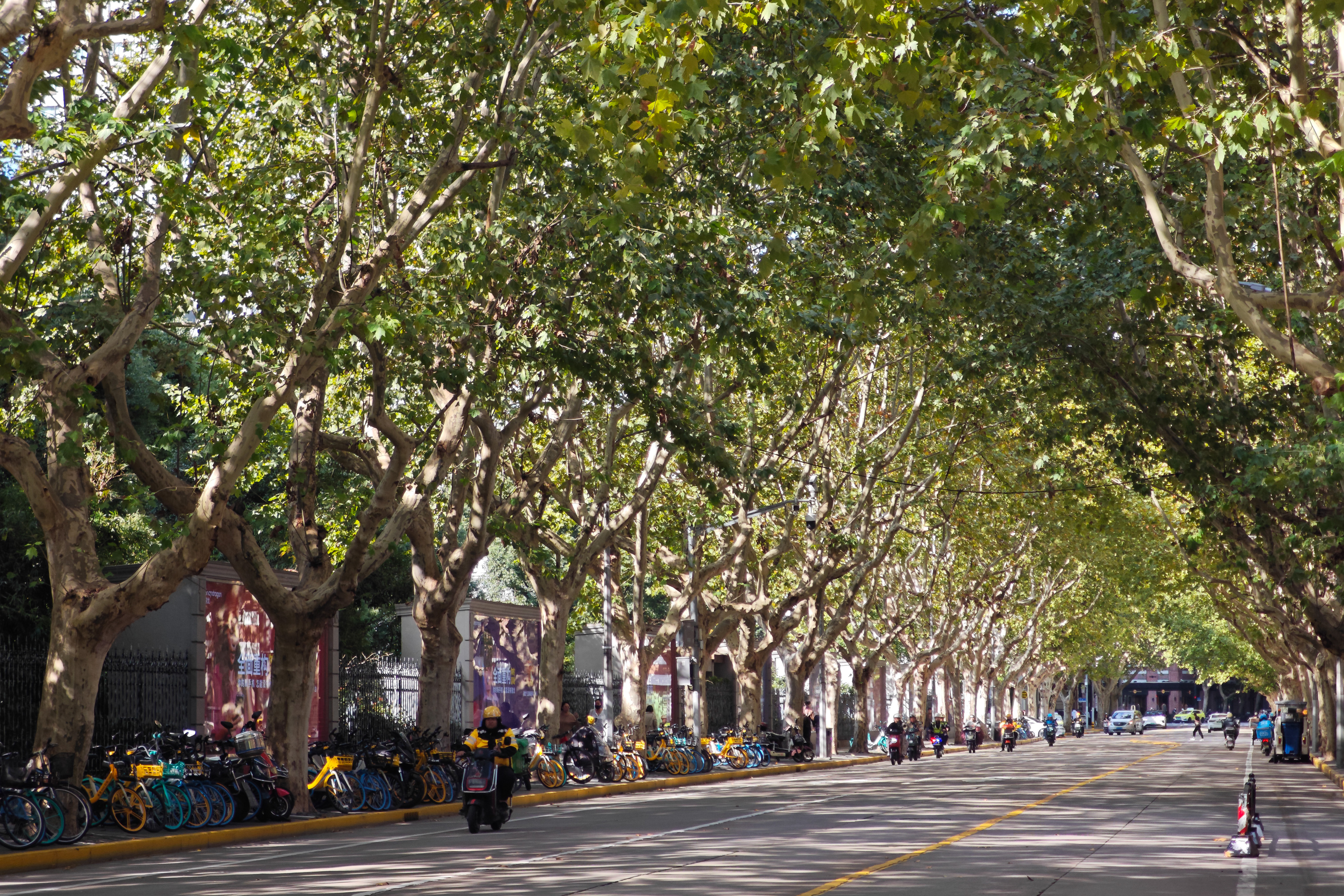
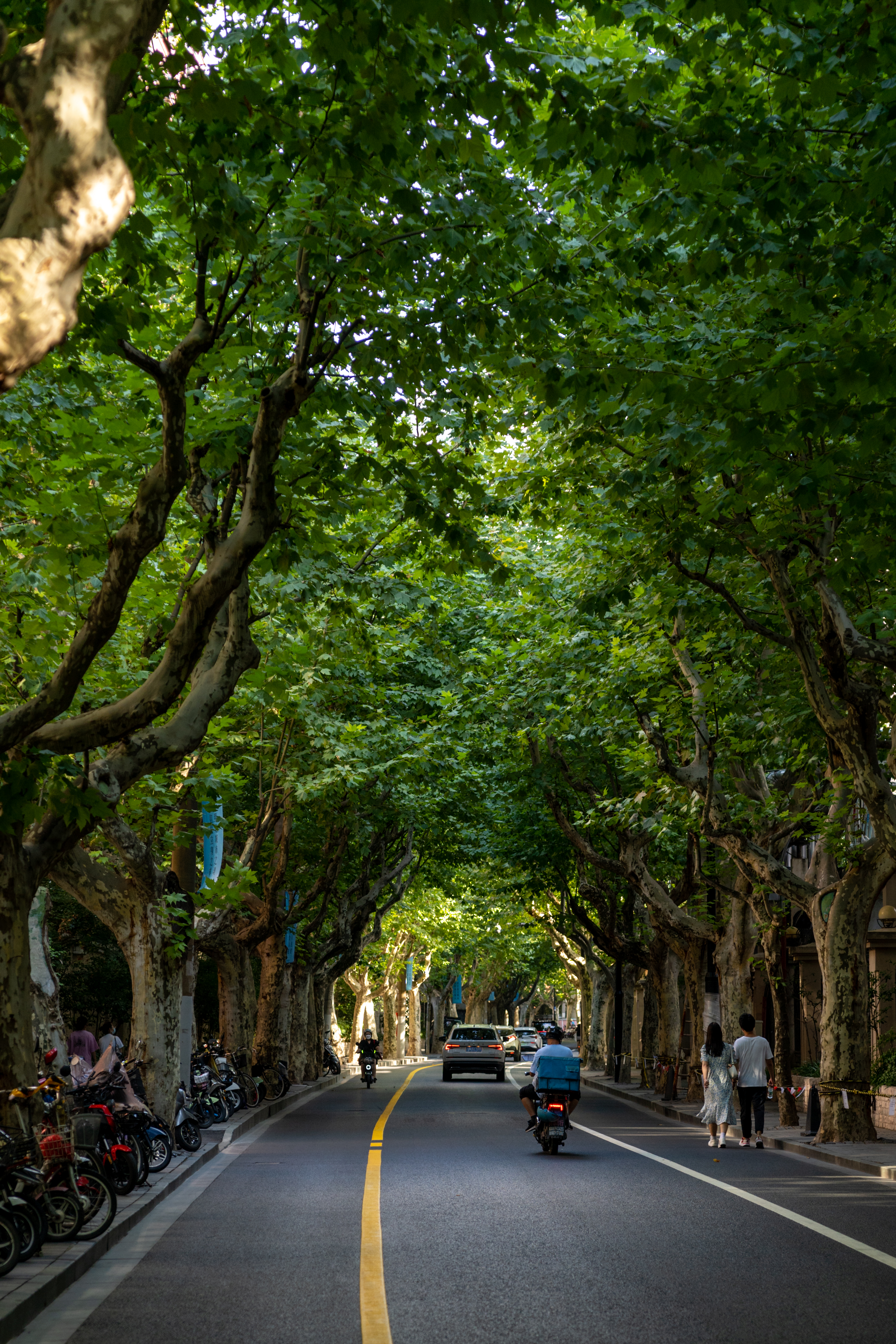
The "French plane tree," a broad-leaved giant in Shanghai, turns Hengshan-Fuxing Road streets into green tunnels in summer, golden corridors in autumn, and soft grey sketches in winter.
However, the name requires explanation. Shanghai received the London plane tree from Europe in the late 19th century.
Despite its popularity, the tree makes Shanghai sneeze for a few weeks each spring.
![[Only In SH] Why Shanghai Loves Its Plane Trees Even When They Make the City Sneeze](https://obj.shine.cn/files/2026/05/31/c54eed70-6113-4a0e-b68d-8ce5dedc08bf_0.jpg)
A Tree That Came With the Modern City
The story begins in the age of grand boulevards.
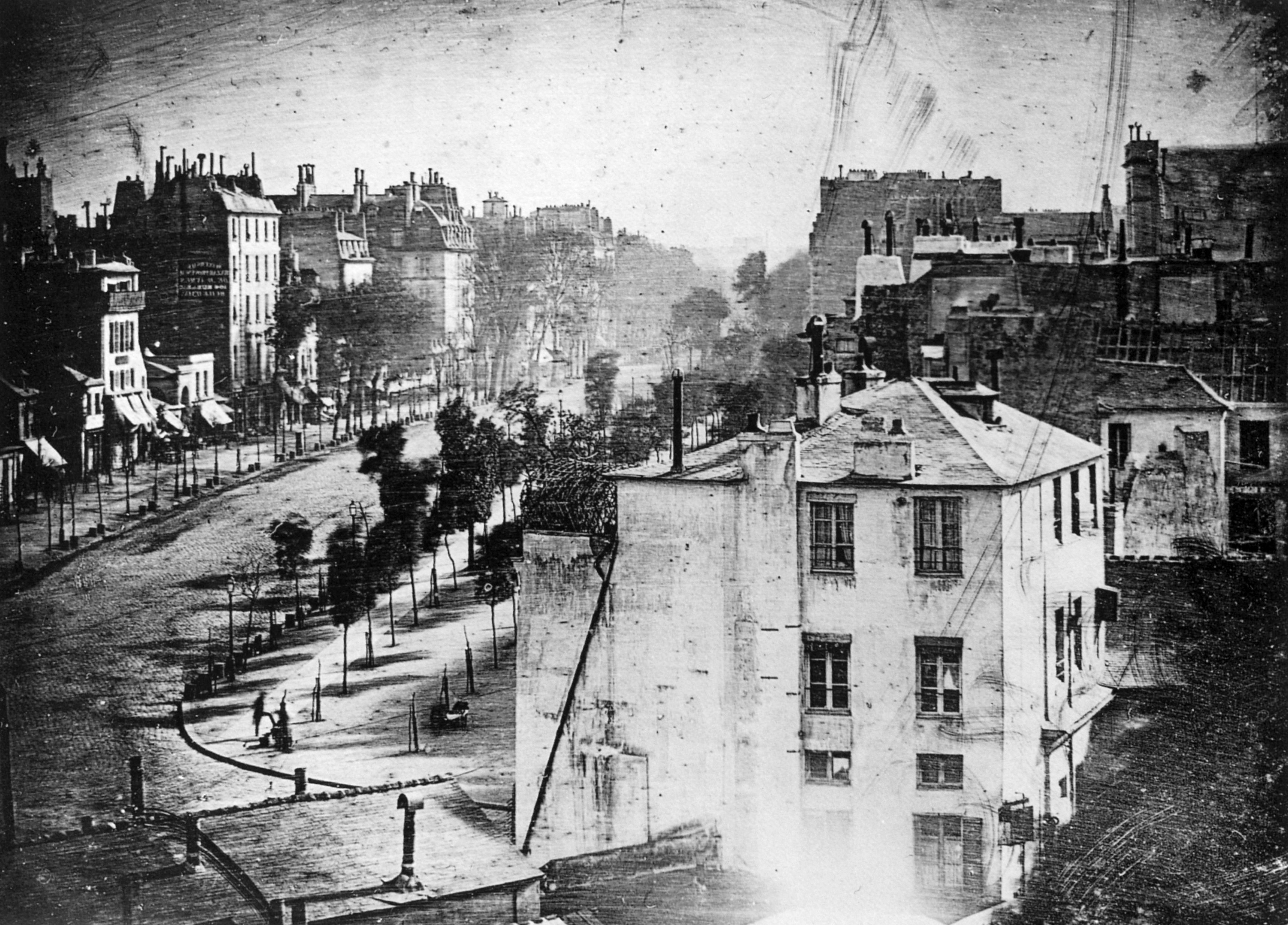
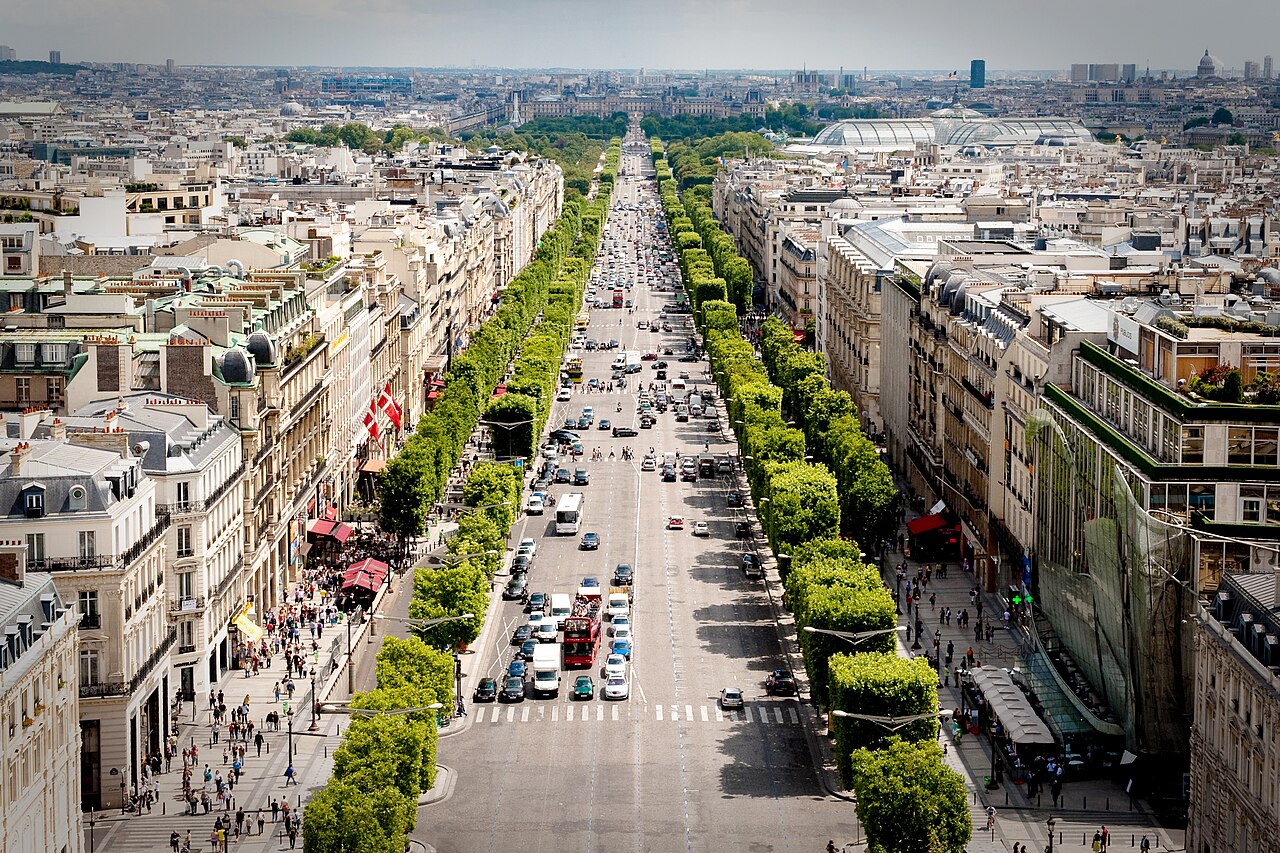
In Paris, plane trees became part of modern urban planning under Baron Haussmann, whose 19th-century redesign of the city gave the French capital its wide avenues and orderly streetscapes.
Tall plane trees lined major roads and later became a model for cities around the world. Shanghai, one of the earliest Chinese cities to introduce plane trees, absorbed that idea and made it its own.
By the late 19th century, plane trees had appeared in foreign settlements, especially in areas that later became closely associated with Shanghai's garden houses, quiet lanes and shaded sidewalks.
Today, when people walk along streets such as Huaihai, Fuxing, Sinan, or Hengshan roads, the trees above them are not just greenery. They are part of the city's look, its pace, and its sense of romance.
The City's Most Considerate Architect
On a summer afternoon, the plane trees know exactly what to do.
Their large crowns stretch over the road, filtering the sunlight before it reaches the pavement. The glare softens. The heat loosens its grip. The street becomes walkable again.
In the Hengshan-Fuxing Road historical area, rows of plane trees create some of the city's most beloved shaded roads. Their leaves form a green canopy over old villas, cafés, brick walls, and quiet residential lanes.
They provide the neighborhood with the kind of shading, softness, and quiet elegance that many people now associate with Shanghai itself.
Paris Planted Them, Shanghai Recut Them
Where and how Shanghai learned to care for its plane trees make them all the more fascinating.
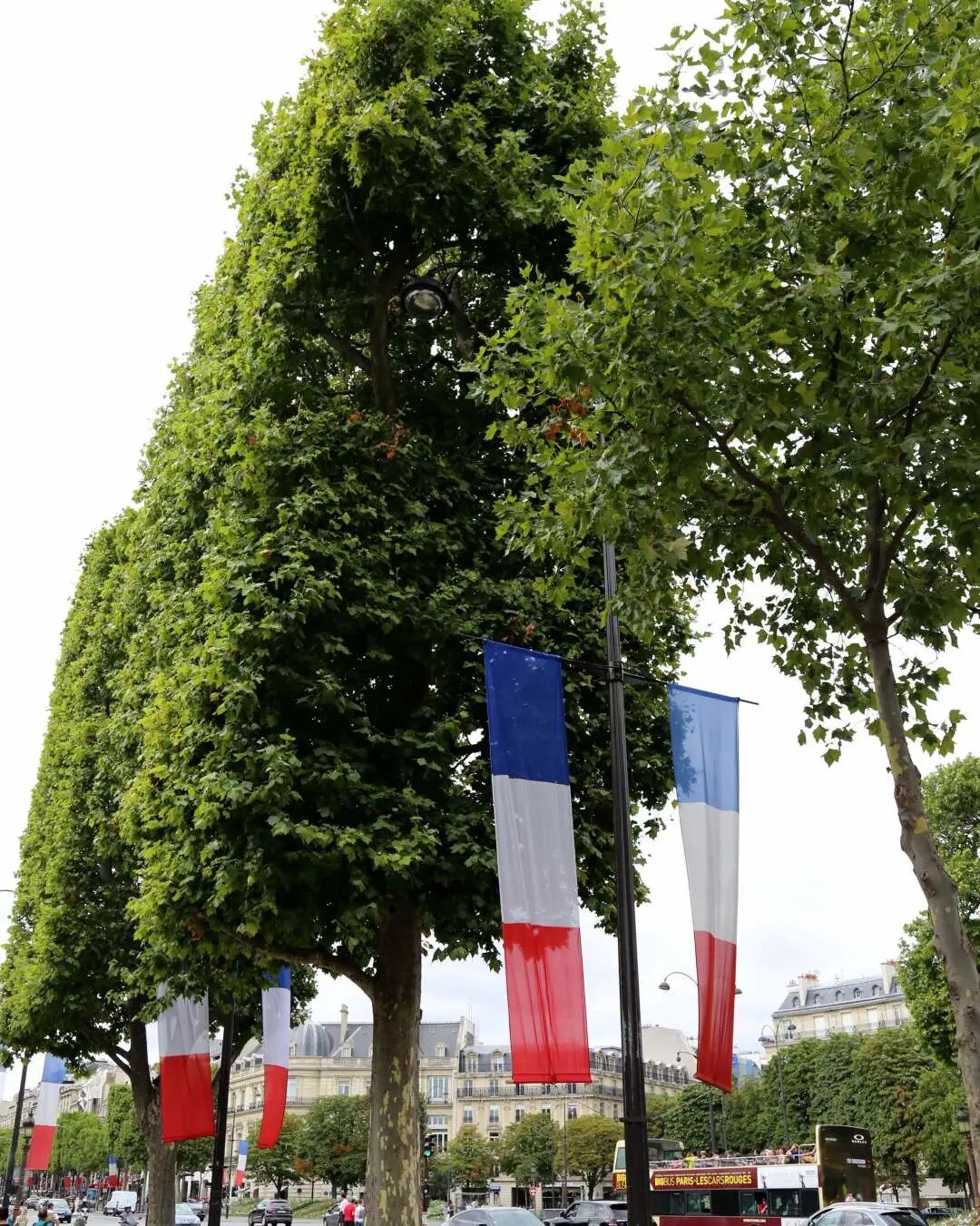
In Paris, plane trees often grow naturally, but some famous avenues employ geometric pruning to showcase classical French order.
Shanghai went another way.
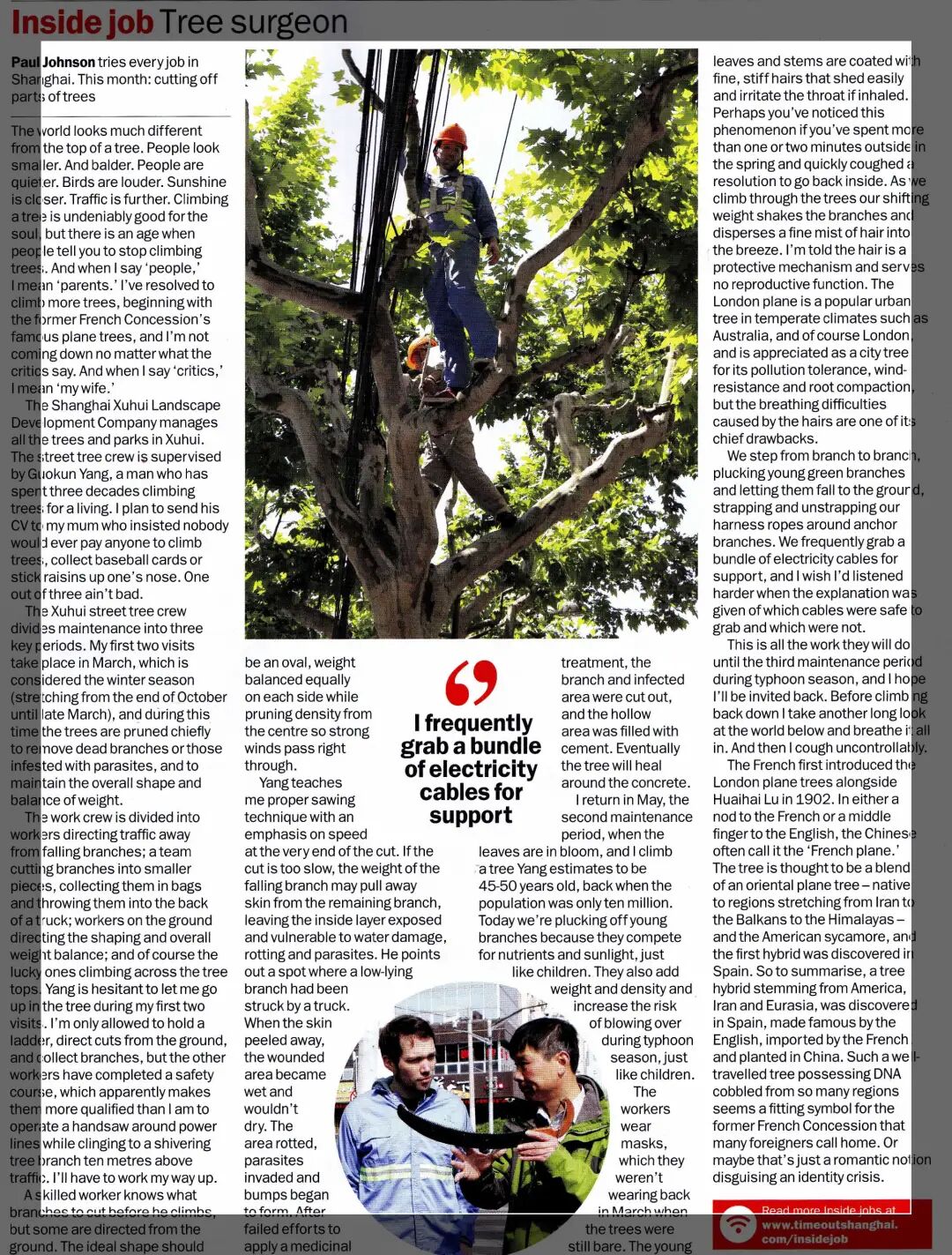
City gardeners developed a pruning method to keep trees lower, stronger, and wider in shade during summer typhoons. Shanghai's "open center plus cup-shaped" pruning method increases shade coverage, clears the main trunk, reduces wind risks, and strengthens trees.
Shanghai did not directly copy Paris. Shanghai introduced, studied, and adapted the tree-care methods, transforming them into a local craft.
Some foreign media called Shanghai's tree workers "tree surgeons," capturing their precision. Not just maintenance – climbing, cutting, shaping, and protecting these old trees. This is a form of urban care.
The Little Trouble Called Plane Tree Fluff
Every love story encounters challenges.
The plane trees release fine fluff into the air in spring when their round seed balls break open. Locals call it the city's "furry rain." The tree's growth cycle causes it, not pests or disease.
Although non-toxic, fluff can irritate the eyes, nose, and throat, especially in sensitive people. Shanghai uses pruning, nighttime washing, road cleaning, and other methods to reduce the impact. Local greenery experts say winter pruning can drastically reduce fluff production the following year.
The city is also testing a forecast system that could let residents check the pollen levels of plane trees, like the weather or pollen.
That sounds very Shanghai: even nostalgia comes with data.
![[Only In SH] Why Shanghai Loves Its Plane Trees Even When They Make the City Sneeze](https://obj.shine.cn/files/2026/06/02/8e6f18a1-ebf4-42c2-8c43-aaae64467cfa_0.jpg)
Why Not Replace Them All
Every spring, some people ask the obvious question: why not replace the trees?
The answer is complicated.
Plane trees grow well in difficult urban conditions. They tolerate pruning, provide deep shade in the summer, allow sunlight through in the winter after losing their leaves, and help absorb dust and particles from the air. In a dense city like Shanghai, these are not small benefits.
The city has started to use more diverse tree species on new and renovated roads, including trees with richer seasonal color and fewer fluff problems. But the old plane trees in central Shanghai are also living witnesses of the city's modern history.
Removing them would mean losing a familiar part of Shanghai's streetscape.
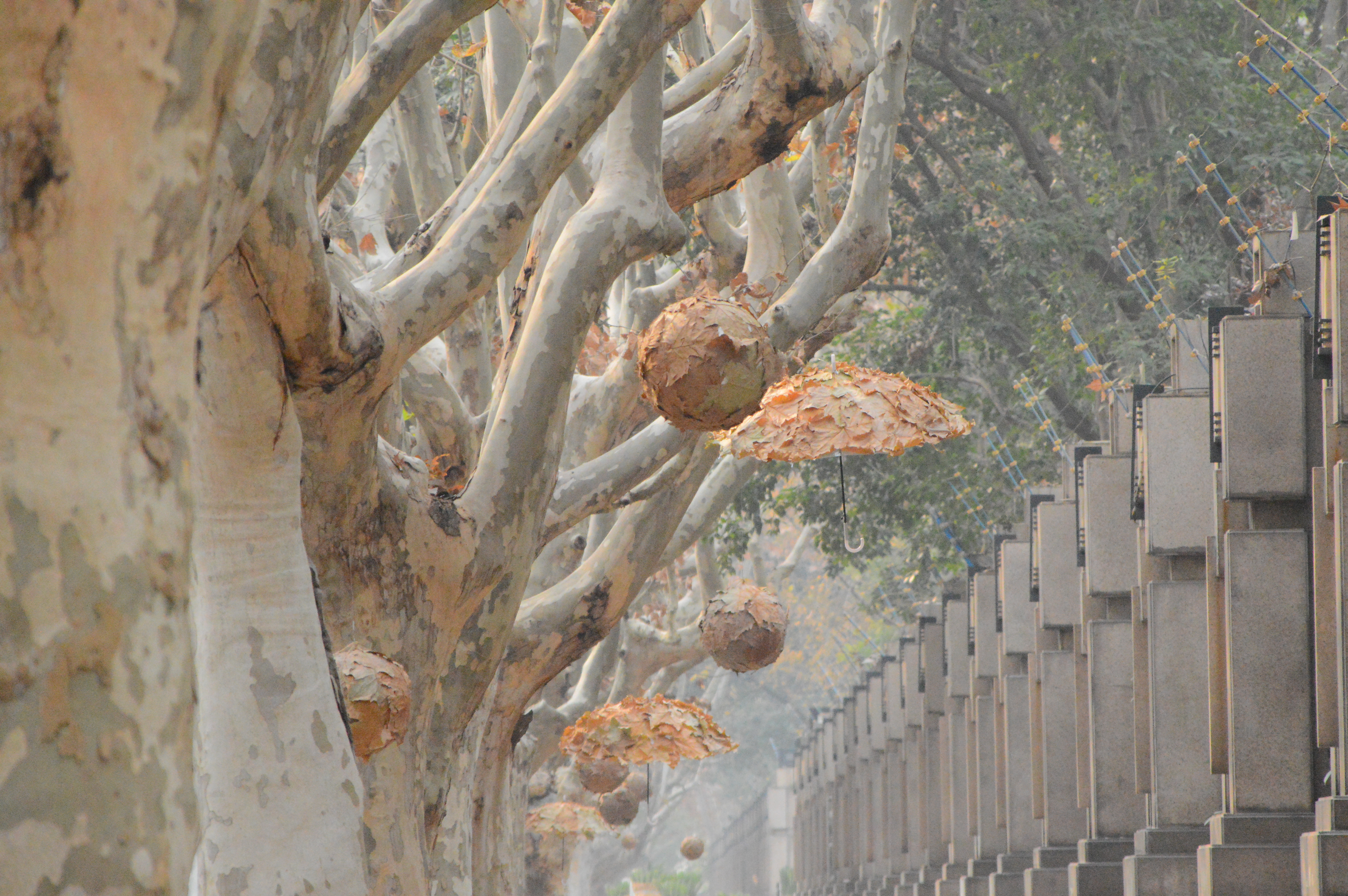
The Tree That Became a Feeling
A plane tree in Shanghai is never just a tree.
In the summer, it is shaded.
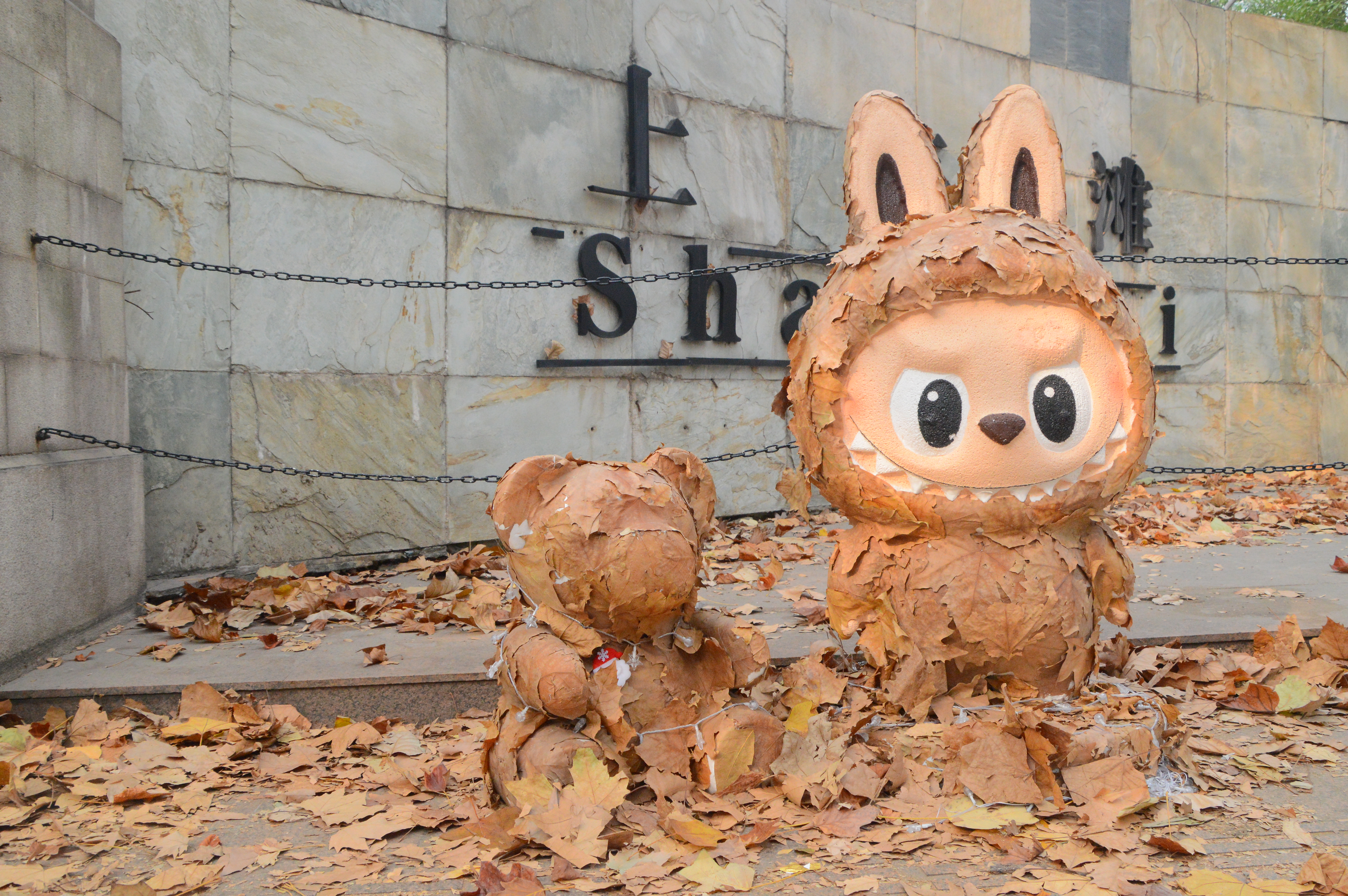
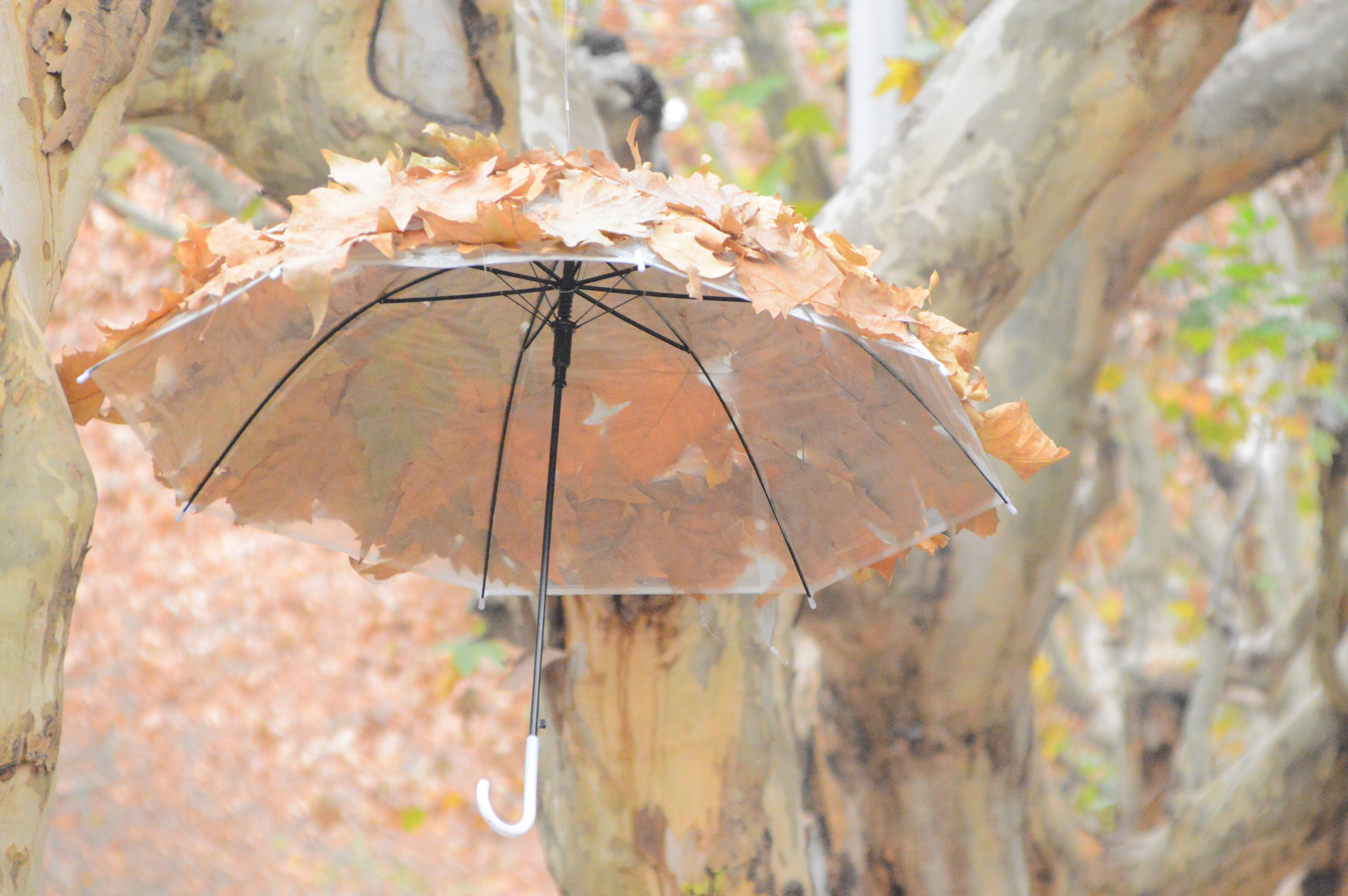
In autumn, there are gold leaves underfoot.
In winter, it is bare branches against a pale sky.
In the rain, there is wet bark, shining leaves, and the quiet sound of water dripping from the canopy.
The city has changed from garden houses and trams to cafes, boutiques, and towers. It stands over school runs, first dates, morning walks, moving trucks, and late-night taxis.
That is why Shanghai people still feel something when they talk about these trees.
Yes, they shed fluff. Yes, they need careful pruning. Yes, they can be troublesome for a few weeks each year.
But they also make the city softer, cooler, and more walkable.
A century ago, the plane tree arrived as an imported species. Today, it feels inseparable from Shanghai itself.
Editor: Xu Qing
In Case You Missed It...

 Aug 24, 2026


![[SH Transit] How Shanghai's 'Air Express Lines' Speed Up Domestic Connections](https://obj.shine.cn/files/2026/08/25/39f368b4-c3fe-4776-853e-4d14e19ca50a_0.jpg)