[First in Shanghai] A City in Total 'Hobby Obsession Mode'
![[First in Shanghai] A City in Total 'Hobby Obsession Mode'](https://obj.shine.cn/files/2025/12/05/889e6d79-45ec-4aec-8ce9-479f24290ed7_0.jpg)
First in Shanghai is our column documenting the rise of Shanghai's "debut economy," a model built on being first, fast and everywhere at once. What started as a policy initiative has morphed into a citywide phenomenon: part economic strategy, part cultural spectacle. In this series, we explore how brands – both local and global – are choosing Shanghai not just to launch products, but to create moments. It's retail as ritual, commerce as event, and we're here to unpack what it all means.
If 2025 has a theme, it's that Shanghai is deep in an ACG moment – anime, comics, games, that whole spectrum of colorful escapism that used to belong to the hardcore otaku crowd. Now it's everywhere. Subway ads, shopping malls, riverfront installations, even the heritage buildings are getting dressed up in big-eyed mascots. Somehow, the city has slid – quite comfortably – into full hobby-obsession mode.
Shanghai, being Shanghai, hasn't just embraced the trend; it's industrialized it. The "ACG economy" has become the city's new favorite engine for pouring money into culture and siphoning it back out again. And in a very Shanghai twist, what started as a niche fan universe has mutated into bragging rights: the most ACG-dense city in China, a global benchmark for first stores, and depending on which fan you ask, either the new world headquarters of otaku culture – or at least the closest thing to a pilgrimage site this side of Akihabara.
![[First in Shanghai] A City in Total 'Hobby Obsession Mode'](https://obj.shine.cn/files/2025/12/05/5187bdd2-ef22-4204-9c3f-5120ae535ac9_0.jpg)
Take the recent Chiikawa craze as an example. Using Shanghai as its "launchpad," Chiikawa's first official offline flagship store on the Chinese mainland opened at Bund Central Plaza. The crowds have been overwhelming – long queues, short shopping windows – but none of that has stopped swarms of fans from lining up outside.
Xuhui District has created China's first ACG-themed street, Neo World, along with The Ring Live. Meanwhile, Fuxing Island has become the world's first "Ita island." "Ita" (a term from Japanese otaku culture) is used to describe objects, like cars, backpacks, or even buildings, that are so heavily decorated with AGC characters that they almost "hurt" to look at.
![[First in Shanghai] A City in Total 'Hobby Obsession Mode'](https://obj.shine.cn/files/2025/12/05/d5b9f3fc-2da3-4793-aace-e52ab095e99c_0.jpg)
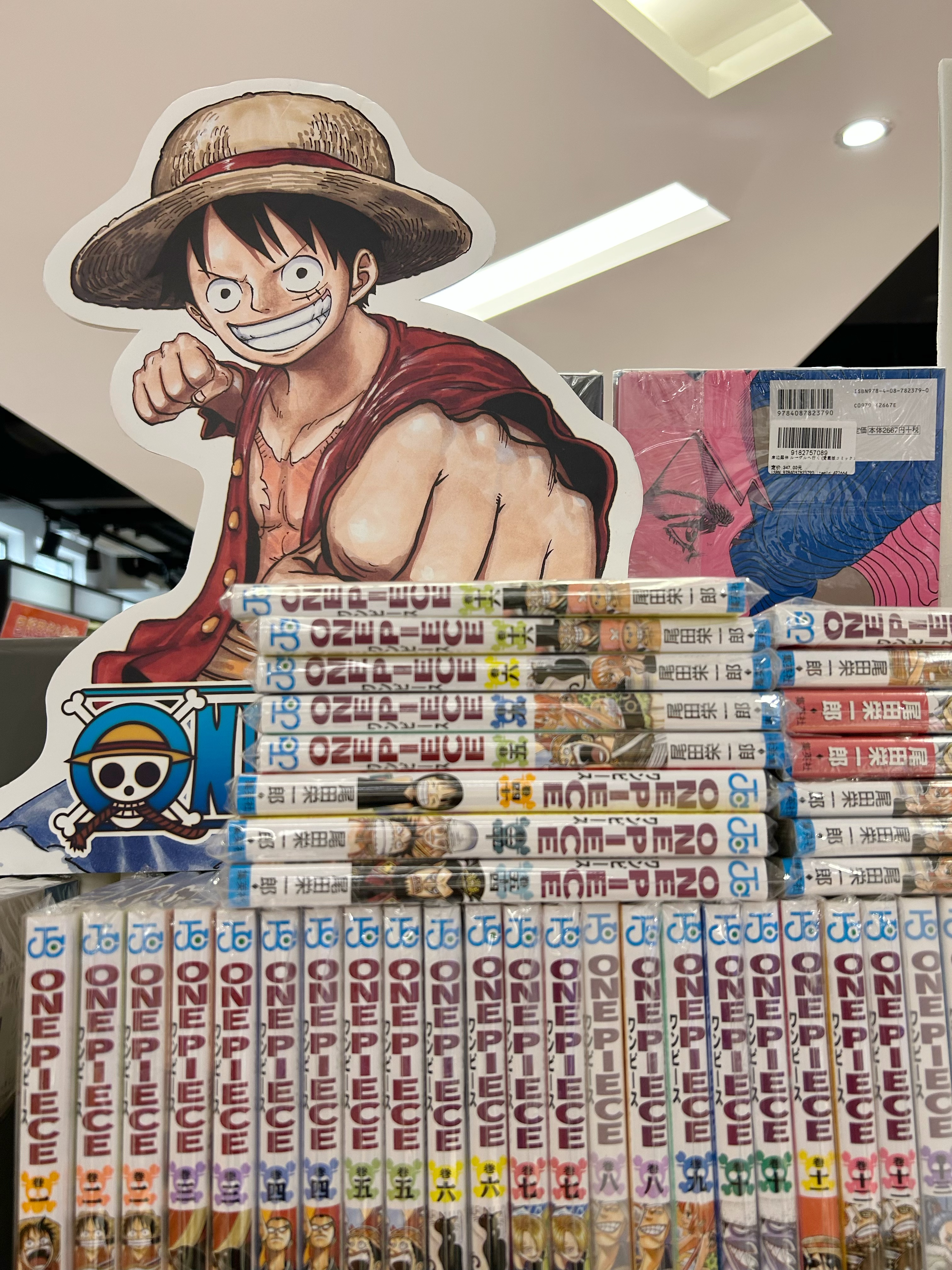
A short wander around People's Square now feels like an open-air tour of the city's ACG ambitions. Bailian ZX, Shimao Festival City, Hongyi Plaza, New World City – they're all competing for your attention with pop-ups and plushies. Even the Foreign Language Bookstore, that old standby of serious readers, has quietly turned its fourth floor into an ACG playground, as if manga shelves were always part of Shanghai's literary tradition.
Among them, Bailian ZX gathers several major players: the first overseas flagship store of Tamashii Nations; Sega; Surprise, a blind-box specialty shop under Shonen Jump Shop; the first offline flagship store of Kotobukiya in China; Tian Jiao Works, the first self-operated store by Tianwen Kadokawa Animation and Comics; and the first official directly operated flagship store of Animate in China.
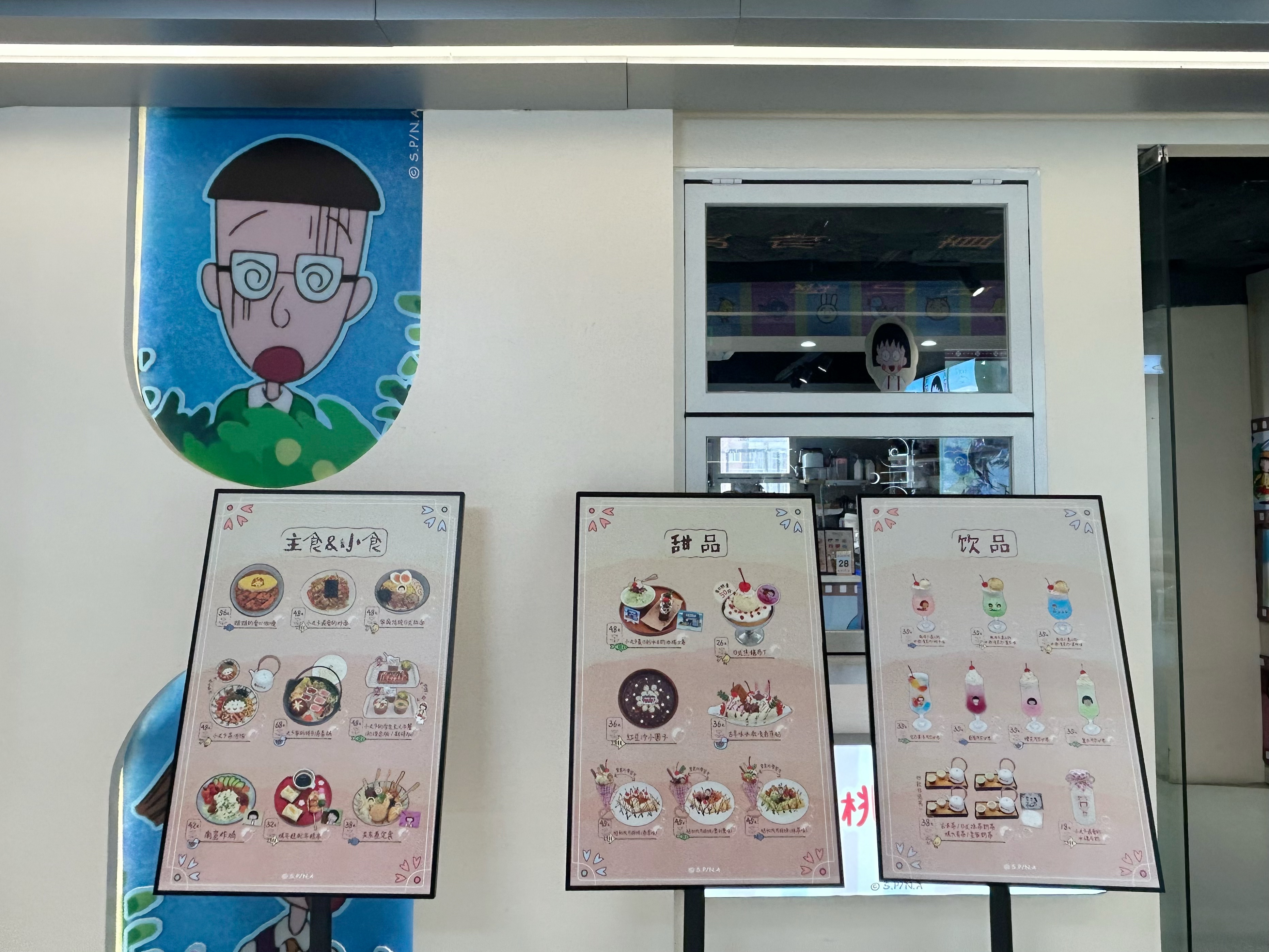
These commercial spaces not only offer a wide range of ACG merchandise, but also host anime exhibitions, cosplay events, themed dining and interactive experiences – creating immersive consumer environments that have become destinations in their own right.
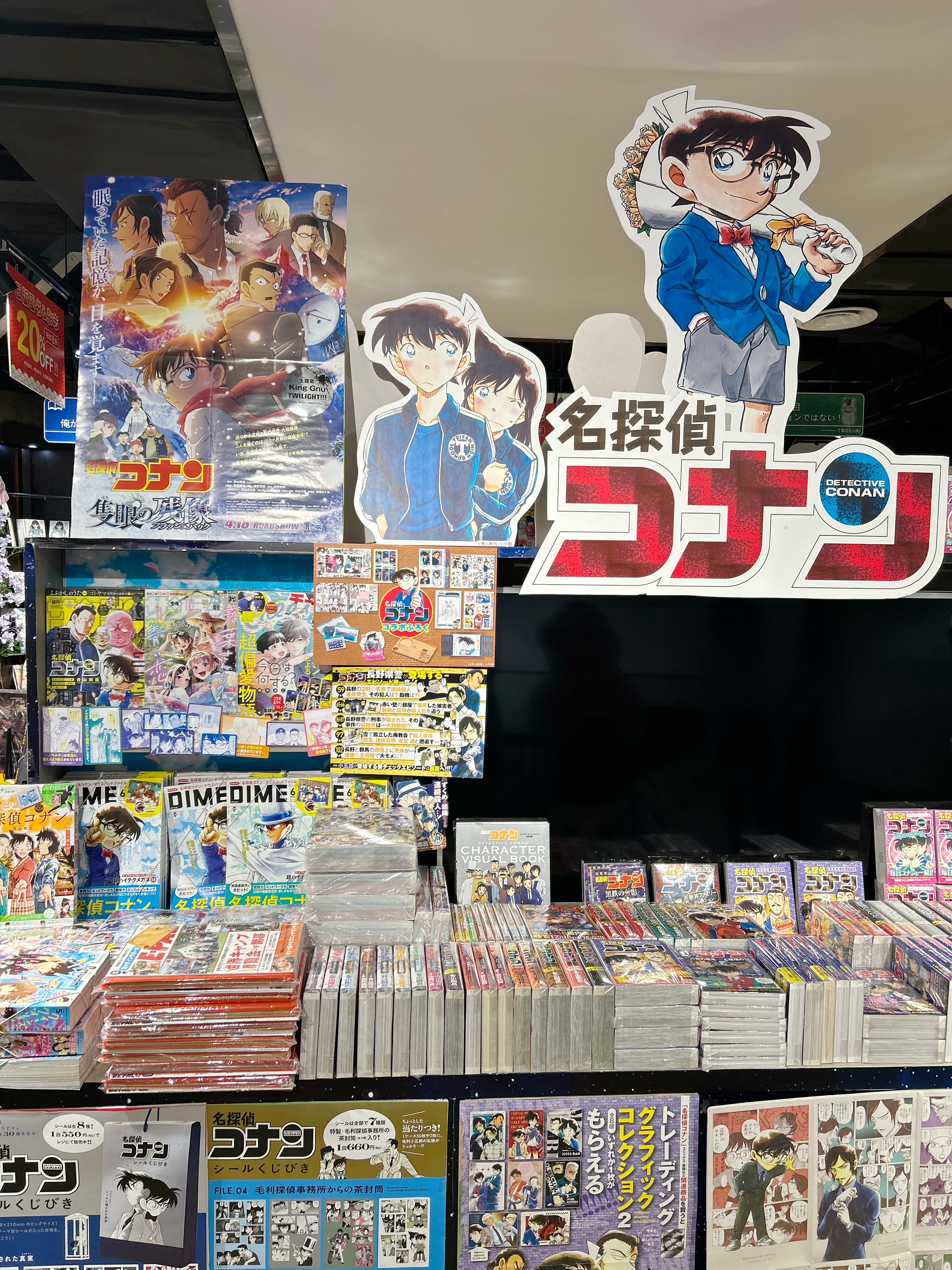
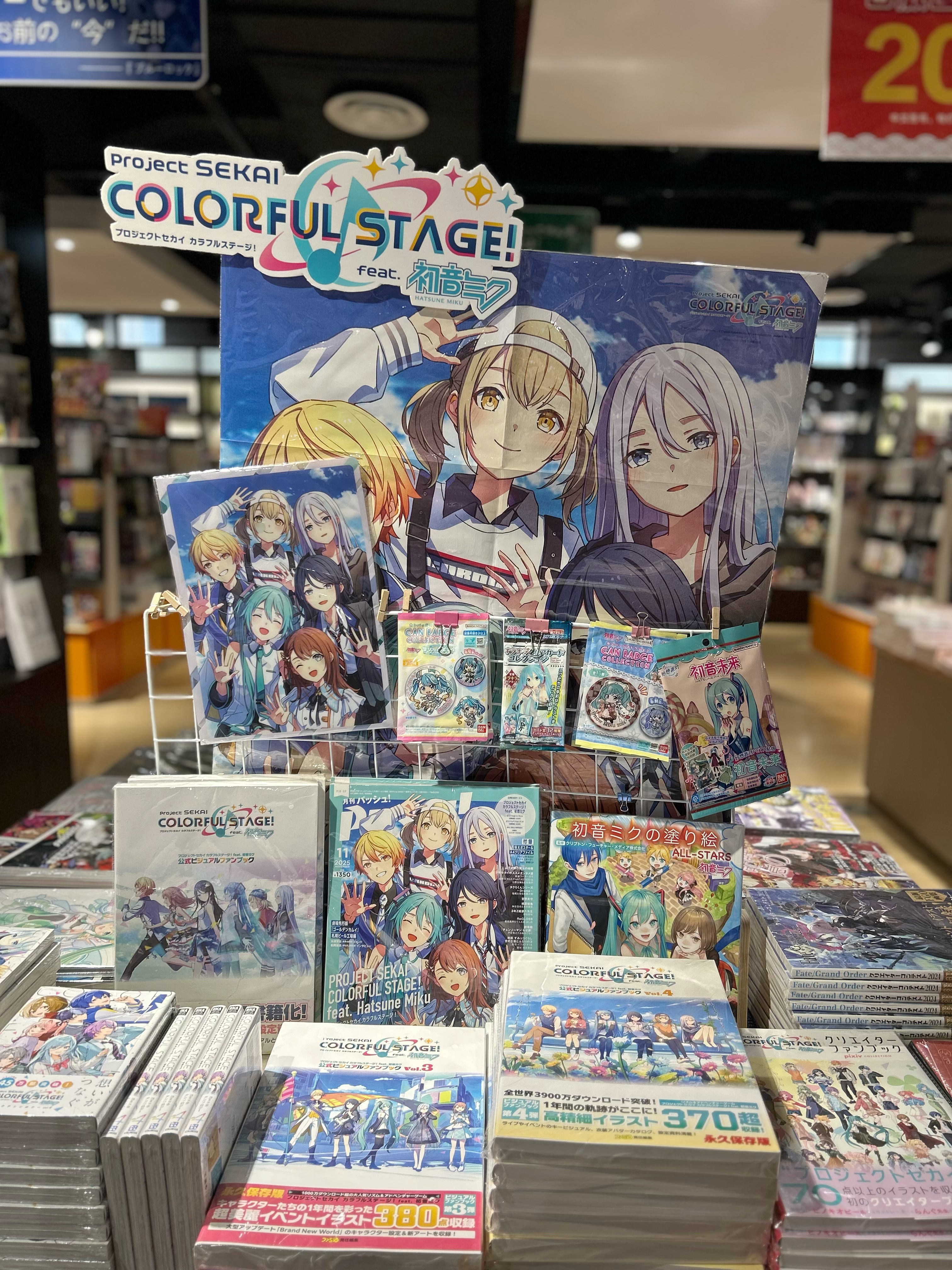
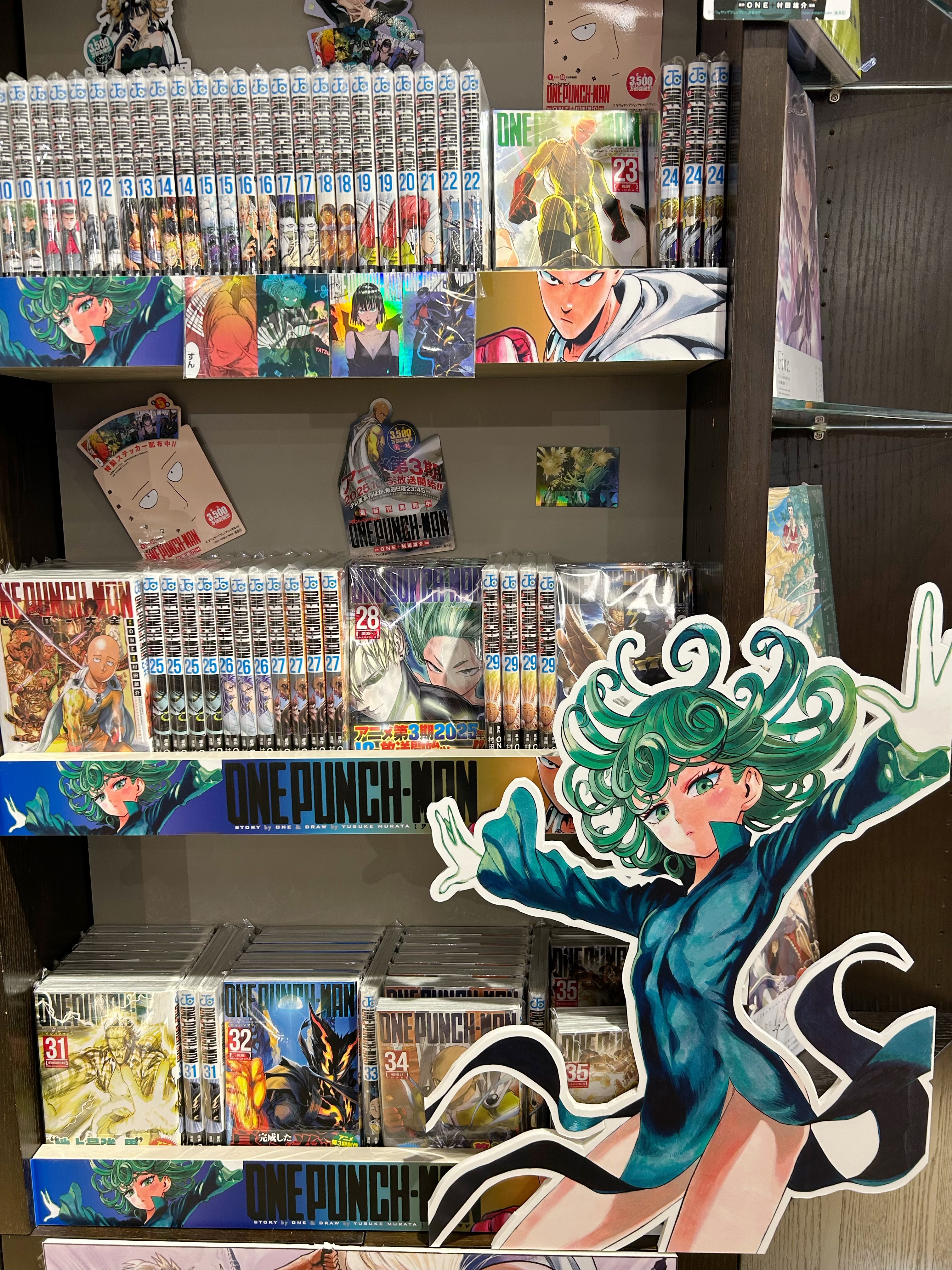
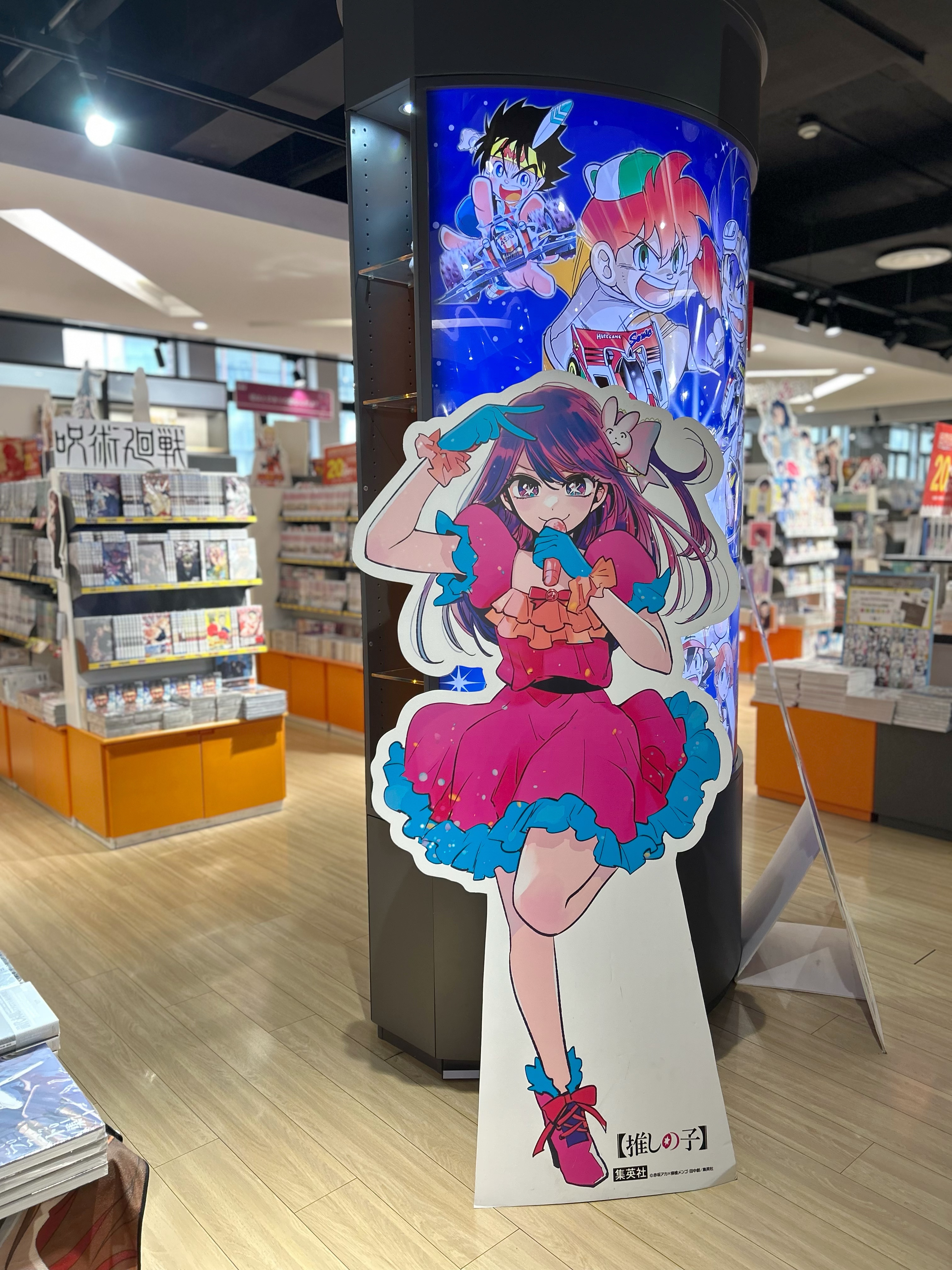

Shanghai: The Birthplace of China's ACG Consumer Scene
Shanghai was the first place in China where ACG culture didn't just exist – it coalesced. Long before it became a national talking point, there were already pockets of fans clustering around bookstores, basement cafés and the early-era conventions that felt more like secret meet-ups than industry events. Shanghai's openness made room for it, the same way the city absorbs most new ideas: a little suspicious at first, and then suddenly everywhere.
For Gen Z and Gen Alpha, "anime culture" isn't a subculture anymore – it's a shared reference point. The language has expanded so quickly that it now covers everything from light novels and merch to designer toys and cross-media IPs. Half the time, you don't even need to know the original anime to get the impulse; it's become a kind of shorthand for identity, community and consumption all rolled together.
And the funny thing is, Shanghai has been building this ecosystem quietly for years. Game studios, animation outfits, licensing operations – it's all been here, working under the surface. Now the curtain's simply been pulled back, and suddenly the city looks like it was preparing for this moment the whole time.
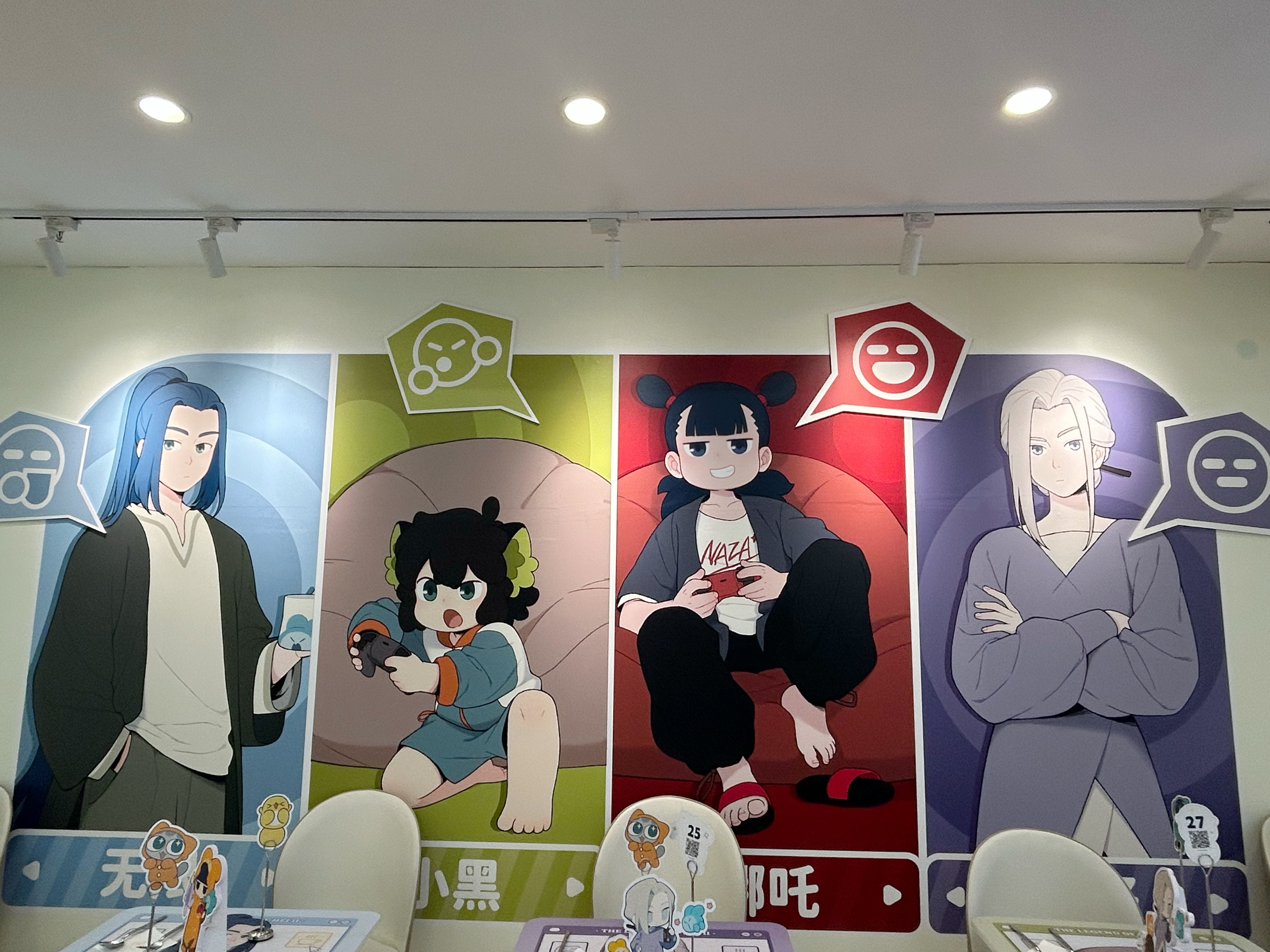
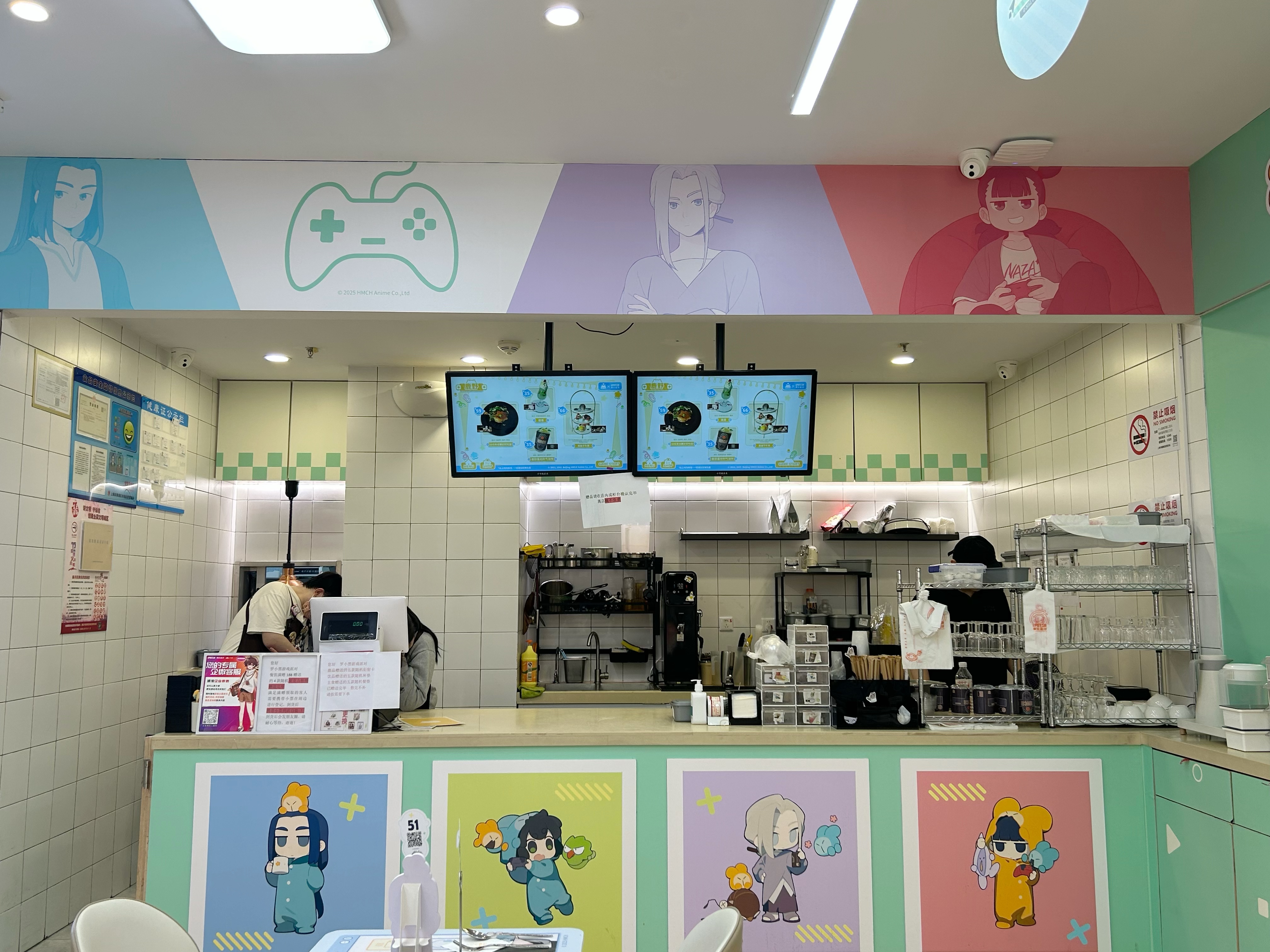

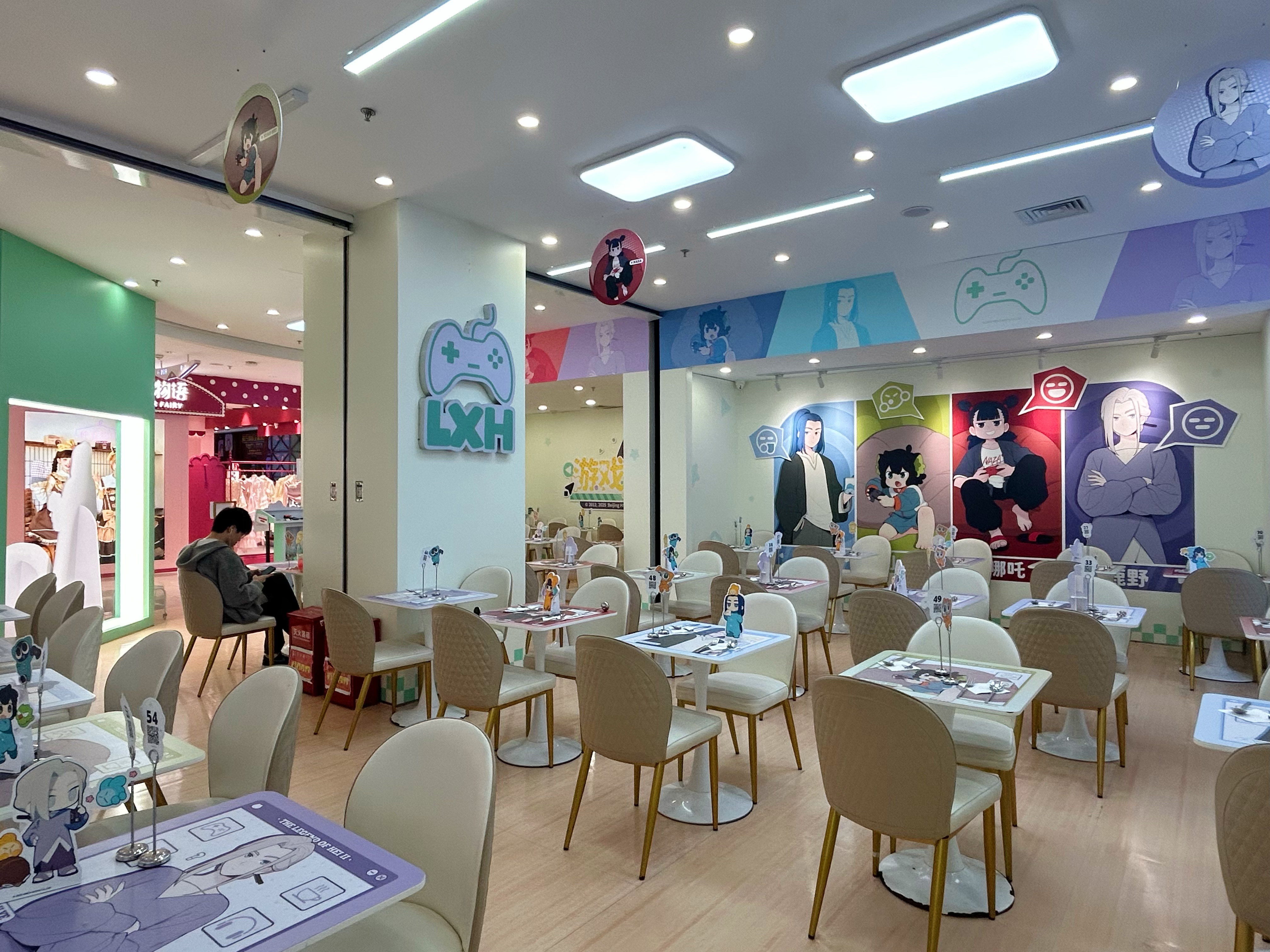
Across office districts, commercial areas and even residential neighborhoods, ACG has become hard to miss. Anime exhibitions, themed markets, cosplay events, cafés, pop-ups, VR arcades, fan gatherings – plus a growing set of AR and projection installations – are now simply part of the city's everyday cultural scenery.
According to iiMedia Research, China's pan-ACG user base keeps rising, reaching 490 million in 2023. In 2024, the total ACG-related merchandise market hit 597.7 billion yuan (US$84.54 billion), with the "goods economy" accounting for 168.9 billion yuan, a 40.6 percent jump from the previous year.
Where "ACG" once implied a small, insider community, the majority of people queuing for pop-ups today are casual fans. The point is no longer whether you follow a storyline or know the lore – if the character is cute and it makes you feel something, that's usually enough reason to buy it.
Why ACG Flagship Stores Thrive in Shanghai
The success of ACG flagship stores in the city is closely connected to the rise of ACG-related gaming here.
Back at the turn of the millennium, the city was essentially China's gaming stronghold. The business back then was mainly about licensing overseas titles: Shanda Interactive brought in the Korean game "The Legend of Mir" in 2001 and stayed near the top of China's gaming industry for more than 10 years.
In 2005, The9 introduced Blizzard's "World of Warcraft," pushing the company into the front ranks of domestic gaming. And around 2010, Shanghai saw another major upswing as the mobile Internet took hold.
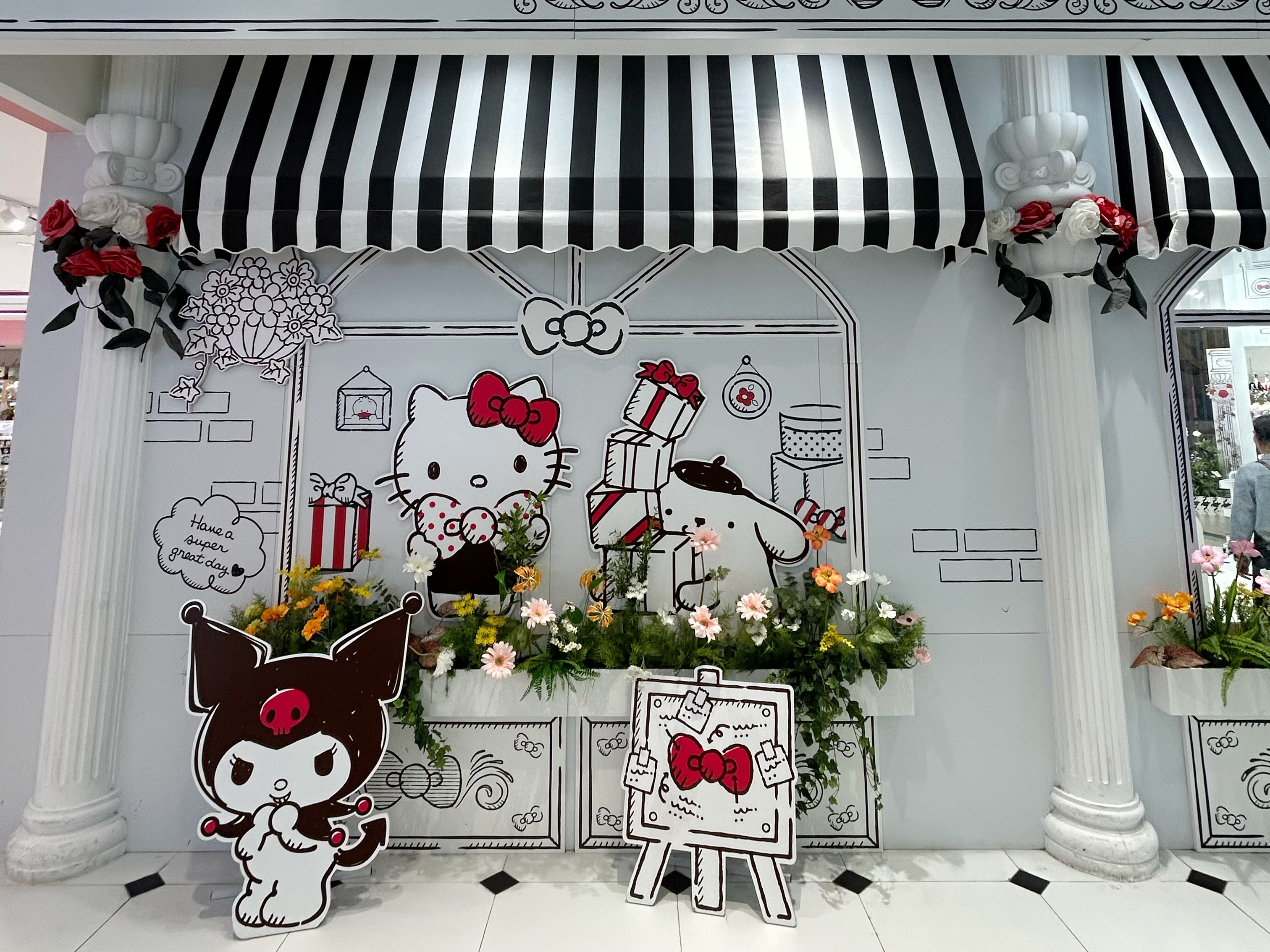
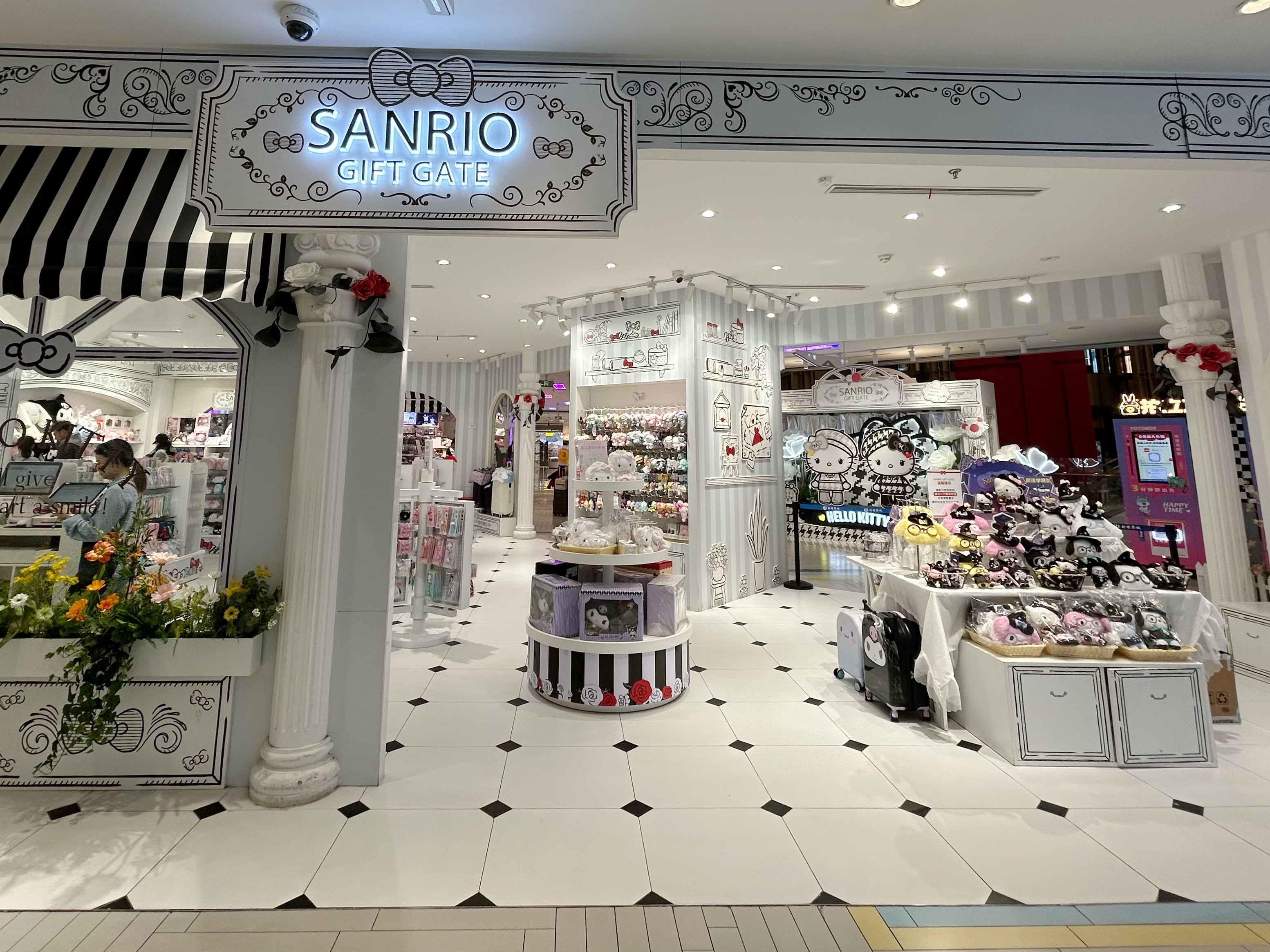


Meanwhile, Bilibili – originally a gaming-centered platform – has gradually gone from an ACG vertical community to a broader entertainment ecosystem, with more than 80 percent of its users now in the Z+ generation.
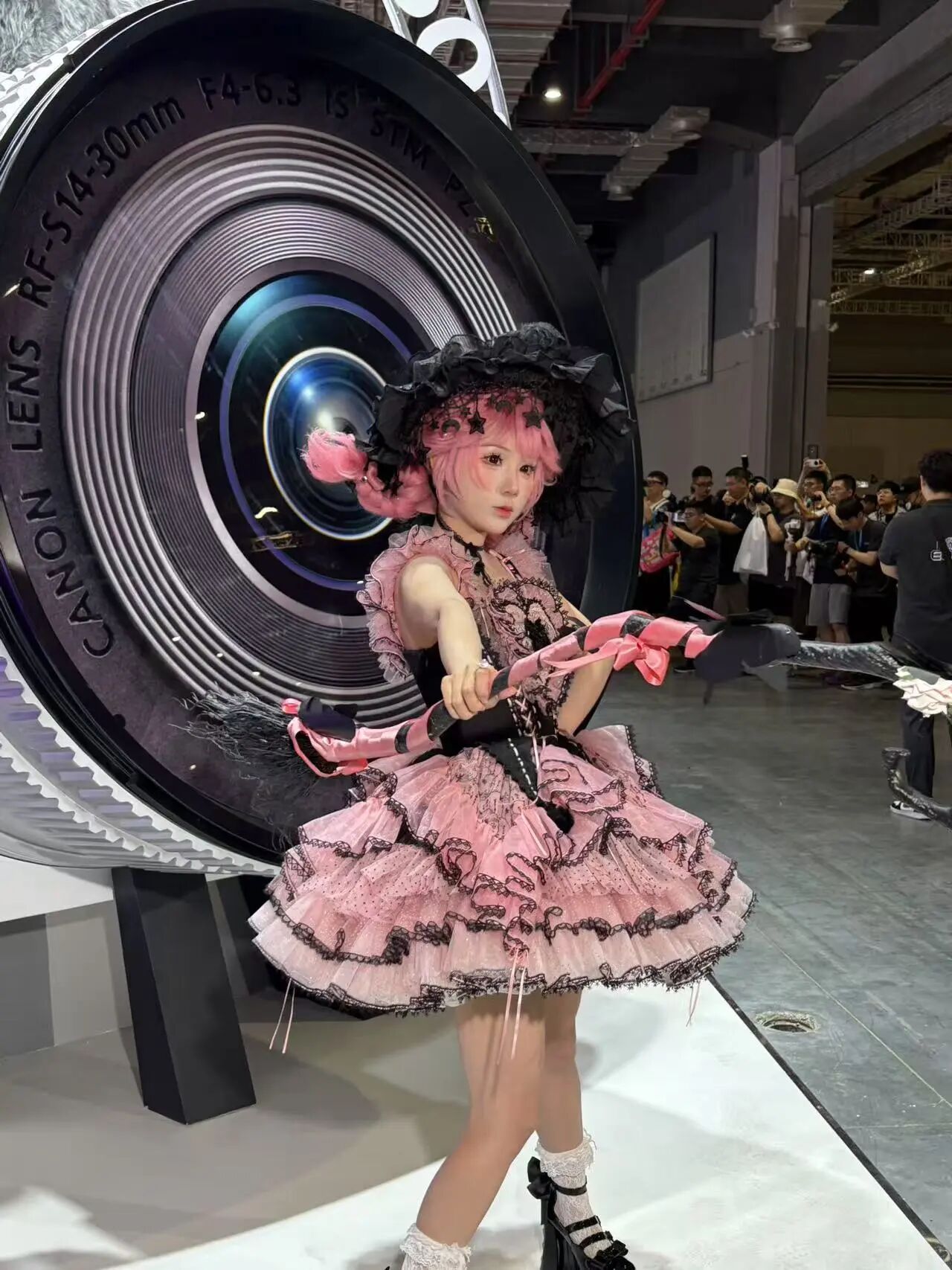
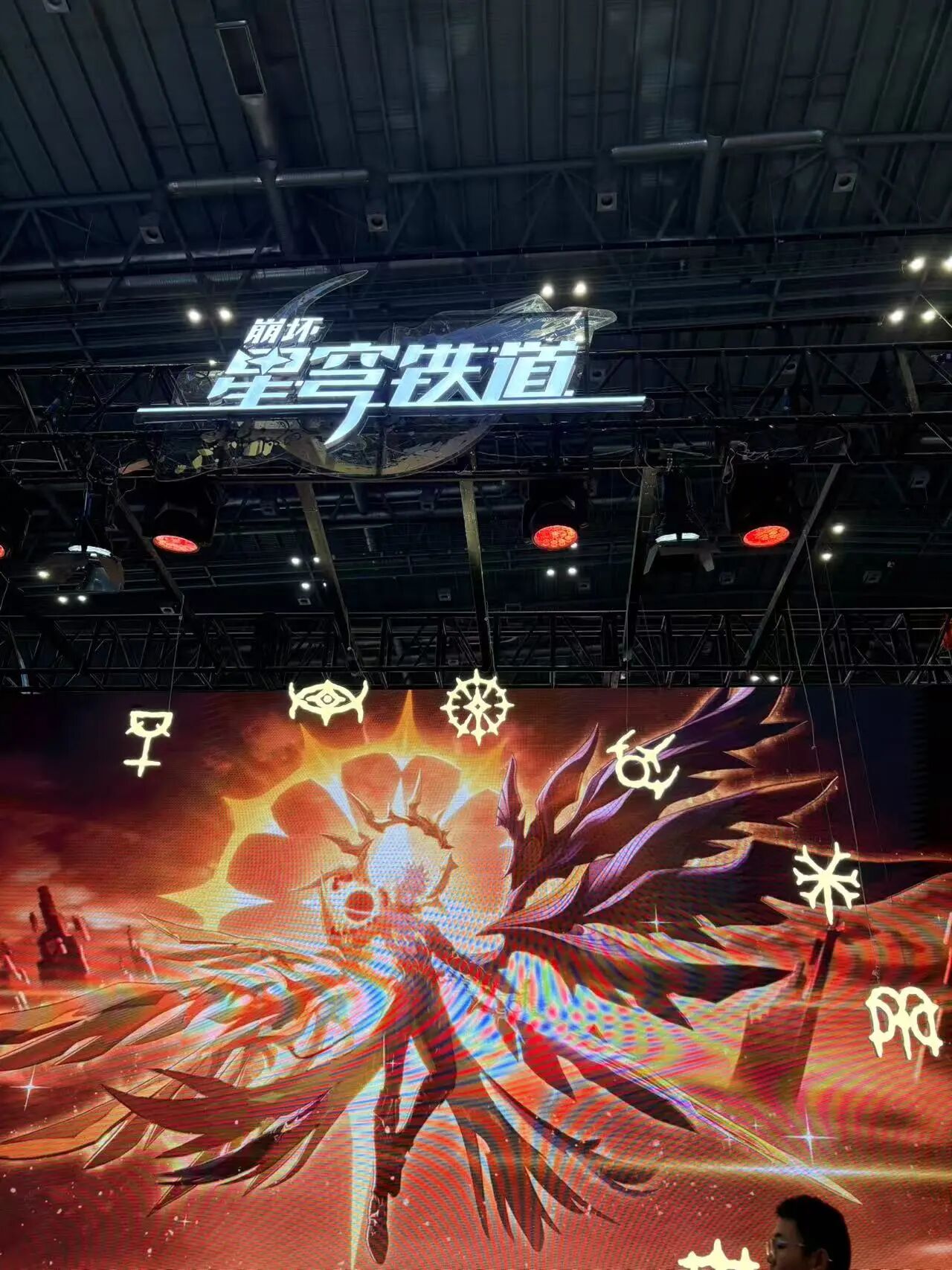
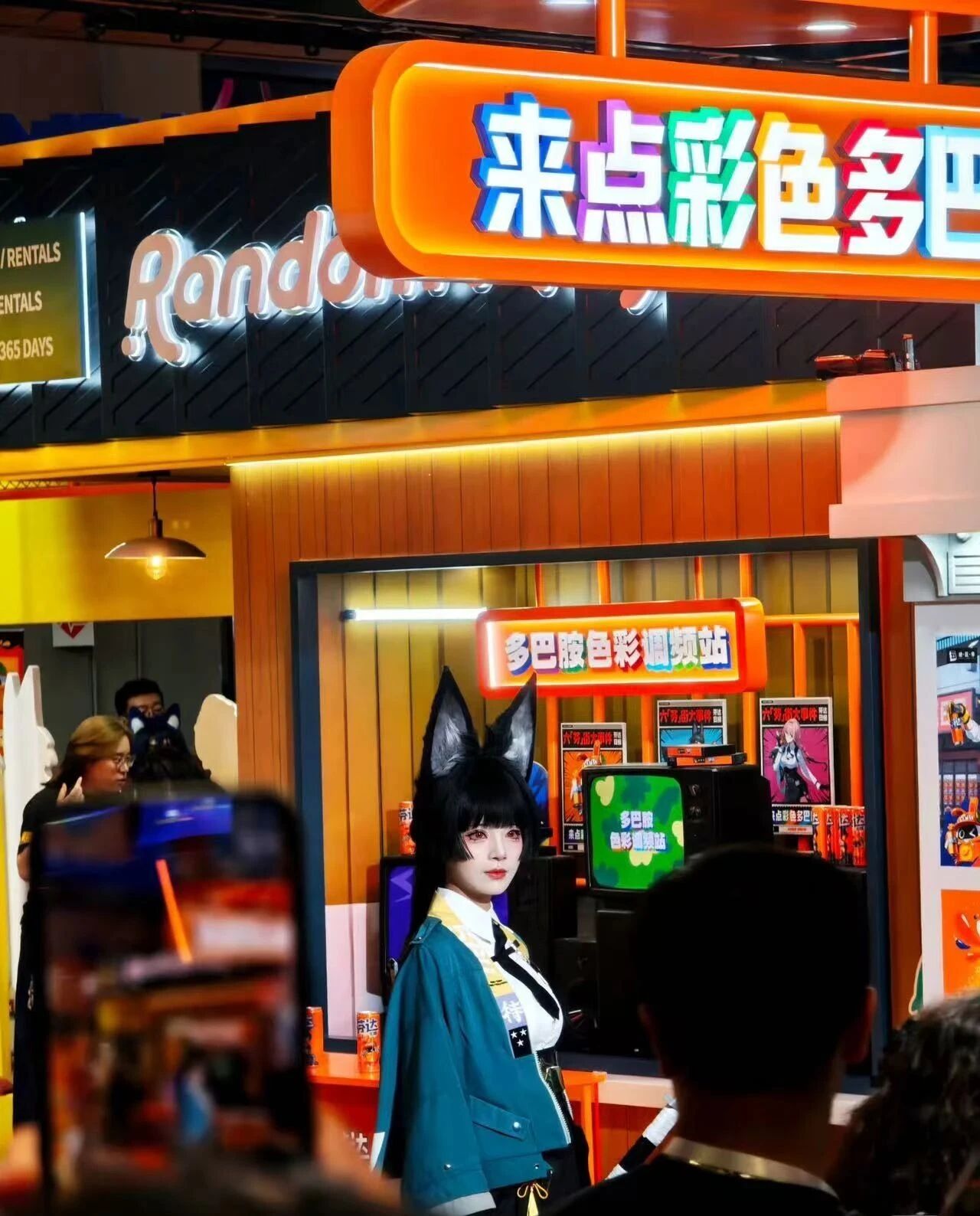
Bilibili says this year's Bilibili World drew 400,000 visitors to the National Exhibition and Convention Center over three days. And according to Meituan Travel, hotel bookings around the venue and Bailian's Nanjing Road store jumped 475 percent during the same period, a pretty clear indicator of how strongly the ACG economy is feeding into offline retail.
![[First in Shanghai] A City in Total 'Hobby Obsession Mode'](https://obj.shine.cn/files/2025/12/05/25955a78-7c6f-434e-8a4d-68c2291c9dee_0.jpg)
![[First in Shanghai] A City in Total 'Hobby Obsession Mode'](https://obj.shine.cn/files/2025/12/05/2d439e0a-d1e9-4af2-ad6b-8583b815d3c0_0.jpg)
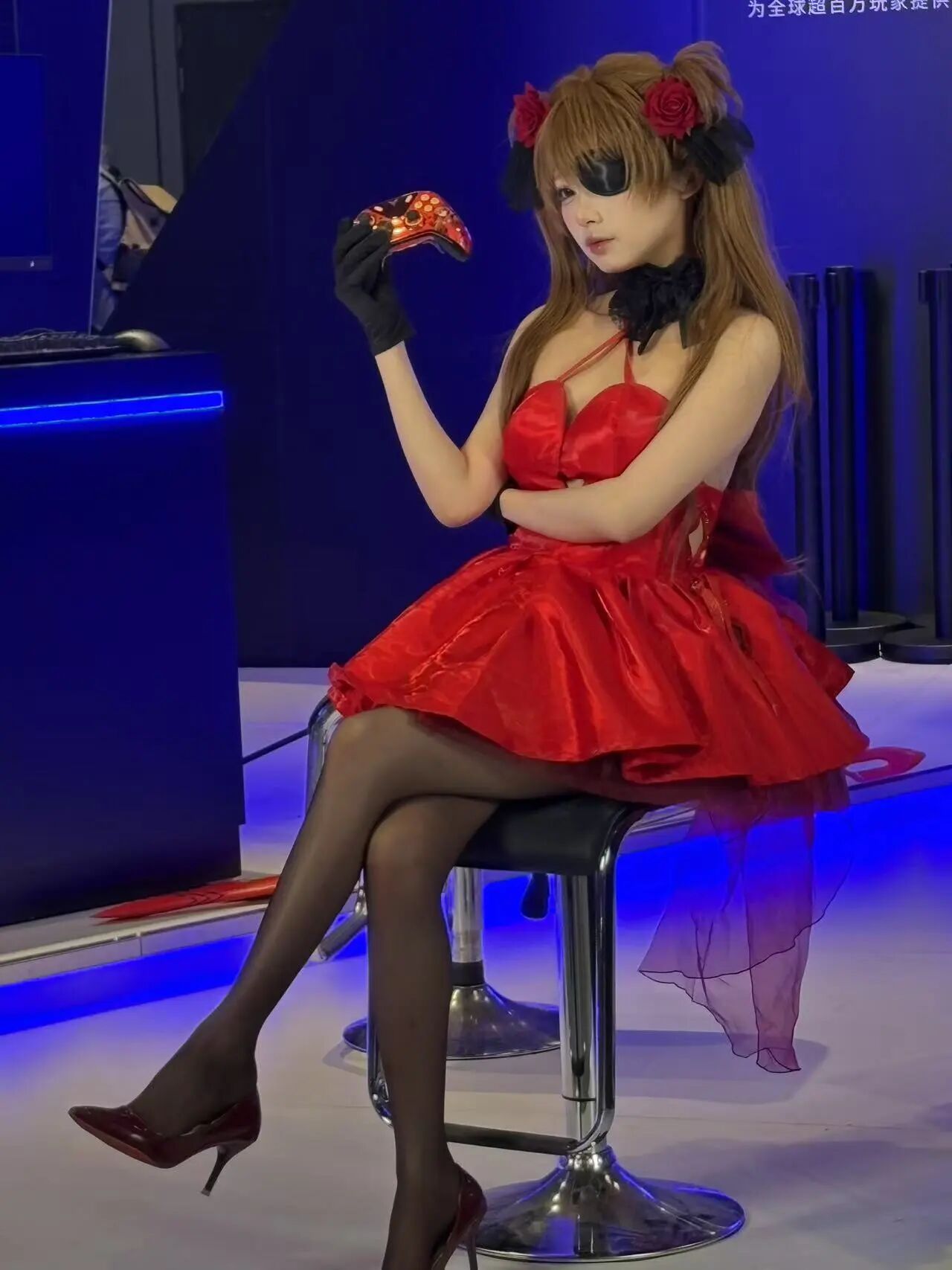
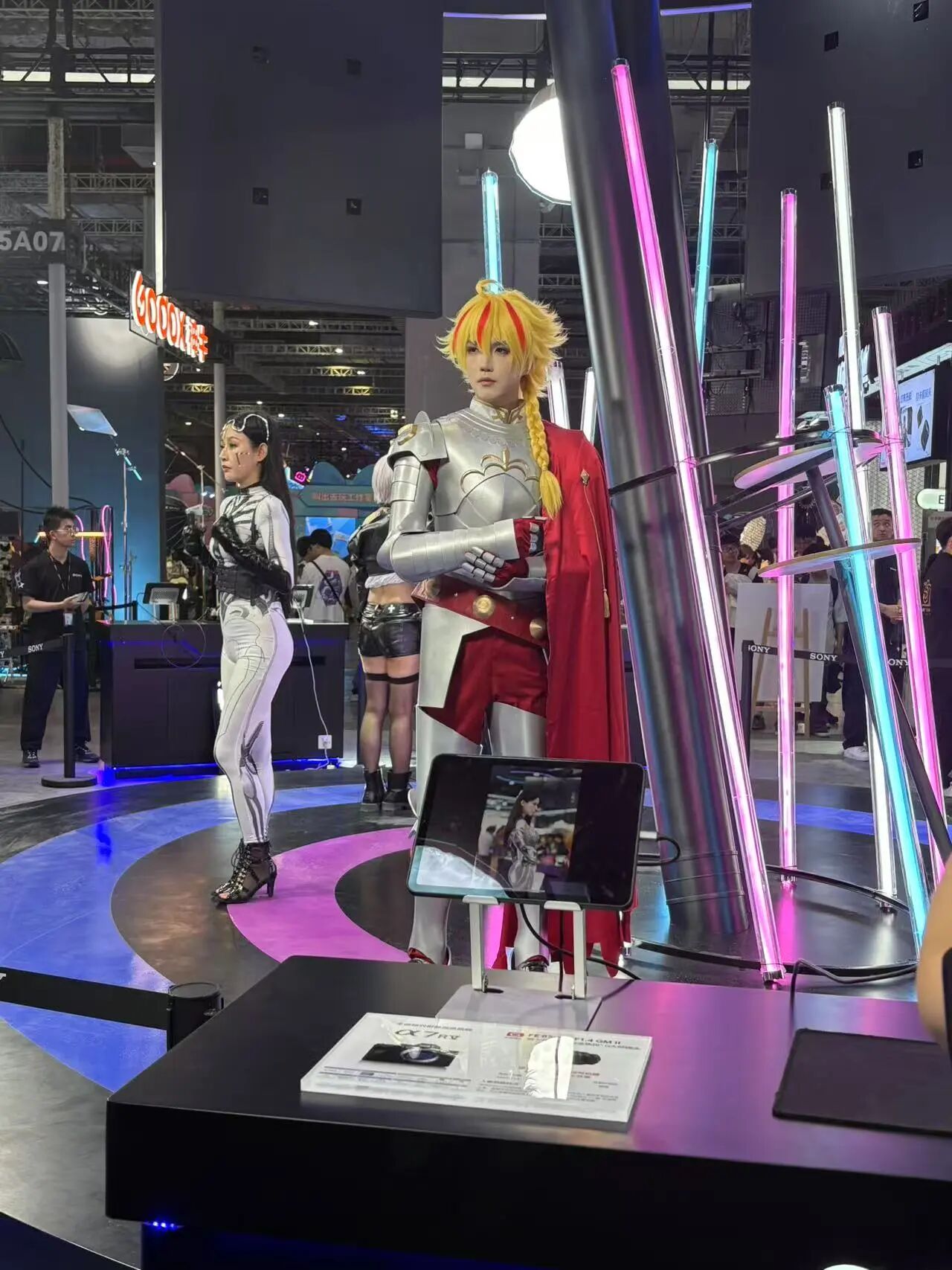
'First Launch + City Exclusives': Shanghai as the Testing Ground
Beyond the obvious pull of popular IPs, blind boxes and plush toys, the real move right now is "first launch + city exclusives," and Shanghai has become the place to try it out.
Most new ACG flagships here arrive with a small catalogue of Shanghai-only items. They're not just things to buy; they're souvenirs of being in the city at a certain moment, which seems to matter a lot to the younger crowd.
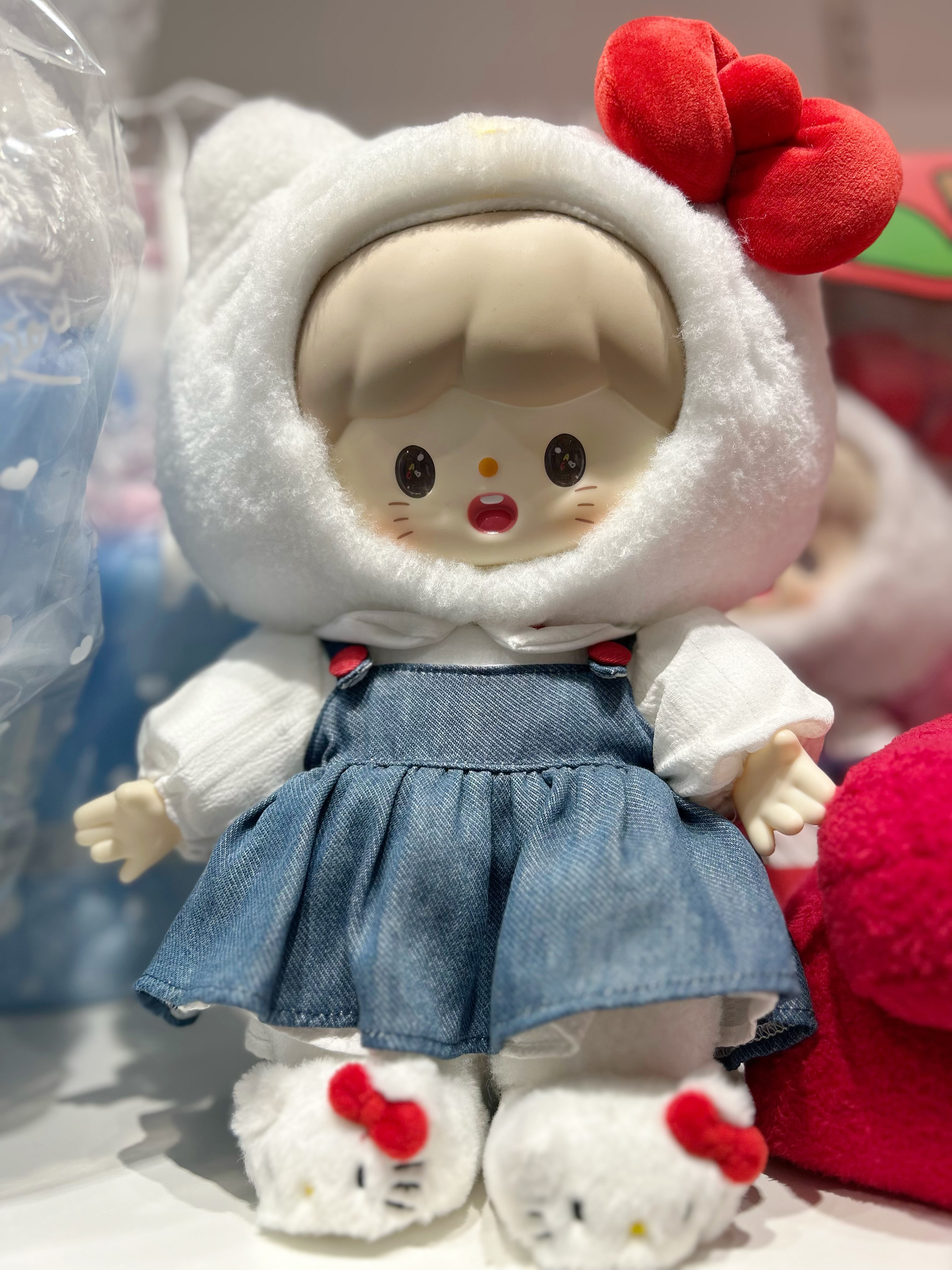
Chiikawa's first mainland flagship is a clear example: retro Shanghai keychains, a hairy crab plush, a lion dance charm made only for China. It's a neat blend of the IP and local culture – and clearly, it works.
![[First in Shanghai] A City in Total 'Hobby Obsession Mode'](https://obj.shine.cn/files/2025/12/05/0cdd6d84-c786-46ed-a896-b6d04d670a47_0.jpg)
In that way, ACG stores have shifted beyond regular retail. They work more like small emotional recharge stops in the city – places that deliver a social hit as much as a commercial one. For younger shoppers, the products function less as objects and more as small markers of lifestyle, of being here, right now. Sometimes that sense of presence seems more important than whatever actually ends up in the shopping bag.
From ChinaJoy to a Year-Round Festival City
When ChinaJoy was the only big ACG event, it felt like an outlier. Now it's just one on a calendar that barely has any blank space left. Every major ACG company has its own festival, and the third-party events run constantly: carnivals, toy fairs, concerts, themed shows, pop-ups, card expos, fan meets.
All of the big Chinese players – miHoYo, Bilibili, Papergames – show up here, and the international IP owners aren't far behind. Sony, Bandai Namco and others now treat Shanghai as a direct route into China's ACG audience.
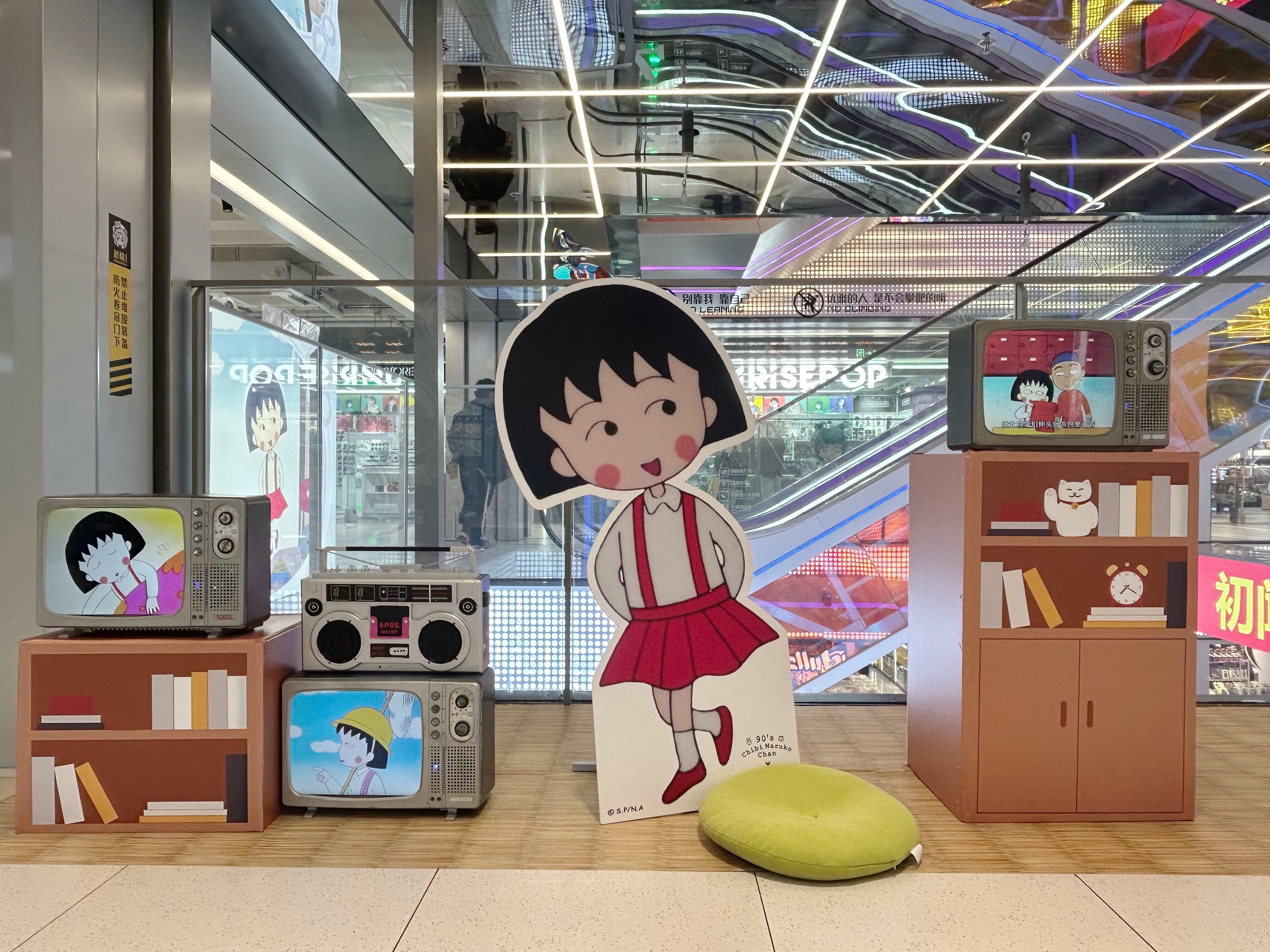
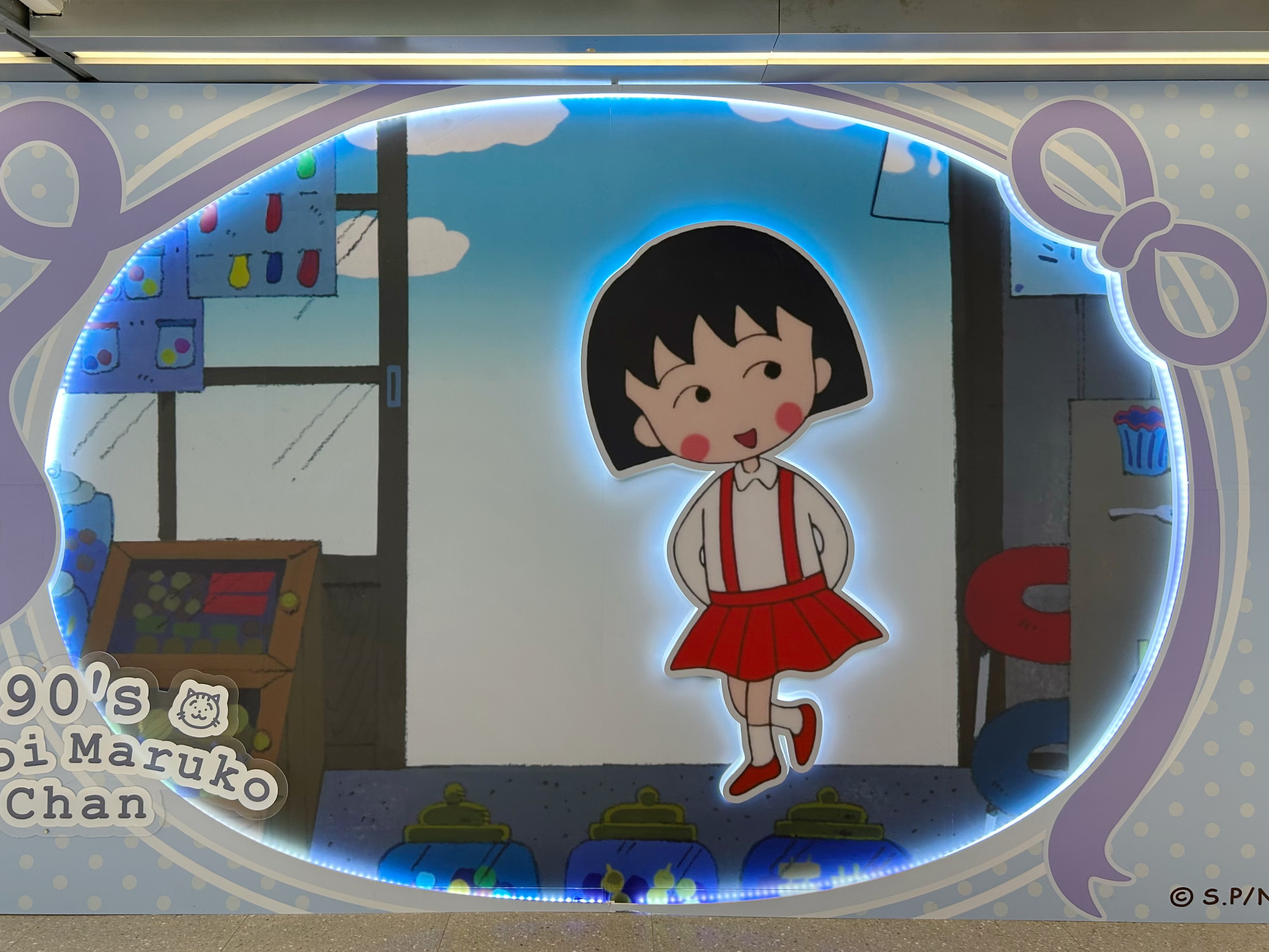
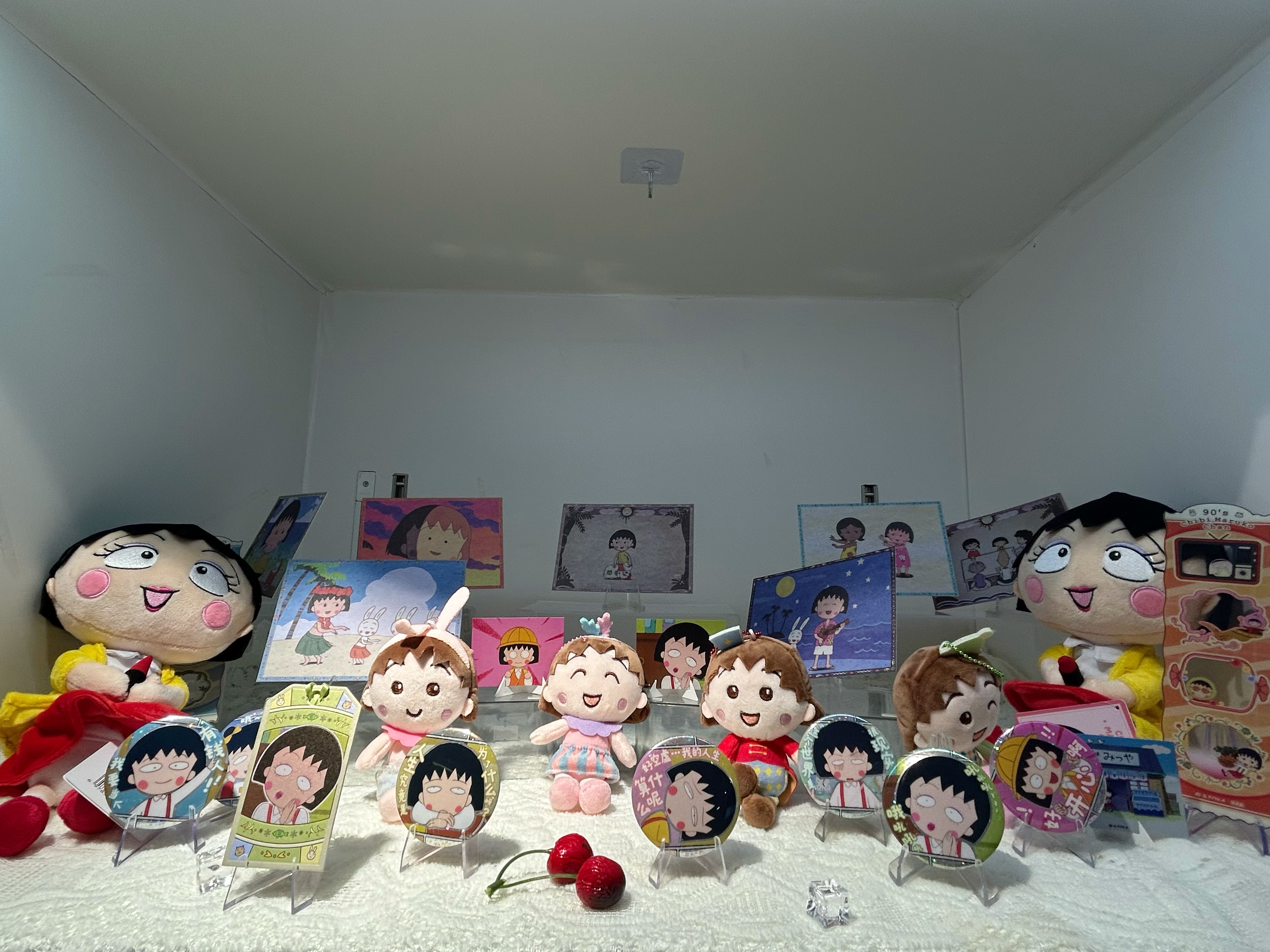
At Bailian ZX Zaoquchang, the schedule hardly stops. One week it's "Brown Dust 2," the next it's Chibi Maruko-chan or "Natsume's Book of Friends." The result is a feeling that some kind of ACG celebration is happening almost all the time.
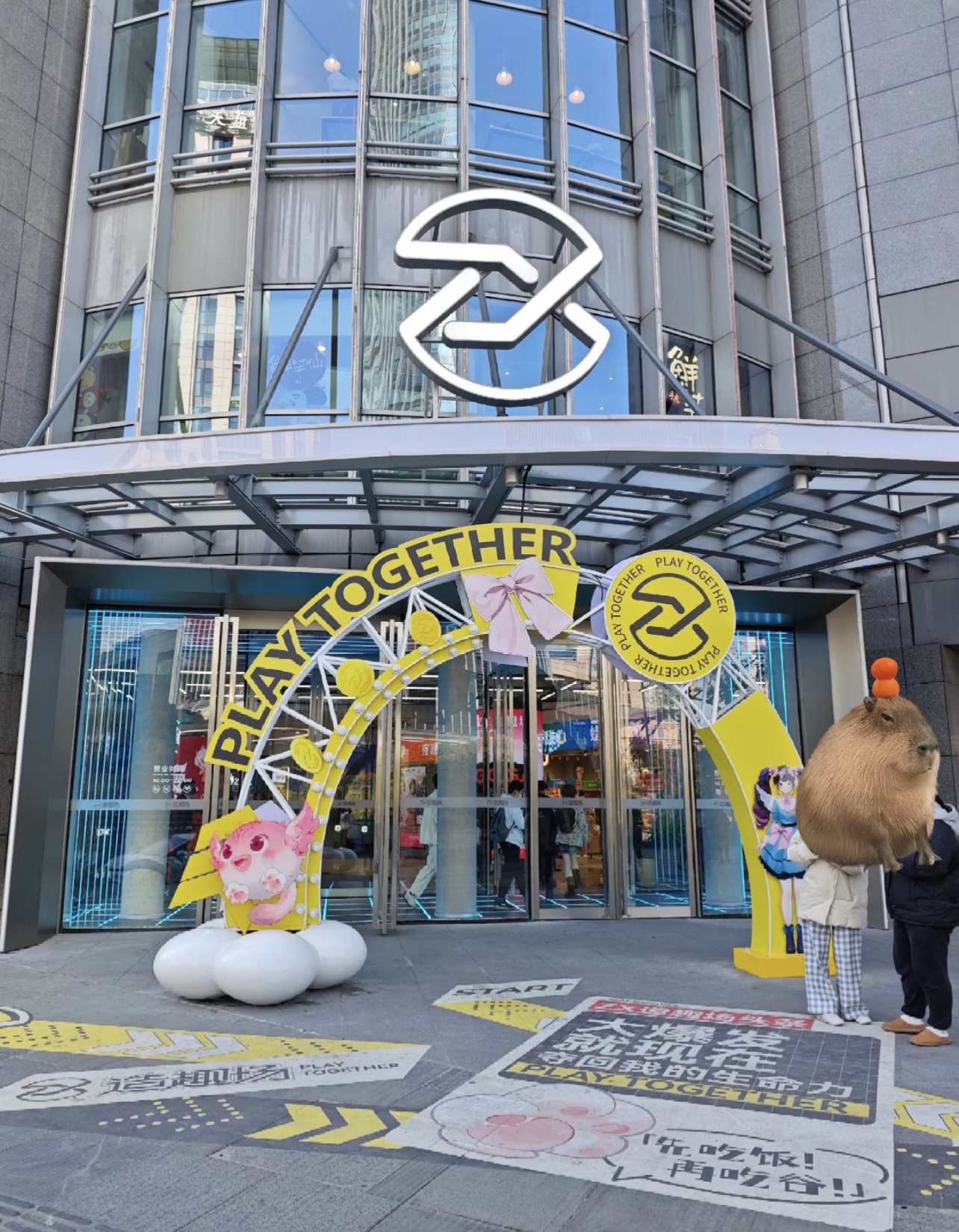
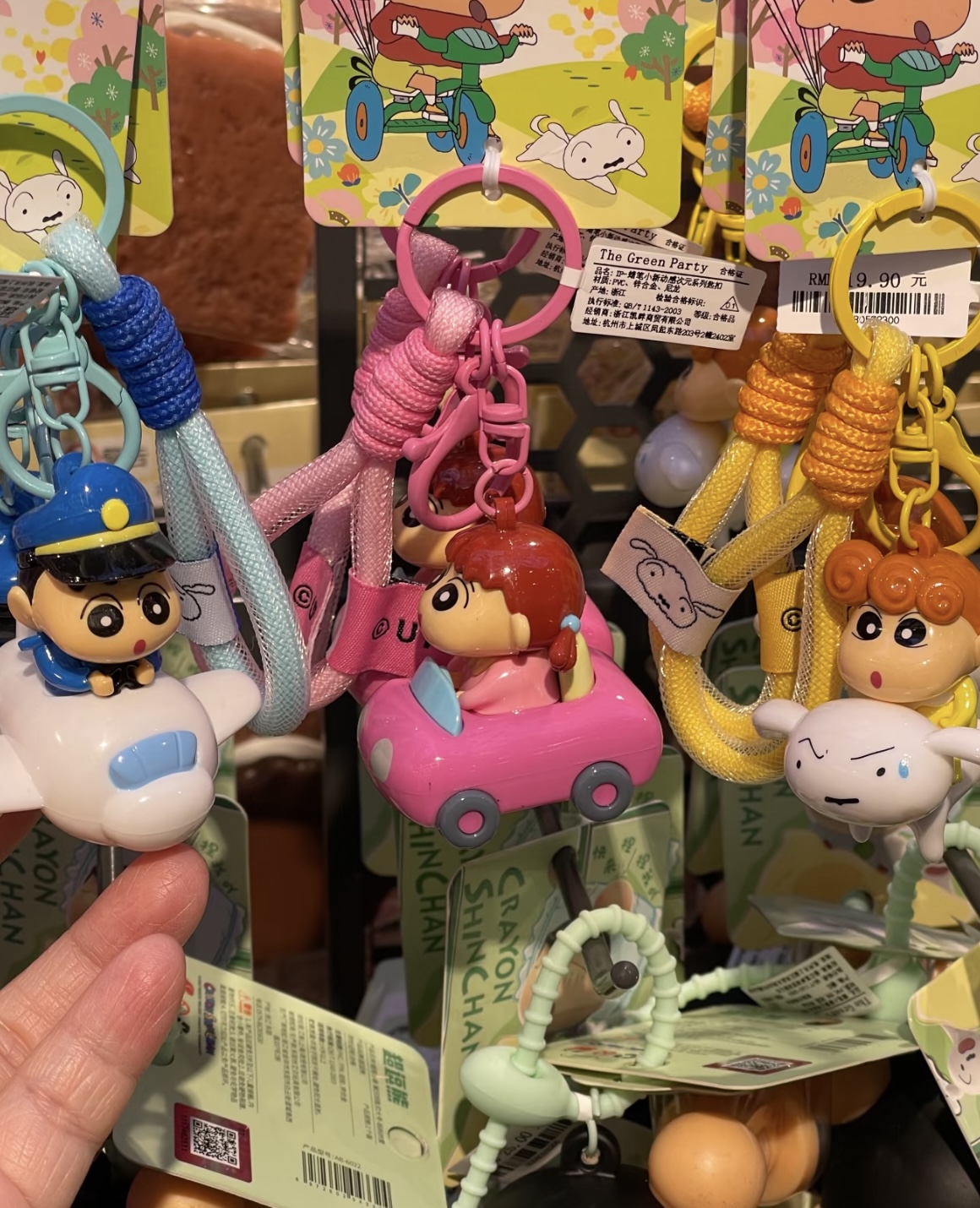
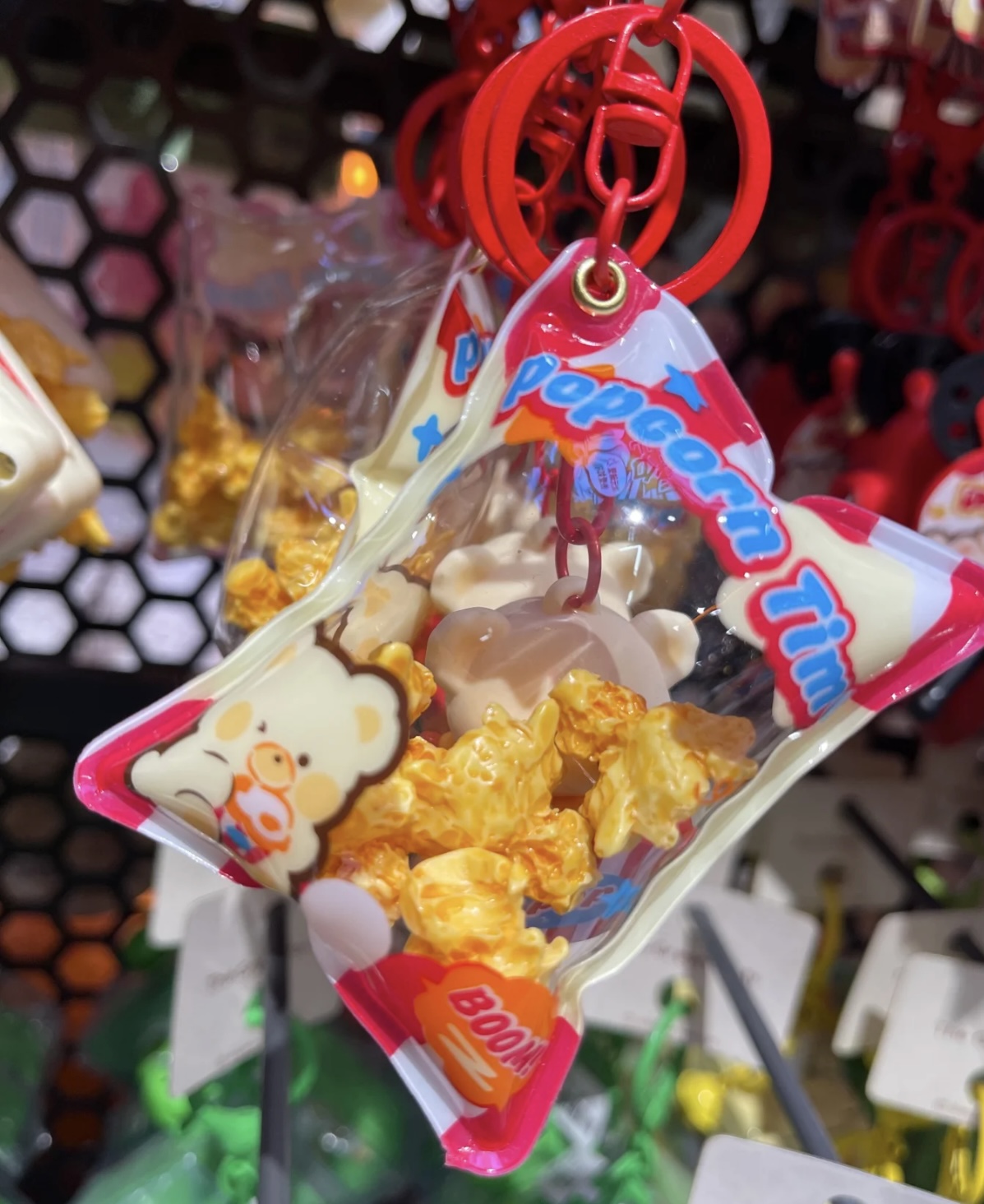
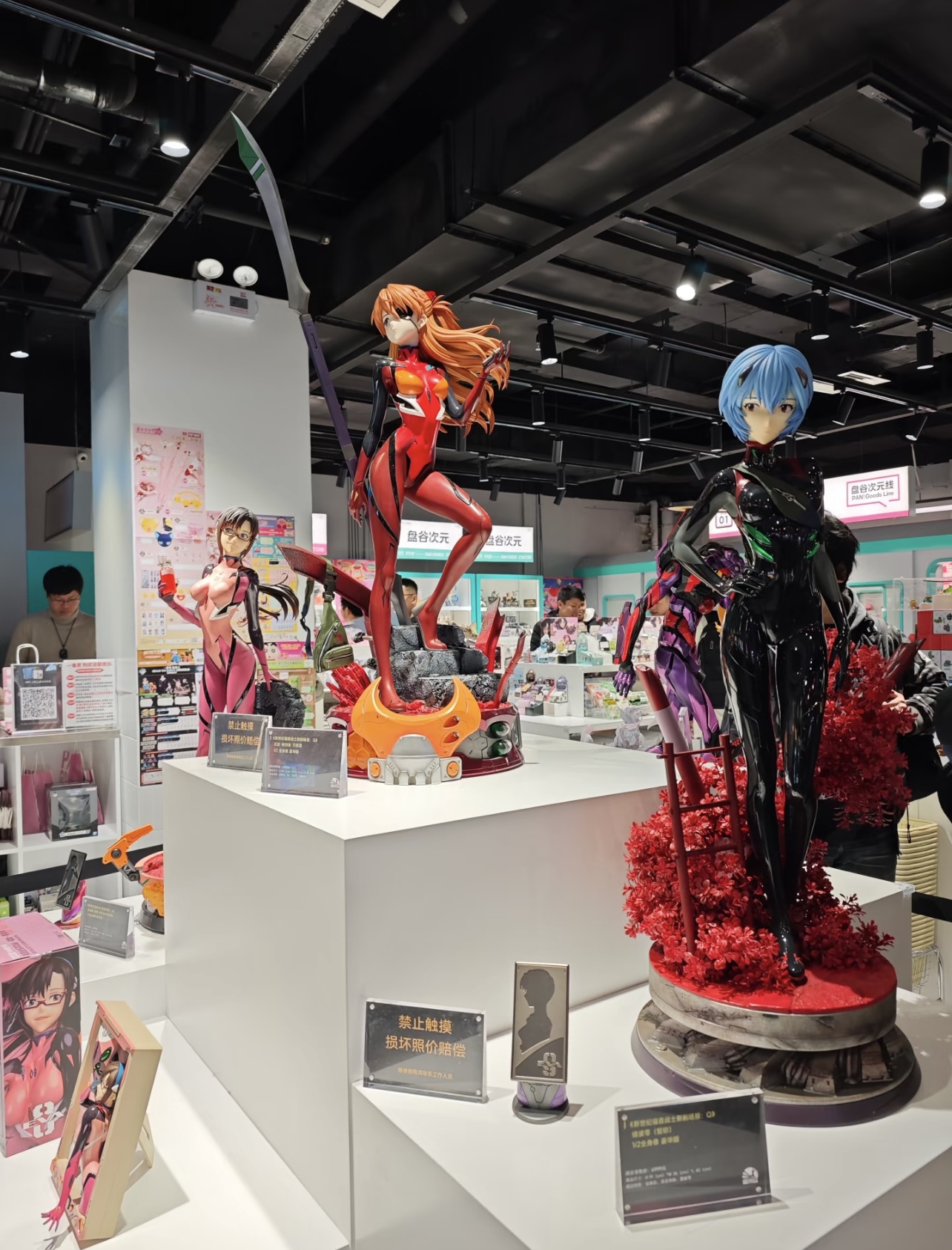
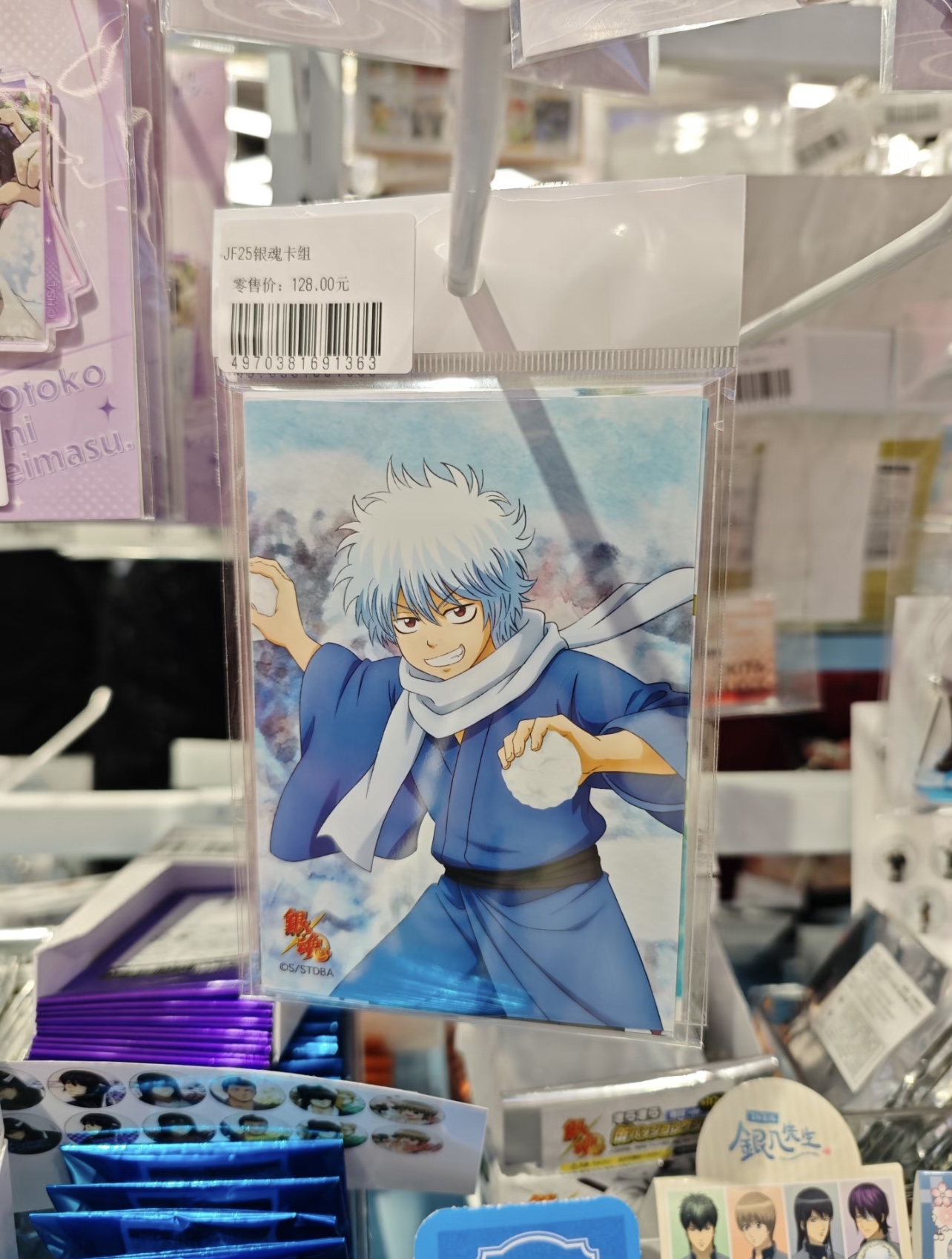
In Wujiaochang, Bailian ZX Zaoquchang is the second project in what's now being called the "ZX model." It follows the original Bailian ZX on Nanjing Road – China's first ACG-focused commercial complex – but this isn't just a second branch. It's treated as a full expansion of the concept.
The numbers are heavy on "firsts": more than 60 new brands, including one global first store, 10 national firsts, nine for Shanghai, and close to 30 regional firsts. Nearly 80 percent of the tenants fall into some type of debut, which makes the "ACG density" feel especially concentrated.
The layout reads like a map of different purposes. Muji takes the ground floor and the north side of level two; Nitori holds the north side of level three; and the fourth floor is set aside for gaming – escape rooms, tabletop games and similar experiences. The rest is mostly a blend of merch and dining, with a few cosplay makeup studios tucked into the third floor.
![[First in Shanghai] A City in Total 'Hobby Obsession Mode'](https://obj.shine.cn/files/2025/12/05/61fb843b-4af0-4f87-a1c9-eecf49a36825_0.jpg)
Why Shanghai Became the Prime Launchpad for ACG Pop-Ups
Pop-ups are officially the new national pastime, but Shanghai is still playing in its own league. Over the Dragon Boat Festival break, more than half of the roughly 45 ACG pop-ups across China landed here – because of course they did. At the Chiikawa sushi installation in Bailian ZX, fans were apparently rolling out of bed at 6am to queue for two hours, all in the name of limited-edition merch. That's devotion, or at least serious FOMO prevention.
Over at Jing An Kerry Centre, Pop Mart just unveiled a new store whose centrepiece is a giant cylindrical wall jammed with Labubu samples. The twist? It's strictly look-but-don't-buy. Still, that didn't stop half of Shanghai squeezing in for a feel. One Ms Li, fresh from the scrum, told us that "touching a Labubu before buying a fridge magnet basically counts as indirect stanning." Shanghai logic checks out.
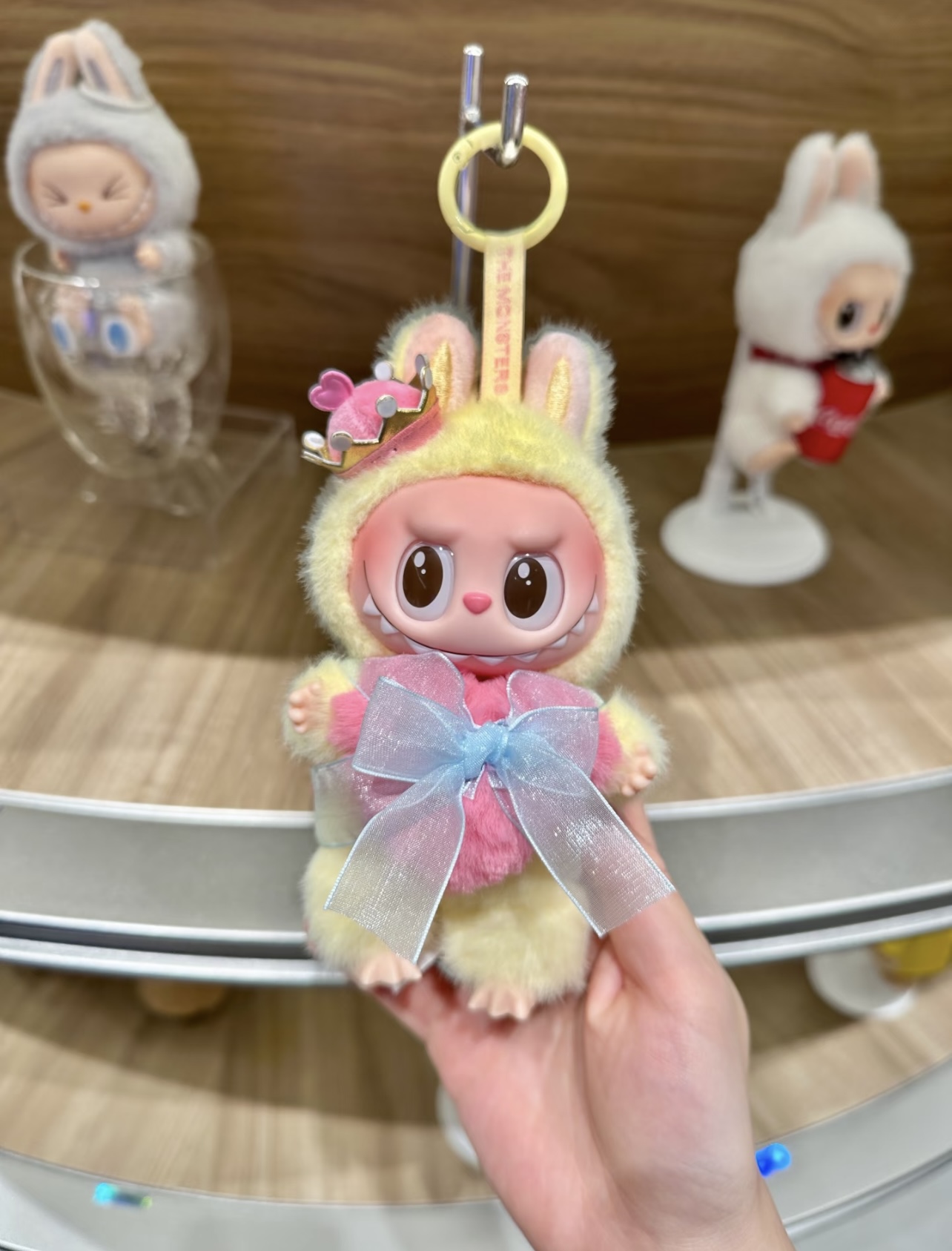
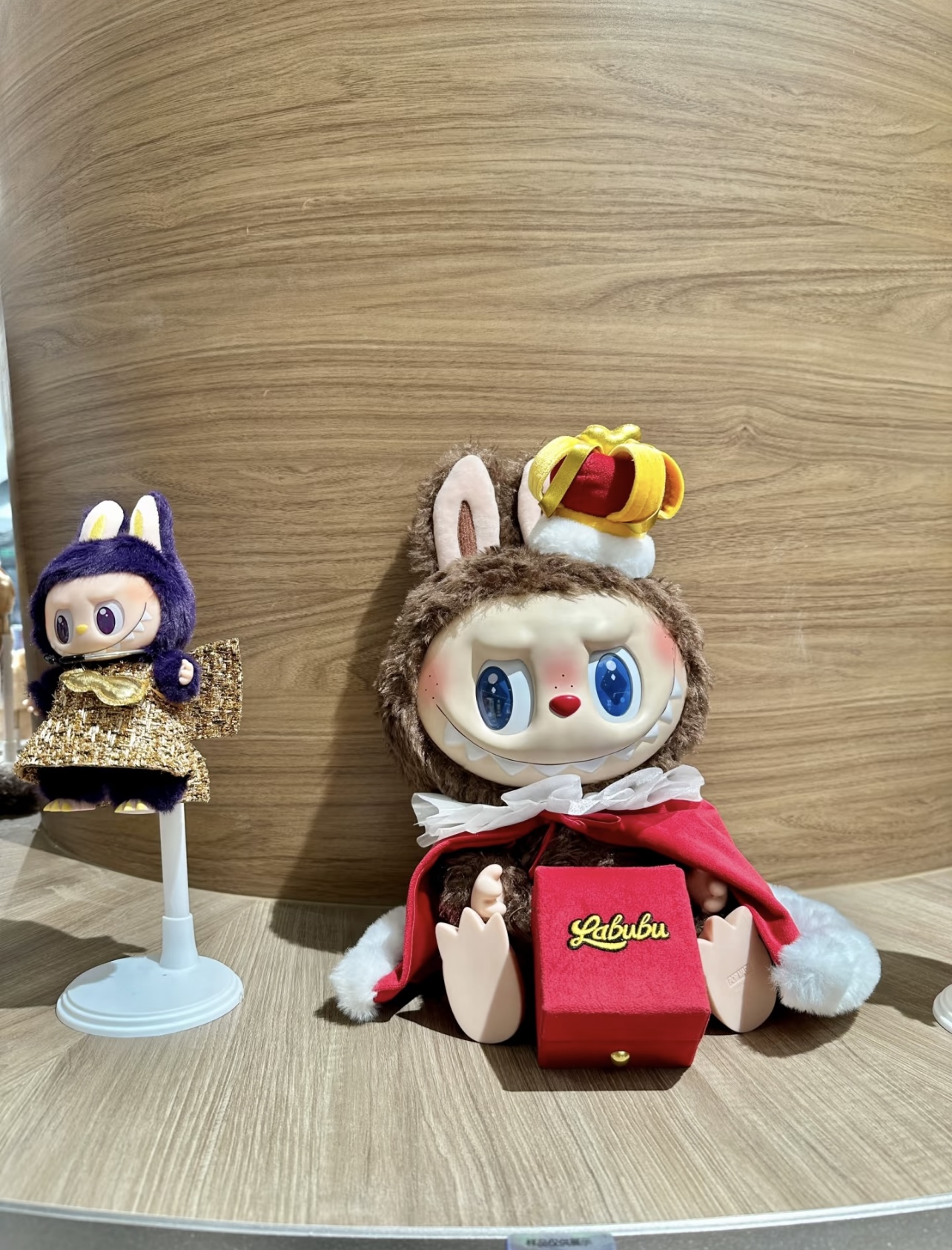
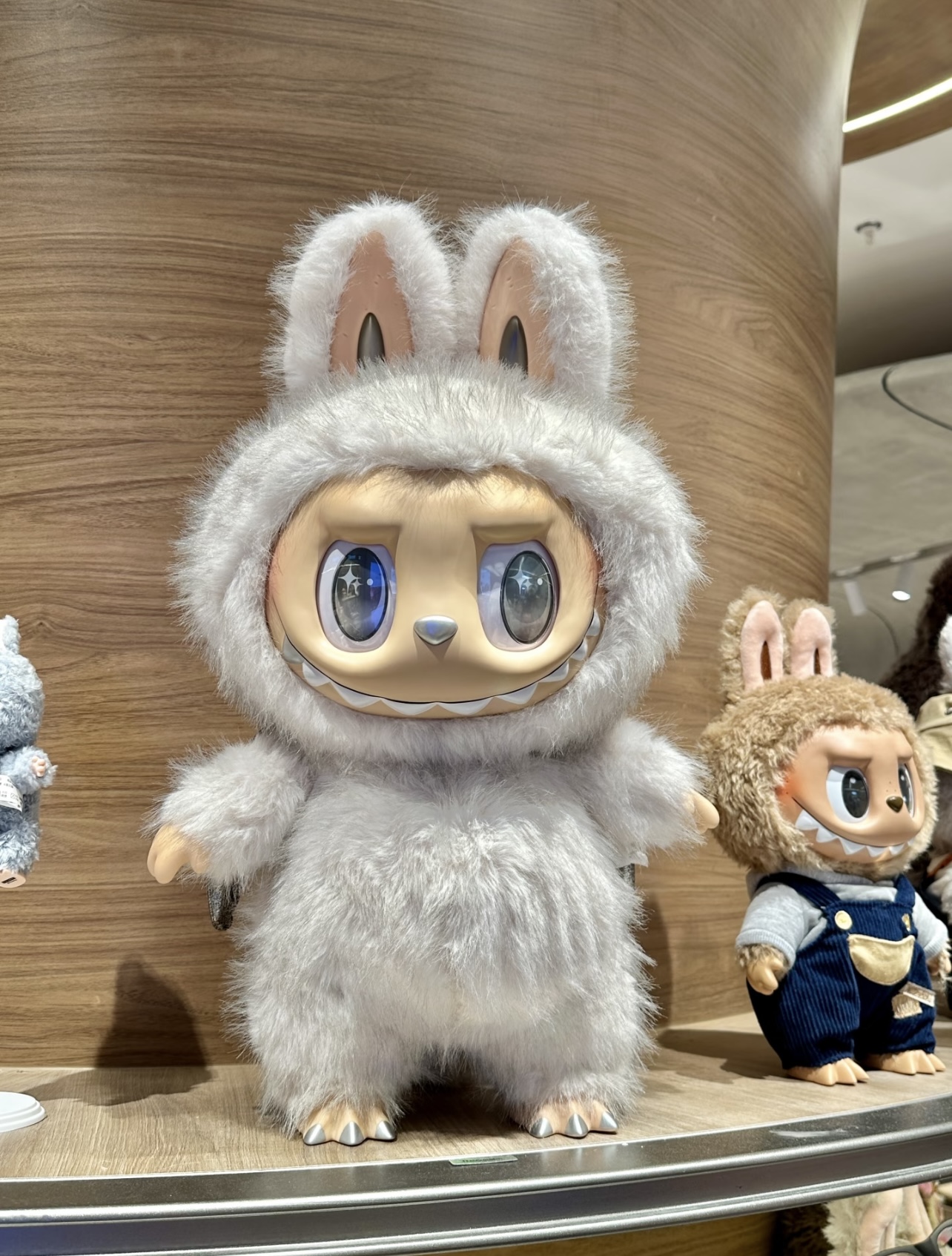
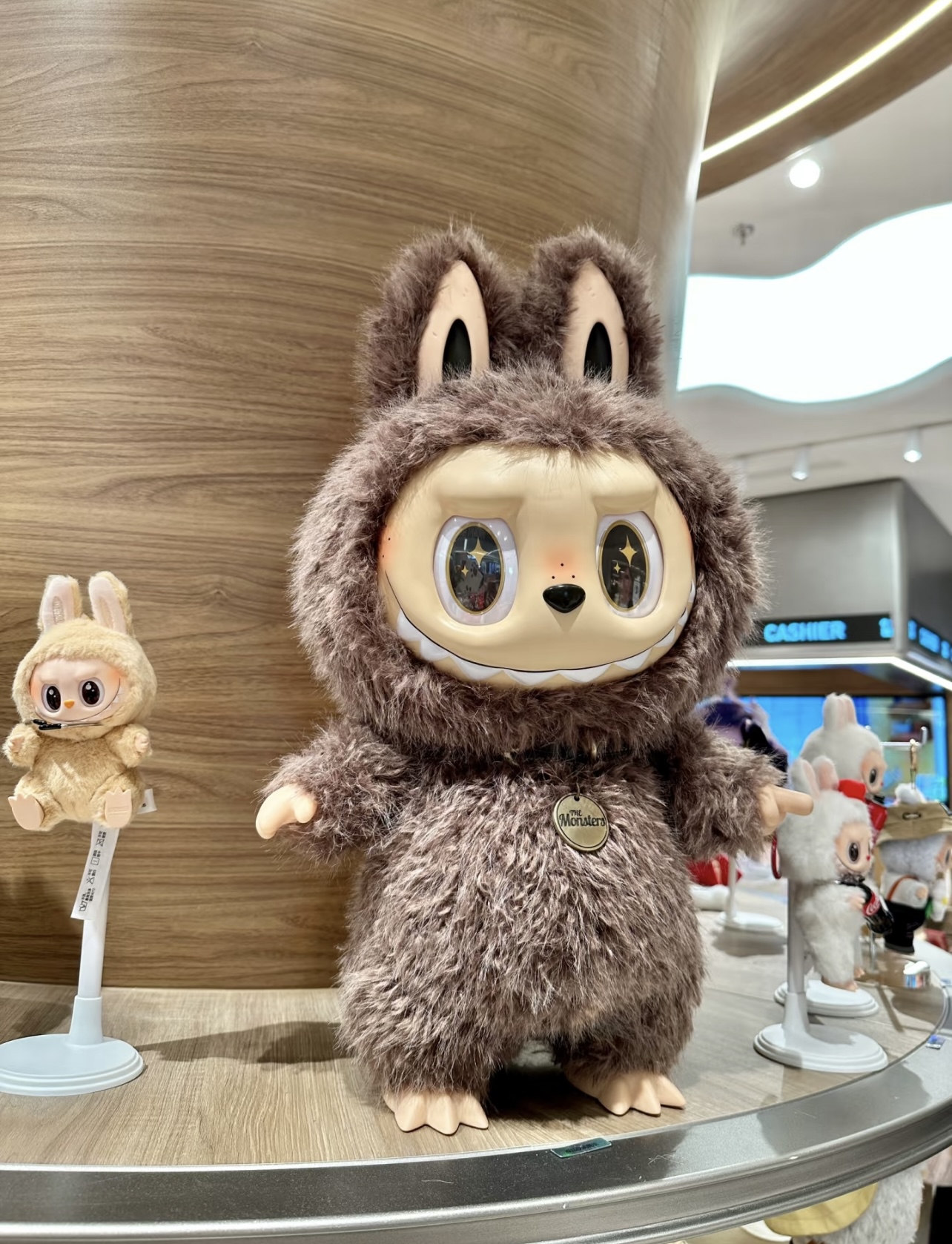
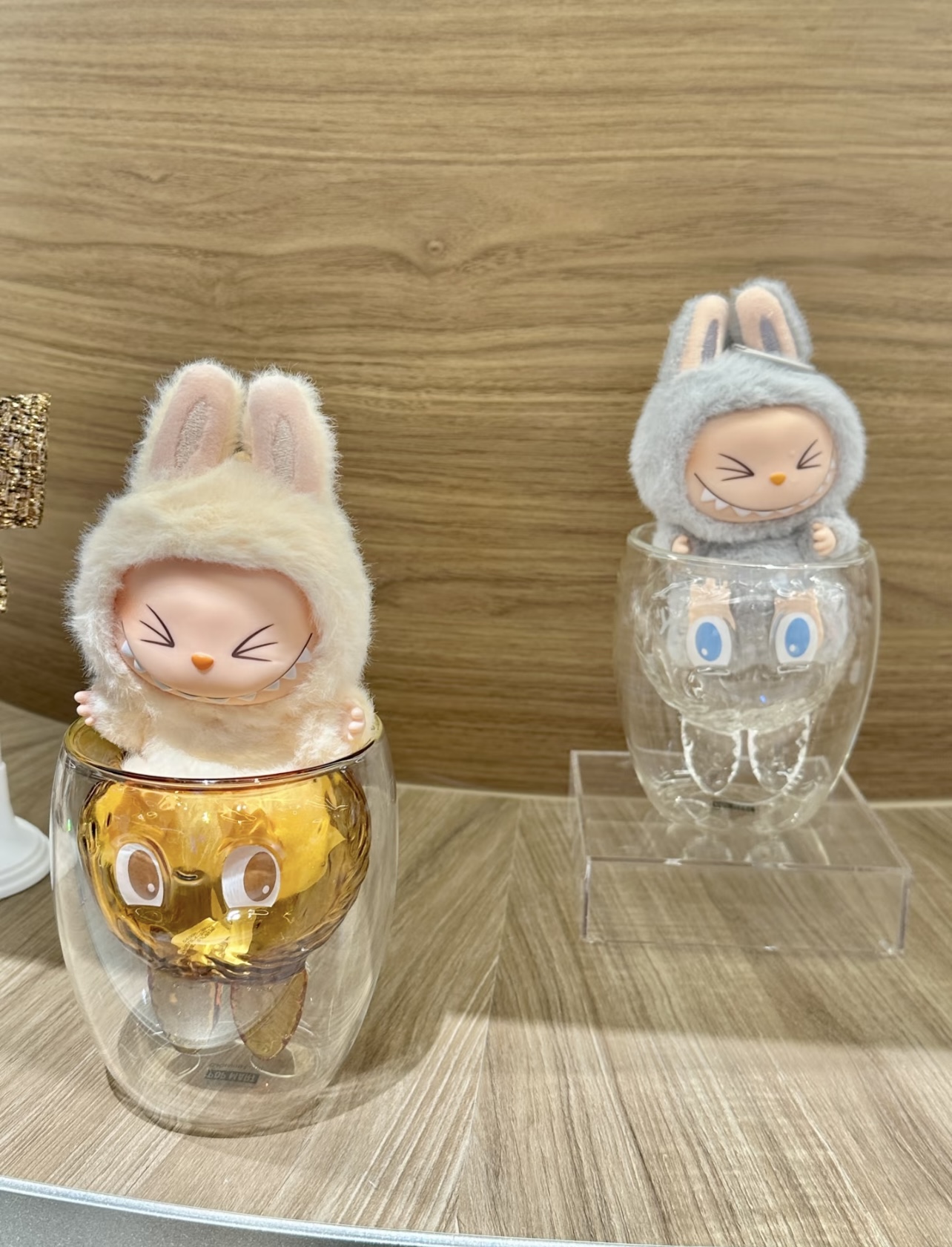
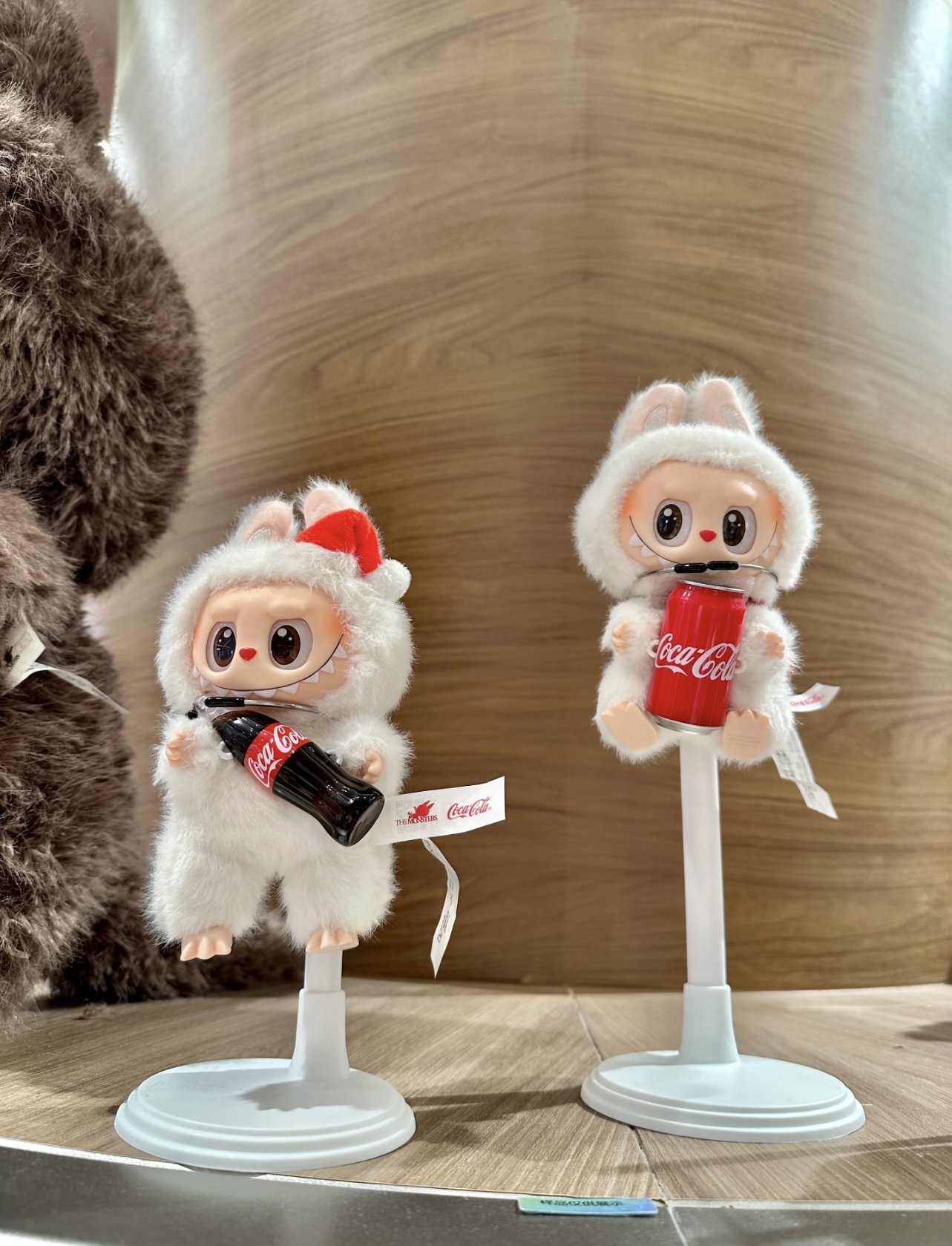
Pop-ups aren't just merch machines – they're turning into full-on social laboratories. Outside the more popular installations, you'll now find spontaneous "exchange circles," where young visitors trade blind boxes with total strangers, rank character crushes, and engage in what can only be called pop-up small talk. For a five-minute interaction based on cartoon mascots, it's surprisingly wholesome.
Shanghai, naturally, is the gravitational center of all this. The city's young crowd shows up with disposable income and even more disposable curiosity – and they're being joined by fans from all corners of China, many of whom head straight from Hongqiao with suitcase in tow, rolling directly into the next queue like they're checking into a hotel.
On the commercial side, Shanghai has already built a serious pop-up ecosystem. Bailian ZX alone ran close to 700 events in 2024. Jing'an Joy City clocked 56 major international IP pop-ups – including 45 national and mainland first launches – and raked in over 164 million yuan for the trouble (Youth Daily's numbers). That's not a hobby; that's an industry.
For now, the ACG flagship boom is still very much booming. But the open questions are starting to buzz: How far can you scale this before every mall feels like a collector convention? What happens when saturation hits? And how much originality is left in the tank? All things worth watching as Shanghai invents – and inevitably exports – its first proper ACG economy.
In Case You Missed It...

 Feb 27, 2026
![[Hai Lights] 5 Fierce Places For Gelato in Xuhui District](https://obj.shine.cn/files/2026/02/26/703b7e05-714a-4ec8-9d79-0ce61b95c8db_0.png)
Popular Reads
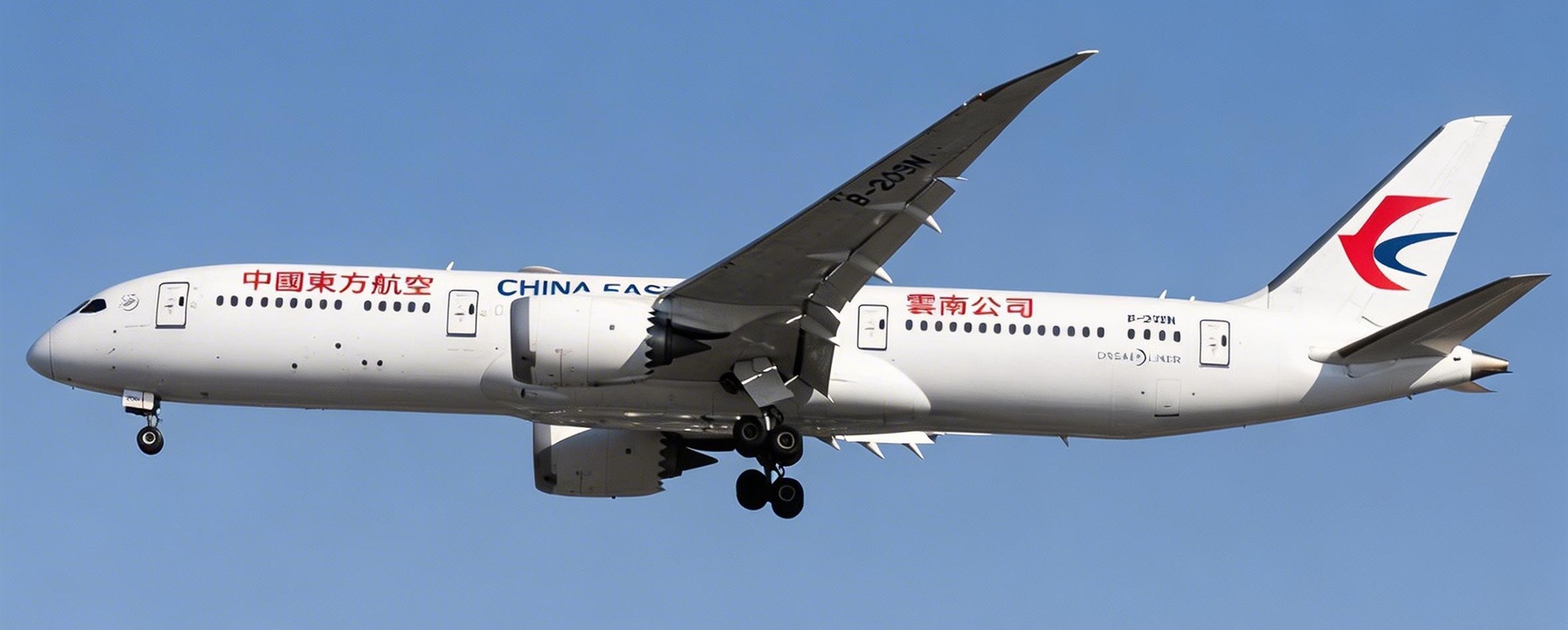
Mideast War Grounds Flights and Triggers Emergency Refunds
![[China Tech] Local Experts Develop Novel Gene-editing Tool for Autism](https://obj.shine.cn/files/2026/02/28/bcd42f01-b0ca-4dba-8779-c8b64434ecee_0.jpg)
[China Tech] Local Experts Develop Novel Gene-editing Tool for Autism

China-SCO Platform Launched in Shanghai to Tackle Metabolic Diseases
![[China Tech] Chinese Experts Develop World's First AI System With Traceable Reasoning for Rare Disease Diagnosis](https://obj.shine.cn/files/2026/02/25/115392ea-bbde-409c-b37b-af65d6db7c4e_0.jpg)
