[Hai Streets] "Daxue", The Cool University Pedestrian Street
![[Hai Streets]](https://obj.shine.cn/files/2026/05/09/f0e310ce-b338-48d5-8d73-06e512e7937a_0.png)
Hai Streets is our semi-regular column on Shanghai's great commercial arteries. From Nanjing Rd East's blend of heritage storefronts and pop-culture malls to Huaihai's luxe lanes and Hongqiao's international cultural diversity hubs, we explore how Shanghai's commercial hubs drive billions in sales and shape the city's identity – where commerce, culture and history collide in neon, nostalgia and nonstop foot traffic.
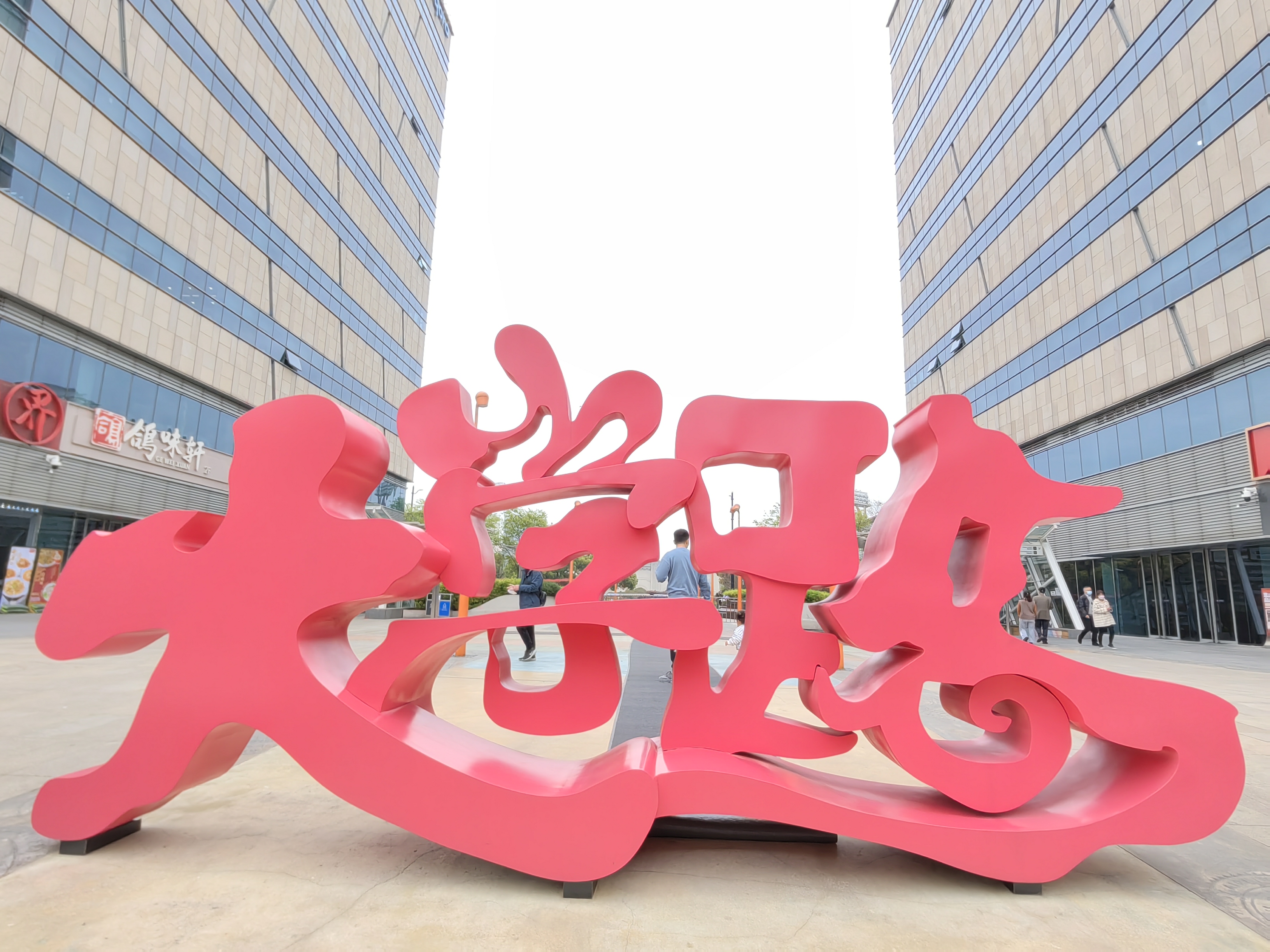
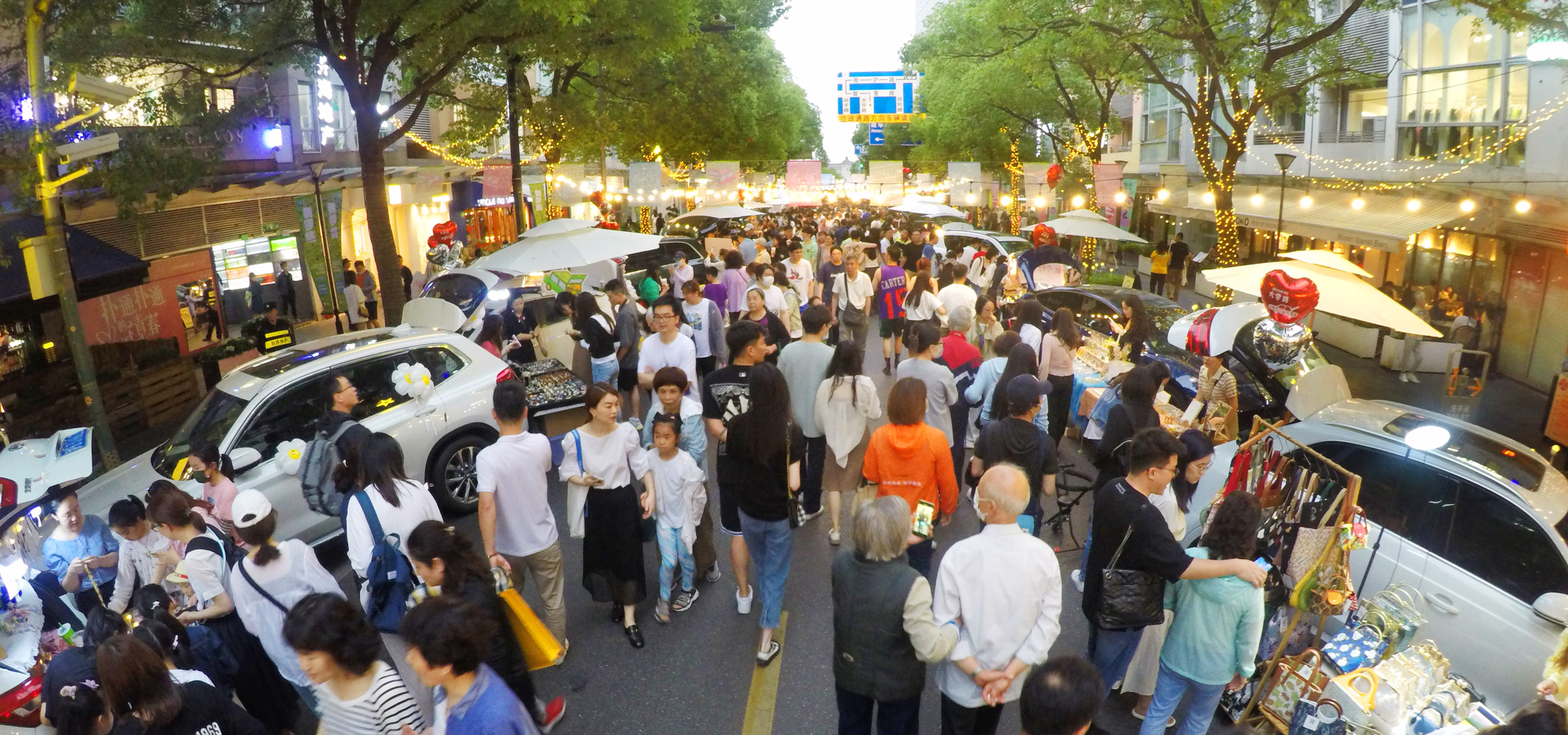
Daxue Road (大学路, "university road") is not a destination so much as a disposition. The roughly 700-meter strip in Wujiaochang (the busy commercial hub anchored by Fudan University and Shanghai University of Finance and Economics, in the city's northeast) has none of the curated cool of Wukang Rd. What it has is students, which turns out to be enough.
Because students, generally, are broke and taste-obsessed and allergic to boring. And Daxue Road has organized itself around those qualities over the years: record stores with incense burning, secondhand books in stacks, vintage denim, mystery novels, handmade objects, niche streetwear. Shops that exist because someone really cared, not because a lease flipped and a bubble tea chain moved in.
It moves at a softer pace than the malls and ring roads surrounding it. People come here to drift. This walk follows the road's more artsy, offbeat side, tracing a route that earns its reputation for being distinctly young, curious, and genuinely creative, which in this city is rarer than it sounds.
Start Point: Hi Fi Acoustic 梵香禅韵·色声香味
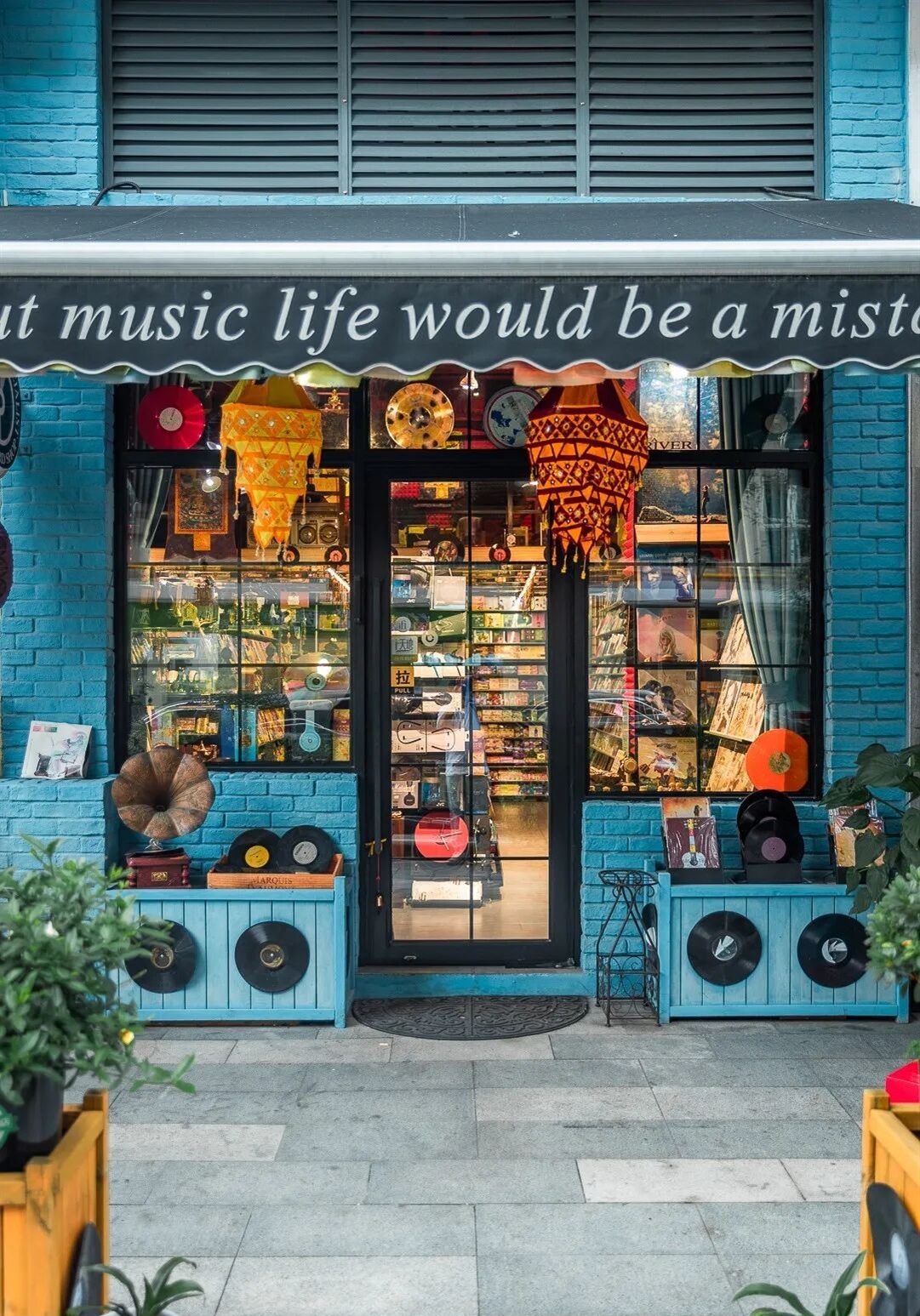
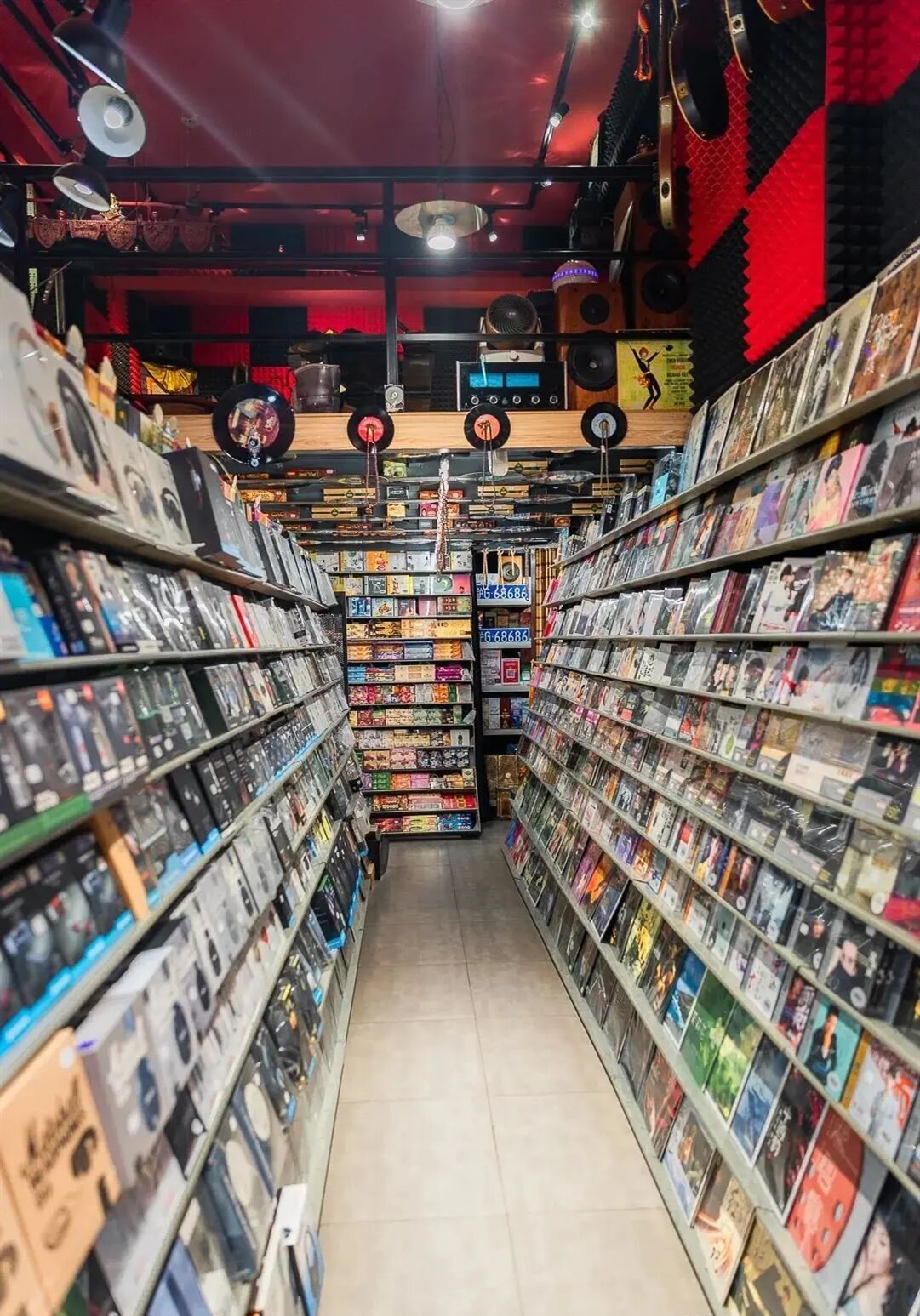
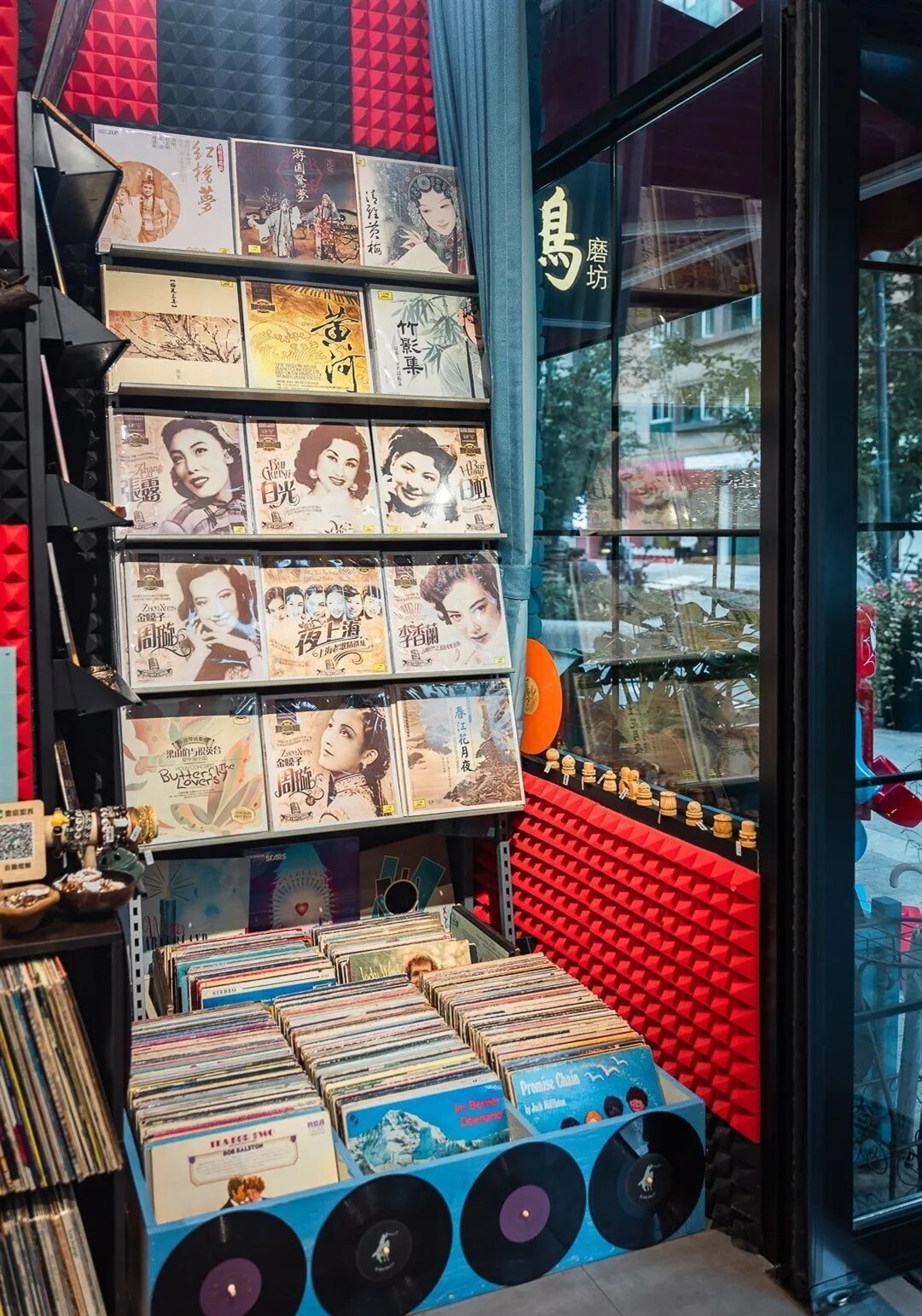
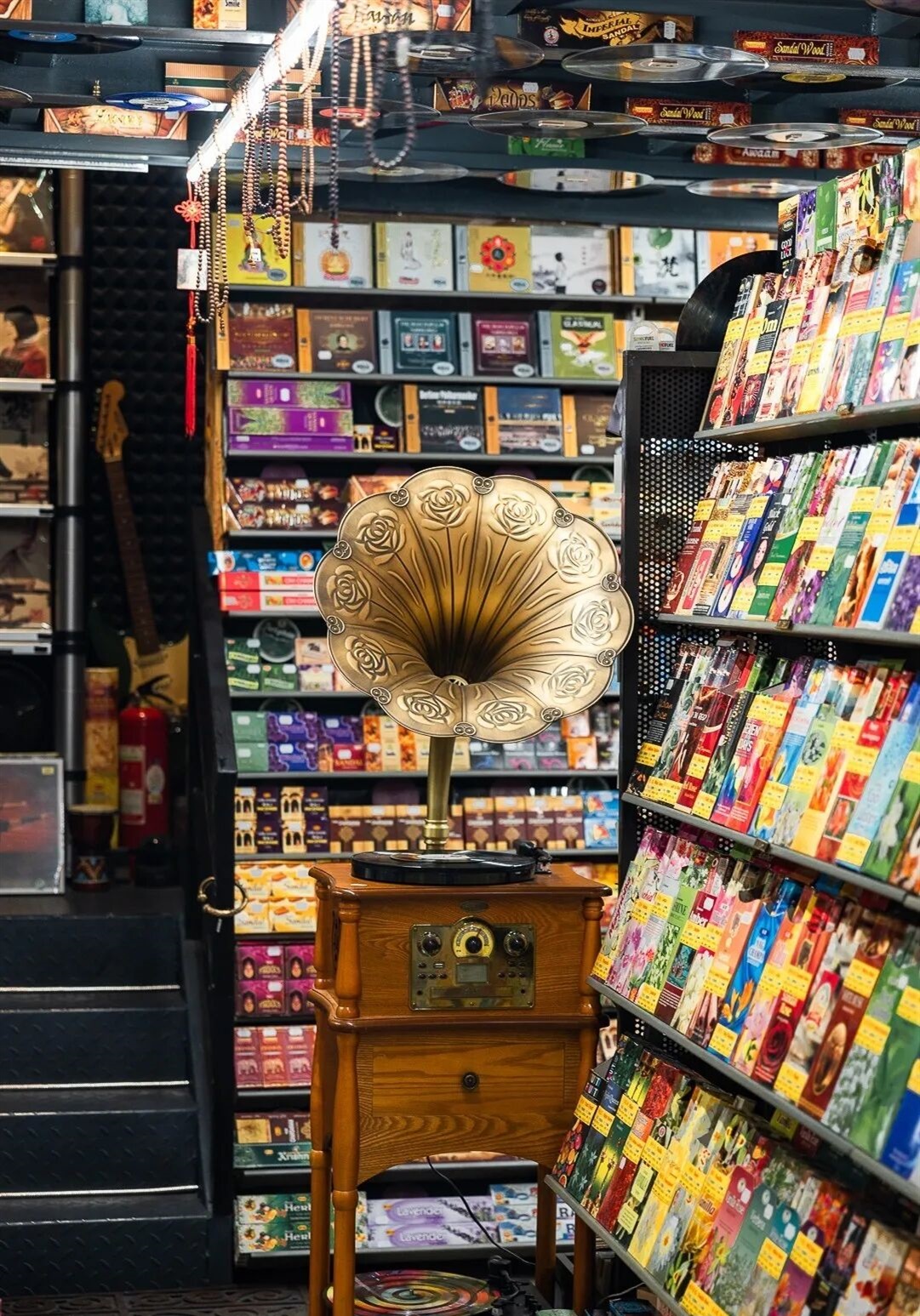
Start at Hi Fi Acoustic (梵香禅韵·色声香味), which has one of those names that takes longer to say than it does to walk past, but don't walk past it. This is a proper record store: CDs, tapes, vinyl, Western and Chinese and Japanese and Korean, film soundtracks, the whole physical-media universe for people who still believe that music is something you hold. Incense burns. Something plays at a volume that doesn't demand your attention but gets it anyway.
You will go in for five minutes. You will leave an hour later, possibly holding something you didn't know you needed.
There is a version of Shanghai that moves very fast and bills itself on that. This store is not interested in that version.
Address: 80 Weide Rd 伟德路80号
Stop 1: Fudan Old Bookstore 复旦旧书店
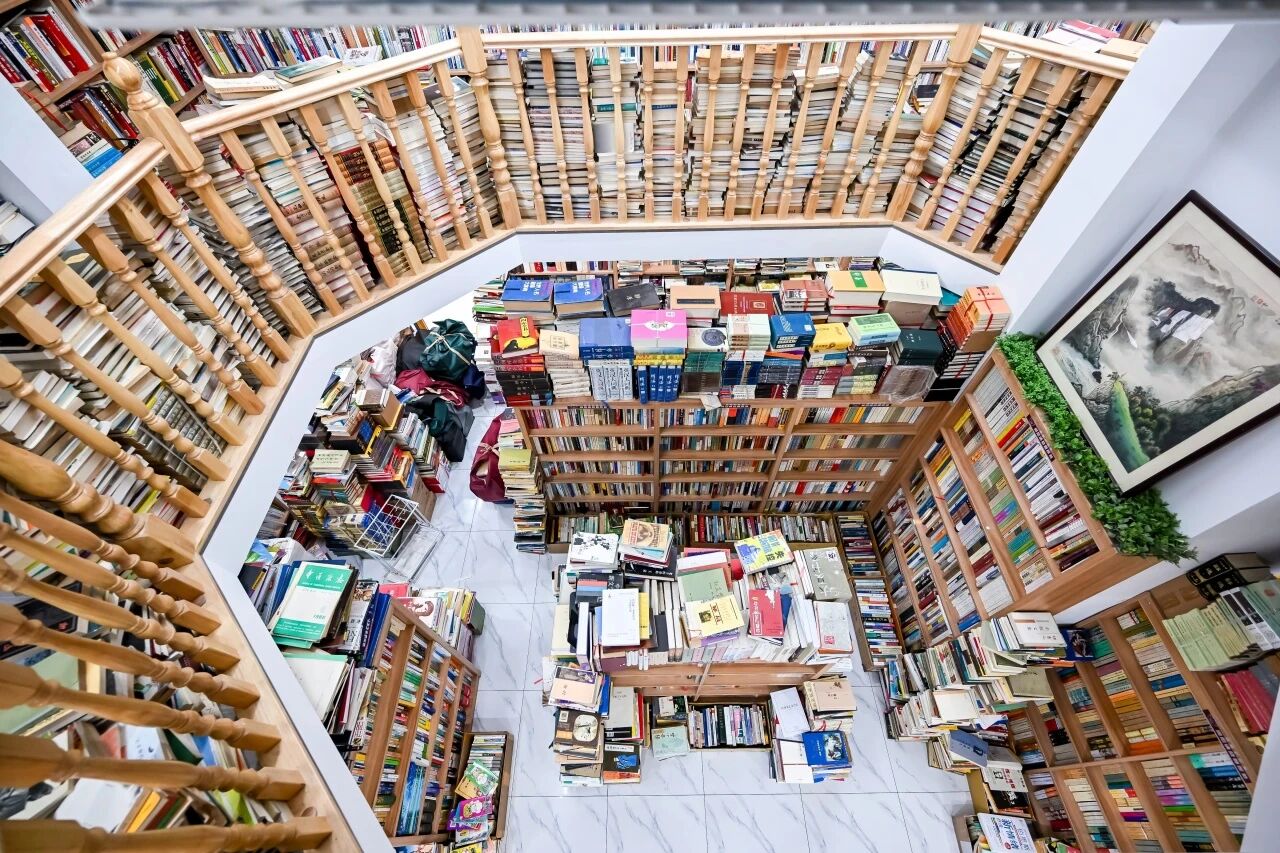
Two doors down is Fudan Old Bookstore (复旦旧书店), which is exactly what it sounds like and better than you'd expect. Secondhand books in Chinese and English, stacked with the organized chaos that suggests someone actually reads here. The proximity to Fudan University (one of China's most prestigious, consistently top-ranked nationally) is not incidental. The stock feels shaped by it: a little academic, a little literary, the kind of collection that accumulates when generations of students pass through and leave things behind.
You are not coming here with a specific title in mind. That is the point. You are coming here to find something you didn't know you were looking for, which is the only reason secondhand bookstores still exist and the best reason to visit one.
Address: 88 Weide Rd 伟德路88号
Stop 2: The Vintage Show Room 古着商店
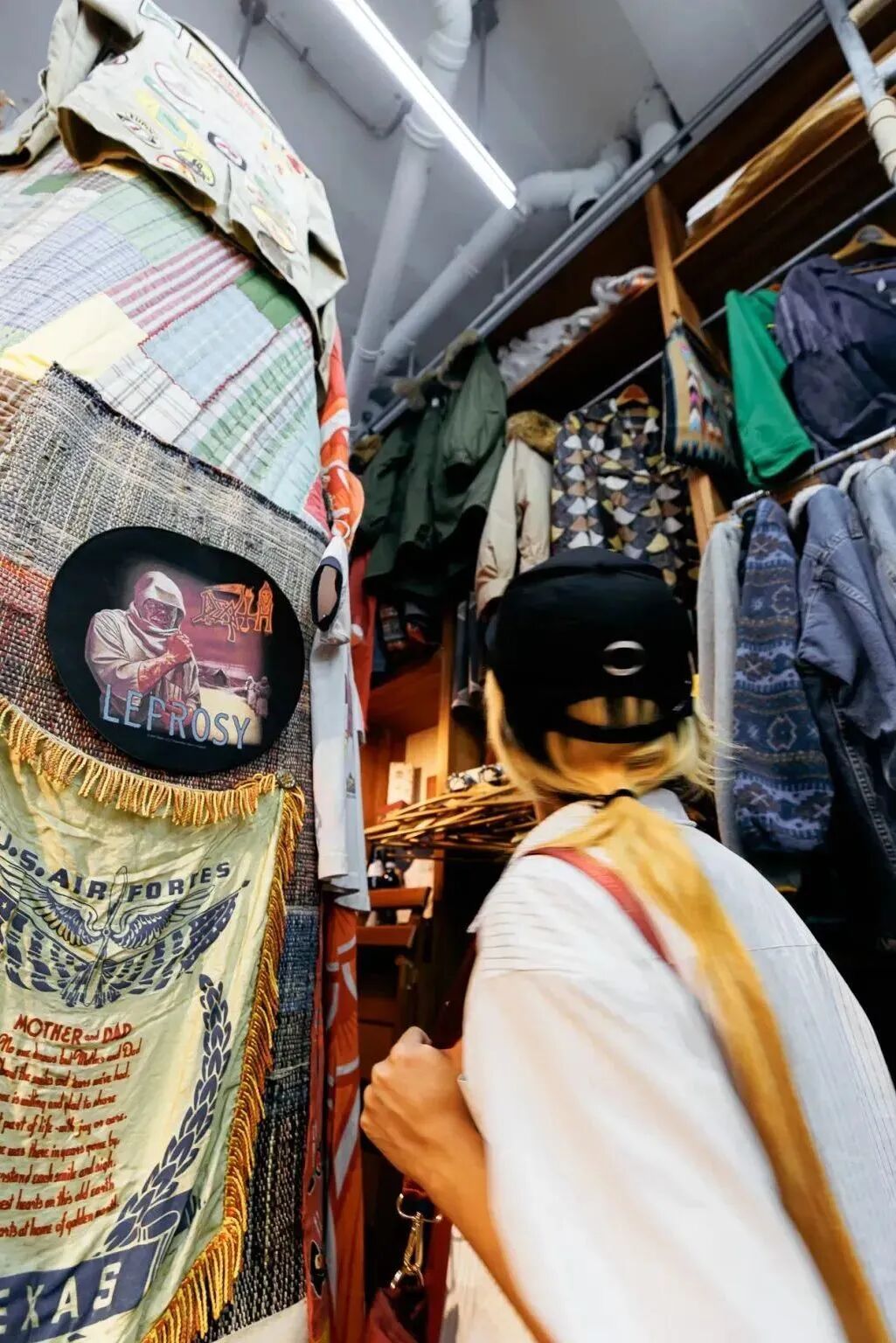
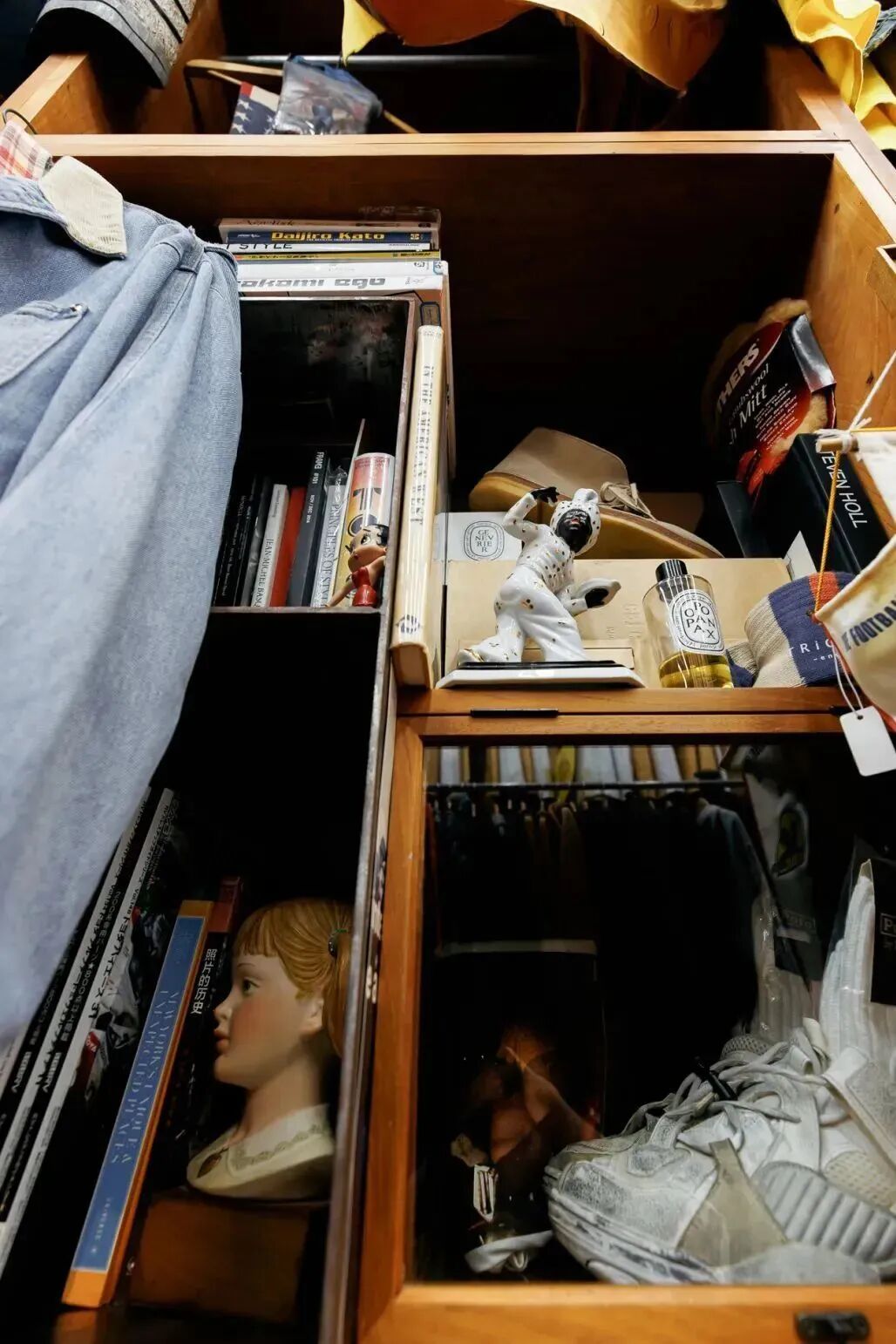
The Vintage Show Room (古着商店) is small and packed in the way that good vintage shops always are, which is to say that the density is the point. Old American workwear, denim jackets, printed shirts, one-off pieces that somebody, somewhere, wore with conviction. The curation has personality. This is not a shop where someone bulk-ordered "vintage aesthetic" from a wholesale supplier and called it a day.
古着 (pronounced "gu zhe," the Japanese-origin term that serious vintage people in China use, roughly meaning "old clothes" but carrying considerably more dignity than that) is its own subculture here, with its own taxonomy, its own price logic, its own regulars who know exactly what they're doing. You probably don't need to know any of that to enjoy this shop. You just need to give it more than three minutes.
Something in there is yours. You just don't know it yet.
Address: 66 Weide Rd 伟德路66号
Stop 3: Mystery Books 谜芸馆
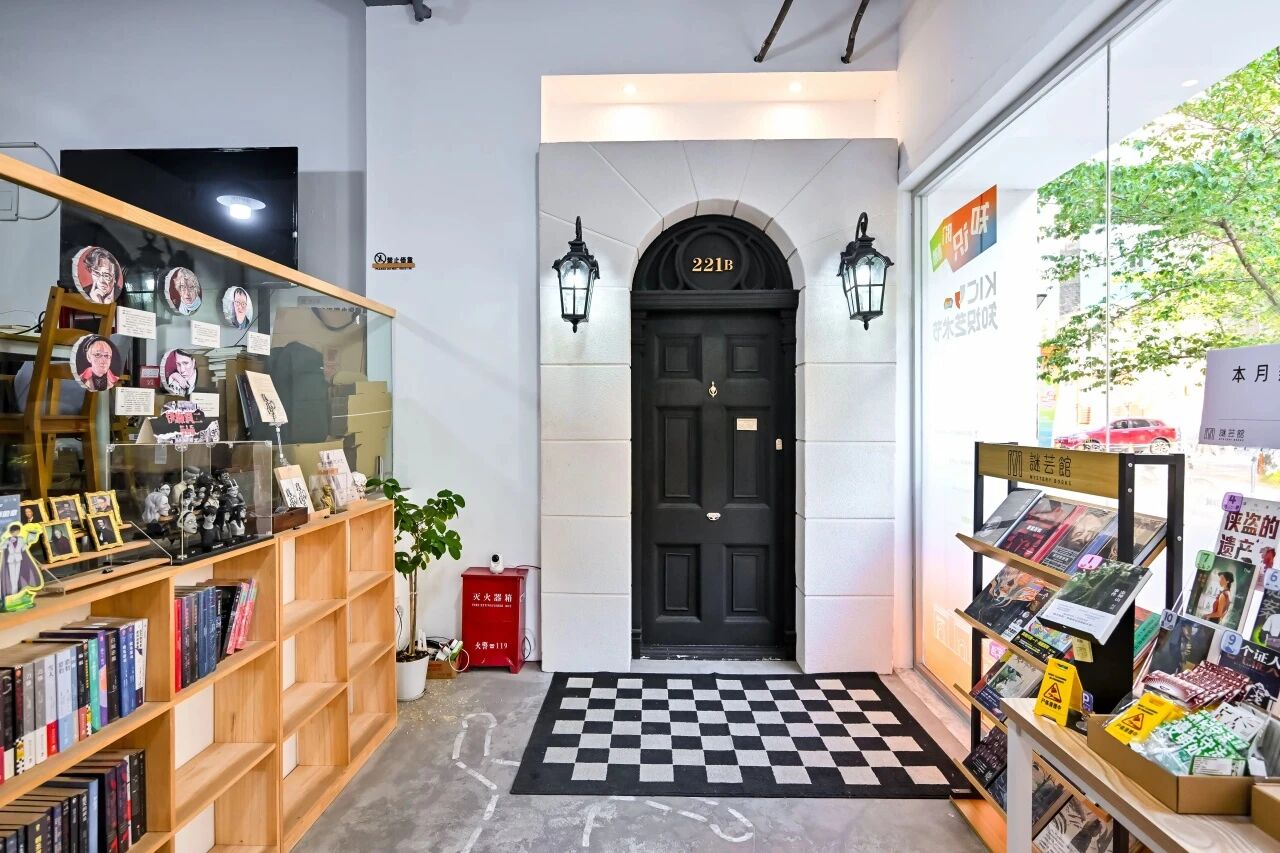
Mystery Books (谜芸馆) is a shop built by someone with a problem, in the best sense. The selection of detective fiction is serious and complete, the kind of inventory that takes years and genuine obsession to assemble. On the wall: portraits of Agatha Christie, Ellery Queen, and John Dickson Carr (the Holy Trinity of the classic whodunit, for the uninitiated), hung with the reverence of a fan shrine rather than the neutrality of décor.
This is not a general bookstore that happens to stock crime fiction. This is a place that has decided, firmly and without apology, that the locked-room mystery (a classic detective story format where the crime occurs in a sealed space with no apparent means of entry or exit) is worth taking seriously. It is correct about this.
Walk in even if you don't read the genre. The conviction alone is worth the stop.
Address: 48 Weide Rd 伟德路48号
Stop 4: Cat's Sky City 猫的天空之城
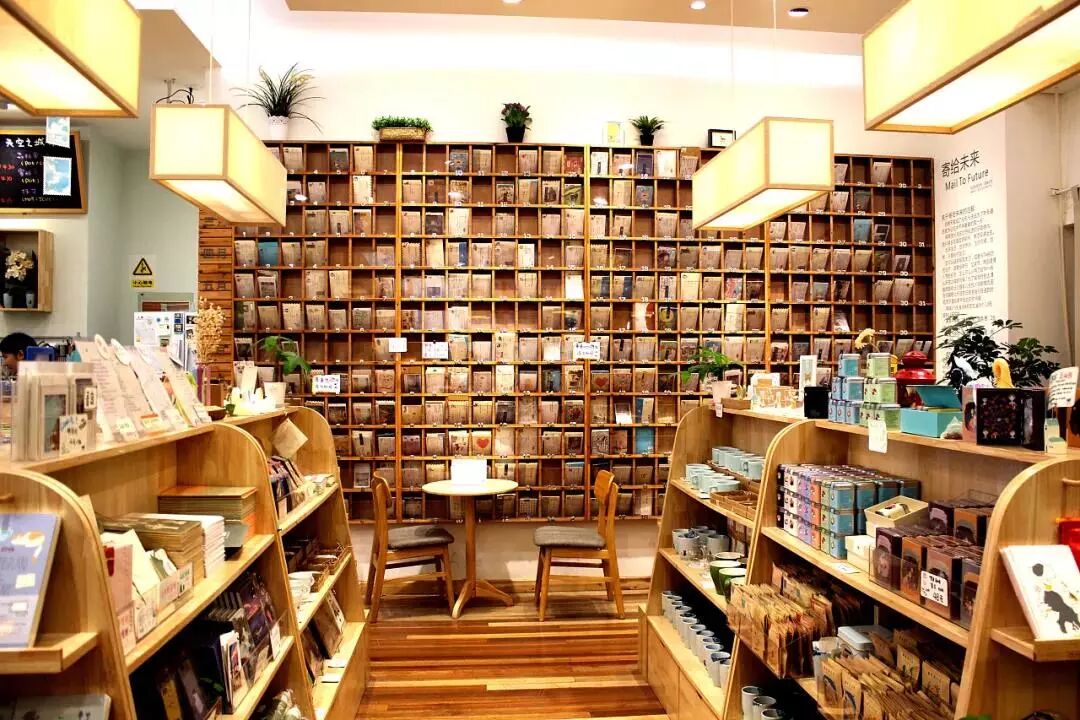
Cat's Sky City (猫的天空之城) is a national chain, which sounds like a caveat but isn't. The stationery and gift shop has earned its following the honest way: notebooks, drawing tools, puzzles, ornaments and other small objects selected with enough care that browsing here feels genuinely pleasurable rather than manufactured. It is the kind of shop that makes you remember you needed a notebook, then a pen to go with it, then something small for a friend, then something small for yourself, then another notebook.
You have been warned.
It also serves as a useful corrective to any impression that Daxue Road is exclusively about subcultural cool and knowing references. Some of it is just charming. There is nothing wrong with being charming.
Address: 270 Daxue Rd 大学路270号
Stop 5: Graf&Wu
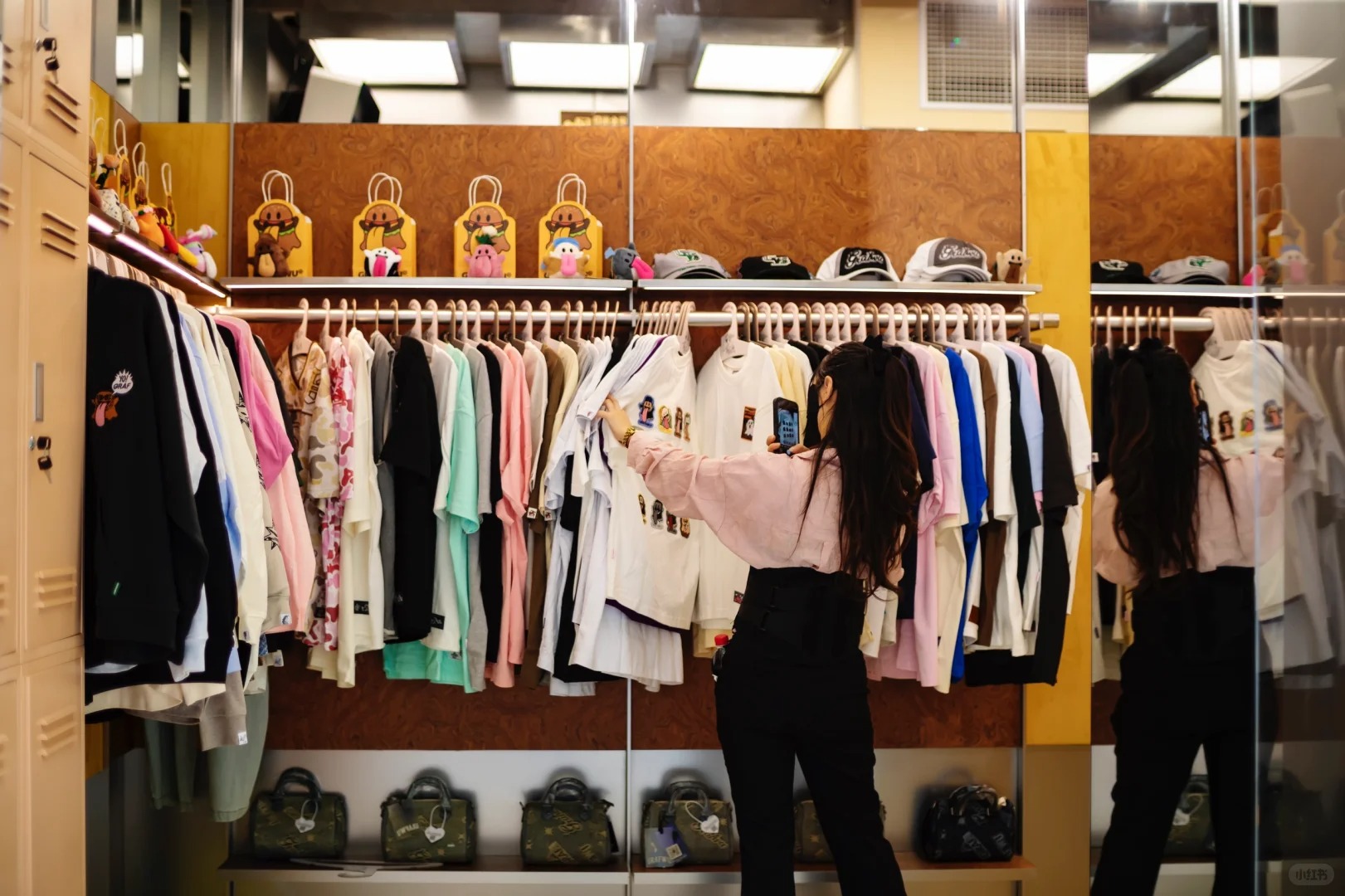
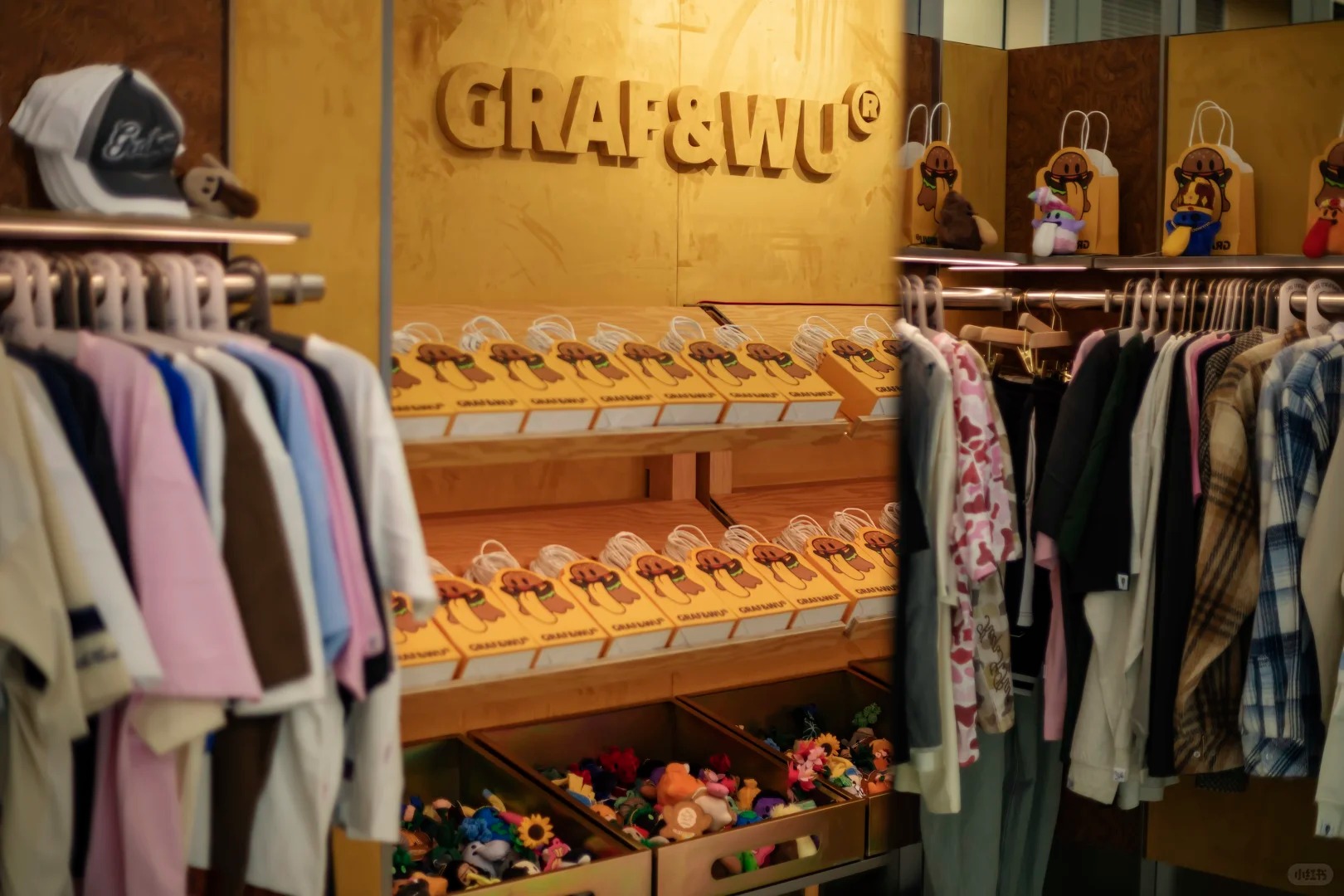
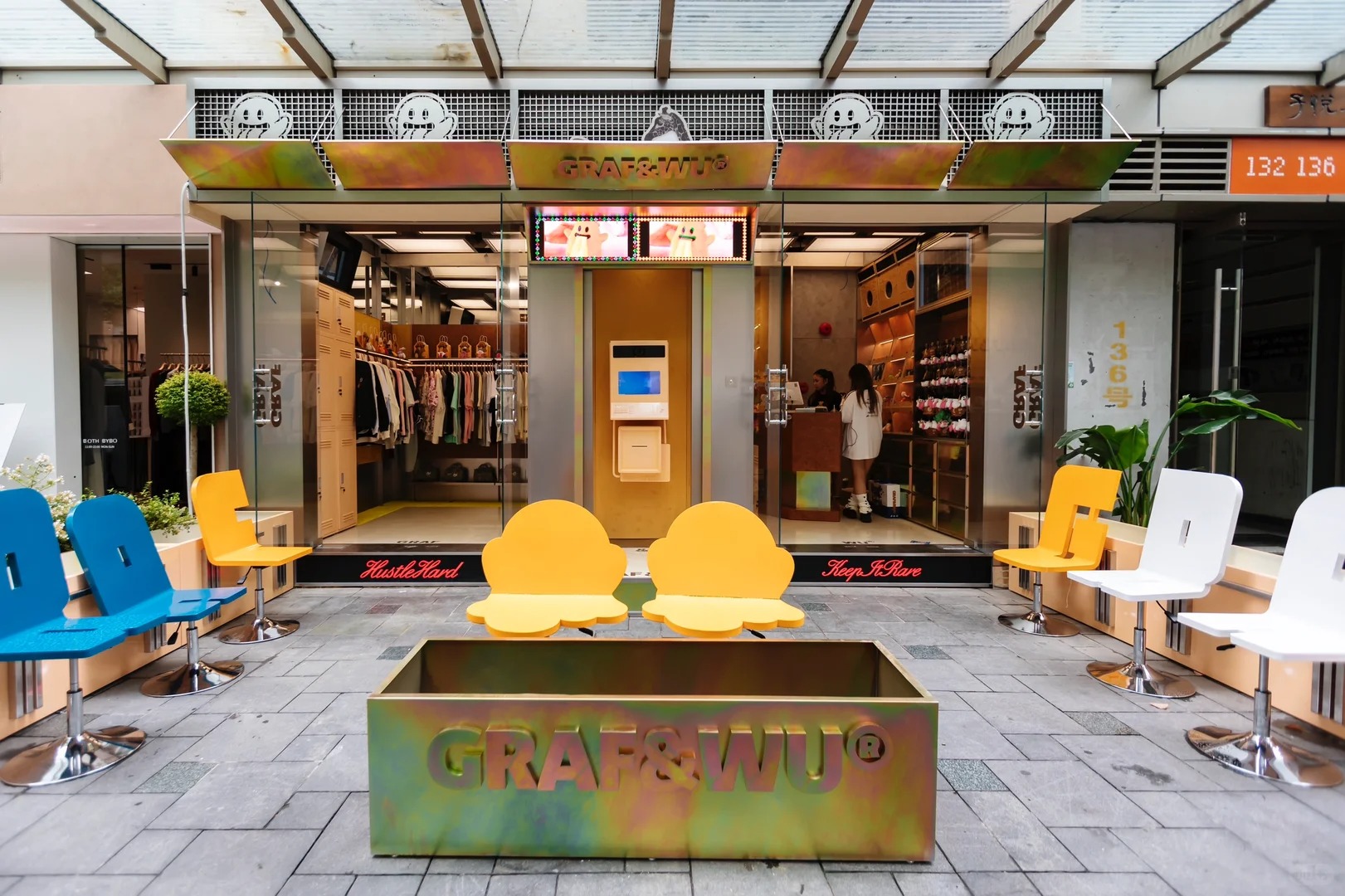
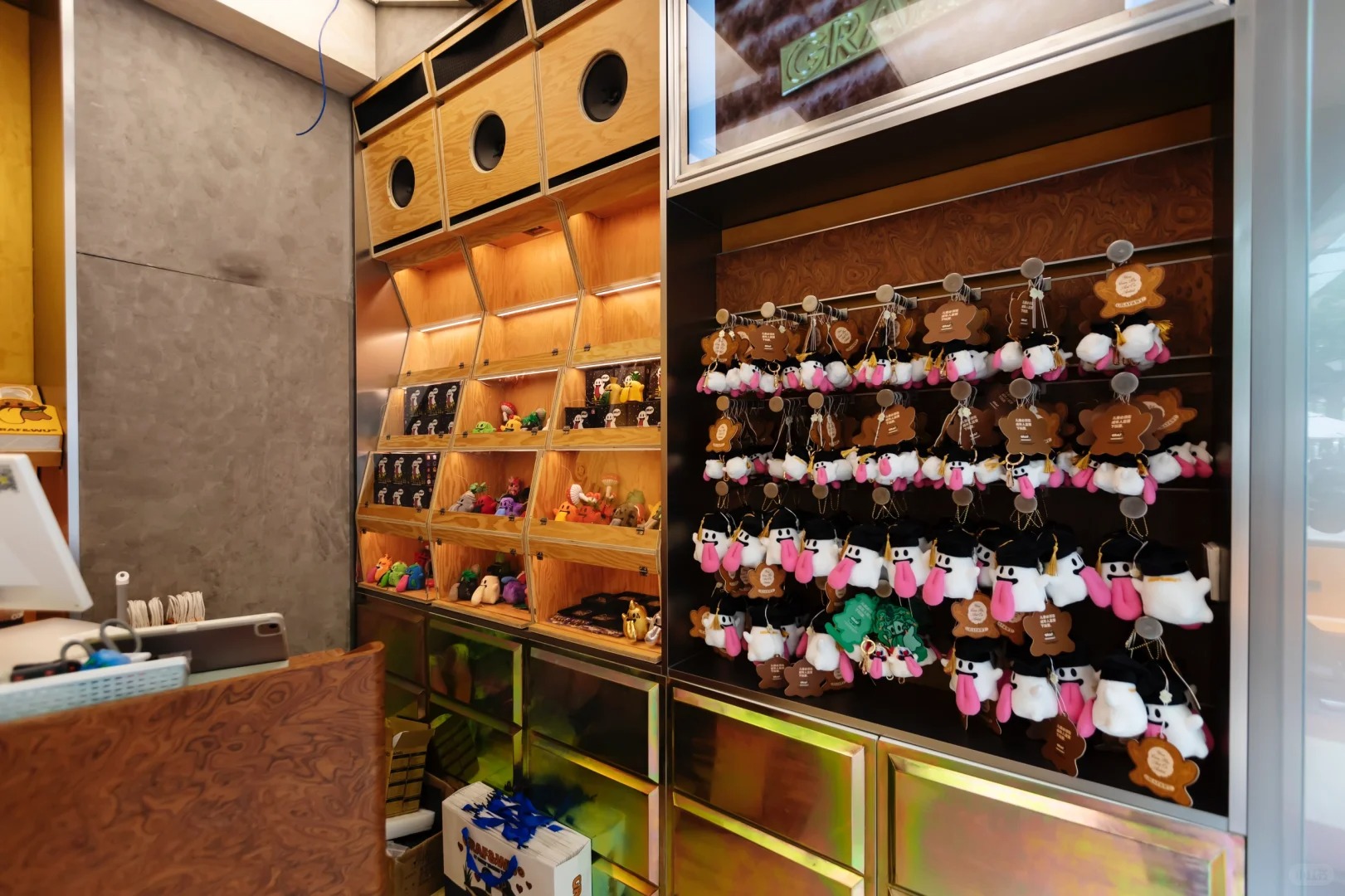
Graf&Wu has been doing its thing since 2013, which in Chinese streetwear years is practically ancient. The brand sits at the intersection of apparel, character design and collectible toys, which sounds like a lot of things at once but holds together in practice because the visual universe is coherent and the attitude is genuine. This is not a label that retrofitted a "street culture" identity onto an existing product. It built one from scratch, and the Daxue Road store is where that world becomes three-dimensional: racks of graphic pieces alongside figures and accessories that regulars collect with the seriousness of a hobby.
A note for the uninitiated: designer toys and character-driven streetwear (limited-edition collectible figures and apparel built around original illustrated characters, somewhere between fashion and art) are enormous in China in a way that still surprises people who haven't been paying attention. GRAF&WU is a good place to start paying attention.
Address: 110 Daxue Rd 大学路110号
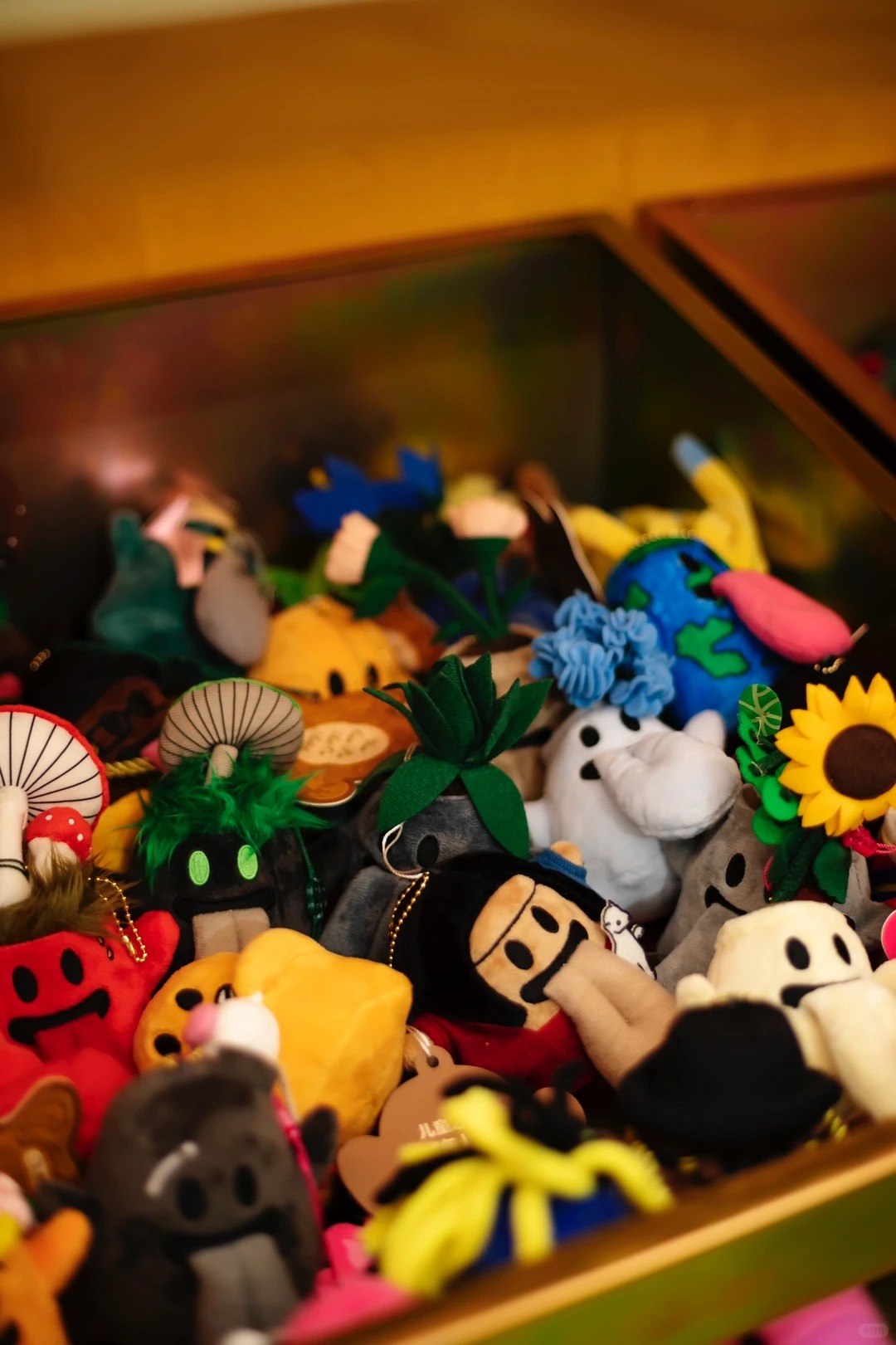
Stop 6: Vision Street Wear
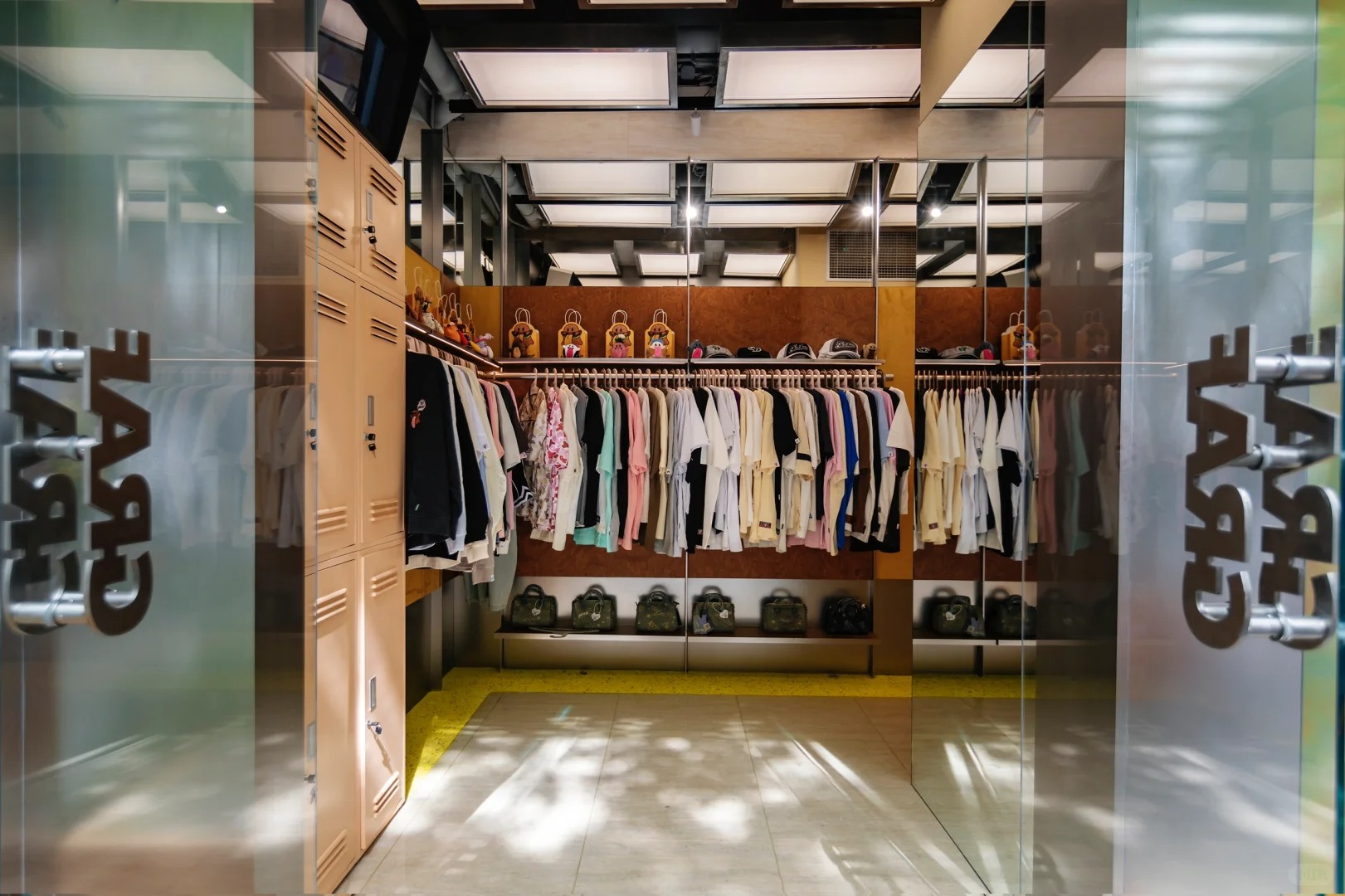
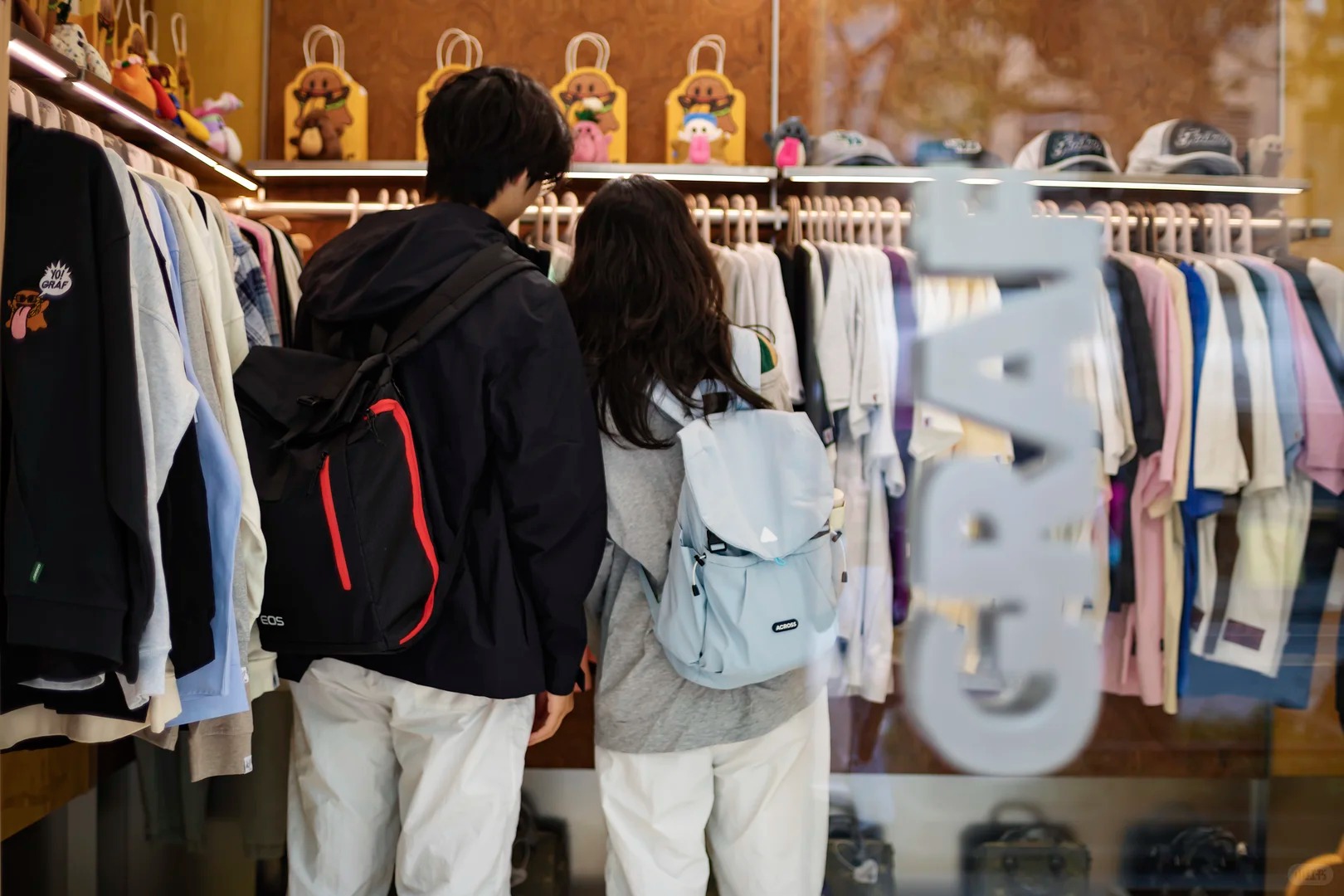
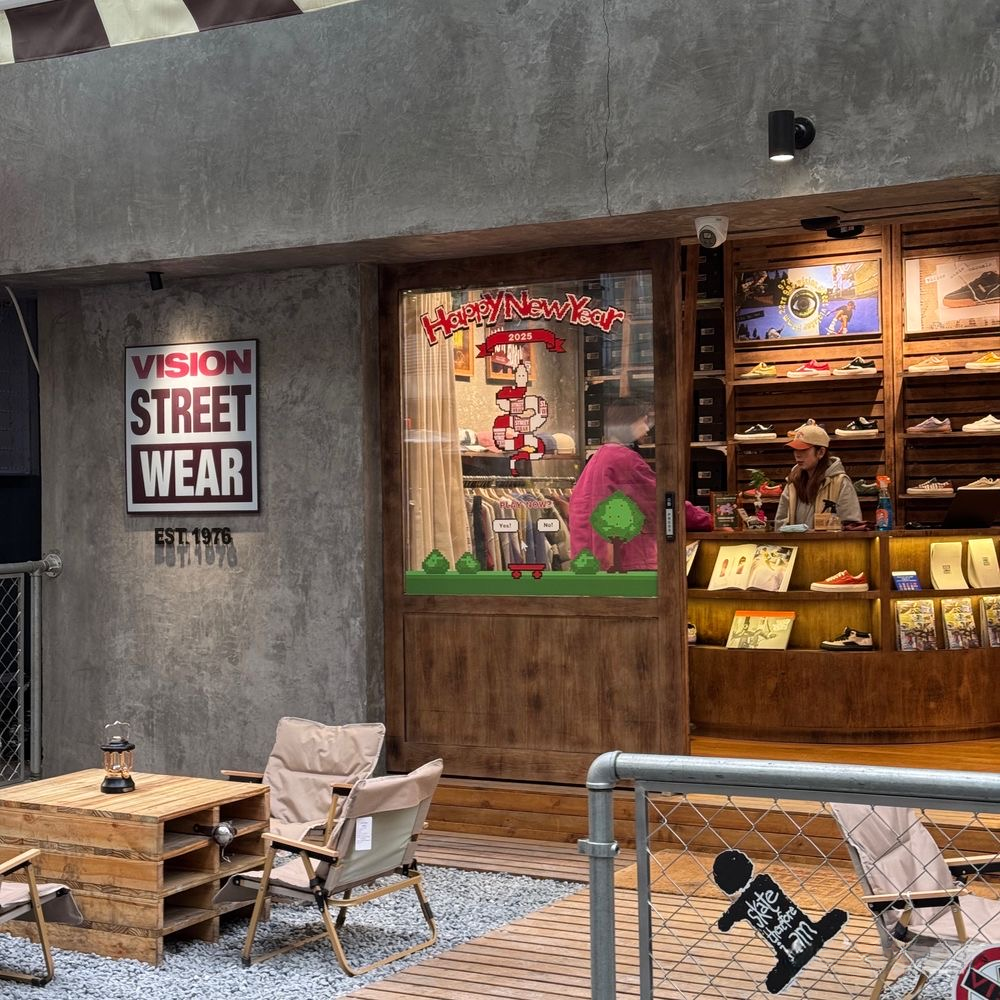
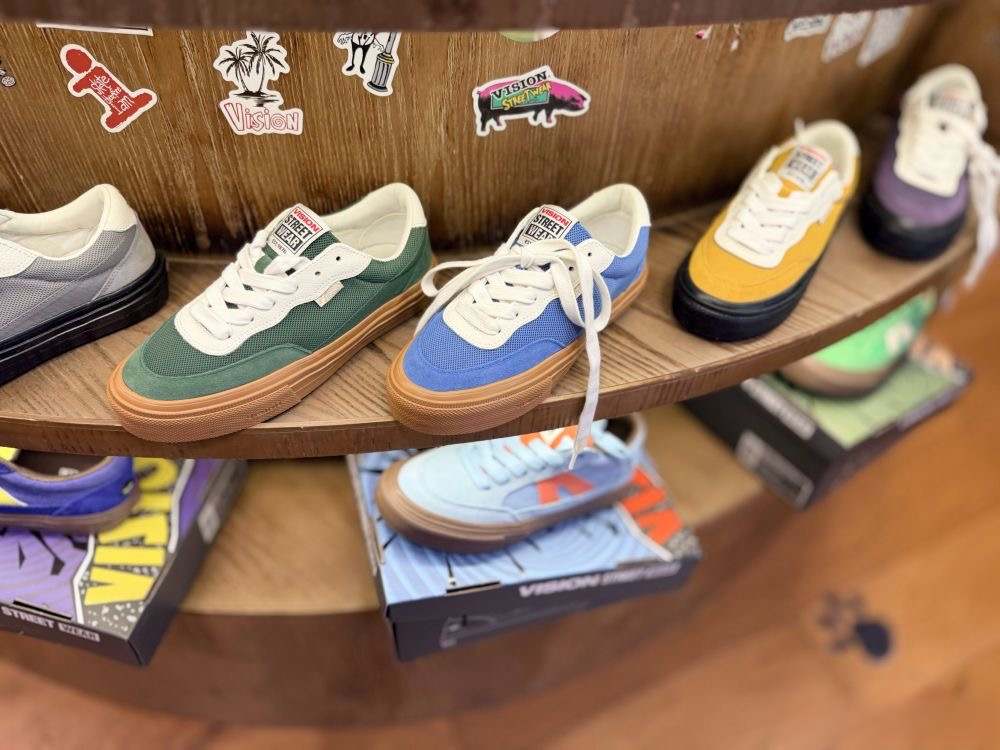
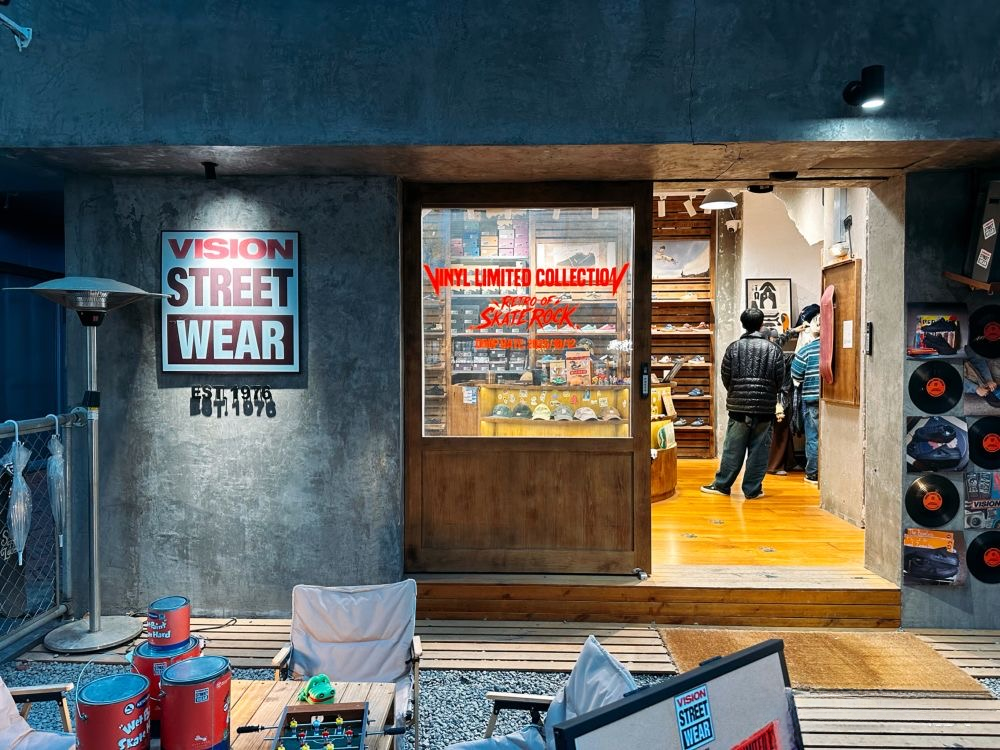
Vision Street Wear is a California brand from 1976, which means it was making skate shoes before most of its current customers' parents were born. The label earned its stripes the old way, through actual skate culture, bold graphics and a genuine music scene connection, back when that combination wasn't a marketing strategy but just what the people making the stuff were into. The fact that it has a flagship here on Daxue Road, branded Vision Campus in a nod to the student neighborhood surrounding it, is either a long journey or a logical one, depending on how you look at it.
Skate culture in China (and it is real, and it is serious, and it has been growing steadily for two decades) found its footing in exactly these kinds of streets: university-adjacent, young, slightly outside the main commercial drag. Vision Campus fits that geography. So does this walk.
Address: 82-84 Daxue Rd 大学路82-84号
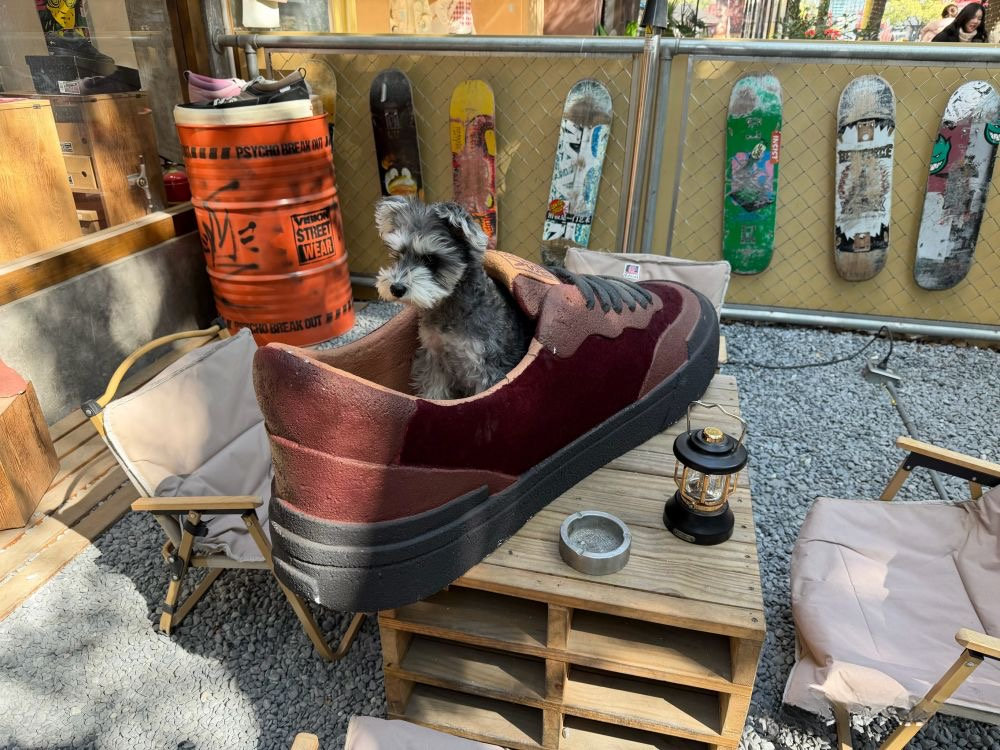
Stop 7: Encmpass 示界
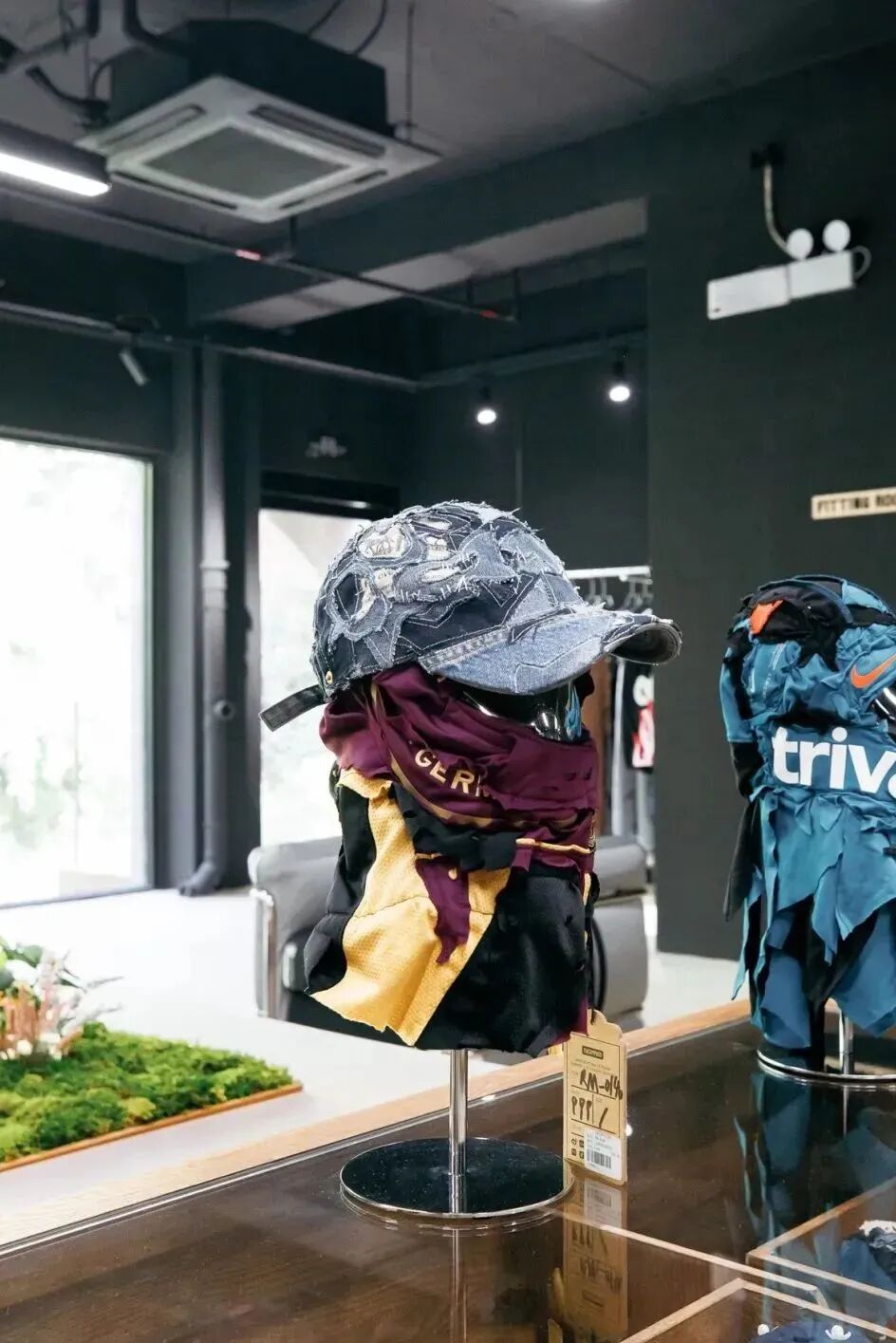
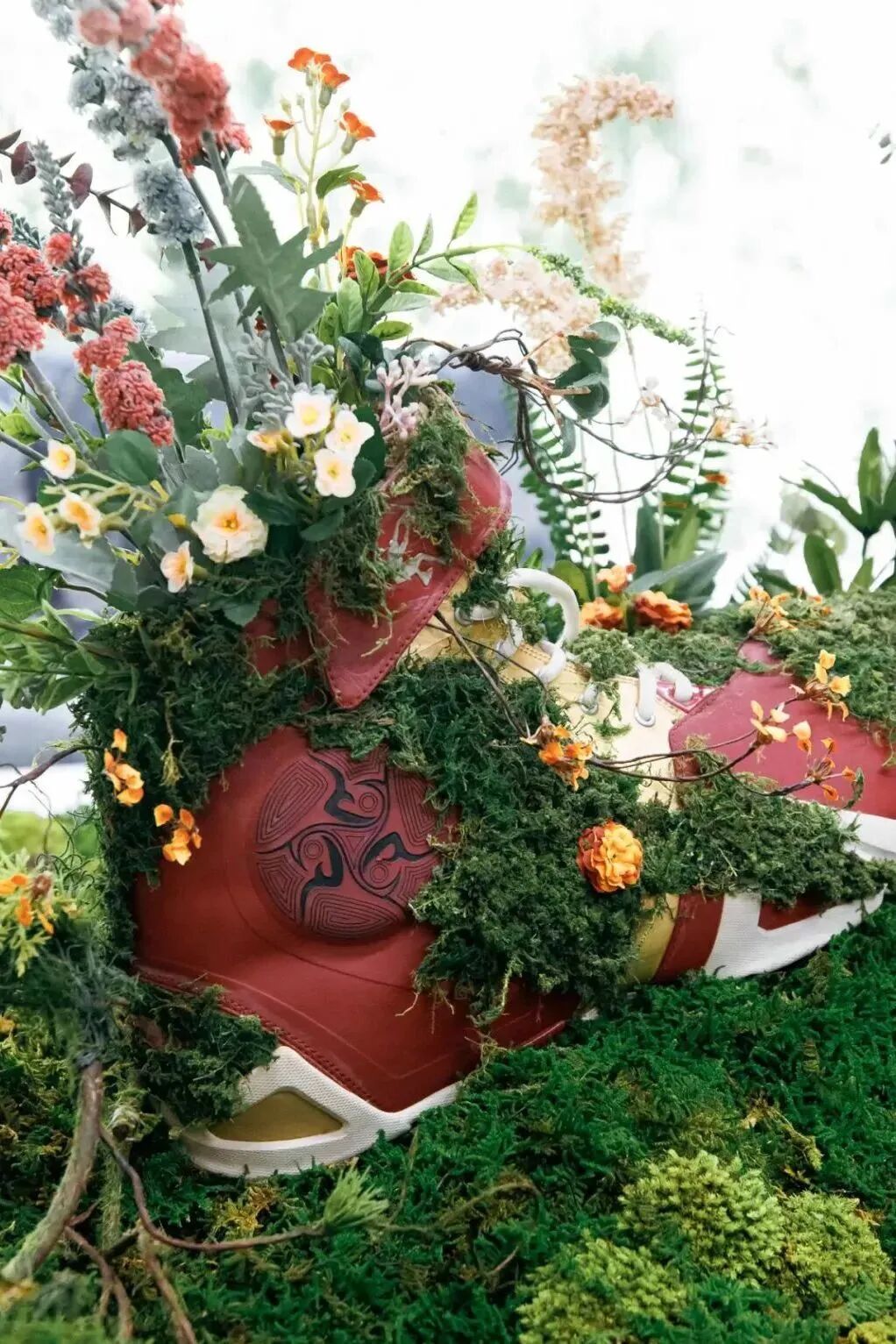
Encmpass (示界) occupies a four-story standalone building, which already sets it apart on a street where most things are narrow and stacked. The ground floor does remake fashion and custom sneakers, which sounds like a niche until you understand that "upcycling" (reworking and reconstructing existing garments into new pieces, rather than producing from scratch) has gone from fringe subculture to genuine movement in Chinese youth fashion over the last several years. Encmpass has been serious about it longer than most.
The upper floors shift depending on when you visit: workshops, events, pop-ups, the kind of flexible programming that a conventional retail store cannot sustain and a creative hub can. There is also a coffee counter and curated books, because of course there are, but here they feel earned rather than decorative.
This is the stop on the walk where the neighborhood's design ambitions become most legible. Four floors of it.
Address: 72 Daxue Rd 大学路72号
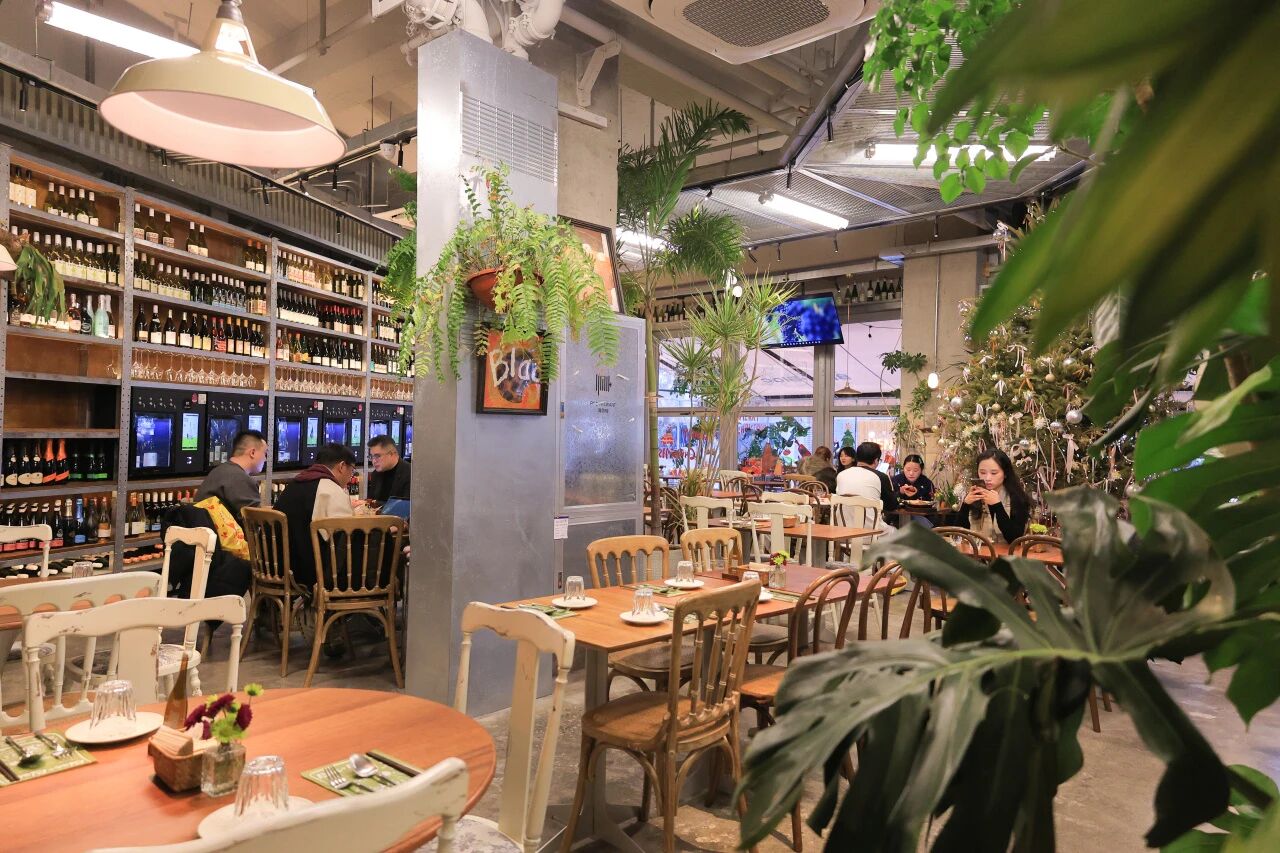
End Point: Blac+Blac 巴岚赫葡萄工厂
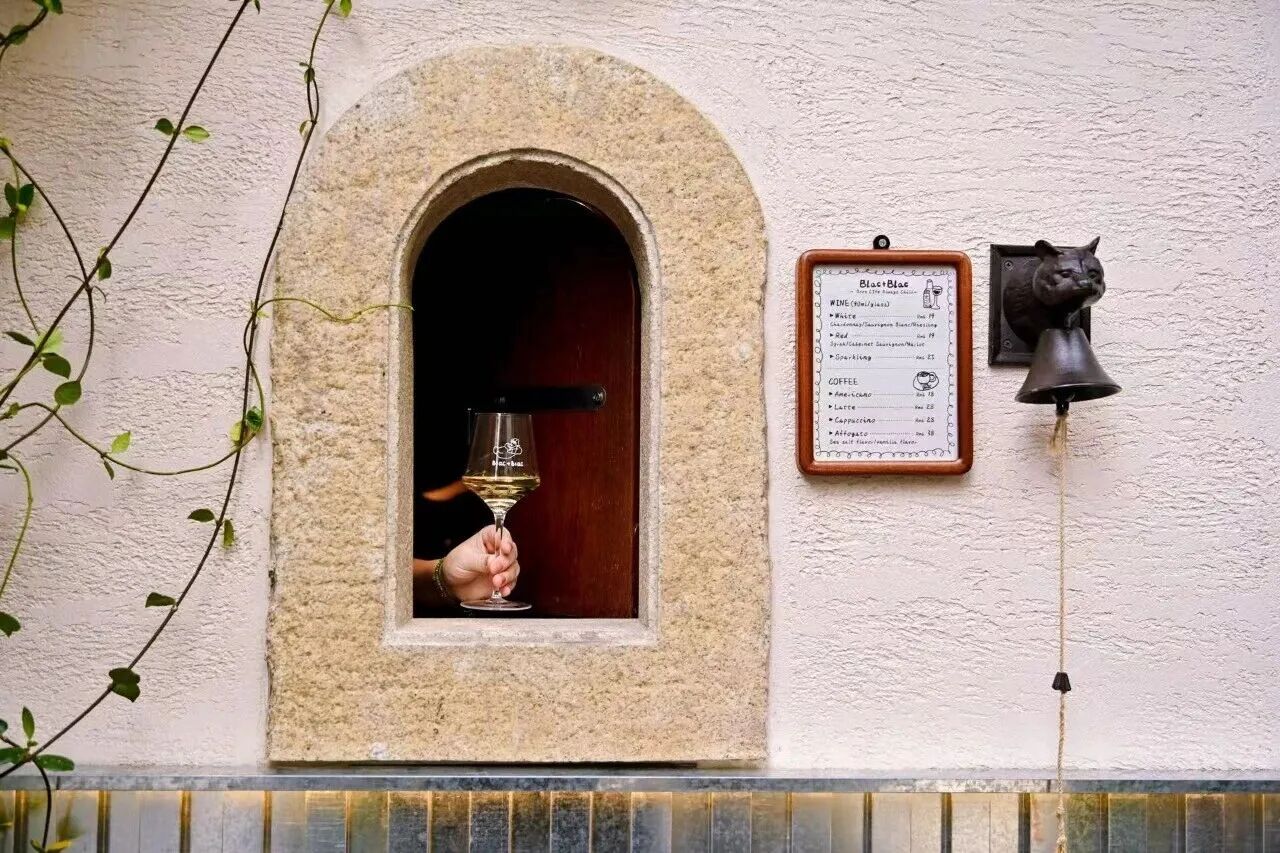
End at Blac+Blac (巴岚赫葡萄工厂) on Weicheng Road, just off the main drag, which is inspired in part by Florence's buchette del vino (the "wine windows," small stone hatches built into the walls of Florentine palazzos in the 17th century through which wine was sold directly to the street, and which briefly became famous again during COVID for contactless service). Whether that reference point survives the translation to a Wujiaochang side street is a question you can answer for yourself over a glass.
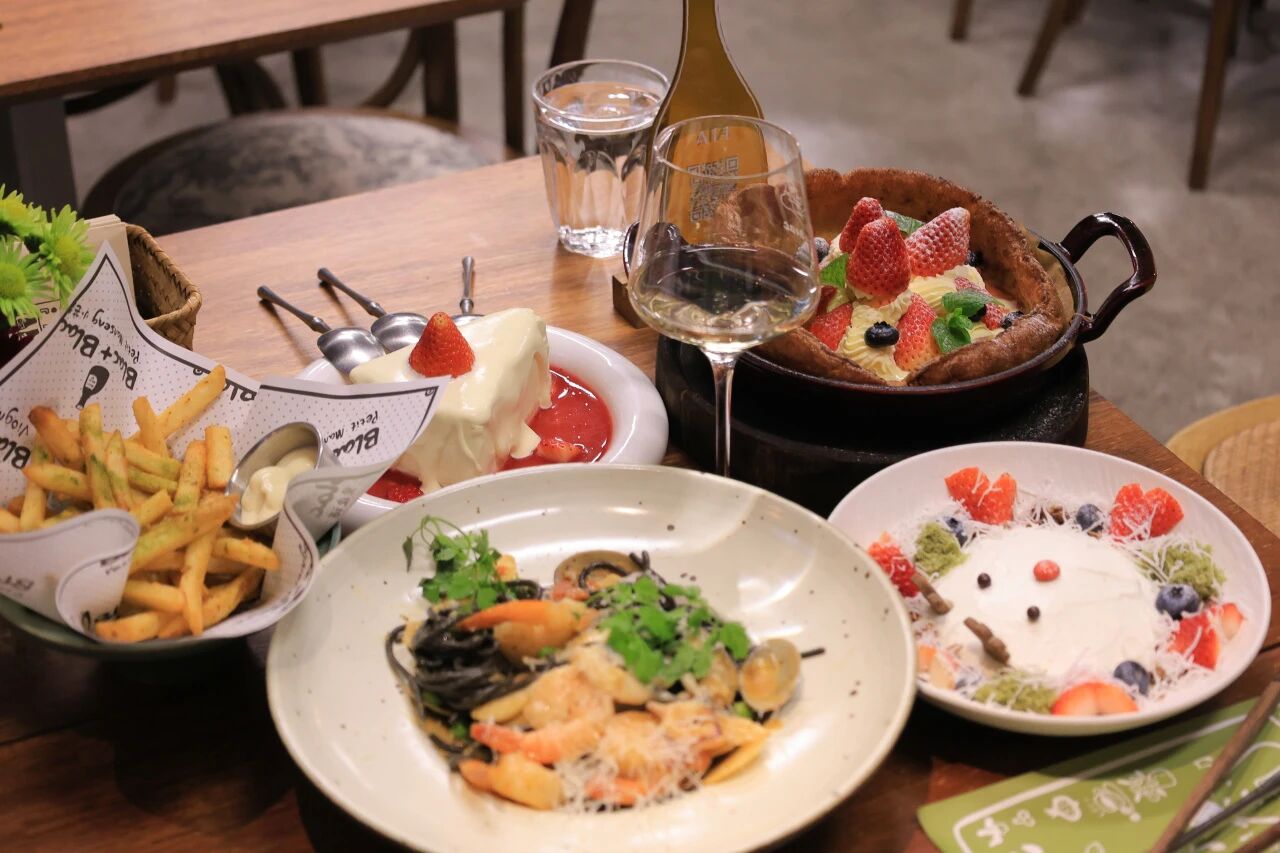
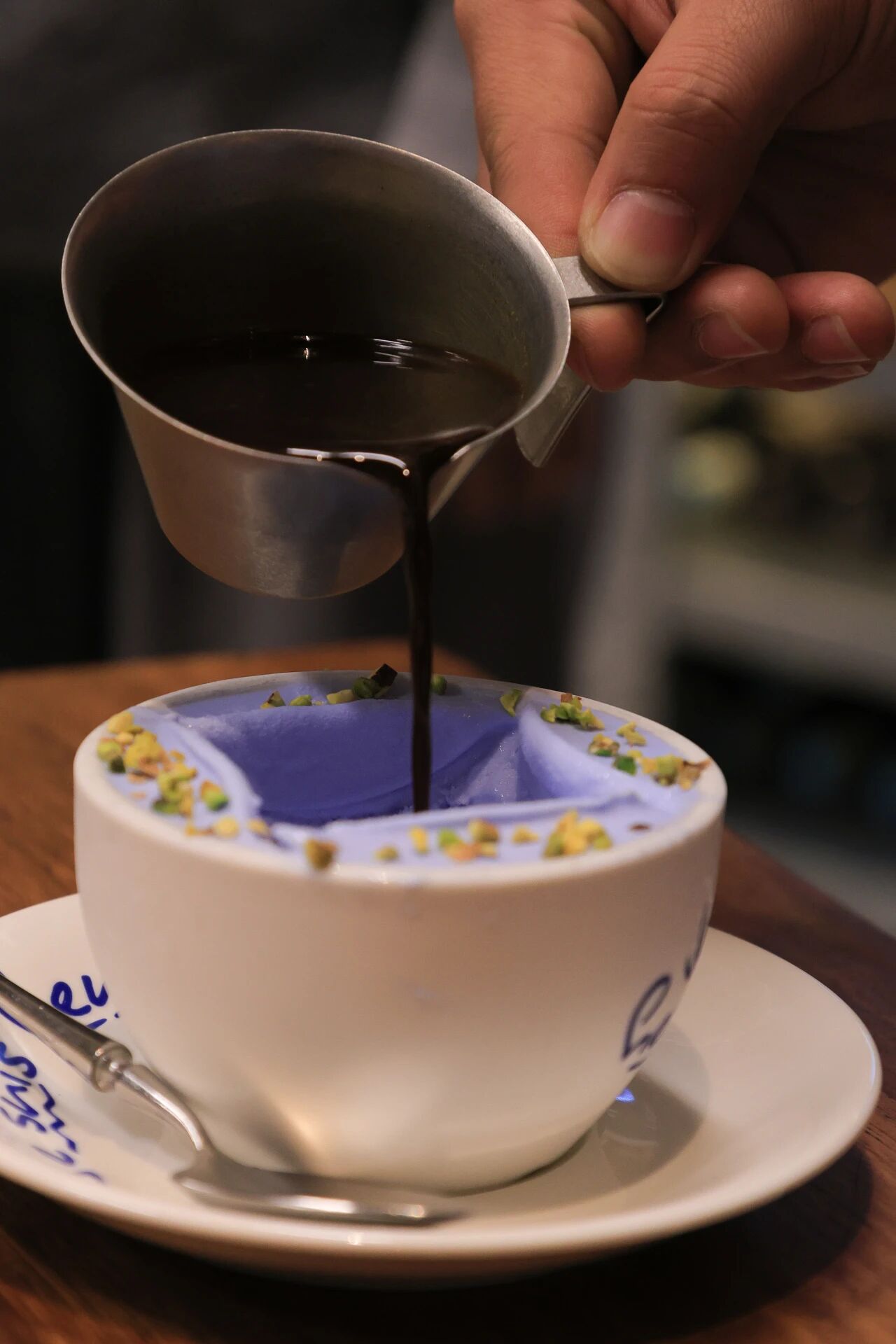
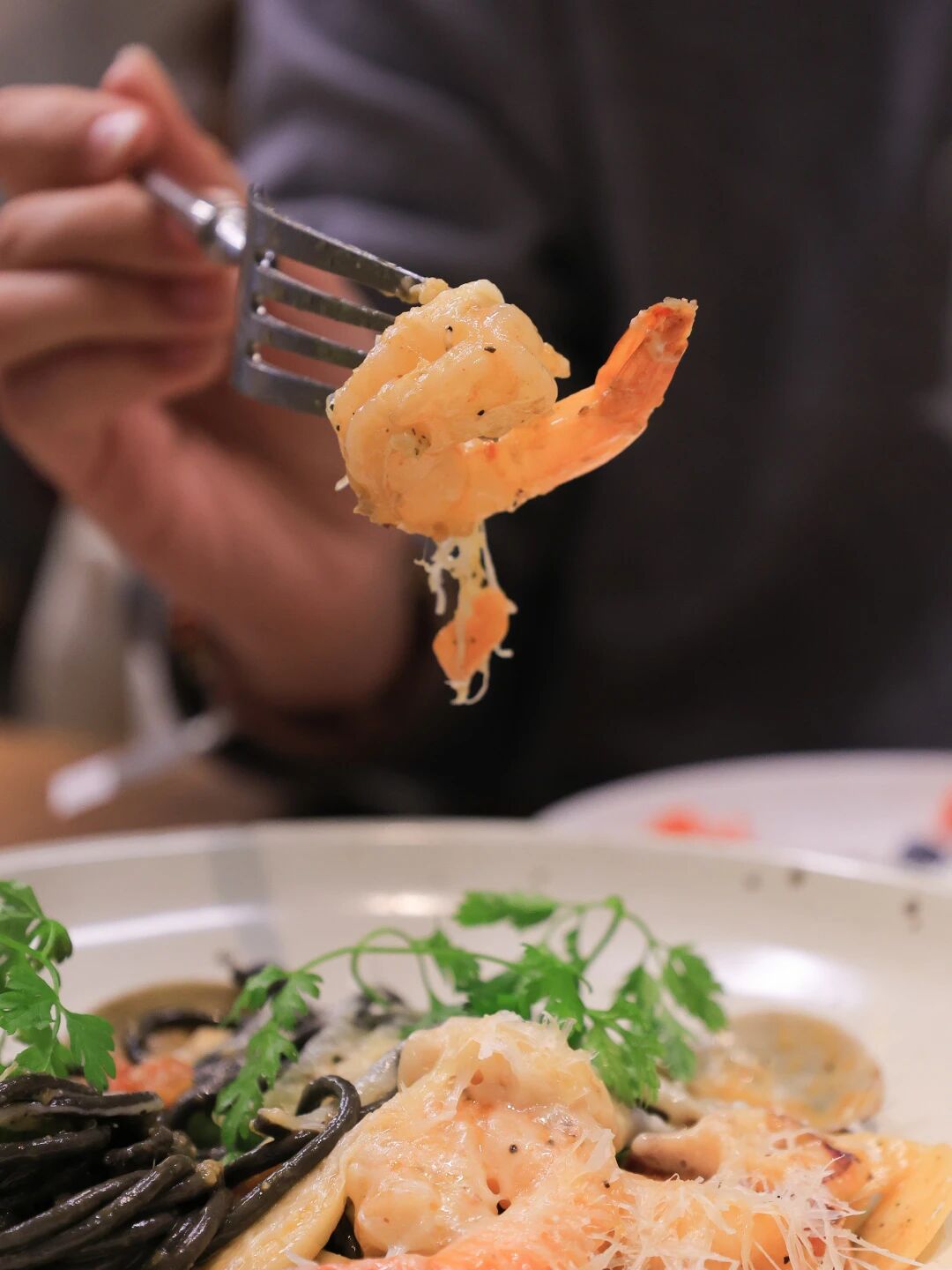
By day, it runs as a café, coffee and desserts and creative dishes, photogenic in the way that this neighborhood tends to reward. By night, it slows down into something wine-focused and pleasantly unhurried, the kind of place where the walk doesn't so much end as dissolve. Late closing hours. No urgency. The street's creative mood continued at a lower volume and with better drinks.
Address: 68 Weicheng Rd 伟成路68号

Daxue Road will not overwhelm you. That is the whole point. No landmarks, no monuments, no moment where you're supposed to stop and take the photo. What it offers instead is accumulation: a jacket on a rack that turns out to be exactly right, a CD you forgot you loved, a wall of Agatha Christie paperbacks, a handmade object whose purpose you can't quite identify but whose appeal is immediate, a glass of wine on a side street while the rest of the city does whatever the rest of the city is doing.
Shanghai is very good at spectacle. It has spent decades getting better at it. Daxue Road is good at something harder to engineer and considerably harder to find: the feeling that a place grew up around actual human taste rather than a developer's brief.
That is what a university neighborhood does, when it's left alone long enough to become itself. Come on a weekday if you can. Bring more time than you think you need. Leave the itinerary loose.
Editor: Fu Rong