Wave of Buybacks Engulfs Chinese Biotech Sector, Reasons Vary
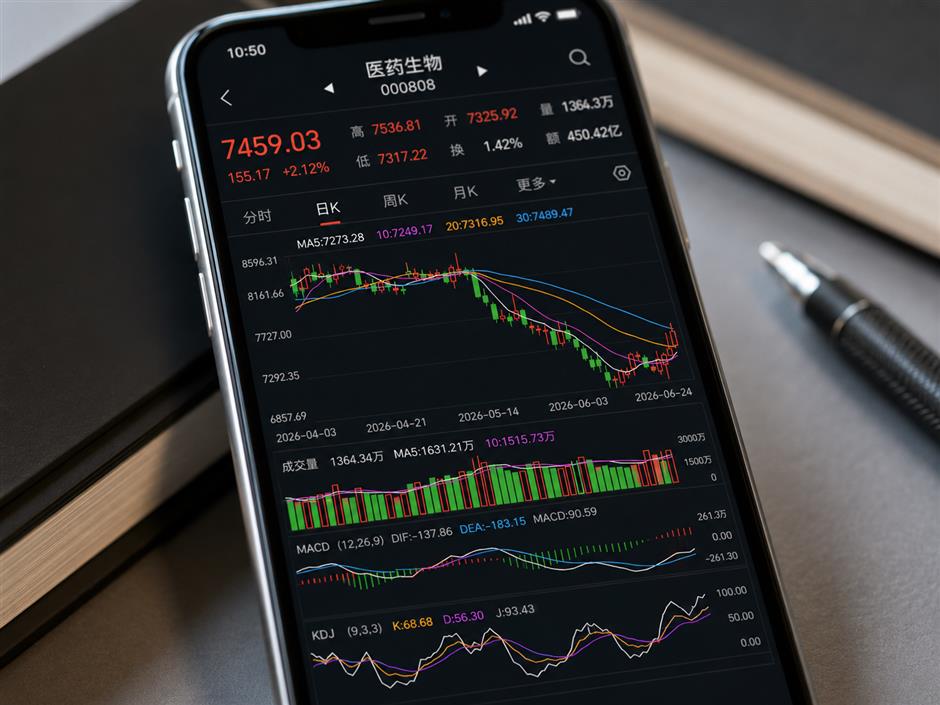
Chinese biotech and healthcare companies are resorting to a traditional market tool to boost the value of their shares after long selloffs and volatile trading: buybacks.
In recent weeks, a string of drugmakers and healthcare companies listed in Hong Kong and on the Chinese mainland have announced share repurchase plans or insider purchases, adding fresh momentum to a sector that has struggled for years with weak valuations and fragile investor confidence.
The wave has included large buyback plans from China's biggest pharmaceutical groups, innovative drugmakers and contract research companies, as well as purchases by founders and senior executives. Buybacks increase a stock's value by reducing the number of outstanding shares when measured against earnings.
Since April, 68 Chinese mainland-listed healthcare companies have initiated share buybacks valued at a combined 3.8 billion yuan (US$560 million), and 51 Hong Kong-listed companies in the sector have repurchased HK$6.58 billion (US$839 million) worth of equities, according to Wind data. The pace marks a sharp pickup from the first quarter, with Hong Kong-listed buybacks in the sector increasing more than fivefold.
The message from companies has been largely the same: Their shares are undervalued, and management wants to show confidence in company prospects.
"Intensive buybacks and insider purchases often suggest that management believes a company's share price has entered a reasonable valuation range or even become undervalued," said Guo Shiliang, a financial commentator and expert at Whale Platform Think Tank. "Such moves can help stabilize investor sentiment and send a signal that companies recognize their own long-term value."
But behind that common message lies a more complicated story.
One of the largest recent moves came from Sino Biopharmaceutical. On June 15, the Hong Kong-listed drugmaker said its board had approved a share purchase plan of up to HK$2 billion over the next 12 months, depending on market conditions.
The company said its board had noted recent volatility in its share price and believed the company was "seriously undervalued." It said the buyback was intended to boost investor confidence and improve shareholder returns. The move followed earlier repurchases this year, with the company having bought back about 60.35 million shares for roughly HK$338 million. Since March, the family of the company's founder has also increased its holdings by nearly HK$70 million.
But not all buybacks carry the same message.
For WuXi AppTec, the move comes against a more politically charged backdrop. The pharmaceutical research and manufacturing services provider said on June 10 that it planned to repurchase up to 1 billion yuan worth of shares over the next 12 months. The company said the move was intended to protect shareholder interests, strengthen investor confidence and reflect confidence in its long-term development.
The buyback came before a fresh round of pressure from Washington. Later that week, WuXi AppTec said it had filed a lawsuit against the US Department of Defense after the company was added to a list of Chinese companies alleged to have links to China's military. WuXi AppTec has denied such links and said the designation was unfounded.
Its shares have since rebounded. After falling back to around 93 yuan earlier in June, its Shanghai-listed shares climbed to more than 116 yuan this week, suggesting that investors may have taken some comfort from the company's legal response and buyback plan. But the rebound does not erase the broader political regulatory risk hanging over the company, which has become part of its investment story.
Akeso's buyback came from another corner of the market: clinical expectations.
The Hong Kong-listed biotech firm said on June 11 that its board had approved a plan to purchase up to HK$200 million worth of shares in the open market. The company also said several senior executives, including its chairwoman, president and chief executive, planned to increase their holdings by up to HK$50 million in total. Akeso said its current share price did not reflect the company's intrinsic value and business prospects, a familiar phrase in buyback announcements.
But the timing was notable.
Days earlier, Akeso and its US partner Summit Therapeutics reported data for their ivonescimab drug to the American Society of Clinical Oncology annual meeting, showing a 34 percent reduction in risk of death in a Phase III lung cancer study. The result drew international attention and reinforced hopes that Chinese-developed oncology drugs could compete more directly on the global stage.
But the market reaction was uneven. Akeso's shares initially rose after the announcement, then fell as investors and overseas observers debated how far the China-based trial results could be translated into broader global populations. Chinese media reported that Akeso's market value fell by more than HK$10 billion in the three days after the data release.
For Akeso, the buyback was therefore not only a statement about valuation. It was also a response to the volatility that can follow high-profile clinical readouts, especially for Chinese biotech companies trying to win global credibility.
XtalPi, another recent player in the sector's buyback wave, highlights another distinct pressure point: the market's more cautious stance toward platform-based and AI-driven biotech names, whose value hinges largely on unproven long-term commercialization.
The Hong Kong-listed company, which uses AI and robotics for drug discovery, announced a US$100 million share repurchase plan on June 9. At that scale, the buyback stands out among smaller and mid-cap biotech peers, especially for a firm whose investment case still depends on the market's willingness to pay a premium for its AI-enabled research platform.
Recent commercial progress lends some support. A second milestone payment of US$19 million from its DoveTree collaboration has followed a US$51 million payout last year.
The buyback points to a broader question facing AI-linked healthcare companies: how to maintain investor confidence as markets become more selective about early-stage technological narratives.
"In a market where liquidity is largely rotating within existing pools of capital, the technology theme, which has remained hot recently, is still drawing funds, leaving the healthcare sector under continued liquidity pressure and weighing on share prices," Guo said. "But the long-term logic for China's innovative drug industry remains intact. As buyback funds gradually enter the market, the sector's fundamental bottom is being further strengthened."
Editor: Liu Qi


![[Health Byte] Men's Sexual Organs, and Cancer](https://obj.shine.cn/files/2026/06/18/0c2a70ff-f6e4-4d36-8f1a-74e041b8e435_0.jpg)
