'Sea of Flowers': Shanghai Blooming for International Show
The 2026 Shanghai International Flower Show opens today, turning the city into a monthlong celebration of flowers, design and everyday urban life.
Running through May 10, the event extends well beyond a traditional horticultural display. With two main venues, 10 sub-venues and hundreds of activities, it has grown into a citywide fixture, reflecting how nature is being integrated into a dense, fast-moving metropolis.
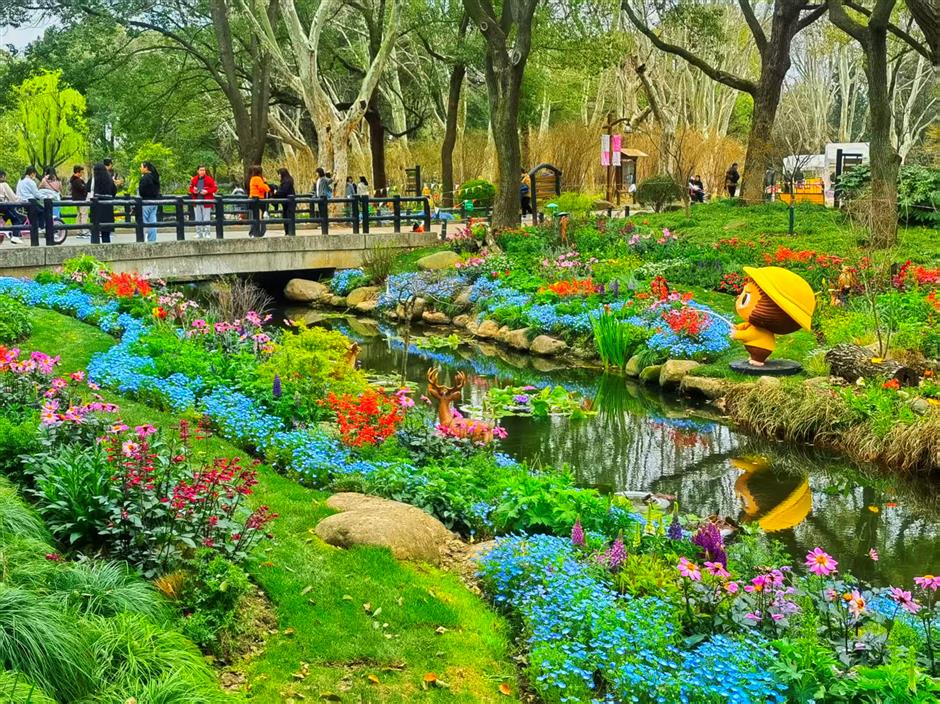
At the Shanghai Botanical Garden in Xuhui District, the show's main professional venue, the focus remains on plants. Set across 40 hectares, the site is organized into four sections: a new and superior plant garden, an edible garden, a community garden and a rare plant garden. Together, they present more than 400 plant varieties across 41 curated landscapes.
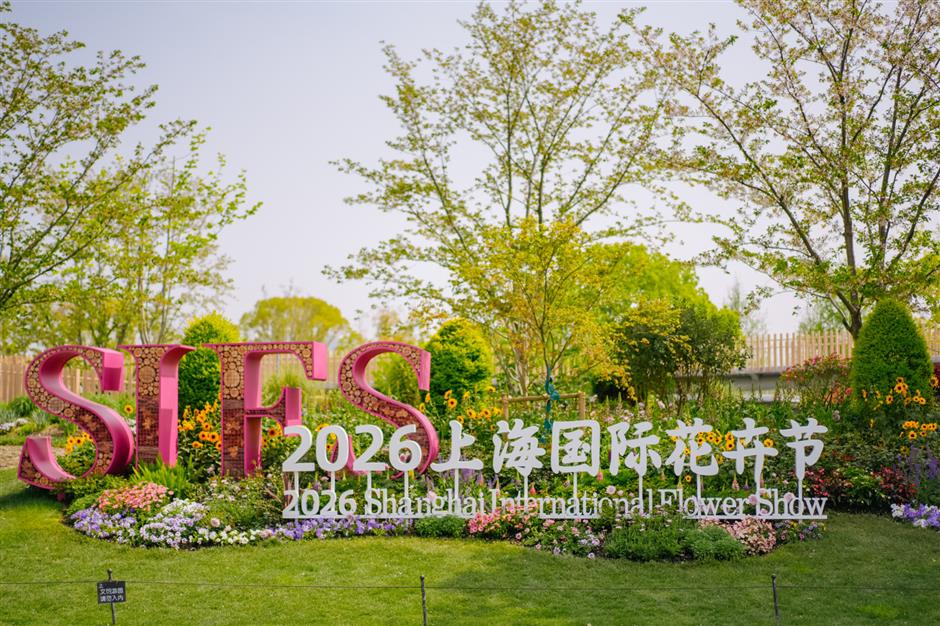
Even here, the approach has shifted. The edible garden is designed as a "from garden to table" experience, while the rare plant garden highlights biodiversity, featuring alpine azaleas and gesneriads. The community garden section, themed around eco-friendly design, brings in student projects from across China and builds them at full scale, turning proposals into spaces visitors can walk through.
Some installations are designed to be experienced rather than simply viewed. One garden, inspired by the layers of coffee, moves from bright floral plantings into softer, herbal areas and then into a more wooded setting, using roses, lavender and maple to guide the transition. Another, centered on rice, follows the agricultural cycle through the seasons, combining planting with interactive displays on cultivation and daily life.
In Huangpu District, the emphasis shifts. Centered on Xintiandi and Gucheng Park, the second main venue blends flowers with art, design and street life. International designers, including teams linked to the Chelsea Flower Show, have contributed to a "world garden" section, while nearby streets and historic buildings feature floral installations extending into storefronts and public spaces.
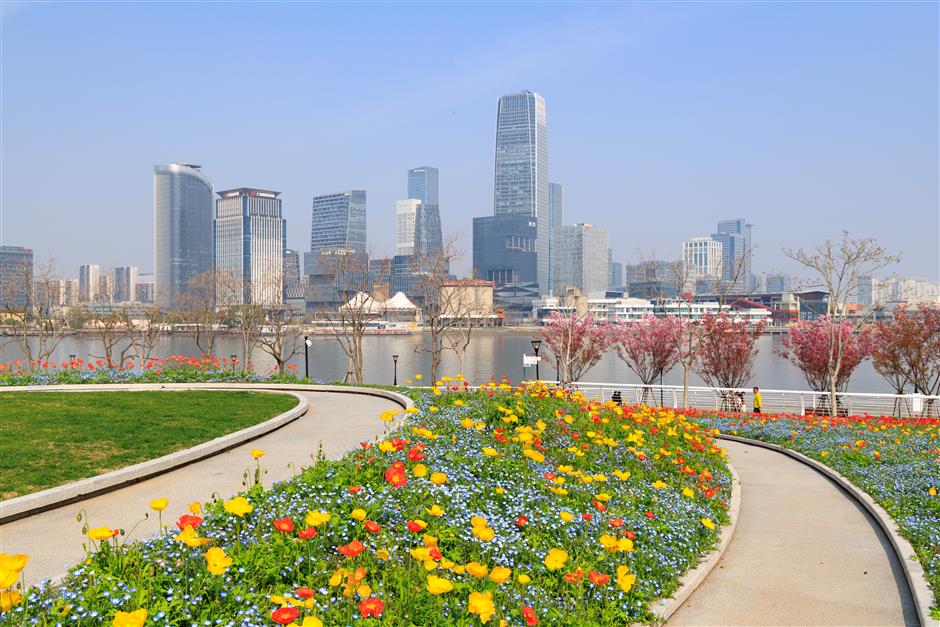
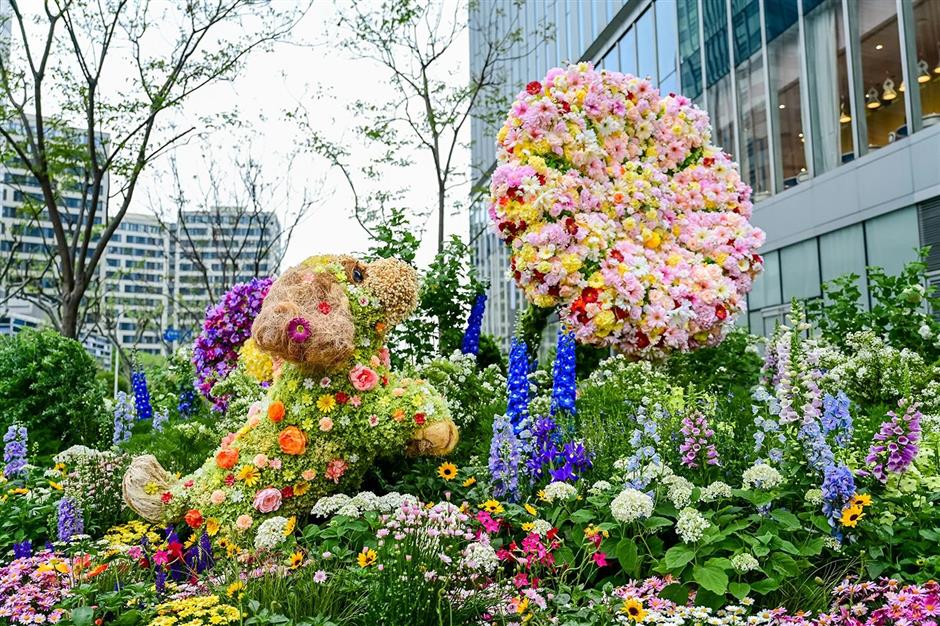
Beyond the main venues, the show spreads across the city, linking parks, commercial areas and waterfronts and bringing the experience into everyday urban settings.
The event also serves as a platform for the flower industry. Research institutions and breeders from China and abroad are presenting new plant varieties, many selected for practical traits such as resilience, longer flowering periods and lower maintenance. At the opening ceremony, 18 new varieties will make their global debut.
Alongside the displays, forums and seminars will cover topics ranging from sustainable gardening to changing consumption patterns. Initiatives linking growers in southwest China's Yunnan Province with Shanghai's retail markets point to a broader effort to position the city not only as a place to enjoy flowers, but also as a distribution hub.
For the public, the appeal extends beyond the exhibits. Around 150 events, from concerts and exhibitions to markets and family workshops, are scheduled throughout the festival. Community gardens will host hands-on activities, while walking routes and low-carbon "check-in" programs encourage visitors to move between sites on foot or by bike.
Retail and hospitality are closely tied to the event. More than 30 themed markets, along with floral displays across shopping districts, are expected to draw visitors, while curated routes connect key locations into accessible daylong itineraries.
Sustainability measures are also part of the setup. Recycling stations, carbon-point schemes and campaigns promoting greener travel are integrated into the event, reflecting efforts to reduce the environmental impact of large public gatherings.
In the coming weeks, the effects are likely to be visible across the city. Parks may feel busier, streets slower, and familiar neighborhoods take on a different rhythm. What began as a horticultural exhibition now extends beyond garden grounds into a broader urban setting.
Editor: Shi Jingyun
In Case You Missed It...
 Sep 22, 2026
![[Decades Club] Rob Jameson: 20 Years Inside Shanghai F&B](https://obj.shine.cn/files/2026/09/15/8869ded2-b793-498a-8cbd-d195ec720715_0.jpg)