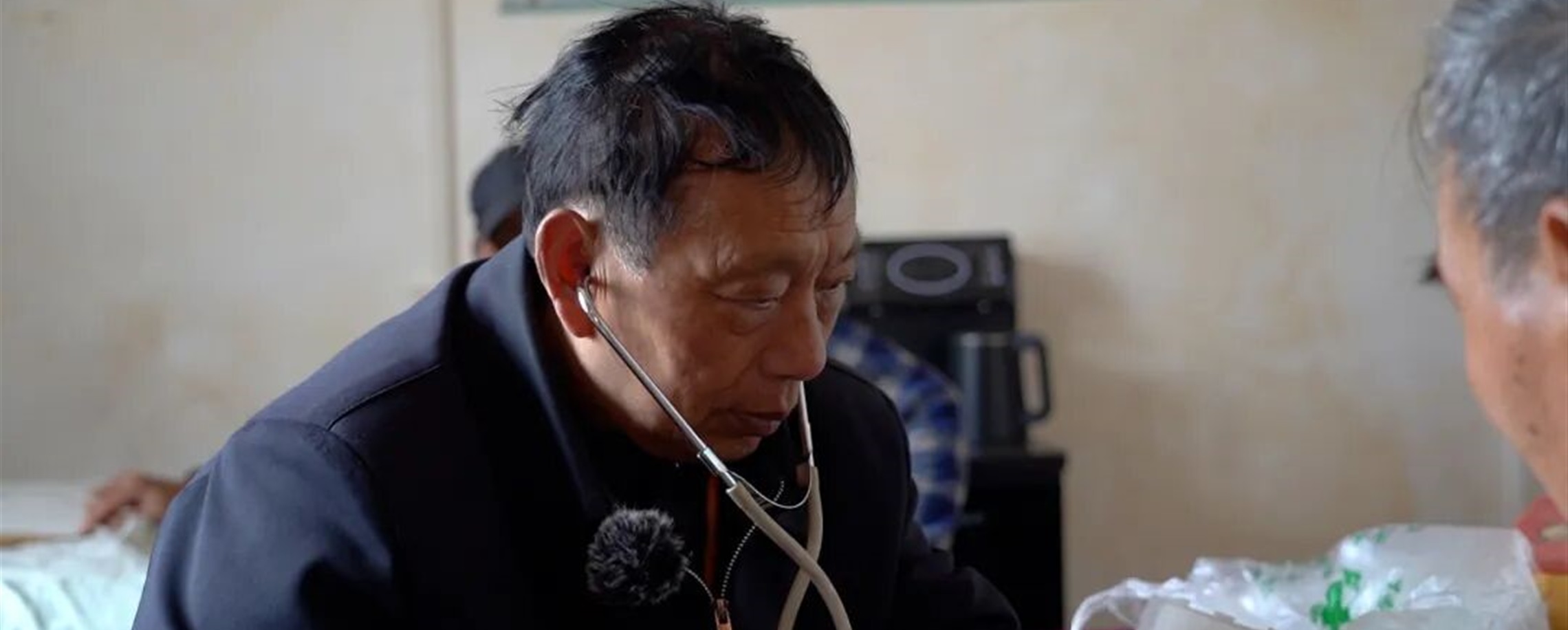
China's 'Mountain 120': After 70,000 Trips and 9 Motorbikes, This Rural Doctor Still Answers the Call
"Wang Xiafang rides a broken-down motorcycle, but it goes whining and roaring every single day." A villager in Zhaihuo Township, central China's Henan Province, greets Wang with a familiar joke. "How many bikes have you worn out?"
"Nine," Wang replies with a smile, unfazed.
At 67, with silver streaking his hair, Wang has been a village doctor here since he was 20, when he took over his father's medicine box, according to a recent report by Elephants News. The elderly in these remote Taihang mountain hamlets call him their "120" — China’s emergency medical help number. And he comes. Every time.
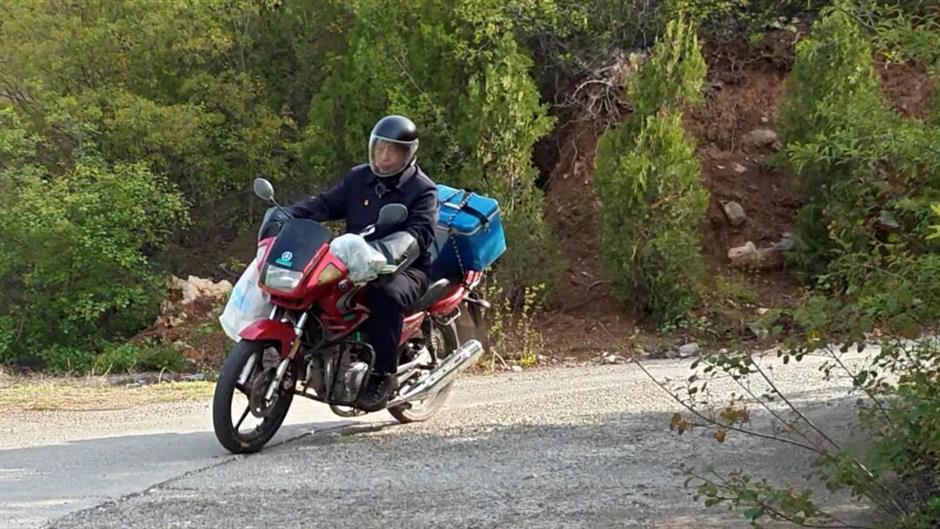
By the numbers: 70,000 house calls. More than 700,000 kilometers traveled. Nine motorcycles ground to dust.
On a recent morning, Wang packed his medicine kit, strapped on his helmet, and waved to an Elephant News reporter. "Let's go. Up the mountain."
A Day's Work on 2 Wheels
Five kilometers out, Wang pulled into a gas station. "50 yuan (US$7) of 92-octane," he said. "Standard before heading in."
The road tightened. Cliff on one side, ravine on the other. Newly paved, but still treacherous. Wang leaned into the curves, his body moving with the bike. Twenty minutes later, at 800 meters above sea level, he arrived at Hangaocheng Village.
Most of the young have left for factory jobs. Only a few dozen elders remain. As Wang parked, an old man with a cane shuffled up. "Third day of IVs," Wang said, picking up his kit. "He lives alone. Called saying he felt bad."
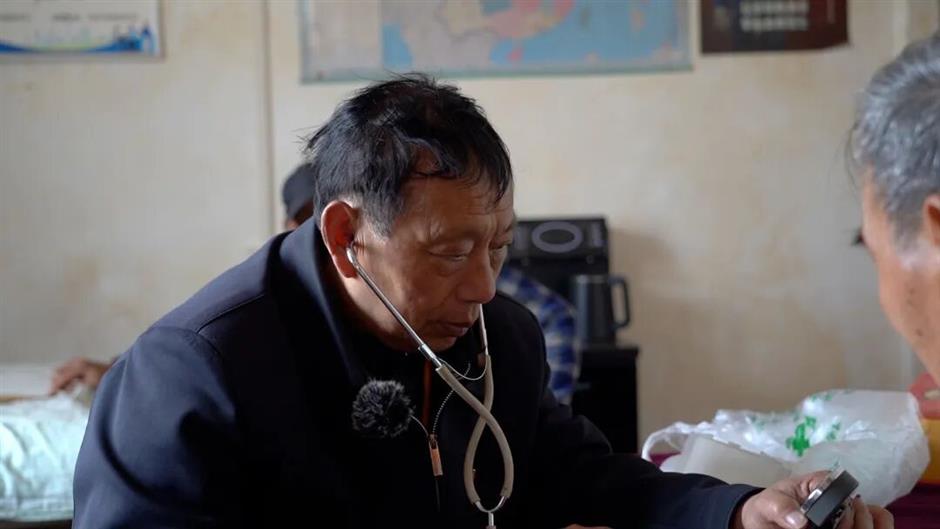
Inside the dark stone house, Wang prepared the drip, adjusted the flow, and settled his patient. "Rest now," he said. "I'll check on others."
Before noon, Wang visited four more households: blood pressure checks, pulse-taking, and a few words of advice. One elderly woman offered him lunch but he waved her off.
At 1pm, he ate instant noodles from a plastic cup at a patient's kitchen table, then swung his leg back over the bike. Deeper into the mountains.
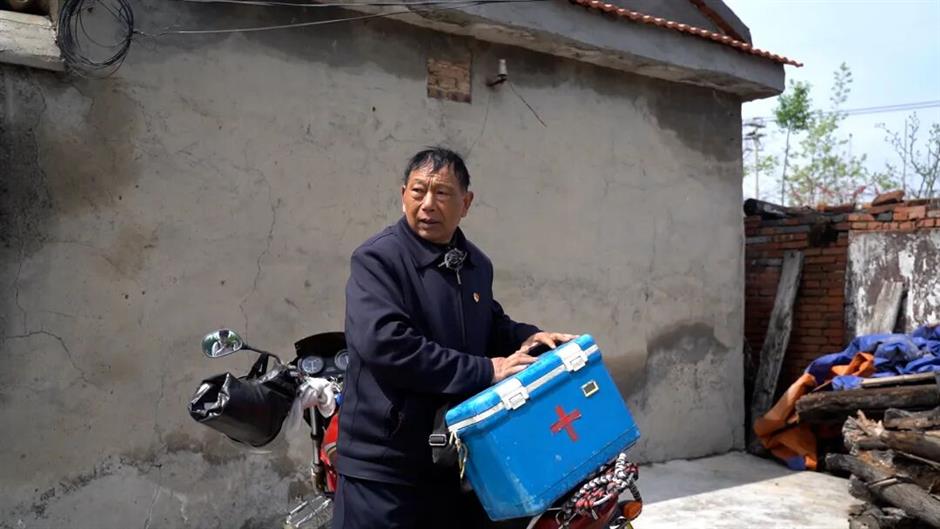
Wolves, Night Calls and a Veterinary Stitch
"In the early years, we had no roads. Just my two feet." Wang recalls walking miles of "small wool paths" — narrow tracks of dirt and loose stone, barely wide enough for one person.
The worst were night calls. In 1979, deep in the dark after seeing a patient in distant Zhangsanjie Village, Wang came face to face with a wolf.
"Old folks said there were wolves. I never believed it until that night. I bent down, pretended to pick up a rock. The wolf ran." He has carried a wooden stick on every late-night trip since.
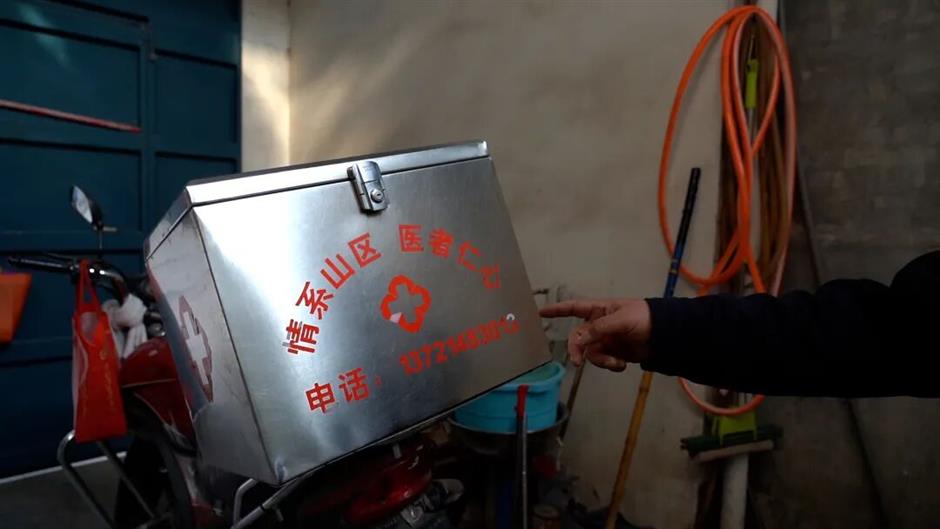
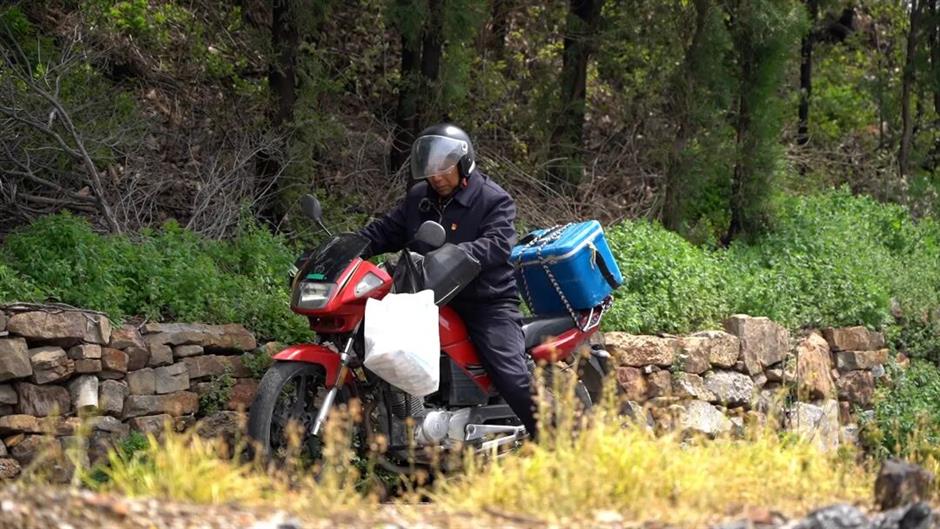
In 1985, Wang bought his first motorcycle for 4,000 yuan. His father scraped together 2,000 yuan. Wang owed the rest and worked odd jobs for a year to pay it off.
"The bike made things easier, but I've crashed. A lot."
Once, while rushing to a heart attack patient in Dadi Village, he didn't see a ditch. "Boom! I went in. My shoe was filled with blood. I lost a toenail." He pulled the bike out and kept going.
At the patient's home, his host – a veterinarian – offered to bandage Wang's foot. "No," Wang said. "Treat the patient first. Heart attacks can't wait."
The patient survived. Wang still has a scar on his left ankle and a misshapen big toenail. There are faded stitches on his face too.
"Sometimes I crash because I'm in a hurry. Sometimes, because I'm too tired and nod off." He laughs. "But the pain wakes you right up."
'Closer Than Family'
Wang's father was also a village doctor. "He taught me how much a doctor matters to mountain people," Wang says. "In those days, people on the other side of the valley would just shout across. My father would hear and go, no matter how late."
But being a village doctor barely pays. Sometimes it costs money. Wang once tried to leave, taking a factory job in town. Within a month, his phone kept ringing. Villagers who didn't know he'd left rang him. He couldn't say no. He returned. Now he patches his income with odd jobs during free hours.
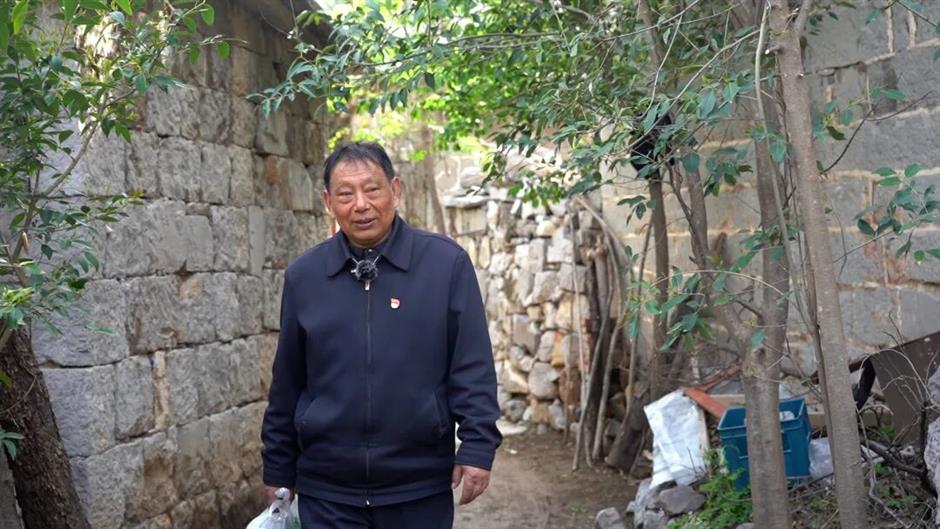
Over 47 years, he has visited every corner of Zhaihuo Township's 24 administrative villages. He knows which household has which ailment, whose knees are acting up, and who lives alone. "A living map," people say.
The village dogs don't bark at him anymore. The people try to feed him. "Not relatives," one patient said, "but closer than relatives."
Today, younger medical teams come every few days to check blood pressure and glucose. Two years ago, Wang guided them door to door in an ambulance. "I know the way," he said.
Wang shows no sign of stopping. "As long as I can still push the bike," he says, "I'll keep going."
Editor: Wang Qingchu
In Case You Missed It...

 Apr 28, 2026
Popular Reads

Norway's 'Future Library' Arrives in Shanghai: A Century-Long Experiment in Culture and Nature

Shanghai Launches National Project for Breast Cancer Prevention and Control
Shanghai to Blacklist Rogue Taxi Drivers After Airport Overcharging Scandal