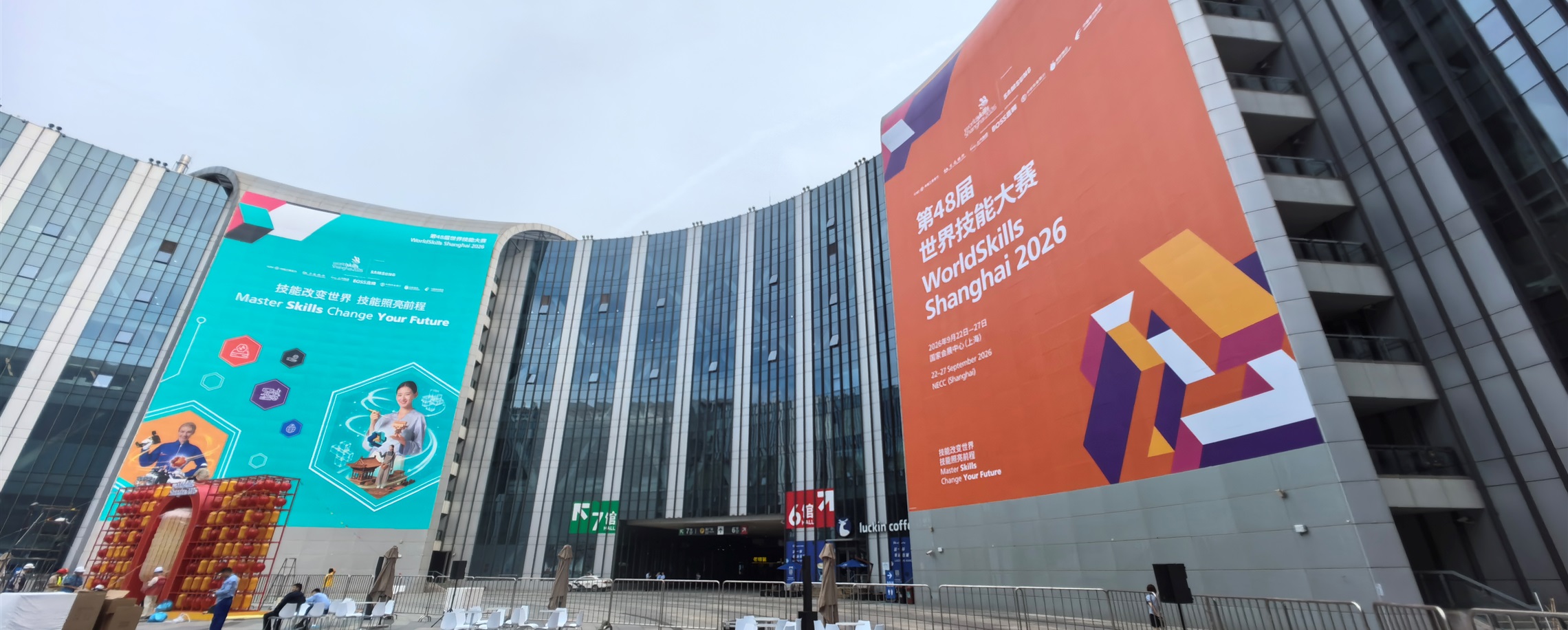
Foreign Residents Pitch Ideas For a Better Shanghai
Alessandro Conti, from Sicily, Italy, moved to Shanghai, opened an ice cream shop, and staffed it with hearing-impaired workers.
"They bring warmth, focus, and passion to every customer," Conti said. Customers also recognized this difference, and his shop, Amuni Gelato, on Yongjia Road in downtown Xuhui District, came to be known for it.
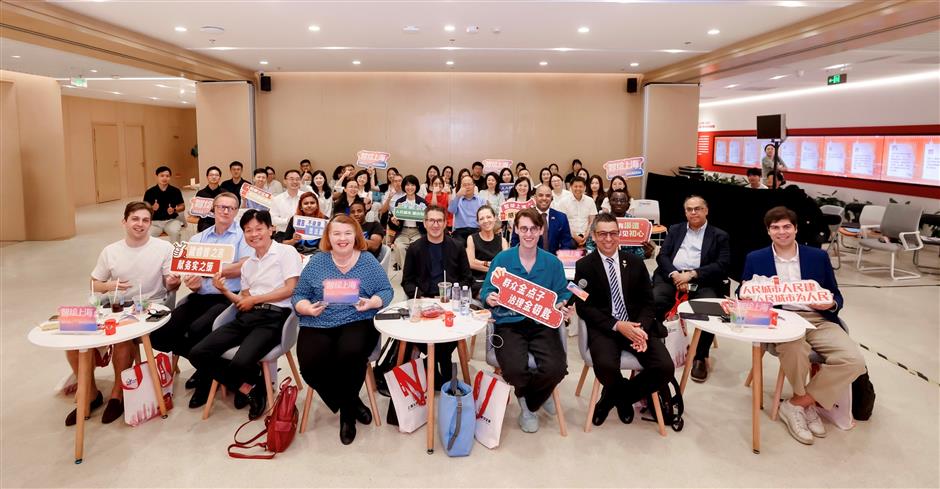
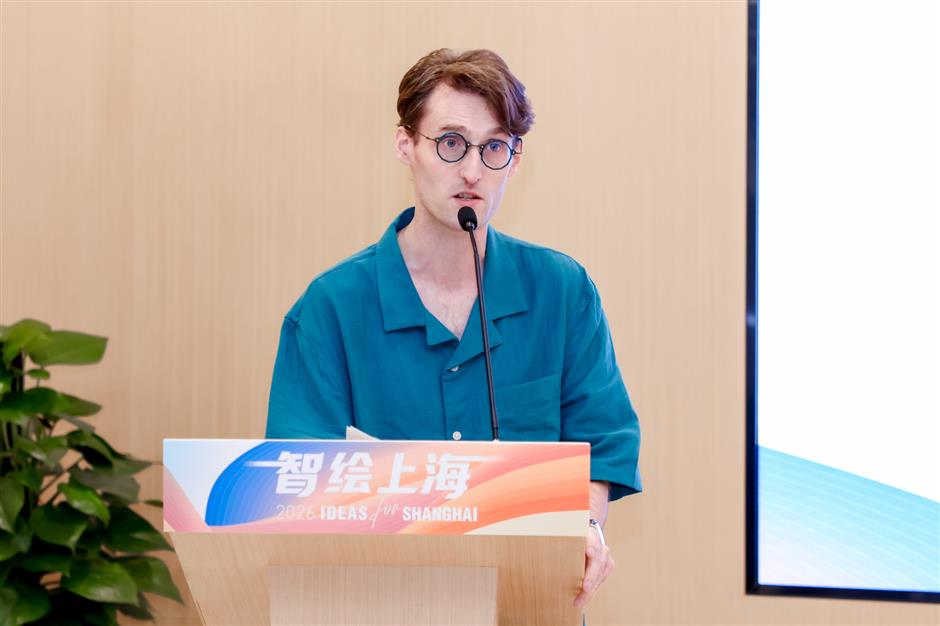
Conti shared his story on Tuesday at a Shanghai forum titled "Ideas for Shanghai," where over 20 foreign residents shared their experiences and proposed ideas for change.
Shanghai introduced a law five years ago encouraging expats to submit policy proposals. City officials from numerous departments took notes and responded to proposals during the session.
Conti's ask was simple: more Shanghai businesses should create disability-friendly jobs. He said it takes only better equipment and a bit of training to make a workplace work for everyone.
Shorter Trees, Wilder Parks
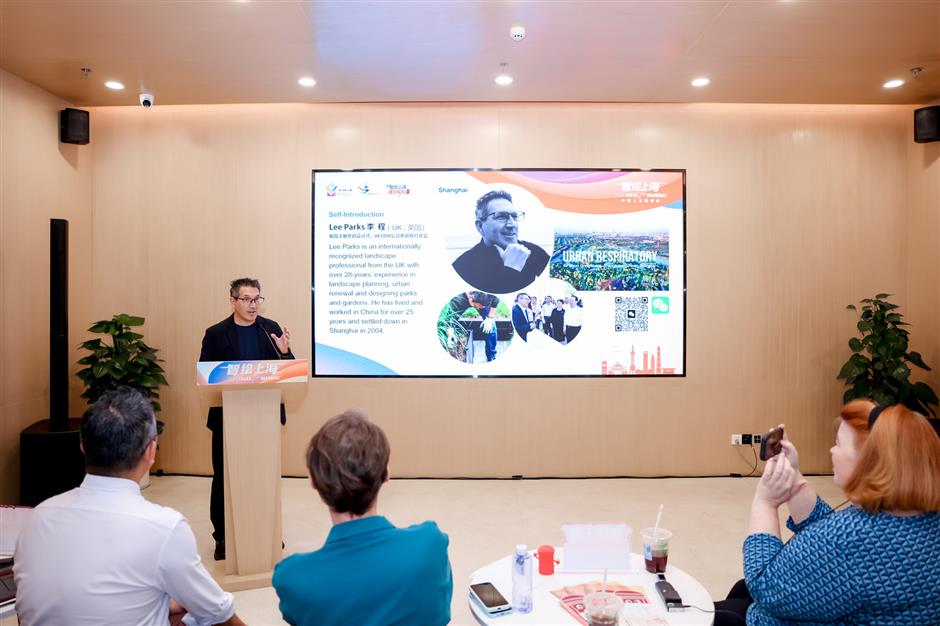
Lee Parks has been in Shanghai for 21 years, designing landscapes for AECOM. His pitch: stop tidying everything up.
He wants the city's "15-minute life circle," the planning model that puts parks and services within a short walk of every home, to leave a little more room for real, messy nature – patches of unmowed grass, bark and stone instead of plastic play equipment.
His idea stood out: plant shorter trees with low branches so children can climb them, rather than towering trees that no kids can reach.
"Regular doses of nature make a difference to human health and mental well-being," Parks said.

Turn Layovers into a Culture Show
Jeon Hae-yeong, deputy representative of South Korea's Jeju provincial office in Shanghai, pointed out something most travelers already know: waiting for a connecting flight is boring.
Shanghai now allows visa-free transit for many foreign travelers, which means its airports are often a visitor's first taste of China.
He suggested Shanghai borrow a page from Seoul's Incheon Airport, which runs a free traditional culture center where transit passengers can try on Korean dress.
His version for Shanghai: Hanfu dress-up, Peking Opera, lion dances and paper-cutting booths in the transit zones at Pudong and Hongqiao.
"Convert waiting time into cultural enjoyment," Jeon said.
Don't Let the Local Dialect Die out
Tobias Le Compte, a Belgian musician who has performed in the Shanghai comic opera "72 Family Tenants," speaks fluent Shanghainese, the local dialect.
He said the dialect and the comic opera tradition built around it carry a specific kind of humor and street wisdom that outsiders rarely get to hear. His ask: expose more people, foreign and Chinese alike, to both the forms before they fade from daily life.
"The pop-up Shanghai comic performances and interactive flash mobs should be performed more often in bustling tourist hubs like Yuyuan Garden, the Bund, and Wukang Road," he said.
Let Foreigners Help Tell China's Story
Filip Filipovic, a Serbian doctoral student at Fudan University, has guided more than 20 foreign tour groups, around 70 people, through the Memorial of the First National Congress of the Communist Party of China.
He noticed something: when a foreigner explains the Party's founding, using their own country's history for comparison, visitors connect with it differently than if a local guide narrates the same facts.
"Foreigners can act as cultural translators and forge emotional bonds," Filipovic said.
He proposed training a team of foreign volunteer guides, starting at the First Congress site and expanding to other historical sites and the Shanghai History Museum.
Two Very Different Foreign Residents
Dr Ashish Maskay, a Nepali surgeon and leader of the Bloodline volunteer team at the Shanghai Blood Centre, came to Shanghai in 2003.
His voluntary work has earned him the city's Most Beautiful Volunteer and Magnolia honors. He spoke more as a longtime observer of how foreigners actually experience the city.
He split Shanghai's foreign population into two very different groups. One is the first-time visitor or business traveler: no Chinese, no local apps, easily lost. The other is the longtime resident who has learned the system and feels at home.
"I am so lost in this city," Maskay said, describing the first group. "I am so comfortable in this city," he said of the second.
His fixes ranged from small to sweeping.
For newcomers: clearer airport signage, wider promotion of the EasyGo transit app, and a warmer greeting at immigration.
For long-term residents, he pointed to a more technical gap – foreign passports and permanent residence cards still don't plug into many Chinese apps, and there's no standard way to write a foreign name across government and commercial systems.
His biggest idea was a single multilingual "super app" for every foreigner in the city, bundling transit information, safety alerts, event listings, and paperwork like police residence registration into one place.
"Shanghai is one of the most open meeting points in the world," Maskay said. "I hope every tourist and every expat who comes here can become an ambassador for Shanghai."
Stop Treating Tourists as One Crowd
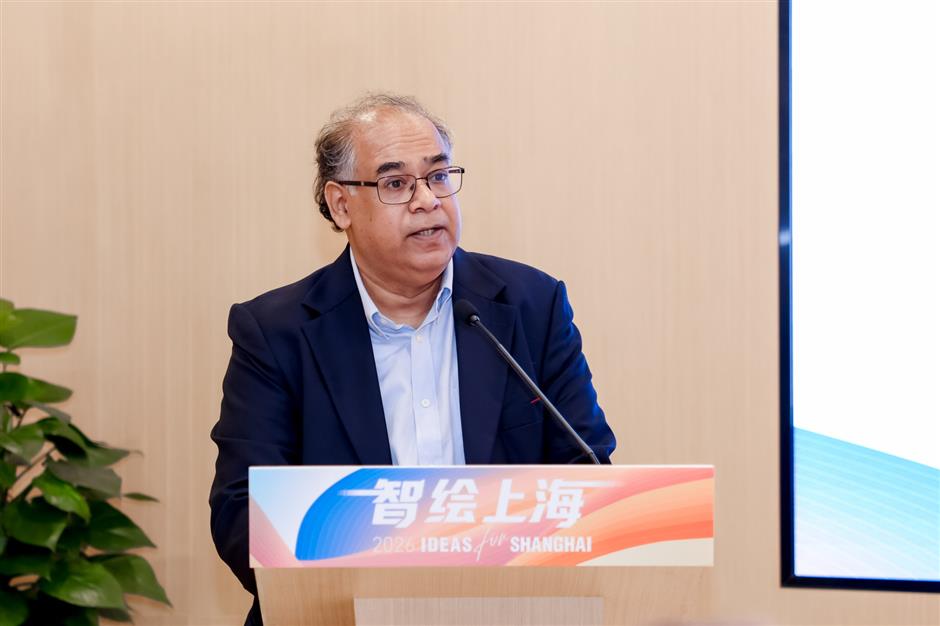
Bivash Mukherjee has spent more than two decades covering the city and its marquee international events for Shanghai Daily, including the Beijing Olympics, the ATP Masters 1000 tennis tournament, and Formula One.
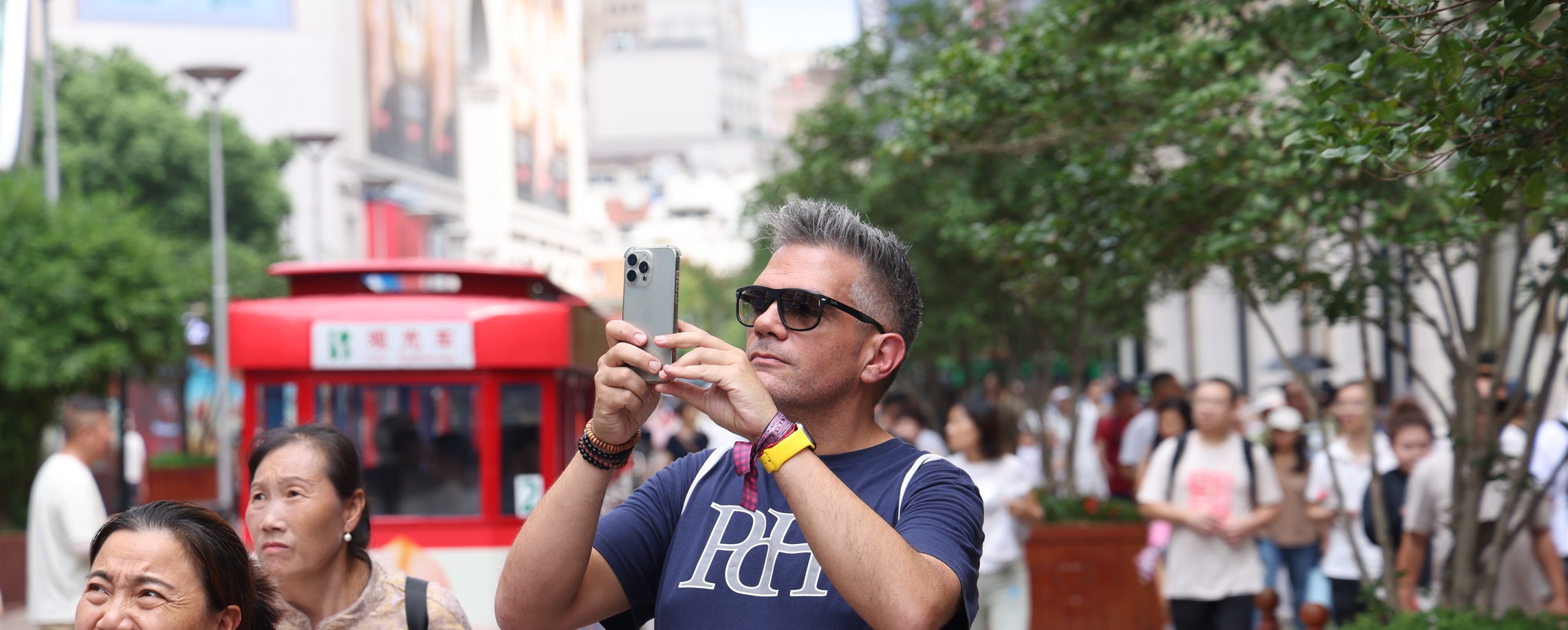
His years on the sports beat highlighted a blind spot in Shanghai's tourism strategy: the city continues to market itself uniformly to all visitors.
Yet, its visitors are vastly different.
A retiree on a luxury tour wants an experience far removed from that of a young backpacker, a family with children, or an executive squeezing in sightseeing between business meetings.
Mukherjee proposed a straightforward fix: create separate, tailored travel packages for diverse groups of visitors, especially for sports and international events. He wants tourism authorities, airlines, hotels, retailers, and attractions to coordinate their services well before travelers even board their flights.
Instead of piecing together a trip after they land, visitors should be able to book a complete itinerary in advance. These bundles could feature guided tours, local dining, entertainment, and exclusive behind-the-scenes access to venues and stadiums.
Major international sporting events, Mukherjee said, offer the perfect opportunity to launch these packages and turn first-time spectators into repeat visitors.
Solo Startups and Factory Floors
Jessica Gleeson, an American entrepreneur who runs BrighterBeauty, said artificial intelligence is quietly changing what a company looks like.
More people are running entire businesses by themselves now, with AI doing work that a legal team, an accountant, or an HR department once did.
She said Shanghai's support systems, from office space to compliance rules, are still built for much bigger firms. She recently waited six to 12 months for shared office space meant for small businesses.
"Small business owners can feel a little left behind," Gleeson said. She wants dedicated office hubs and multilingual legal and tax help built specifically for solo founders.
Peter Garimort, an Austrian executive who leads Engel Machinery's China operations, raised the opposite problem: too many young people chase office jobs while advanced manufacturing struggles to find skilled workers.
Engel already runs an Austrian-style apprenticeship program in Shanghai, mixing classroom study with factory floor training, and Garimort wants the city to make it easier for other companies to copy that model, with simpler approvals for school-company partnerships across the Yangtze River Delta.
Editor: Xu Qing
In Case You Missed It...
 Sep 22, 2026