The Great Suffix of Our Times: When the World Decided to Go Chinamaxxing
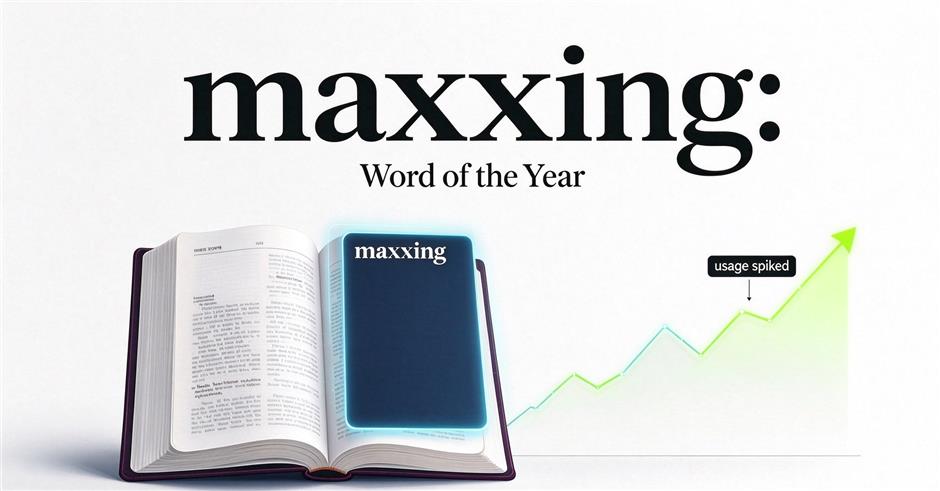
On October 26, Dictionary.com crowned "maxxing" its 2026 Word of the Year, edging out finalists "affordability," "data center," "odyssey," and "unc." What made the choice notable was not just the word's ubiquity but its evolution. Maxxing began life as a mere suffix, bolted onto other words, and has now come into its own as a standalone verb, as in "I'm maxxing everything I can."
It is a linguistic promotion that mirrors the very culture of optimization it describes. In a year dominated by discussions of technology's role in society, the editors noted, it was only natural to select a word forged online.
The numbers behind the decision were staggering: use of the term in American digital media spiked nearly 19-fold in August 2026 against the previous year's monthly average.
The honor was a long time coming, and the lexicographers had been circling. Merriam-Webster had already granted the term, sometimes spelled "-maxing," full entry status as a noun combining form, defining it as "making an act or practice as effective and fruitful as possible."
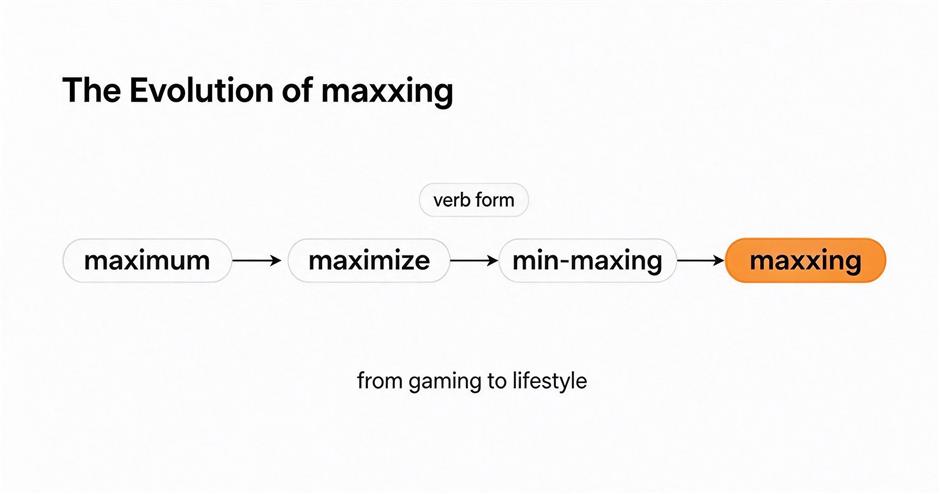
The etymology they traced is a small comedy of linguistic escalation. It runs from maximum to the verb maximize, then to the clipped max, then to the gaming term min-maxing, the art of cultivating a character's strengths until weaknesses no longer matter. From there maxxing broke free, gained an extra x, and began attaching itself to virtually anything. By the mid-2010s it was thriving in online communities; today, Merriam-Webster notes, its use "often carries a self-aware, tongue-in-cheek quality, acknowledging the absurdity of optimizing certain aspects of one's life."
What exactly are we maxxing? Picture, if you will, a 20-something in a dimly lit apartment, meticulously applying a pimple patch, taping their jawline to prevent wrinkles, and drinking a green sludge of bone broth and collagen. They are not preparing for a medical procedure, nor are they a method actor in a dystopian sci-fi film. They are simply "looksmaxxing."
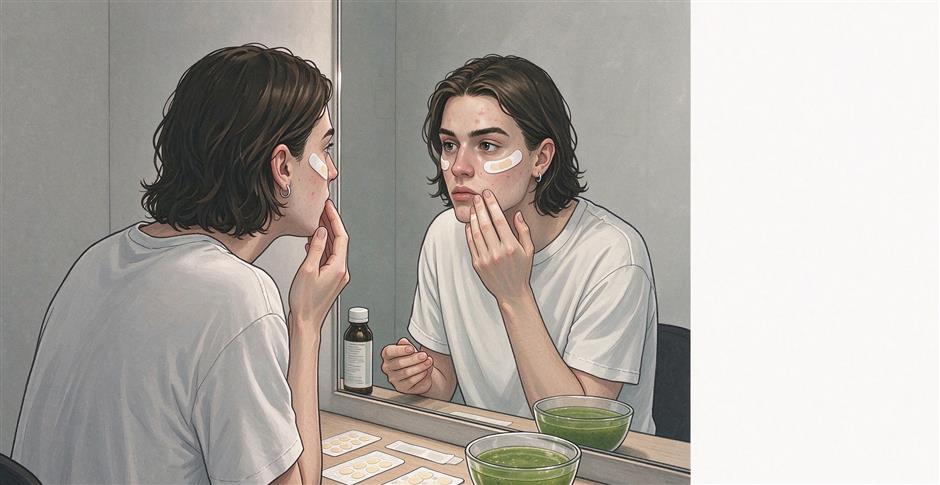
The term that started it all has archived evidence stretching back to 2015. Its earliest communities were largely made up of young men in the manosphere; by 2021, offshoots like moneymaxxing and statusmaxxing were in circulation; by late 2025, The New York Times was spotting intentionally ridiculous variants like cozymaxxing and salmonmaxxing in the wild.
In 2026 the dam broke. Tokenmaxxing, a coinage born as companies incentivized employee use of artificial intelligence (AI), went mainstream, alongside comfortmaxxing, sleepmaxxing, gymmaxxing, and even normalmaxxing, a poignant, anti-hustle declaration by a generation exhausted by the tyranny of self-improvement. A word associated with one particular corner of the internet has become a recognizable template that people everywhere have started using.
One Suffix to Rule Them All: Enter Chinamaxxing
But as we survey the landscape of our obsessive tendencies, one particular iteration has broken out of the digital echo chamber and spilled into the physical world with unprecedented force. It is, quite simply, "Chinamaxxing."
This is no fringe subculture. On TikTok, the #Chinamaxxing hashtag has amassed over 4 billion views, while the broader "China travel" tag has eclipsed 28 billion. The data on the ground corroborates the digital enthusiasm: foreign arrivals in China grew by 20.4 percent in the first half of 2026, with visa-free policies quietly redrawing the itineraries of travelers from Kuala Lumpur to Frankfurt.
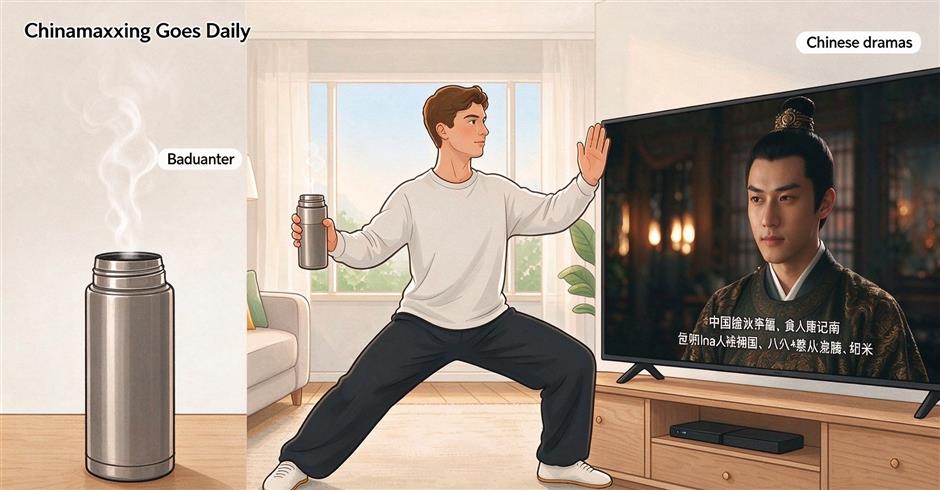
And Chinamaxxing is not merely about tourism. It is a lifestyle-level adoption of Chinese habits: the Westerner who has replaced their morning iced latte with a thermos of hot water; who has swapped high-intensity interval training for the slow, deliberate movements of Baduanjin; who finds more solace in a bowl of congee than in avocado toast; who has mastered mobile payments, orders delivery at 2am, and is currently binge-watching a 60-episode historical drama with English subtitles, whether they happen to be in Chengdu, in Paris, or in a studio apartment in Ohio.
A Cultural Barometer Reading the Other Way
Why has this particular culture become the object of our collective maxxing? Scholars have begun to take the question seriously.
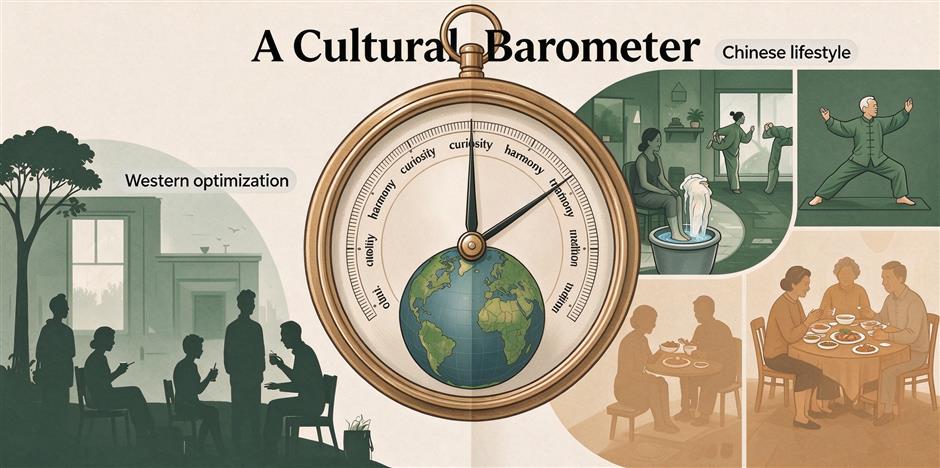
Wang Wen of Renmin University reads Chinamaxxing as a "cultural barometer," a reflection of shifting global tectonic plates. For decades, the West exported its lifestyle as the universal standard of modernity; to "American-maxx" or "Euro-maxx" was to aspire to a presumed pinnacle of development. Tsinghua University's Shi Anbin puts it more plainly: the trend is fundamentally about "development achievements winning attention and respect." Now the vector has reversed, not through proclamation, but through the cumulative evidence of 28 billion views.
Chinamaxxing is, in part, a rebellion against the exhausting, individualistic optimization of Western life. When you "sleepmaxx" in a Western context, you might buy a US$3,000 mattress and a subscription to a meditation app. When you Chinamaxx, you soak your feet in hot water and accept that rest is a communal, traditional practice, not a purchased commodity. It is a search for a different kind of efficiency, one rooted in harmony and collective rhythm rather than relentless personal gain. The popularity of Chinese web novels, with their intricate plots and moral frameworks, or the parallel rise of "nonnamaxxing" (adopting the wisdom of an Italian grandmother, a spiritual cousin of Chinese familial values), points to a deep hunger for connection and tradition that hypermodern Western life often fails to provide.
This is not mere exoticism, nor a passing fad. It is a genuine, if sometimes awkward, attempt to integrate a different philosophy of living. The self-aware, tongue-in-cheek tone that Merriam-Webster attributes to "-maxxing" is crucial here. The young men and women on TikTok drinking hot water are not pretending to be Chinese; they are using the language of internet irony to explore a genuine curiosity, to test-drive a lifestyle that feels, to them, like an antidote to their own cultural fatigue. Whether you are reading this in São Paulo, Berlin, Nairobi, or Singapore, the trend is less a headline than a slow tide, arriving one thermos, one morning stretch, one subtitled episode at a time.
The Most Sensible Optimization in Years
So, as we close the book on 2026, let us not dismiss Chinamaxxing as just another entry in the dictionary of digital absurdity. It is, perhaps, the most significant cultural development of the year.
In a world obsessed with maximizing everything, we have finally found something worth maximizing that isn't about the self. We are maxxing our way toward a broader, more complex understanding of what it means to live well. And if, in the process, we end up drinking hot water and doing Baduanjin in our living rooms, well, that's just the most sensible optimization we've made in years.
The ultimate flex, it seems, is not a perfect jawline or a maximized bank account, but a little peace of mind, served warm.
Maxxingmaxxing, anyone?
(The author, who earned a PhD in linguistics at the University of Illinois Urbana-Champaign, is a professor of English at Sanda University, Shanghai.)
Editor: Xu Qing
In Case You Missed It...
 Nov 11, 2026