Xishuangbanna's Tourism Takes Off on Rail, Reform and Rainforest Appeal
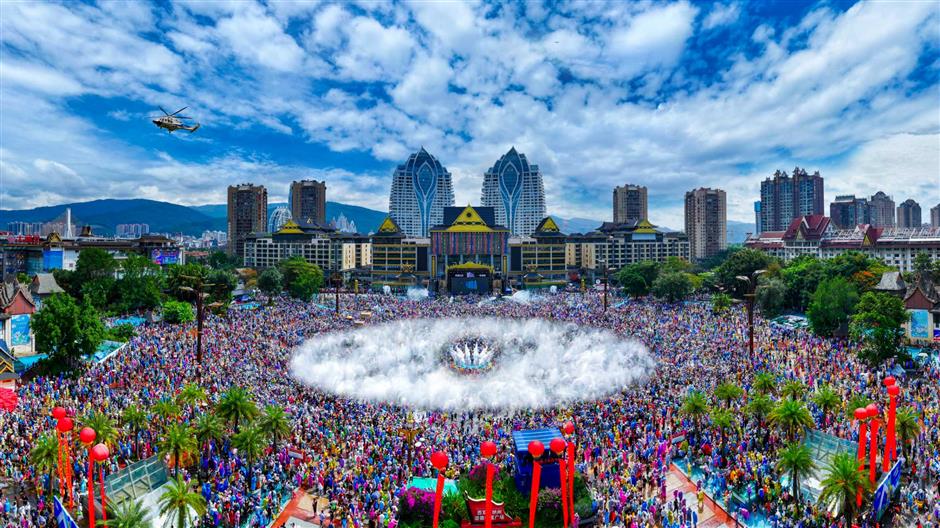
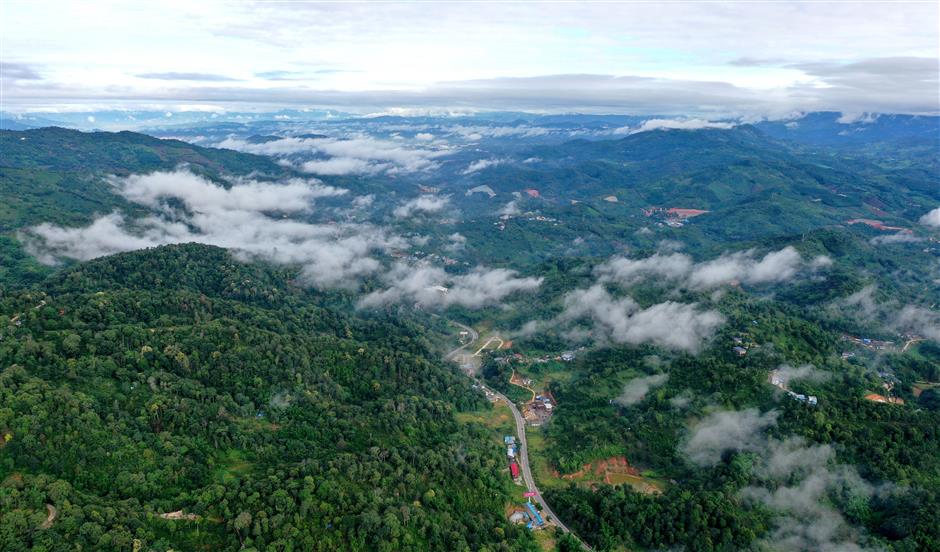
In southwest China's Yunnan Province, where tropical rainforests meet the gentle flow of the Lancang-Mekong River, the Xishuangbanna Dai Autonomous Prefecture is preparing for its most anticipated annual celebration: the 1388th Dai New Year, also known as the Water-Splashing Festival.
This age-old ritual is a vivid celebration of ethnic culture and an acceptance of Yunnan's distinct lifestyle.
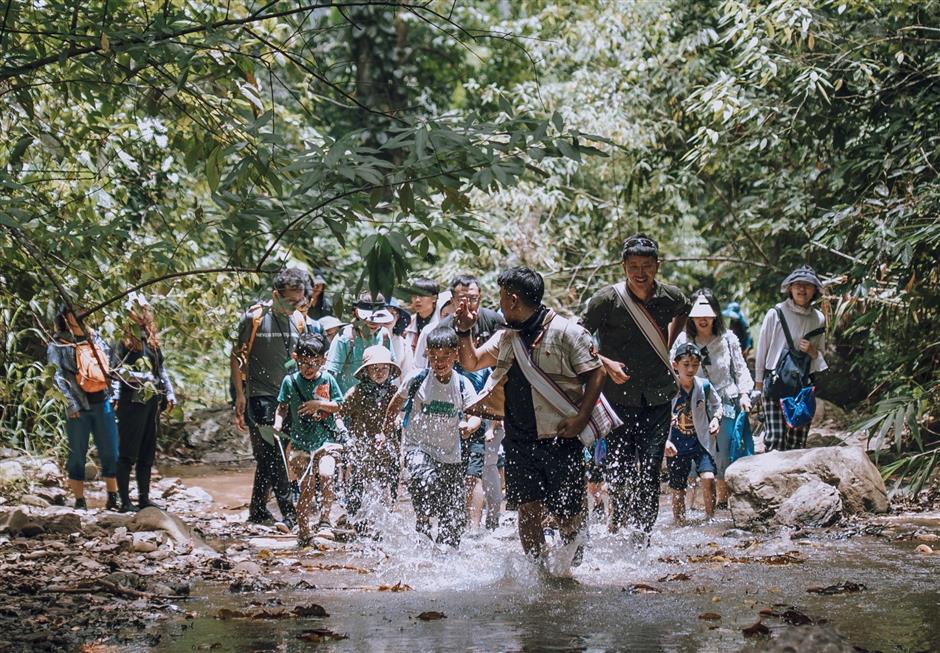
The 2026 festival, taking place from April 13 to 15, will include a variety of unique folk customs, tourist activities and themed markets in Jinghong, Menghai and Mengla. It combines age-old folk rites with new creative aspects to create a cultural feast that is steeped in tradition while remaining vibrantly contemporary, attracting tourists from all over the world.
The event will feature a 10,000-person water-splashing carnival, a Yunnan Super League football match, ethnic folk culture performances and traditional intangible cultural heritage ceremonies, showcasing the unique charm of multi-ethnic integration.
To create a trendy and spectacular mood, the traditional event will incorporate modern features such as drone light shows, water lantern galas, and a water splashing music festival.
The grand water lantern has been upgraded this year due to the expansion of the space along the Lancang River. The procession will feature 44 teams and over 3,000 performers, as well as new warm-up sessions and eight performance places.
Strong growth in inbound tourism
Xishuangbanna, which means "the ideal and magical land" in Dai, is Yunnan's southernmost treasure, a tropical paradise where rainforests, wild elephants, and colorful Dai culture coexist.
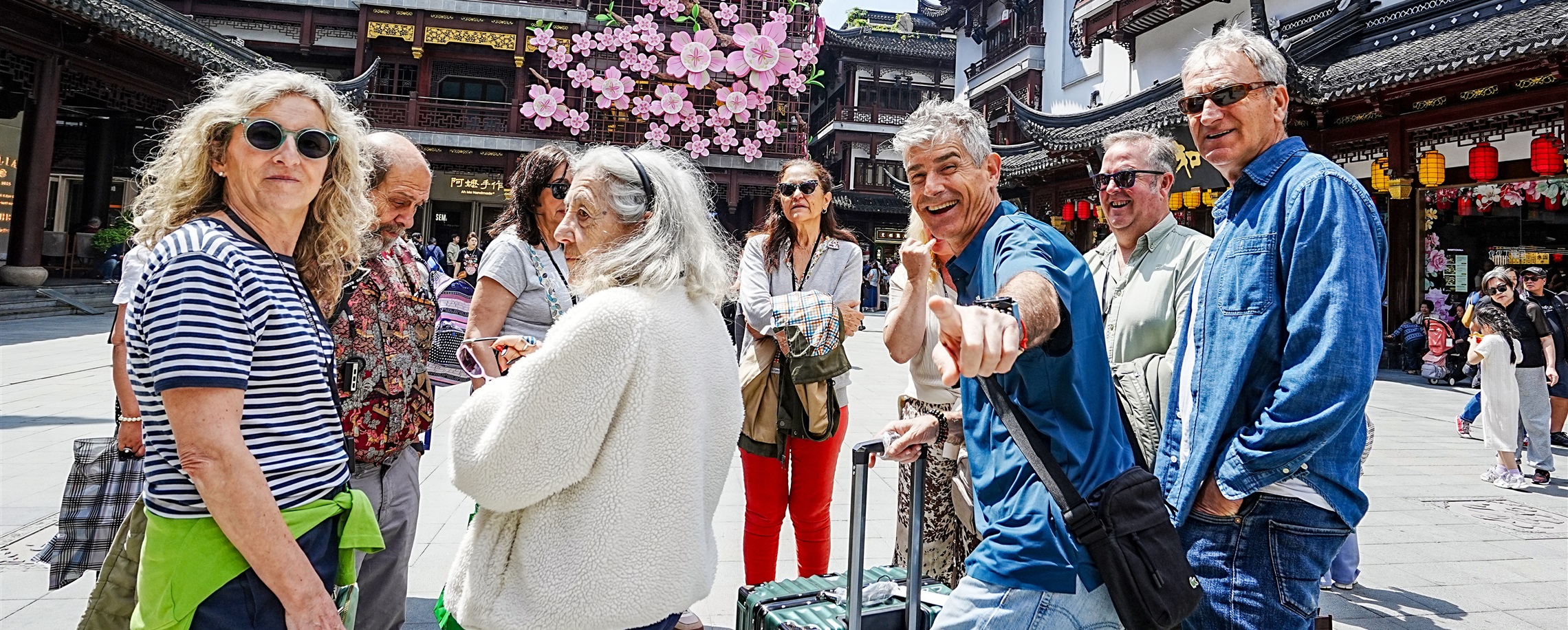
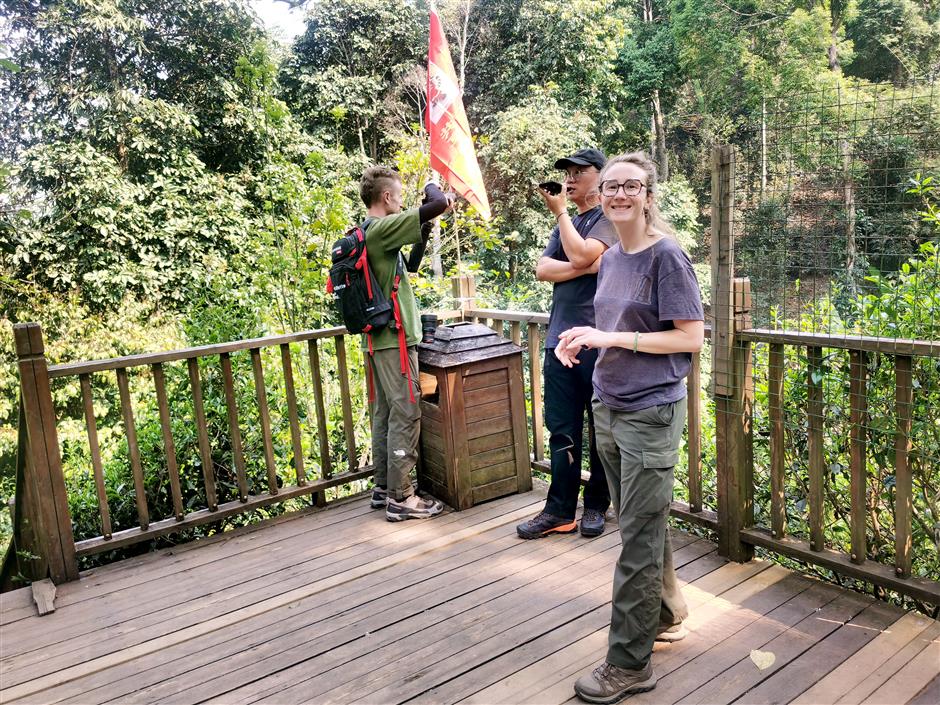
Valentin Arsac Nicoli from France spent two months in China with his wife Emilie Lievens in Xishuangbanna recently. They visited the Chinese Academy of Sciences' Xishuangbanna Tropical Botanical Garden, a popular tourist destination.
"It is really beautiful with lot of flowers and trees. It's very different," said Nicoli.
At Nannuo Mountain, they were amazed by an 800-year-old tea tree.
"We learned about the mountain from a French travel blog, and we love this spot," Lievens remarked. "We're interested in tea culture. We will recommend this location to our friends."
Xishuangbanna has experienced spectacular growth in inbound tourism by capitalizing on its strategic location, abundant tourism resources, and the visa-free policies boosting foreign visitor numbers and foreign exchange revenues.
In 2025, it received 674,100 inbound overnight travelers, a year-on-year rise of 110.97 percent, resulting in US$441 million in tourism foreign exchange earnings, up 110.83 percent year on year.
The prefecture has utilized the China-Laos Railway to participate in the Belt and Road Initiative and construct the Lancang-Mekong International Tourism Economic Belt.
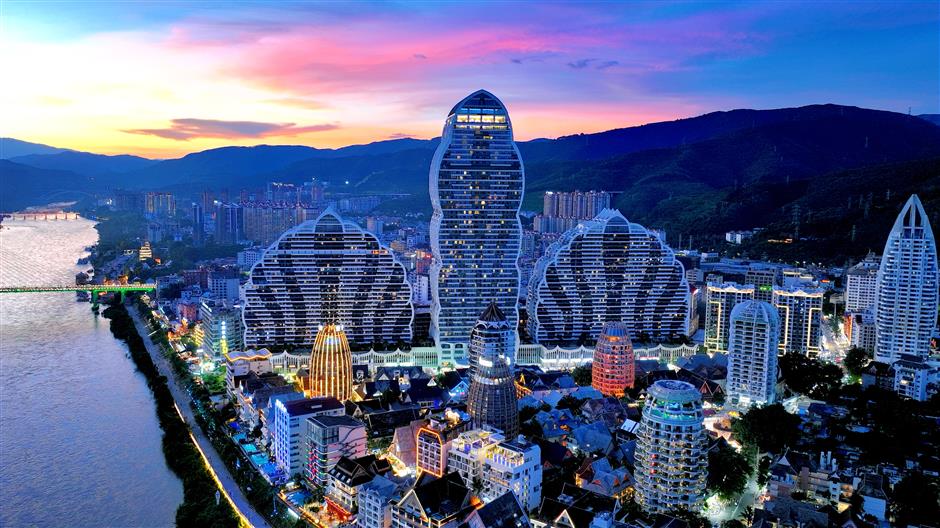
Xishuangbanna has issued policies such as mutual visa exemption, 240-hour transit visa exemption, and 144-hour visa exemption for ASEAN tour groups, providing a "convenient passage" for foreign tourists, improving entry convenience and promoting inbound tourism.
In December 2025, the first deluxe international tourist train on the China-Laos Railway was introduced, using a "night travel and daytime sightseeing" format with a seven-day slow voyage across four cities, connecting towns such as Xishuangbanna and Luang Prabang.
In 2025, the China-Laos Railway port welcomed over 50,000 foreign visitors, including 13,400 visa-free tourists. Travel groups using visa-free rules accounted for a substantial proportion.
Scenic places now offer multilingual signage and intelligent assistance, tour packages tailored to inbound passengers, a bilingual Chinese-English visitor guide, and convenient payment options at significant cultural and tourism venues.
At the Gaozhuang night market, Singaporean tourist Addison paid for local snacks by scanning a code.
"A mobile phone can meet the majority of your needs. The payment is convenient, and the vibrant environment is amazing," he said.
The number of travel agencies in the prefecture that are competent to handle inbound tourists has increased, as has the number of tour guides who speak English, Thai, Lao and other languages.
Yu Yue, a tour guide at Xishuangbanna Zaitu Travel Agency, received teams from various countries since visa-free regulations were implemented. During peak tourism seasons, she handles four to five groups each month, keeping her busy.
The prefecture has created multiple tourist routes centered on ethnic customs, environmental exploration, and cultural experiences, such as Jinuo Mountain hiking and the Gaozhuang night market and music carnival.
Niche peripheral routes, such as Xishuangbanna-Pu'er and Xishuangbanna-Jianshui, have also been developed.
Integration of tourism-related formats
The influx of tourists has fueled the growth of other businesses and accelerated the convergence of culture, tourism, and commerce.
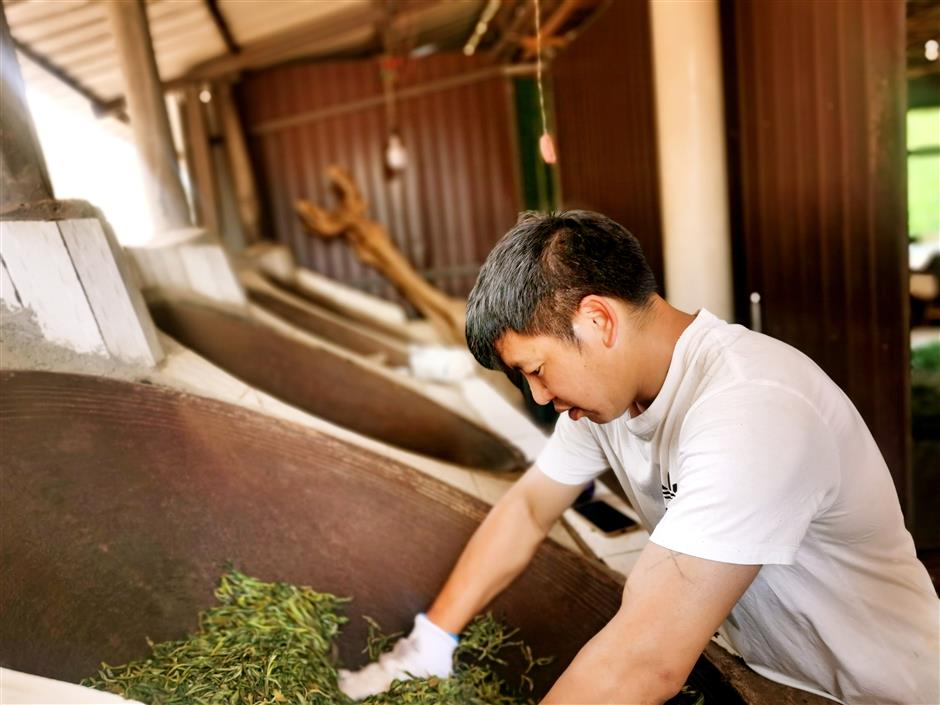
Nannuoshan Village, where the Nannuo Mountain is located, has a total tea garden area of 36,000 mu (24 square kilometers), with 12,000 mu being historic tea gardens. It is home to the 800-year-old tea tree.
Nannuoshan has concentrated on the "tourism plus" development plan and investigated new avenues for tea-tourist integration. It has created a variety of unique homestays and hillside hotels.
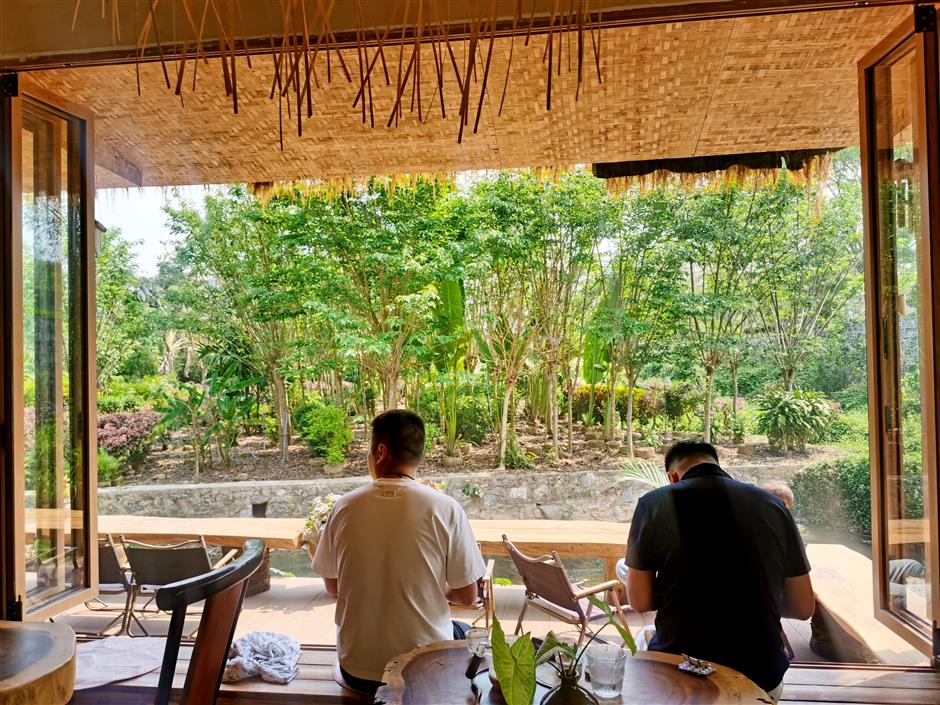
Liu Guangyun invested in a forest tea place on the historic tea mountain.
"The company has only been open for three months, but sales have already exceeded expectations," Liu said. "The high-quality ingredients of coffee and tea here are a major advantage."
Jungle Coffee, inspired by the rain jungle, incorporates Dai customs and ethnic culture.
"Both the flavor and packaging of our beverages incorporate the culture of Xishuangbanna," said café operator Dao Hen.
"The Xishuangbanna Tropical Botanical Garden, located near the cafe, attracts tourists and travelers, resulting in a steady customer base for coffee.
"We chose this location to introduce Xishuangbanna coffee to the world because of its rich biodiversity and tourism resources, which have significant growth potential."
On average, 300 customers visit the café daily to enjoy coffee and a relaxed atmosphere.
"We've seen an increase in the number of foreign customers, especially from France, the United States and the United Kingdom, as well as visiting botanical garden researchers who enjoy local-flavored coffee," Dao said.
Editor: Liu Qi