Cape Verde Makes Historic World Cup Debut, With Chinese-Built Stadium Part of Its Journey

When the FIFA World Cup kicked off for Cape Verde on June 16, the small Atlantic island nation made history. The country of just 546,000 people, spread across 10 volcanic islands off the west coast of Africa, has qualified for the World Cup finals for the first time.
In one of the biggest upsets of the opening round, underdog Cape Verde held former champion Spain to a goalless draw on its tournament debut. Spain dominated possession with 74 percent of the ball and launched repeated attacks, but 40-year-old Cape Verde goalkeeper Vózinha produced a series of outstanding saves to preserve a famous result for the Blue Sharks.
Behind the football fairy tale lies another story: decades of cooperation between China and Cape Verde that has helped shape infrastructure, trade and daily life in the island nation.
Cape Verde secured its historic World Cup berth in October 2025 with a 3-0 victory over Eswatini, finishing top of its qualifying group. The match was played at the National Stadium in Praia, a facility built with Chinese assistance.
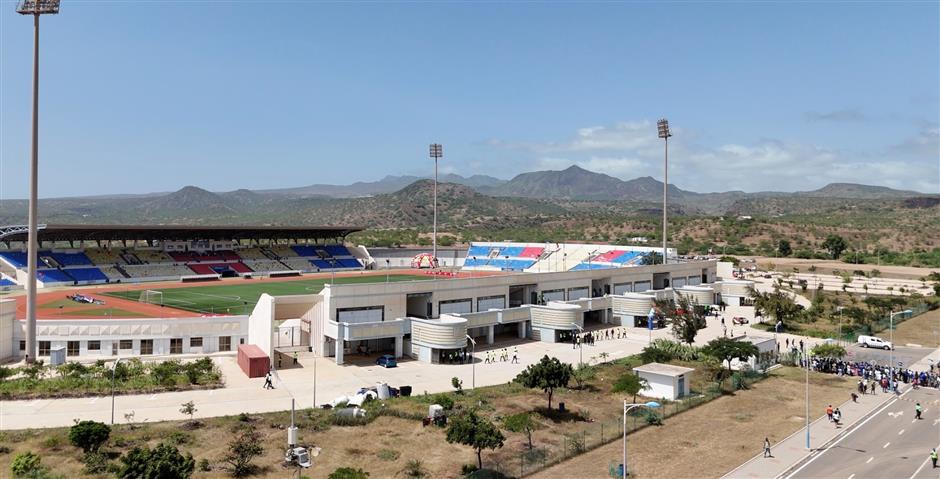
Completed and handed over in 2013, the stadium covers 94,000 square meters and seats 15,000 spectators. It was the first international-standard sports venue in Cape Verde after independence and remains the country's largest national sports facility. Former Prime Minister José Maria Neves once described the project as one of the most significant undertakings since independence and said China had helped Cape Verde realize a long-held dream.
Ma Hanzhi, an assistant research fellow at the Institute of Developing Countries, China Institute of International Studies, told the National Business Daily that Chinese technical support has continued since the stadium's completion. In 2025, a third phase of technical assistance began, with a team of Chinese experts scheduled to work at the facility for three years, Ma said.
The stadium has become much more than a football venue. It serves as the home ground of the national team and hosts sporting, cultural and political events. The facility also gave Cape Verde the capacity to stage major international matches, including key World Cup qualifiers that ultimately helped send the country to its first World Cup, said Zhao Jun, an associate professor of the Middle East Studies Institute of Shanghai International Studies University, according to the report.
Chinese-backed projects extend far beyond football. Over the years, China has helped build Cape Verde's National Assembly building, government offices, the Poilão Dam and other infrastructure projects that have become part of everyday life for local residents.
Researchers note that Chinese development projects in Africa often combine infrastructure construction with technical training and local capacity building, while emphasizing projects designed to improve living standards and support economic development.
China's presence is also visible in Cape Verde's commercial life.
Since the first Chinese migrants arrived in 1987, the community has grown to around 1,000 people. Chinese-owned businesses now operate across the archipelago, ranging from supermarkets and retail stores to restaurants and trading companies, the report said.
Travelers frequently remark on the visibility of Chinese entrepreneurs, even in remote towns on distant islands. Some Chinese residents have lived in Cape Verde for decades, serving industries such as fishing, shipping, retail and hospitality.
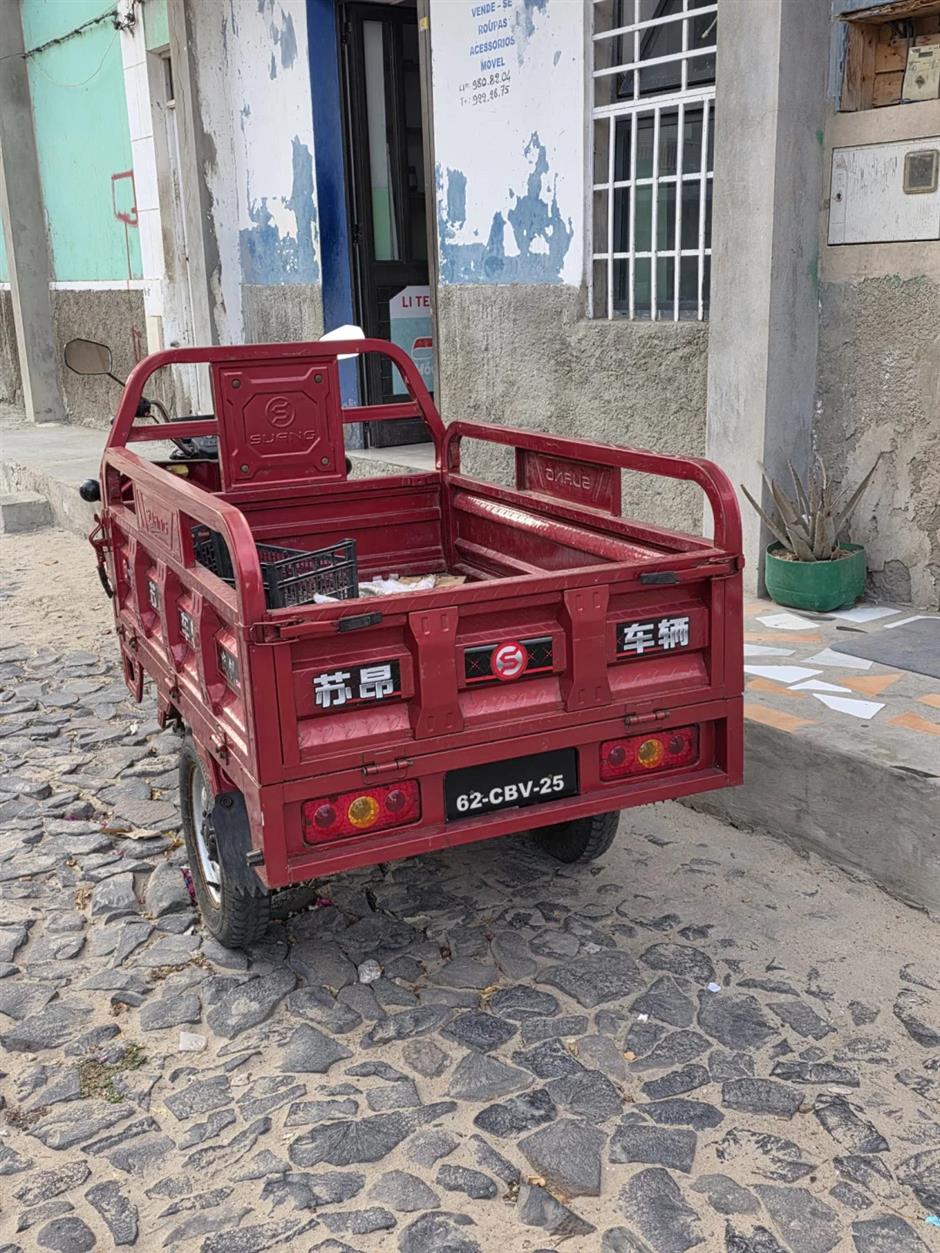
Chinese-made products are also ubiquitous. Visitors often report seeing Chinese-built three-wheeled vehicles throughout the country, sometimes accompanied by the familiar Mandarin reversing warning message: "Please pay attention, the vehicle is reversing."
Economic ties have steadily expanded as well. Trade between China and Cape Verde reached US$116 million in 2025, up 2.7 percent from a year earlier. Chinese exports to Cape Verde include machinery, tools, electronics, metal products, construction materials and agricultural goods.
As Cape Verde competes in its first World Cup, the nation will be celebrating not only a sporting milestone but also the 50th anniversary of diplomatic relations with China. For many in the country, the road to football's biggest stage has been shaped by partnerships that stretch far beyond the pitch.
Editor: Wang Qingchu
In Case You Missed It...
 Sep 22, 2026