Chinese Hotline Flooded With 48,000 Fan Complaints Over Boy-Band Concert
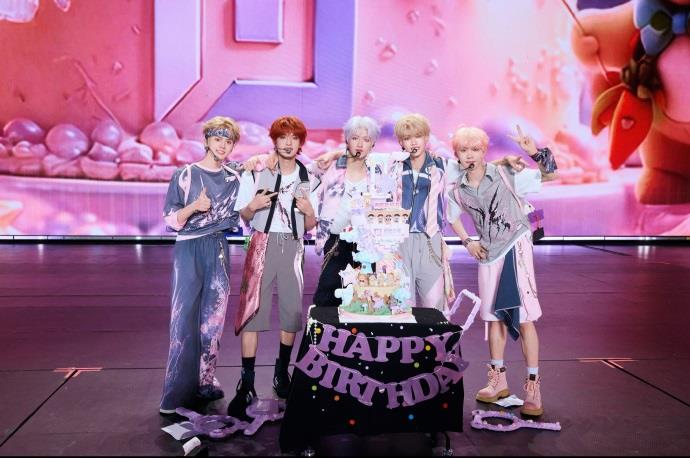
A government service hotline in eastern China received nearly 49,000 complaints and requests related to a boy-band concert in just 11 days, after rival fan groups used the public platform to argue over stage arrangements.
According to a report released yesterday by 12345 public service hotline in Xuzhou, Jiangsu Province, the city received 48,795 requests related to four concerts by the Chinese boy group T.O.P. The requests were submitted between August 21 and 31, with 42,430 coming through online channels and 6,365 by phone.
Most of the complainants were fans, while a smaller number were parents of fans, the hotline said. More than 80 percent of the requests focused on concert content, especially whether the show should include duet or group-stage segments.
Among all submissions, 47.54 percent asked organizers to revise or remove two-person or multi-person stage performances, while 33.81 percent demanded that those performances be kept intact, effectively becoming a clash between solo fans, who support individual members, and “CP fans,” who favor pairings or interactions between members.
The unusually high volume forced the city’s hotline system into emergency mode. According to the now-deleted report, Xuzhou 12345 set up an internal task force and operated around the clock from August 23 to 30. All operators were mobilized, with staff working continuously for eight days and nights.
The hotline also increased the number of night-shift operators from 15 to 43 to handle the surge in late-night requests. It said it had strengthened the full process of receiving, analyzing, assigning, supervising and resolving public complaints.
The article drew wide attention after publication, but was later deleted by Xuzhou 12345.
The incident triggered criticism over the use of public-service channels by celebrity fan communities. Some media commentators said fans had turned a civic hotline into a tool for online factional disputes, crowding out ordinary residents’ livelihood-related requests.
Critics said many of the complaints were repetitive, lacked factual basis and placed unnecessary pressure on government workers, increasing the cost of public administration.
The case has renewed calls to better define the boundaries of public hotline services and prevent organized fan disputes from overwhelming channels meant for citizens’ practical needs.
Editor: Wang Qingchu
In Case You Missed It...

 Jul 24, 2026