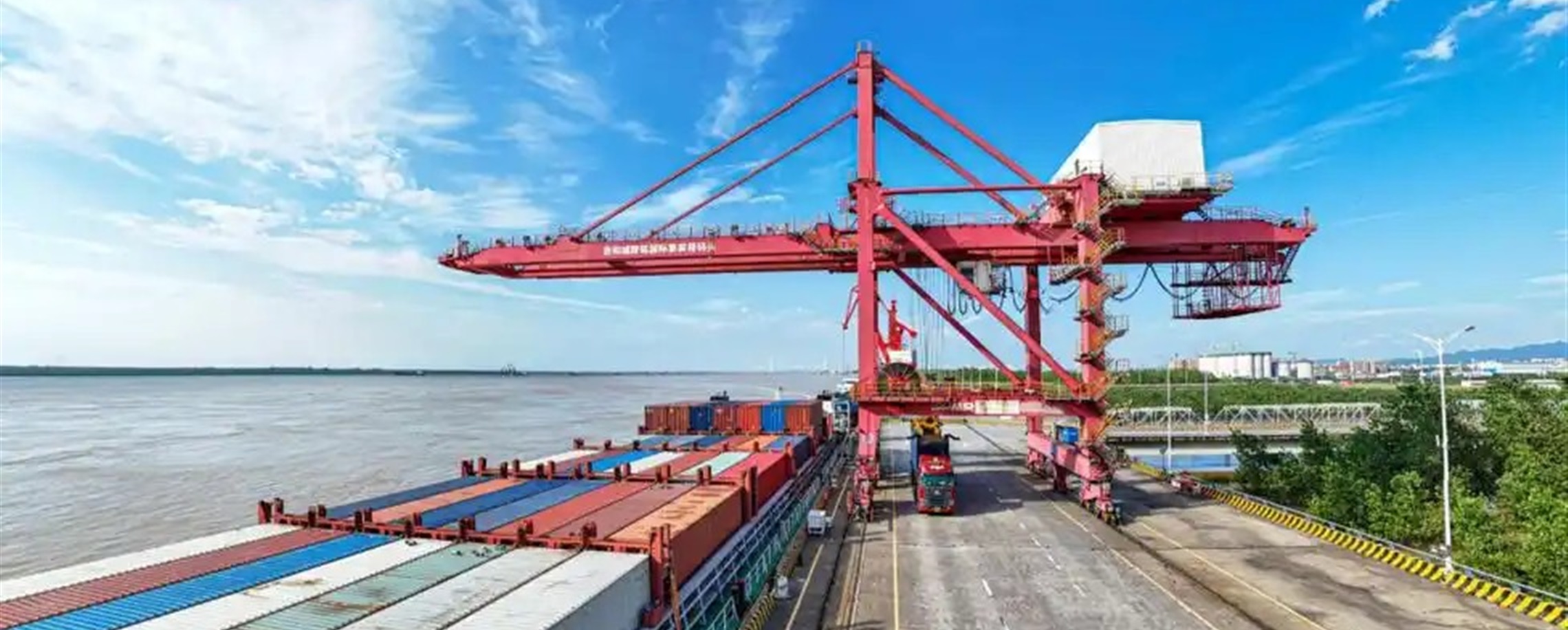
EV Drivers Face Long Waits at Highway Charging Stations during Holiday Rush
From the evening of September 30 to the early hours of October 1, highway service stations around Beijing, Hangzhou, Wuhan and Changsha experienced heavy congestion at electric vehicle (EV) charging points, with wait times stretching from one to four hours.
To manage the surge and maintain order, many charging station staff introduced a queue-ticket system.
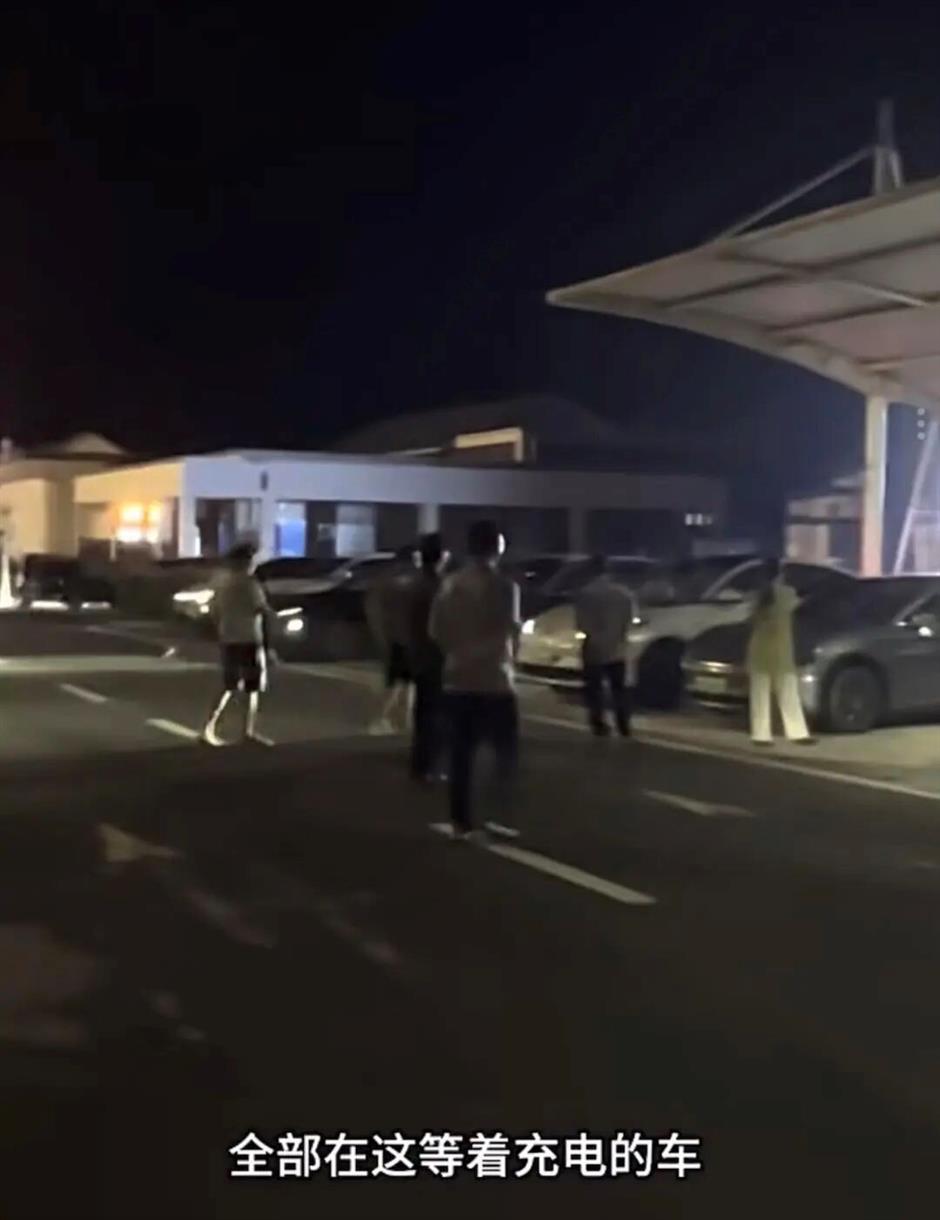
Ms. Chen, who drove from Guangzhou to her hometown in Hubei, said she waited three hours at a service station in Hunan where 49 drivers were already ahead of her. "There just aren't enough EV chargers during rush hours like this," she said. The station had only two charging points with four chargers in total. Each EV typically takes about 40 minutes to charge.
To maintain order, many service stations are limiting charging sessions to 30 minutes, allowing batteries to reach about 80 percent.
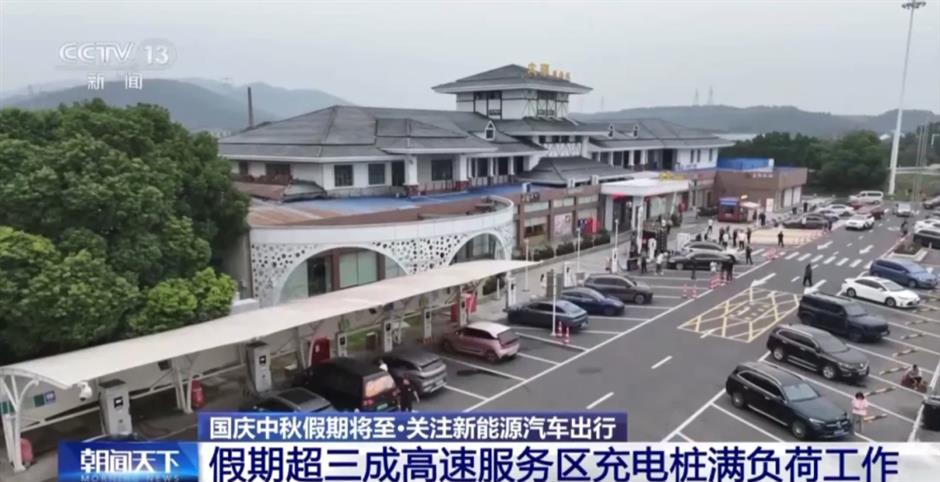
The State Grid Smart Vehicle Networking Platform estimates that more than a third of highway charging facilities will run at full capacity during the weeklong holiday, with peak demand on September 30–October 1 and again on October 6–7.
China has expanded its EV infrastructure rapidly. In 2024, 853,000 charging stations were added, bringing the total to 3.57 million, covering over 97 percent of the country's 6,000-plus highways. Still, reports during the 2025 Spring Festival showed hours-long queues at major city exits, underscoring persistent bottlenecks.
National Energy Administration data shows that during last year's National Day holiday, EV charging on highways reached 72.15 million kWh, up 80 percent from 2023. This year, the Ministry of Transport expects daily traffic to exceed 62 million vehicles, including 12.5 million EVs – nearly 20 percent of the total, a 30 percent year-on-year increase.
To ease pressure, authorities in Nanjing plan to add 12 high-power chargers at a busy service station on the Shanghai–Chengdu Expressway. Ningbo's Cicheng Service Station on the G15 Expressway will install new superchargers, while mobile charging trucks and energy storage units are being deployed in some regions.
Experts say flexible measures can help in the short term, but the long-term solution lies in accelerating the expansion of highway charging infrastructure.
Editor: Jiang Xinhua
In Case You Missed It...

 Oct 24, 2026

![[Weather] Typhoon Champi Closes Shanghai Attractions, Disrupts Weekend Events](https://obj.shine.cn/files/2026/10/23/f76ff132-9477-4587-8eed-3b9812ed7f4f_0.jpg)