How Formula 1 Went From Old Man's Sport to World's Hottest Show
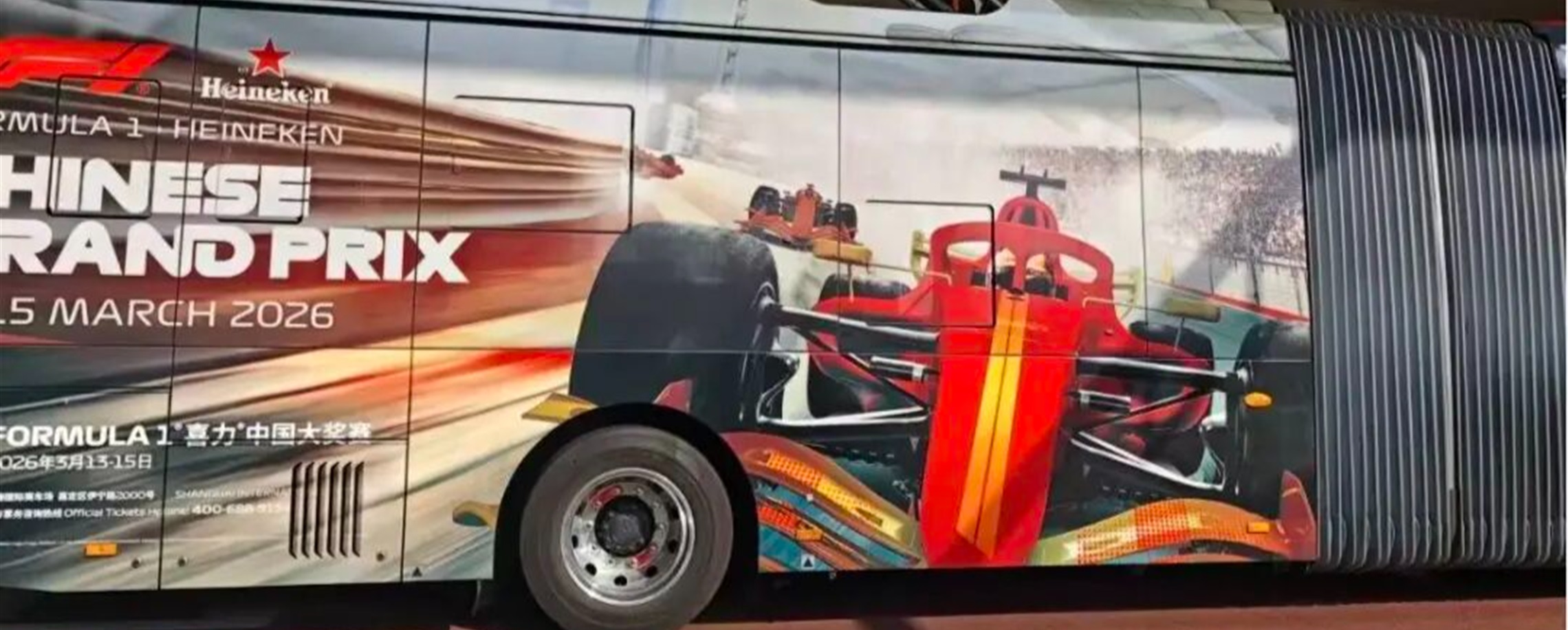
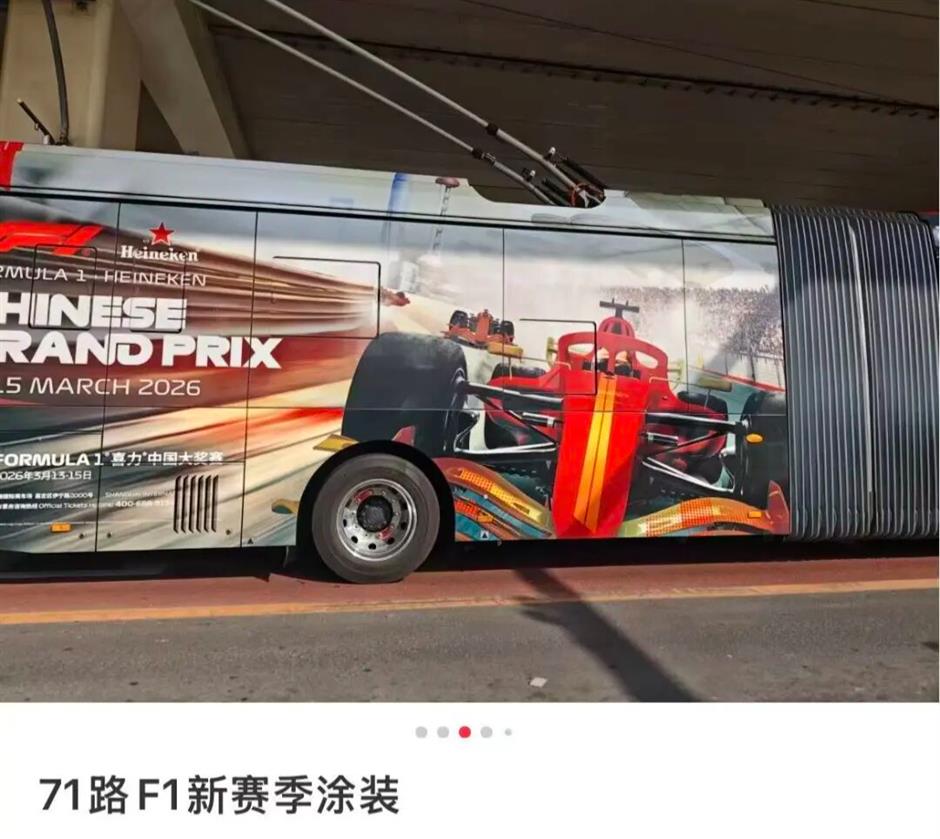
Walk through Shanghai last weekend and you cannot escape Formula 1.
Verstappen stares down from the Nanjing Road subway station. Leclerc's face fills the big screen at Plaza 66. Line 11 to the Shanghai International Circuit has been rebranded as the F1 "itasha." Even the Taobao food delivery uniforms — long mocked as bootleg McLaren livery — got an official F1 makeover just in time for race week.
According to a Phoenix Weekly, the 2026 Chinese Grand Prix drew more than 230,000 spectators over three days, a record for a race that has been on the calendar for two decades. Tickets sold out months in advance; scalpers were charging three to four times face value, which fans considered almost reasonable.
Ten years ago, Formula 1 was on the verge of collapse.
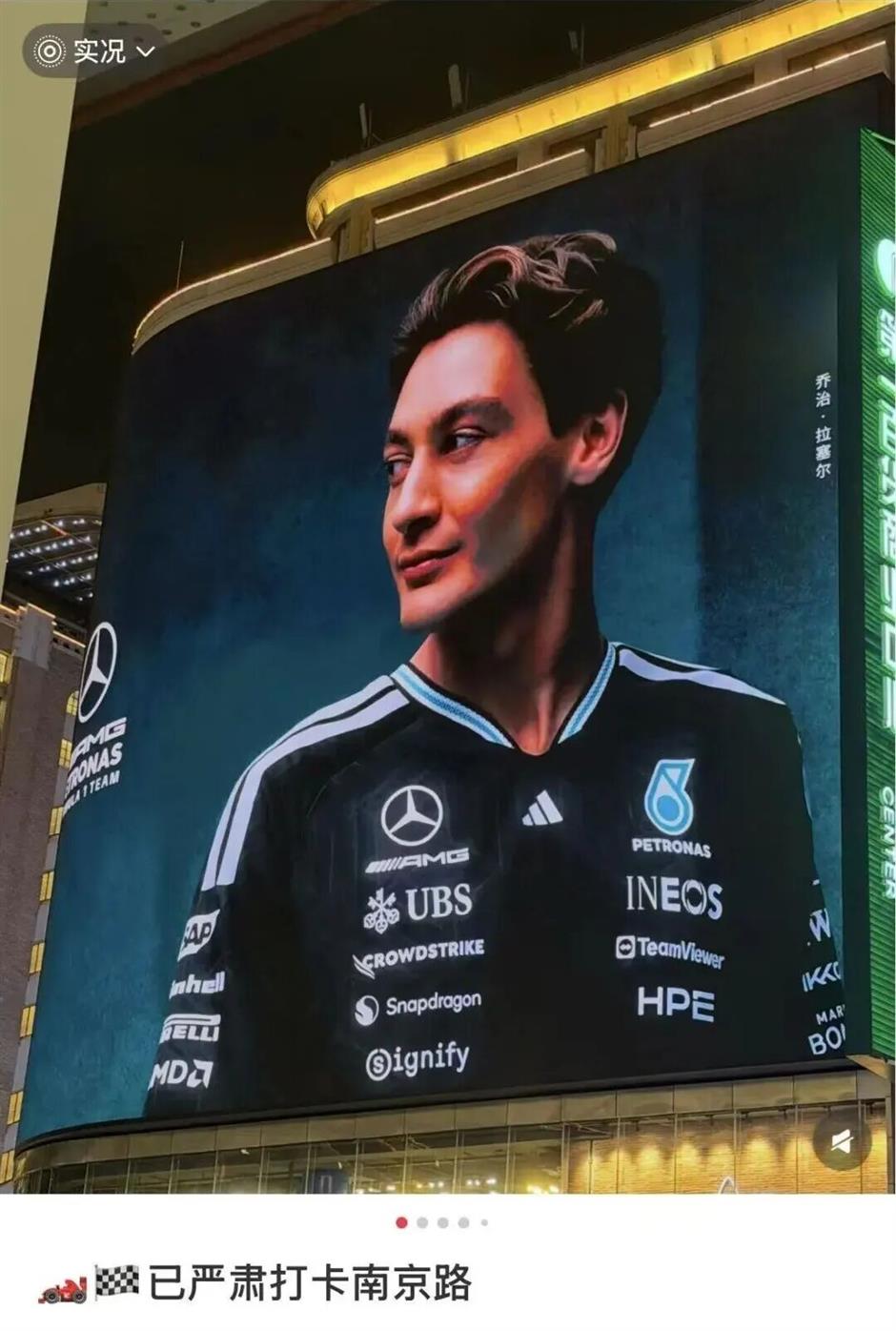
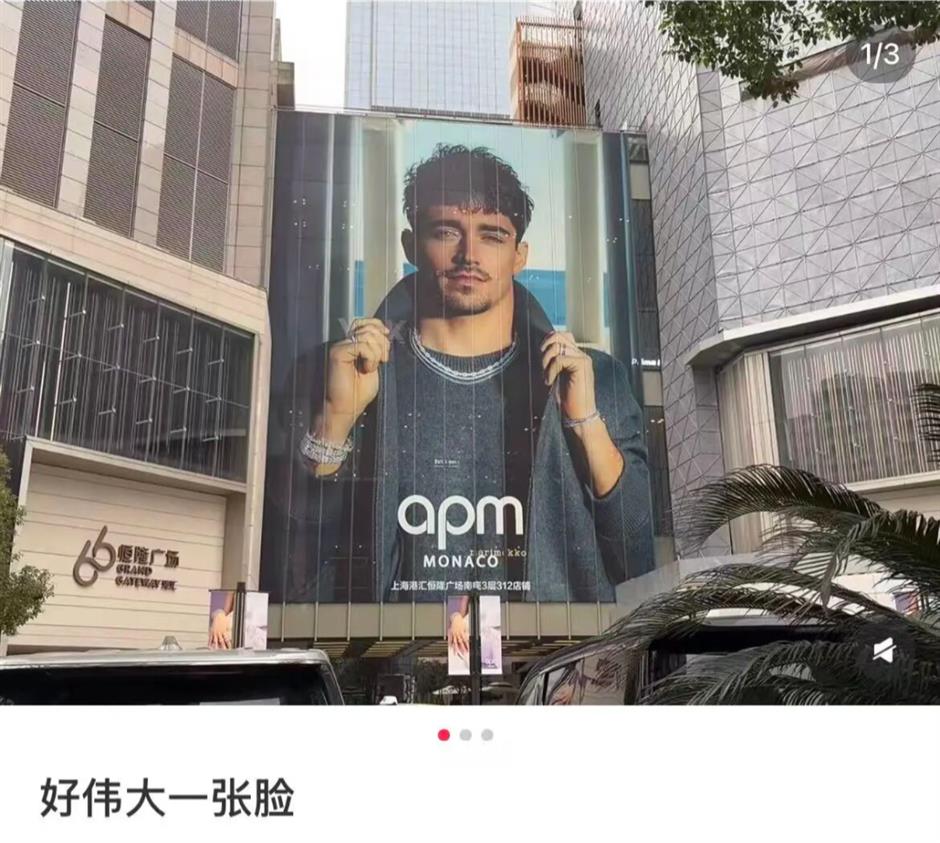
The old man's sport, nearly finished
A 2015 survey found that F1's average viewer was over 40 years old – among the oldest demographics of any major sport in the world. The audience was shrinking fast. Between 2008 and 2016, F1 lost 130 million viewers, falling below 400 million globally. Manufacturers were leaving: Honda, BMW, Toyota all walked away.
The man most responsible for this was also the sport's longest-serving ruler. Bernie Ecclestone had run Formula 1 for four decades and saw no reason to change course. His philosophy was explicit: "Why do we want to get to the young public?" he once said. "They don't buy Rolexes." F1's sponsors – Rolex, UBS – matched the brand. Exclusive, expensive, deliberately inaccessible.
Social media was, in Ecclestone's view, a nuisance. F1 had no meaningful YouTube presence. Its Twitter account was moribund. Short video was entirely unmanaged – except when it came to enforcement. F1 dispatched legal teams to strike down any fan-posted clip longer than ten seconds. GIFs of race footage were taken down. Even F1's own official YouTube channel received copyright warnings. In the decade when social media was reshaping every other sport, Formula 1 was functionally invisible online.
In 2016, Lewis Hamilton – already a three-time world champion – began posting behind-the-scenes videos from the paddock on his personal accounts. Hamilton's social following dwarfed the sport's official channels. For F1, it was free promotion from its biggest star.
Ecclestone sent a cease-and-desist to the Mercedes team.
The American takeover
In 2017, Liberty Media acquired Formula 1 for US$8 billion – a price that included US$4 billion in debt. The logic was simple: F1 was one of the most valuable sports properties in the world being run worse than almost any other. The upside was the gap between what it was and what it could be.
The new operating principle was direct: turn a racing series into a show.
The key insight was that most people cannot evaluate aerodynamic packages or tire degradation curves. But everyone understands who loves whom, who betrayed whom, who was rivals and became allies, and who sacrificed everything for a championship that slipped away. American sports had been monetizing these narratives for decades. F1 had been suppressing them.
The result was Drive to Survive, the Netflix documentary series that embedded camera crews with every team across a full season. What had been visible only on race day – the speed, the crashes, the podiums – became a layered drama with characters, story arcs, and genuine stakes built over multiple seasons.
On social media, the reversal was equally sharp. Where Ecclestone had threatened legal action against his own fans, Liberty encouraged drivers to build personal followings. Fan-made memes, clip edits, and paddock gossip were not just tolerated but actively promoted.
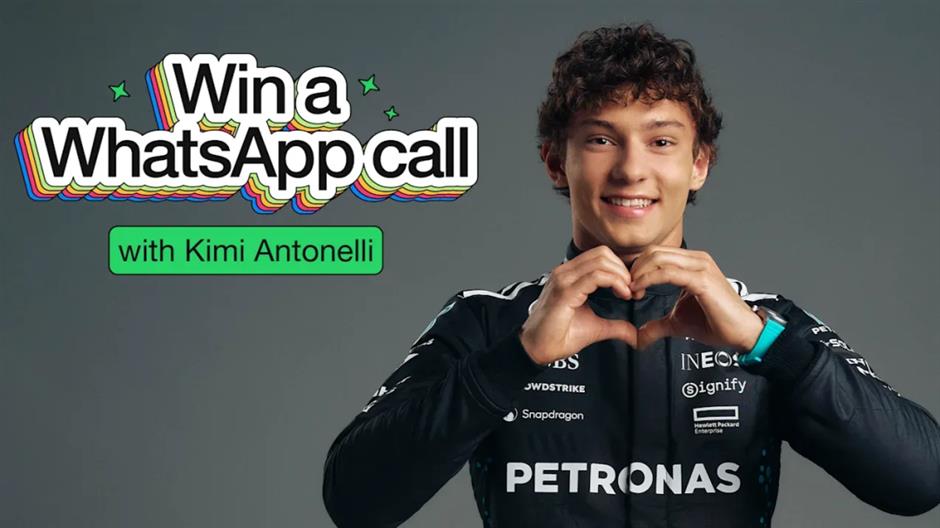
Last year, Mercedes and WhatsApp ran a campaign where fans who signed up had a chance to win a phone call with rookie driver Kimi Antonelli. As one Chinese commentator noted, that is not far from selling handshake tickets – a reference to the K-pop idol industry's model of monetizing fan proximity.
The comparison is not incidental. Observers in the United States have noted for several years that F1 and K-pop are converging. Drivers now have full idol infrastructure: public personas, fan-constructed relationship narratives, online followings, and official fan clubs. The paddock – once closed to all but credentialed media – now produces driver vlogs, post-session walkabout interviews, and team radio compilations engineered for virality. The only thing F1 drivers lack, compared to pop idols, is a debut single.
The fastest-growing segment of F1's global audience is now women aged 16 to 24. In the stands in Shanghai, female fans are nearly as numerous as male. Trading bracelets and collectible cards – borrowed wholesale from fan culture – have become standard race-weekend practice. The atmosphere is closer to a concert than a sporting event.
The numbers validate the transformation. Revenue has doubled, from US$1.8 billion at the time of the Liberty acquisition to US$3.8 billion. The global audience has grown from under 400 million to more than 800 million. The sport's valuation has risen from US$8 billion to over US$20 billion. The last time F1 was this popular in China, Michael Schumacher was still driving.
Not everyone is celebrating. Long-time fans argue that the sport has traded its identity for an audience. The criticism centers on Drive to Survive specifically: several drivers have accused the production of fabricating conflicts that did not exist. Max Verstappen – the reigning world champion – publicly refused to participate in filming, stating that the show had invented drama for its own purposes.
The racing calendar is another pressure point. More races mean more revenue, but drivers and teams are circling the globe with increasing frequency and diminishing recovery time.
F1 has not answered these criticisms, and shows no sign of doing so. The machine is printing money. At US$20 billion in valuation and growing, the complaints of purists are, for now, an acceptable cost.
Editor: Wang Qingchu
In Case You Missed It...
![[First in Shanghai] Pilgrimages for MAPPA, Swiss Bottles & More Concept Stores](https://obj.shine.cn/files/2026/03/17/f4ebc83f-2ad3-4ab9-a147-109b83454b01_0.png)
 Mar 17, 2026
![[First in Shanghai] Pilgrimages for MAPPA, Swiss Bottles & More Concept Stores](https://obj.shine.cn/files/2026/03/17/8ba6838e-90a1-4678-bee5-961defe77624_0.jpg)
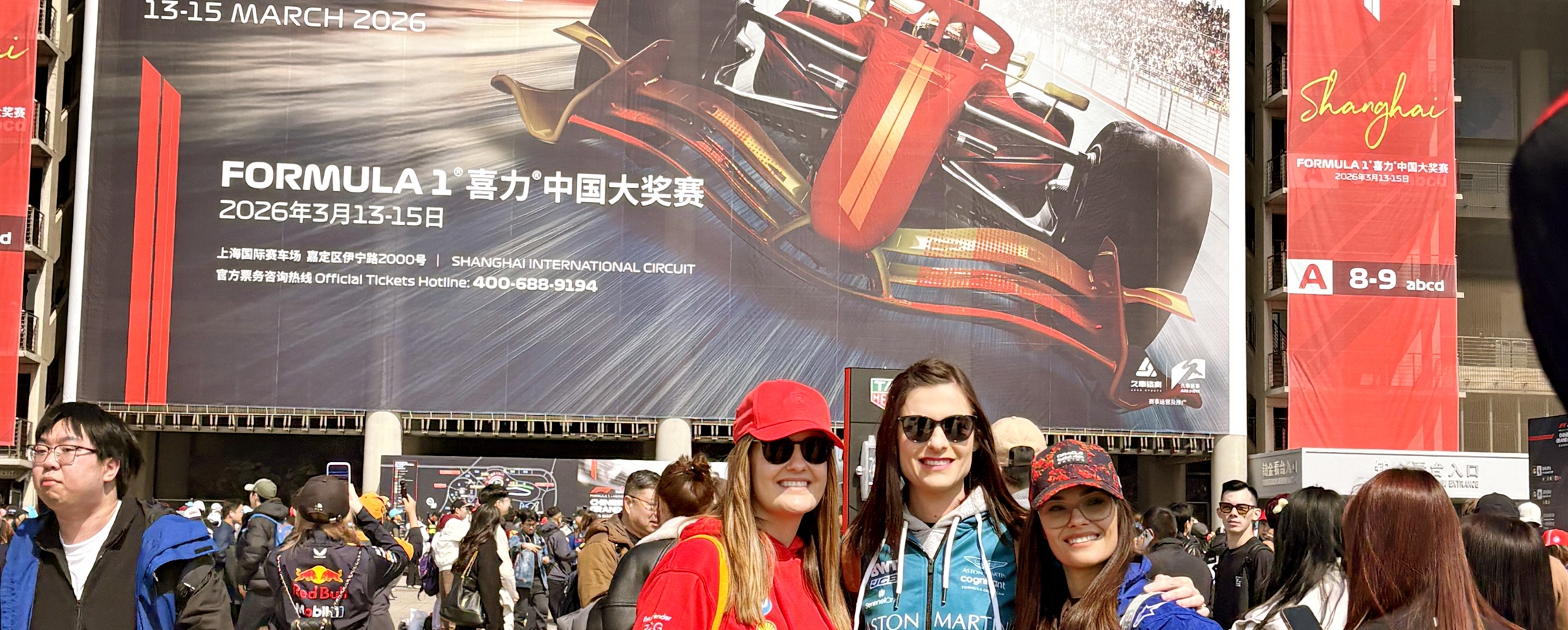
![[Hai Guide] 2026 F1 Chinese Grand Prix Spectator Guide](https://obj.shine.cn/files/2026/03/11/9d839dbb-4b36-4303-b8c7-5998e96b68d5_0.jpg)