Report highlights changing preferences of young foreign tourists
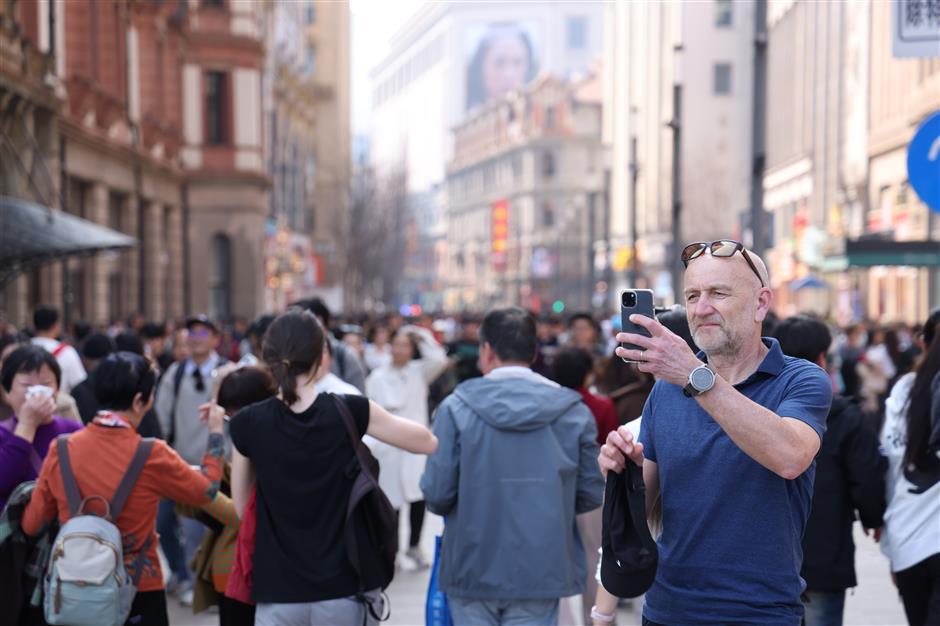
Shanghai is no longer a brief stopover for visitors. Young foreigners are increasingly visiting and staying in the city to experience it like the locals.
The Shanghai Youth Research Center and its affiliated Data Innovation Lab have released a report titled "2025 Foreign Youth Tourism and Cultural Consumption Report."
The analysis, based on long-term surveys, big data from travel platforms such as Trip.com, social media activity, and reviews on major international booking sites, presents a detailed overview of how young foreigners shape – and are shaped by – their experiences in Shanghai.
The findings emerged as the global "China Travel" movement gained traction on social media in 2024. Shanghai, China's most active port of entry and a top beneficiary of simplified visa restrictions, is now not just a preferred gateway city for international tourists but also an increasingly popular "starting area" for first-time visitors.
In the first five months of 2025, the city attracted nearly 2.54 million foreign tourists, representing a 55.1 percent year-on-year growth. Notably, more than 40 percent of these visitors were born during the 1990s and 2000s, indicating a strong Gen Z and Millennial presence.

Fast Flights, Slow Travel
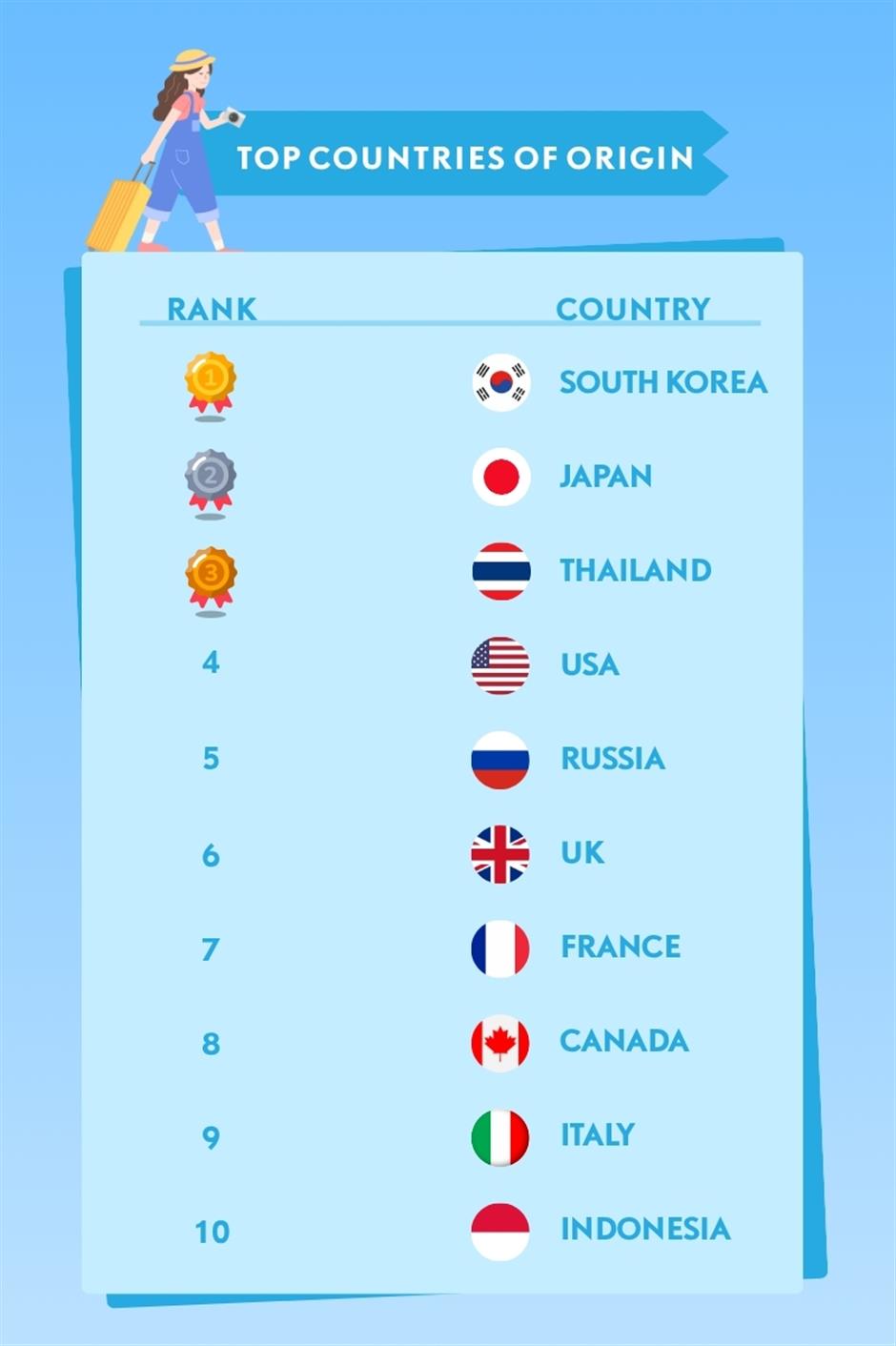
Young visitors from Asian countries, particularly South Korea, Japan and Thailand, are driving the trend. Thai youth arrivals increased by more than 240 percent in Q1 2025 alone.
About 25 percent of these travelers are returning visitors, indicating a growing attachment to the city. While long-haul visitors from Europe, North America, and Australia often plan their journeys 12-18 months in advance, those from Southeast Asia and Central Europe sometimes book within days due to visa-free arrangements and shorter travel times.
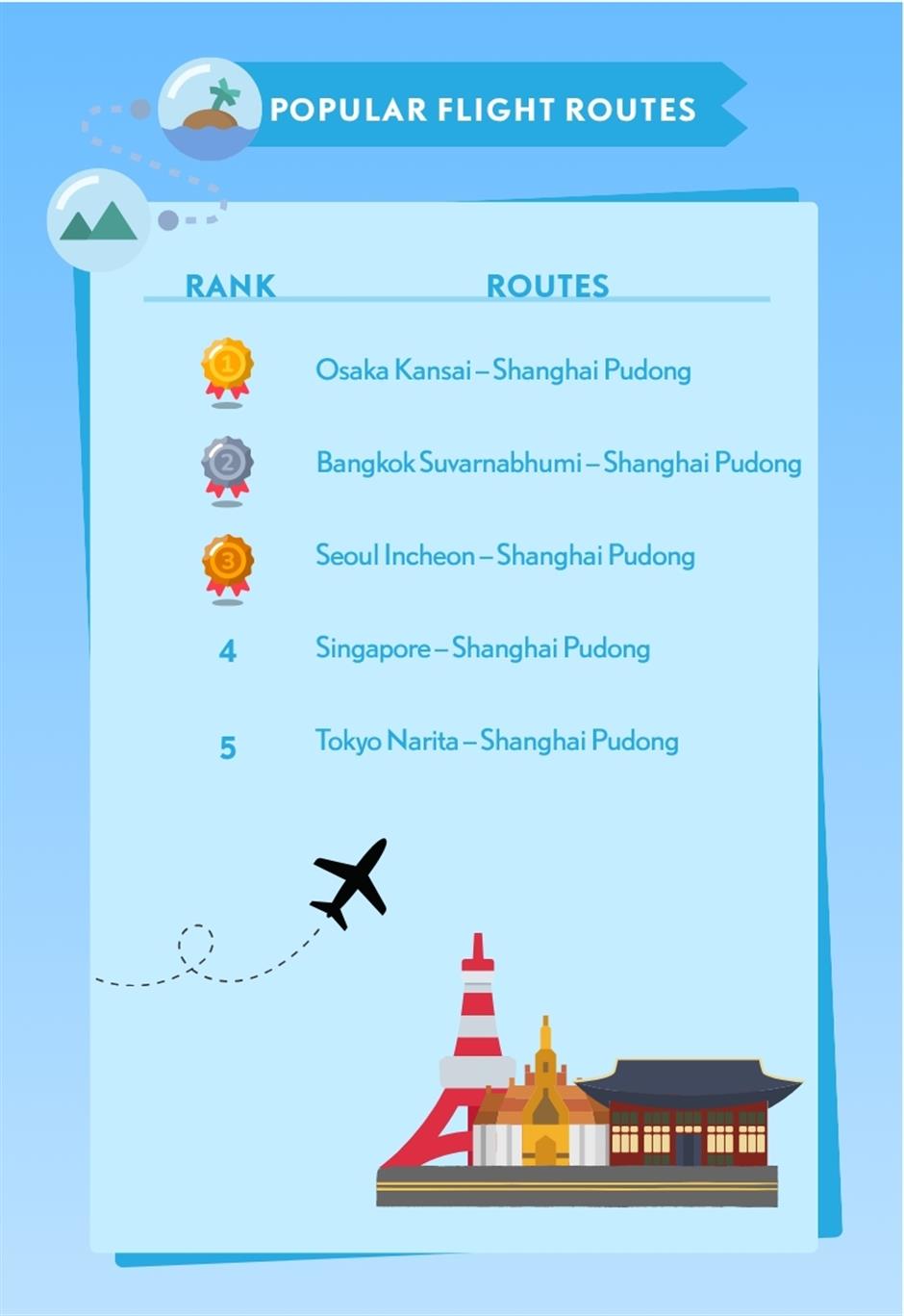
Shanghai's proximity to major Asian cities makes it an appealing, low-cost destination for short excursions. Top inbound routes include flights from Osaka, Tokyo, Seoul, Bangkok, and Singapore, with Bangkok currently overtaking even Seoul in terms of visitor numbers.
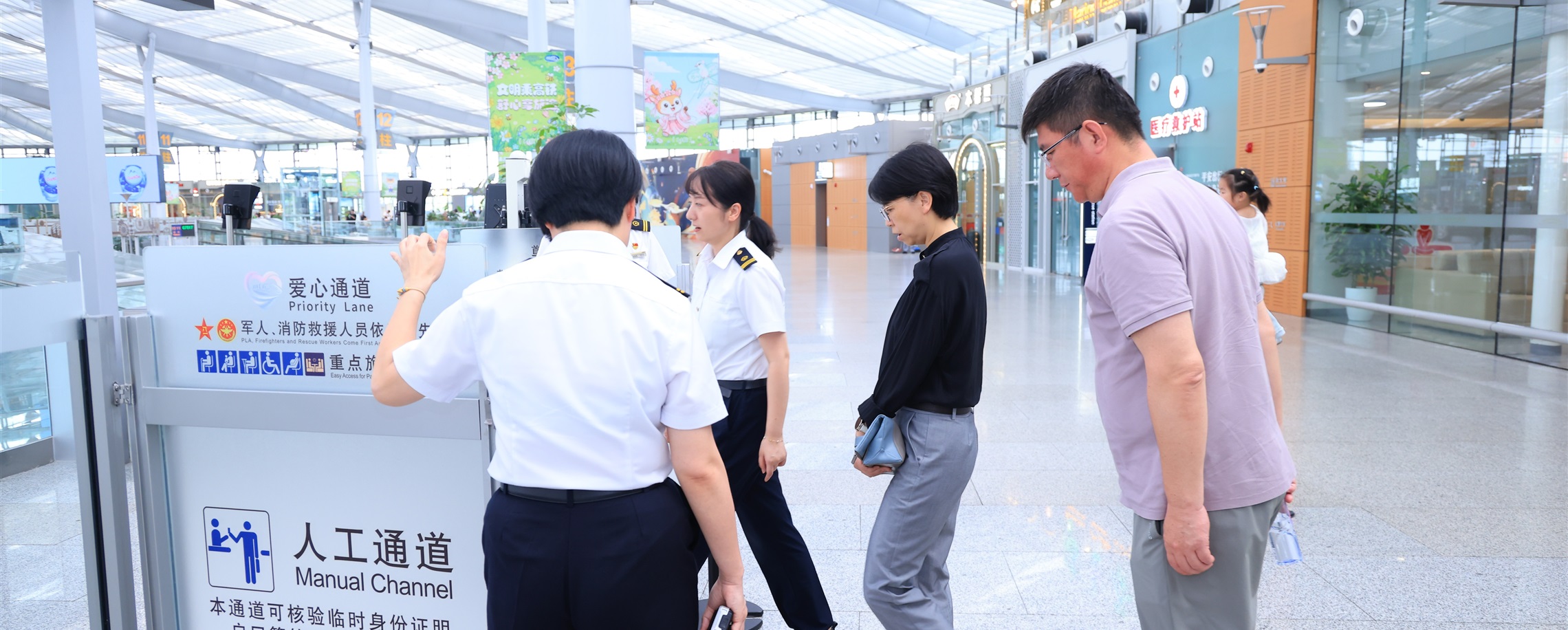
The city's smooth transportation, flexible visa stays, and accessible payment systems have made it easier than ever for youthful travelers to venture out with confidence.
Where They Stay, and Why
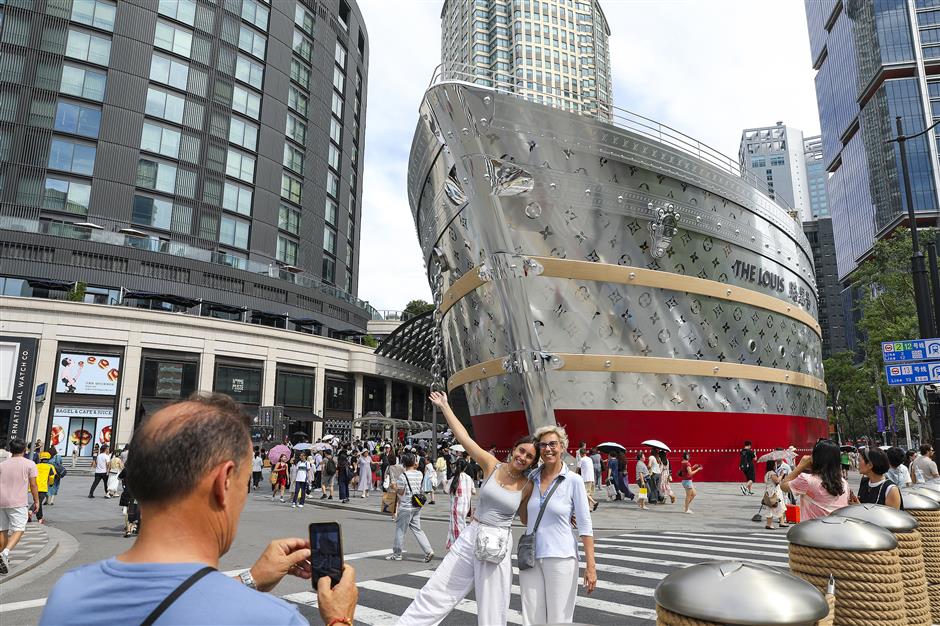
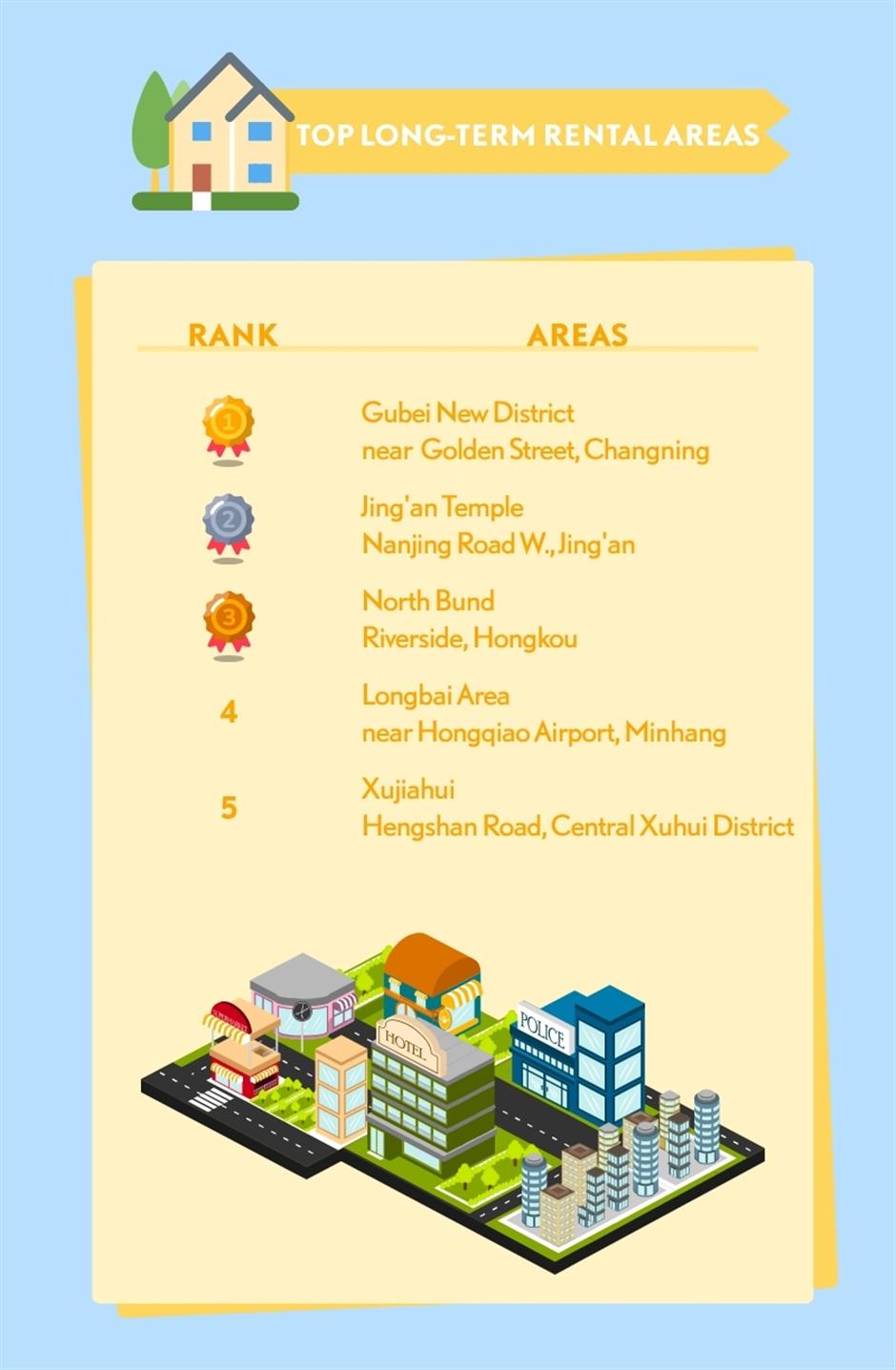
When it comes to longer stays, foreigners prioritize neighborhoods with international communities, modern amenities, and a youthful vibe. The top five areas for long-term rentals include:
Gubei New District: A hub of international consulates and schools, with a strong Japanese and Korean presence.

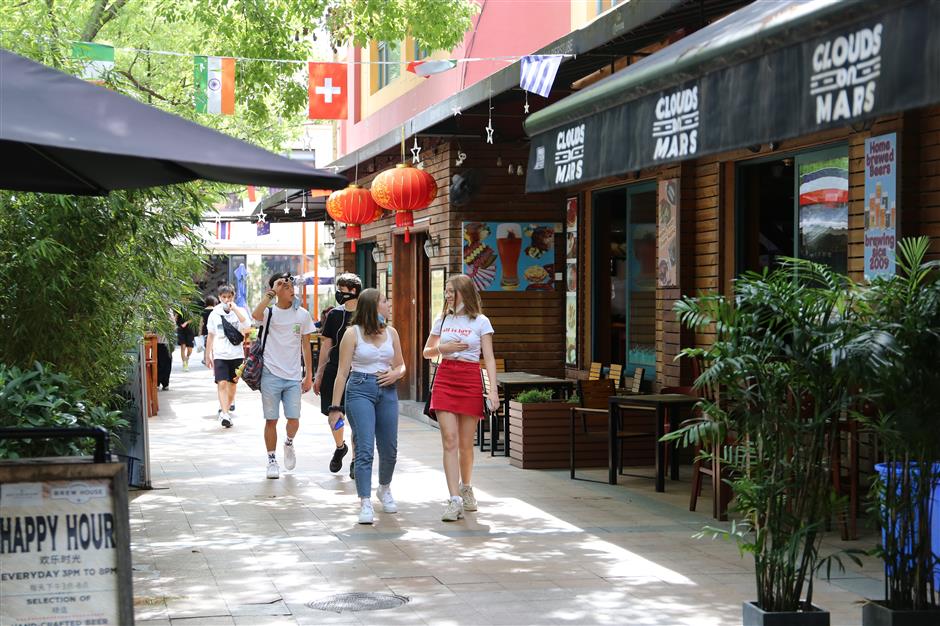
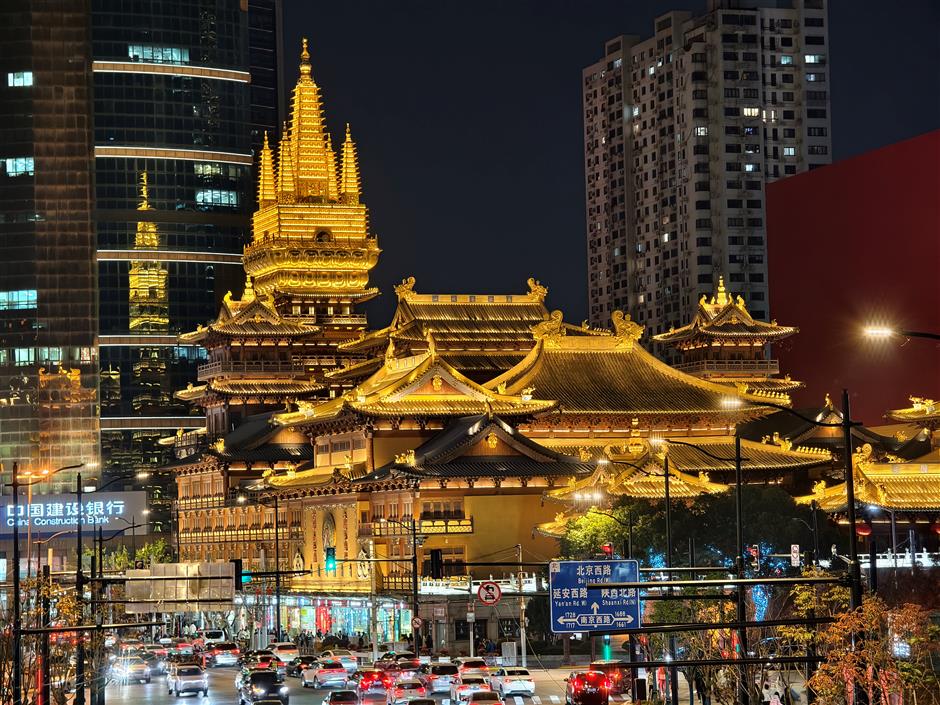
Jing'an Temple – Nanjing Rd W.: A blend of traditional Shanghainese culture and modern commerce, home to heritage sites and hip cafés.
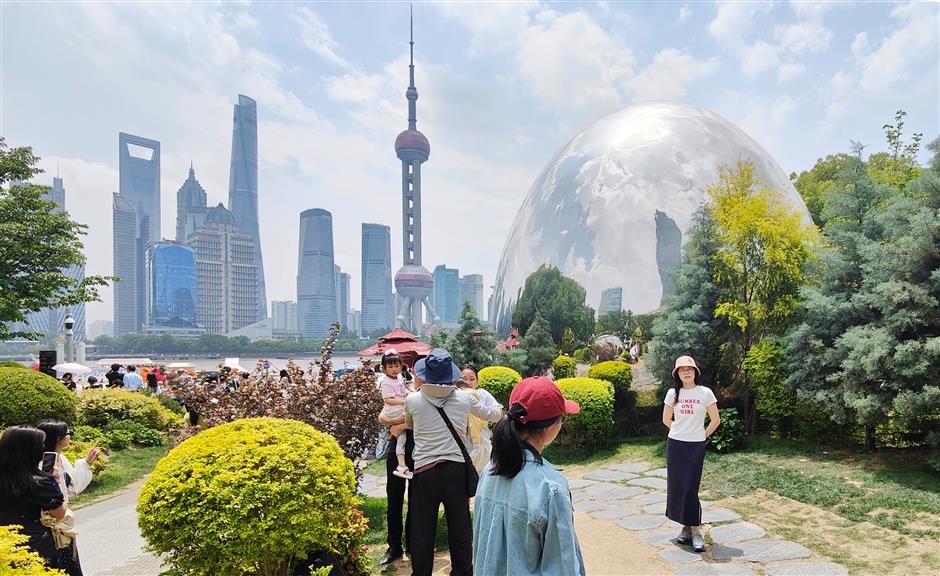
North Bund: A hotspot for young professionals in the fields of finance and the arts.
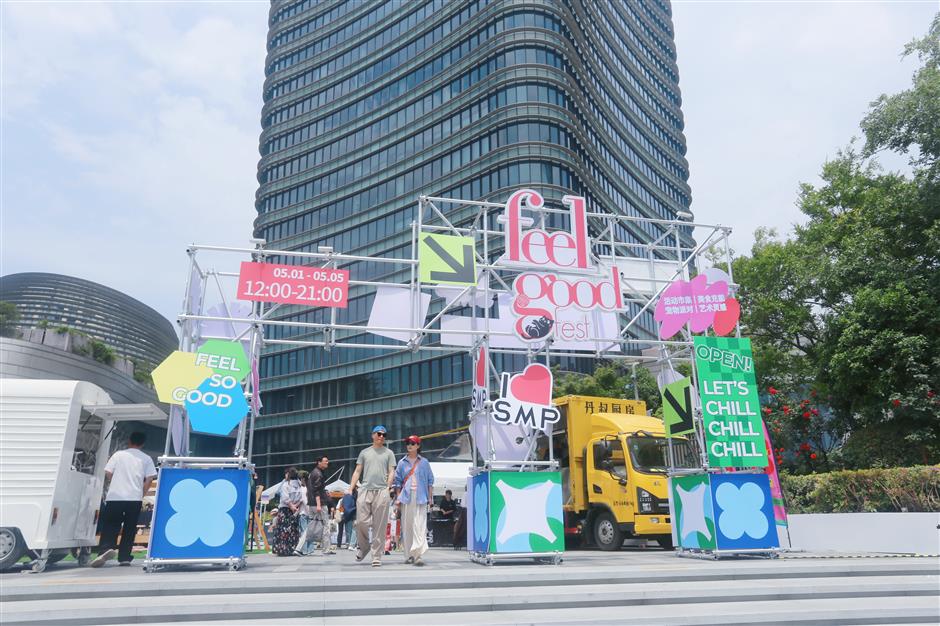
Longbai Area: Home to a well-established Korean expat community, with affordable housing and convenient access to the airport.
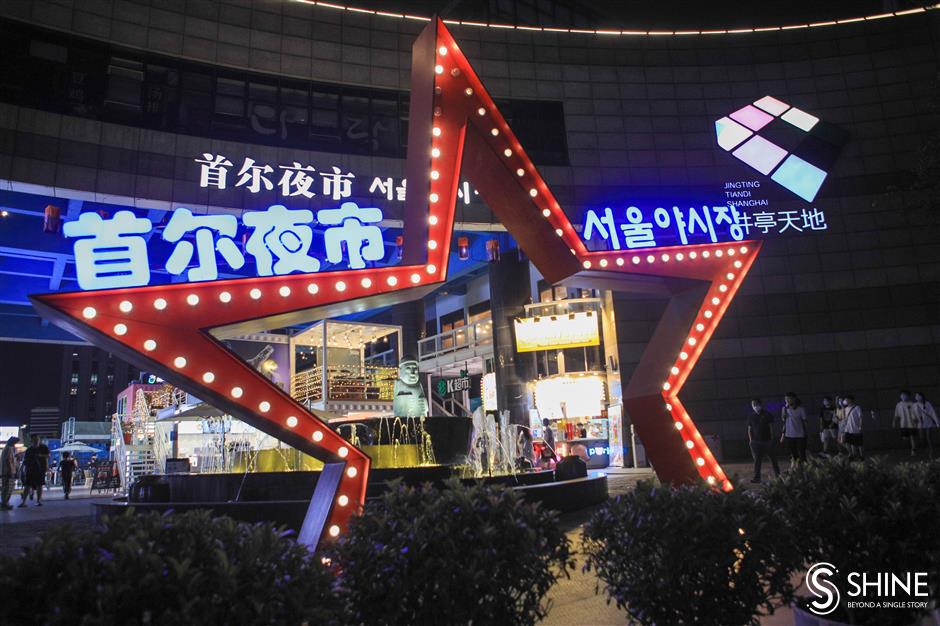
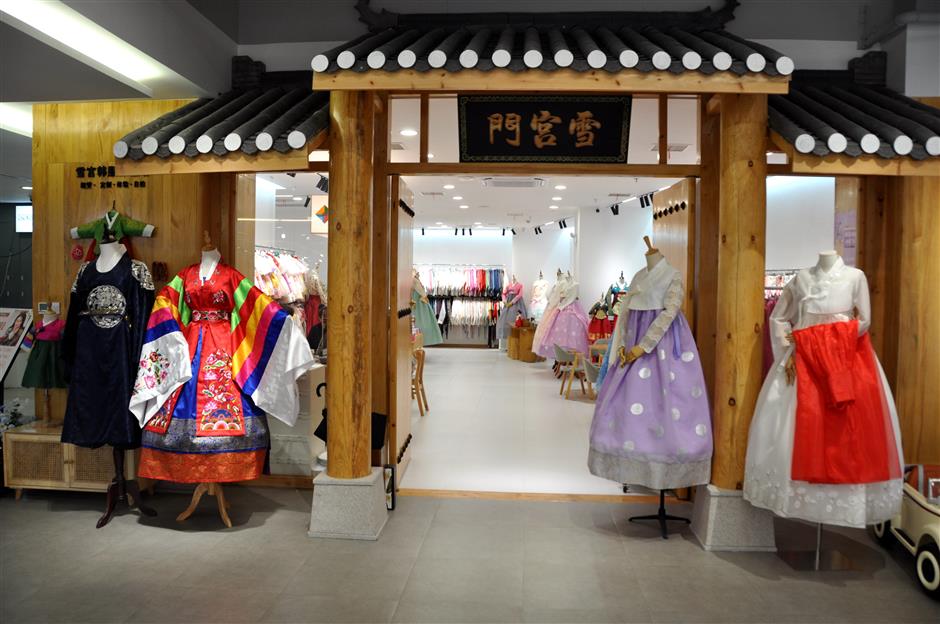
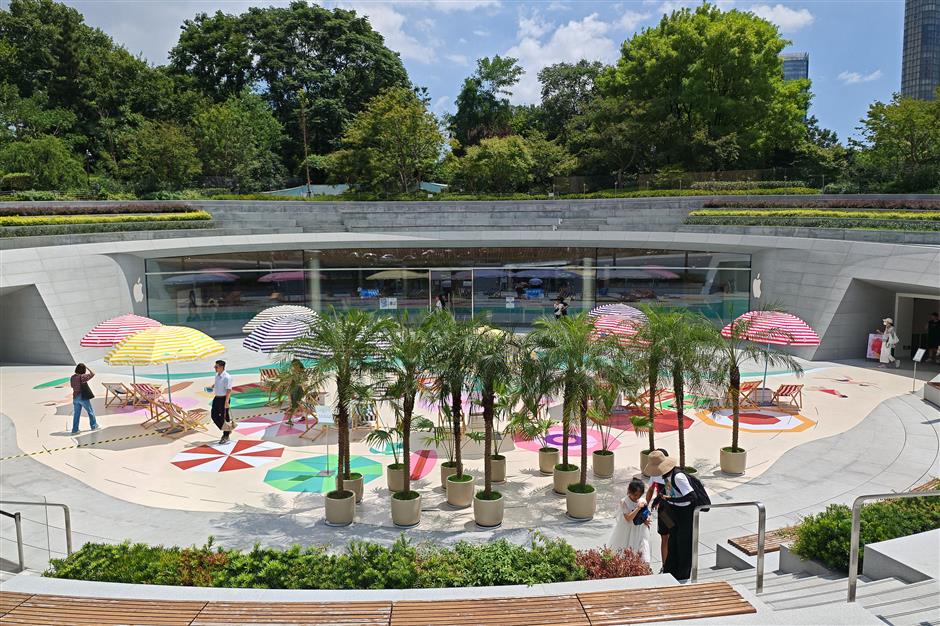
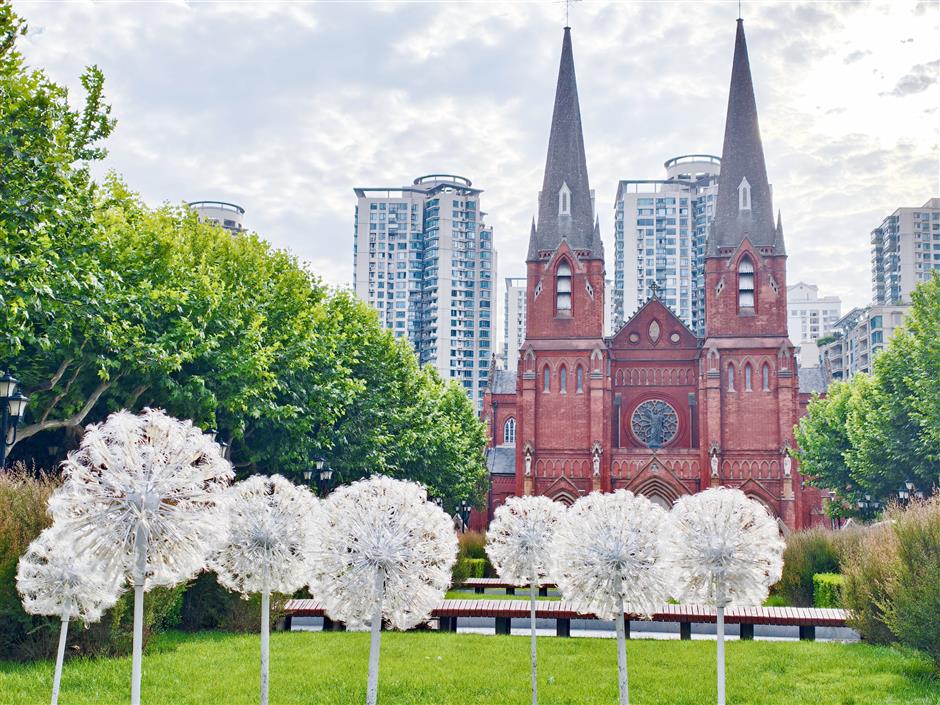
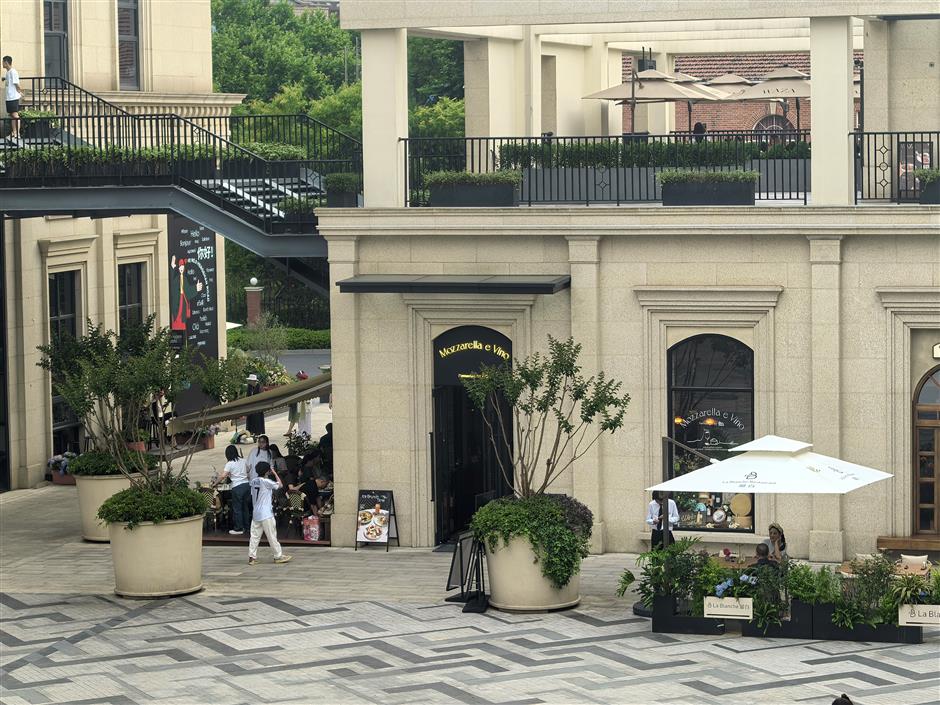
Xujiahui – Hengshan Road: Known for indie shops, trendy bars, and artsy hangouts – ideal for students and creative professionals.
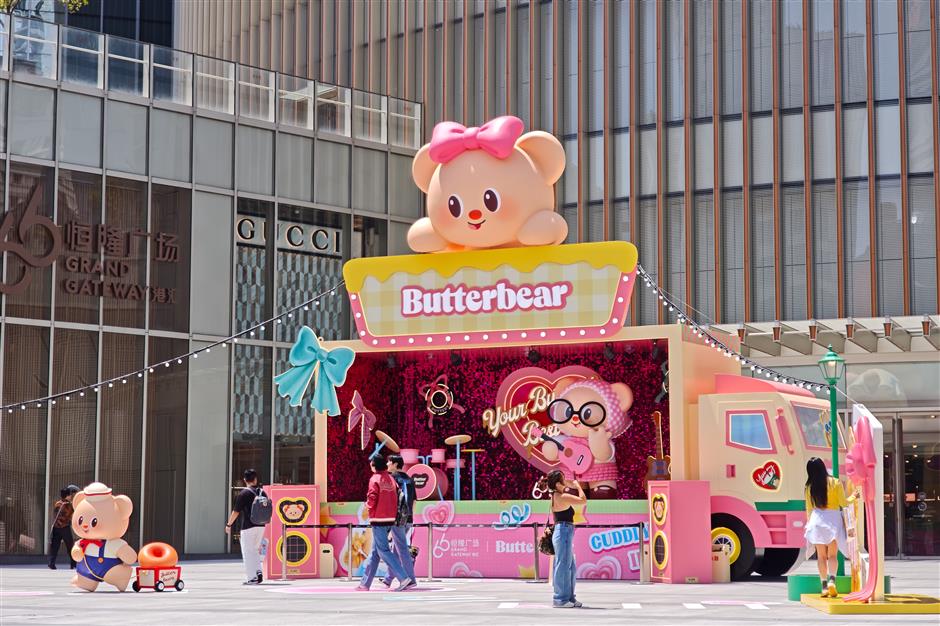
Short-term visitors prefer places close to transit hubs and cultural landmarks, aligning with the "weekend visa" trend, especially popular among Korean travelers.
From Landmarks to Local Life
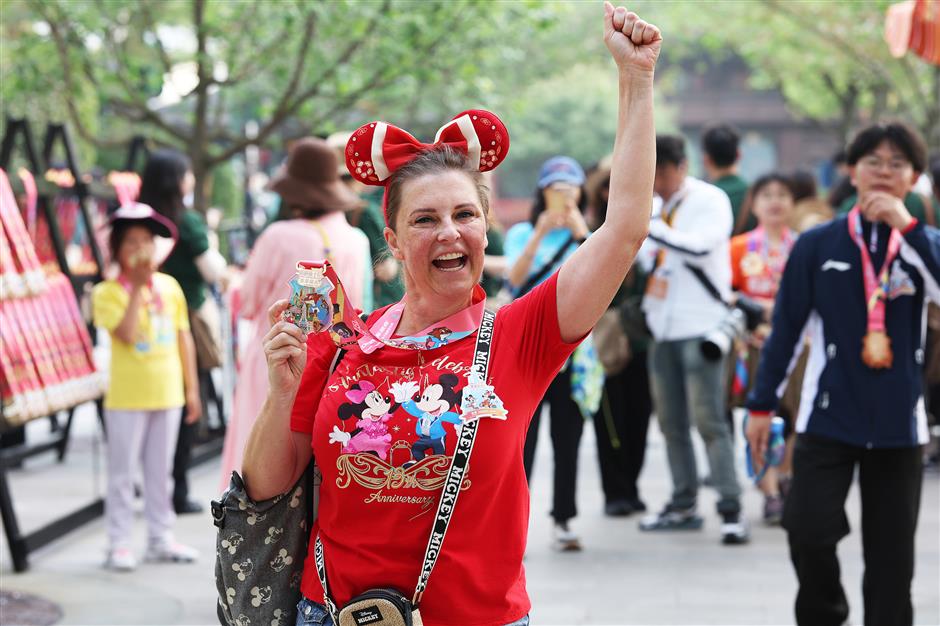
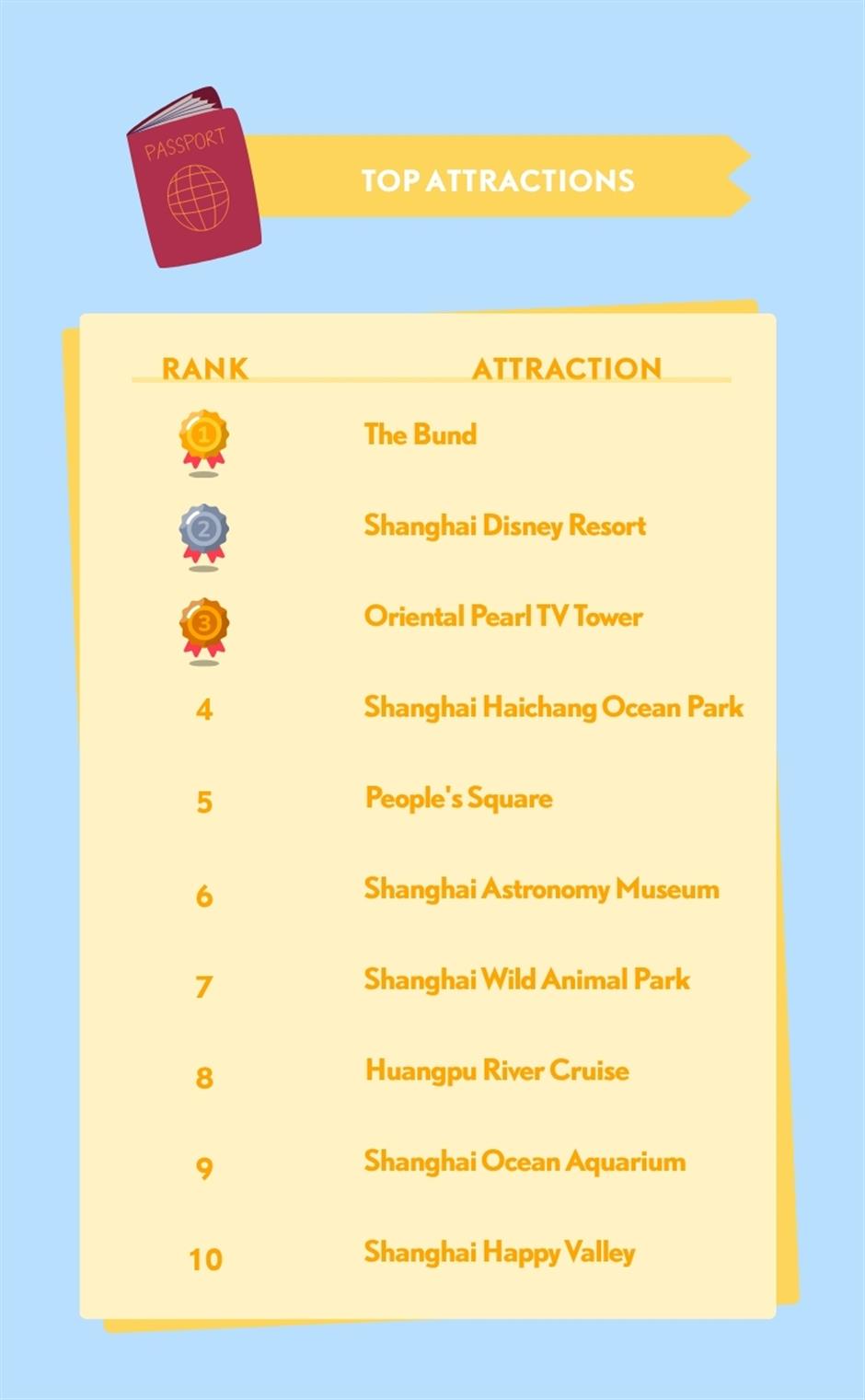
Landmarks like the Bund, Oriental Pearl Tower, and People's Square remain top spots for photo ops. Theme parks such as Shanghai Disney Resort and Haichang Ocean Park continue to draw crowds. However, a deeper pattern is emerging: young tourists are increasingly favoring destinations that offer immersive, local experiences.
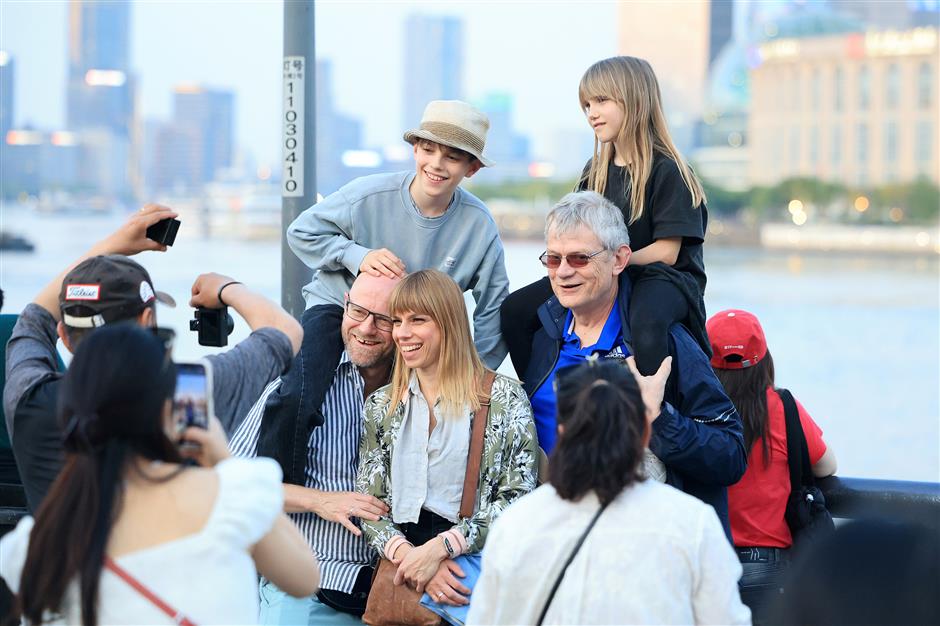
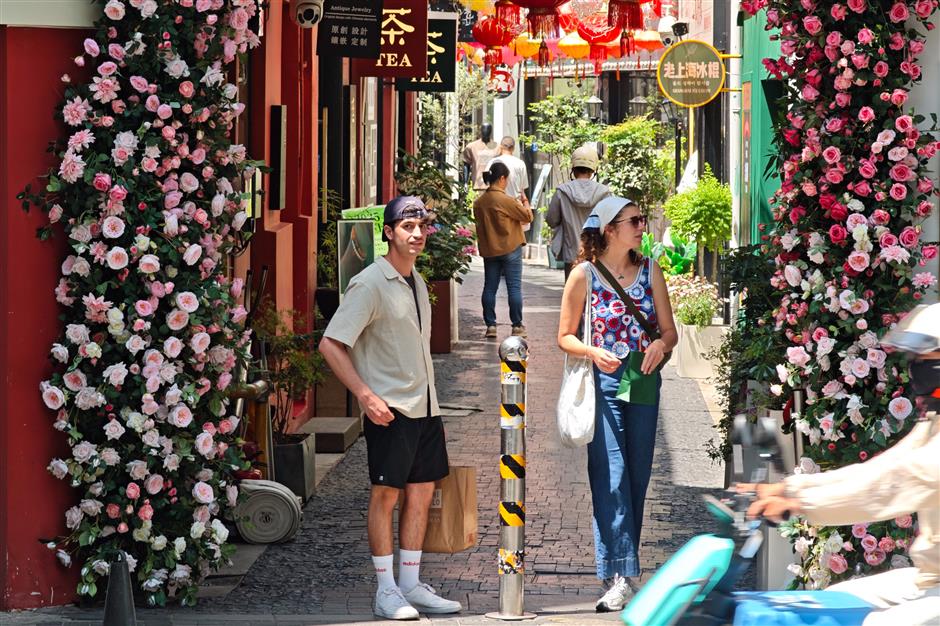
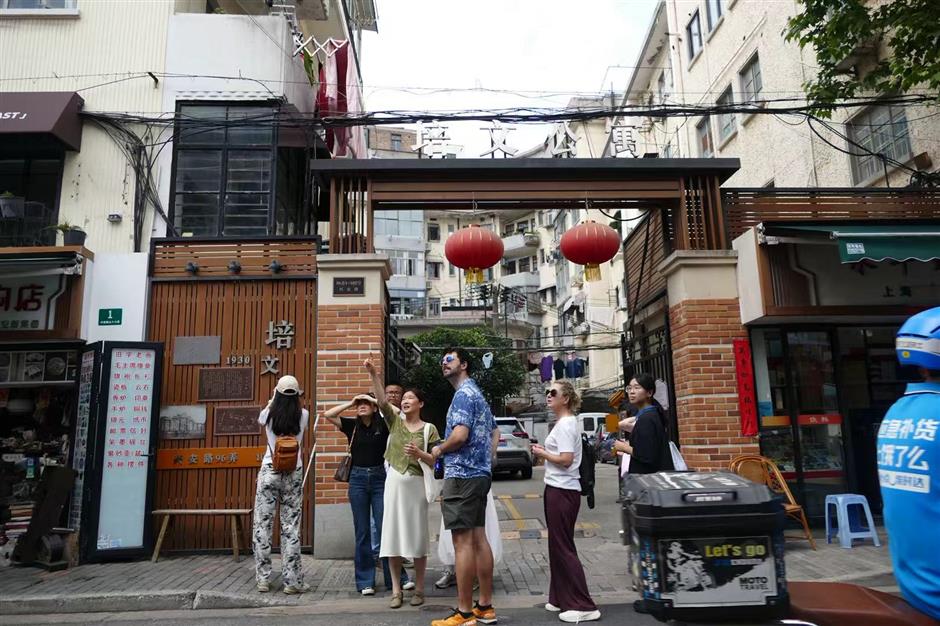
Neighborhoods known for everyday life that are filled with authentic food, creative spaces, and street culture are becoming the new favorites. This shift from surface sightseeing to deeper cultural exploration speaks of a growing desire to engage with Shanghai's unique rhythm.
Buying into the Culture
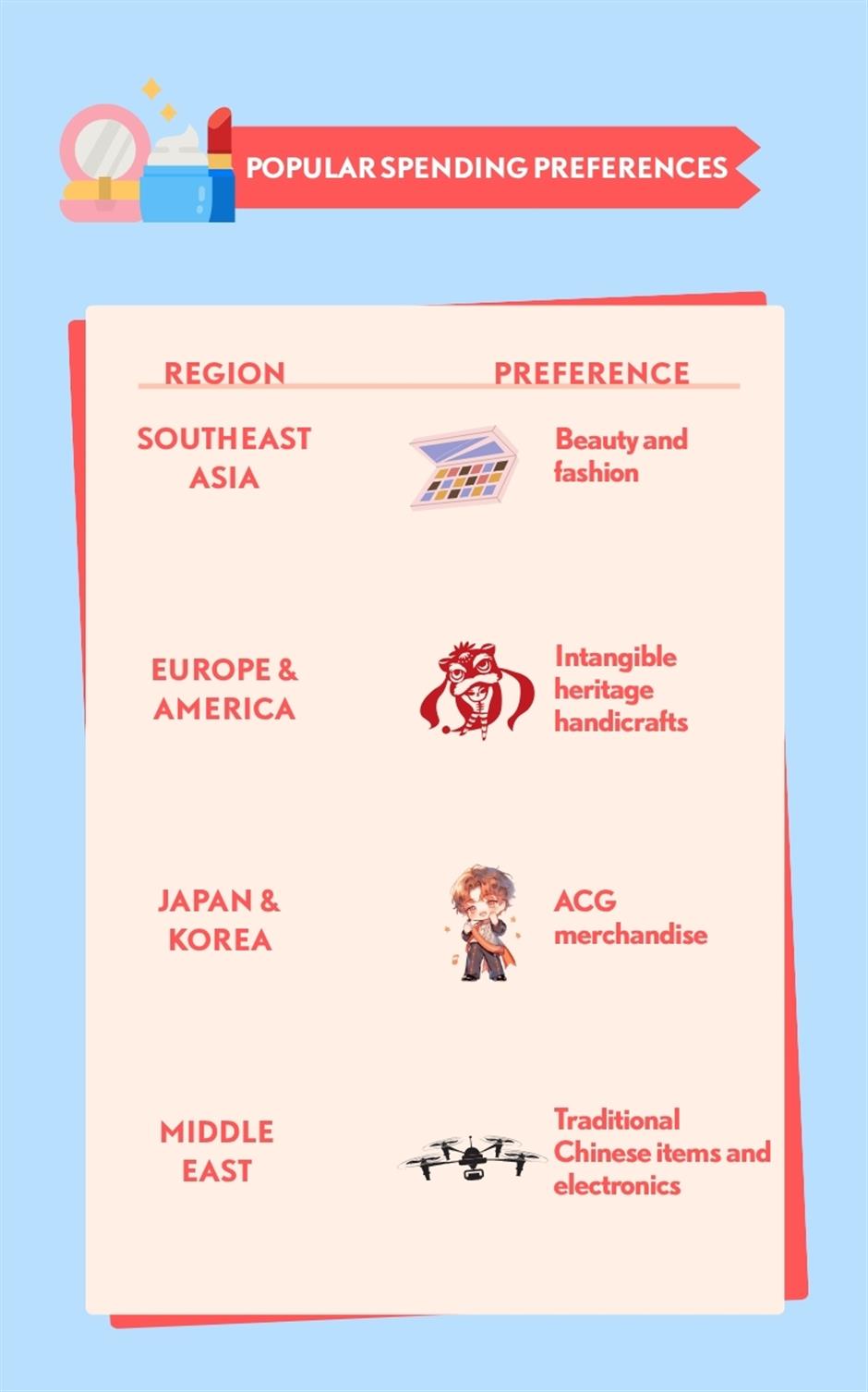
Youth travelers' shopping habits reflect a mix of cultural curiosity and global trendiness:
Southeast Asians go for beauty and fashion.
Western travelers love traditional Chinese handicrafts and artisan experiences.
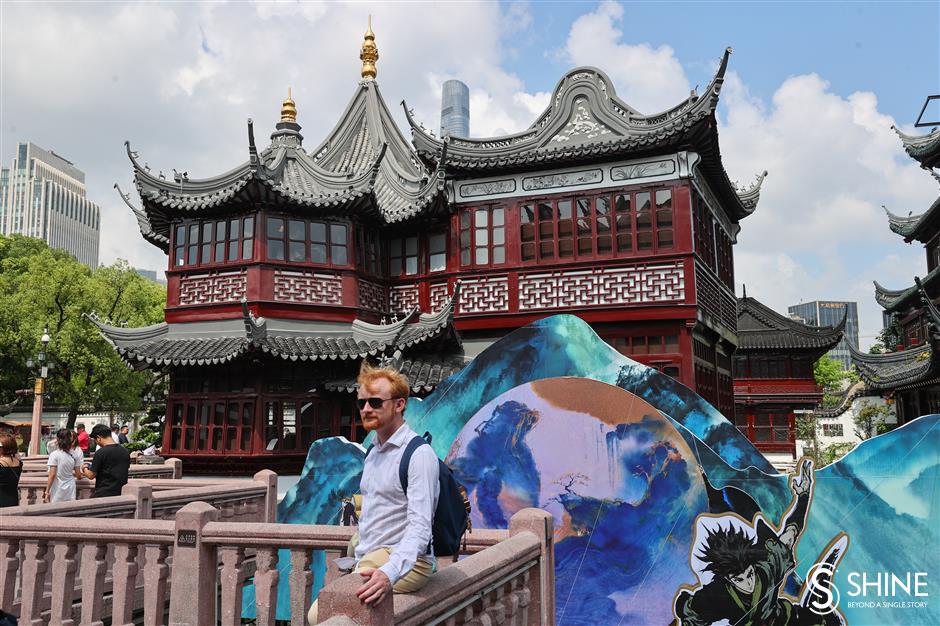
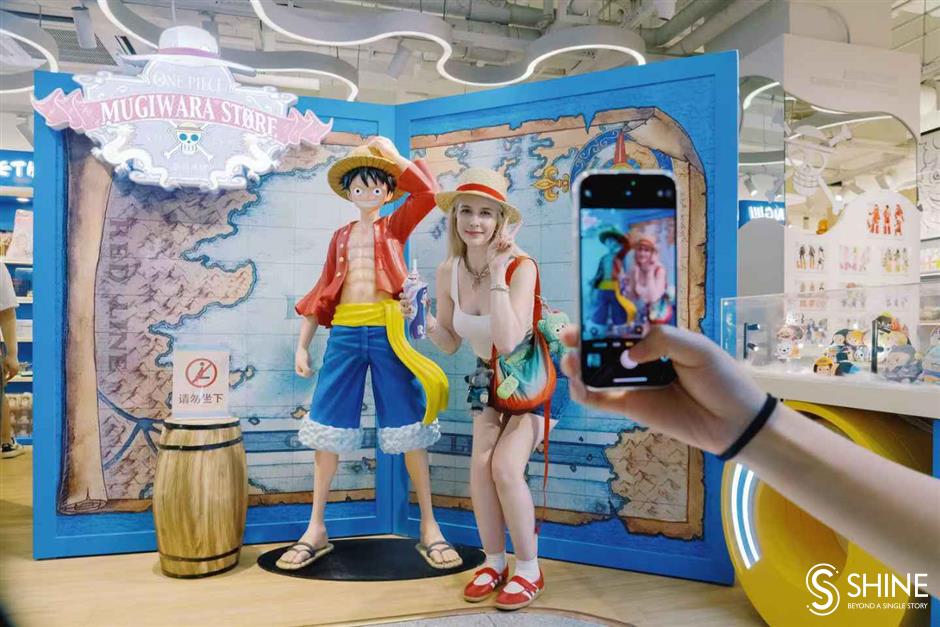
Japanese and Korean visitors are drawn to anime and game-related collectibles.
Middle Eastern youth seek out both cultural items and electronics.
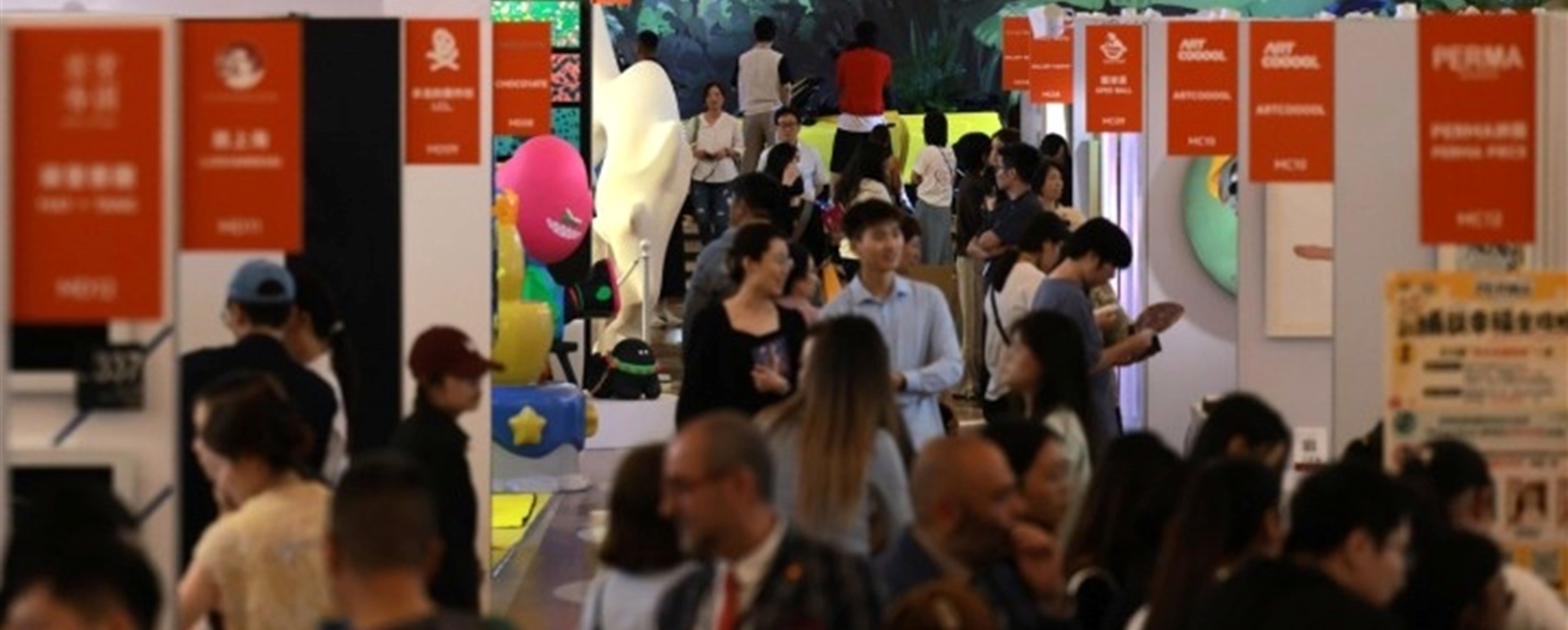
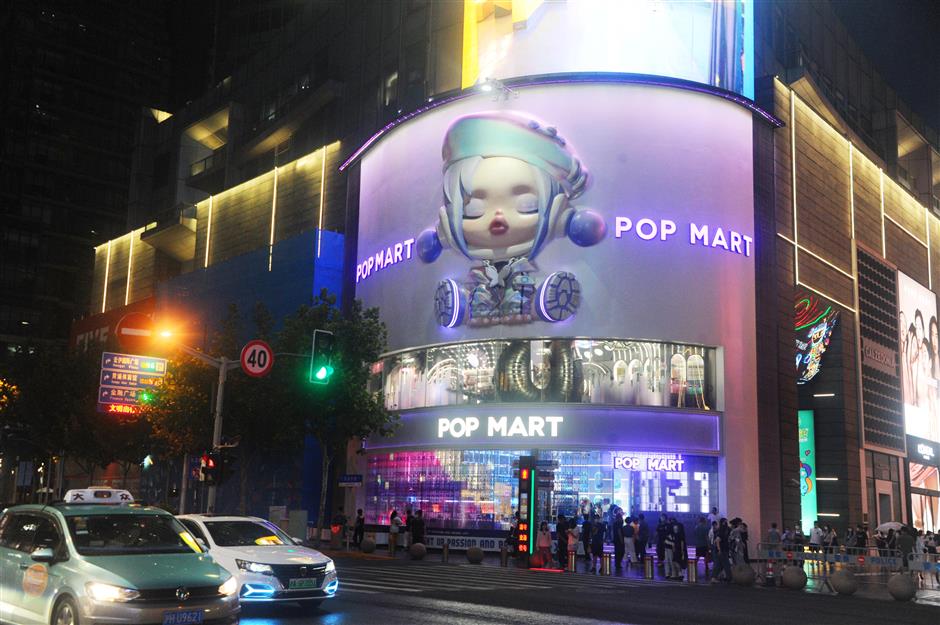
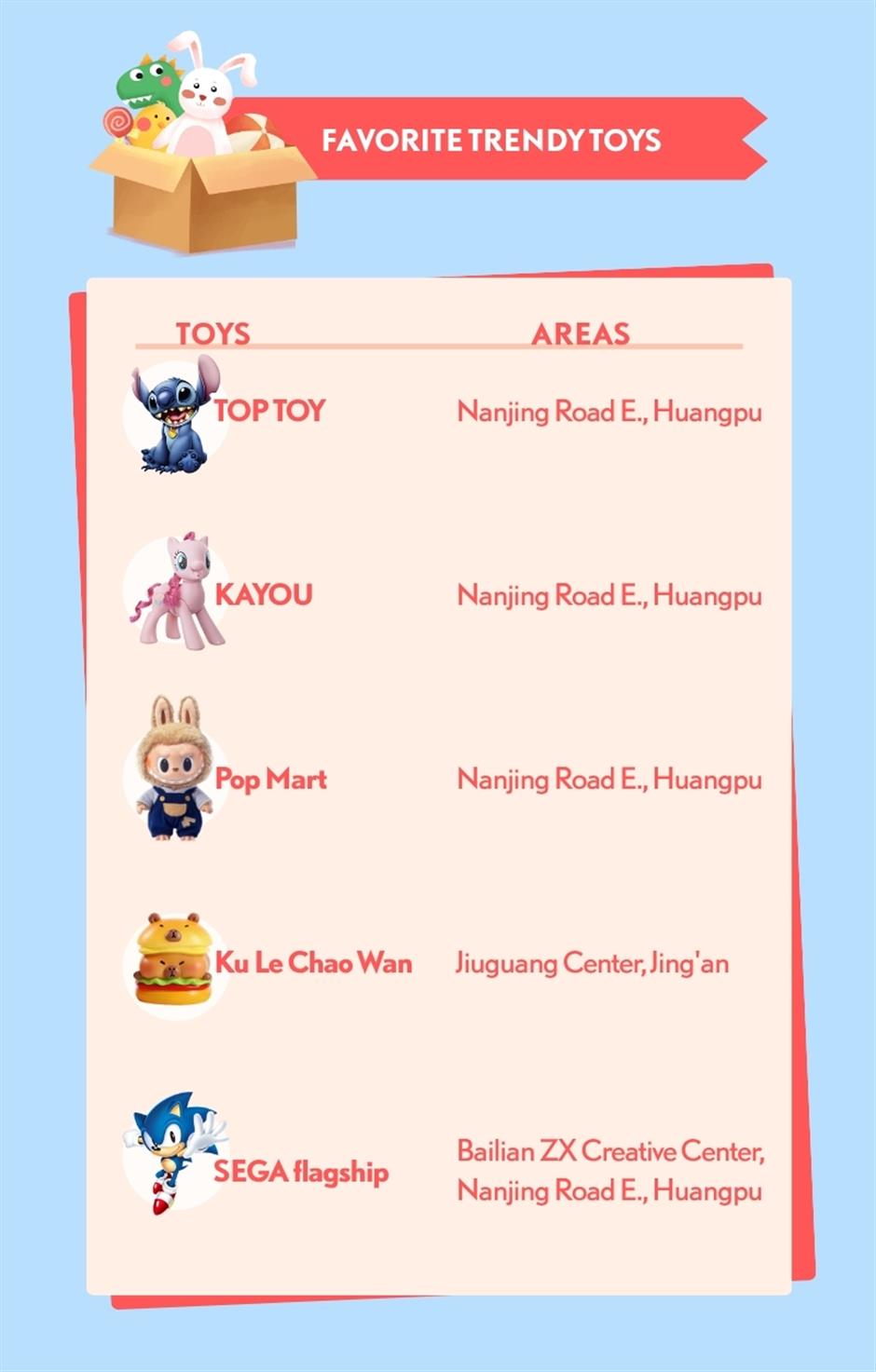
Toy culture, in particular, is booming. Flagship stores for brands like Top Toy, Pop Mart, and SEGA on Nanjing Road E. have become must-visit destinations. For souvenirs, "Shanghai Gifts" such as designer toys, handmade dim sum, and local crafts are especially popular, highlighting a blend of the city's heritage and its cutting-edge creativity.


Surprise Around Every Corner
It's not just where you go, but what it means. Young travelers are increasingly drawn to sites that combine iconic visuals with deeper stories.
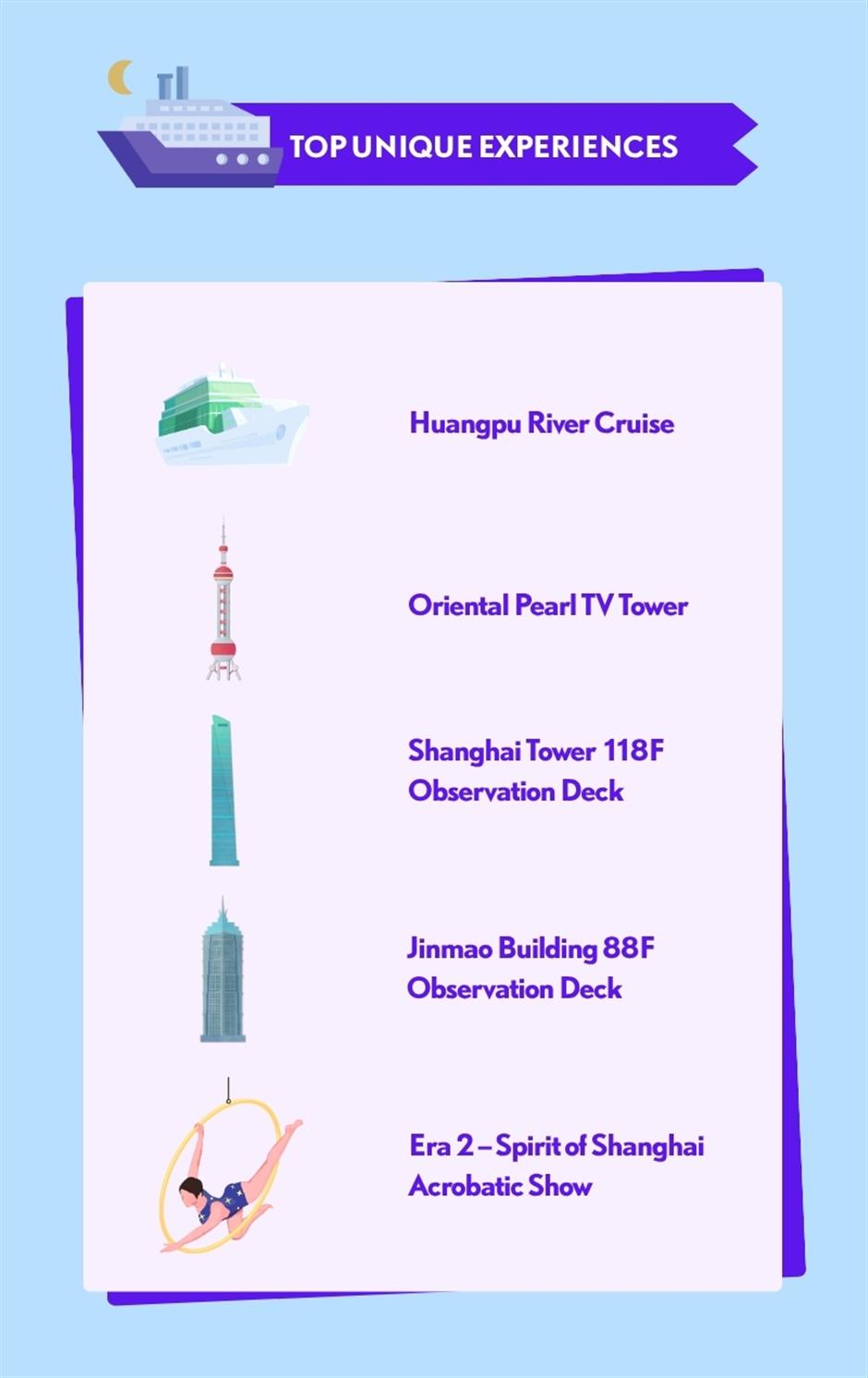
A cruise on the Huangpu River offers more than just a skyline – it's a journey through Shanghai's historical contrasts between east and west. Sky decks deliver panoramic views and Instagram-worthy moments, but also act as high points in travelers' urban explorations.
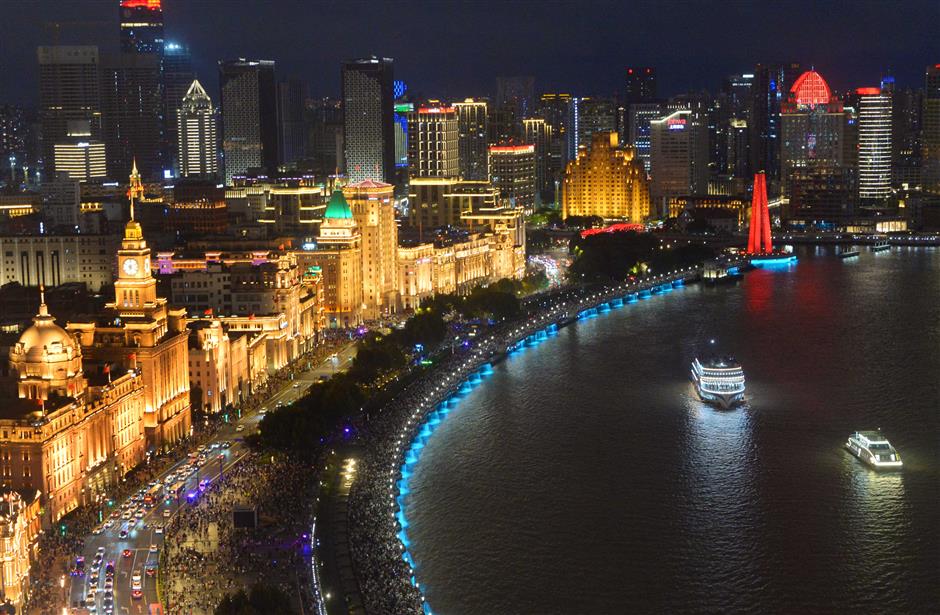
Beyond tourism, there is a focus on sharing symbolic experiences that encapsulate the heart of Shanghai. The appeal of knowledge-based tourism, as represented by the Shanghai Astronomy Museum, demonstrates a desire for both learning and relaxation.
As visa-free travel expands and cultural tourism gains traction, Shanghai is increasingly becoming a place where young global citizens not only visit but also participate. From living and learning to shopping and giving, overseas youth are discovering new ways to engage with the city, and Shanghai is welcoming them as more than simply visitors.
Shanghai is more than just a map; it combines legacy and innovation, structure and spontaneity. A growing percentage of young travelers rely on the map.