Seller Drives 1,600km Over US$28 Dispute, Sparking 'Refund-Only' Abuse Debate
A frozen durian seller in Puyang, Henan Province, has ignited a national debate after spending more than 5,000 yuan (US$737) to pursue a fraudulent "refund-only" claim worth just 190.71 yuan.
According to a report by Shenzhen TV on May 9, the seller shipped the durian pulp on April 26 to a buyer in Dezhou, Shandong Province. The buyer alleged the product was moldy, provided photos, and requested a refund without returning the goods. After reviewing his own shipping footage, the seller concluded the moldy durian in the buyer's photos was not what he had sent.
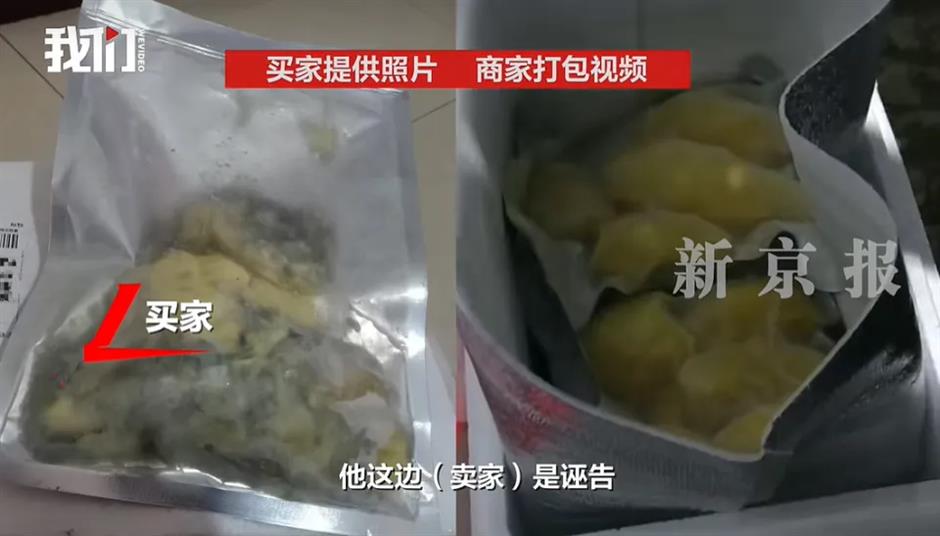
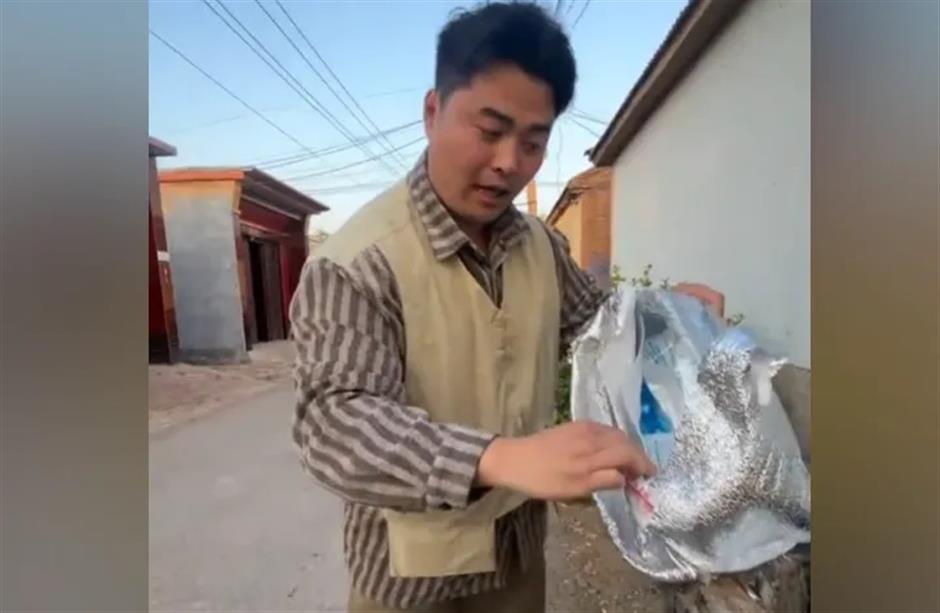
Determined to prove his case, the seller twice drove a round trip of 1,600 kilometers to Dezhou, spending over 5,000 yuan. He searched trash bins near the buyer's home and recovered the original packaging, though the durian itself was missing. The buyer claimed the moldy fruit had been disposed of separately. On May 6, the seller filed a police report with the evidence.
Local police eventually determined that the buyer had fabricated the moldy images to obtain a fraudulent refund. The buyer was punished with a seven-day administrative detention, and the refunded amount was recovered.
The incident has fueled widespread criticism of the "refund-only" policy, originally designed to simplify returns for damaged, spoiled, or lost goods and to reduce consumers' rights protection costs. However, the rule has been increasingly abused.
In response, the State Administration for Market Regulation has urged platforms to clarify the policy's scope to protect merchants' legitimate rights.
More troubling, rapid advances in AI have lowered the barrier for image forgery, leading to frequent fraudulent claims based on fake photos. Such practices violate the principles of fairness and good faith in market transactions, harming businesses – especially small and medium-sized merchants, according to a commentary by People's Daily yesterday.
Editor: Wang Qingchu