Shanghai Blends East and West to Reshape Expat Schooling
Shanghai is driving a new trend in its international education sector, blending traditional Chinese culture with Western philosophy to help expatriate children better integrate into their host city.
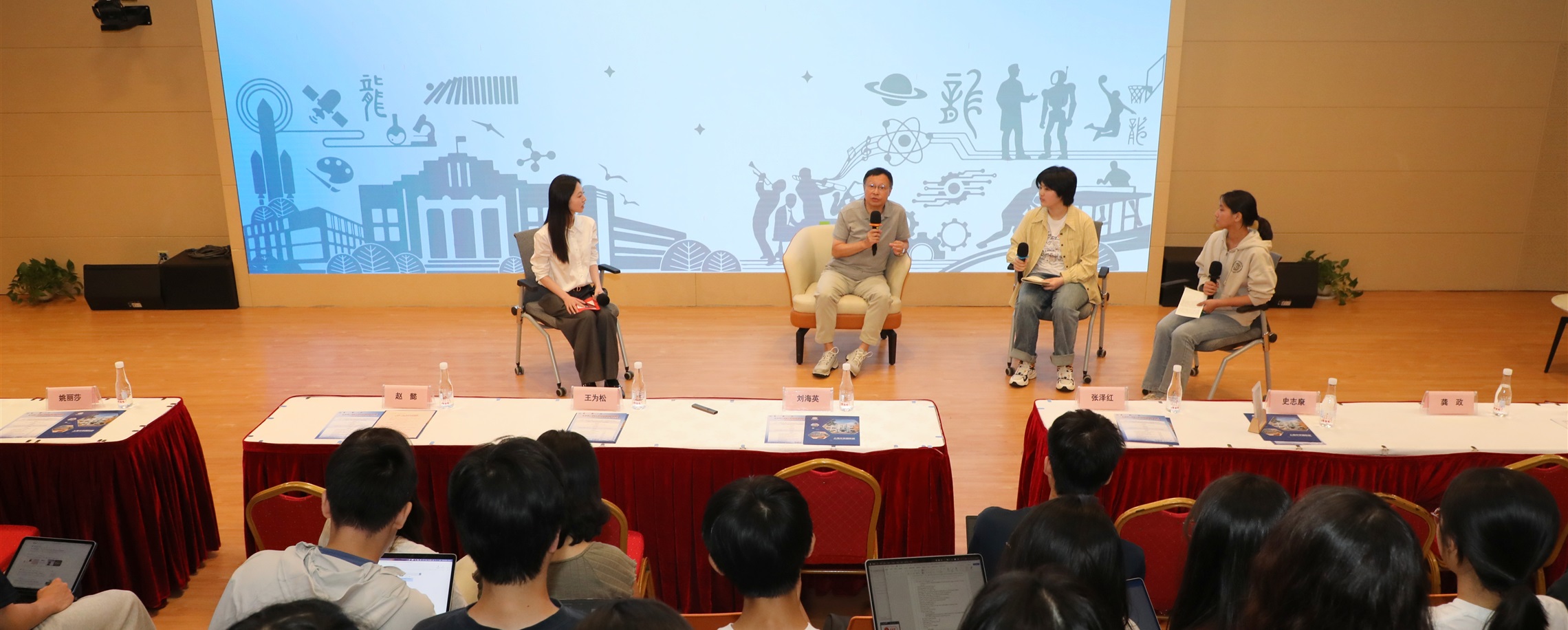
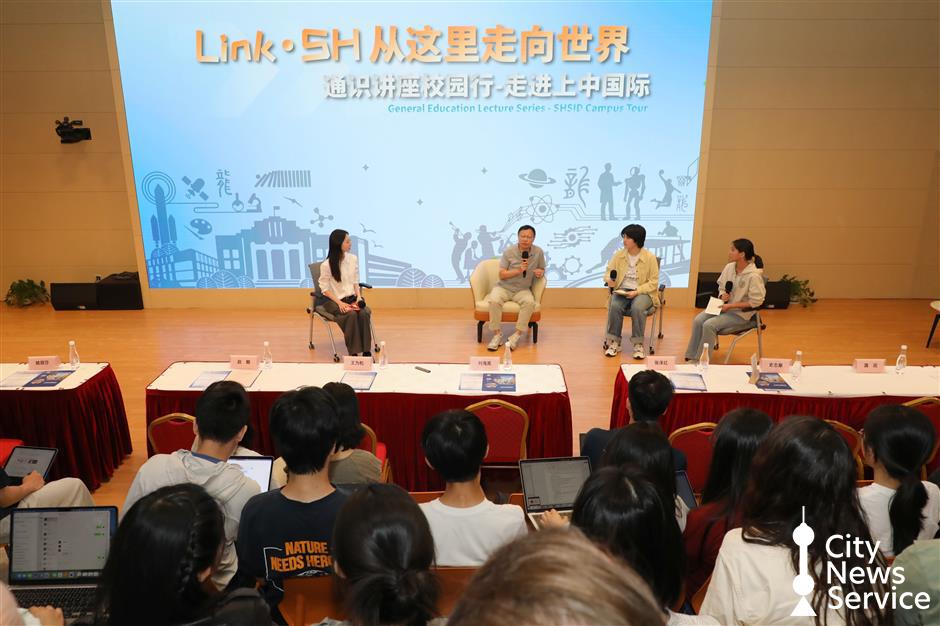
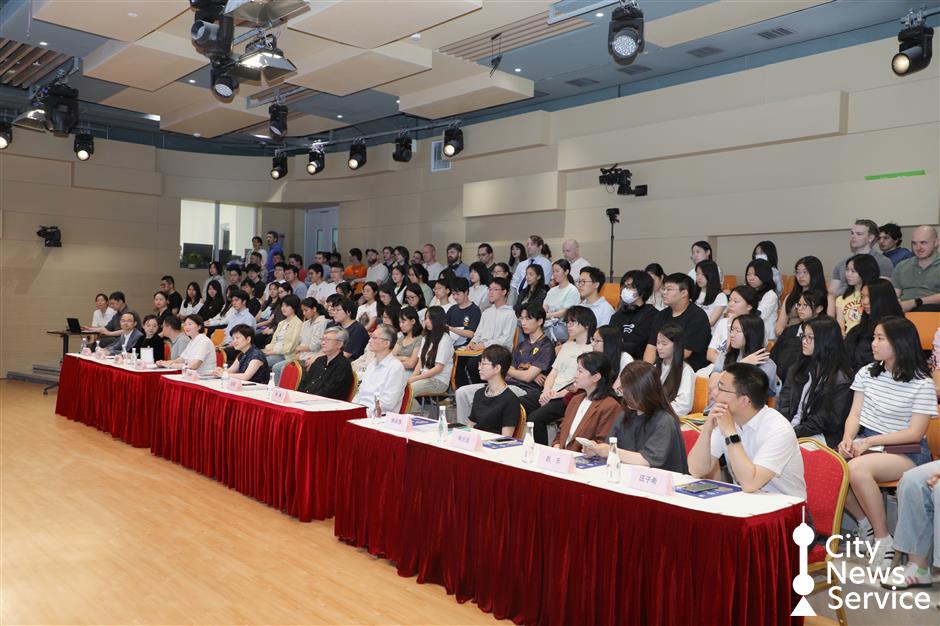
More than 100 foreign students and teachers at the Shanghai High School International Division gathered over the weekend to compare the teachings of Chinese sage Confucius with the plays of English playwright and poet William Shakespeare.
The event encouraged expatriate youth to find shared human values across a 2,000-year historical gap.
British teacher Cara Simpson said the comparative approach provides a vital space for international students to navigate different cultural influences and make connections to their own daily lives.
"Students can develop a deeper appreciation for both their host city and their own identities," Simpson observed.
"Building a sense of belonging can be particularly powerful for young people who are developing their understanding of themselves within an international community."
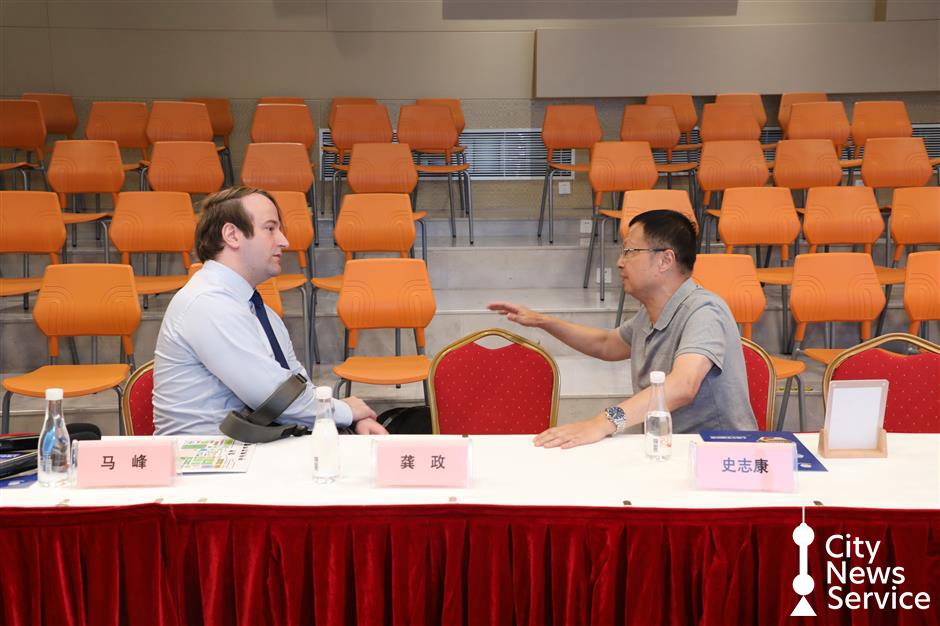
Professor Shi Zhikang from Shanghai International Studies University used comparative literature to turn ancient texts into practical guides for modern youth.
Shi paired the Confucian concept of Junzi (the exemplary person) with the Renaissance ideal of a gentleman. He showed that both traditions value a balance of intellect and courage.
He also contrasted Confucian warnings against overthinking with the tragic hesitation of Shakespeare's Hamlet, demonstrating that both cultural masters recognized the exact same human flaws.
British student Alfie Flower said he previously viewed Confucius as a great philosophical figure who was slightly difficult to interpret. "After the lecture, I learnt how globalization was able to teach us that philosophy could be integrated, that Chinese and Western philosophy could be synthesized for our global education."
South Korean student Raymond Kim said textbooks taught him Chinese concepts like harmony and respect, but real-world connections bring those lessons to life.
"I truly began to understand these ideas through the people around me," Kim noted. "I could see how these values influenced everyday interactions, family relationships, and communication styles."
Educators pointed out that finding these cultural intersections helps foreign students transition from temporary residents to active participants in Shanghai society.
American teacher Michael Haig said comparing philosophies helps students recognize universal ideas like morality and community without boundaries. "When students compare and learn to balance different philosophical traditions in their learning, they begin to recognize both how unique their culture is as well as how certain ideas are universal."
Paul Roberts, a Canadian literature teacher who recently taught Hamlet, said the lecture gave him a new tool to engage his international students with global perspectives.
"I found that Confucius actually offers a more meaningful connection to Shakespeare," Roberts suggested. "The lecture opened a window for me – a way to explore the human condition in a more profound manner."
The "Link·SH" program, launched by the Shanghai Federation of Social Science Associations, aims to bring scholars into K-12 bilingual and international schools across the city.
Editor: Yang Meiping