Shanghai Lab Unveils AI Platform For Scientific Discovery
A digital zebrafish that swims, reacts, and flees inside a virtual tank is helping scientists run real-world lab experiments in Shanghai.
The virtual fish is part of a new AI research platform called "Shusheng Duan Yan," which the Shanghai Artificial Intelligence Laboratory launched at the World Artificial Intelligence Conference on Friday.
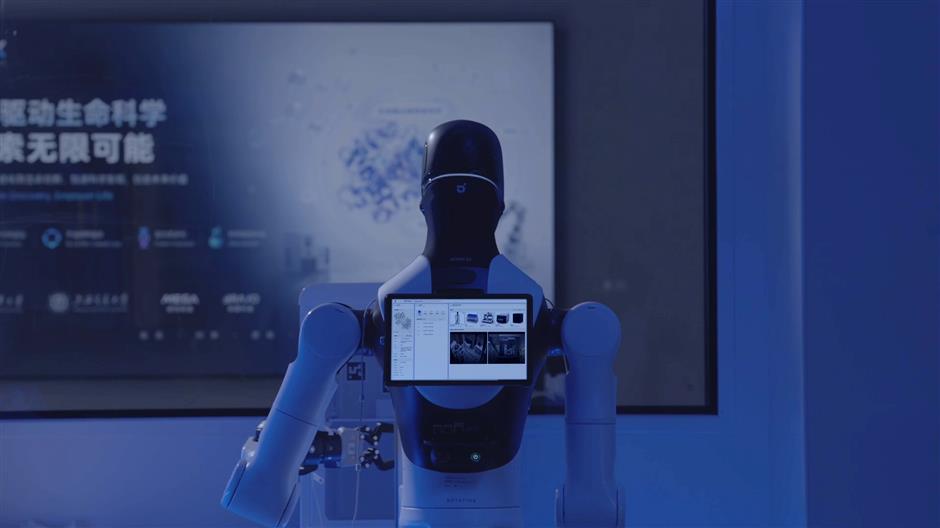
The platform serves as an all-in-one digital operating system that handles the entire scientific research process.
It reads scientific papers, proposes theories, and directs robotic lab equipment to run physical tests. The system boosted protein design success rates, for instance, from 0.47 percent to 1.56 percent, compressing a days-long process into minutes.
"AI is moving from simply automating calculations to driving high-level intelligent scientific discovery," said Zhou Bowen, director and chief scientist of the Shanghai AI Lab.
While previous famous virtual experiments mapped a fruit fly's brain to study insects, the new platform is the first to achieve a fully closed-loop simulation in a vertebrate animal.
Because zebrafish are vertebrates, their brains and nervous systems are much closer to human biology.
This makes the digital model highly useful for brain research while reducing the need for live animal testing, according to the lab.
Scientists can use the platform in six major fields: life sciences, advanced materials, computer chips, clean energy, quantum computing, and weather prediction.
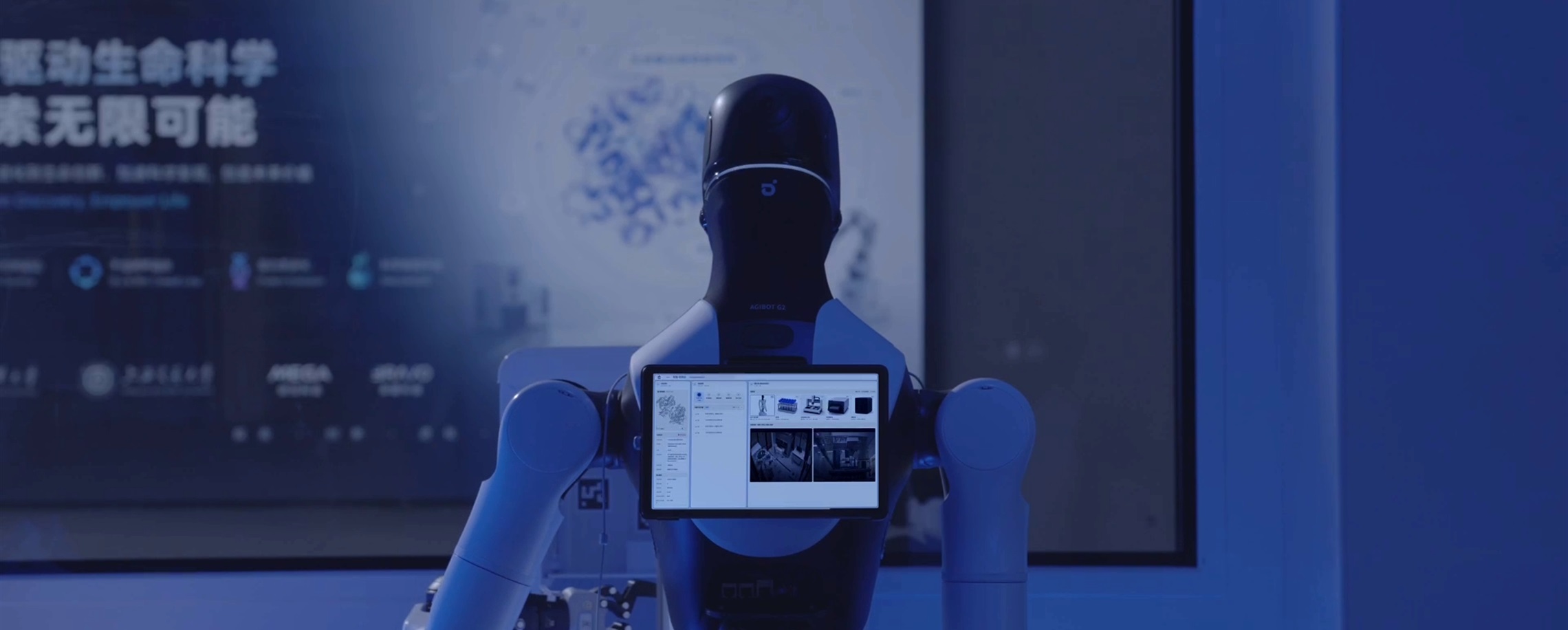
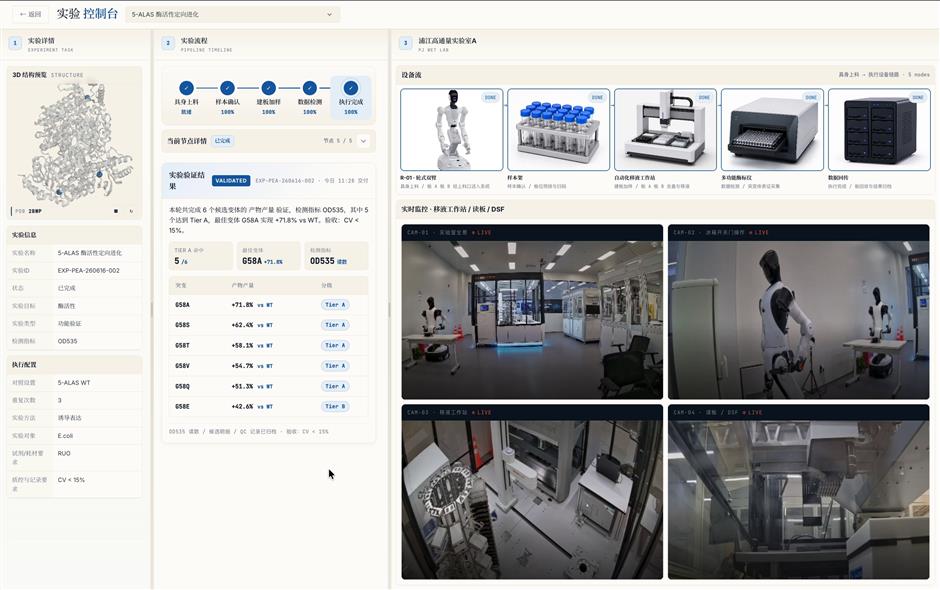
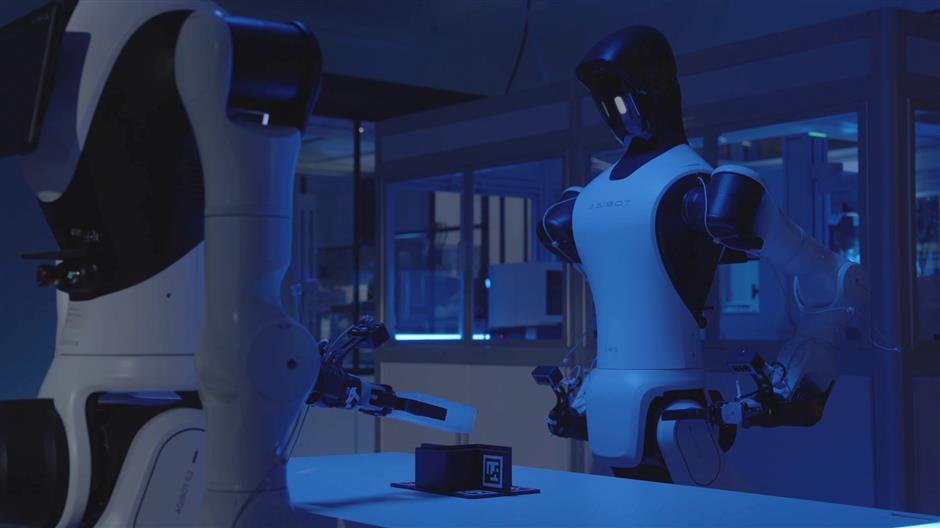
When the AI platform creates a virtual formula, it translates that data into actual instructions for automated lab machines. It then takes the real-world lab results back to improve its next theory.
In quantum computing, for instance, the system helped arrange a record-breaking 2,024-atom array in just 60 milliseconds.
For computer chips, the platform helped scientists automate the creation of high-purity chemical resins, speeding up the development of semiconductor materials.
Digital Library for Global Researchers
The local lab, founded in 2020, said it built the "Duan Yan" to serve as an open, shared tool for the global scientific community.
The platform connects with major supercomputing networks and a massive scientific database containing over 28 million AI-ready research papers.
The AI reads these papers, understanding terms and formulas like a human expert.
In tests, the AI's data analysis conclusions matched the accuracy of human experts more than 75 percent of the time.
Researchers can replay each step exactly, making scientific results more transparent, reliable, and faster to share globally, according to the lab.
Editor: Xu Qing
In Case You Missed It...

 Jul 18, 2026