Shanghai Political Advisors Prepare Key Proposals for National 'Two Sessions'
Artificial intelligence, consumption upgrade and the cultivation of future industries are once again at the forefront of policy debate as China is entering the season of its annual "two sessions."
Political advisors from Shanghai are preparing a slate of proposals that reflect both technological ambition and a people-centered development vision.
The fourth plenary session of the 14th National Committee of the Chinese People's Political Consultative Conference (CPPCC) will open in Beijing on March 4. The proposed agenda includes hearing and deliberating the work report of the Standing Committee of the National Committee of the CPPCC and a report on the handling of proposals since the third session of the 14th National Committee.
Members will also attend the fourth session of the 14th National People's Congress (NPC) as non-voting participants to hear and discuss the government work report and other relevant reports, and to deliberate on the draft outline of the 15th Five-Year Plan for national economic and social development.
AI continues to be one of the most closely watched themes. Li Dan, a member of the National Committee of the CPPCC and chief partner of PricewaterhouseCoopers ZhongTian LLP, said he will offer a proposal on implementing the "AI+" initiative and advancing the intelligent transformation of the professional services sector.
He noted that digital and intelligent upgrading in areas such as auditing, consultation and taxation can significantly improve the efficiency of resource allocation and modern governance. However, Li added that challenges remain in fields like data security, regulatory coordination and talent development, which require systematic policy support.
Wang Xiaofan, president of the Shanghai Institute of Technology, is focusing on higher education reform in the age of AI. In his view, application scenarios, high-quality data and skilled talent are the three key factors determining whether AI technologies can be effectively implemented.
He suggested further opening up real-world application scenarios, accelerating the transformation of scientific and technological achievements into industrial outcomes, and adjusting higher education curricula and training models to better align with the needs of an intelligent economy.
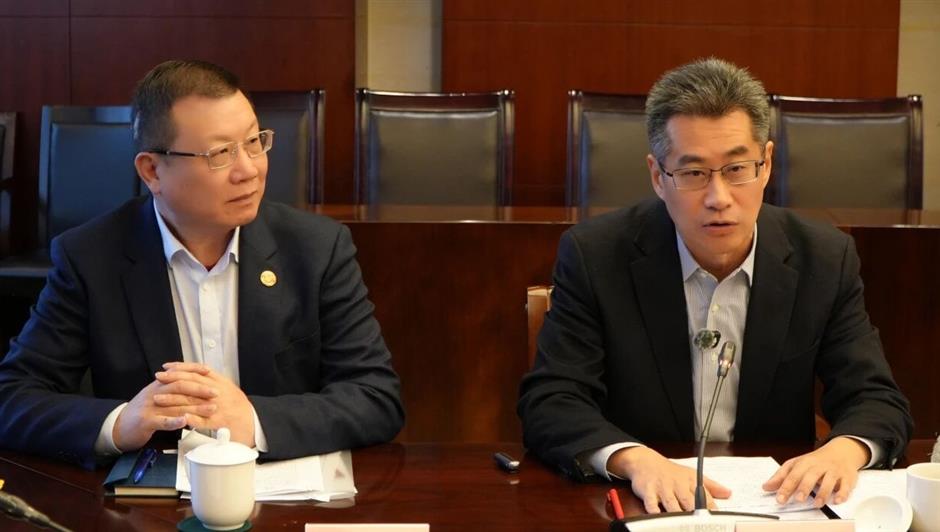
National political advisor Leng Weiqing, also chairwoman of Shanghai Industrial Investment Group, has turned her attention to the biomedicine sector, which she regards as a strategic frontier.
She emphasized the importance of maintaining long-term commitment and strategic focus, encouraging deeper collaboration among enterprises, universities and research institutions to tackle core technologies, and supporting leading companies in assuming a greater role in building robust industrial ecosystems. Accelerating breakthroughs in key technologies and enhancing the resilience of supply chains, Leng said, are essential to achieving high-quality development in the sector.
At a time when boosting consumption and expanding domestic demand are high on the policy agenda, several advisors are also exploring how to cultivate new drivers of consumer growth.
Another national political advisor Xin Lili, who is also vice chairwoman of the Shanghai Federation of Literary and Art Circles, is examining how high-quality original artistic works can stimulate fresh demand in cultural consumption.
She suggested promoting integrated development across culture, tourism, commerce, sports and exhibitions to create diversified consumption scenarios.
Zhang Yi, president of the Shanghai New Social Strata Association, proposed the concept of a "happiness economy."
He argued that through stronger policy guidance, the cultivation of core competitiveness and the integration of traditional industries with creative sectors, it is possible to build a new consumption ecosystem centered on emotional experience and repeat demand. Developing influential intellectual property and encouraging cross-industry collaboration, Zhang said, can enhance the value of experience-based consumption and create sustainable growth points.
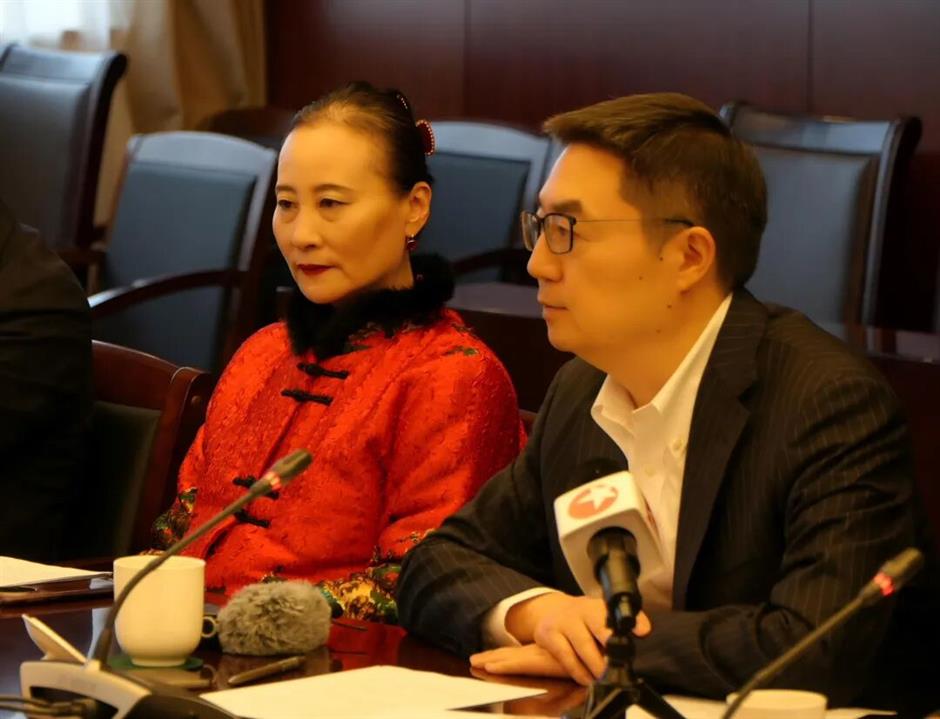
Over the past year, Wu Aiqun, president of the Shanghai Aerospace Information Technology Research Institute, has conducted in-depth research on the low-altitude economy, commercial aerospace and urban digital transformation.
Drawing on his field studies, the national political advisor plans to submit proposals aimed at promoting the safe and orderly development of these emerging sectors, by addressing regulatory frameworks, technological standards and industrial coordination.
Ma Xiaolin, a professor at the School of Cultural Heritage and Information Management at Shanghai University, has long been dedicated to the preservation and innovative utilization of cultural heritage.
This year, he will continue to focus on how digital technologies and modern management methods can empower heritage protection. By improving mechanisms for protection, research and public engagement, Ma aims to ensure that more cultural relics and intangible heritage items can regain vitality in contemporary life while being properly safeguarded for future generations.
Editor: Liu Qi
In Case You Missed It...

 Sep 21, 2026