Shanghai's New Visa-Free Business Zone Begins Operations
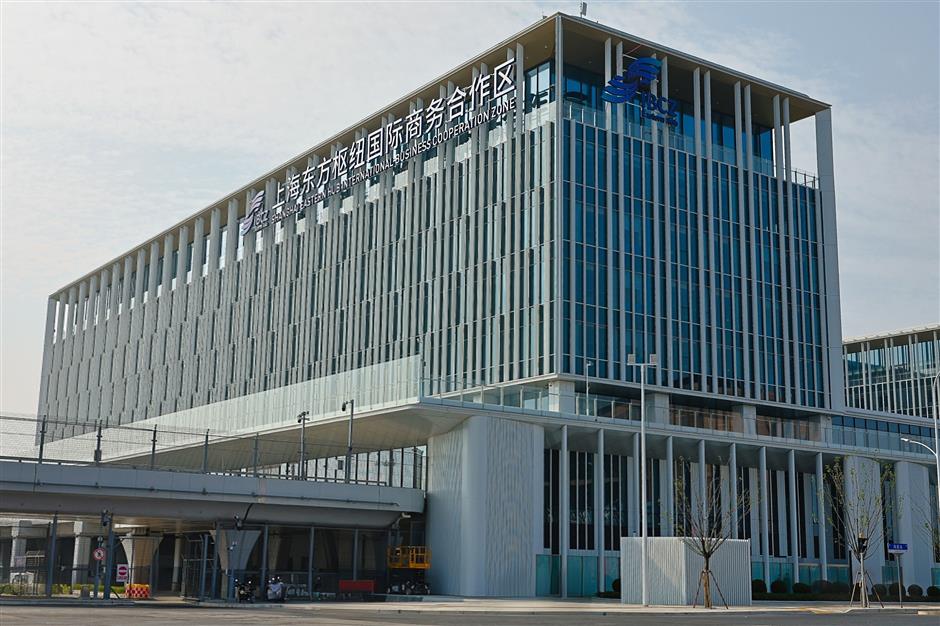
Shanghai has launched operations at the eastern section of the Eastern Hub International Business Cooperation Zone, which serves as the project's pilot area.
Approved by China's State Council in February 2024, the zone is designed to support international business cooperation, exhibitions and professional training.
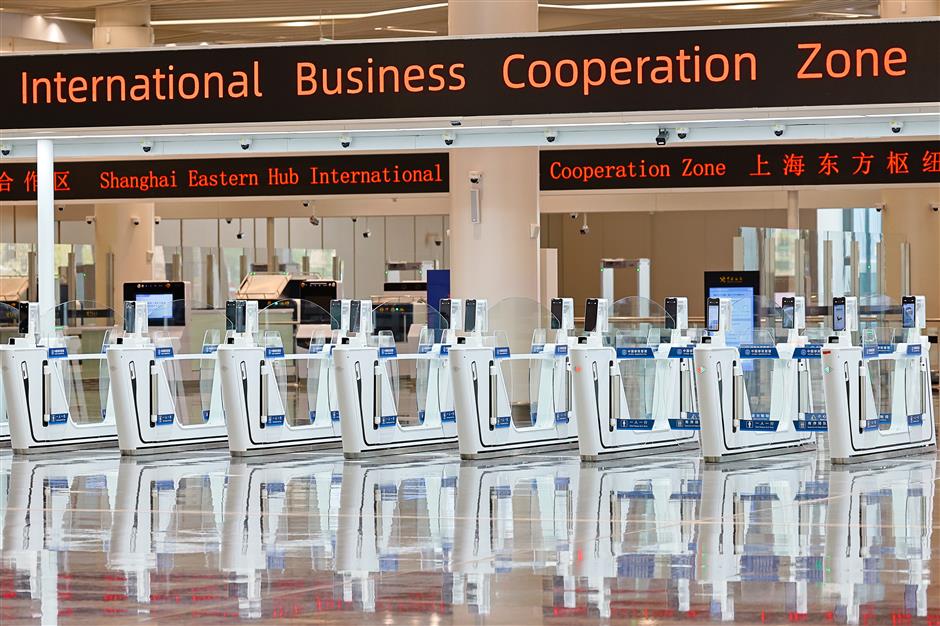
It adopts management practices used in free trade zones and introduces measures to facilitate business-related international entry. It also follows a "minimal presence, optimal support" approach, offering help as needed while leaving daily operations undisturbed.
Covering 0.88 square kilometers, the zone is located between Pudong International Airport and the planned Shanghai East Railway Station, linking international air travel with onward overseas and regional rail connections.
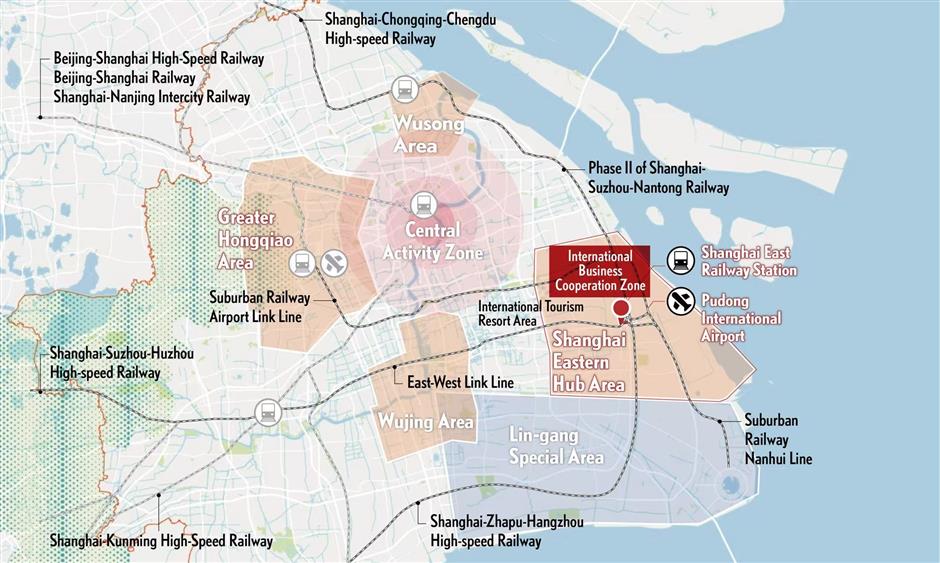
The G1503 expressway divides the site into eastern and western sections connected by enclosed passageways. The eastern section, covering about 0.44 square kilometers, is the first to be completed and is now in service.
Under an invitation-based system, overseas business visitors may enter the zone without a Chinese visa, traveling directly from Pudong airport using a passport and an online invitation submitted at least 48 hours in advance by a domestic host.
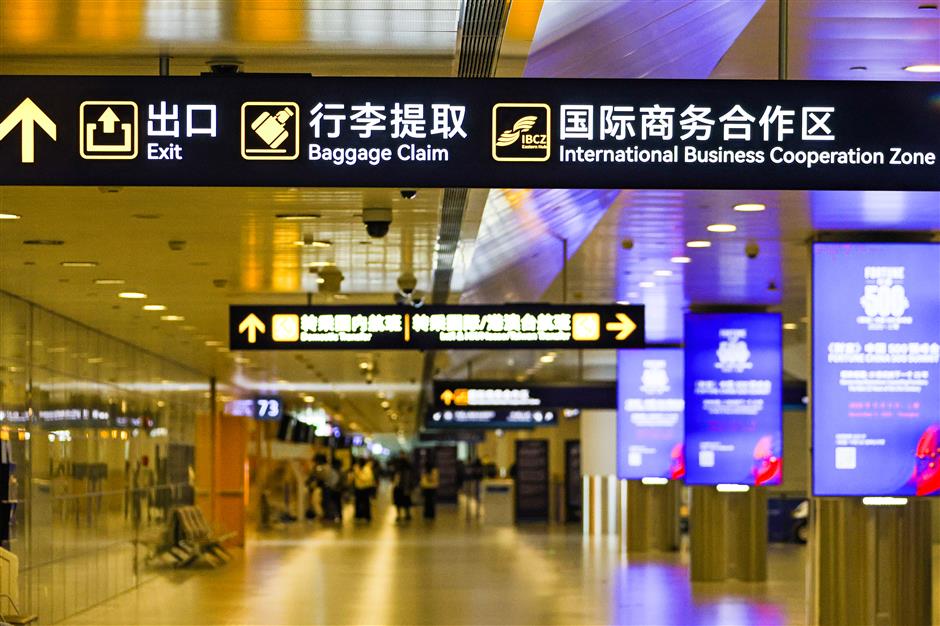
Dedicated entry channels and shuttle services allow visitors to reach the zone within 10 to 15 minutes of arrival. On departure, airline check-in, tax refund procedures and security screening can be completed inside the zone before boarding.
Overseas visitors may stay in the zone for up to 30 days, with the option of a one-month extension.
Domestic visitors may also enter under a regulated access system.
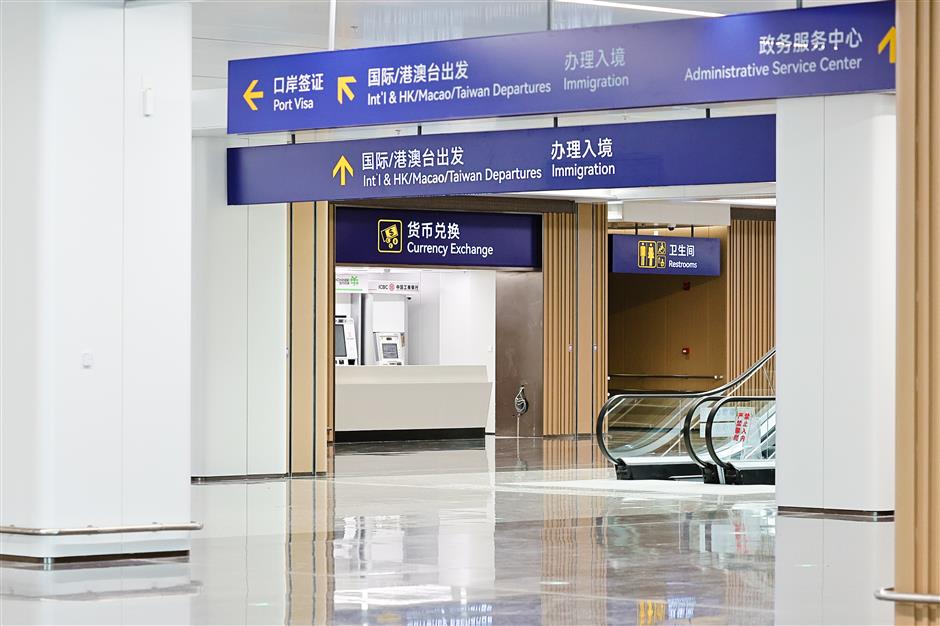
Facilities include exhibition and conference venues, professional training centers and office space for services such as accounting, finance, consulting and legal work. A year-round display and trading platform is planned, linking regular operations with major events including the China International Import Expo.
Supporting services will include retail and dining facilities, multilingual services, overseas payment options and departure tax refund services. Medical services will align with international standards, officials said.
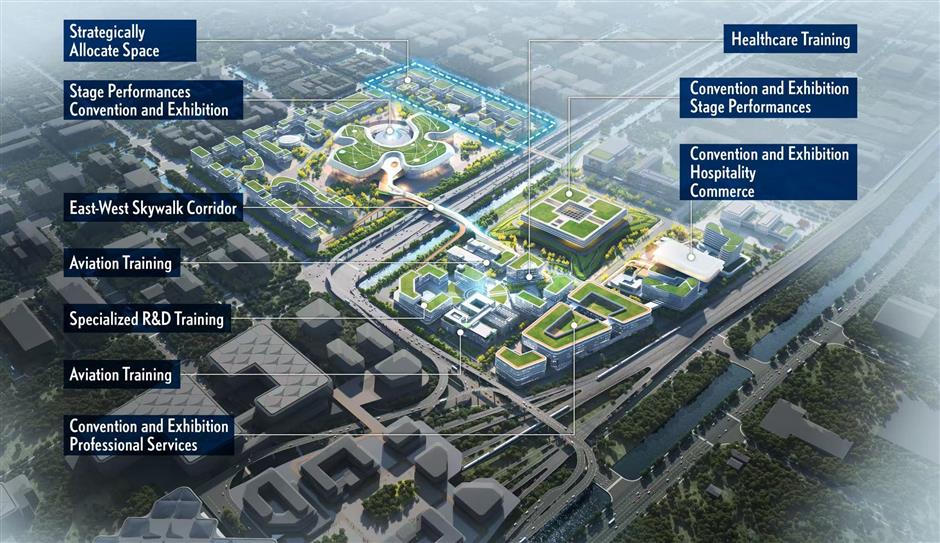
Following the launch of the pilot area, the entire zone is expected to operate under a regulated management framework by 2028, with full completion targeted for 2030.
Officials said the zone is expected to play a role in testing new institutional innovation and supporting China's engagement with the global economy.