The Tokyo Trials Record Japan Tried To Erase – Kept Whole In New Zealand
When Japan surrendered in 1945, its officials set about destroying the paper trail. Eighty years on, the fullest surviving record of how their leaders were judged for it sits in a New Zealand university library – 378 volumes that have outlasted almost everything Tokyo tried to erase.
That archive is of the International Military Tribunal for the Far East, which tried Japan's wartime leaders between 1946 and 1948. The records were donated to the University of Canterbury by Justice Sir Erima Harvey Northcroft, one of two New Zealanders who sat through the entire proceedings; the other, Brigadier R. H. Quilliam, served as an associate prosecutor.
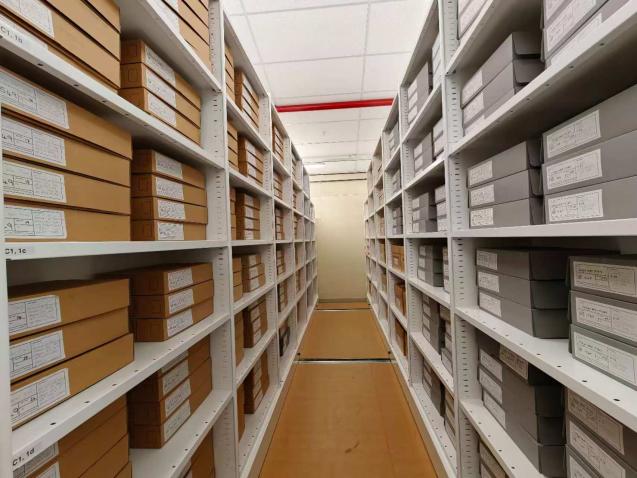
The collection is very likely the most complete set of Tokyo Trial records in the world, the Chinese embassy to New Zealand said, citing the University Librarian. Well preserved and inscribed on UNESCO's Memory of the World Regional Register for Asia and the Pacific, the materials help preserve the true and complete history of the trials, it said.
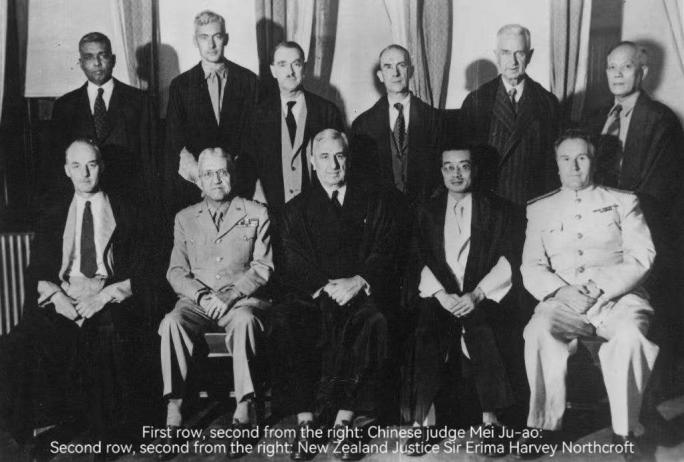
The embassy highlighted observations the two New Zealanders left behind. Northcroft noted that evidence of war crimes was submitted from every theater where Japanese forces fought, and that testimony on the abuse of prisoners and civilians went largely unchallenged.
Quilliam acknowledged that Japan's destruction of documents after surrender made responsibility hard to establish – yet enough evidence emerged, he said, to implicate most of the defendants.
Comparing the tribunal to Nuremberg, where comprehensive German records survived, Northcroft observed that in Japan almost everything had been destroyed, forcing the court to prove through lengthy testimony what a single document could have settled. Because the findings rested entirely on public hearings, the embassy argued, they refute the charge that the victorious powers simply imposed their will.
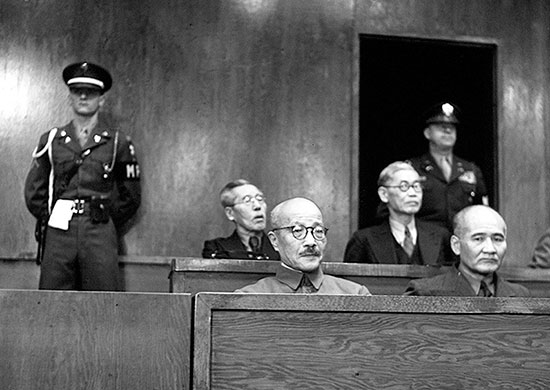
The embassy also challenged the long-standing claim that the trial was victors' justice, citing Northcroft's account of the proceedings.
The record shows the defense sought to explain away Japan's actions as provoked or waged in self-defense, the embassy said, but the tribunal did not accept that argument – finding instead a pre-existing conspiracy to extend Japanese dominion over other nations, violate treaty obligations and wage aggressive war.
Those findings rested entirely on public hearings, it added, refuting the charge that the victors had abused their power.
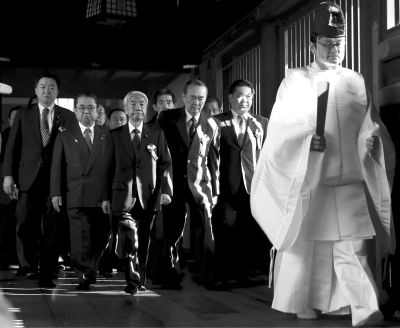
Eighty years on, the embassy said, Japan has still not fully reckoned with its past. It accused Tokyo of whitewashing aggression and drifting back toward militarism – pointing to rising defense spending on offensive weapons, visits by right-wing figures to honor Class-A war criminals at Yasukuni Shrine, and textbook revisions that play down the Nanjing Massacre and wartime "comfort women" – and warned against scrapping the war-renouncing clause of Japan's pacifist constitution, the charter it credits for decades of post-war peace and prosperity.
Invoking Hegel's remark that people learn nothing from history, alongside a classical Chinese maxim about taking history as a mirror, the embassy said forgetting the past betrays the war's victims – more than 30 million in China alone. It called on New Zealand and Pacific nations to uphold the tribunal's conclusions and resist a militarist revival, remembering history, in its words, not to entrench hatred but to prevent tragedy from recurring.
Editor: Wang Xiang
In Case You Missed It...
![[SH Transit] Shanghai Speeds Up Work On Five New High-Speed Rail Stations](https://obj.shine.cn/files/2026/09/18/e4351051-0478-4845-88fe-8ca3b4c41ef7_0.jpg)
 Sep 20, 2026