The Literary Ledger: From Cervantes to Shanghai's Century of Ink
Every April 23, the global community observes World Book and Copyright Day, a date anchored by a historical coincidence involving the two pillars of Western letters.
In 1995, UNESCO canonized this day to honor the deaths of Spain's Miguel de Cervantes and England's William Shakespeare in 1616. Yet, beneath the official commemoration lies a chronological curiosity.
While their records bear the same date, they did not die on the same day. Spain had already embraced the Gregorian calendar while England remained tethered to the Julian system. In the eyes of the sun, Shakespeare outlived his Spanish contemporary by 10 days. History, it seems, preferred a poetic alignment over a literal one.
In Cervantes, the world found the architect of the modern novel through the "impractical idealist" Don Quixote. A figure of naive nobility, Quixote spent his life attempting to right incorrigible wrongs, becoming the eternal symbol of the romantic vision.
Across the Channel, Shakespeare was busy drafting the blueprint of the human psyche. His influence on the English language remains unparalleled; the Oxford English Dictionary cites his work over 32,000 times, dwarfing even the King James Bible. As his peer Ben Jonson famously remarked, Shakespeare was "not of an age, but for all time," a sentiment that resonates as deeply today as it did in the 17th century.
Cradle of modern Chinese publishing
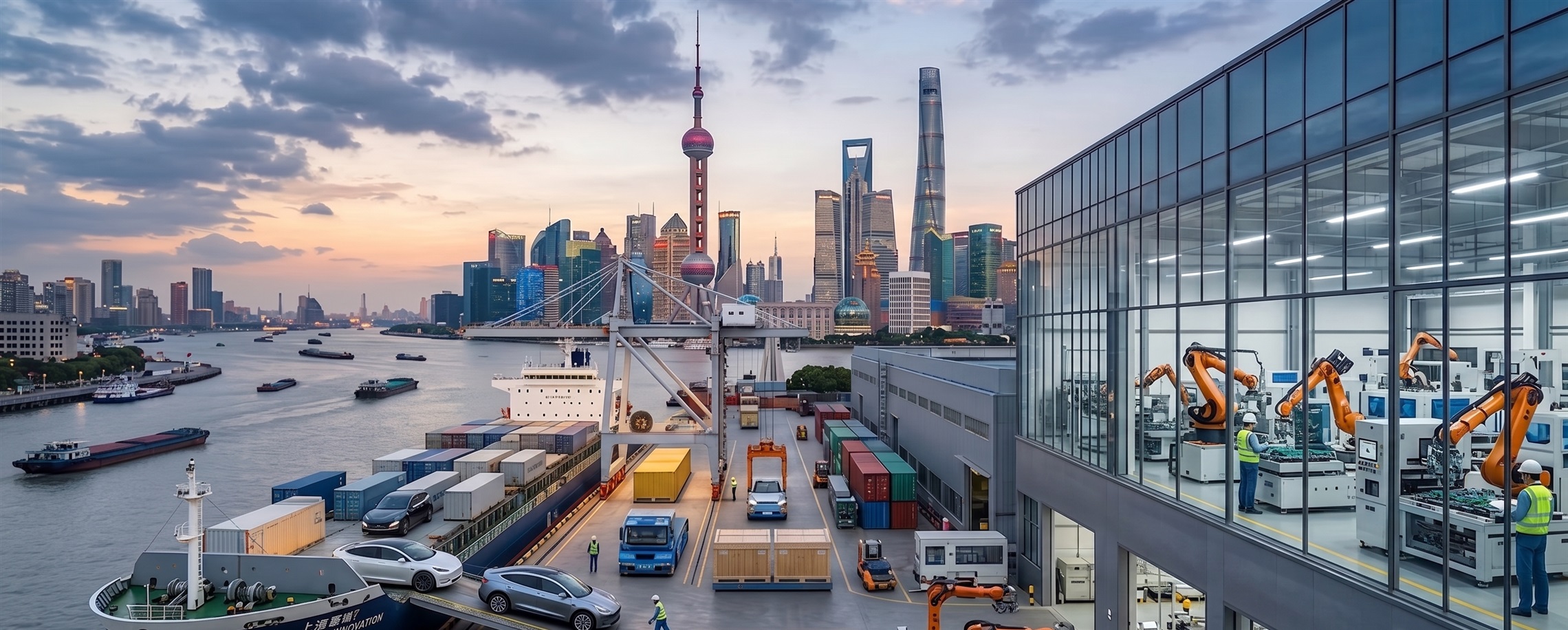
If Cervantes and Shakespeare provided the soul of this global celebration, Shanghai provided the bone and sinew for China's modern reading culture. This metropolis is far more than a financial juggernaut; it is the undisputed cradle of Chinese publishing.
The founding of the Commercial Press in 1897 transformed the city into an intellectual forge, translating the wisdom of the West and exporting the philosophy of the East.
By the early 20th century, Shanghai's Fuzhou Road had become a literary thoroughfare rivaling the Left Bank of Paris. During that period of swift modernization, Shanghai's printing houses produced an astounding nine out of every 10 books published in China.
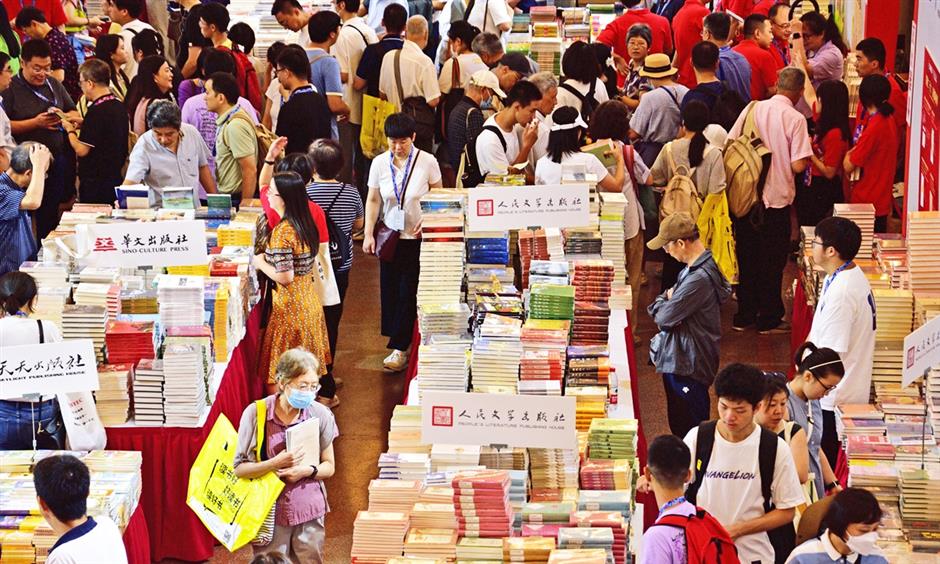
This ink-stained legacy has not merely survived; it has flourished into a contemporary cultural phenomenon. Since its inception in 2004, the Shanghai Book Fair has evolved from a mere marketplace into a civic ritual.
By 2025, the fair drew nearly 400,000 devotees, with readers traveling hundreds of miles by high-speed rail to participate in what has become the city's premier cultural barometer.
This is not just commerce; it is a manifestation of "book fragrance," a term that describes the city's enduring obsession with the written word and its historical mission to enlighten the public.
A citywide literary landscape
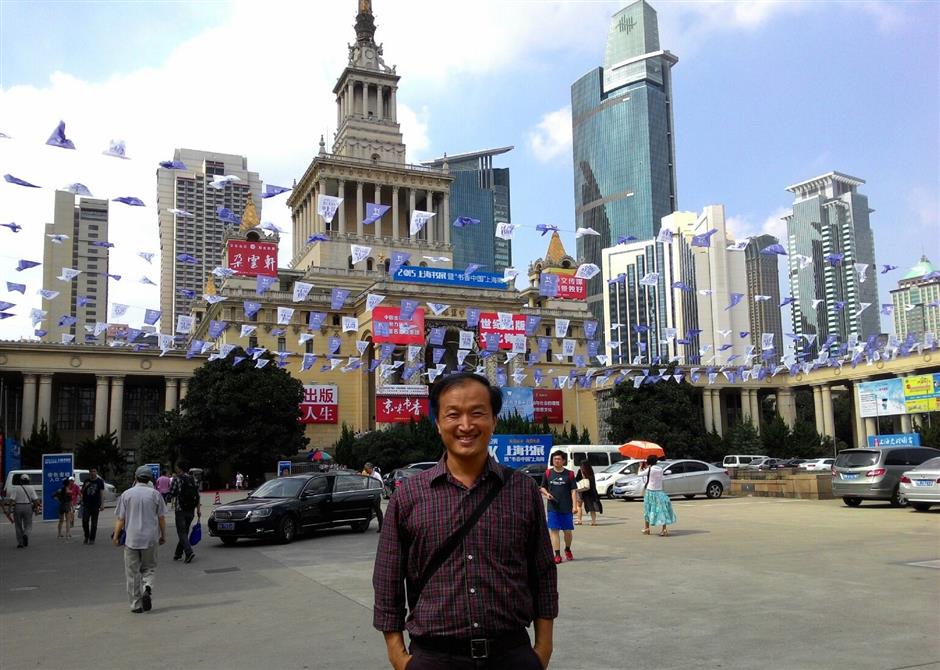
With the completion of the Shanghai Museum of Literature, the reading gene continues to replicate through the streets. From the avant-garde shadows of the Zikawei Library to the intimate literary salons of Sinan Mansions, Shanghai is constructing a "permanent book society."
This infrastructure ensures that the act of reading is integrated into the very fabric of urban life, moving beyond the traditional library to become a ubiquitous presence in every neighborhood.
To celebrate World Book Day in this city is to do more than nod to the ghosts of Madrid or Stratford-upon-Avon. It is an act of homage to the pioneers who, in the dim light of Zhabei (now Jing'an) factory floors, sought to "enlighten the people."
Reading here remains a bridge across time and geography, linking the banks of the Thames and the Manzanares to the shimmering waters of the Huangpu, ensuring that the flame of human spirit burns bright through every page turned.
(The author is dean of the School of Foreign Languages at Sanda University, Shanghai.)
Editor: Liu Qi