[Hai Streets] 8 HUGE Surviving Landmarks You Can Visit in Yangpu
Hai Streets is our semi-regular column on Shanghai's great commercial arteries. From Nanjing Road East's blend of heritage storefronts and pop-culture malls to Huaihai Road's luxe lanes and Hongqiao area's international cultural diversity hubs, we explore how Shanghai's commercial hubs drive billions in sales and shape the city's identity – where commerce, culture and history collide in neon, nostalgia and non-stop foot traffic.
![[Hai Streets] 8 HUGE Surviving Landmarks You Can Visit in Yangpu](https://obj.shine.cn/files/2026/05/09/57c1bdb0-a7eb-4b66-9f5e-7eabc13a6f9d_0.png)
Most people know Wujiaochang the way you know a shopping mall: you're there for a reason, you get your thing, and you leave. The Apple Store, the traffic circle, the Wanda sign glowing above the ring road at night. Fine. However...
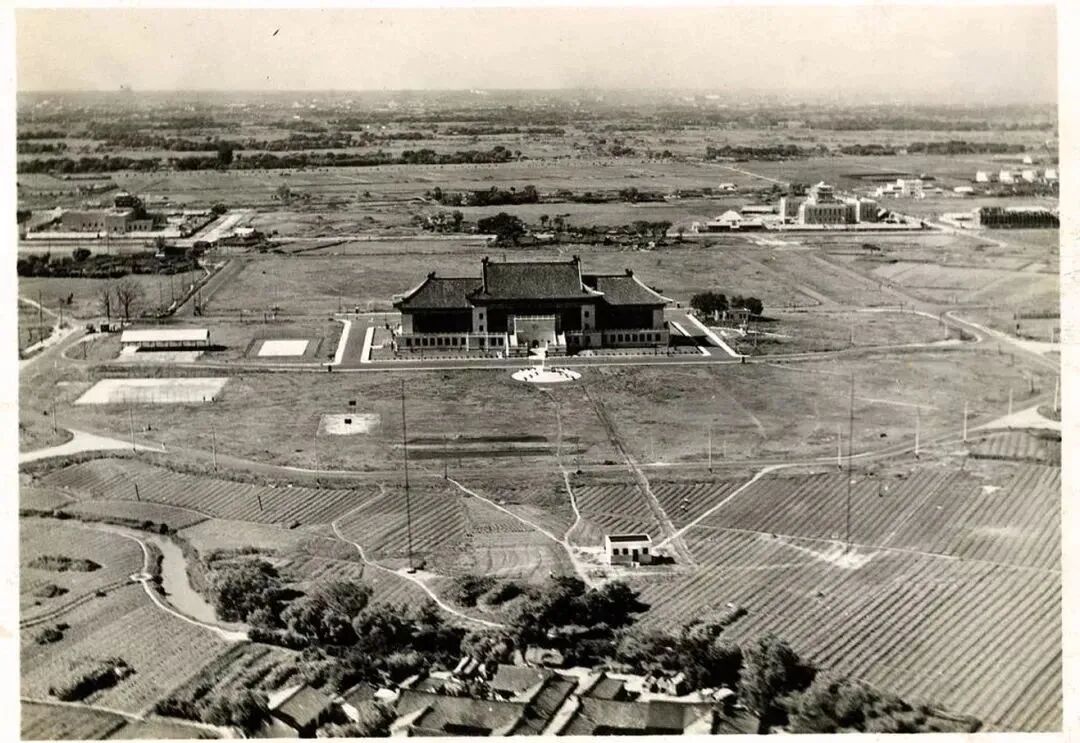
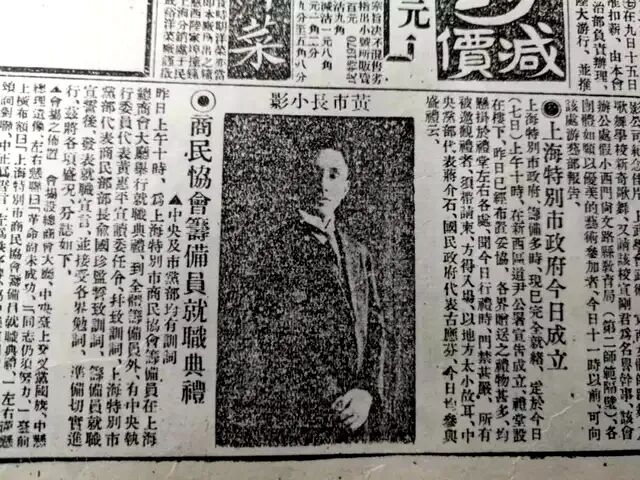
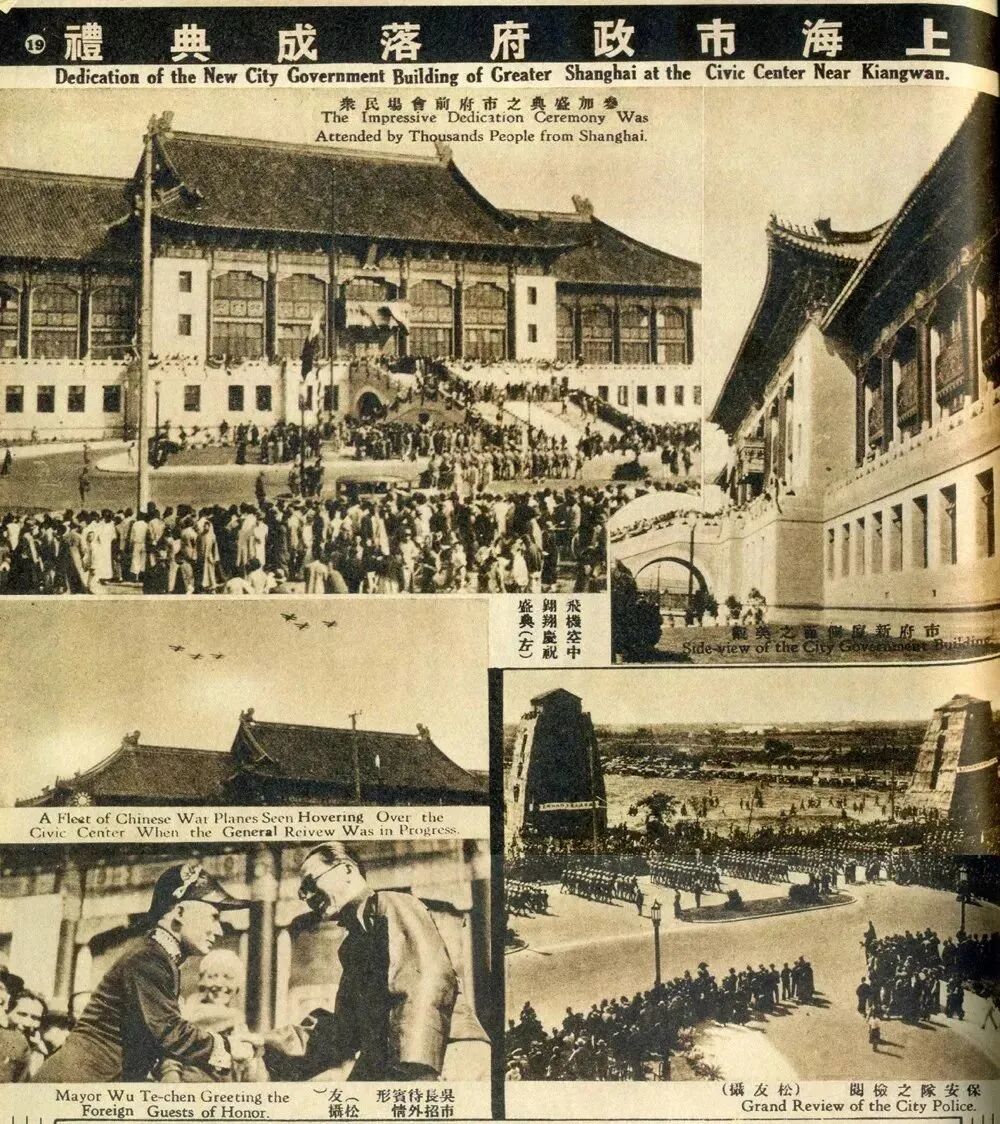
Ninety years ago, when the Kuomintang government of China looked at this stretch of Yangpu and decided it was going to be... the future. Not a future of malls and elevated ring roads, but something grander and more earnest: a purpose-built civic center for a Chinese city that no longer needed to borrow its grandeur from the foreign concessions. Yangpu District was going to represent a "New China" based on a vision taking shape before World War II.
Libraries. Museums. Stadiums. A government headquarters dressed in glazed tiles and upturned eaves, projecting national authority from scratch. They called it the Greater Shanghai Plan; they broke ground in the late 1920s, and then history did what history does. War came. The plan stopped.
What's left is one of the more historically remarkable walks in the city. Eight stops. Buildings that somehow survived the century intact, repurposed and scattered across the neighborhood like evidence of a vision that got frozen in time.
![[Hai Streets] 8 HUGE Surviving Landmarks You Can Visit in Yangpu](https://obj.shine.cn/files/2026/04/21/a636b155-a95d-40c8-85dd-34803e302ae8_0.jpg)
![[Hai Streets] 8 HUGE Surviving Landmarks You Can Visit in Yangpu](https://obj.shine.cn/files/2026/05/09/900aeec9-4ba3-4246-a06e-1ea63d240b37_0.jpg)
Start Point: Wujiaochang Roundabout
Start here, at the roundabout. You've probably passed through it a hundred times without thinking too hard about it, which is understandable: there's a lot going on, and most of it involves traffic. But look at the geometry. Roads splay outward in disciplined spokes, and the street names in the surrounding grid keep reaching for the same vocabulary: Guo (国, nation), Zheng (政, politics), Min (民, people). That's not a coincidence. That's a city planner in the 1920s trying to write an ideology into a map.
This roundabout was never meant to be a shopping district interchange. It was meant to be the civic heart of a new Chinese city, one built on Chinese terms, outside the foreign concessions, answerable to no one but the Republic. You can still feel the ambition in the road layout, if you know how to look for it.
Address: No.50, Lane 608, Handan Rd 邯郸路608弄50号
![[Hai Streets] 8 HUGE Surviving Landmarks You Can Visit in Yangpu](https://obj.shine.cn/files/2026/04/21/418cad35-2a2c-422d-8cd9-a00f91d300ab_0.jpg)
![[Hai Streets] 8 HUGE Surviving Landmarks You Can Visit in Yangpu](https://obj.shine.cn/files/2026/04/21/f0d84712-ea08-4437-b8af-a992fab07446_0.jpg)
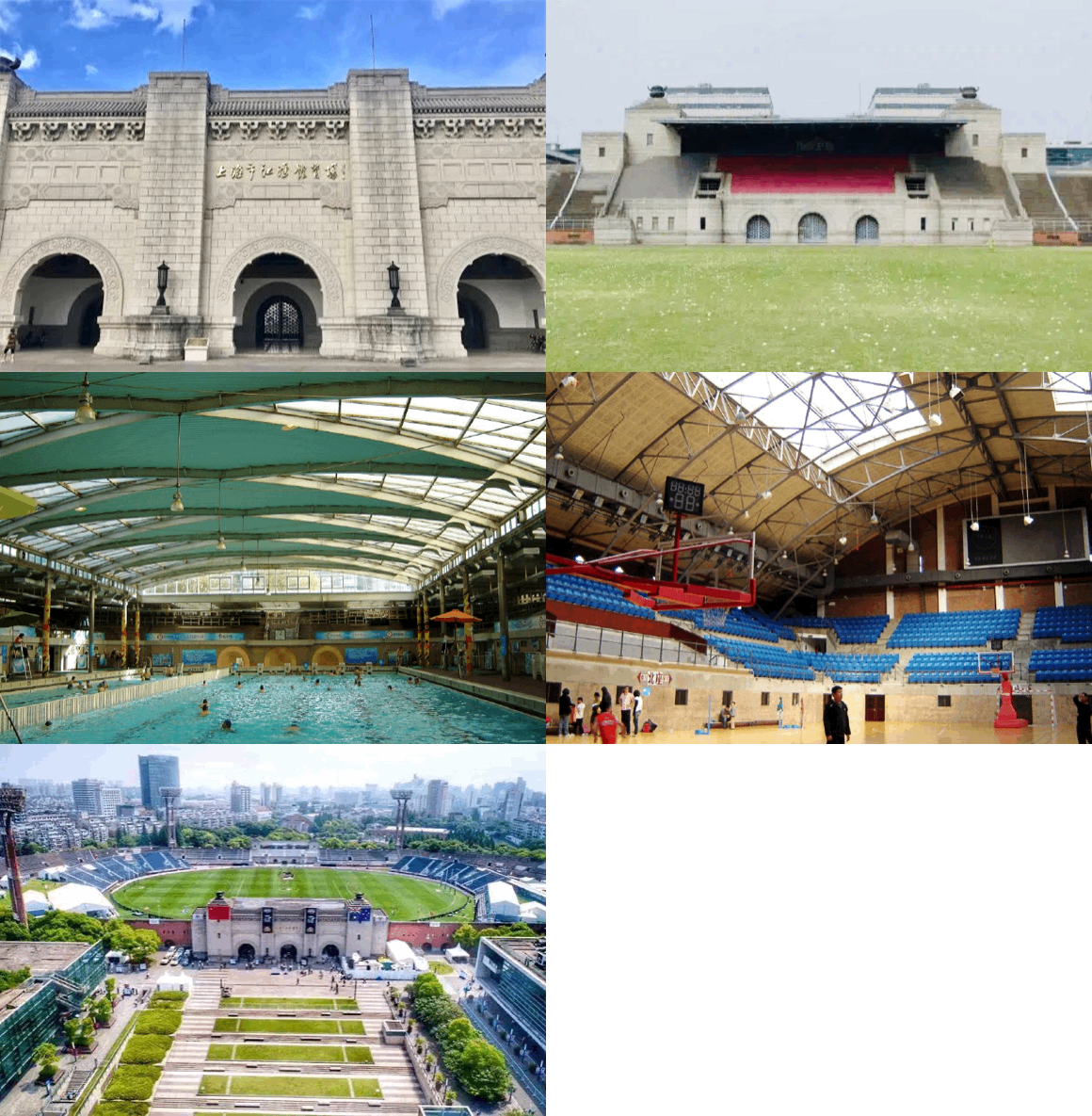
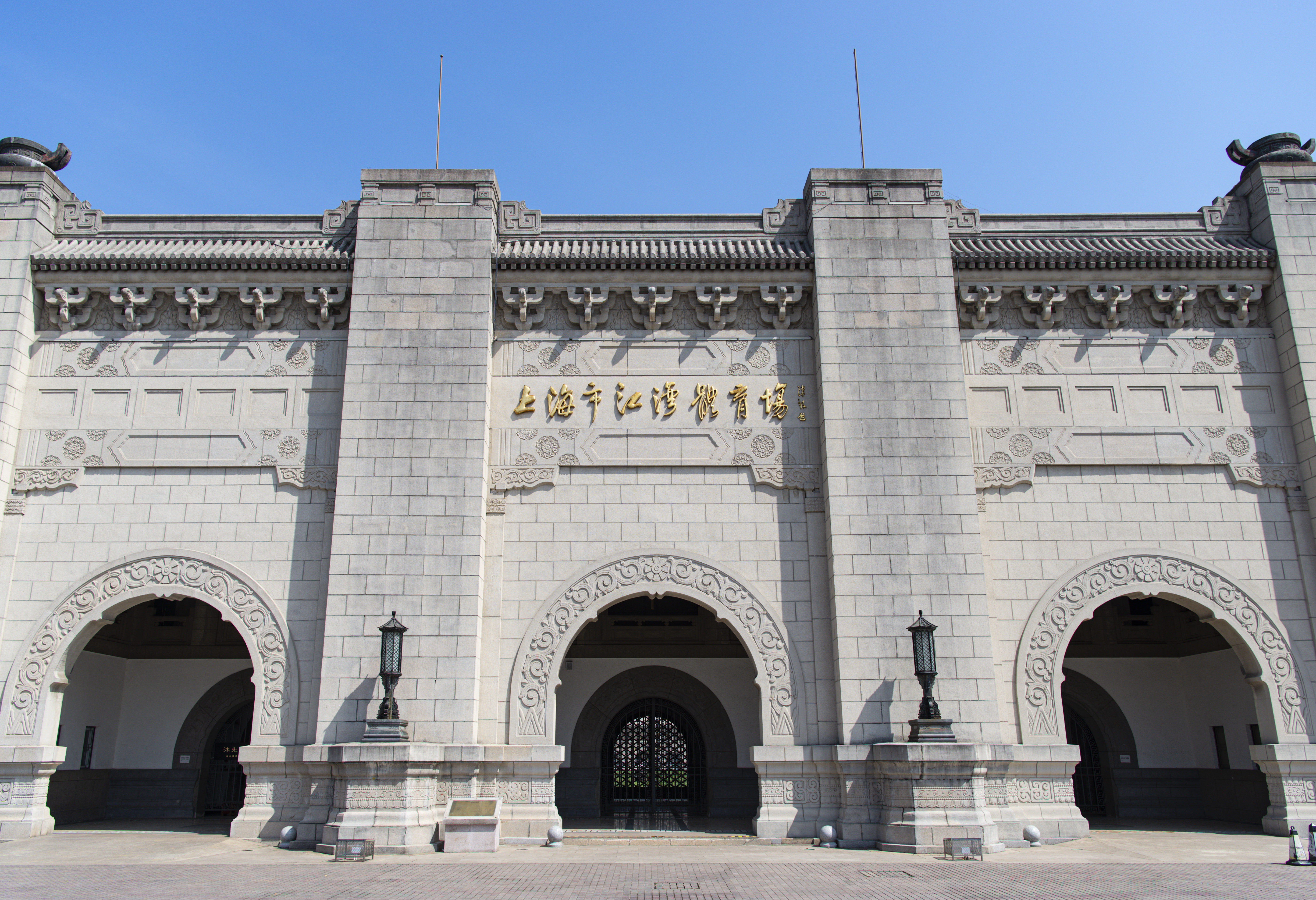
Stop 1: Former Shanghai Stadium 旧上海市体育场 (Now Jiangwan Stadium 江湾体育场)
Head up Guohe Road to what was once, and this is a direct quote from the era, "the No.1 Stadium in the Far East." Which, sure, they all say that. Except in 1935, this one might have actually meant it.
The complex the Kuomintang built here wasn't just a stadium. It was a statement of physical culture on a serious scale: main oval, gymnasium, swimming pool, additional sports grounds, the whole thing sprawling across more than 200,000 square meters. The oval stands held tens of thousands. The Sixth National Games were held here in 1935. The Seventh in 1948. In between, a world war happened, which gives you some sense of what this place has been through.
What's notable now, beyond the architecture, is that it still works. Most of the Greater Shanghai Plan's buildings got repurposed into hospitals, universities, and government offices. Jiangwan Stadium still hosts athletic life. Not the same athletic life, but close enough that the building hasn't lost its original argument.
Address: 346 Guohe Rd 国和路346号
![[Hai Streets] 8 HUGE Surviving Landmarks You Can Visit in Yangpu](https://obj.shine.cn/files/2026/04/21/5984d42b-dde3-4d9a-af0c-2d5d5f9457fd_0.jpg)
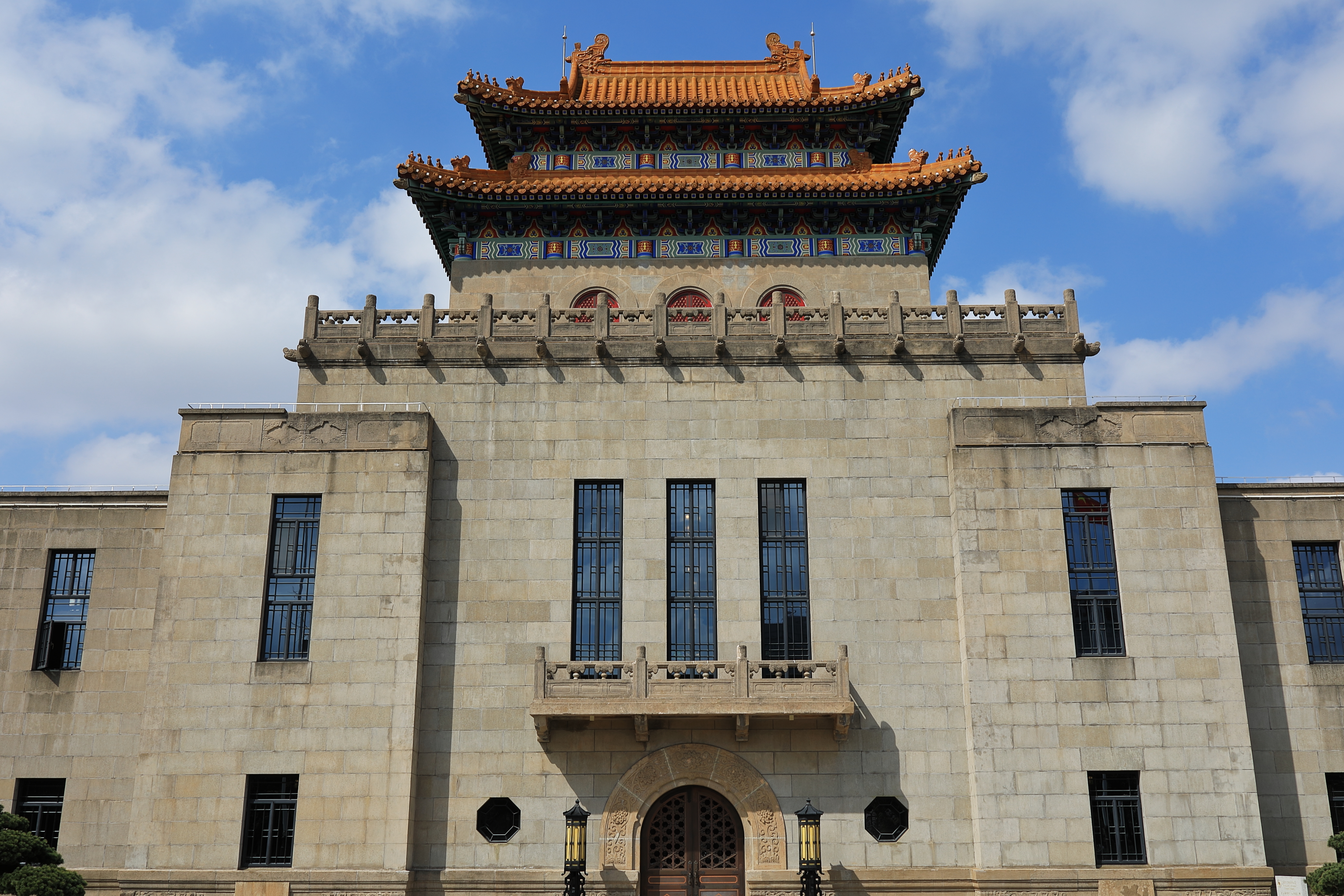
Stop 2: Former Shanghai Library 旧上海市图书馆 (Now Yangpu District Library 杨浦区图书馆)
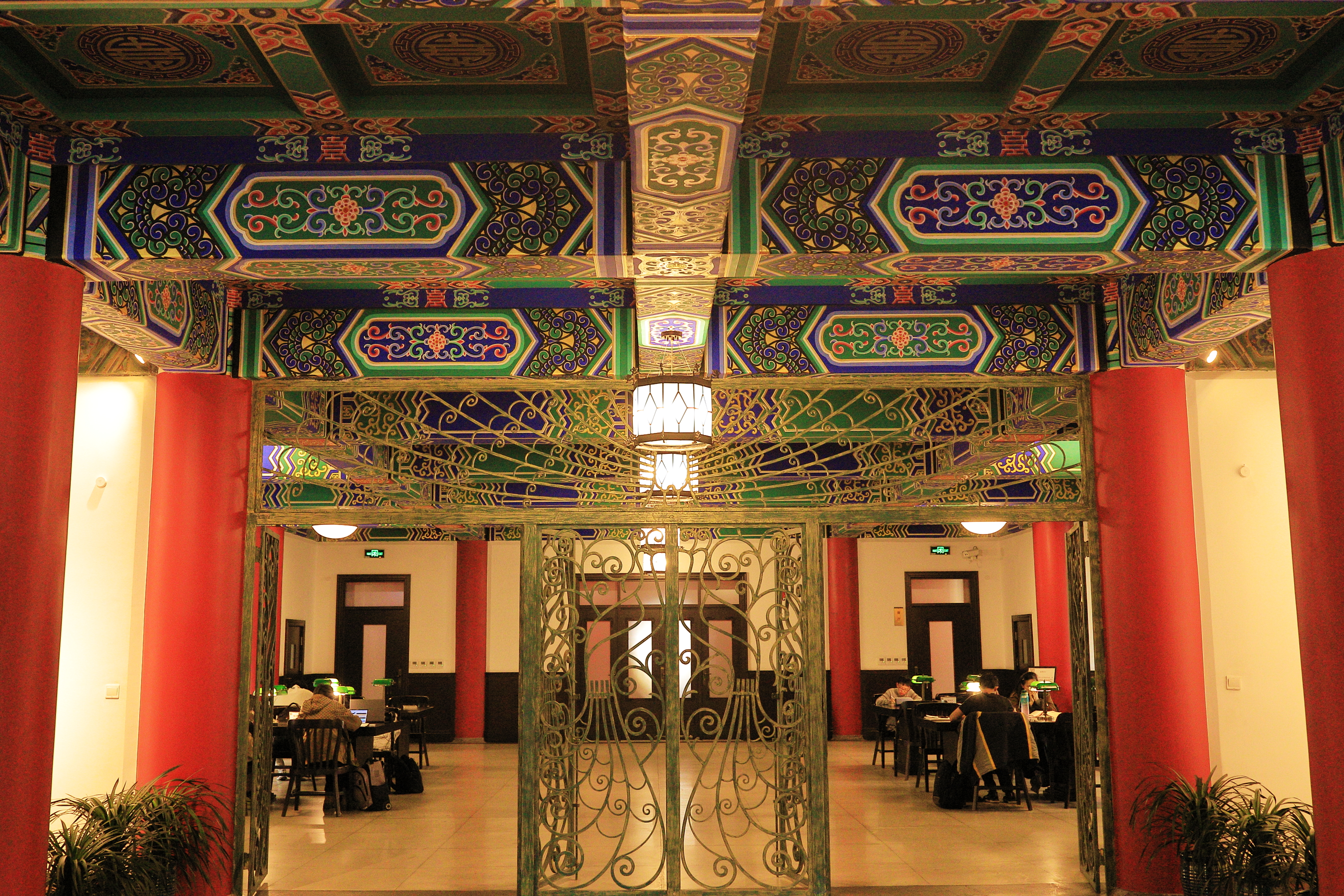
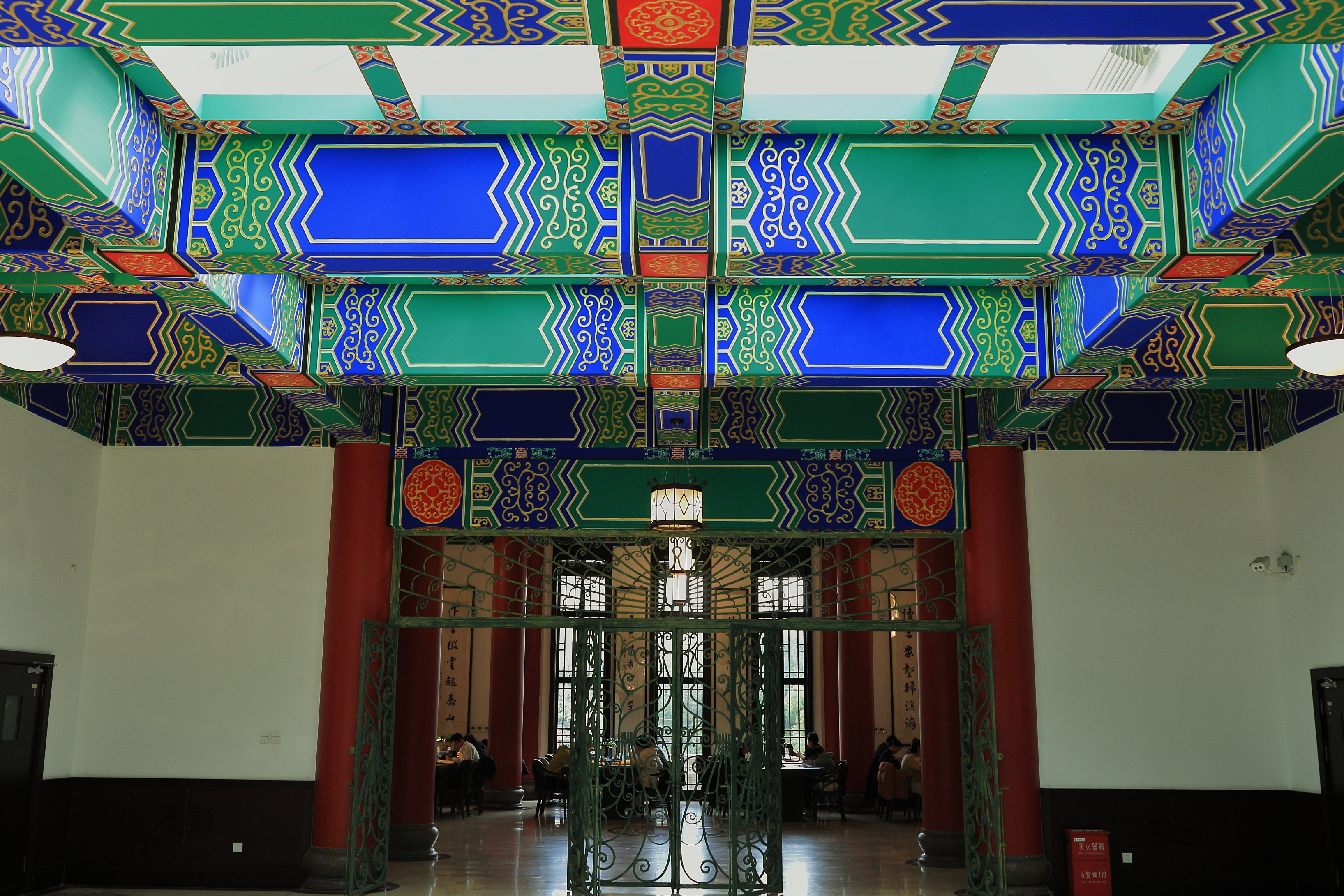
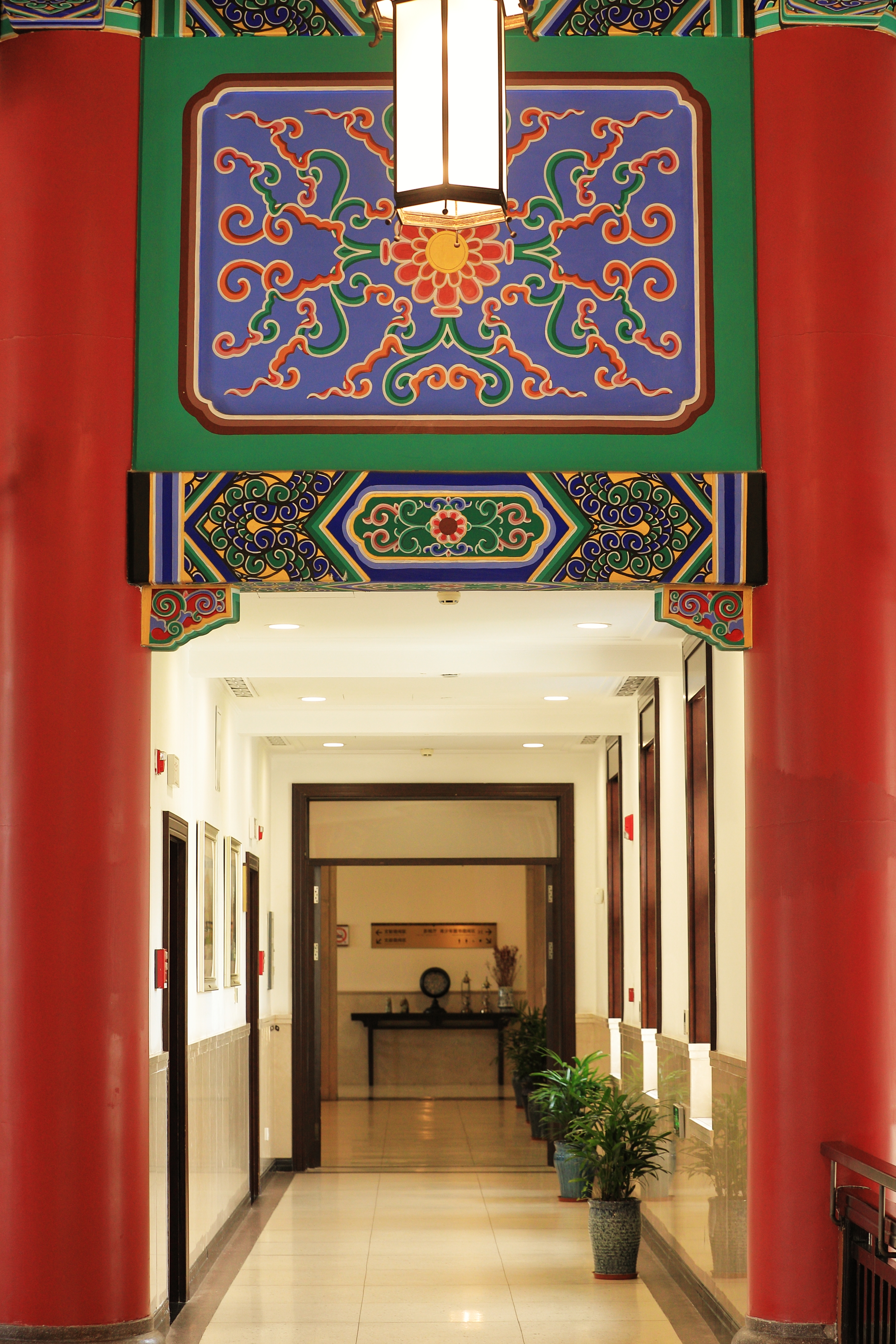
Someone at some point called this the "Little Forbidden City," and honestly, you can see why. The symmetry, the glazed roof tiles, the bracket sets, the carved niches: it's a full-throated homage to traditional Chinese palace architecture, scaled down to library proportions and somehow more charming for it. Completed in 1935, opened in 1936, and then spent several decades after the war doing whatever the building needed to do to survive, which is a story you'll hear a few times on this walk.
The restoration that wrapped up in 2018 is worth paying attention to. These things can go badly. This one didn't. The glazed tiles came back, the painted decoration came back, the terrazzo flooring came back, and the so-called Peacock Gate, which is exactly as good as it sounds, came back. The building re-entered public life looking like itself again, which is rarer than it should be in this city.
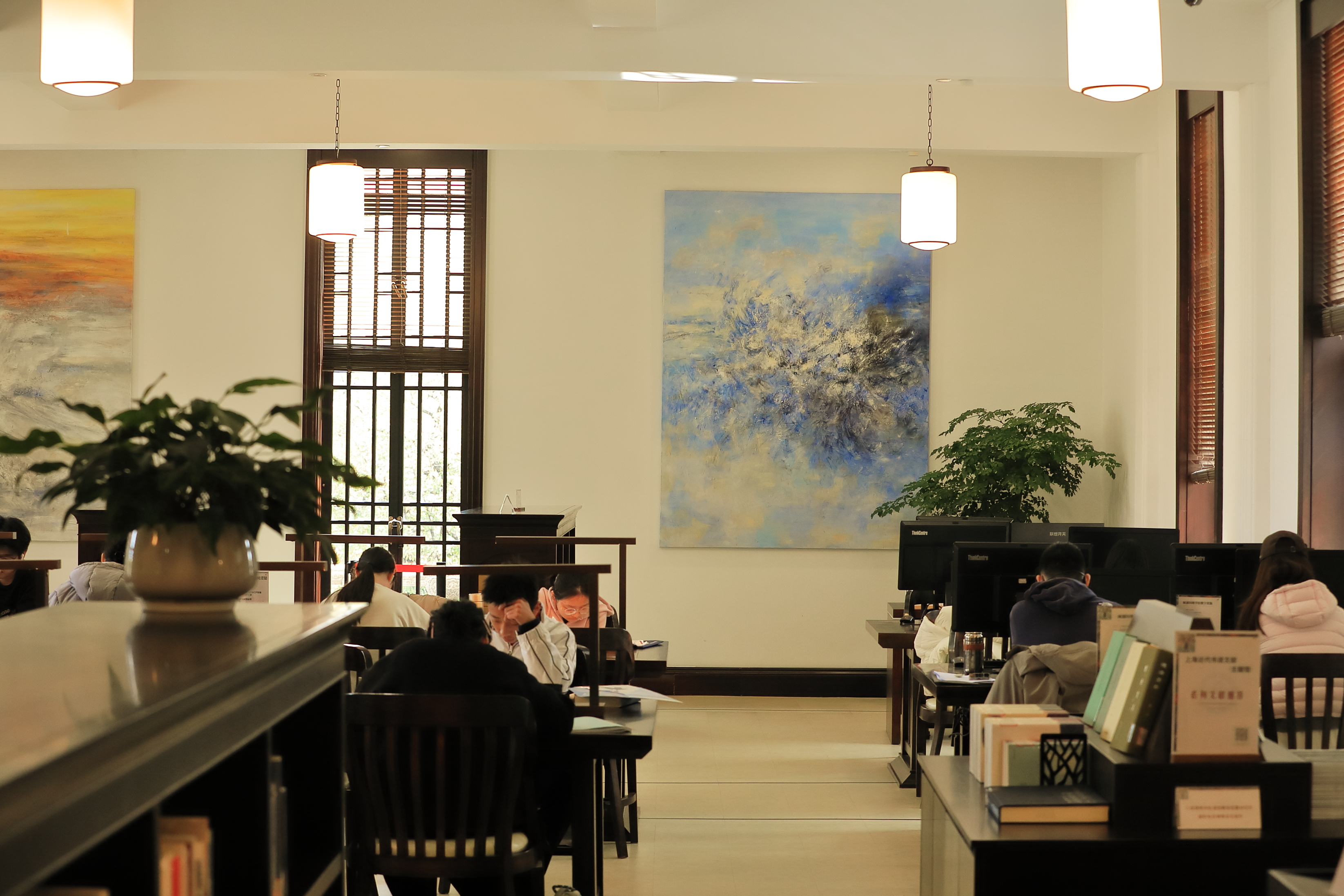
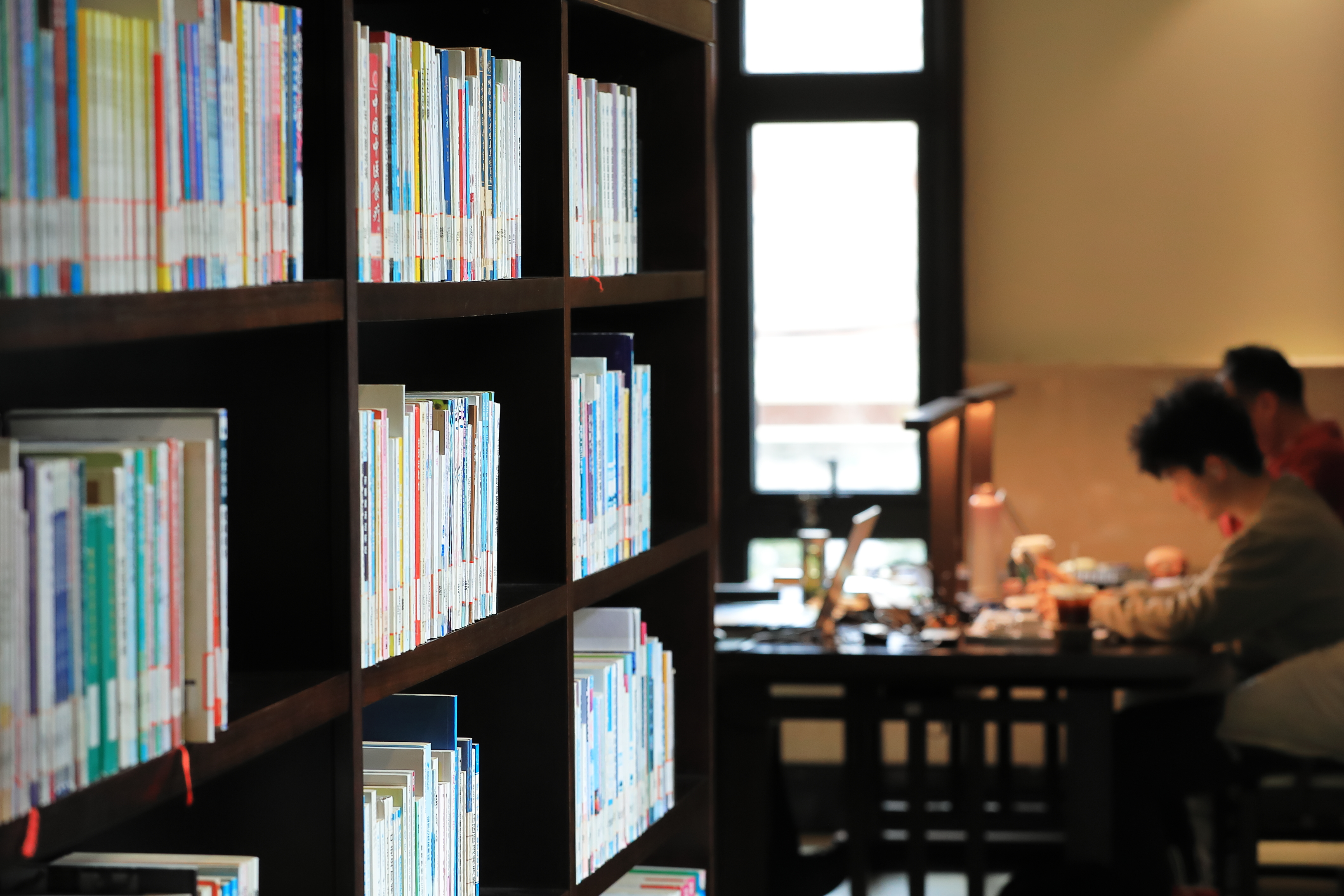
It's a working district library now. You can go in. You should(!)
Address: 366 Changhai Rd 长海路366号
![[Hai Streets] 8 HUGE Surviving Landmarks You Can Visit in Yangpu](https://obj.shine.cn/files/2026/04/21/087ceeb6-5a9d-4bd2-9946-ff8f9d84ce0c_0.jpg)
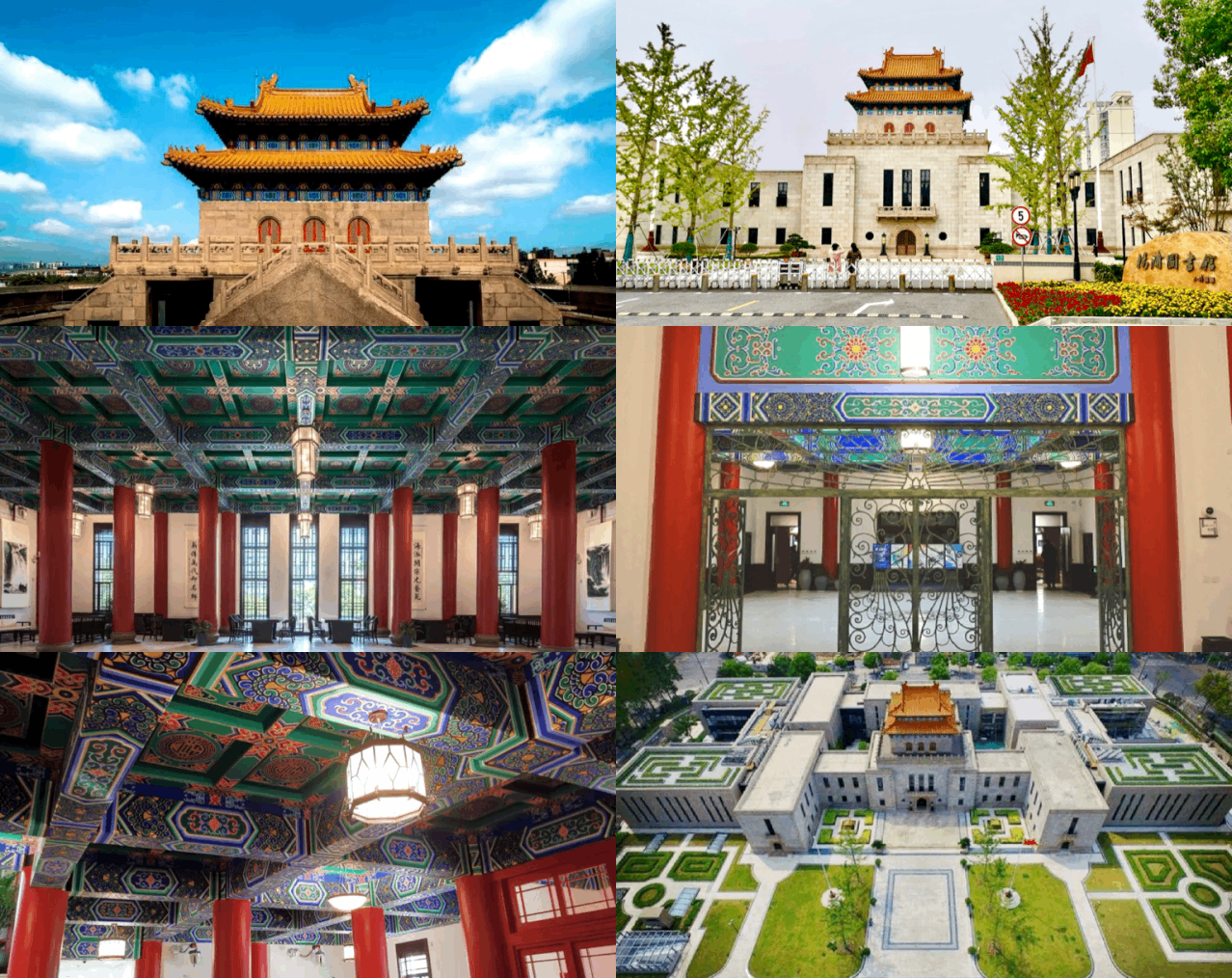
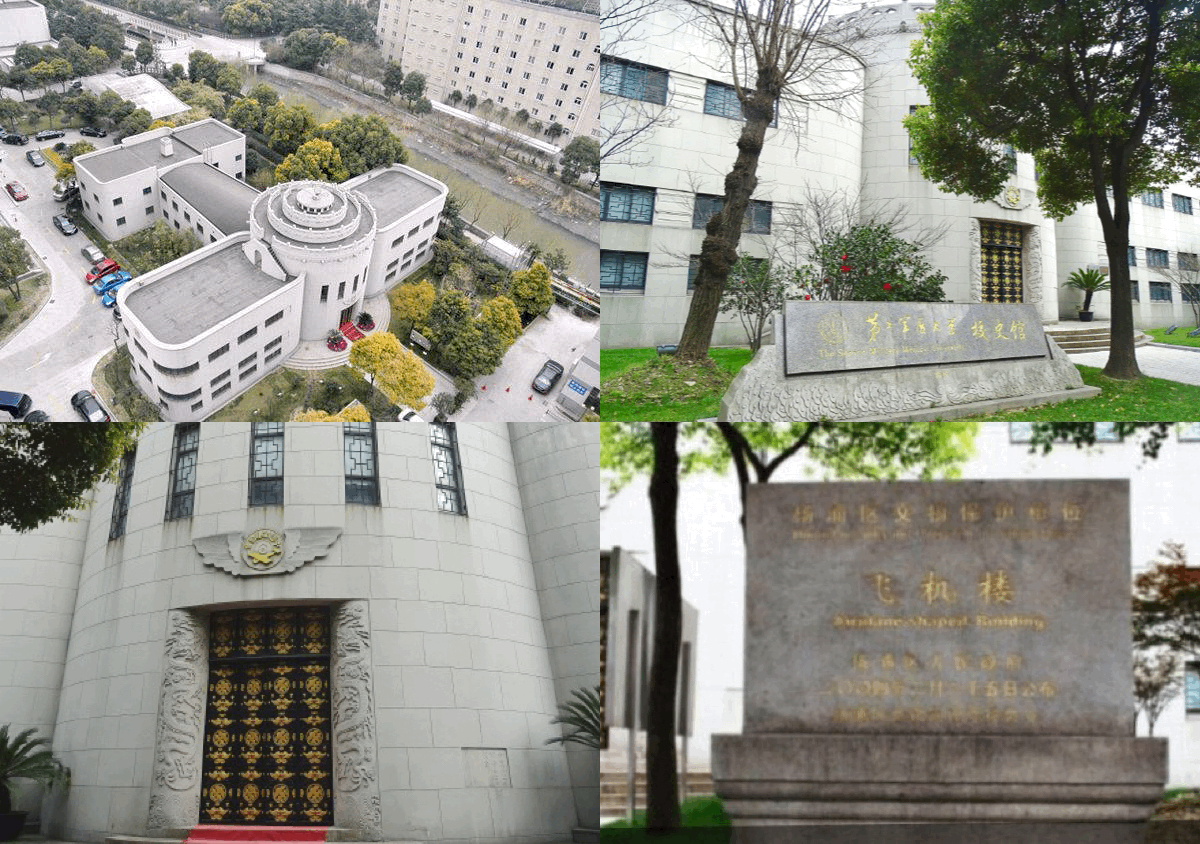
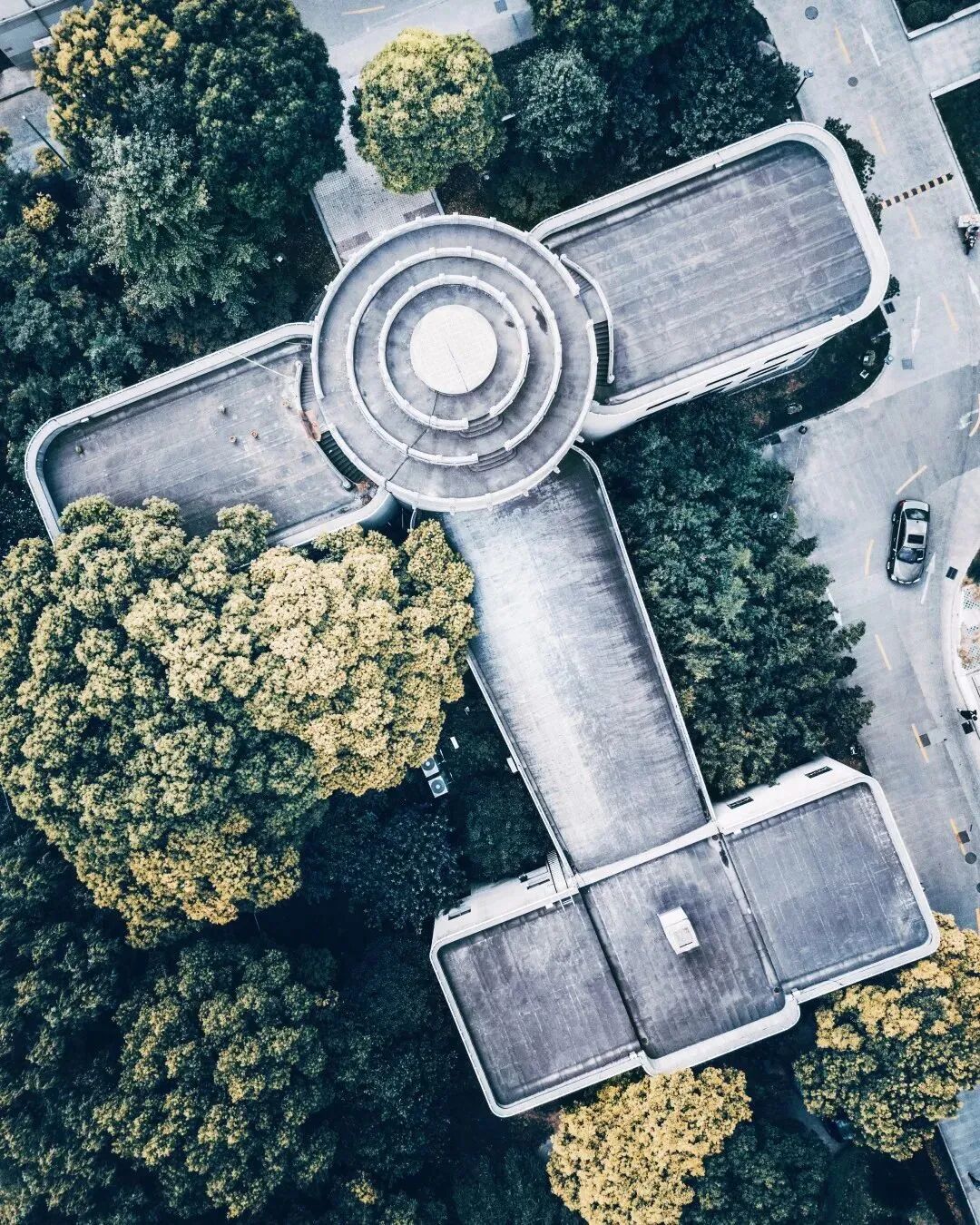
Stop 3: Former Chinese Aeronautical Association Building 旧中国航空协会 (Now History Museum of the Naval Medical University 第二军医大学校史馆)
Dong Dayou designed the museum, the library, and then, apparently feeling he hadn't made his point clearly enough, designed a building shaped like an airplane. An actual airplane. Central fuselage, wings extending from either side, the whole thing painted silver-white and planted in the middle of Yangpu like a monument to the sheer optimism of people who believed the future was arriving on schedule.
It's theatrical. It's idealistic. It is, by any reasonable measure, a little absurd. It is also completely wonderful, and if you've spent any time with the Greater Shanghai Plan, it makes a strange kind of sense. This wasn't a government hedging its bets. This was a government that believed it was building a new civilization and wanted the architecture to say so out loud.
The building survives as a university history museum now, which means access is limited and the silver paint has seen better days. But the silhouette still lands. Ninety years on, it still looks like someone's idea of the future.
Address: No.12 Building, 168 Changhai Rd 长海路168号12号楼
![[Hai Streets] 8 HUGE Surviving Landmarks You Can Visit in Yangpu](https://obj.shine.cn/files/2026/04/21/72fd40c4-fa05-423f-8618-525993cbed4e_0.jpg)
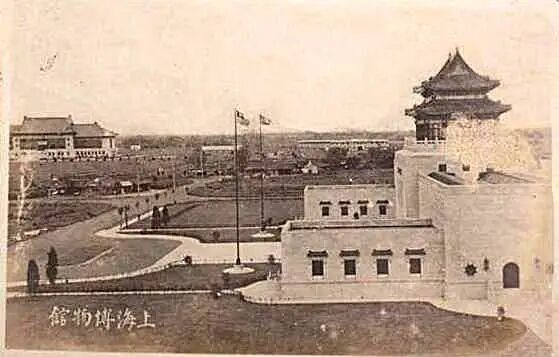
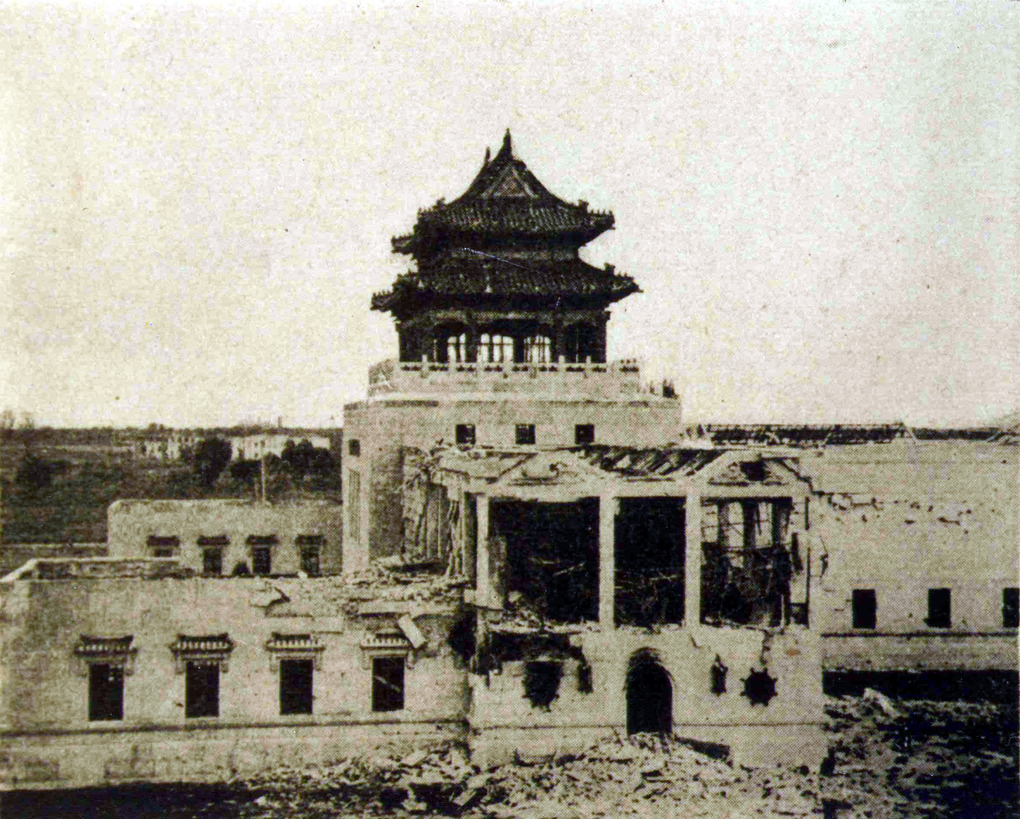
Stop 4: Former Shanghai Museum 旧上海市博物馆 (Now the Imaging Building of Changhai Hospital 长海医院影像楼)
The building that was once Shanghai's first government-funded museum is now a radiology department. This is either depressing or very Shanghai, depending on your disposition.
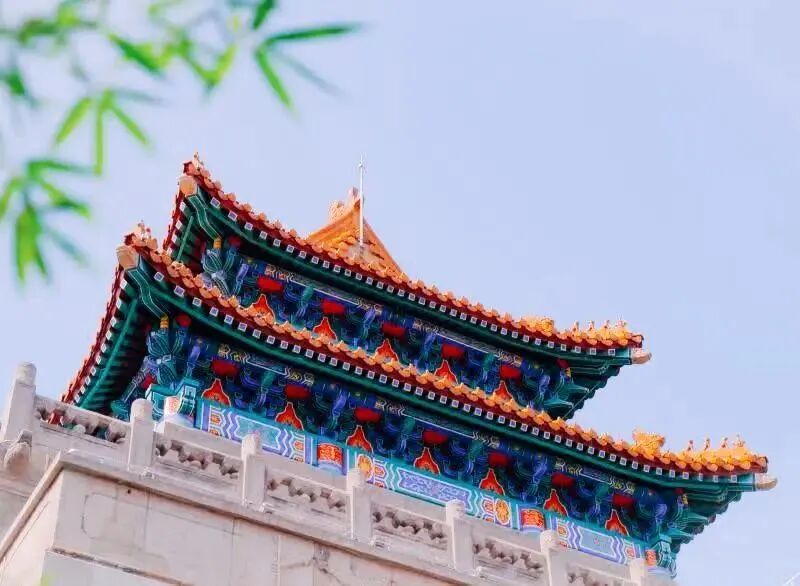
What it looks like is a Beijing Drum Tower that got serious about its ambitions: double-eaved roof, central tower, large stone-block walls that carry genuine ceremonial weight. Dong Dayou again, working in full classical mode. Inside, if you can get a look, red-painted columns and painted ceiling decoration survive beneath whatever the hospital has layered over them, which is a good metaphor for this entire neighborhood.
In 1935 it held more than 20,000 artifacts. First museum in the city funded directly by the government, which tells you something about how seriously the Nationalists took the cultural dimension of the Greater Shanghai Plan. They weren't just building offices and roads. They were building institutions, the kind that were supposed to last.
They did last, technically. Just not as museums.
Address: 168 Changhai Rd 长海路168号
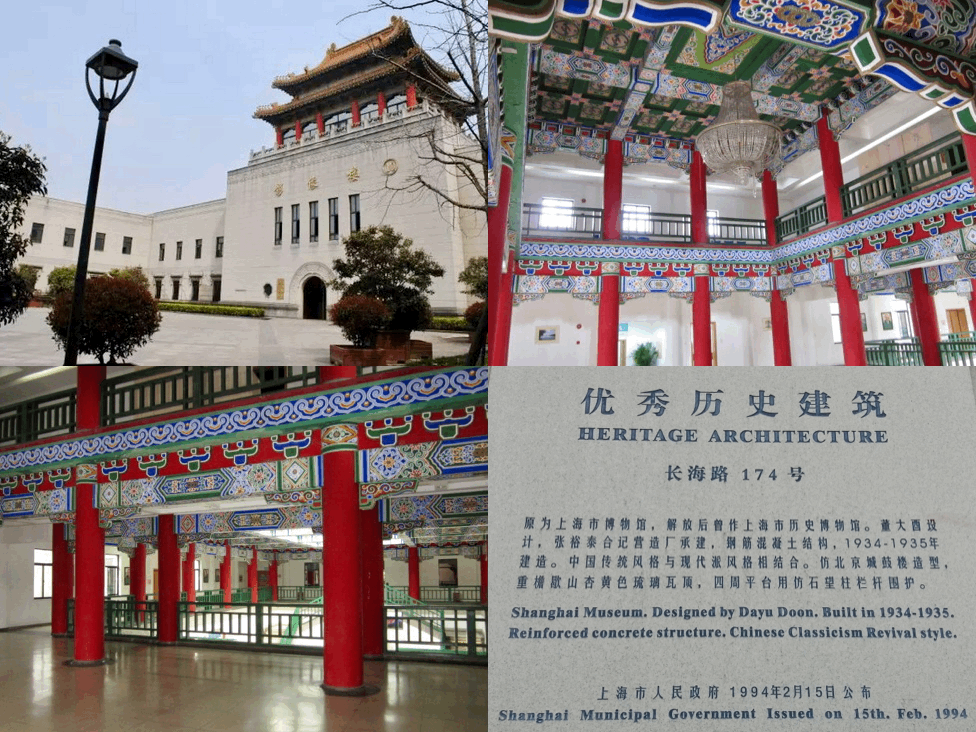
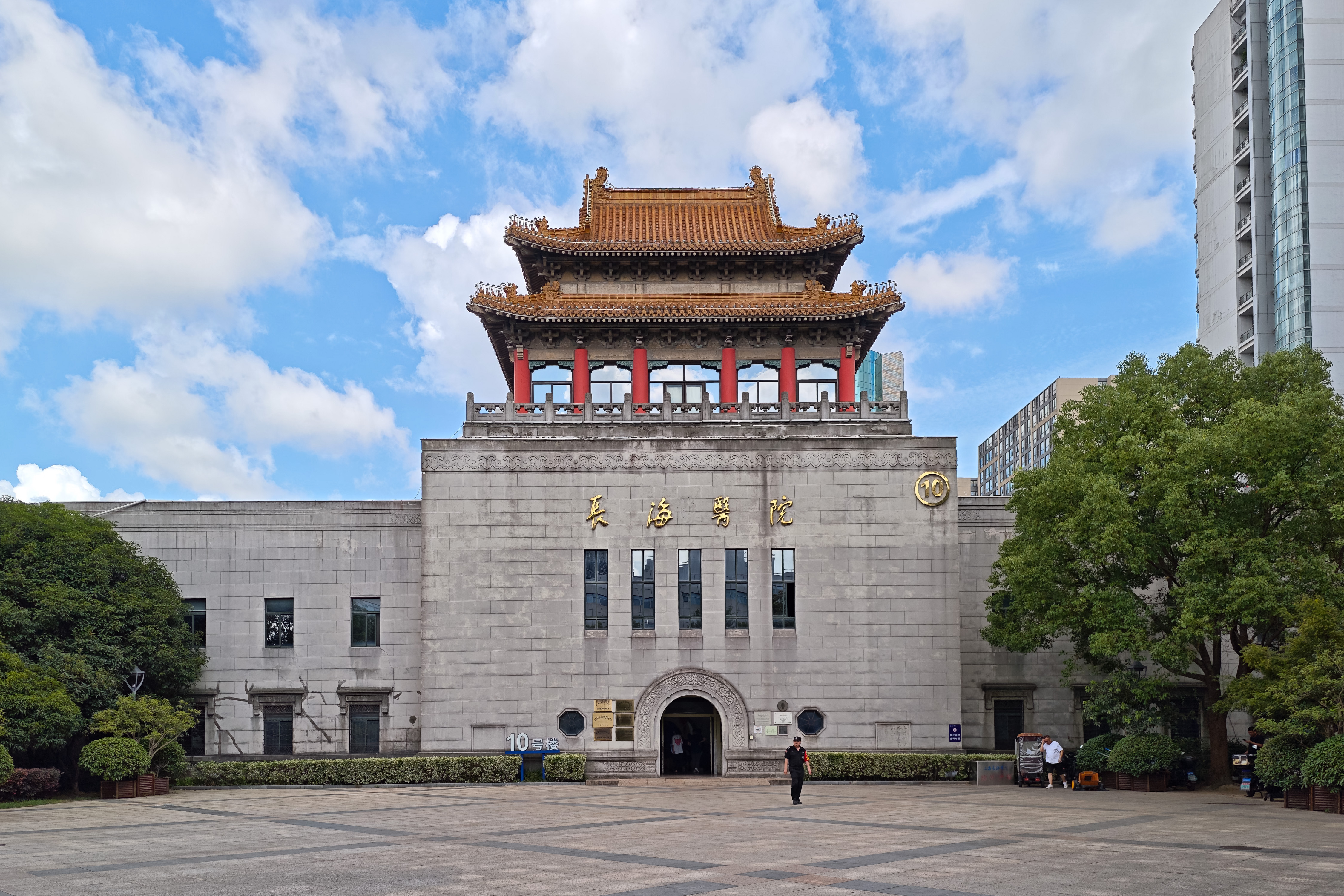
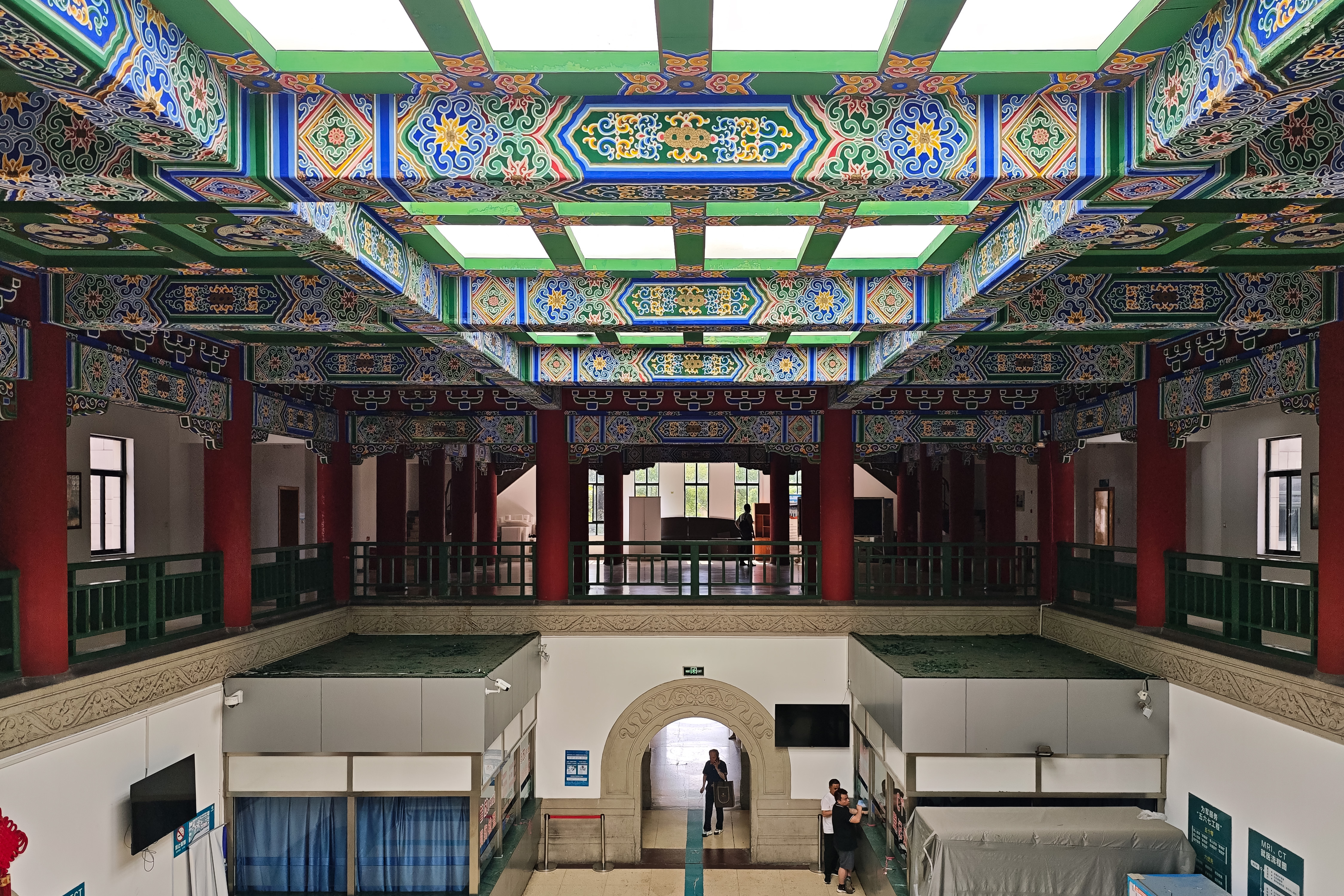
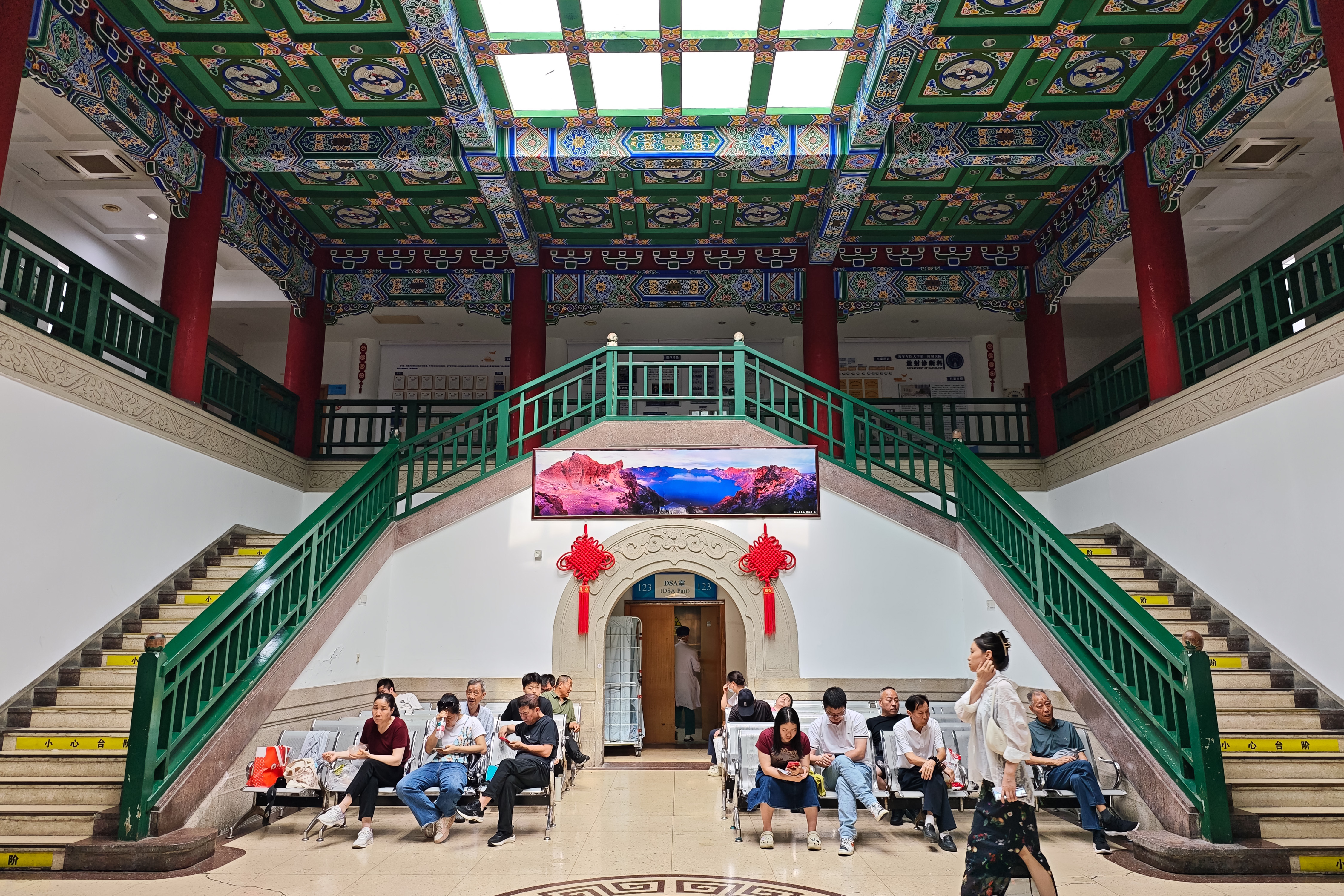
Stop 5: Former Shanghai Municipal Hospital 旧上海市立医院 (Now the No.21 Building of Changhai Hospital 长海医院21号楼)
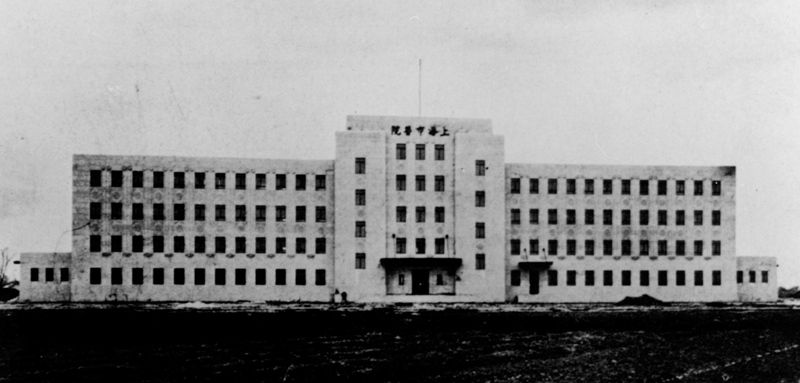
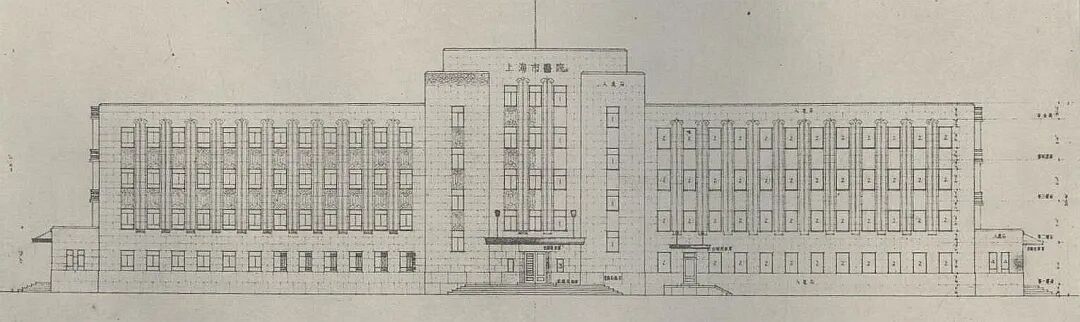
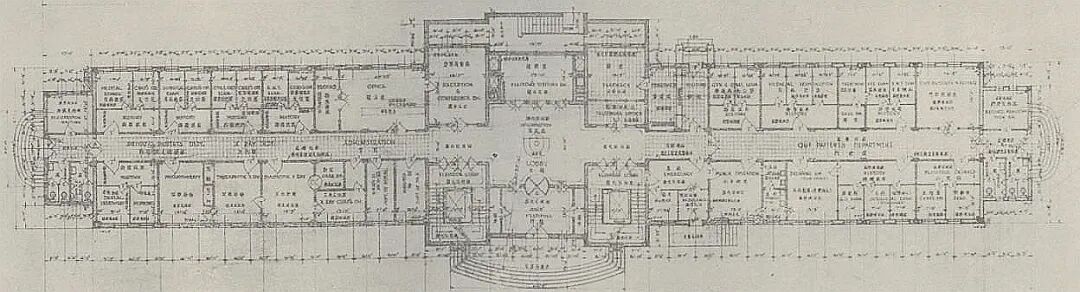
Not every building in the Greater Shanghai Plan was trying to make a speech. This one was just trying to be a hospital.
Opened in 1937, the former Shanghai Municipal Hospital is the most restrained stop on the walk: modernist in its bones, with Chinese decorative elements applied with a lighter hand than the drum-tower museum or the Little Forbidden City library next door. No grand gestures. It was designed as working civic infrastructure, the unglamorous but necessary part of any serious urban plan, and it looks exactly like that.
It opened in 1937. The Japanese occupied it shortly after. That's the whole arc of the Greater Shanghai Plan in a single building: conceived in ambition, completed just in time to be seized by an enemy, and then repurposed by whoever came next. The architecture survived. The vision it was built to serve did not.
It's still a hospital ward. Which means it's still doing what it was built to do, more or less, under circumstances nobody in the 1920s could have planned for.
Address: 168 Changhai Rd 长海路168号
![[Hai Streets] 8 HUGE Surviving Landmarks You Can Visit in Yangpu](https://obj.shine.cn/files/2026/04/21/292c58cc-c52f-4a0b-92e7-afa510725d6d_0.jpg)
Former Shanghai Public Health Laboratory 旧上海市卫生试验所 (Now the Staff Dormitory Building of Changhai Hospital)
The Public Health Laboratory doesn't have the theatrical ambition of the Airplane Building or the ceremonial weight of the drum-tower museum. What it has is detail, and if you're paying attention by this point in the walk, detail is exactly what you're looking for.
The roofline does the expected work: upturned eaves, red-tiled slopes, dormer windows, the standard Republican-era vocabulary of modernist structure dressed in traditional Chinese form. But look at the exterior walls. Repeated across the facade is an emblem: a cross enclosing a stylized version of the characters for weisheng (卫生, health), framed by cloud patterns. It's precise, it's purposeful, and it's not just decorative. The same emblem is inlaid into the ground floor of the former municipal hospital next door, a deliberate visual link between two buildings that were always meant to be read together, as parts of a coordinated medical district within the larger plan.
Nobody does that by accident. Someone in the 1930s was thinking carefully about how these buildings would speak to each other across a courtyard, and ninety years later, if you know how to look, they still do.
Address: Lane 32, Zhongyuan Rd 中原路32弄
![[Hai Streets] 8 HUGE Surviving Landmarks You Can Visit in Yangpu](https://obj.shine.cn/files/2026/04/21/05b26224-3664-423a-8ae8-ea50b0f2bed5_0.jpg)
![[Hai Streets] 8 HUGE Surviving Landmarks You Can Visit in Yangpu](https://obj.shine.cn/files/2026/04/21/97e00aad-16c5-4497-b7f6-d8a0aa0a761b_0.jpg)
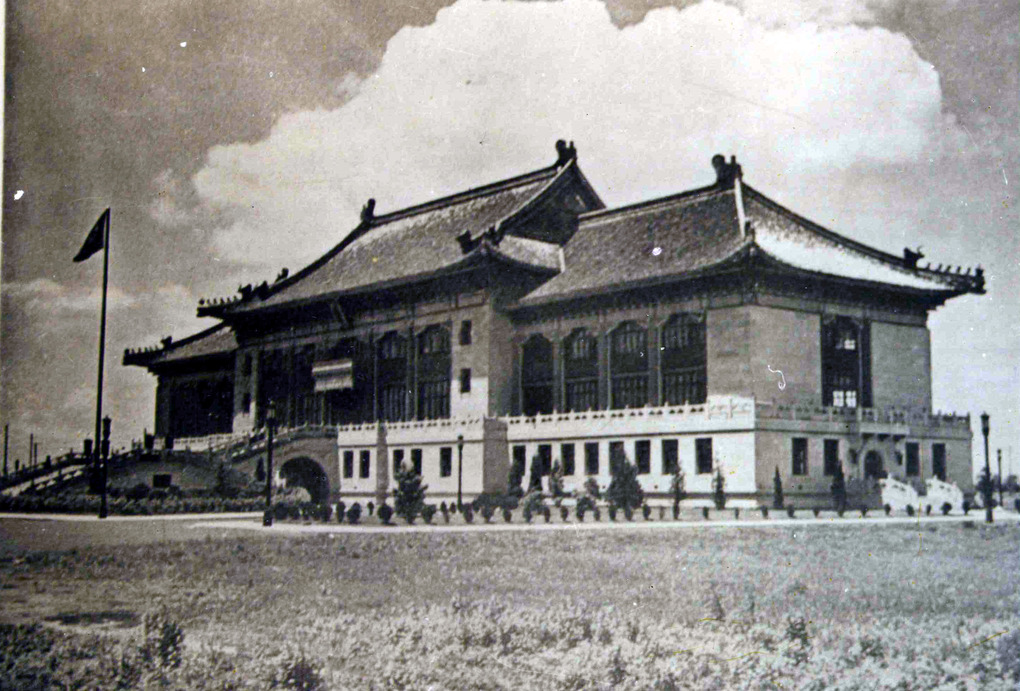
End Point: Former Shanghai Special Municipal Government Building 旧上海特别市政府大楼 (Now the Main Building of Shanghai University of Sport 上海体育学院主楼)
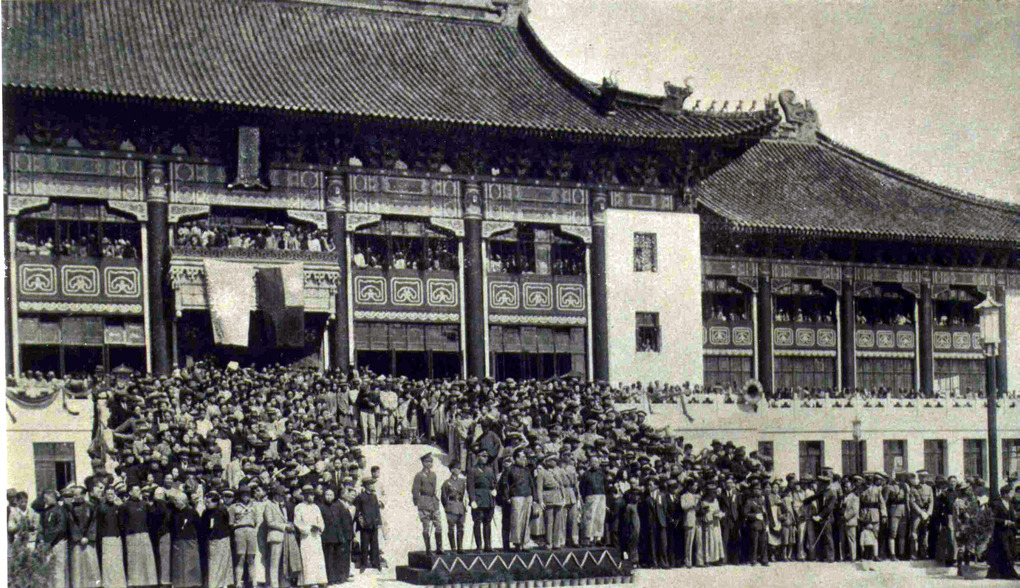
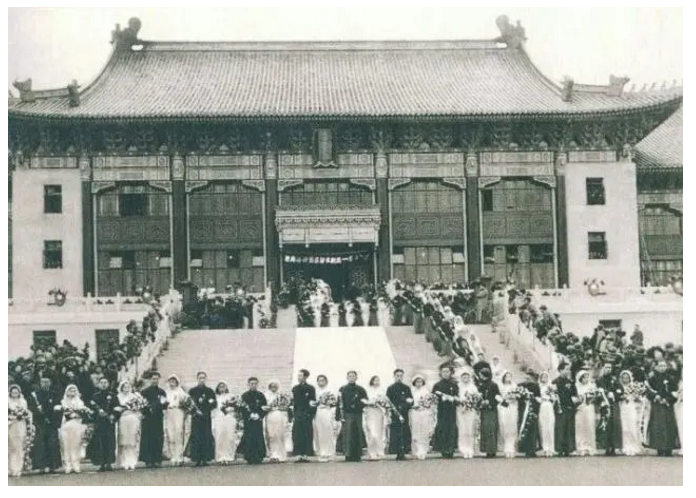
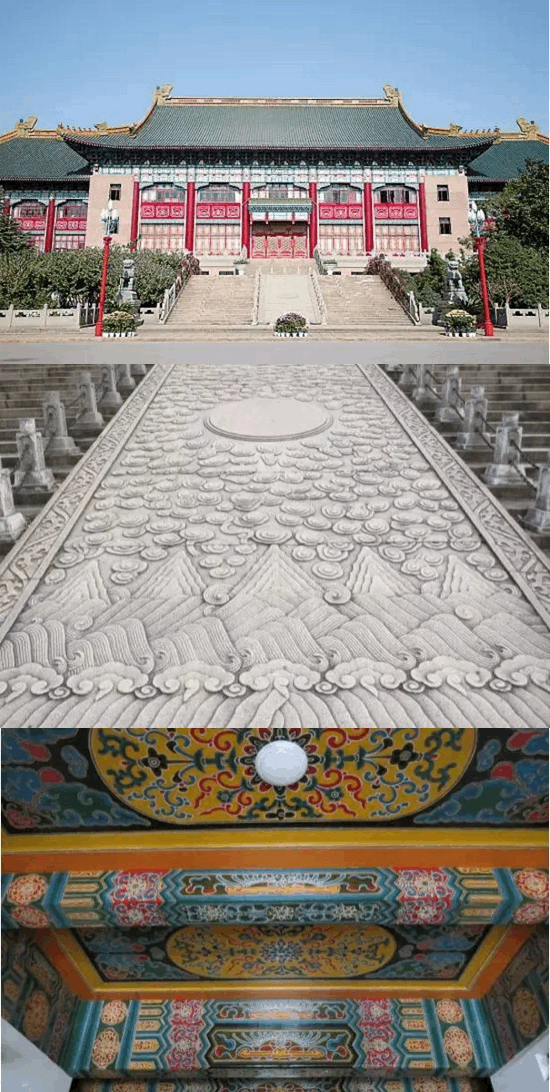
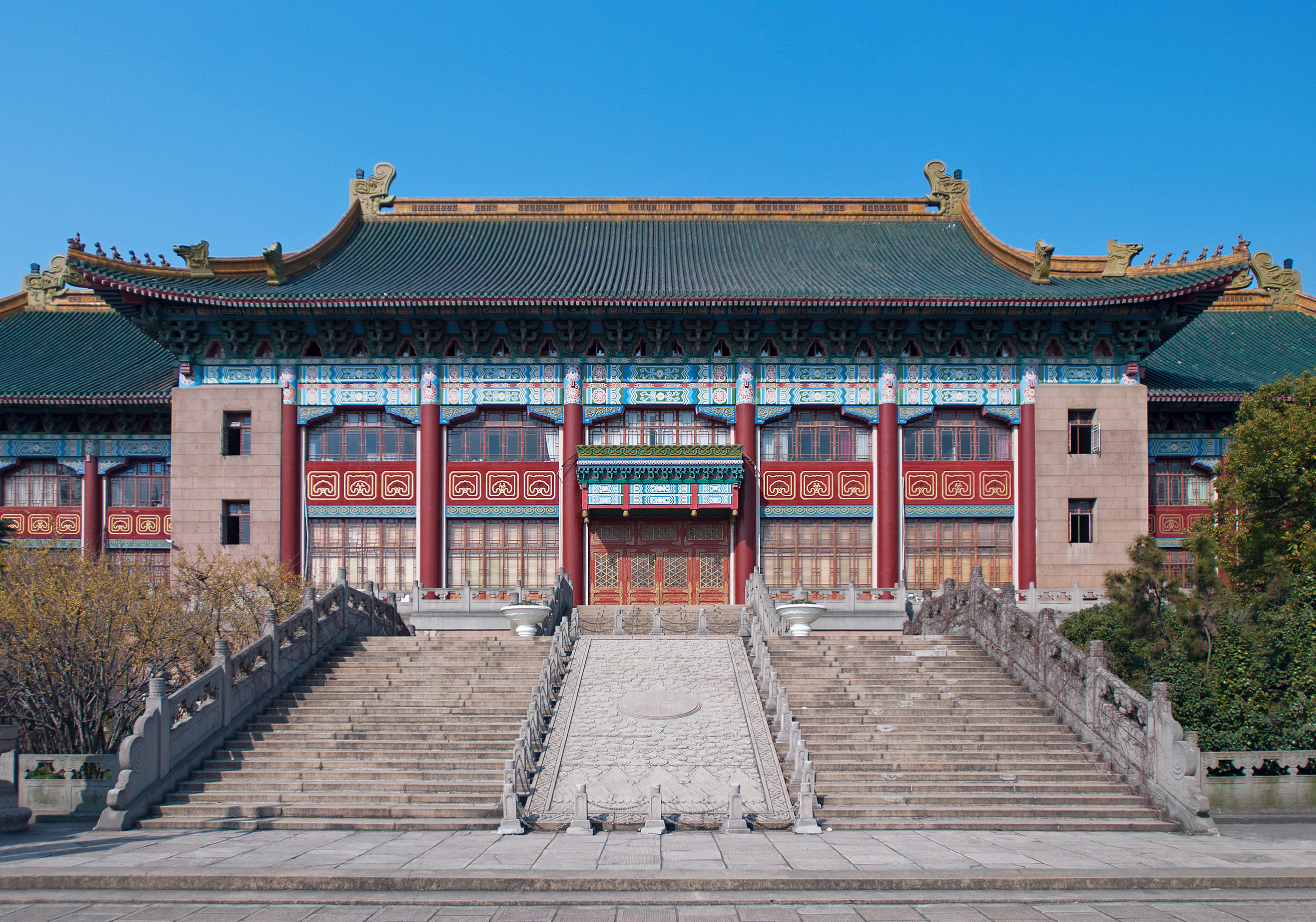
No walk through the area would be complete without the former Shanghai Special Municipal Government Building, now the main building of Shanghai University of Sport. Completed in 1933, this was the symbolic core of the Greater Shanghai Plan. It was designed in a grand Chinese palace style, with upturned eaves, glazed roof tiles and a formal layout suited to the seat of a modern municipal government that also wanted to project national cultural authority.
Inside, the building once contained offices for senior officials, meeting rooms and a grand assembly hall. More than just an administrative headquarters, it embodied the political ambition behind the entire district. To stand in front of it now is to see how architecture was used to imagine power, legitimacy and a distinctly Chinese version of urban modernity.
Address: 650 Qingyuan Ring Rd 清源环路650号
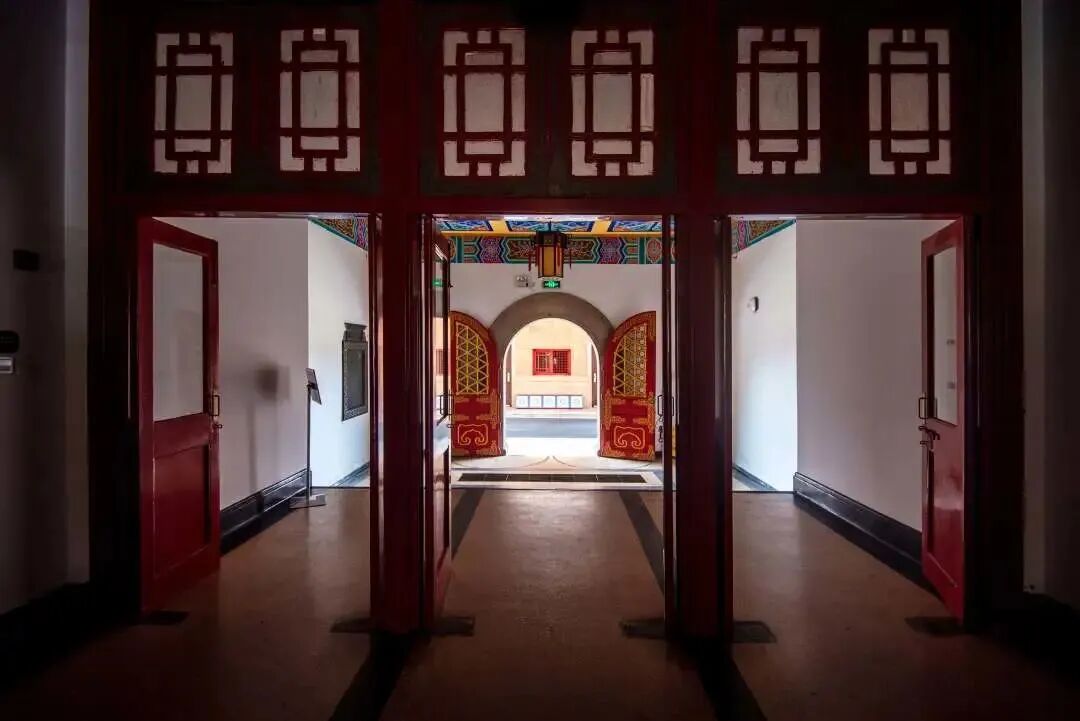
Wujiaochang will go back to being a shopping district the moment you stop paying attention. That's fine. It's good at that.
But these eight stops are still here, and they're not going anywhere. A radiology department that used to hold 20,000 artifacts. A library that looks like a palace and works like one. A building shaped like an airplane, planted in Yangpu by people who genuinely believed they were inventing the future. The whole ensemble, scattered across a neighborhood that mostly forgot what it was supposed to be, was waiting for someone to read it correctly.
The Greater Shanghai Plan was never finished. What it left behind is something rarer than a completed vision: a city walk through an interrupted one, where the ambition is still legible in the rooflines, and the road geometry and the health emblems inlaid into the floor. Shanghai has a hundred walks that show you what the city has become. This one shows you what it was trying to be.
That's worth an afternoon.
Editor: Zhang Shunyi
In Case You Missed It...
 Sep 10, 2026
![[SH Health Guide] Shanghai Tongren Hospital](https://obj.shine.cn/files/2026/09/09/1aee3b24-6759-4b1d-8b0f-1346a8bf91b0_0.jpg)
![[Quick News] Shanghai Steps Up Crackdown On Airport Taxi Passenger Dumping](https://obj.shine.cn/files/2026/09/07/6a90c84e-f50c-40bf-861f-94401f834651_0.jpg)