The Scent of Home: How Osmanthus Breathes Life Into Shanghai's Alleys
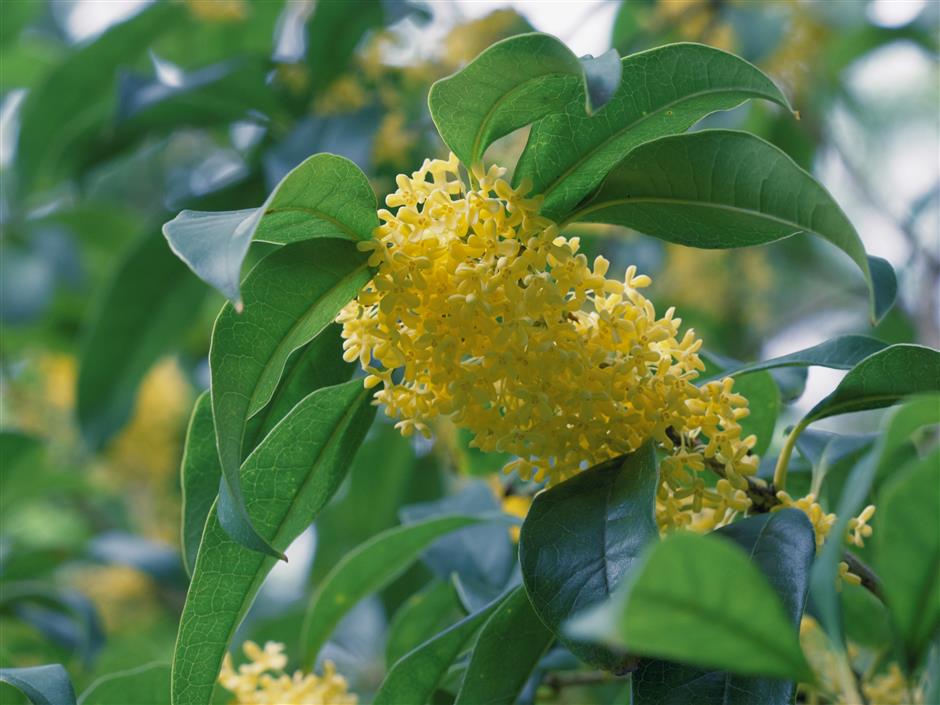
In Shanghai, autumn does not arrive with a calendar date or a sudden drop in temperature. It arrives on a breeze.
During China's National Day "Golden Week," while massive crowds jostle along the historic Bund and the neon lights of Nanjing Road dazzle tourists, a quieter, more profound transformation unfolds in the city's residential corners. The osmanthus has awakened.
The air, usually heavy with the lingering humidity of the Yangtze River Delta and the exhaust of an engine-driven metropolis, suddenly turns thick with a sweet, apricot-like perfume. It is an aroma that bypasses intellect and strikes directly at memory. As the old saying goes, "In the eighth lunar month, the osmanthus fragrance arrives." Year after year, it keeps that promise, grounding a megacity defined by vertical ambition in the horizontal reality of the earth.
A scent that arrives before autumn
To the uninitiated eye, the osmanthus (Osmanthus fragrans) is unassuming. It is rarely the centerpiece of a grand garden. Instead, it is an evergreen shrub found in the architectural cracks of the city: lining concrete sidewalks, tucked into the corners of public parks, or growing stubbornly inside the courtyard walls of century-old lane houses. Its leathery, dark-green leaves grow in opposite pairs, concealing tiny clusters of flowers tucked against the stems.
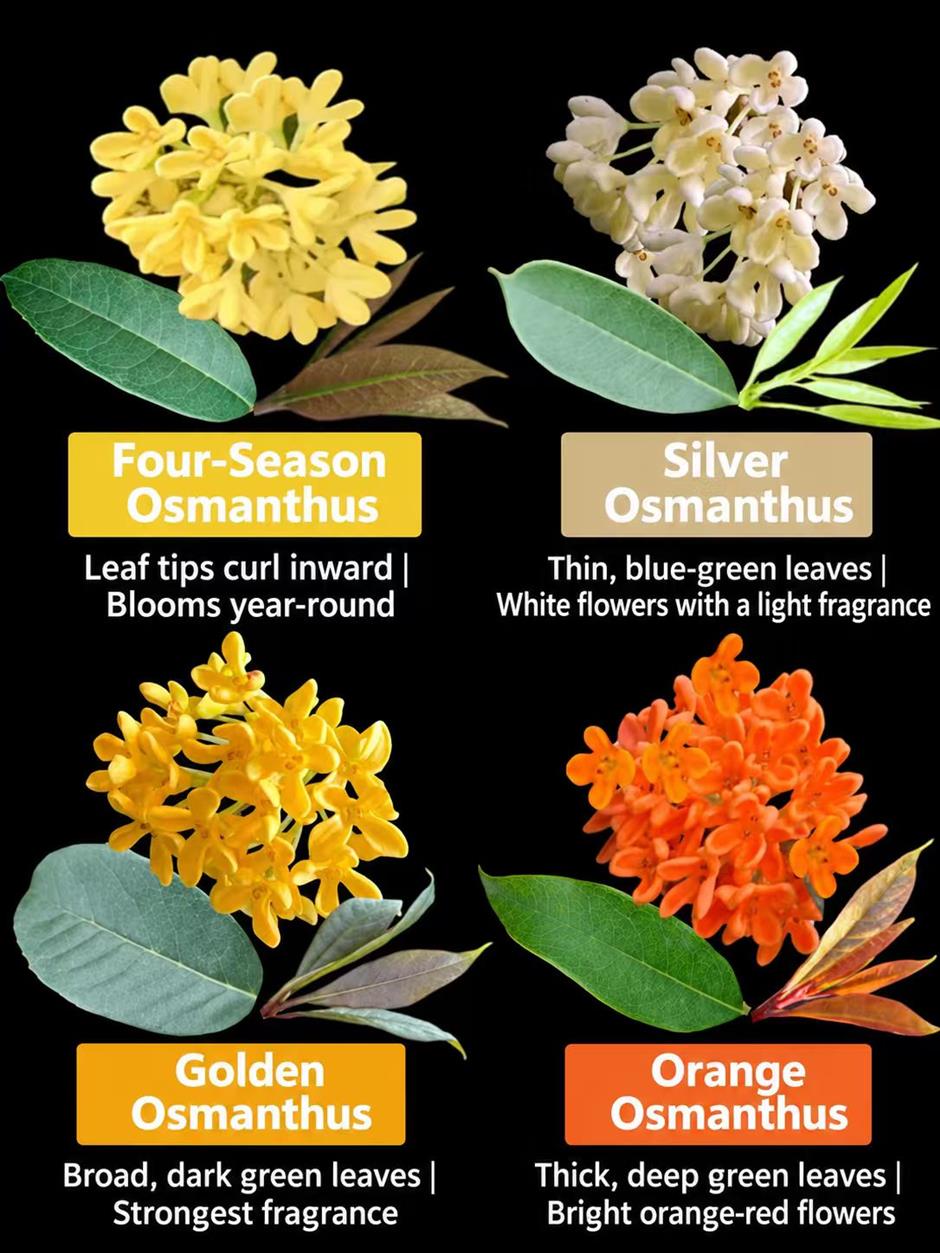
These blossoms appear in four main varieties: the deep-yellow Golden Osmanthus (Jin Gui), the creamy Silver Osmanthus (Yin Gui), the vibrant Orange Osmanthus (Dan Gui), and the pale, year-round Sweet Osmanthus (Siji Gui). Despite their miniature size, their olfactory footprint is immense.
The botanical identity of the plant is written directly into its scientific name – a linguistic key to its character. Osmanthus stems from two Greek roots: osme, meaning "scent," and anthos, meaning "flower." The specific epithet, fragrans, is Latin for "fragrant." The taxonomy yields a poetic tautology: a fragrant flower meant to be smelled.
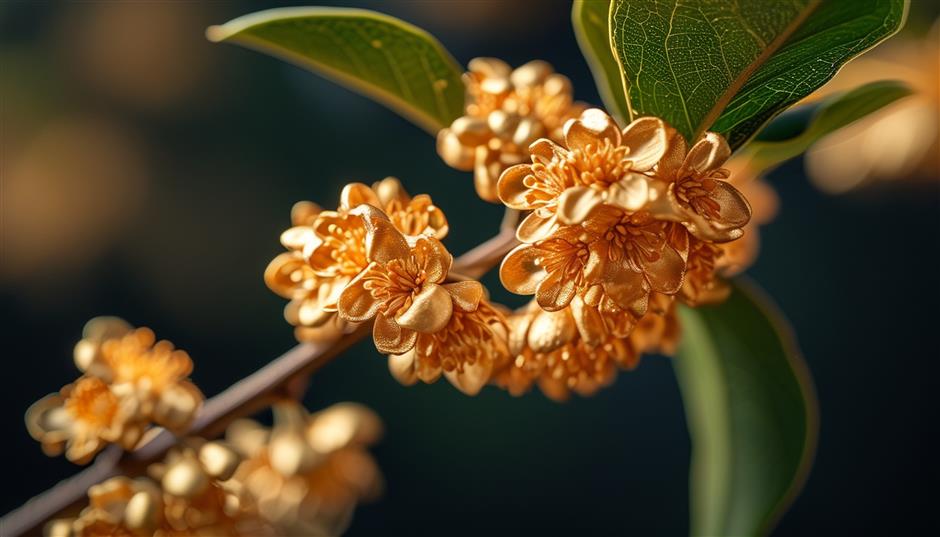
In Western botany, the plant was historically given clumsier labels: "sweet olive," "tea olive," or "fragrant olive." These names attempted to bridge a cultural gap for foreign readers by comparing the unfamiliar shrub to the familiar Mediterranean olive tree.
Yet a shift is taking hold. Much as "bamboo" and "ginkgo" shed their explanatory labels generations ago, "osmanthus" is becoming standard English. It reflects a growing global literacy with original botanical names, allowing the genus to pass directly into everyday vocabulary. Today, visitors are far more likely to ask for a cup of "osmanthus tea" than "sweet olive tea."
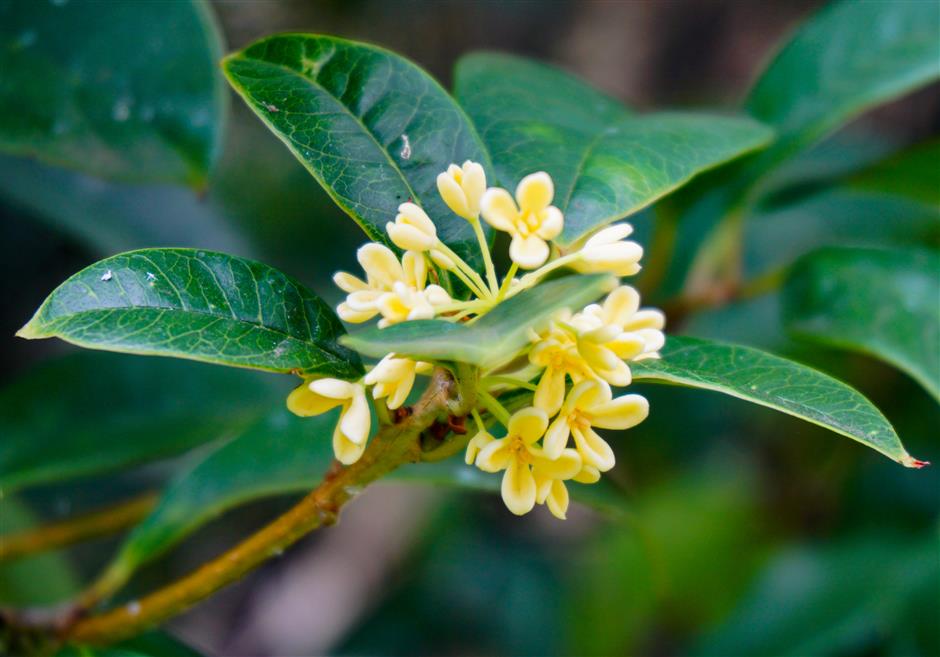
A culinary tradition captured in bloom
Beyond its scientific profile, the osmanthus is a cornerstone of the Jiangnan (areas to the south of the lower reaches of the Yangtze River) region's culinary culture. In Shanghai, the fleeting blossoms are meticulously harvested and preserved, converting an ephemeral autumn breeze into a lasting flavor.
The flower's versatility is astonishing. It is used to make osmanthus jam (guihua jiang), a rich, golden preserve that seals the sweetness of autumn in a glass jar. It is steeped to make osmanthus tea (guihua cha), a delicate floral infusion, frequently blended with high-grade green tea. In the realm of confectionery, osmanthus cake (guihua gao) and osmanthus candy (guihua tang) are beloved treats.
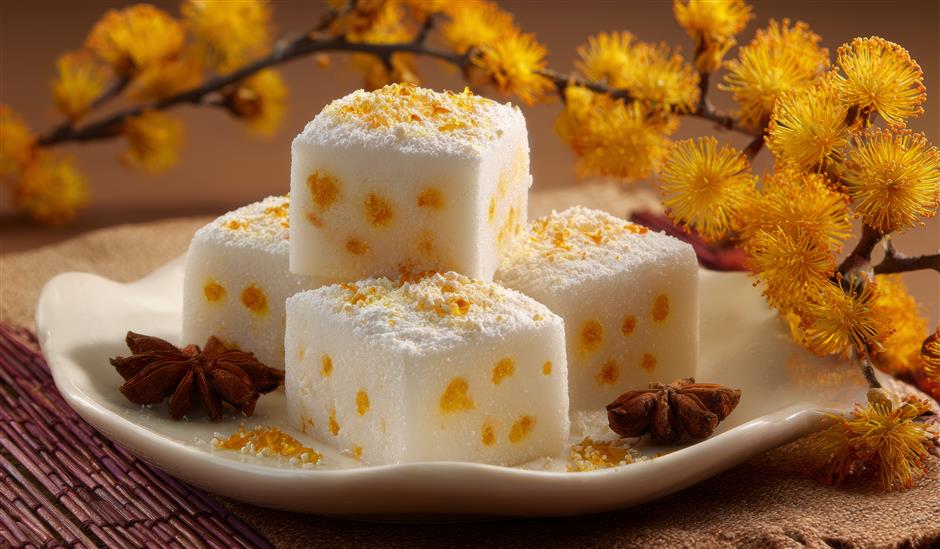
Perhaps the most iconic dish is osmanthus candied lotus root (guihua tang ou), a Shanghainese comfort dish featuring sticky rice-stuffed lotus root slow-simmered in a fragrant floral syrup. Then there is osmanthus duck (guihua ya), a salted duck traditionally prepared during the blooming season, and osmanthus jelly (guihua dong), a translucent dessert that wobbles with floral sweetness. Even osmanthus wine (guihua jiu) exists, a sweet fermented tribute to the harvest. These dishes do far more than nourish; they invite residents to swallow the season itself, internalizing the brief, passing beauty of the crisp autumn air.

The pulse of the longtang
This deep integration into daily life underscores what locals call yanhuo qi-literally "smoke and fire," the vibrant, grounded reality of everyday community life.
While the gleaming glass skyscrapers of the Lujiazui financial district pierce the cloud line, the true soul of Shanghai resides down on the ground, inside its historic longtang (residential lane houses). Here, the sweet scent of blooming osmanthus blends seamlessly with the sizzle of scallion oil noodles (congyou banmian) and the cool dampness of old stone doorways.
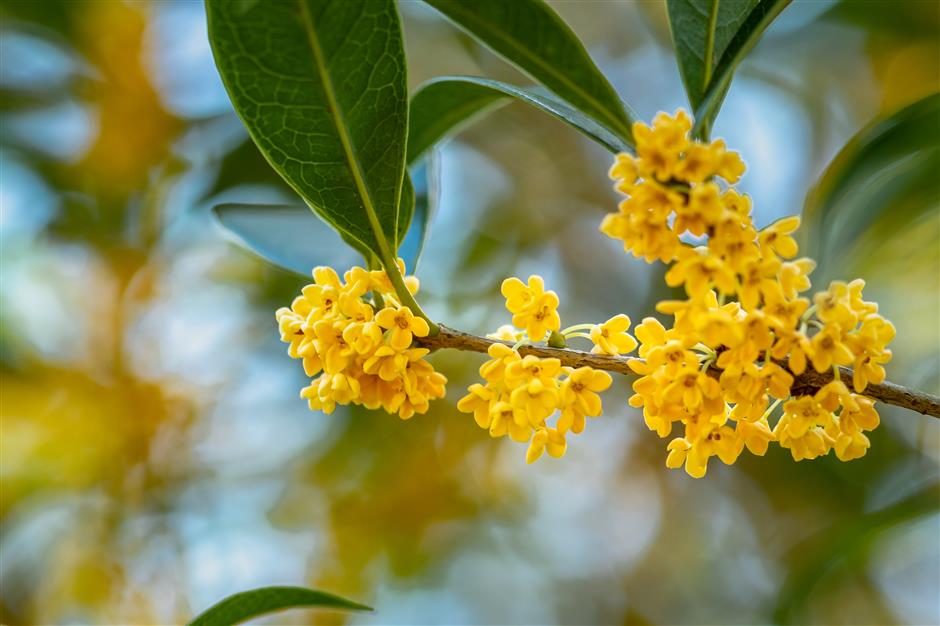
It is a remarkably democratic scent. It draws no distinction between multi-million-dollar modern apartments and the cramped communal kitchens of historic neighborhoods. In the narrow alleys, neighbors still pass jars of homemade osmanthus jam over low walls, a quiet gesture of intimacy that endures despite rapid urban redevelopment.
The tree functions as a natural keeper of "slow time." Shanghai operates on high-speed rail, digital payments, and relentless 24-hour efficiency; it is a metropolis perpetually living in the future. Yet the osmanthus answers to an internal clock older than any digital network. It waits only for the first true cool breath of autumn. It does not adjust for stock market swings or economic output. It blooms when the night air turns crisp and the season settles.
For a few golden weeks in October, the city's frantic pace is visibly softened. The pervasive aroma forces a collective pause. It reminds the hurried commuter, the rushing student, and the elderly neighbor on a morning walk that beneath the concrete layers, human life remains tethered to the natural world.
In recent years, as urban heat island effects intensify and global climate patterns shift, the tree's blooming schedule has grown more unpredictable, closely tied to sudden autumn cold snaps. That volatility has made its arrival all the more precious to Shanghai residents.
If you find yourself wandering through Shanghai this October, step away from glowing smartphone screens and crowded shopping thoroughfares. Slip into a quiet longtang alley. Close your eyes and inhale deeply. That heavy, sweet, apricot-like drift coming from small yellow clusters along the roadside isn't just a flower. It is history, flavor, and a giant city taking a moment to breathe. It is, quite simply, the scent of home.
(The author, who earned a PhD in linguistics at the University of Illinois Urbana-Champaign, is a professor of English at Sanda University, Shanghai.)
Editor: Shi Jingyun
In Case You Missed It...
 Oct 13, 2026
![[Current Trends] Foreign Tourists Fill Their Suitcases as 'China Haul' Goes Viral](https://obj.shine.cn/files/2026/10/12/5b0df931-066e-4ced-b207-f34455a62569_0.jpg)