Market Trends Favor Carmakers Adopting Smart-Driving Technology
Editor's note:
This series explores the "winners" and "losers" of listed Chinese companies in terms of share prices in 2025, the reasons behind and possible winners in 2026.

China's automotive industry is undergoing a transition from simply turning out more new energy vehicles to manufacturing smart-driving vehicles.
In the past 12 months, investment decisions and market valuations have moved from sole profit factors to assessments based on the ability of carmakers to integrate software into vehicles ecosystems and expand into overseas markets.
New vehicle makers like BYD, Xpeng, Xiaomi, Leapmotor and Seres are forecasting a prosperous 2026; rivals like Nio and Li Auto face a tougher road ahead.
To understand what's ahead, it's helpful to look back. China Biz Buzz analyzes some of the winners and the laggards of 2025 to see how industry trends may take them this year.
Top 3: Triumph of ecosystems and scale
Geely Automobile (0175.HK)
Geely kickstarted a new era for traditional giants in 2025 by merging its Zeekr and Lynk & Co brands and entering a restructuring-led recovery.
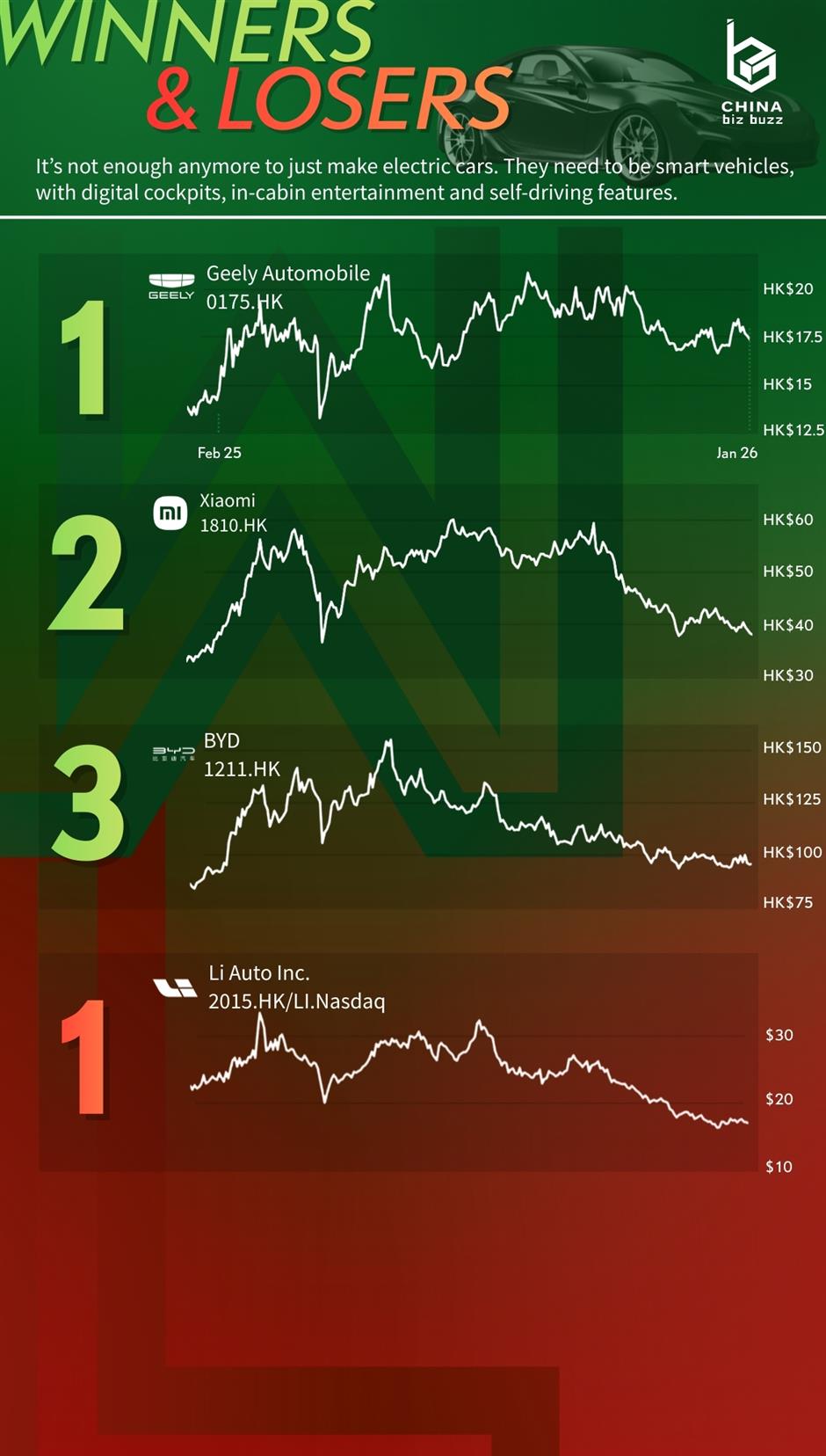
Geely shares began the year around HK$13.81. Following the November announcement of the consolidation plan, the stock rallied sharply to a high of HK$19.80, closing the year around HK$17.92, up 136 percent from the middle of 2024.
The restructuring not only streamlined equity but also saved billions in research and development costs. Combined with an explosion in export profits, Geely became a model of a successful legacy-to-tech transformation.
Through the strategic integration of Zeekr and Lynk, Geely is poised to achieve a significant value leap driven by platform-sharing efficiencies and high-growth international profits.
Xiaomi (stock ticker: 1810.HK)
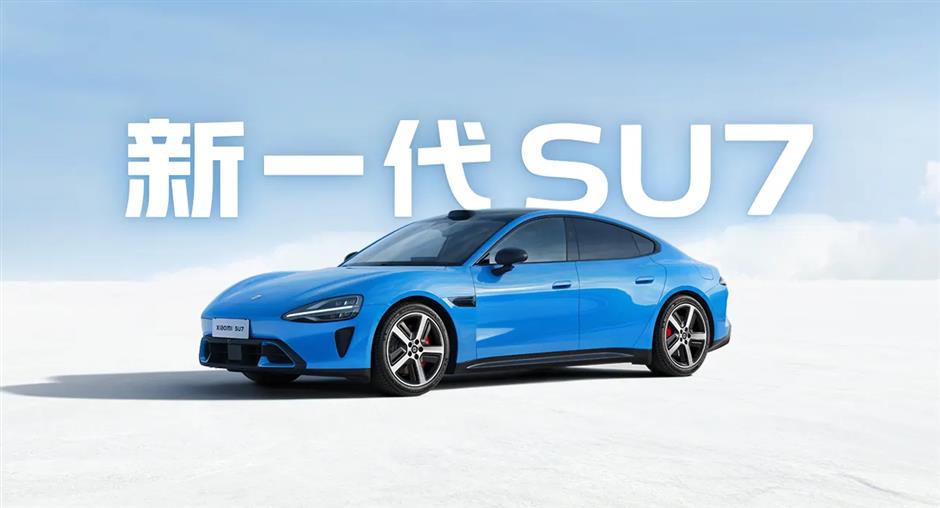
Xiaomi is a textbook performance of how a tech giant that once specialized in smartphone can successfully enter the auto industry. While the company's shares had a year-end correction due to broader market volatility, its electric vehicle business valuation is now fully established.
Starting 2025 at about HK$34 (US$4.37) a share, Xiaomi's market cap surged past HK$1 trillion in February. Driven by the launch of its first SUV, the YU7, shares hit a yearly high of HK$61.45 in June. By the end of the year, the stock settled around HK$39.30, a nearly 16 percent gain for the year.
Between the second and third quarters, monthly deliveries surpassed 30,000 units. Gross margins reached 25.5 percent, marking the first quarterly operational profitability for the electric-car division.
However, Xiaomi's stock faced a correction in the second half on multiple factors, including tighter competition in its smartphone business.
For 2026, release of Phase 2 production capacity combined with the mass delivery of the new SUV model will likely drive the automotive division toward annual profitability and trigger a secondary stock rally.
BYD (stock tickers: 1211.HK)
In 2025, BYD overtook Tesla to become the world's largest electric car market. BYD shares opened the year at HK$85.12 (US$11) and closed at HK$95.1. Already at a relatively high level in the beginning of the year, the 11.7 percent annual gain outperformed many of its international competitors.
BYD delivered more than 4.6 million vehicles in 2025, bolstered a surge in overseas exports, which rose by about 7.7 percent to over 1 million vehicles. Additionally, the company successfully integrated high-end autonomous driving technology, shifting its brand image toward a more premium market position.
The outlook for BYD in 2026 remains optimistic. The company is expected to focus on scaling up its international manufacturing footprint, particularly through its new plants in Thailand and Hungary, with an aggressive export target of 1.5 million units. By prioritizing premium sub-brands and advancing its Blade Battery 2.0 technology, BYD is well-positioned to maintain its global dominance.
The bottom: Competitive squeeze and transition pains
Li Auto Inc (2015.HK/LI.US)
Li Auto entered 2025 with shares trading at US$24.42 in New York. As the company's "growth myth" began to fade under intense competition from Huawei and Xiaomi, the stock price retreated to an annual loss of about 29.5 percent.
By the end of October, Li Auto had achieved only 51 percent of its annual sales target. Underwhelming consumer interest in its all-electric flagship Mega model combined with fierce competition forced Li Auto into aggressive discounting.
Profit per vehicle last year dropped by about 15 percent. Although the company remained profitable, there was a shift in market perception from a "high-growth tech stock" to a "standard automotive stock," which triggered a significant correction in its price-to-earning ratio.
Li Auto must prove its competitiveness beyond extended-range electric vehicles. Failure to successfully transition into the electric-car mainstream may lower that ratio in 2026.