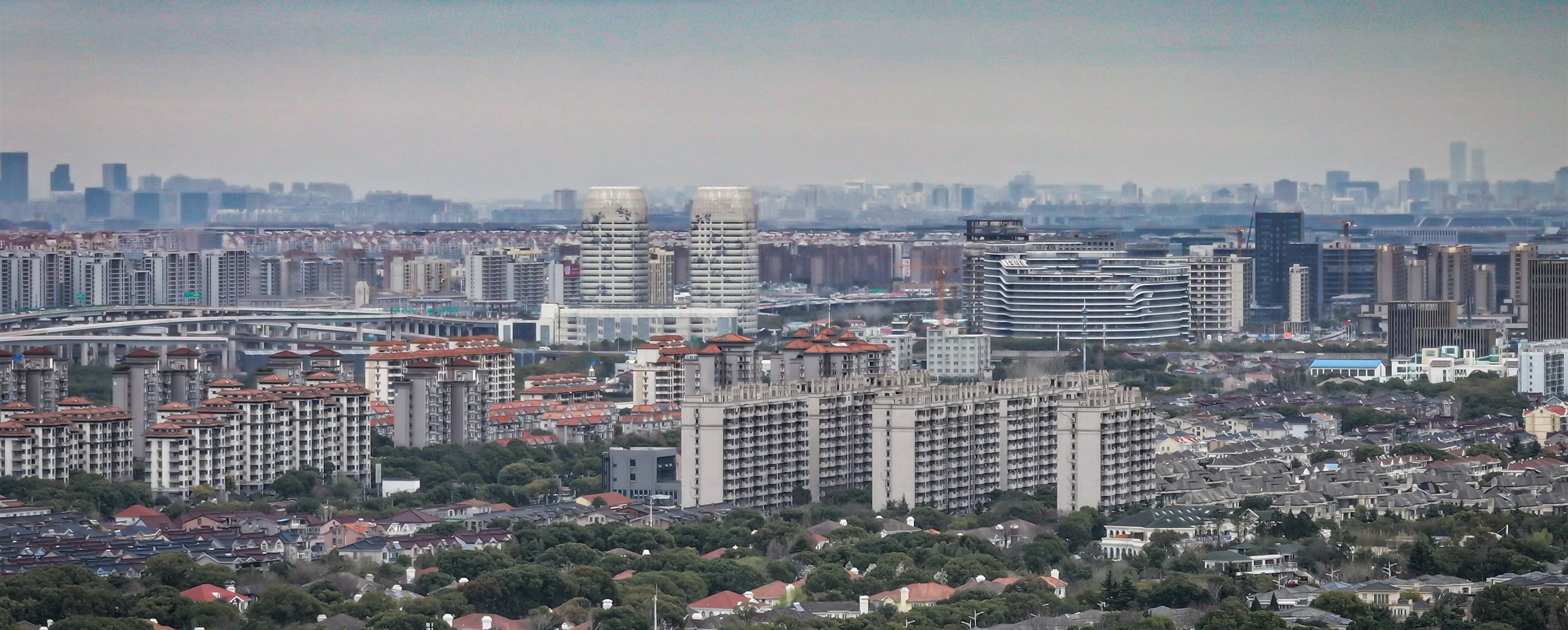
Count Sheep No More, Tech-Based Sleep Products Enter Market
For years, the Chinese industry aimed at helping people get a better night's sleep was built around a familiar promise: Buy the right pillow and mattress, swallow the right supplement, download the right app and off you go into dreamland.
That promise has moved into more expensive territory.
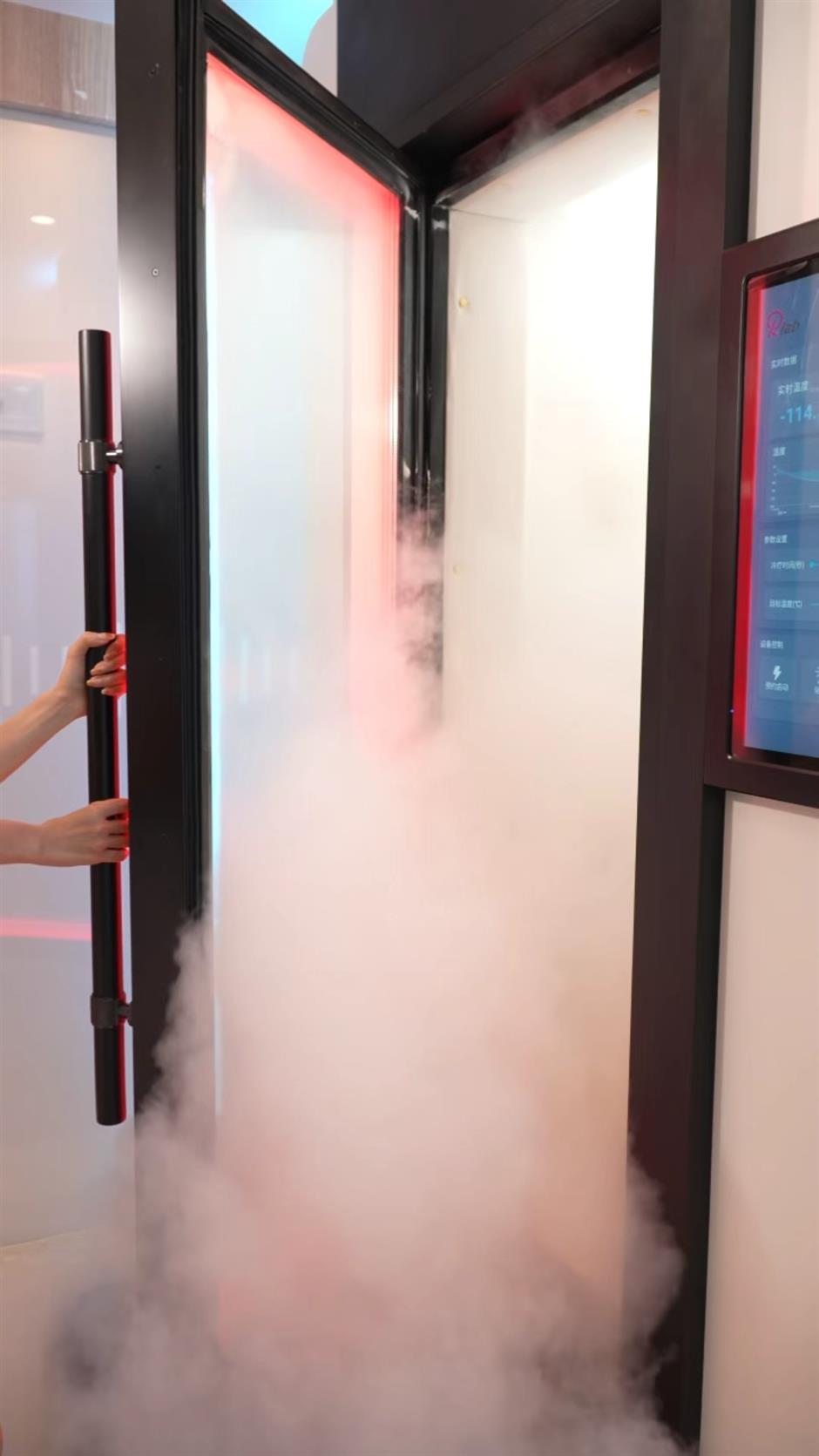
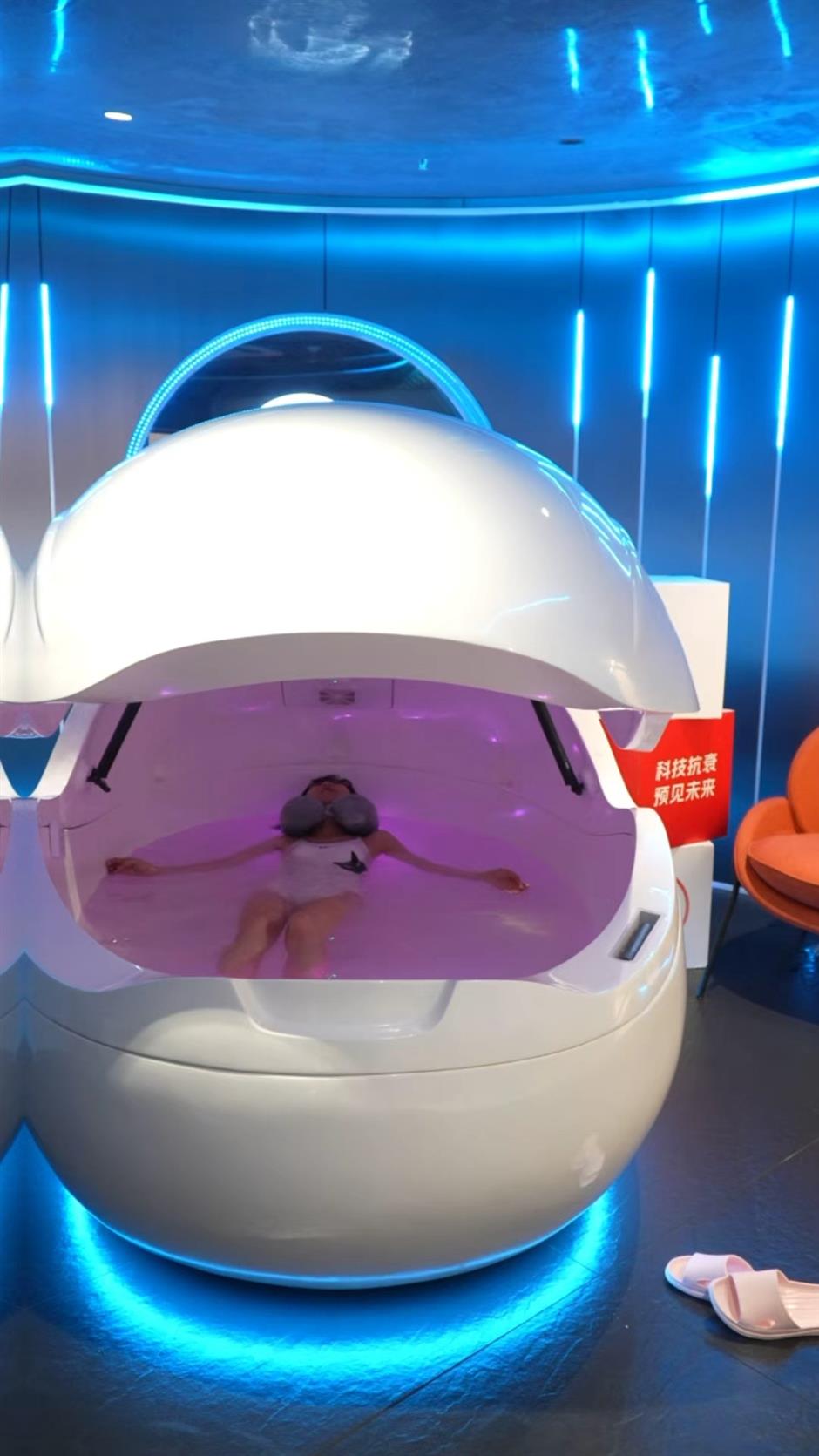
In Shanghai, a better night's sleep can now involve pressurized oxygen pods, cryotherapy chambers, floating tanks and infrared cabins. The new sleep business is not selling bedtime comfort so much as a larger idea – that rest can be engineered, recovery can be scheduled and adverse effects of aging can be managed before a doctor enters the picture.
What makes the trend notable is not just the hardware itself, but the way it is being packaged. Many of these technologies once belonged to hospitals, sports-recovery centers or fringe biohacking communities. Now they are appearing in storefront wellness clubs, longevity studios and membership-based recovery spaces aimed at urban professionals who feel exhausted long before they feel sick.
Sleep has become the entry point to better health.
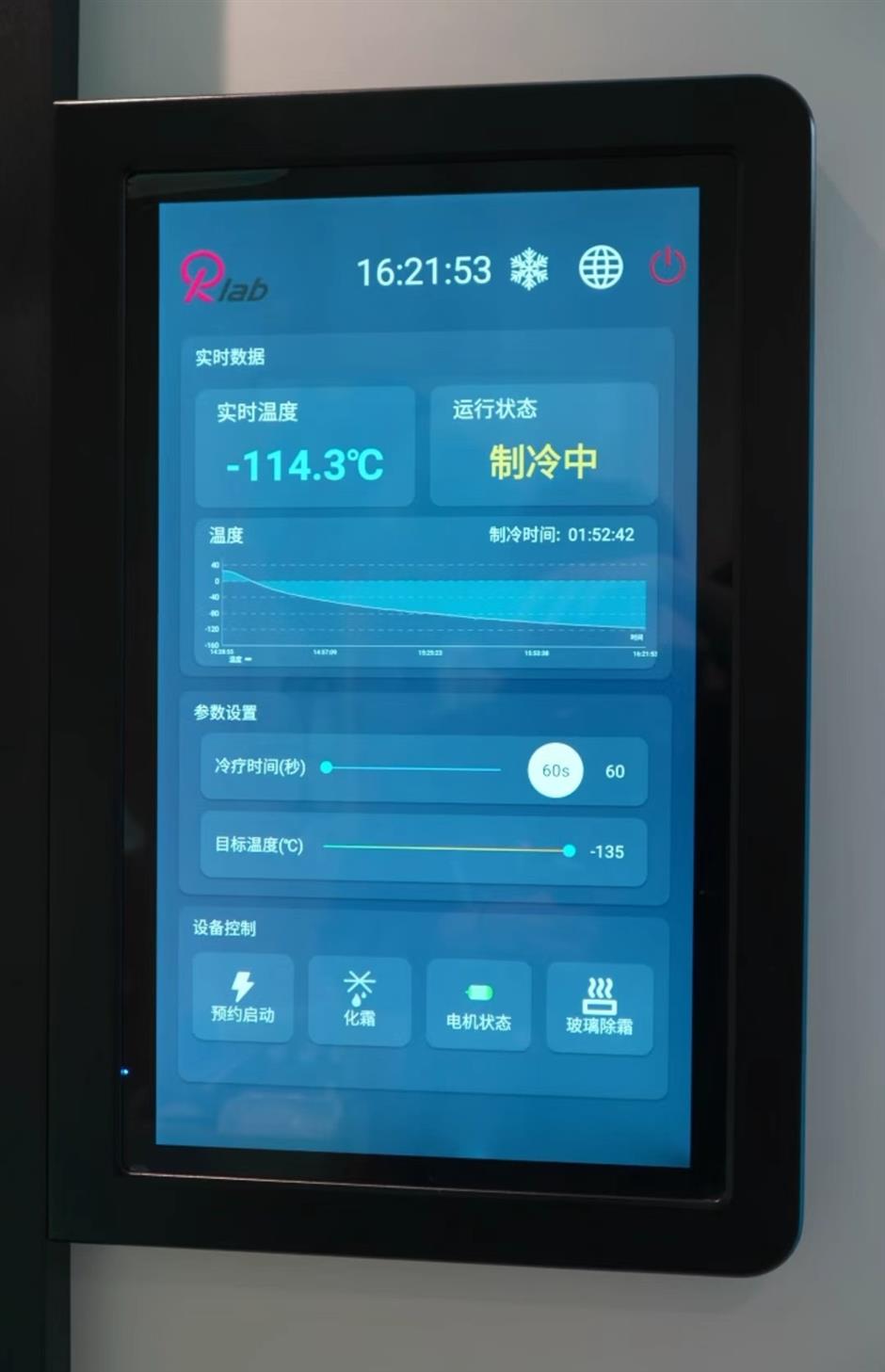
"People may not immediately notice changes in metabolism or inflammation, but they notice very quickly if they fall asleep faster or wake up feeling different," said Huang Yunhai, brand director of Shanghai-based longevity-tech company RLab.
For companies chasing China's growing longevity market, that immediacy matters. Consumers may hesitate to spend on abstract ideas like cellular health or biological aging. Better sleep, by contrast, is personal, measurable and easy to sell.
Most of the machines themselves are expensive. A hyperbaric oxygen chamber can cost hundreds of thousands of yuan. Cryotherapy systems and floating tanks require specialized installation, maintenance and trained staff. That makes selling directly to households difficult outside a small circle of wealthy consumers.
So companies are changing the model.
Instead of selling hardware, many are trying to sell multiple access – memberships, packages and long-term recovery routines. A customer may come in for better sleep, then return for stress relief, post-workout recovery or anti-aging treatments. The goal is not a one-time purchase, but repeat visits.
"It's very hard for people to make decisions based only on technical specifications," Huang said. "They usually need to physically feel the experience first."
The shift comes as sleep problems become increasingly common in China. An earlier industry estimate from Frost & Sullivan projected the number of people with insomnia in China would reach 300 million by 2025.
The growing demand is creating a wider ecosystem around sleep.
China's sleep industry reached 573.7 billion yuan (US$80 billion) in 2025, up 7.3 percent from a year earlier, according to iiMedia Research, which expects the market to grow to 790.4 billion yuan by 2030. The market has more than doubled since 2016.
Demand is broad. In iiMedia's latest consumer survey, more than 72 percent with sleep problems said they were willing to buy products to improve their sleep.
For now, most of that spending remains decidedly low-tech. Sleep-aid pillows were used or purchased by 55 percent of surveyed consumers, followed by eye masks at 40 percent and earplugs at 34 percent.
But the faster growth is happening elsewhere.
Sales of technology-based sleep products such as smart bands and sleep monitors more than doubled in recent e-commerce data tracked by Nint, while the broader sleep-environment category, including mattresses, pillows and bedding, grew about 13 percent.
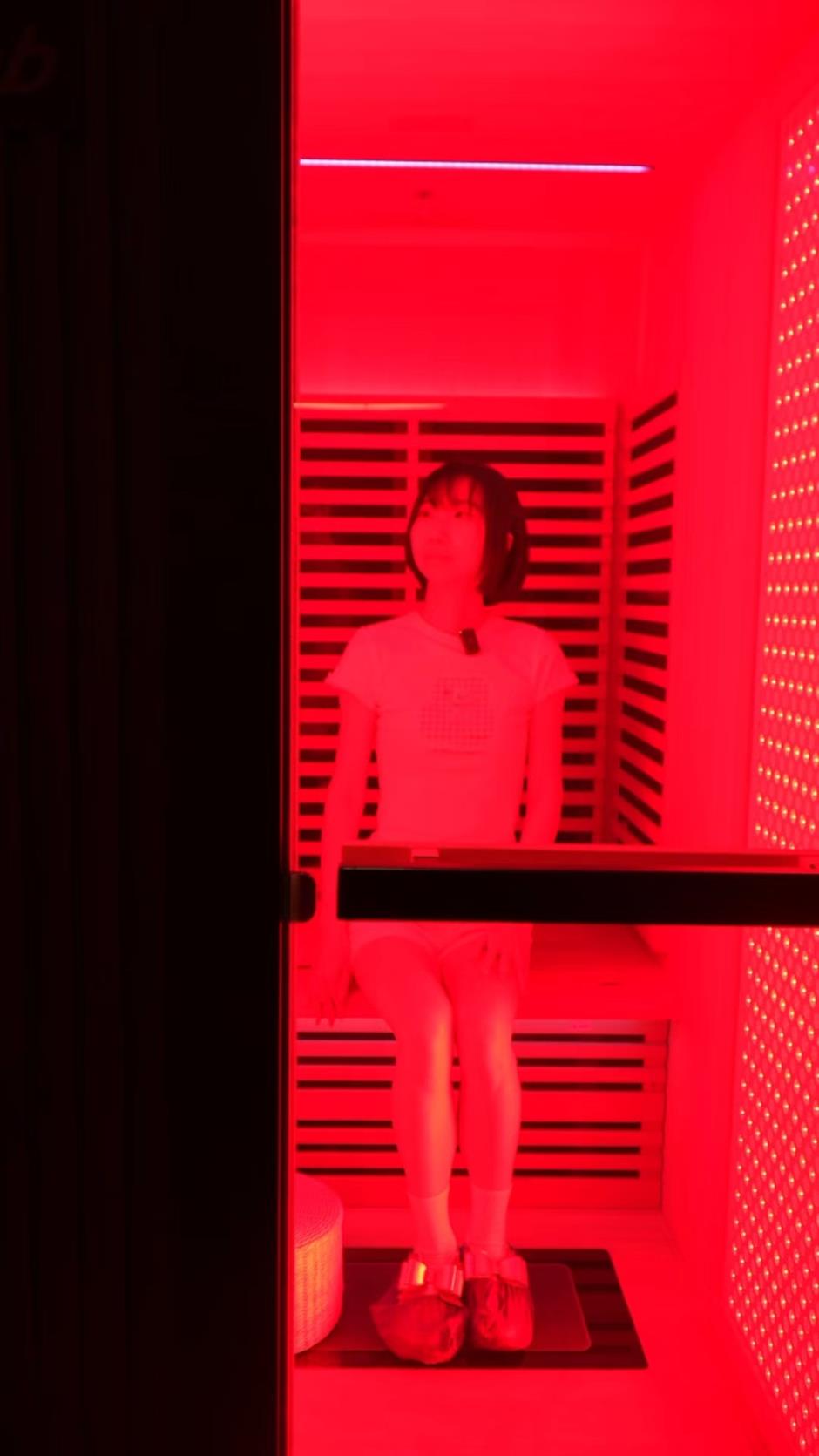
At almost every Chinese health and longevity exhibition, a growing number of sleep cabins, alpha-wave speakers and smart pillows are displayed. Other companies are bringing technologies from sports recovery and healthcare into the same market, including oxygen therapy, cold exposure and infrared light.
The business case is different from selling a pillow or smartwatch.
"Some of the larger machines cost 400,000 yuan to 500,000 yuan," Huang said, "making them difficult to sell directly to consumers and risky purchases for smaller wellness centers."
That is pushing suppliers toward rental contracts and operators toward memberships.
Some suppliers such as Huang's RLab now offer equipment leasing and replacement programs so operators do not have to commit hundreds of thousands of yuan to a machine that could be superseded within a few years.
The economics can vary sharply by machine. At one Shanghai wellness center in the Hongqiao area, a cryotherapy chamber is priced at 799 yuan a session and can take several customers in an hour, while a two-person oxygen-chamber session costs 699 yuan and lasts about an hour. Membership discounts bring many sessions down to roughly 300 yuan to 400 yuan.
"The cryotherapy chamber was so cold that I couldn't stop shivering," said Li Fei, who tried several of the treatments in the center. "In the floating tank, I felt like I was going to drown. But strangely, it also felt a little like being a fetus in the womb."
Getting consumers into the chamber is one thing. Getting them to come back is another. But repeat business depends on more than novelty. It depends on whether customers believe the treatments work.
The scientific evidence is much less uniform than the booming market. A review of flotation therapy found signs of improved sleep but called for better controlled trials, while a 2025 study found hyperbaric oxygen improved sleep in 80 patients with chronic insomnia at high altitude – a much narrower group than the healthy consumers now targeted by wellness centers.
That gap matters as companies try to move sleep technology from a one-off curiosity into a recurring service.
RLab says people with diagnosed illnesses should still seek medical treatment, and that its devices are intended for recovery and health management rather than as substitutes for clinical care. The company has worked with hospitals on research, but such equipment has yet to become part of routine procurement at major public hospitals.
For an industry built on repeat visits, the test may be less about how many new machines it can put into wellness centers than whether consumers feel enough benefit to keep paying hundreds of yuan to climb back inside.
Editor: Liu Qi
In Case You Missed It...

 Aug 29, 2026
![[The City Asks] How is Shanghai's Healthcare in 2026?](https://obj.shine.cn/files/2026/08/28/d5cb243b-92cd-43f6-8575-5fc1b21bac6e_0.png)
![[SH Transit] China Eastern Adds Flights On World's Longest Air Route](https://obj.shine.cn/files/2026/08/28/abe0727c-b1f3-4620-88b1-a74bdbb16dbf_0.jpg)
![[SH Transit] China Eastern Adds Flights On World's Longest Air Route](https://obj.shine.cn/files/2026/08/28/4a8a5cbe-893f-424c-b58c-aaee72c66015_0.jpg)
![[Weather] Typhoon Saudel Makes Two Landfalls in Zhejiang](https://obj.shine.cn/files/2026/08/28/eff9c2d3-5f3a-4ba1-be2f-d33ee430c832_0.jpg)