Weekend Buzz: 24-25 October 2026
Top News
Oil Prices Surge to Six-Month High Amid Fears of Iran War Attacks Resuming
Global oil prices rose to a six-month high on Friday, as investors increasingly anticipate the US and Israel will resume strikes on Iran after the US midterm elections on November 3. Brent crude futures were priced above US$117 a barrel in late New York trading. Iran's army chief said his country is fully prepared for warfare and has strengthened its capabilities. US President Trump earlier said there would be no strikes on Iran in the runup to national elections, where the war that began in late February has become an unpopular issue among voters because of high oil prices driving up the cost of living. Efforts to end the war have been stalemated for months.
Is Putin Eyeing Possible Trilateral Talks to End Ukraine War?
A day after the Kremlin said Russia is willing to engage in the first trilateral peace talks with the US and Ukraine, President Vladimir Putin raised his longstanding claim that eastern territories of Ukraine are "historically Russian land." Those claims, which underpinned Russia's attack on Ukraine, are largely responsible for failed attempts to bring the war, now in its fifth year, to an end. Russia has consistently demanded that Ukraine cede the east of the country, now largely under Russian occupation, to Moscow – a violation of its sovereignty that Ukraine has rejected. In a TV interview, Putin also said any trilateral talks should focus on security guarantees for both Russia and Ukraine, as well as broader European security issues.
Ukraine Says Starlink Access Not Fully Restored
Ukraine said its access to SpaceX's Starlink internet satellite system remains throttled even after US President Donald Trump said he told SpaceX Chief Executive Elon Musk to fully restore it. Ukraine relies on the system for drone operations, alerts on incoming Russian missiles and intelligence sharing with the US. Access to Starlink was limited after a spat broke out last week between Trump and Ukrainian President Volodymyr Zelensky over US purchases of Russian diesel. Both Musk and Trump have blamed one another for the Starlink curtailment.
Israel Retaliates for Palestinian Attack that Killed Two Soldiers
Israel began demolishing buildings and forcing residents to evacuate a neighborhood in the occupied West Bank town of Hebron on Friday, hours after two Palestinian gunmen opened fire on an Israeli military checkpoint, killing two soldiers and injuring three. The attack came four days ahead of the first Israeli elections since the Hamas-led attack on southern Israel three years ago. Prime Minister Benjamin Netanyahu scaled back plans for a full closure of the West Bank, saying he is considering a cordon around the cities of Hebron and Halhul that may extend to other areas. The West Bank has recently been the scene of violent attacks by Israeli settlers on the annual Palestinian olive harvest.
French President Calls Deadly Gun Attack 'Racist Terrorism'
French President Emmanuel Macron said a gun attack in a Parisian suburb that killed one person and injured five others was a "racist terrorism." The attacker, who was subsequently arrested, was apparently targeting people of migrant origin. The injured include a 12-year-old girl who remains in serious condition. The incident heightens social tensions amid a continuing wave of public demonstrations against inadequate education funding and the rising cost of living. The French government is grappling with a budget crisis, amid record high debt and bond yields hitting a 24-year high, increasing repayments on the debt.
Typhoon Champi Lashes Taiwan, Leaving One Dead
Typhoon Champi battered northeastern Taiwan, leaving at least one dead and 171 injured. Flights were cancelled and schools and businesses closed. Transport officials reported all 262 domestic flights and 669 international flights were scrubbed. The superstorm is expected to brush past the coast of eastern China, with heavy rainfall forecast for Shanghai and Zhejiang Province over the weekend.
Pentagon Designates Confucius Institutes a Security Threat
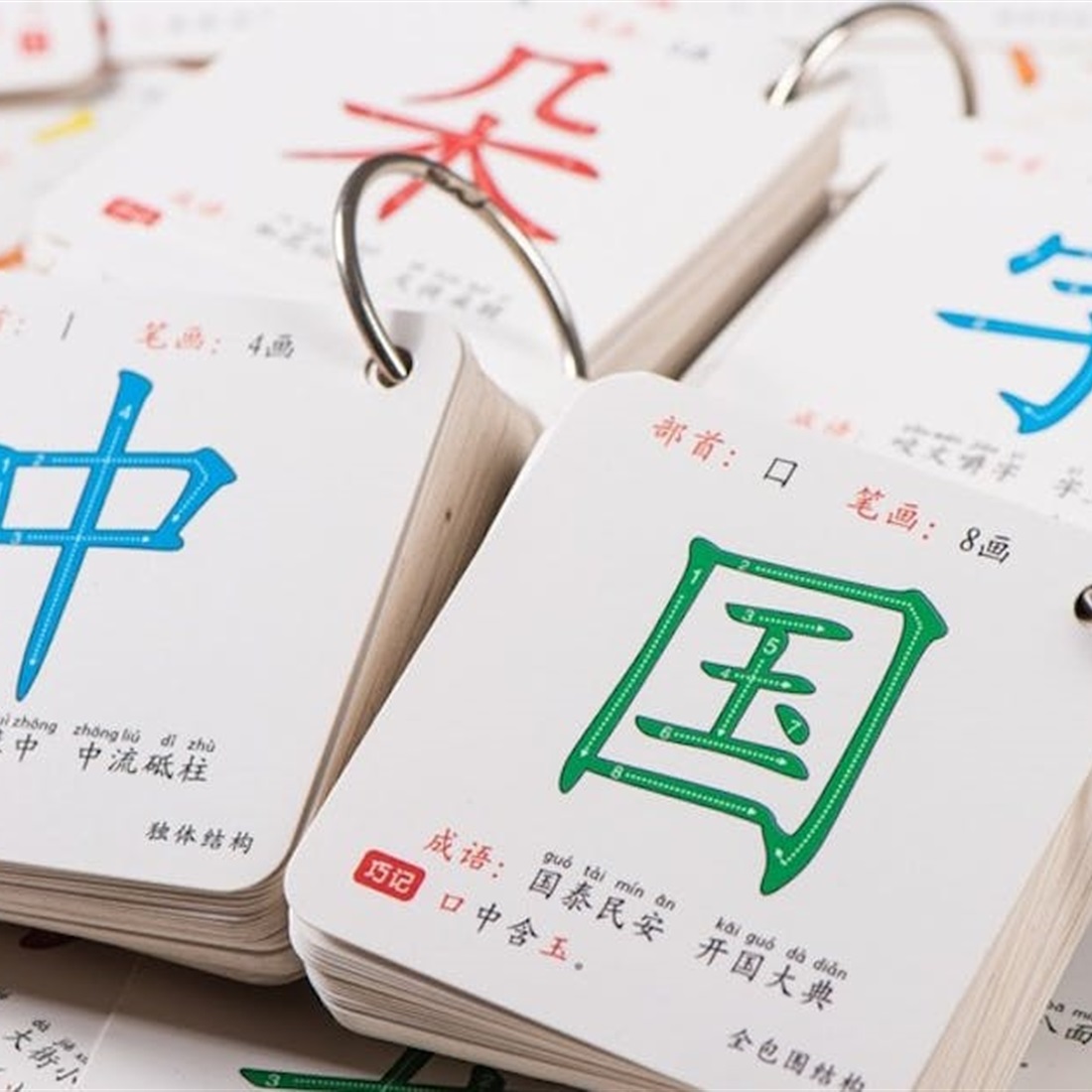
The US Defense Department has designated China's Confucius Institutes as a threat to US national security. Sponsored by the Chinese government since 2004, the centers were set up in foreign countries to promote Chinese language and cultural education. Only about 10 of the centers remain open in the US, with more than 110 having shut down or rebranded themselves. The institutes are named after Chinese philosopher Confucius who lived between 551-479 BC and is famed for his wisdom and teachings of harmony, kindness and social responsibility.
Top Business
Cambricon Q3 Profit More Than Doubles Amid Revenue Surge
Beijing-based AI chip designer Cambricon reported third-quarter net profit surged 148 percent from a year earlier to 1.4 billion yuan (US$197 million), up 8 percent from the prior three months. Revenue more than doubled to 3.5 billion yuan. Despite the robust growth, the results came in lower than market expectations because of production bottlenecks and tight supplies of memory chips used in design architecture. Still, the AI boom in demand and prices benefitted the Shanghai-listed company. For the first nine months, net profit reached nearly 3.7 billion yuan, up 131.5 percent, on a more than doubling of revenue to 9.5 billion yuan. Cambricon said it continues to aim for 2026 revenue of 13.5 billion, which would be more than twice last year's total.
Zijin Mining Posts Strong Q3 Profit Growth on Higher Metal Prices
Zijin Mining, China's largest metals miner by profit and market capitalization, reported a third-quarter net profit of 18.4 billion yuan (US$2.6 billion), increasing about 26 percent from a year earlier but falling 3 percent from the prior three months. Revenue rose 3 percent to 89.3 billion yuan. For the first three quarters, net profit jumped 52 percent to 57.5 billion yuan, and revenue climbed 11.5 percent to 283.5 billion yuan. The strong performance was driven by surging prices for gold, copper and silver, and improved gross margins in mineral production. The Fujian Province-based company recently completed its acquisition of Chifeng Gold to bolster bullion output.
Shenhua Energy Reports Steady Q3 Profit, Revenue Growth
China coal mining giant Shenhua Energy announced a third-quarter net profit of 15.7 billion yuan (US$2.2 billion), a 3.2 percent increase from a year earlier. Revenue rose 11 percent to 106.7 billion yuan. For the first nine months of this year, net profit rose 3.8 percent to 44.4 billion yuan, with revenue climbing 9 percent to 296 billion yuan. The company attributed the gains to increased sales of coal and coal chemicals, and growth in its power generation businesses.
Hisense Home Appliances Profit Plunges, Missing Forecasts
Hisense Home Appliances reported third-quarter net profit plunged 74 percent from a year earlier to 191 million yuan (US$27 million) on an 8.8 percent drop in revenue to 20.3 billion yuan. Excluding non-recurring items, net profit plummeted 97 percent to 16.7 million yuan. The results were worse than market forecasts. The leading Chinese appliance manufacturer attributed the steep profit decline partly to a 93 percent surge in financial expenses, largely driven by a stronger yuan that diminished overseas earnings when converted to its bottom line.
Goldwind Profit Slips in Q3, Rises in Nine Months
Goldwind, a leading Chinese multinational wind turbine manufacturer, reported a third-quarter net profit of 1.02 billion yuan (US$143 million), down 7 percent from a year earlier. Revenue fell 6.8 percent from a year earlier to 18.3 billion yuan. For the first three quarters, net profit rose 11 percent to 2.9 billion yuan, and revenue grew 8.1 percent to 52 billion yuan. Nine-month results reflected effective cost management and a decline in the company's expense ratio to 9.1 percent, despite a slight increase in research and development spending. The company said its backlog of turbine orders at the end of September totaled nearly 57 gigawatts.
Economy & Markets
Dongshan Precision's Hong Kong IPO Gets Chilly Investor Response
Suzhou-based printed circuit board maker Dongshan Precision Manufacturing has become one of this year's least popular mega IPOs in Hong Kong, after its subscription period ended on Friday with only 10 percent of allocated retail shares taken up and some institutional investors withdrawing large orders. The IPO drew fewer than 10,000 applicants, the South China Morning Post reported. Dongshan Precision was seeking to raise as much as HK$10.7 billion (US$1.36 billion). The cooler investor reception comes amid a global slump in technology stocks. The company's shares traded in Shenzhen have dropped 14 per cent since the launch of the IPO. Hong Kong shares are scheduled to begin trading on October 28.
SK Hynix Pulls Plug on Plans for Subsidiary Solidigm to List in US
South Korea's SK Hynix, the second-biggest memory chipmaker in the world, said it is halting plans for a potential IPO in the US for NAND flash-memory subsidiary Solidigm, citing recent market volatility. The IPO, which first hit the news late last month, would have reportedly sought to raise up to US$15 billion to help fund a new factory in the US amid soaring demand for AI chips. SK Hynix shares have plunged about 30 percent since then, though they clawed back early losses on Friday to close 4.7 percent higher. South Korean regulators earlier this week said the listing could undermine shareholder interests. News media have speculated that a new chip factory in the US could be used as a bargaining chip to win approval from the Trump administration for unfettered US chipmaking equipment exports to SK Hynix plants in China.
Shein to Pay US$100 Million to Settle US Investigation
Chinese global discount online retailer Shein has agreed to pay US$100 million to settle an investigation by the US Federal Trade Commission over delivery delays and other customer complaints, Reuters reported. The settlement is equivalent to 44 percent of Shein's second-quarter profit and is the latest setback amid regulatory probes by Europe and the US into its business practices. Shein was founded in China and sources most of its low-cost goods there, though it moved its headquarters to Singapore in 2021. The company listed in Hong Kong last month.
China Approves Citi Securities in Shanghai
China's securities regulator approved the establishment of a Citigroup wholly owned securities unit. Citi Securities China has registered in Shanghai with a capital of 1.2 billion yuan (US$168 million). Its approved business scope covers securities brokerage, investment consulting, underwriting and sponsorship, and proprietary trading. China now has eight wholly owned foreign-owned securities firms operating in the country.
US Sets Sights on Restricting Investment in Chinese Innovative Drugs
The US Department of the Treasury is proposing to add biotechnology to its list of sensitive technologies on national security grounds, a move aimed primarily at rival in China. The proposed rules would require US investors to notify the government of certain transactions involving foreign companies developing sensitive technologies, while others would be prohibited outright. They would also restrict investment in Chinese brain-computer interface companies. The proposals come as investment in Chinese promising drug discoveries by US and European pharma giants has been surging. The rules now go to public comment.
Ping An Kicks Off Bank Earnings Season
Ping An Bank became the first listed Chinese mainland lender to report third-quarter results, revealing revenue rose 2.4 percent from a year earlier to 103.1 billion yuan (US$15.5 billion), with profit rising 2.2 percent to 39.2 billion yuan. Its net interest margin, a key indicator of banking profit, fell two basis points to 1.79 percent. The average yield on personal loans slipped 1 basis point from the previous quarter, while corporate yields fell 16 basis points to 2.74 percent. The non-performing loan ratio was flat at 1.05 percent.
China's Outbound Direct Investment Falls 4 Percent
China's outbound direct investment in the first nine months of the year fell 4 percent from a year earlier to 881.5 billion yuan (US$132 billion), according to data from the Ministry of Commerce and the State Administration of Foreign Exchange. Chinese mainland investors invested in 9,071 overseas companies during the period. China has unveiled new rules on outbound investment, requiring investors to report major adverse developments more diligently, including foreign demands to hand over technology or dispose of stakes. The new rules are aimed at mitigating rising overseas risks and protecting Chinese interests. Foreign investment flows into China fell 4.3 percent in the first three quarters to 548.8 billion yuan.
Computer Modeling Predicts Dire Effects of Pullback in AI Spending
Computer modeling by London-based research firm TS Lombard shows that a sudden cooling in spending on AI infrastructure would send tech stocks plunging 40 percent, generating up to US$190 billion in credit losses. The modeling shows that US growth would drop about 2 percentage points and some 800,000 jobs would be lost. The core scenario assumes AI capital expenditure reverses sharply from its current breakneck pace. However, Dario Perkins, global macro managing director at the firm, doesn't recommend going short on AI stocks yet. "We can't know exactly when the AI capex boom will end," he said.
Japan Prices Overshoot Central Bank Inflation Target
Japan's headline inflation in September came in at a wider-than-expected 2.1 percent on steeper import costs due to a weaker yen and the impact of higher energy prices, adding to speculation of another central bank rate hike. It was the first time in nine months that the rate exceeded the Bank of Japan's 2 percent inflation target. Core inflation that strips out volatile fresh food and energy prices, and is the Bank of Japan's preferred inflation gauge, was 2.4 percent. The Bank of Japan raised its key rate to a 31-year-high of 1.25 percent last month.
China Revenue From Securities Stamp Duty Jumps 65 Percent
China collected 239 billion yuan (US$35.8 billion) in stamp duty on securities transactions in the first nine months of 2026, up 65 percent from a year earlier, the Ministry of Finance reported. It also said China's general public budget revenue increased 5.1 percent in the period to 17.2 trillion yuan, while expenditures rose 1 percent to 21 trillion yuan. Revenue from government-managed funds fell 18.6 percent to 2.5 trillion yuan, weighed down by a 28 percent decline in local government income from land-use rights sales. Spending from government-managed funds dropped 16 percent to 6.3 trillion yuan, highlighting continued weakness in that segment of public finances.
Corporate
CMOC Q3 Profit Jumps on Higher Copper Prices
China's CMOC Group, a major global mining, processing and metals trading company, posted a 40 percent jump in third-quarter net profit to 7.9 billion yuan (US$1.11 billion), with revenue increasing 42 percent to 72 billion yuan, up 42 percent year-over-year. For the first three quarters, profit soared 68 percent to 24 billion yuan on a 42.5 percent increase in revenue to 207.3 billion yuan. The robust growth was primarily driven by increased production volumes, sales and prices of copper products. Additionally, rising molybdenum prices and the financial consolidation of the company's Brazilian gold mine business contributed significantly to the bottom line.
China Oilfield Services Posts Profit Slip, Cites Lower Oil Prices
China Oilfield Services reported that its third-quarter net profit slipped 1.7 percent from a year earlier to 1.2 billion yuan (US$172 million), while revenue rose 3.5 percent to 11.9 billion yuan. For the first nine months of the year, profit edged up 0.7 percent to 3.2 billion yuan, with revenue growing 2.5 percent to 35.7 billion yuan.
The company cited profit pressures from lower onshore oilfield services prices, shrinking work volumes in its core drilling and geophysical exploration segments. Additionally, foreign-exchange losses driven by a stronger yuan and a significant increase in overall expense ratios contributed to the bottom-line decline.
China Coal Energy Q3 Profit Dips Despite Revenue Growth
China Coal Energy reported third-quarter net profit of 4.6 billion yuan (US$648 million), a 3.8 percent decline from a year earlier. Revenue rose 18 percent to 42.5 billion yuan. The company attributed the lower profit to rising operational costs and increased overall expenses. For the first three quarters, the company's net profit rose 2.1 percent to 12.8 billion yuan on a 4.6 percent increase in revenue to 115.6 billion yuan.
JCET Group Q3 Profit Surges on AI Demand
JCET Group, China's largest outsourced semiconductor assembly and test provider, reported a third-quarter net profit of 773 million yuan (US$109 million), a 60 percent surge from a year earlier. Revenue rose 13.5 percent to 11.4 billion yuan. For the first three quarters, net profit soared 69.6 percent to 1.6 billion yuan, with revenue climbing about 8 percent to 31 billion yuan. The robust growth was primarily driven by surging demand for AI infrastructure, domestic semiconductor substitution and high capacity utilization. Computing electronics, its largest revenue contributor, jumped 54 percent. The company is also actively expanding its advanced packaging capacity in Jiangyin and Shanghai, while co-developing cutting-edge technologies like glass substrates and panel-level packaging.
China Northern Rare Earth Profit Soars
China Northern Rare Earth Group reported a 136.5 percent surge in net profit to 3.7 billion yuan (US$555 million) in the first nine months of 2026, driven by higher selling prices and sales volumes. Revenue rose 36 percent to 41.3 billion yuan. For the third quarter, profit climbed 161 percent to 1.6 billion yuan, while revenue increased 36 percent to 15.5 billion yuan. The rare-earth producer attributed the earnings growth to favorable market conditions, firmer product prices and higher sales volumes.
Gucci Sales Slump Hits Kering's bottom Line
Paris-based luxury goods group Kering reported sales at its Gucci brand dropped 6 percent in the third quarter to 1.3 billion euros (US$1.4 billion) on weaker consumer demand in China and Japan. Gucci has been in a slump for three years. Overall revenue at Kering fell 1 percent to 3.3 billion euros. The company said it expects sales to remain sluggish in China, where prestige foreign brands have been losing their cachet.
BYD Vehicles Banned From US Base in Japan
BYD electric vehicles have been banned from a US air base in Japan on security concerns after Washington included the world's biggest new energy vehicle maker on a blacklist in June, South Korea's Yonhap news agency reported on Friday. The ban alleged that Shenzhen-based BYD has ties to China's military. The concerns at Kadena Air Base in Okinawa relate to use of cameras and sensors mounted on the vehicles that could collect sensitive security information.
Evergrande Creditors Claw Back 1 Percent of Money Owed
China Evergrande creditors have so far recovered 1 percent, or US$436 million, of debt claims lodged against the bankrupt property developer more than two years ago. Liquidator Alvarez & Marsal told a Hong Kong Court that the money has come from asset sales and settlement of loans receivable. Evergrande, once China's top property developer, defaulted on most of its US$300 billion in liabilities, becoming the emblem of a property market slump that began in 2021.
Malteurop Acquires Chinese Malt-Making Company
France's Malteurop, one of the world's largest producers of malt used in beer production, has acquired Yancheng-based Chunlei Malting to expand its capacity in China. Chunlei's malt plant produces 220,000 metric tons annually. Financial details weren't disclosed.
Three Shenzhen-Listed Tech Companies Post Profit Surges
Shennan Circuits, a Shenzhen-based maker of printed circuit boards, said nine-month revenue rose 54 percent from a year earlier to 25.8 billion yuan (US$3.9 billion) and profit increased 78 percent to 4.1 billion yuan. For the third quarter, revenue rose by two-thirds to nearly 10.48 billion yuan and profit rose 94.4 percent to 1.88 billion yuan. Net cash flow from operating activities fell 15 percent. The company is building plants in Wuxi, Nantong and Guangzhou amid soaring demand for circuit boards.
Xingyun Technology reported that third-quarter revenue surged 56-fold to 921 million yuan, turning to a profit of 257 million yuan. The Changsha-based company, which completed bankruptcy reorganization and was formally taken over by industrial investors last year, is involved in cross-border digital trade and AI computing infrastructure. And Beijing-based Honghe Technology, which makes electronic-grade fiberglass fabric, said third-quarter profit surged 607 percent from a year earlier to 364 million on a tripling of revenue to 927 million. Nine-month revenue rose 131 percent to 1.9 billion yuan, and profit surged 436 percent to 743 million yuan.
Editor: Lu Feiran
In Case You Missed It...

 Oct 21, 2026